

Urban Discourse Machine: A Fusion of Tradition and Modernity in Yazd
Urban Discourse Machine blends Yazd’s architectural heritage with modern laboratory design, fostering urban engagement through dynamic facades and spatial innovation.


Reinterpreting Yazd’s Architectural Identity
The Urban Discourse Machine is an innovative architectural project that redefines the urban landscape of Yazd. Designed by Darkefaza Design Studio, this laboratory renovation project integrates elements of traditional Persian architecture while addressing modern urban design challenges.
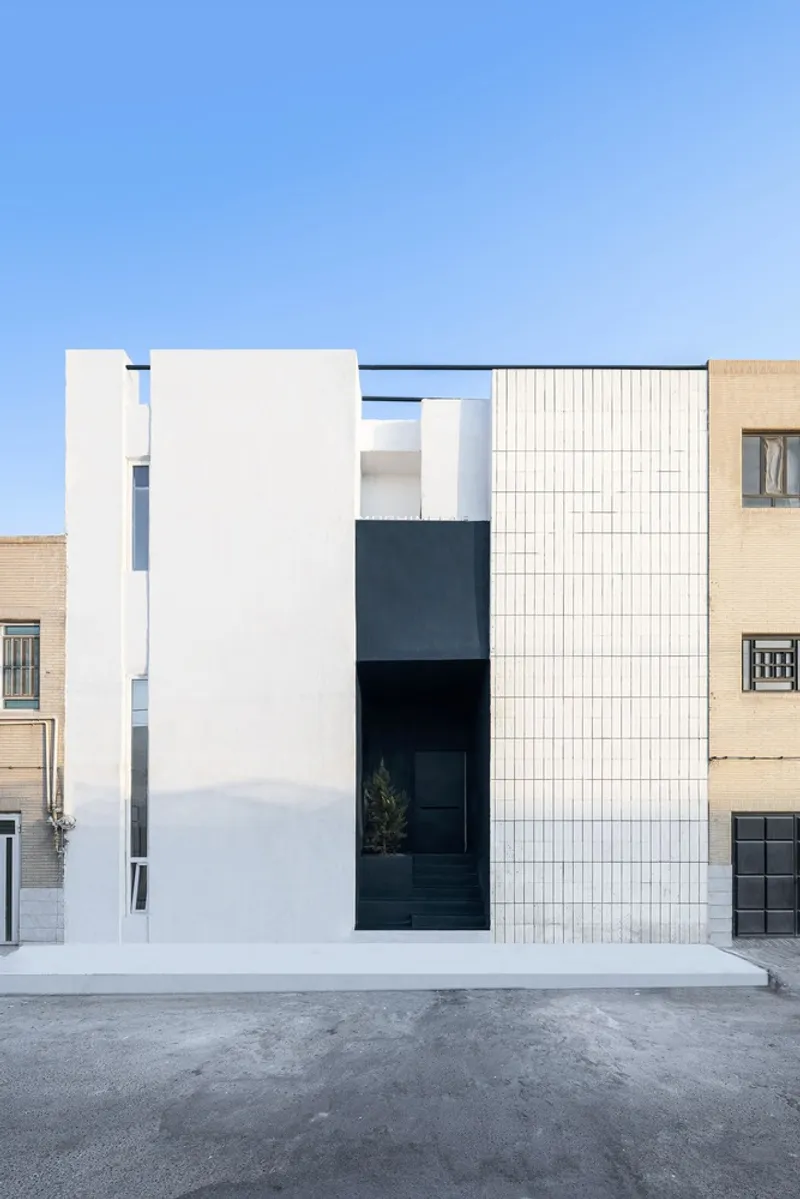
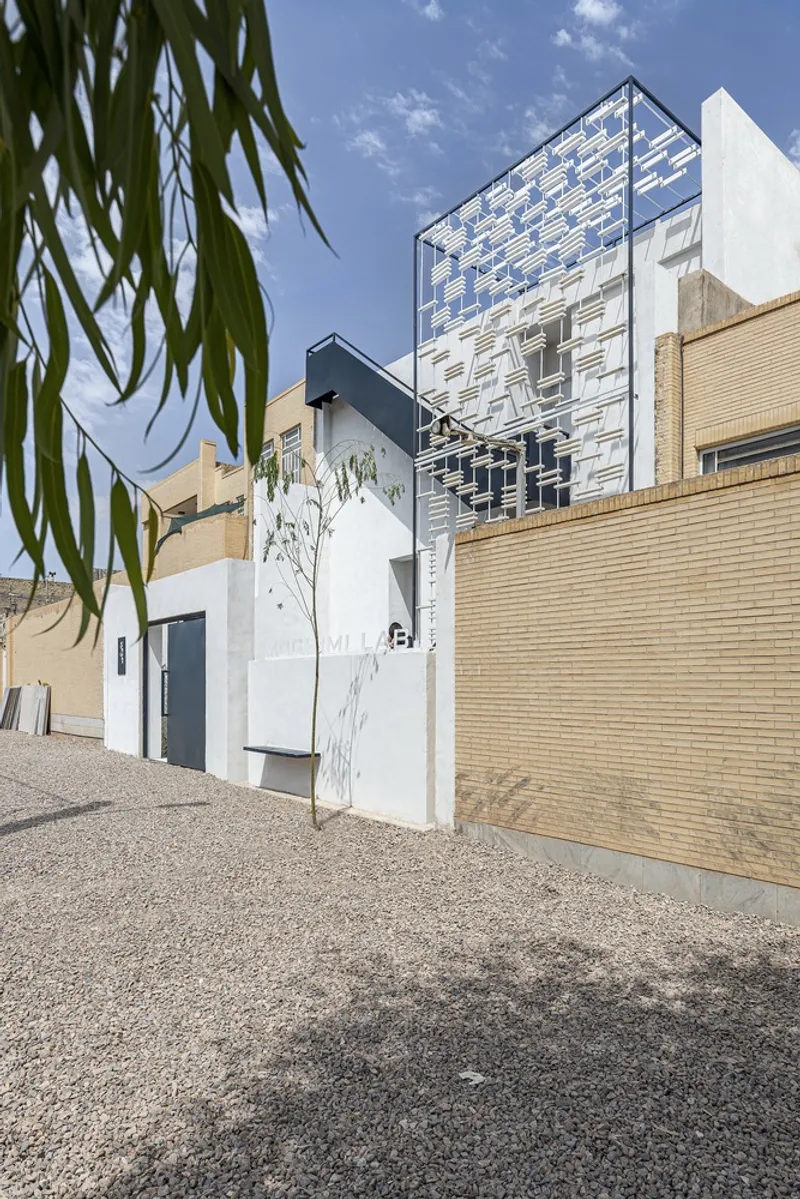
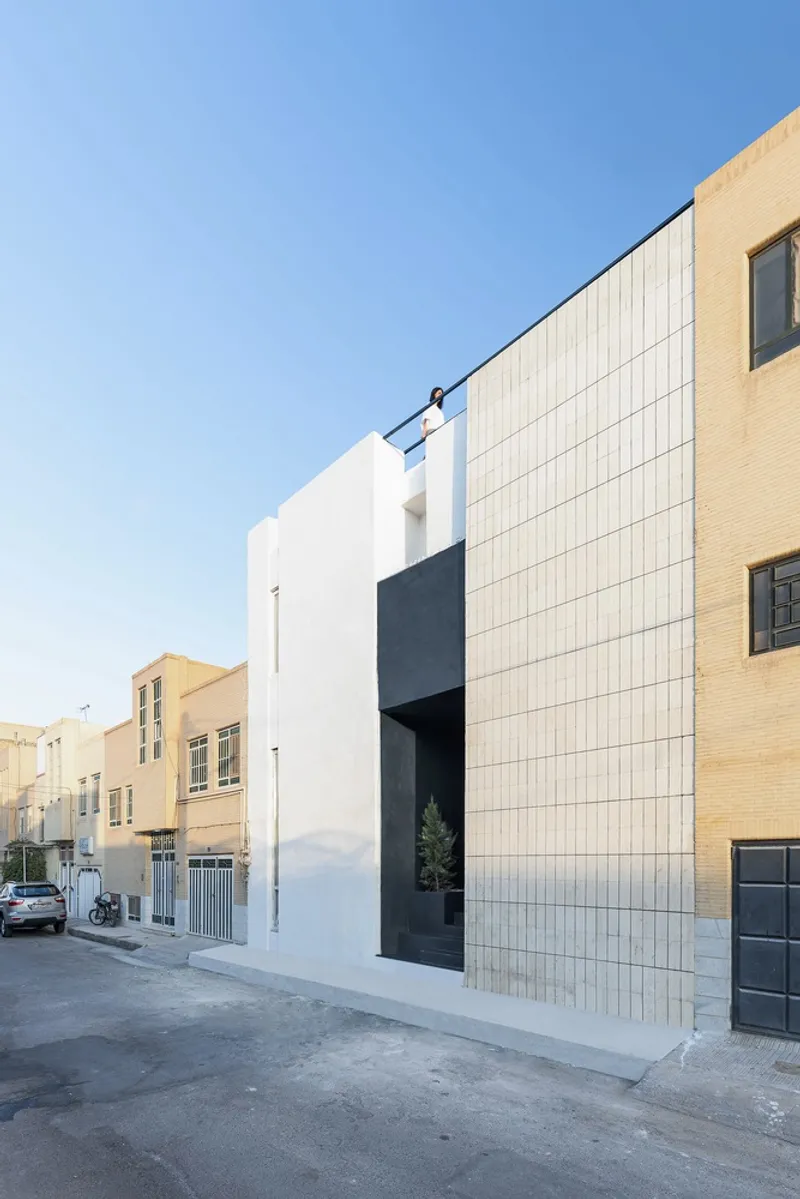
Located in the Safayieh district, an area characterized by uniform structures with minimal interaction with the city, this project seeks to establish a dialogue between architecture and the urban environment. Most buildings in this neighborhood feature solid, opaque facades that limit visual engagement with pedestrians. The challenge was to break this pattern and introduce transparency, accessibility, and cultural relevance.
A Laboratory That Engages with the City
This project is more than a laboratory; it functions as an architectural machine that adapts to its surroundings. The design balances two distinct characteristics:
- The southern facade embraces public interaction, making the building an extroverted urban entity that engages with the cityscape.
- The northern side, facing a residential alley, ensures privacy and tranquility, respecting the neighborhood's existing rhythm.
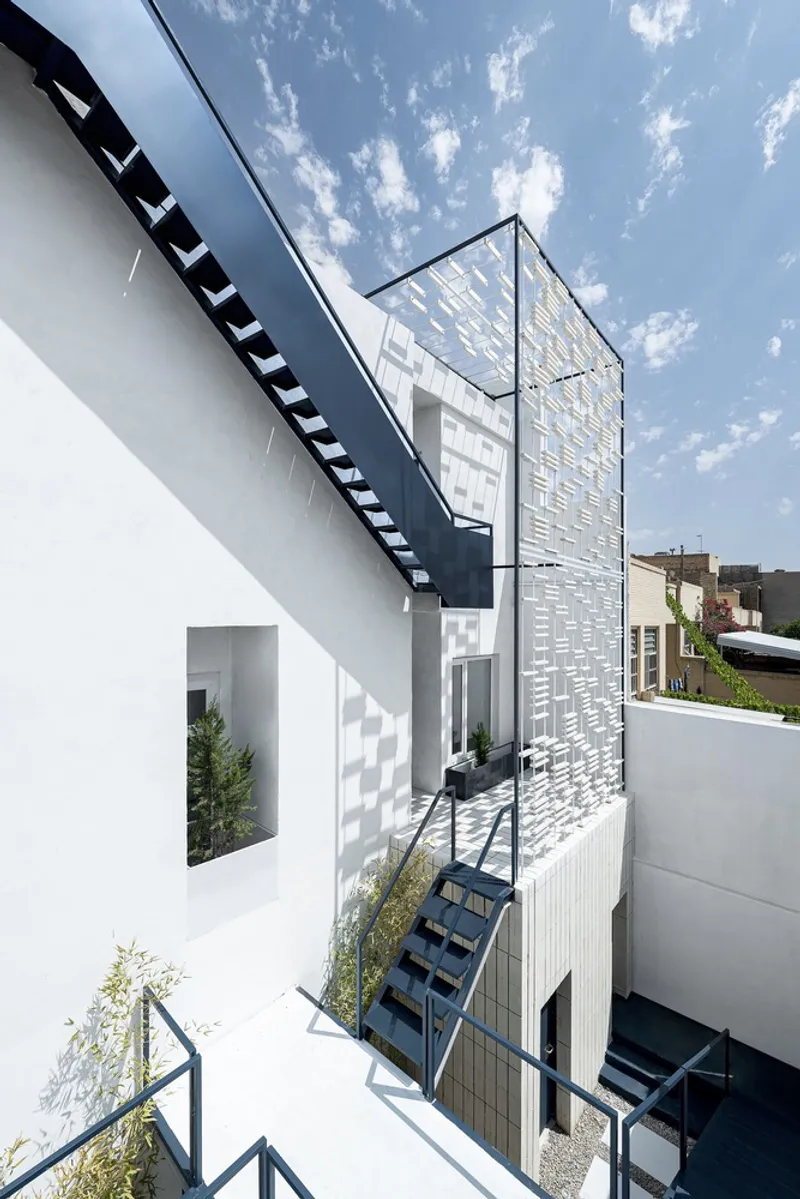
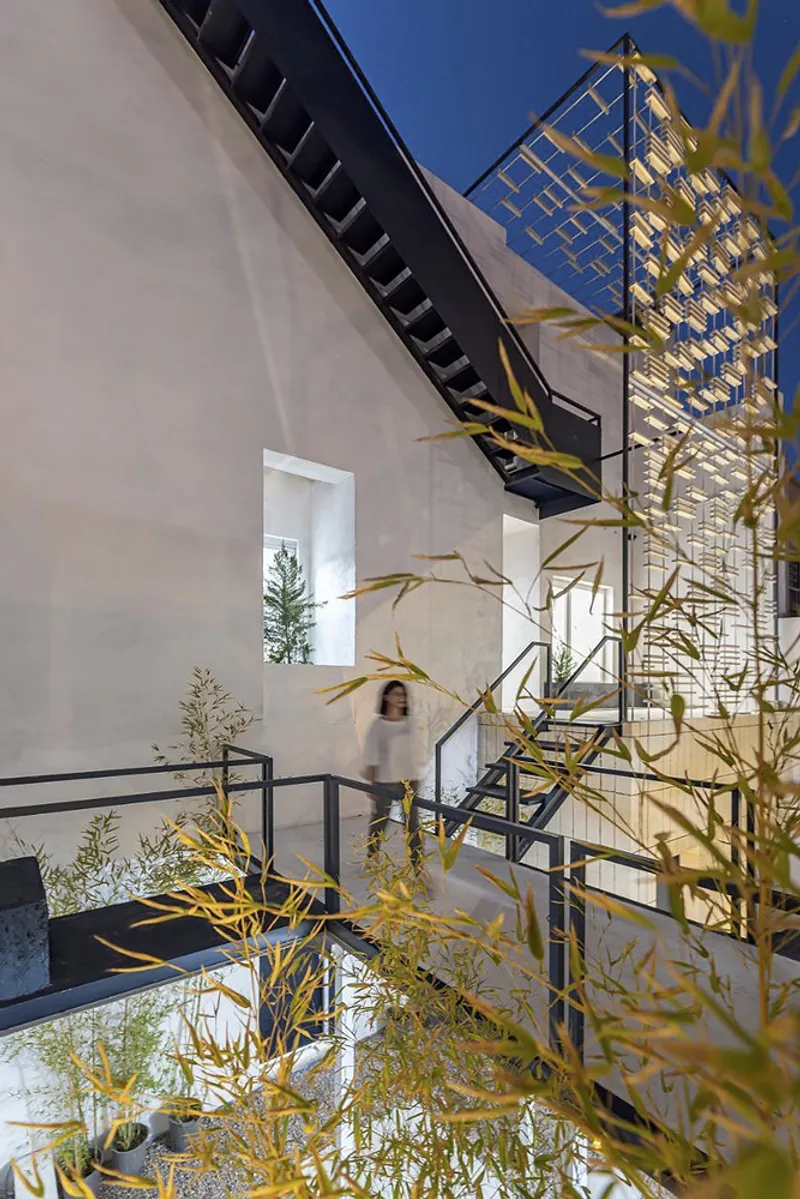
Drawing from Yazd’s historical architecture, the design integrates courtyards, shaded spaces, and dynamic facades to enhance user experience. Rather than merely adding signage to indicate function, the building’s façade itself communicates its purpose, blending modern aesthetics with Persian architectural motifs.
Innovative Spatial Solutions
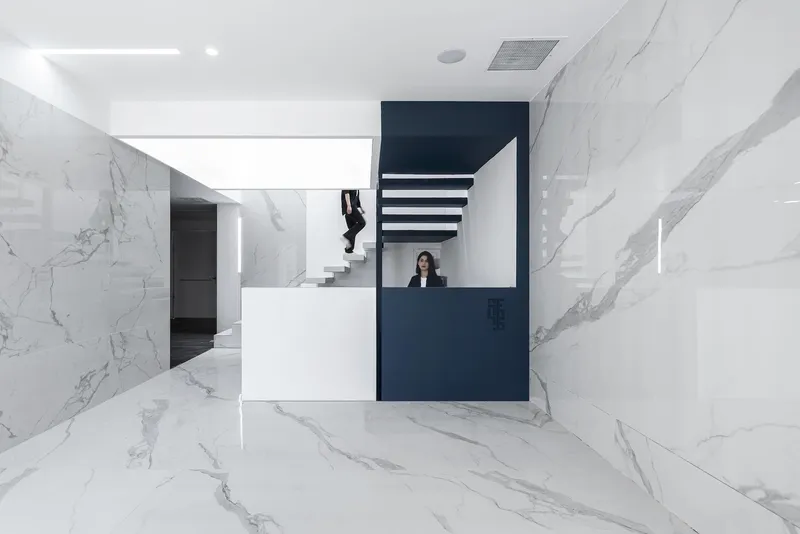
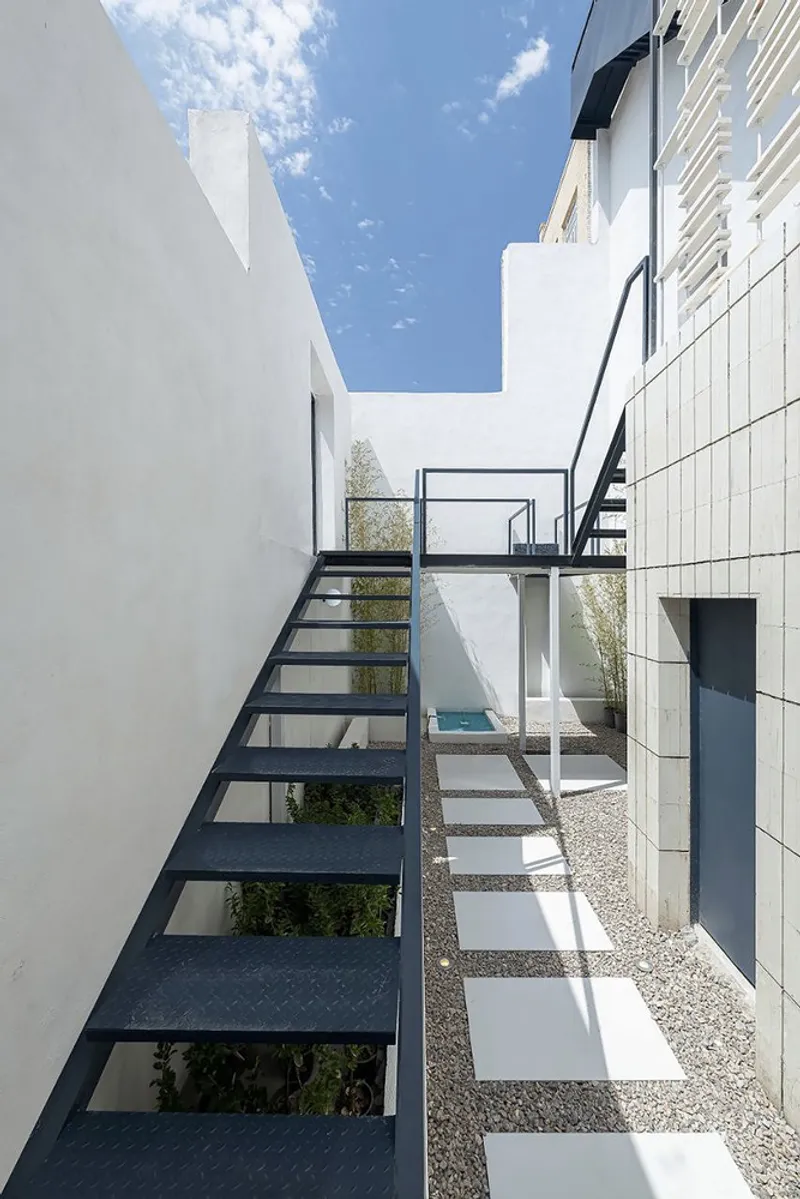
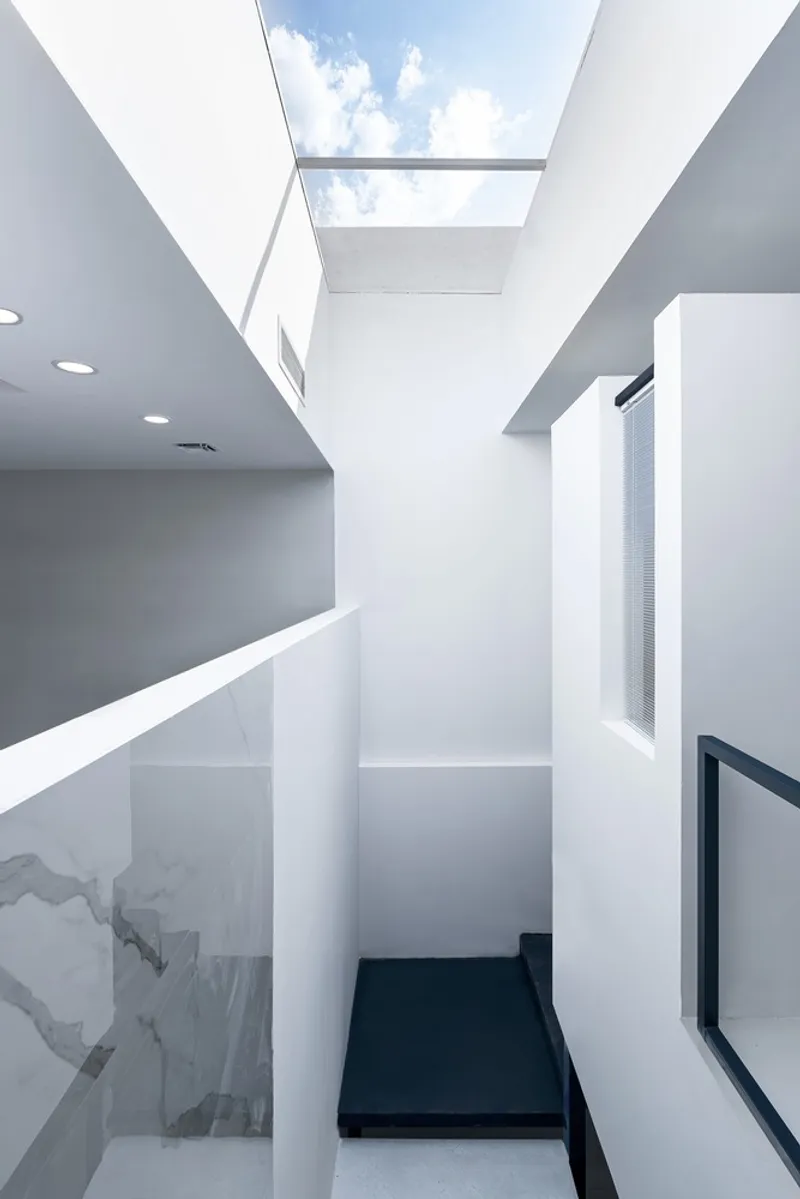
Originally, the building had a bearing wall system with an internal staircase, which divided the space into two disconnected sections. This layout restricted spatial fluidity, which is essential for a modern laboratory workspace. To solve this, the staircase was relocated to the exterior, opening up the interior for flexible use.
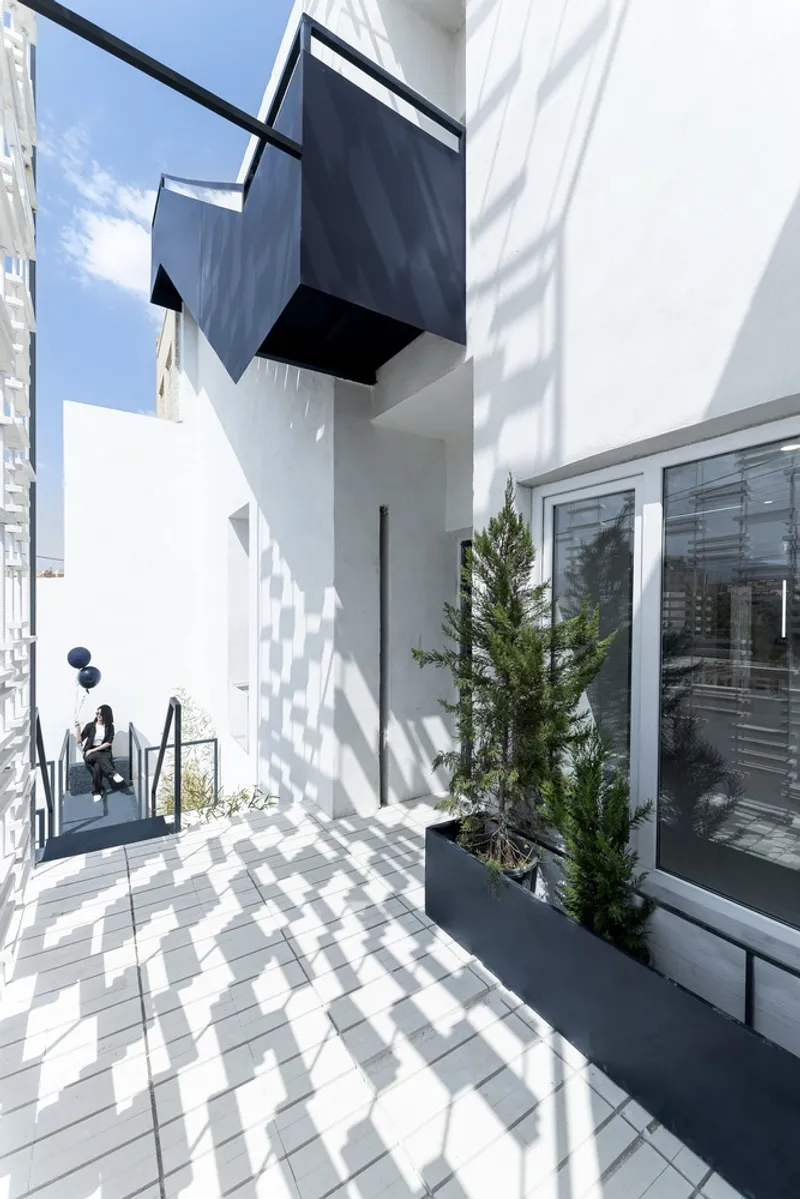
Additionally, excavating the ground level allowed the creation of a double-volume courtyard, transforming a small yard into an urban plaza. This space fosters public engagement and enhances the connection between architecture and the city’s residents.
A New Architectural Typology for Yazd
Throughout the renovation, the design team focused on reviving the timeless qualities of Yazd’s historic architecture—spatial fluidity, climatic responsiveness, and cultural authenticity—while adapting them to contemporary needs. The result is a hybrid architectural typology that blends heritage with innovation, setting a new precedent for sustainable urban development in Yazd.
All Photographs are works of Mohammadhossein Hamzehlouei


Popular Articles
Popular articles from the community


Lunar Spiral: Space Architecture Shaped by the Mathematics of the Universe
Lunar Spiral reimagines space architecture through Fibonacci geometry, lunar regolith, levitating habitats, and self-sustaining Moon living.

The Ocean Hive: Sustainable Architecture for a Self-Sufficient Civilization at Sea
The Ocean Hive imagines sustainable architecture at sea, where modular habitats, algae, wave power and ocean waste sustain a growing colony.

Conexión: Biophilic Design Reimagines High-Rise Living in Hong Kong
Conexión reimagines high-rise living in Hong Kong through biophilic design, green facades, shared spaces, daylight, water and nature within.

Hill & Cross Opera: Sculptural Opera House Architecture Shaped by Tallinn’s Landscape and Identity
Hill & Cross Opera reimagines opera house architecture in Tallinn through its sculptural hill, civic plaza, glass wave and a luminous cross.

Similar Reads
You might also enjoy these articles


Hodi-Mandai Geram
Project Function: Preservation and revitalization of the Intangible heritage and socio-spatial identity of the Hodi by Housing, Cultural Memory Center, Sacred Grove, landscape, local tourism economy


Olio Towers: A Mid-Rise for Performers That Fuses Housing, Rehearsal, and Stage
Located blocks from Houston's Theater District, this modular tower stacks living units around a central performance atrium.

Oasis: Modular Green Housing Carved into Dhaka's Urban Fabric
A shortlisted Plugin Housing entry reclaims unauthorized settlements in Dhaka with stepped concrete volumes, green roofs, and ventilation-driven design.

Black Hole: A Floating Megastructure for the Post-Physical Era
Emiliano Mazzarotto envisions a spherical, self-scaling arena where e-sports, digital hotels, and holographic stadiums replace traditional public space.

Explore Persian Architecture Competitions
Discover active competitions in this discipline



Challenge to reimagine the Iron Throne


Photograph architecture without architects


Illustrate the lost glory of Angkor Wat - Render Challenge


Design challenge to reuse E-waste
Comments (0)
Please login or sign up to add comments
No comments yet. Be the first to comment!