

Urban Gallery Design in Manhattan: Unveiling the Leica Gallery by Format Architecture Office
This article explores the Leica Gallery by Format Architecture Office, a beacon of urban gallery design innovation in Manhattan's Meatpacking District.


The transformation of urban spaces into cultural hubs is an essential aspect of modern city life. Manhattan, with its rich history and dynamic changes, has seen numerous developments that blend art, culture, and architecture. A prime example of this blend is the Leica Gallery designed by Format Architecture Office, which exemplifies the latest trends in urban gallery design.


The Leica Gallery Project Overview
Location and Historical Context
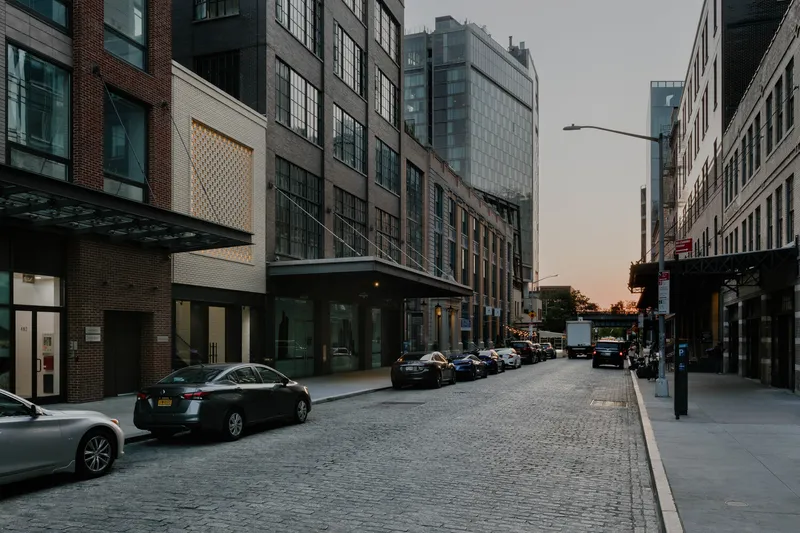
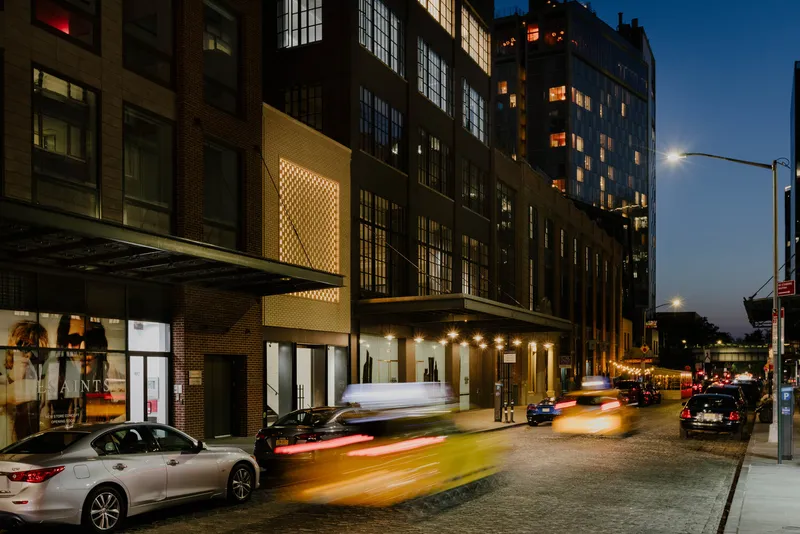
Located in the historically rich Meatpacking District, the Leica Gallery stands out as a modern architectural feat within a neighborhood characterized by its industrial past and luxurious present. This district has undergone significant transformations from manufacturing and warehousing to becoming a high-end retail and hospitality hotspot.

Design Philosophy and Objectives
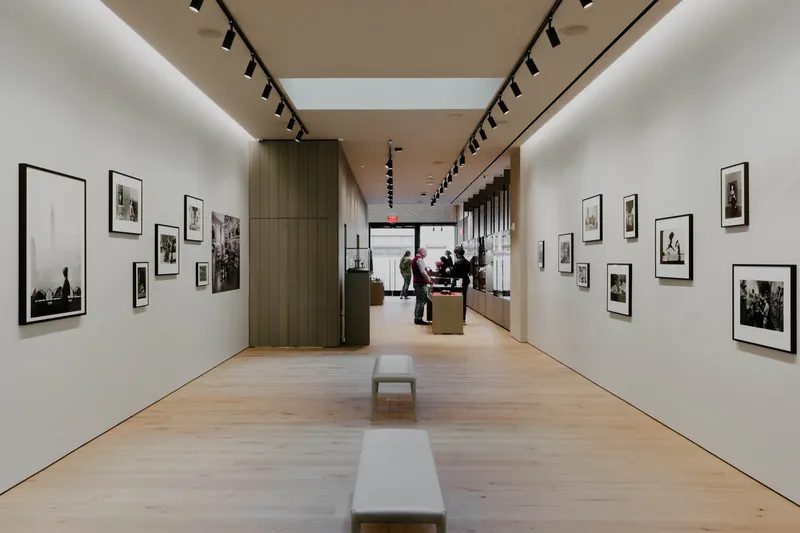
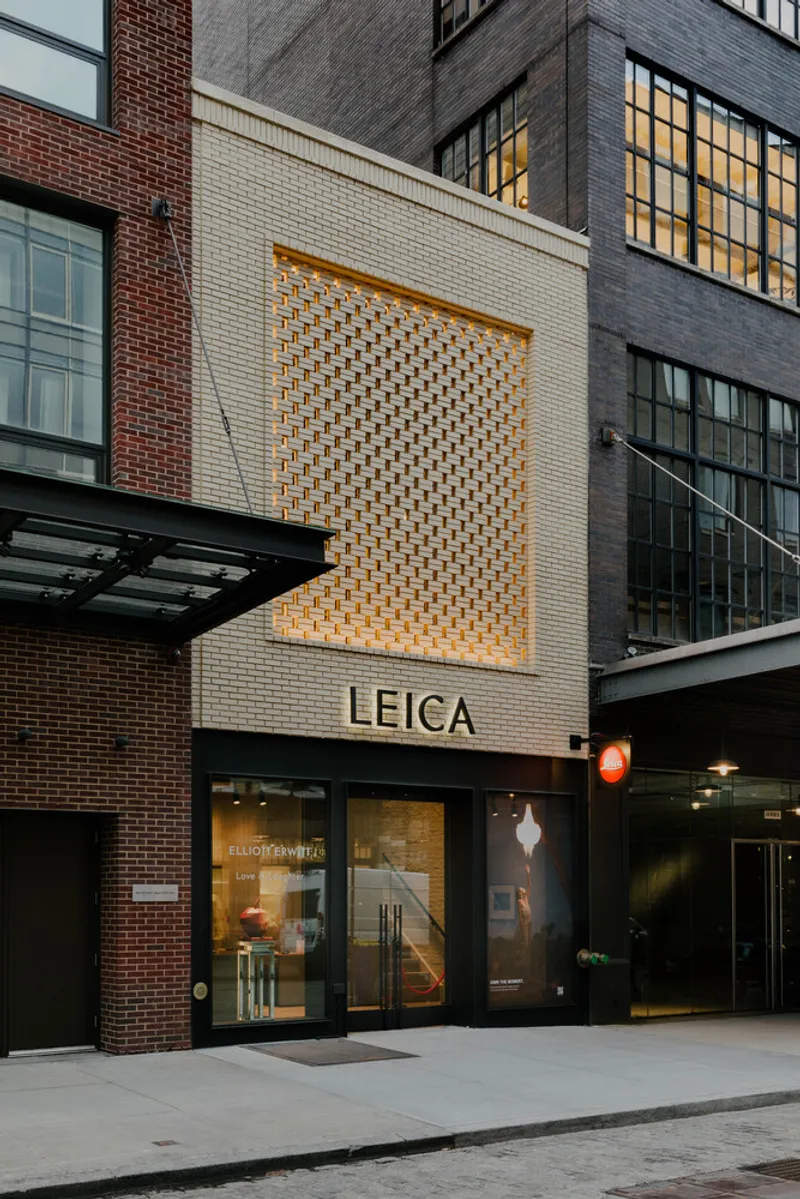
The Leica Gallery, one of the smaller structures in the district, maintains a modest two-story height with a narrow street frontage. Despite its size, the gallery is designed to make a significant impact, embodying a rare exception to the trend of upscaling in the area.

Key Architectural Features of Leica Gallery
Innovative Use of Materials and Design
Steel and Glass Storefront
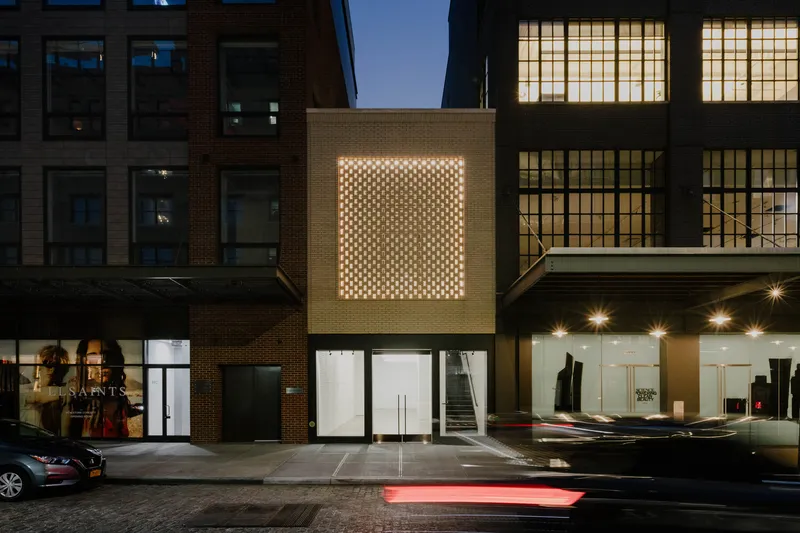
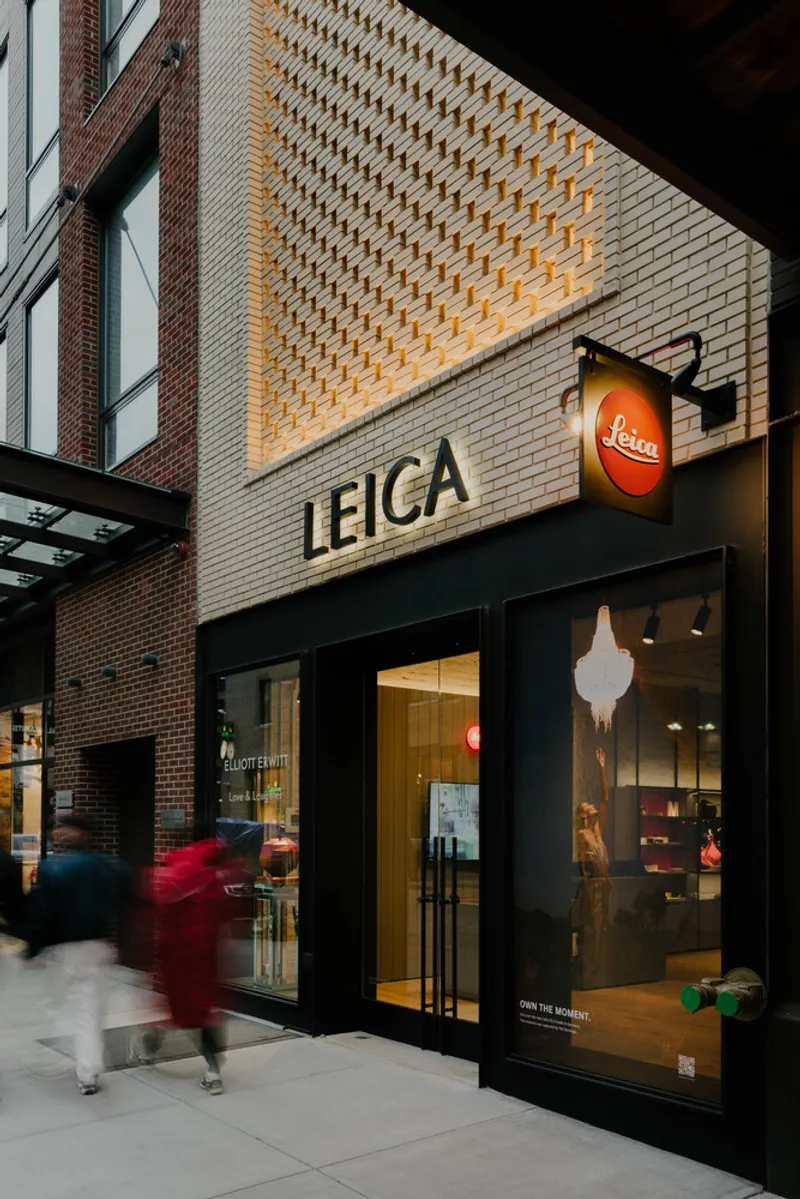
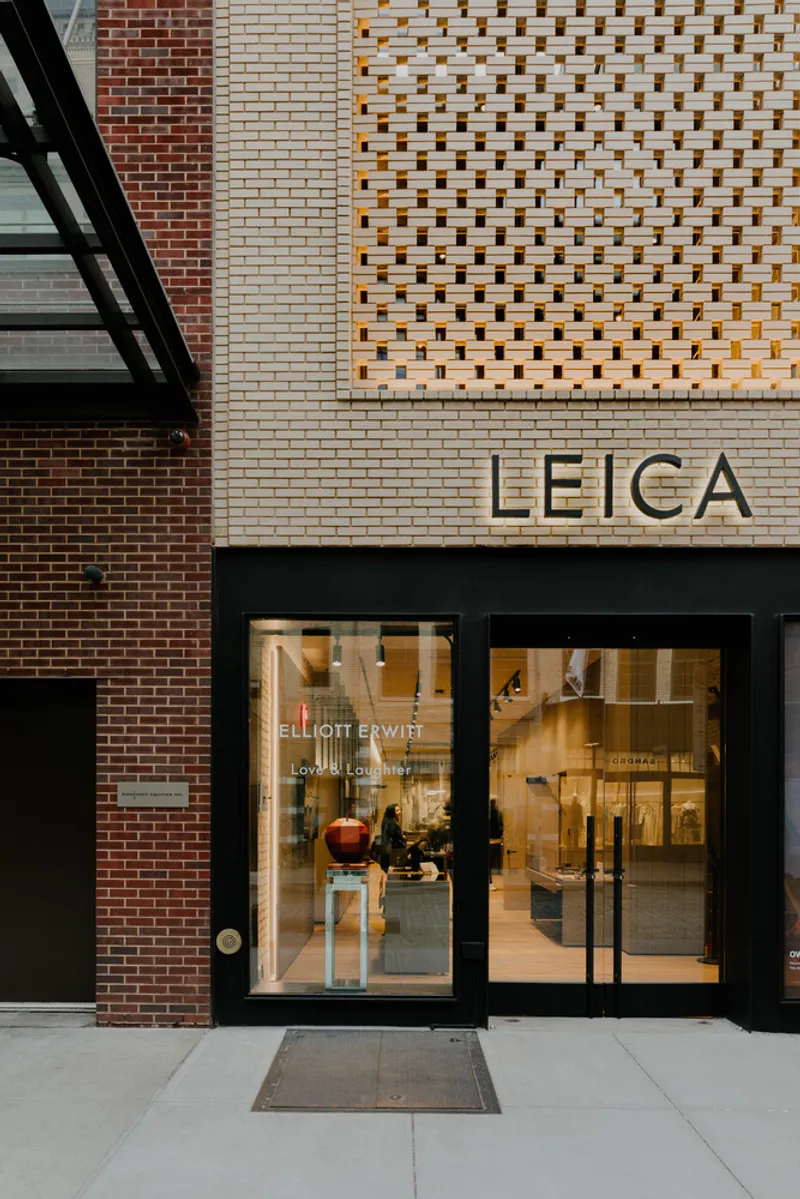
The gallery’s new front facade includes a steel and glass storefront that not only nods to the area’s industrial heritage but also enhances retail visibility and access to natural light. This design choice is both a functional and aesthetic statement, reinforcing the gallery's connection to its urban surroundings.

Brick Screen Volume
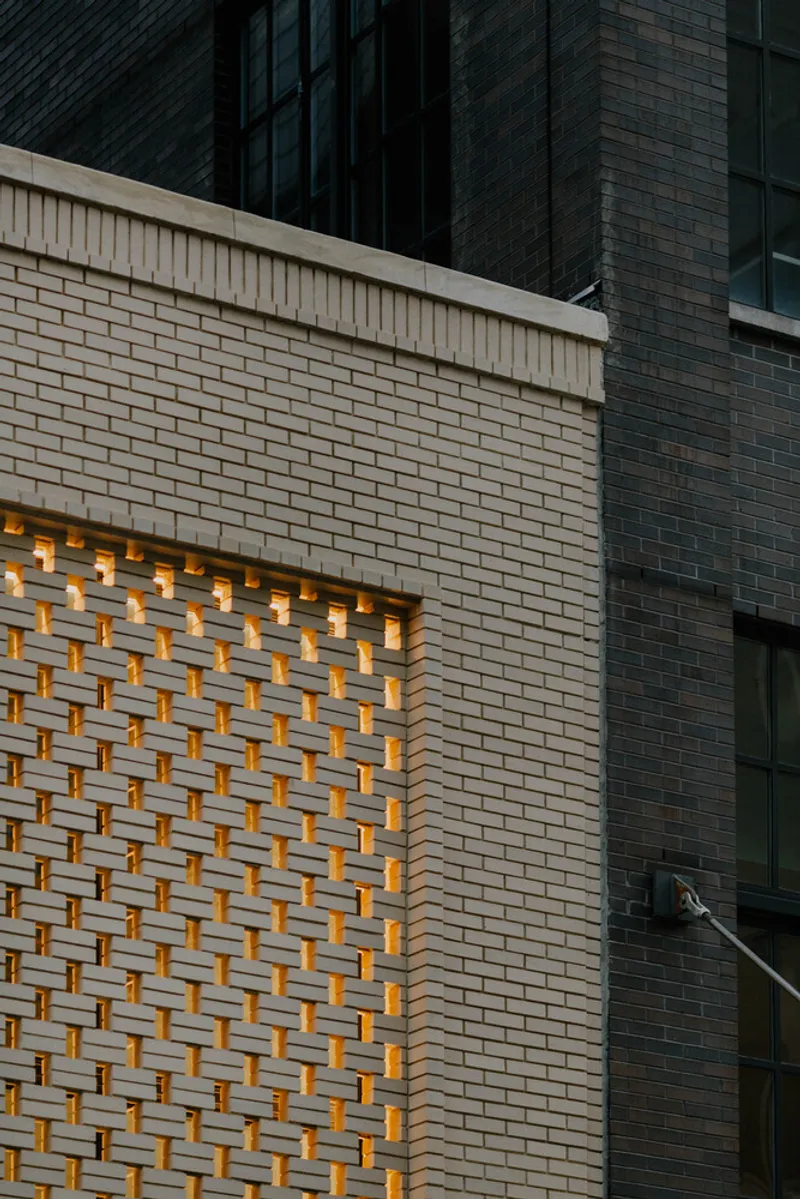
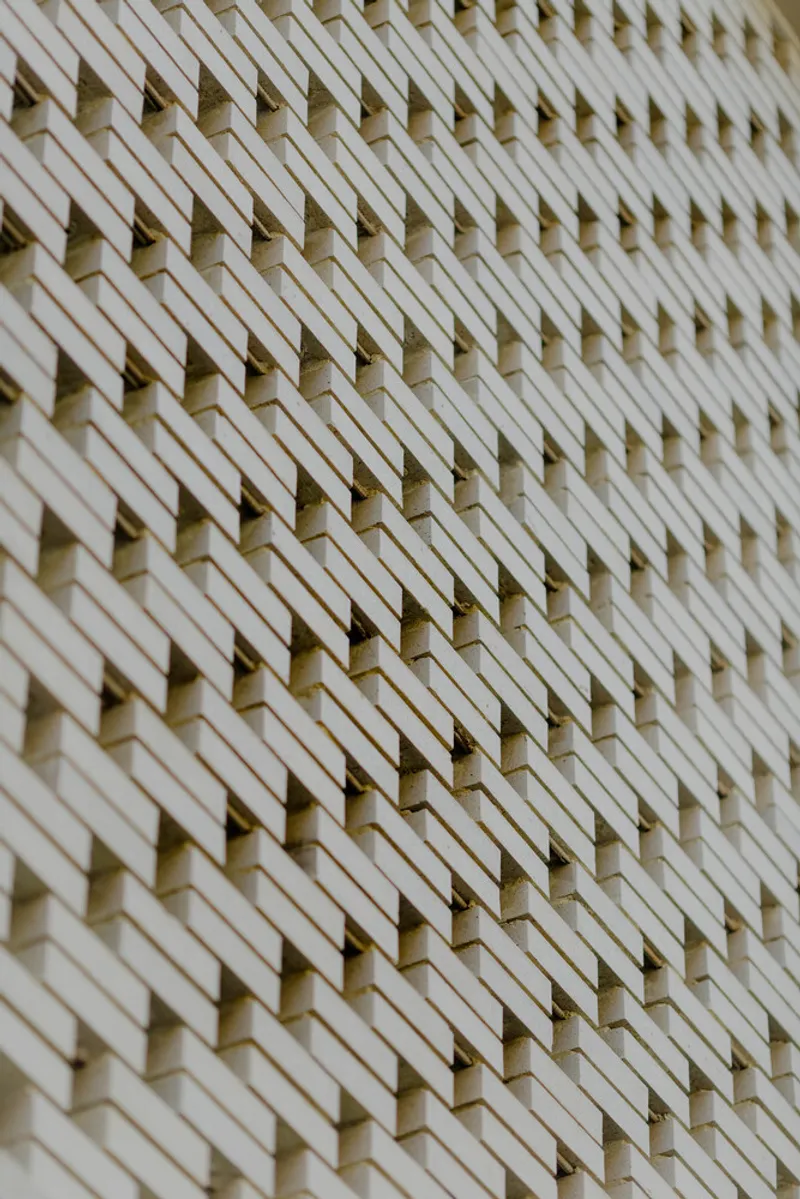
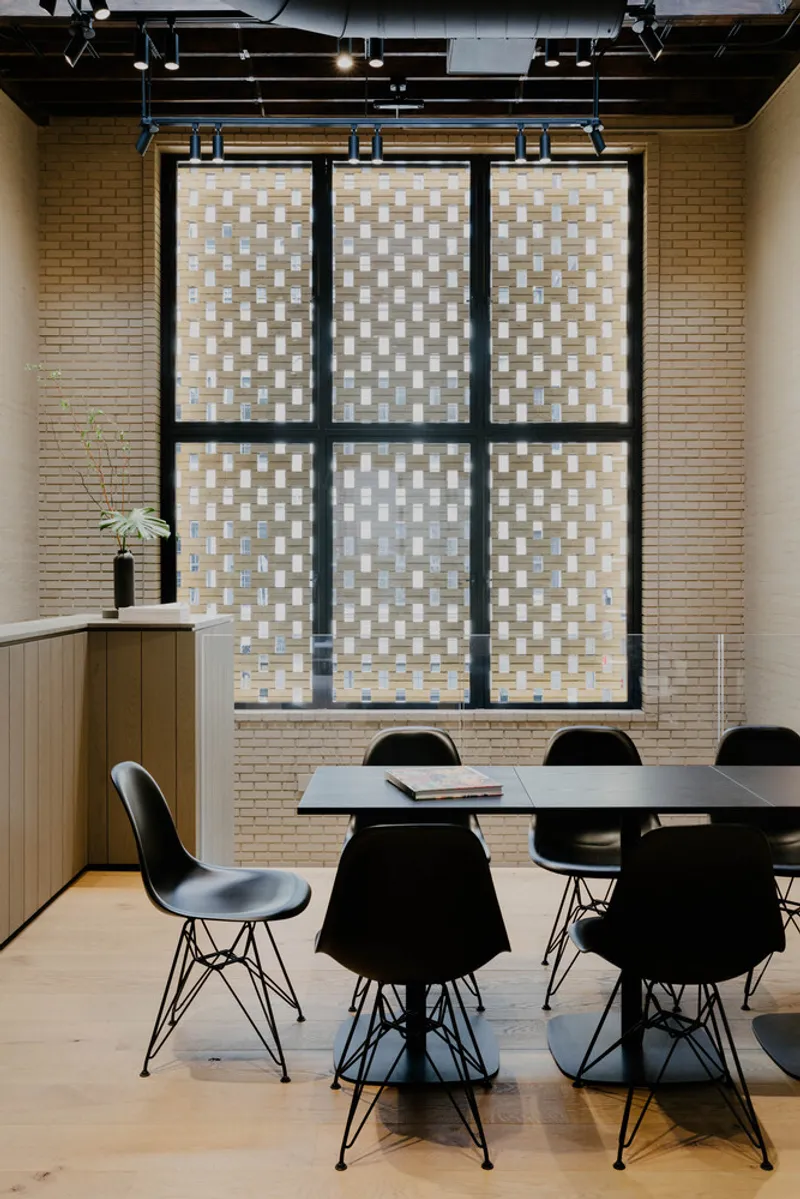
Above the glass storefront, a distinctive brick screen framed by banded elements adds a modern twist to traditional masonry. This feature not only enriches the facade but also plays a crucial role in the light dynamics within the gallery, creating an interplay of light and shadows that animate both the interior and exterior spaces.
Interior Design and Functional Layout
Mezzanine and Skylights
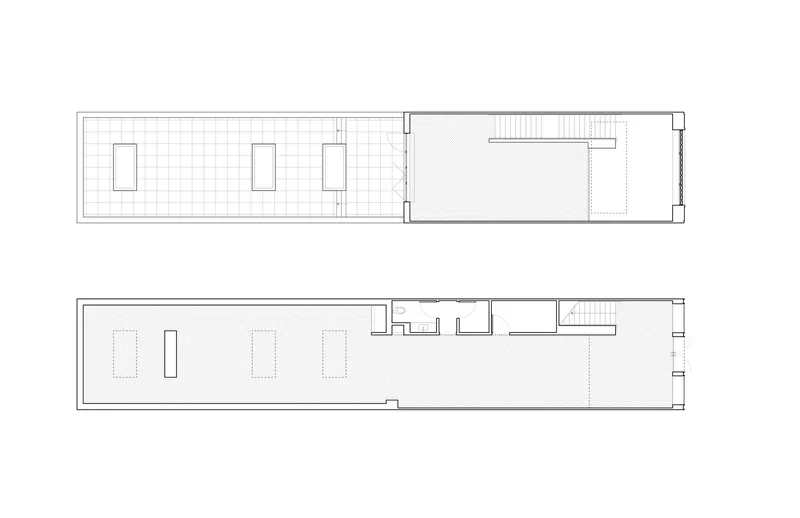
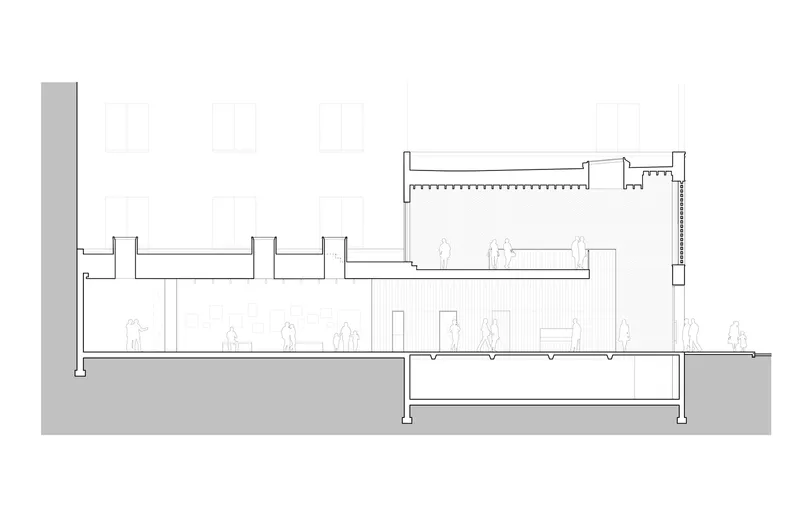
The interior of the Leica Gallery is notably marked by a double-height mezzanine at the front, offering expansive vertical space that enhances the display of large-format prints. New skylights ensure that natural light dramatically illuminates artworks, optimizing the visual experience for visitors.

Second-Level Features
On the second level, a new steel and glass storefront opens onto a terrace, extending the gallery space outdoors. This external gallery not only provides additional exhibition space but also offers unique views of the district, blending indoor and outdoor elements seamlessly.


Impact on the Meatpacking District and Broader Architectural Trends
Cultural and Community Contributions
The Leica Gallery contributes to the cultural richness of Manhattan by providing a space that not only showcases art but also integrates seamlessly into the urban fabric. It serves as a model for how small-scale projects can have a large impact on community engagement and aesthetic enrichment.

Trends in Urban Gallery Design
This project reflects broader trends in urban gallery design, where the focus is on maximizing small spaces, integrating historical elements with modern design, and enhancing visitor interactions with both art and architecture.

Future of Urban Gallery Design in Manhattan
The Leica Gallery by Format Architecture Office is a testament to the innovative spirit of urban gallery design in Manhattan. It showcases how architecture can respect historical context while pushing the boundaries of design to create spaces that are both functional and inspirational.


All photographs are work of Nick Glimenakis


Popular Articles
Popular articles from the community


Juan García Correa, John González and Claudia Rueda Sink a Circular Amphitheater into a Manizales Engineering Building
On the La Nubia campus in Manizales, Colombia, the S1 Building folds labs and offices into a hillside of ramped lawns that double as a campus route.

Cube Design Draws an Ecological Corridor Between Two Shenzhen Hills with the Nankai Building
Beside Shenzhen's container docks, the Nankai Building pairs stacked balconies with a climbing green screen to connect two hillsides across its height.

Jaramillo Van Sluys Arquitectura and Urbanismo Turn a Demolished Registry Lot in Quito into an Orchard Plaza
In Quito's Centro Histórico, a 2,800 m² plaza exposes the San Agustín convent wall and redraws its lost Augustinian orchard in volcanic stone.

U.GA Architects Wraps an Oval Rooftop Pool in Curved Board-Formed Concrete on Busan's Jeollidan-gil
In Busan's Jeonpo-dong, a 454 m² mixed-use block stacks a neighborhood facility, guest rooms and an oval rooftop pool inside spiraling concrete walls.

Similar Reads
You might also enjoy these articles


Hodi-Mandai Geram
Project Function: Preservation and revitalization of the Intangible heritage and socio-spatial identity of the Hodi by Housing, Cultural Memory Center, Sacred Grove, landscape, local tourism economy


Olio Towers: A Mid-Rise for Performers That Fuses Housing, Rehearsal, and Stage
Located blocks from Houston's Theater District, this modular tower stacks living units around a central performance atrium.

Oasis: Modular Green Housing Carved into Dhaka's Urban Fabric
A shortlisted Plugin Housing entry reclaims unauthorized settlements in Dhaka with stepped concrete volumes, green roofs, and ventilation-driven design.

Black Hole: A Floating Megastructure for the Post-Physical Era
Emiliano Mazzarotto envisions a spherical, self-scaling arena where e-sports, digital hotels, and holographic stadiums replace traditional public space.

Explore Art Gallery Competitions
Discover active competitions in this discipline

Challenge to reimagine the Iron Throne

Photograph architecture without architects

Illustrate the lost glory of Angkor Wat - Render Challenge

Design challenge to reuse E-waste
Comments (0)
Please login or sign up to add comments
No comments yet. Be the first to comment!