
Urban House Renovation: Transforming House No. 11 – Santa Isabel by Camarim Arquitectos
Explore the transformative urban house renovation of House No. 11 – Santa Isabel by Camarim Arquitectos in Lisbon, blending history with modernity.


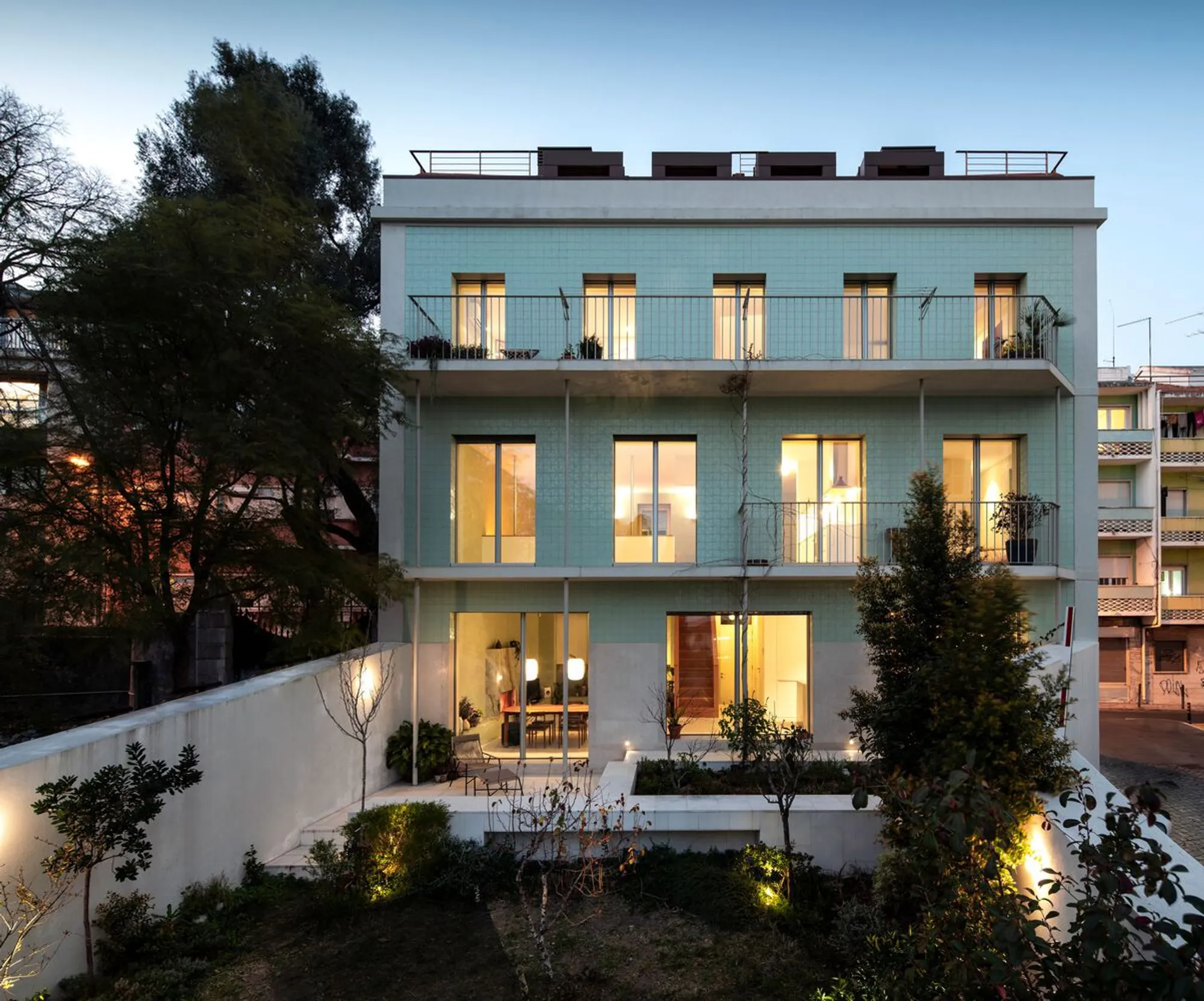
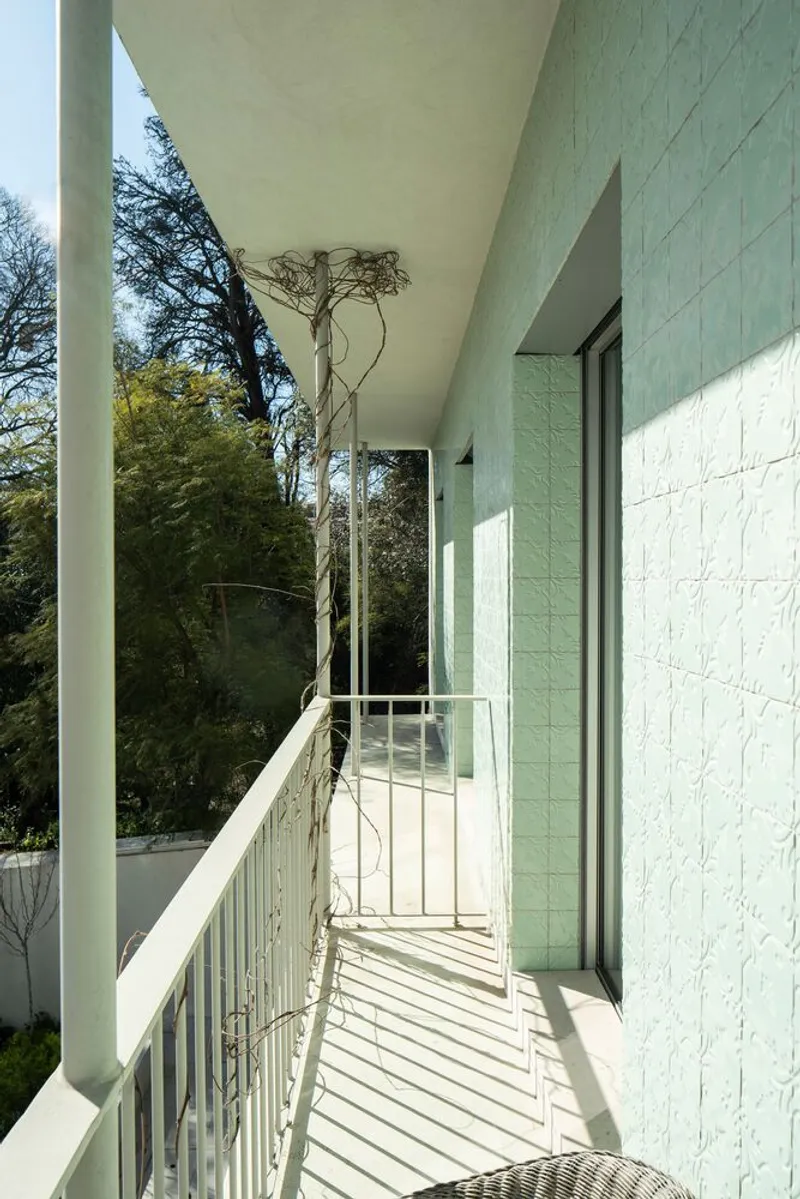
House No. 11 – Santa Isabel represents a profound example of urban house renovation in the historical context of Lisbon, Portugal. Designed by Camarim Arquitectos, this project showcases how an early 20th-century residential building can be transformed into a contemporary dwelling while respecting its historical essence.
Architectural Vision and Design Strategy
Historical Context and Design Response
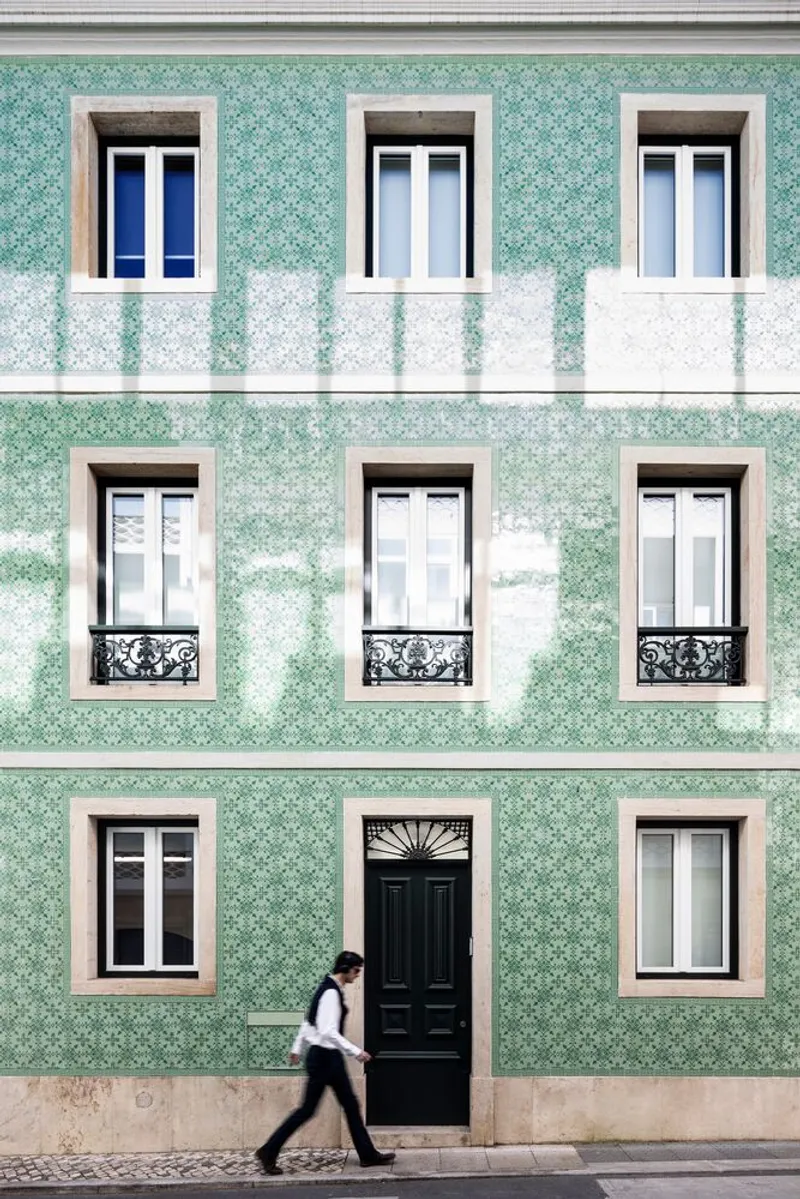
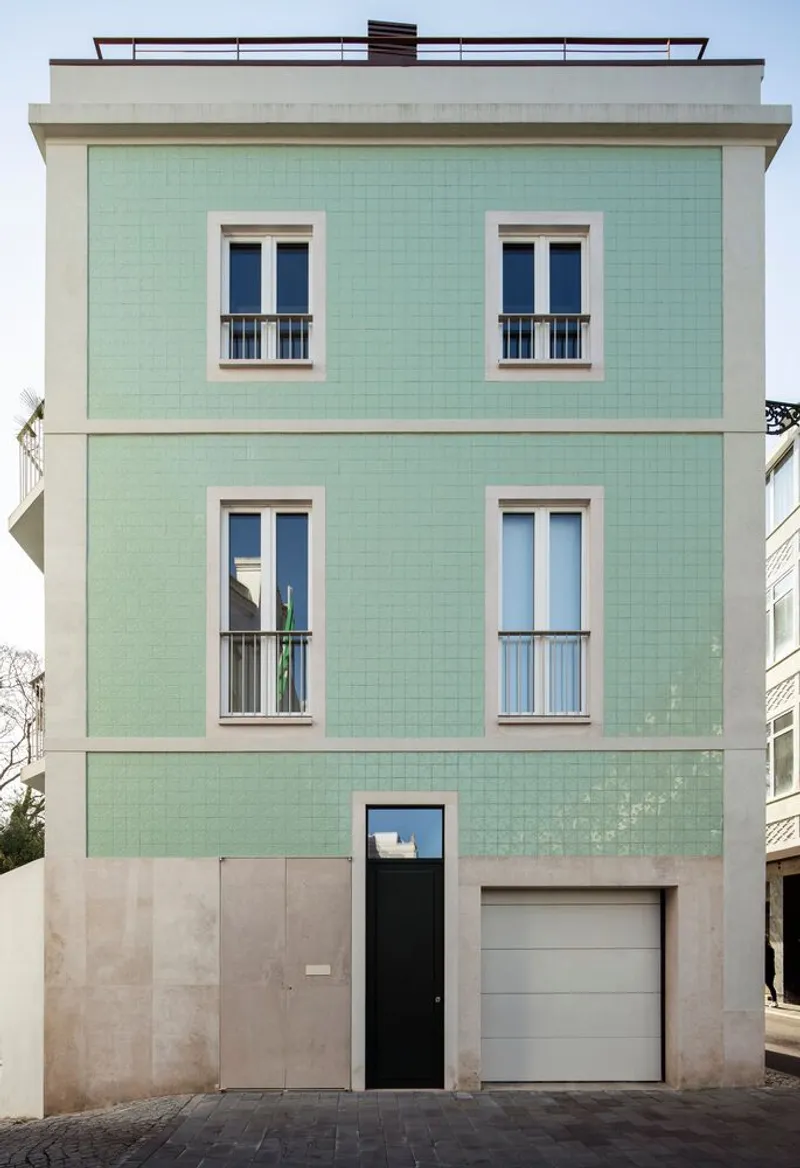
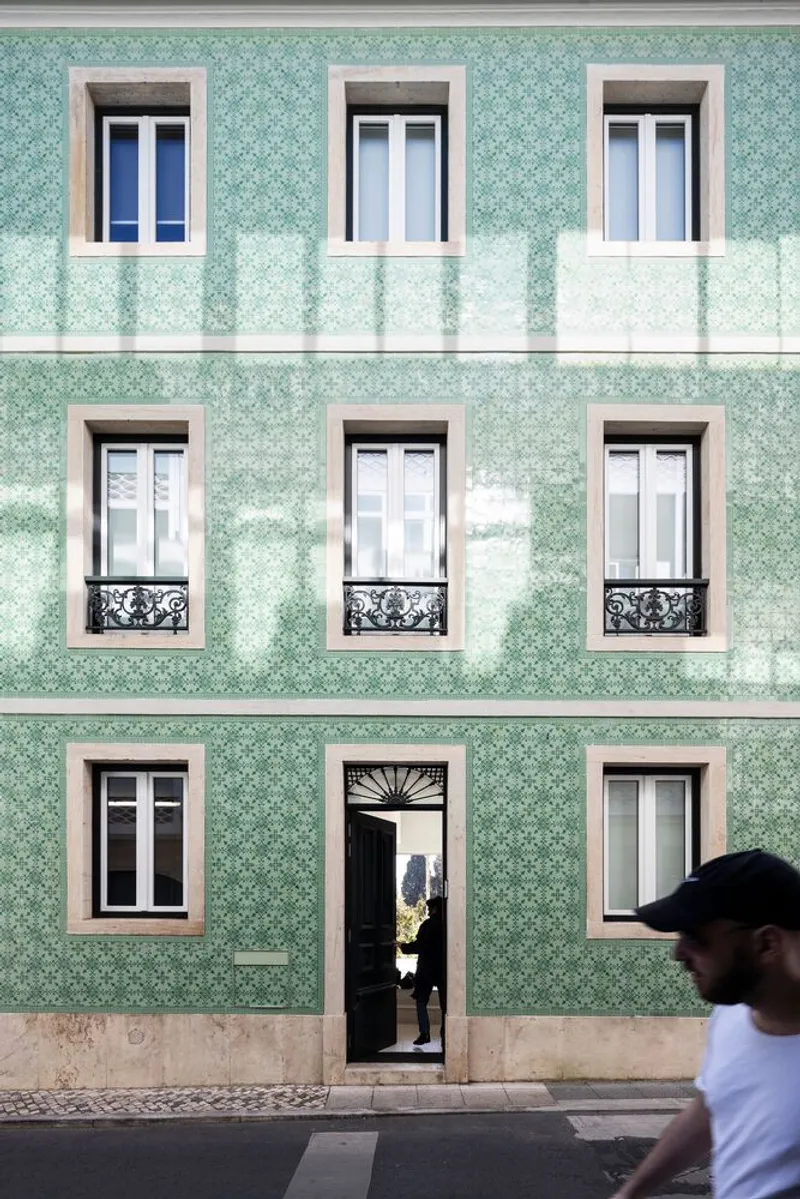
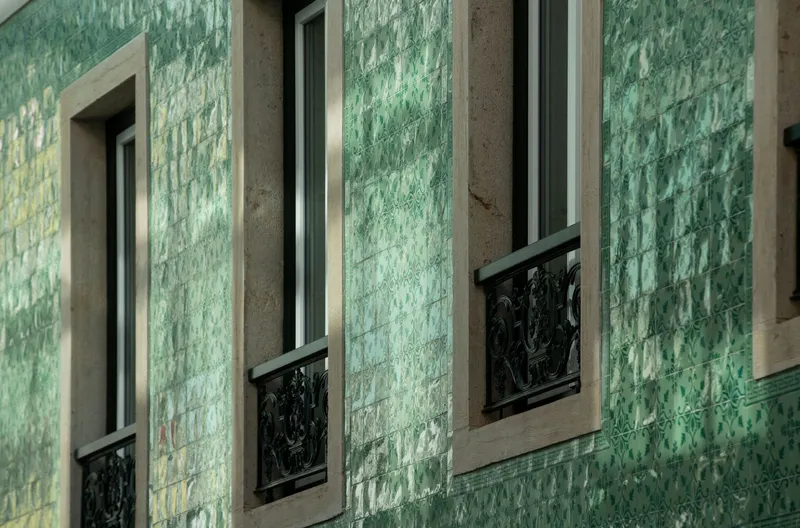
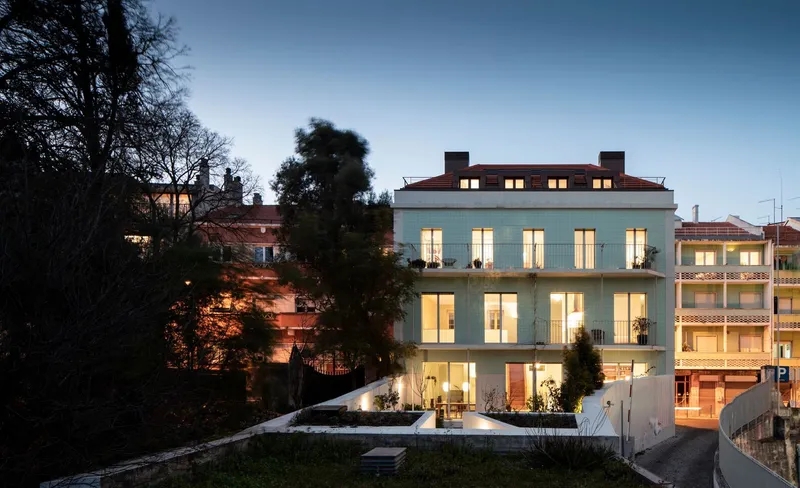
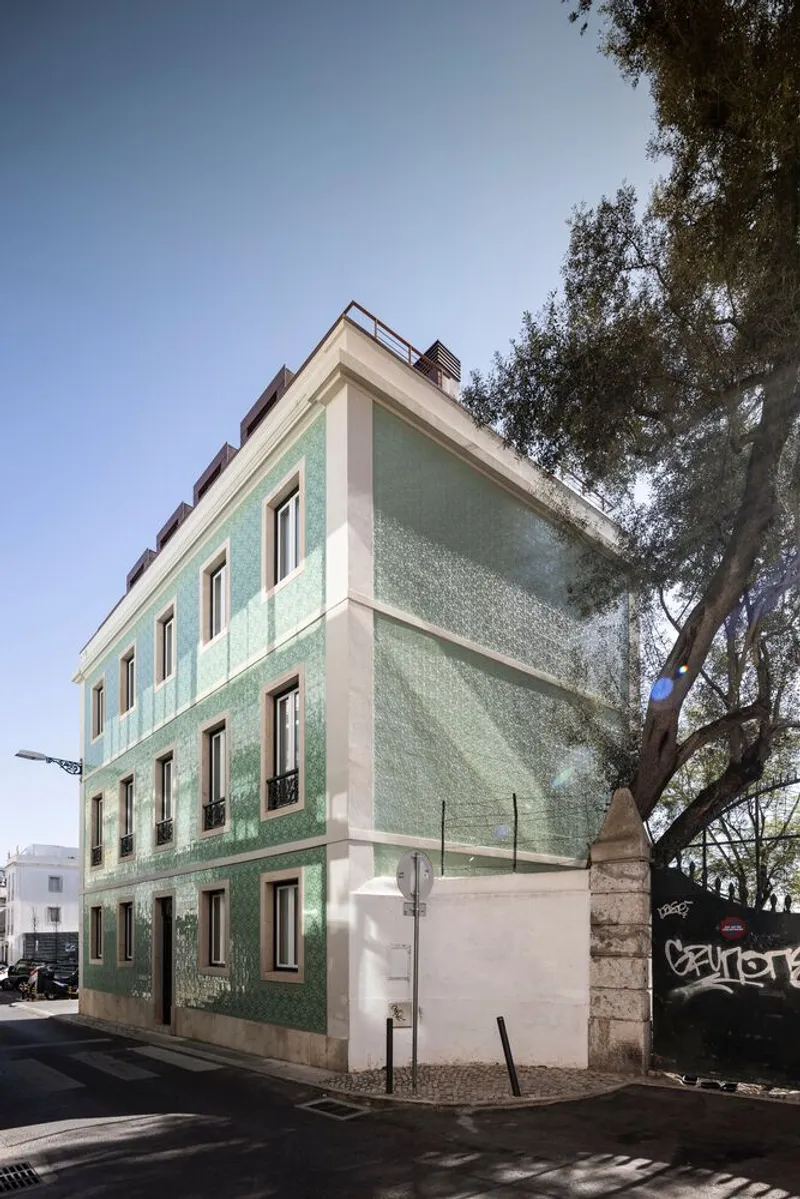
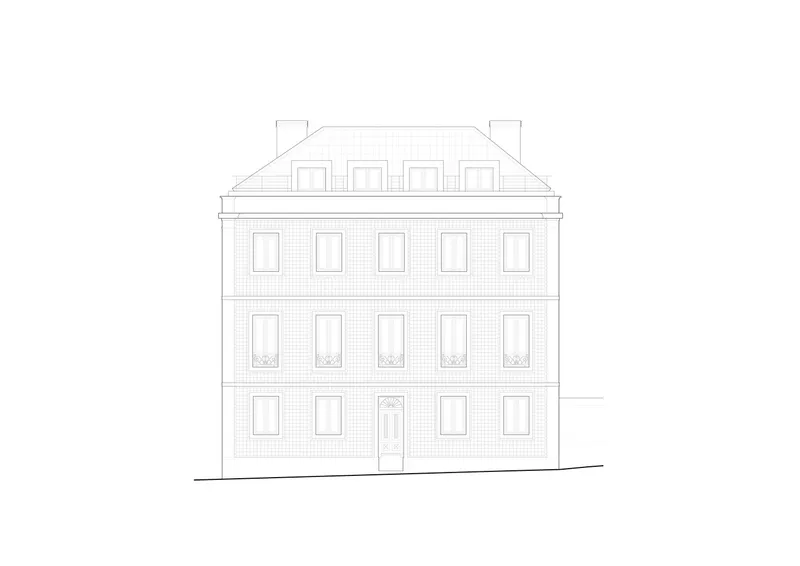
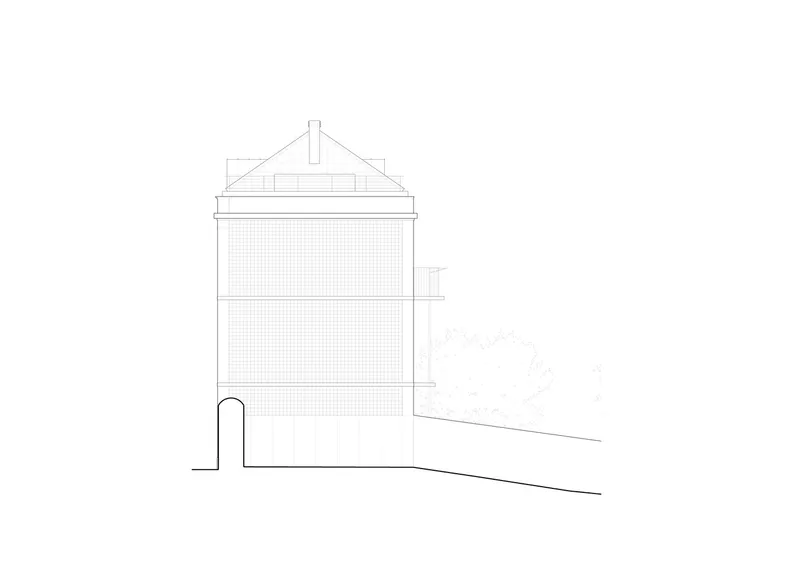
Located between an industrial school and a cemetery, House No. 11 – Santa Isabel holds a unique place in Lisbon's urban fabric. The renovation project began with the ambitious aim of converting the aging structure into a modern residence that responds to its complex surroundings. The architects sought to preserve the refined front façade while completely reimagining the interior and other façades to suit modern living standards.
Strategic Demolition and Reconstruction
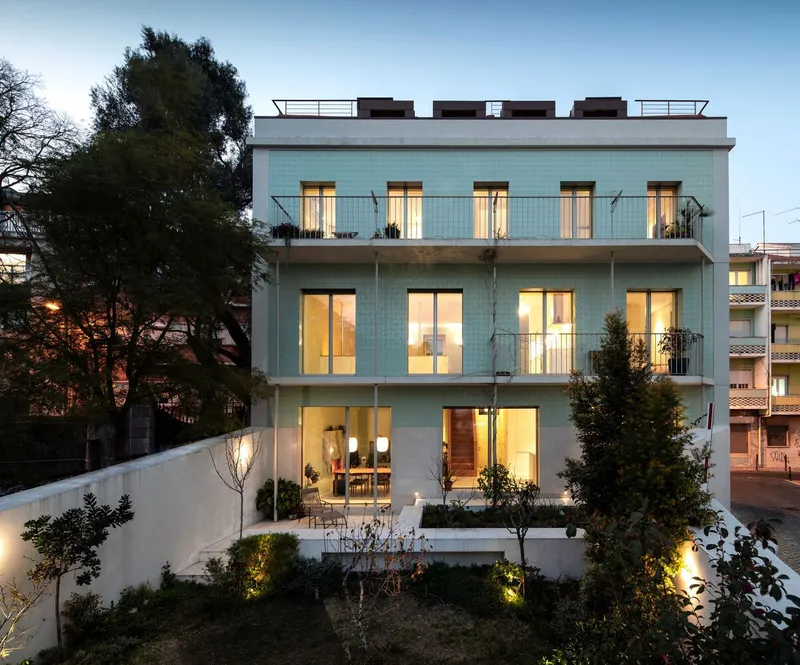
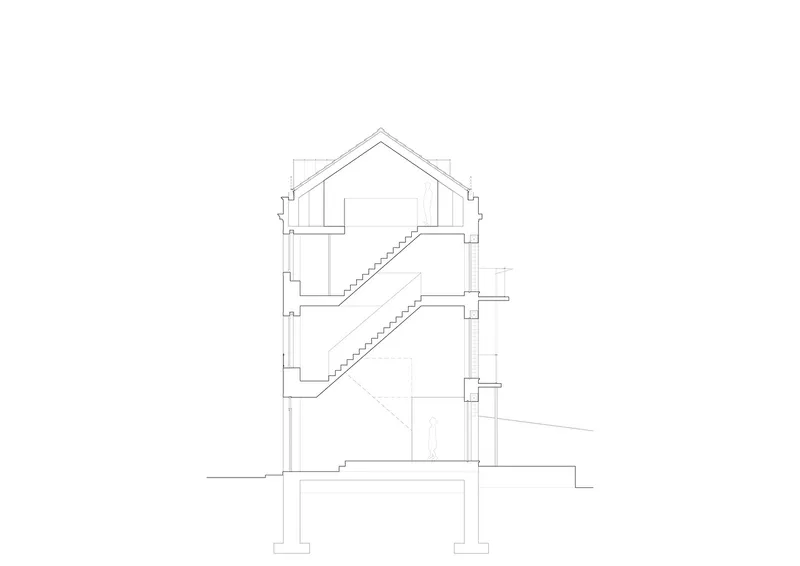
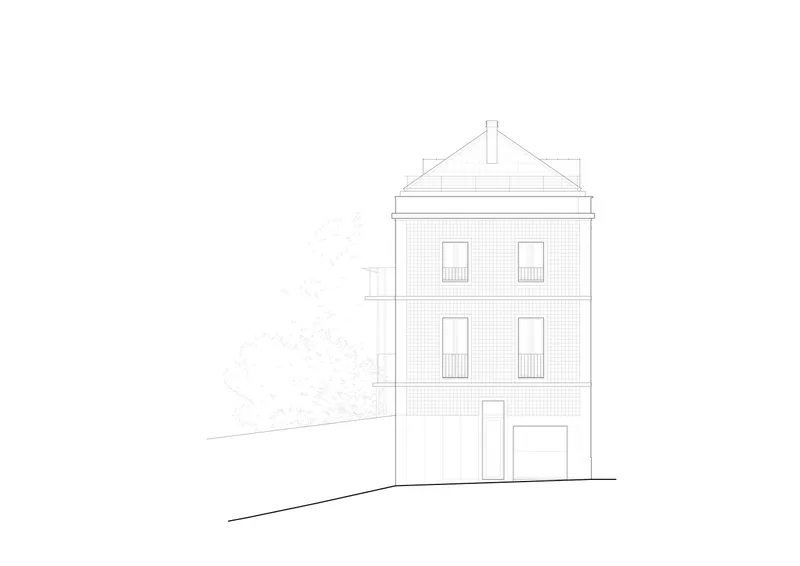
The renovation involved the strategic demolition of the building’s interior, east, and rear façades. Starting from the preserved front façade, the architects implemented a compositional program that redefined the building's structure—bending edges and transforming architectural elements in a process described as chronological movement.
Key Architectural Features
Integration with the Environment
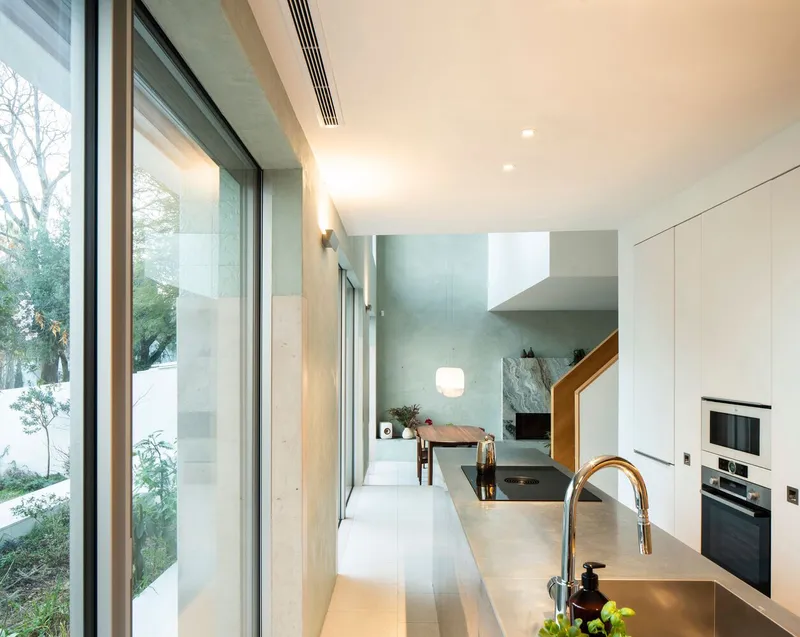
Each design decision was made to react to and integrate with the immediate surroundings—whether it be the widened street, the verdant cemetery, or the distant river views. This integration is achieved through the dynamic configuration of spaces around and through the house, culminating in a design that speaks both to the building’s past and its present context.
Atrium and Interior Spaces
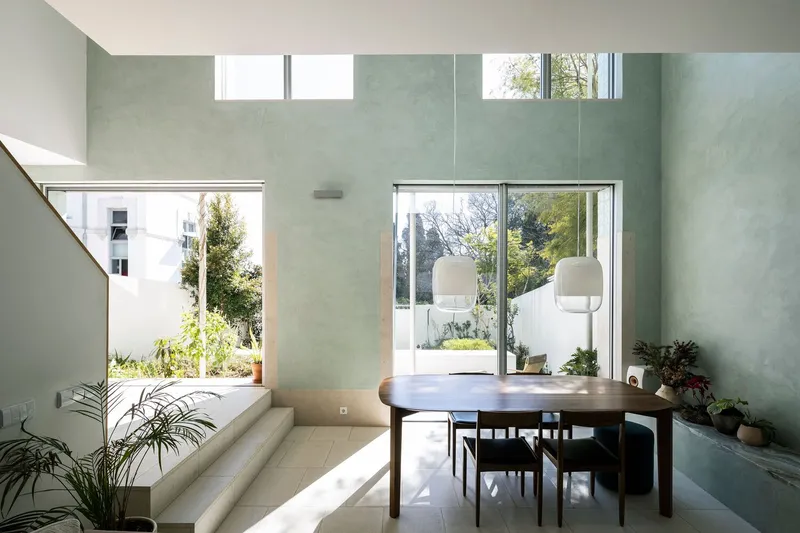
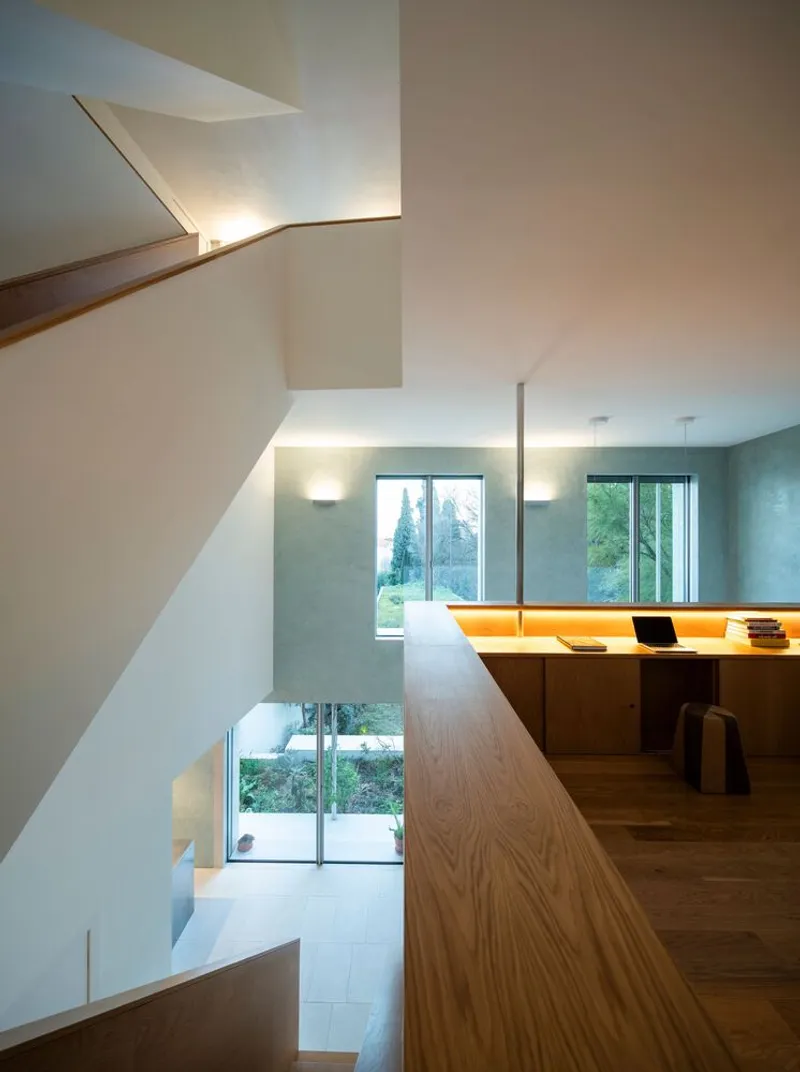
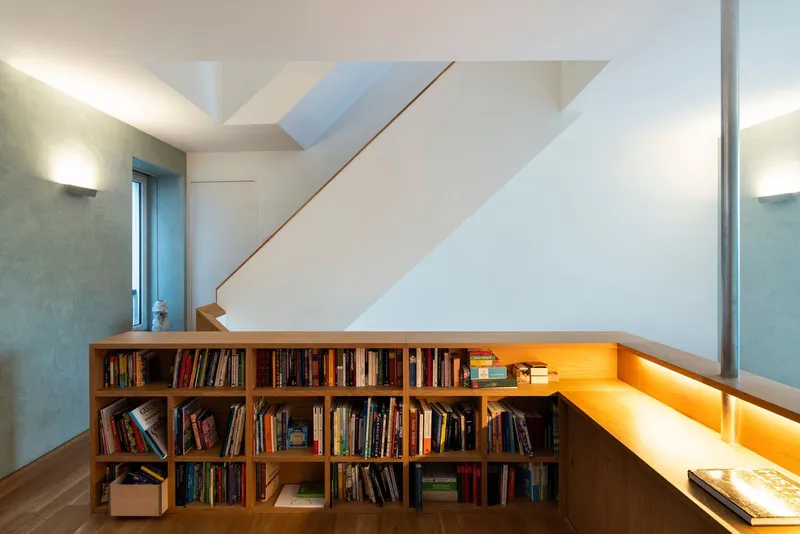
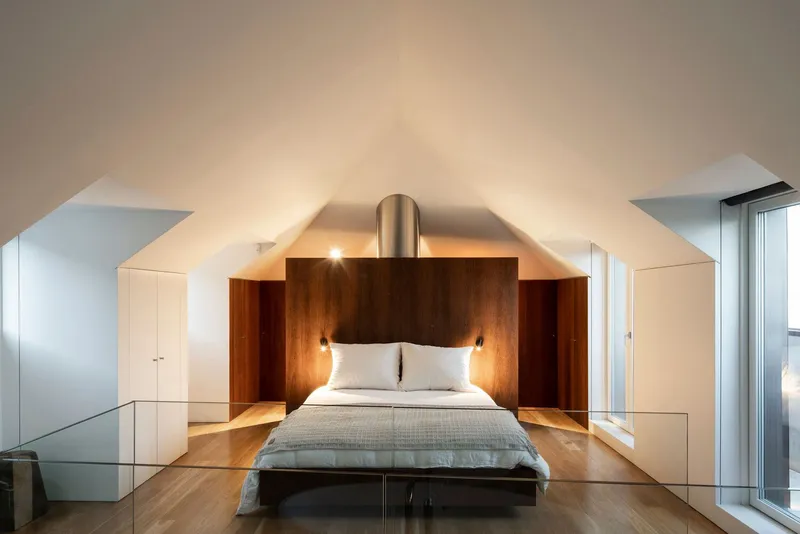
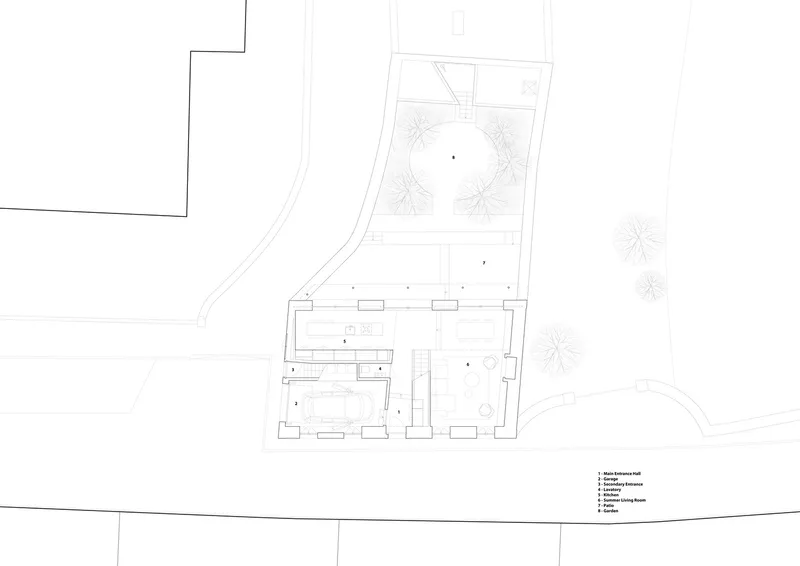
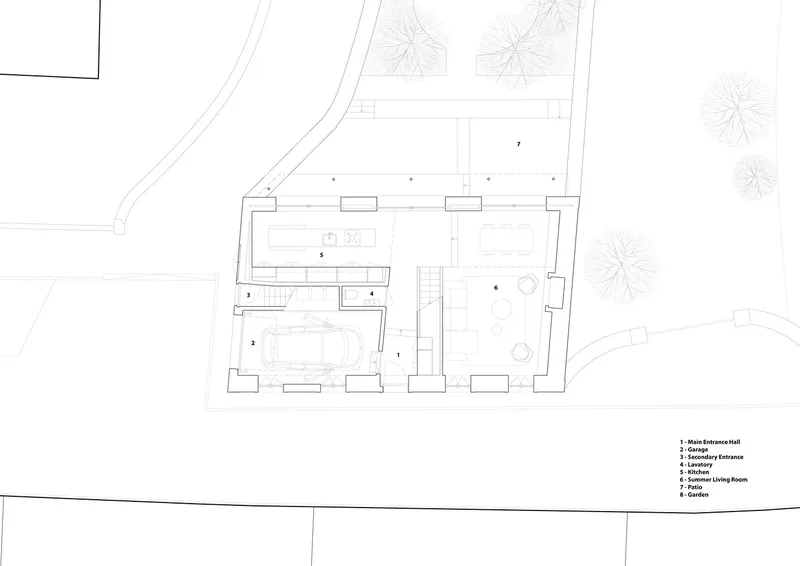
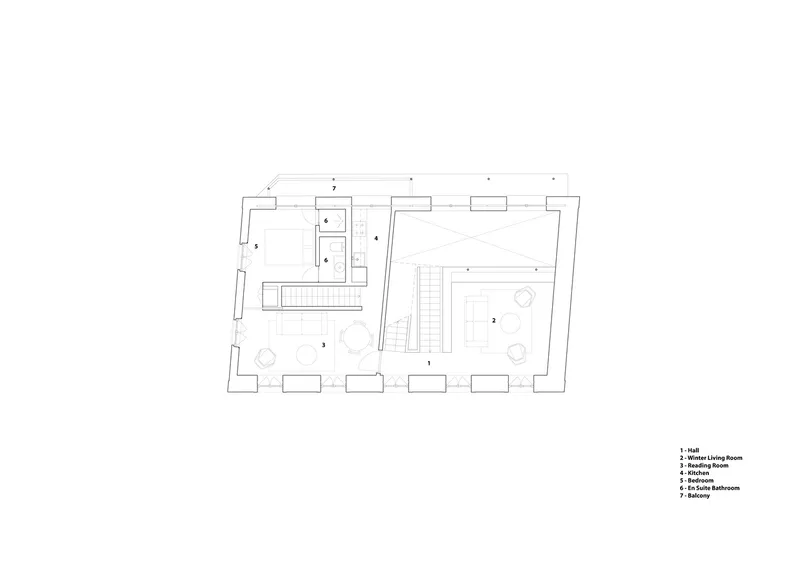
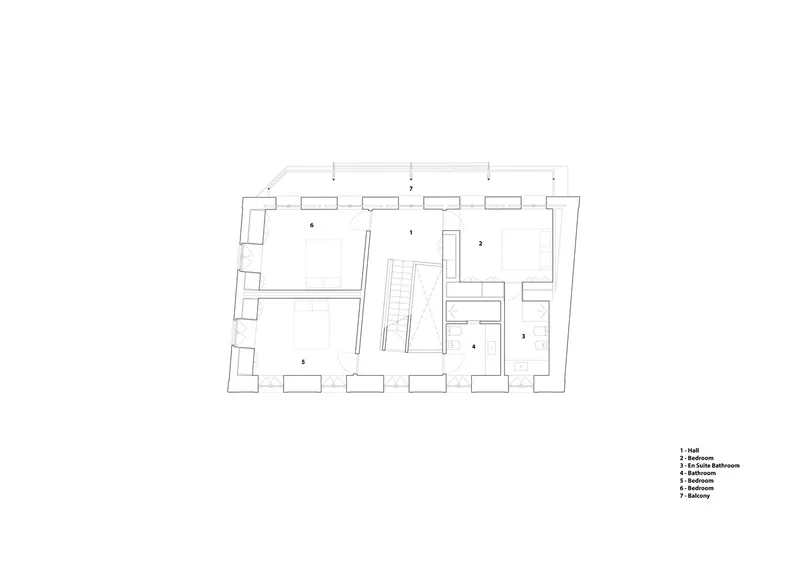
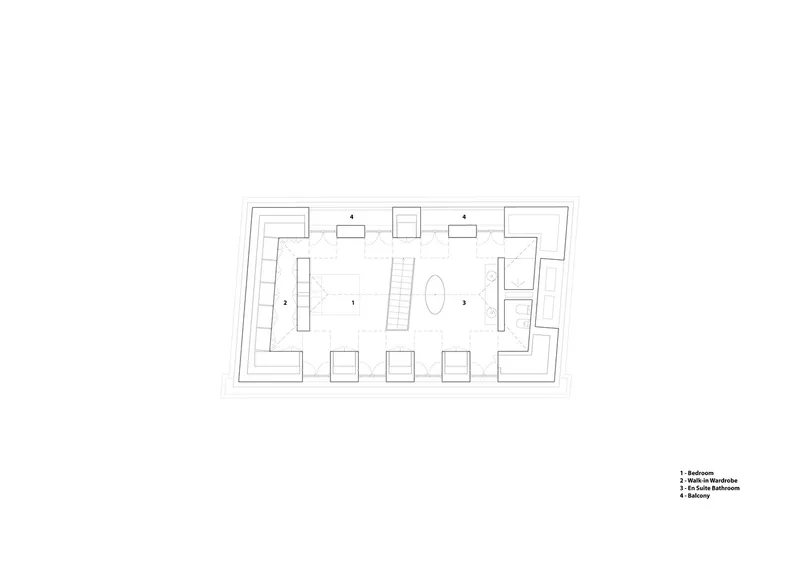
At the heart of House No. 11 is an atrium that changes shape as it ascends, organizing the interior space and bringing natural light deep into the residence. This central feature helps to orient the living spaces and provides a visual and spatial breath to the dense urban setting.
Material and Decorative Choices
Facade and Material Dynamics
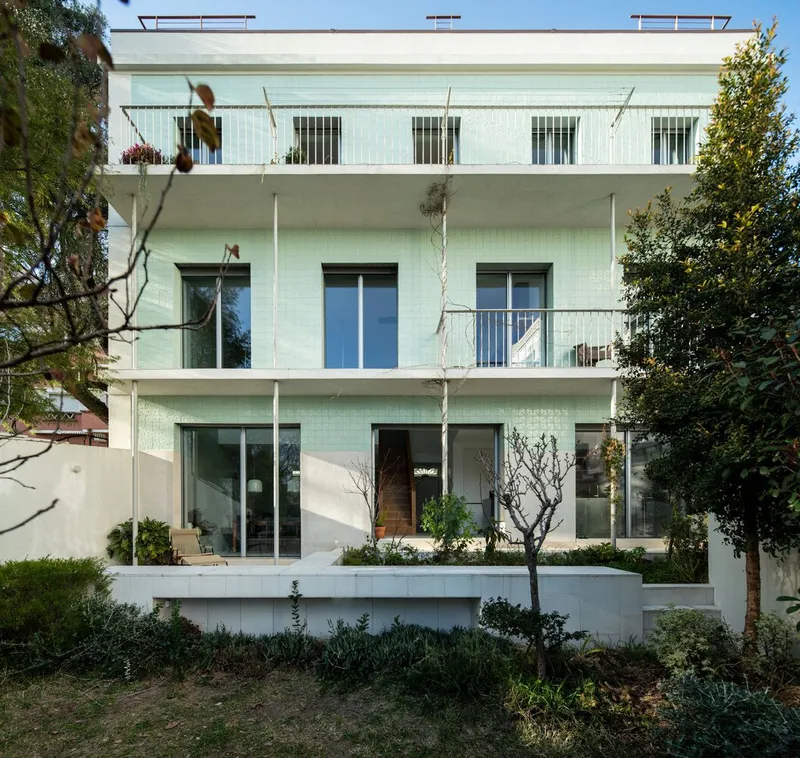
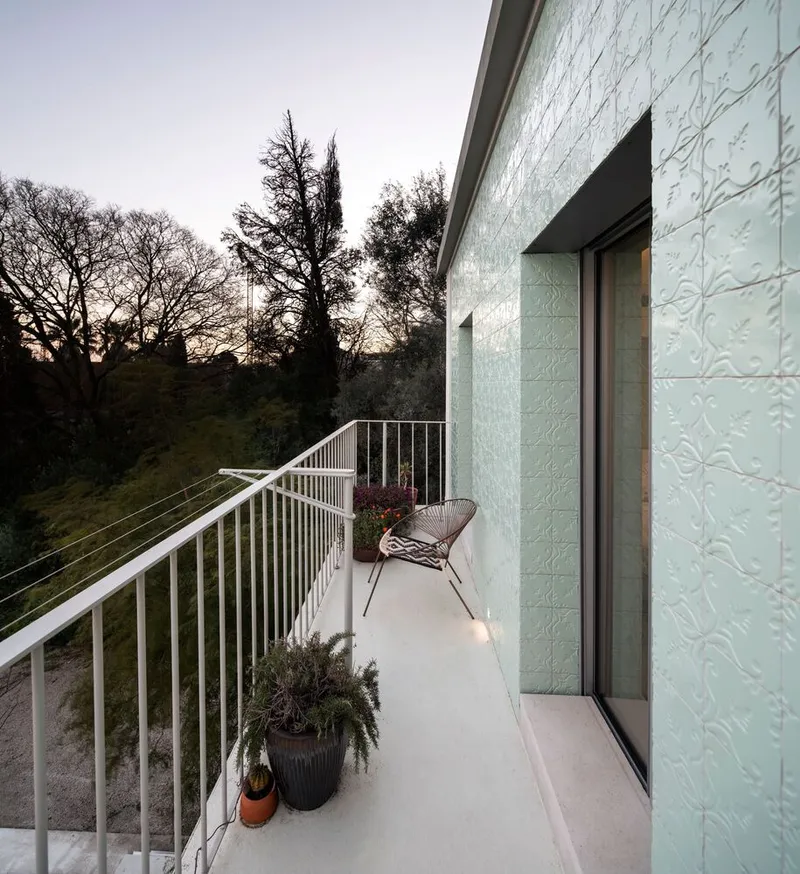
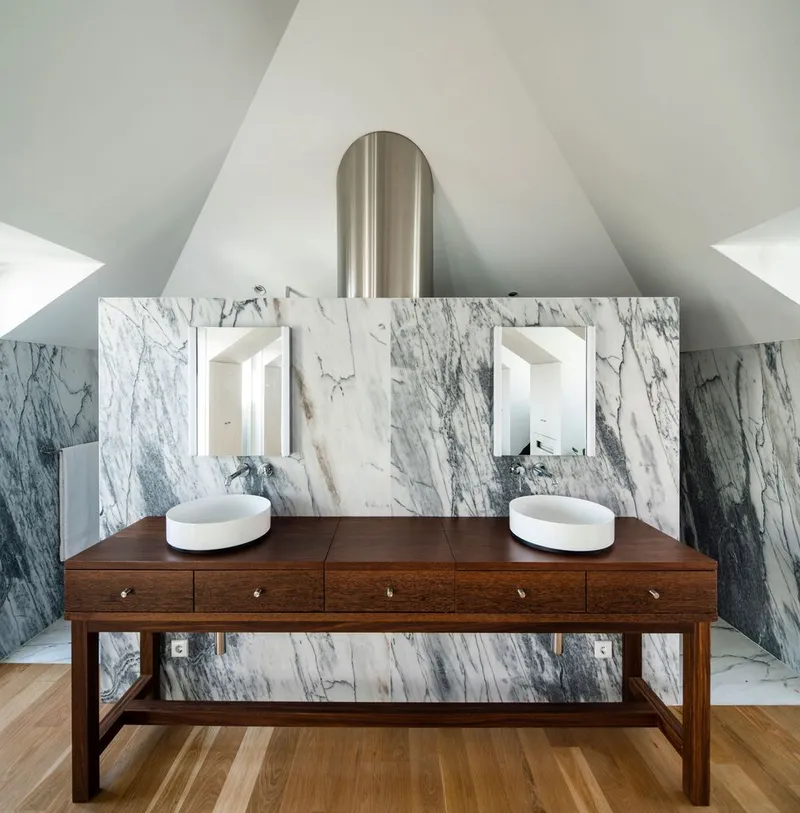
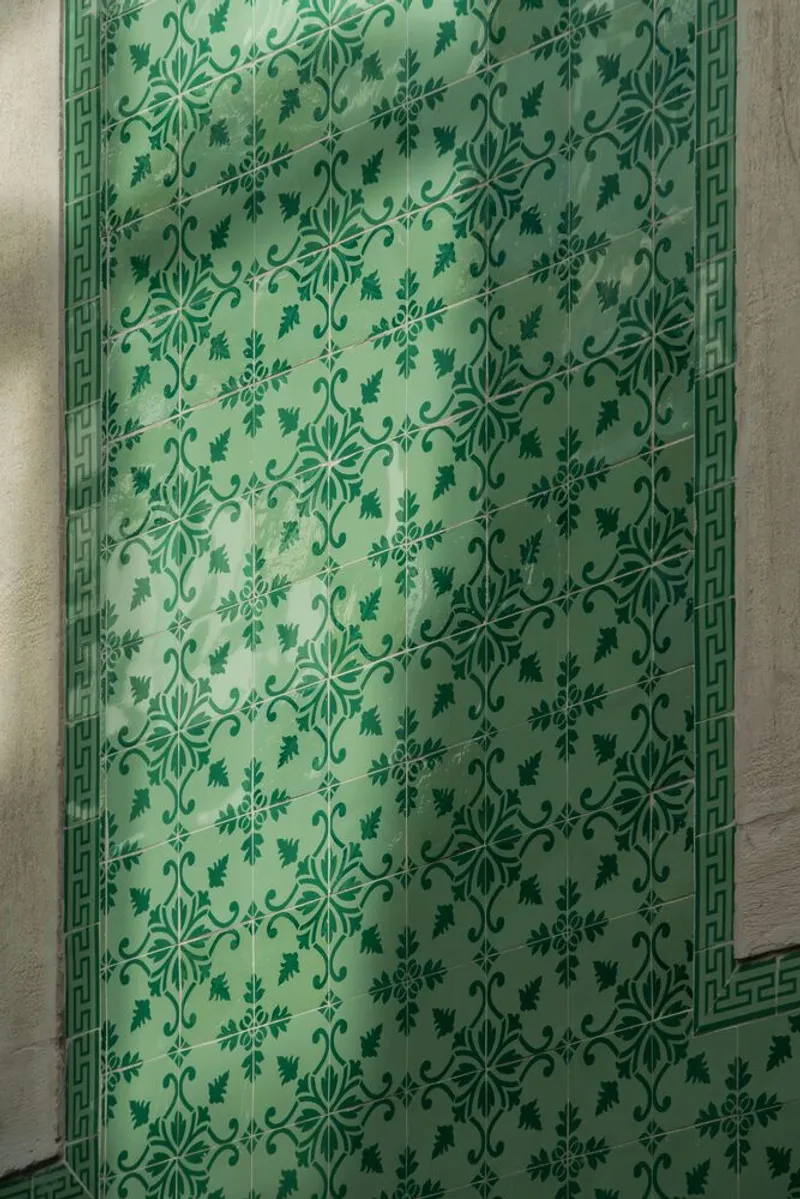
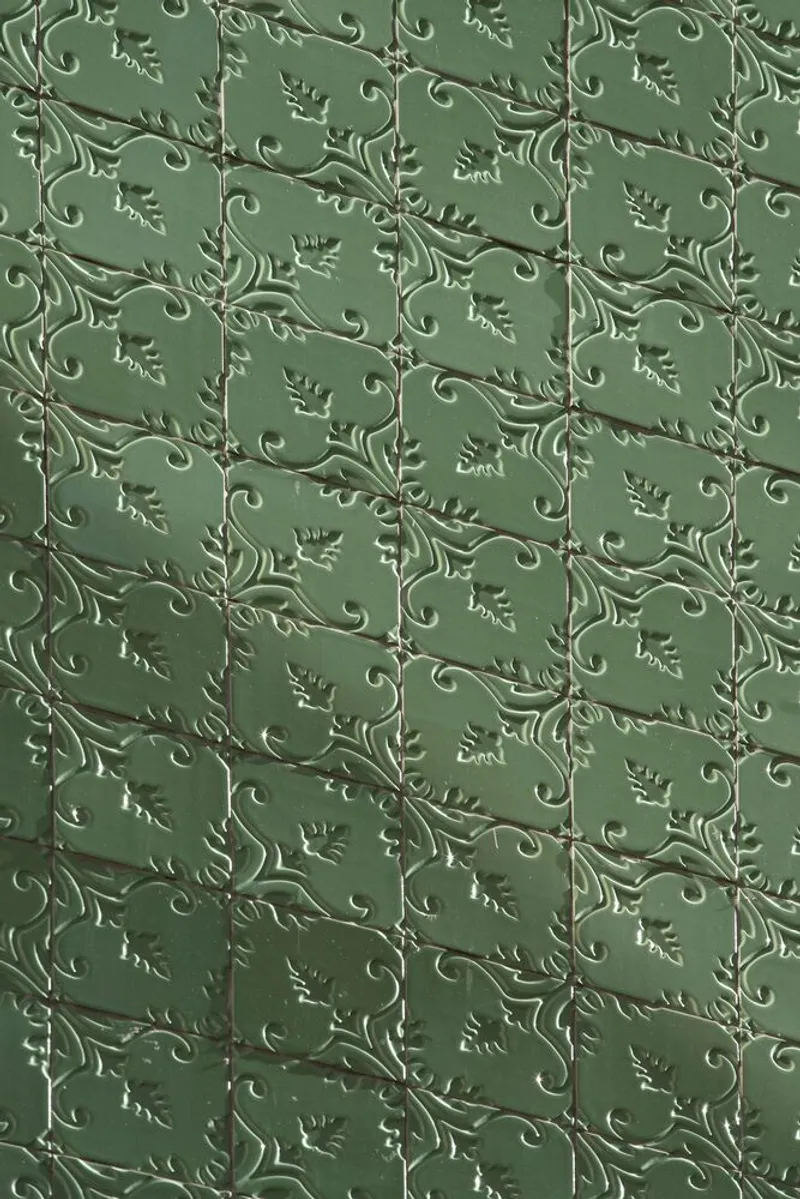
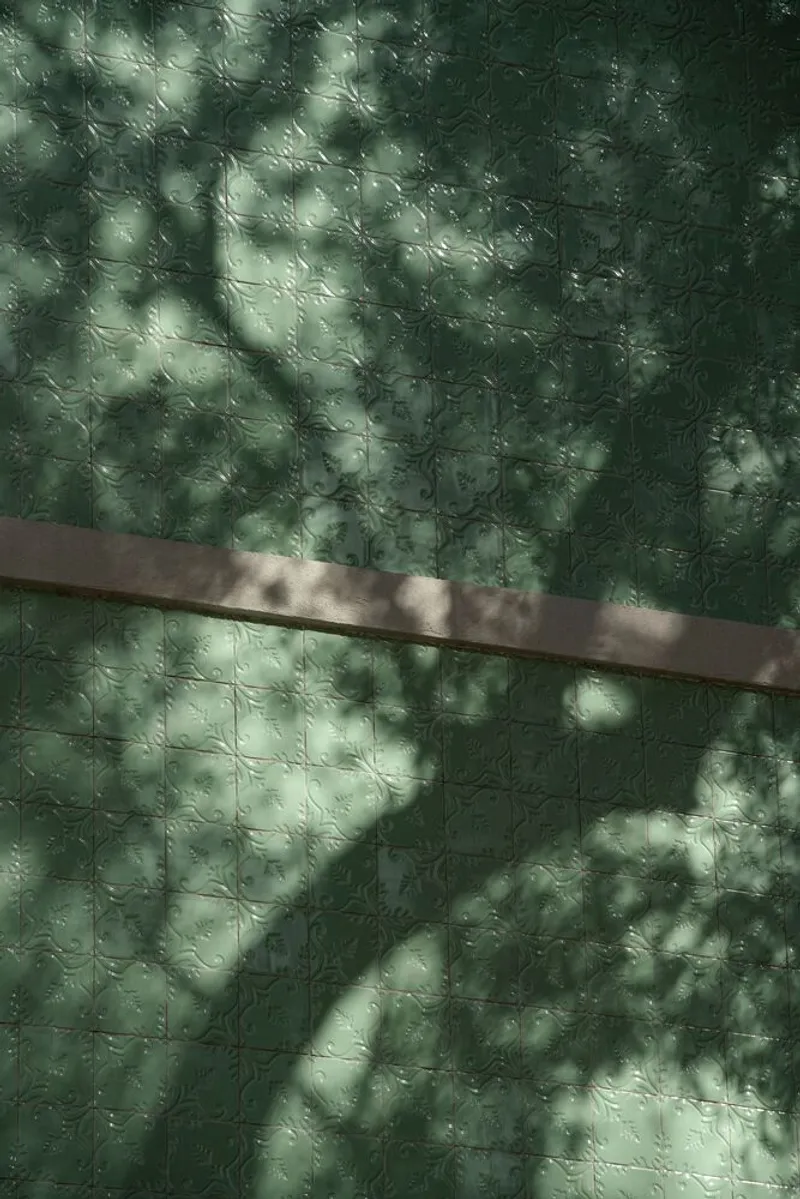
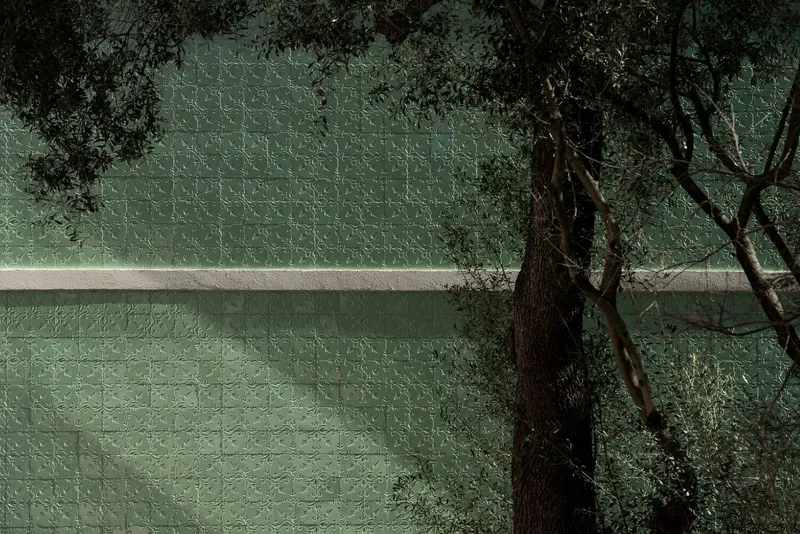
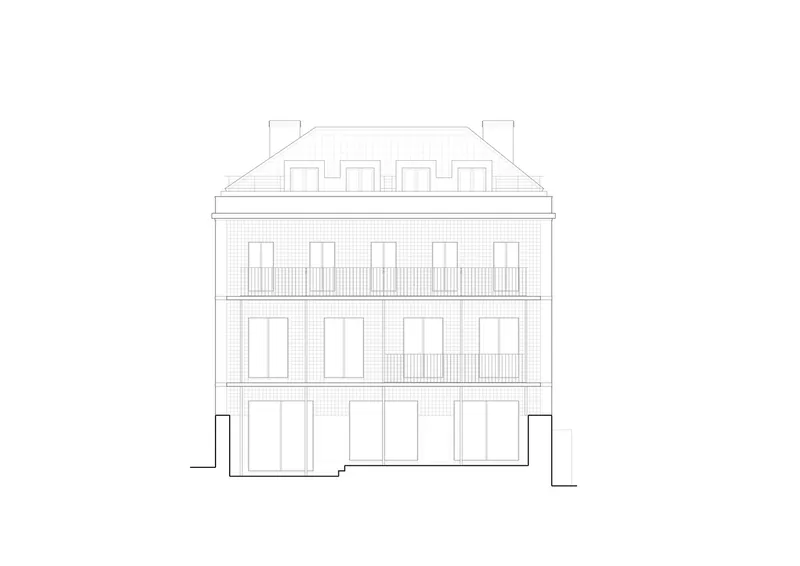
The rear façade, now fully reimagined, expresses the internal changes most vividly, using materials that reflect both the historical context and modern architectural trends. The use of traditional materials like stone and wood in conjunction with modern glass and metal highlights the dialogue between old and new.
Interior Design and Custom Elements
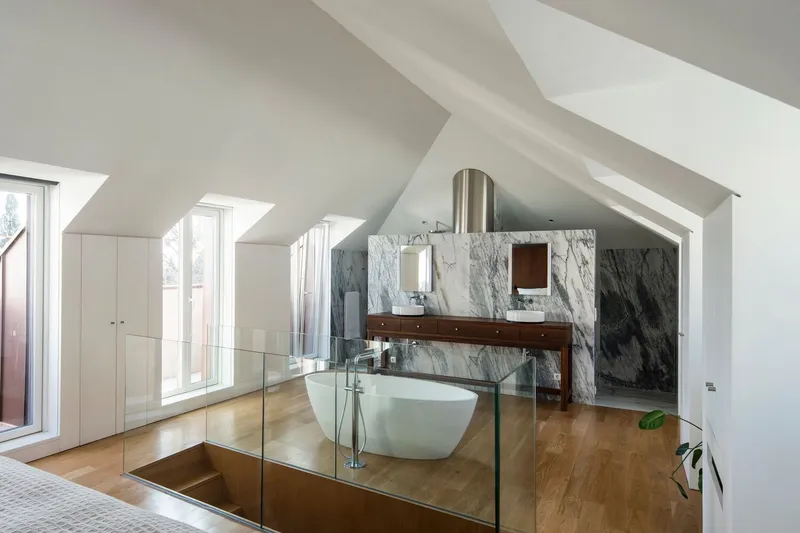
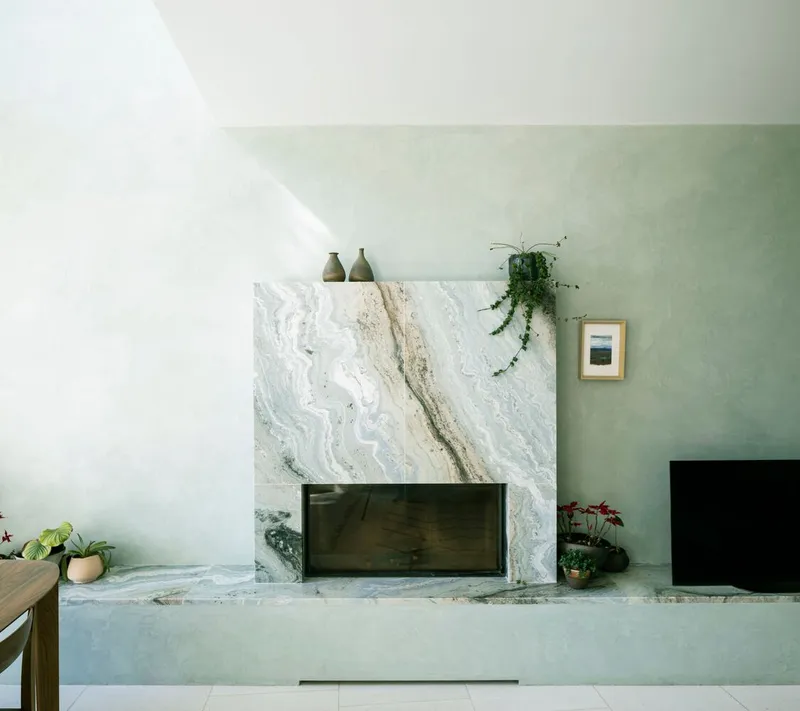
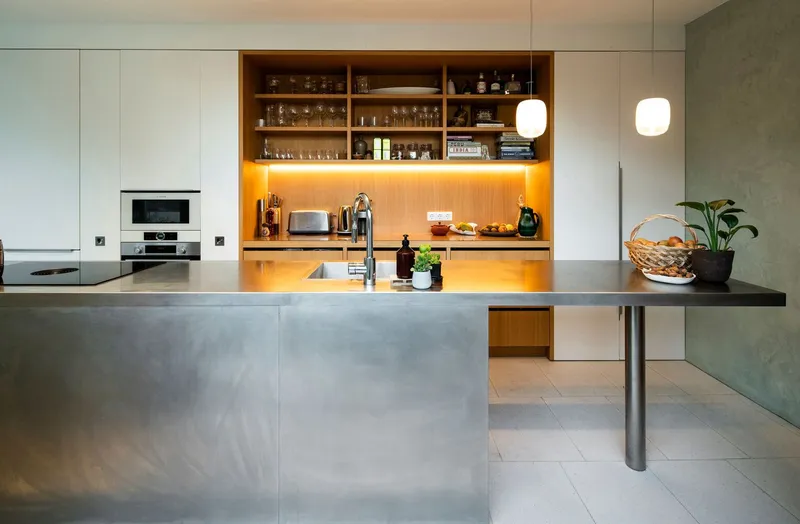
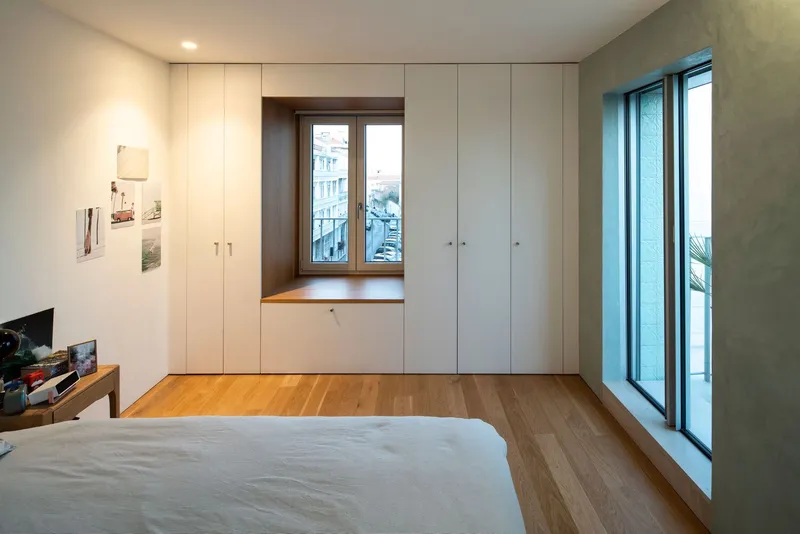
Inside, the design incorporates custom-built elements that enhance functionality while offering aesthetic continuity with the building's historical character. From bespoke cabinetry in the kitchen to the meticulously designed bedrooms, every detail contributes to a coherent whole that respects the building's original character while providing contemporary comfort.
A Benchmark in Urban Renovation
House No. 11 – Santa Isabel by Camarim Arquitectos stands as a benchmark in urban house renovation. It demonstrates how architectural creativity and respect for historical contexts can coalesce into a home that is both uniquely Lisbon and universally modern. This project not only revitalizes a historical structure but also contributes to the ongoing narrative of its urban landscape, offering valuable insights into the possibilities of urban architectural transformation.
All photographs are work of Nelson Garrido



Popular Articles
Popular articles from the community


Co-life: Sustainable Architecture for Age-Friendly Community Living
Co-life reimagines sustainable architecture for seniors through courtyards, rammed earth, shared gardens, and spaces designed for belonging.

Lunar Spiral: Space Architecture Shaped by the Mathematics of the Universe
Lunar Spiral reimagines space architecture through Fibonacci geometry, lunar regolith, levitating habitats, and self-sustaining Moon living.

Riyadh For All: Intergenerational Urban Design for Active Aging in Rabat
Riyadh For All reimagines urban design in Rabat with intergenerational co-living, adaptive courtyards, and Moroccan cultural exchange today.

The Musturak Paradise: Senior Living Architecture for a Connected Future in Temara, Morocco
The Musturak Paradise reimagines senior living architecture in Temara via private homes, social spaces, culture, community, and shared care.

Similar Reads
You might also enjoy these articles

Bamboo Housing Challenge 2026: Design Affordable, Sustainable Homes Using Bamboo
An international design competition by Bamboo U and IBUKU inviting architects and designers to reimagine affordable housing using bamboo — with the winning design built full-scale in Bali.

Computational Design & Education: Beegraphy Design Awards Introduces 7th Category (Featuring Jiyun's Innovative Approach)
Dive into Beegraphy’s 7th Design Awards category, where computational design meets education to create immersive, interactive learning tools, inspired by Jiyun’s work.
From Parametric Lighting to Urban Furniture: Join the 2nd Workshop in Beegraphy’s Computational Design Series
Dive into Cutting-Edge Design Techniques and Practical Applications with Industry Experts

Last Call: Unleash Your Architectural Genius in SHAK's Kindergarten Design Competition
Urgent call for architects to join SHAK's kindergarten design competition before the looming deadline


Explore Architecture Competitions
Discover active competitions in this discipline



Challenge to reimagine the Iron Throne


Photograph architecture without architects


Illustrate the lost glory of Angkor Wat - Render Challenge


Design challenge to reuse E-waste
Comments (0)
Please login or sign up to add comments
No comments yet. Be the first to comment!