

Vertical Living Architecture in Czech Republic: House with Seven Floors by Malý Chmel
The House with Seven Floors showcases vertical living architecture, redefining compact spaces through light, functionality, and intimate design.


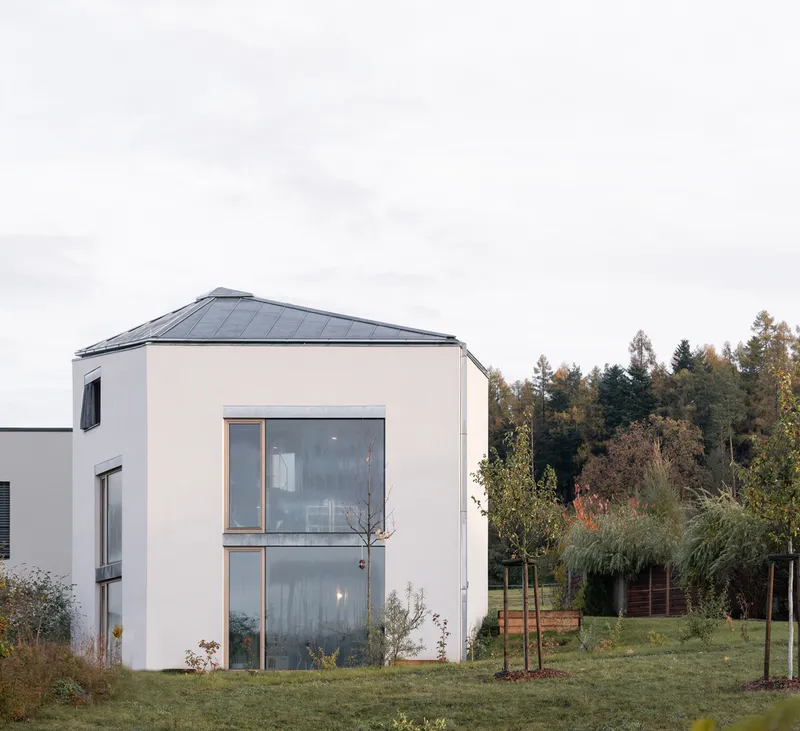
Perched on a sloping garden in the Czech Republic, the House with Seven Floors by Malý Chmel redefines compact living through its innovative design. Completed in 2023, this 63 m² family home transforms constraints of space into an architectural marvel, offering a harmonious blend of functionality, light, and intimacy within a small footprint.


A Vertical Cave of Light
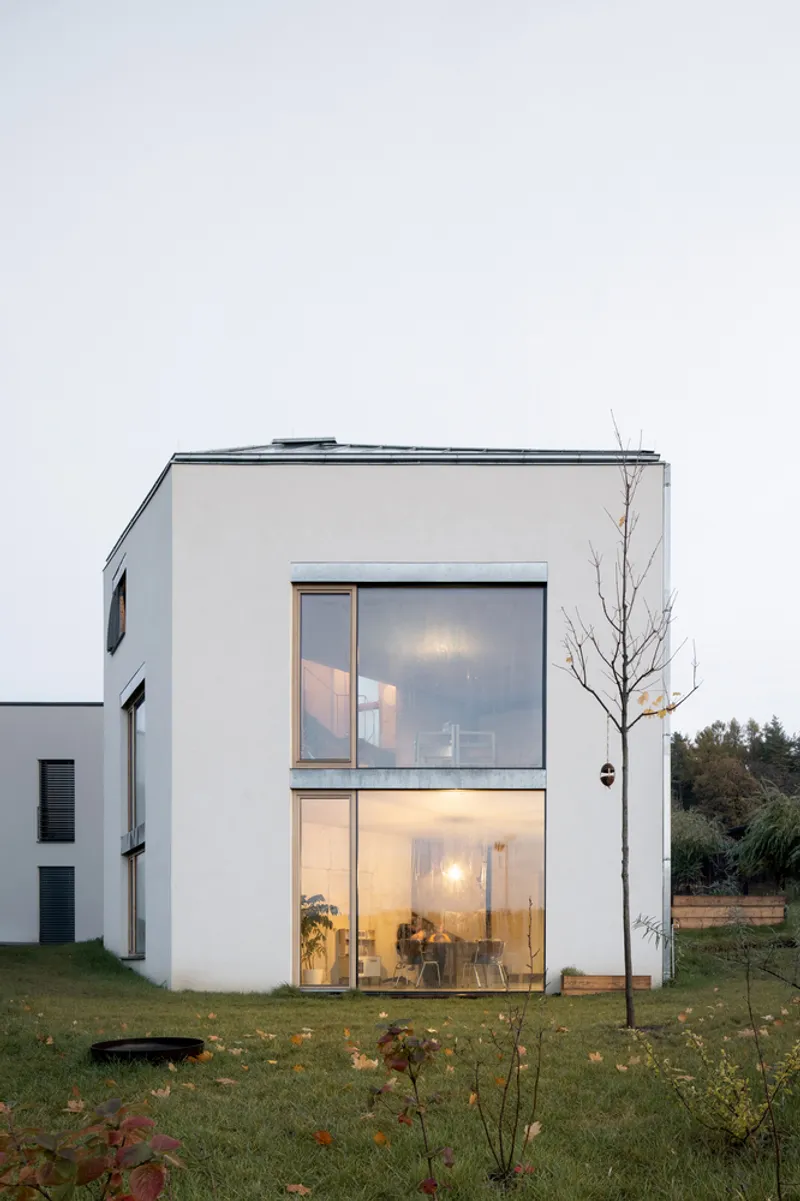
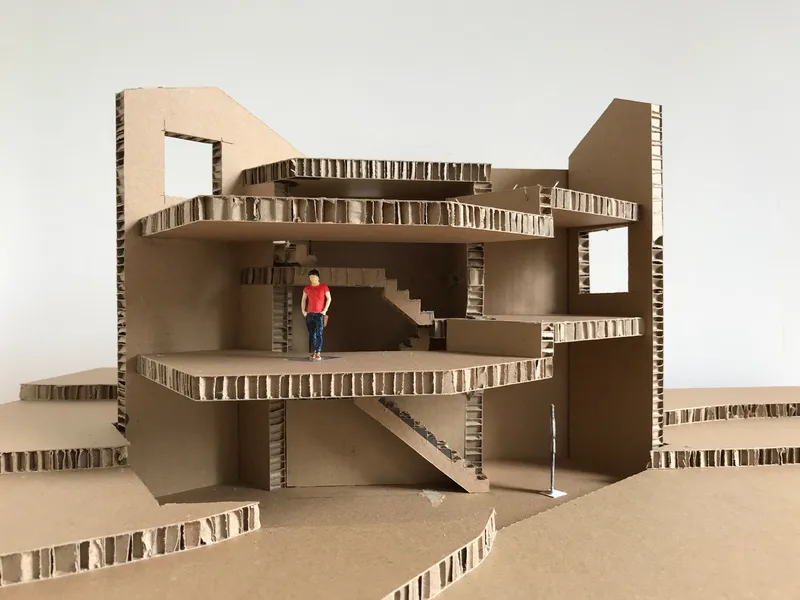
The house is conceptualized as a “vertical cave of light,” where interconnected spaces create a fluid living environment. The design utilizes varying sizes, heights, and levels of daylight illumination across its seven floors. Each level is thoughtfully connected, forming a dynamic spatial narrative.

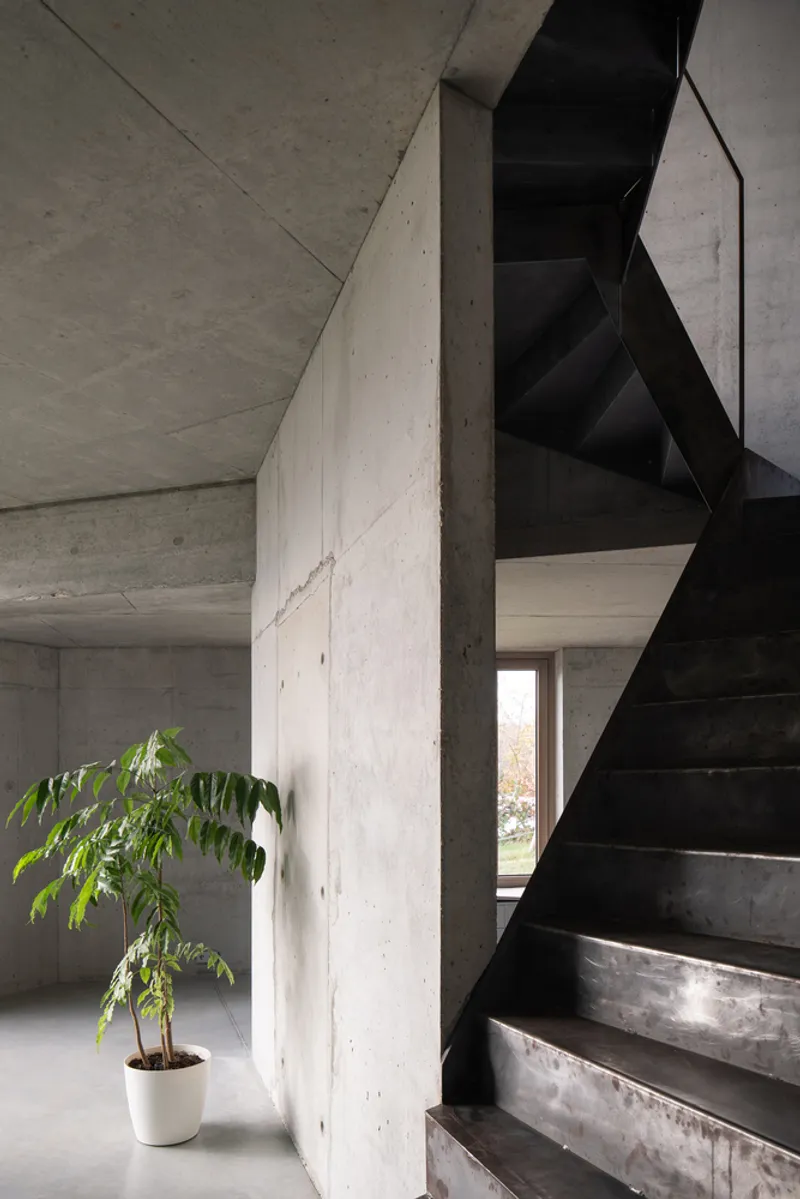

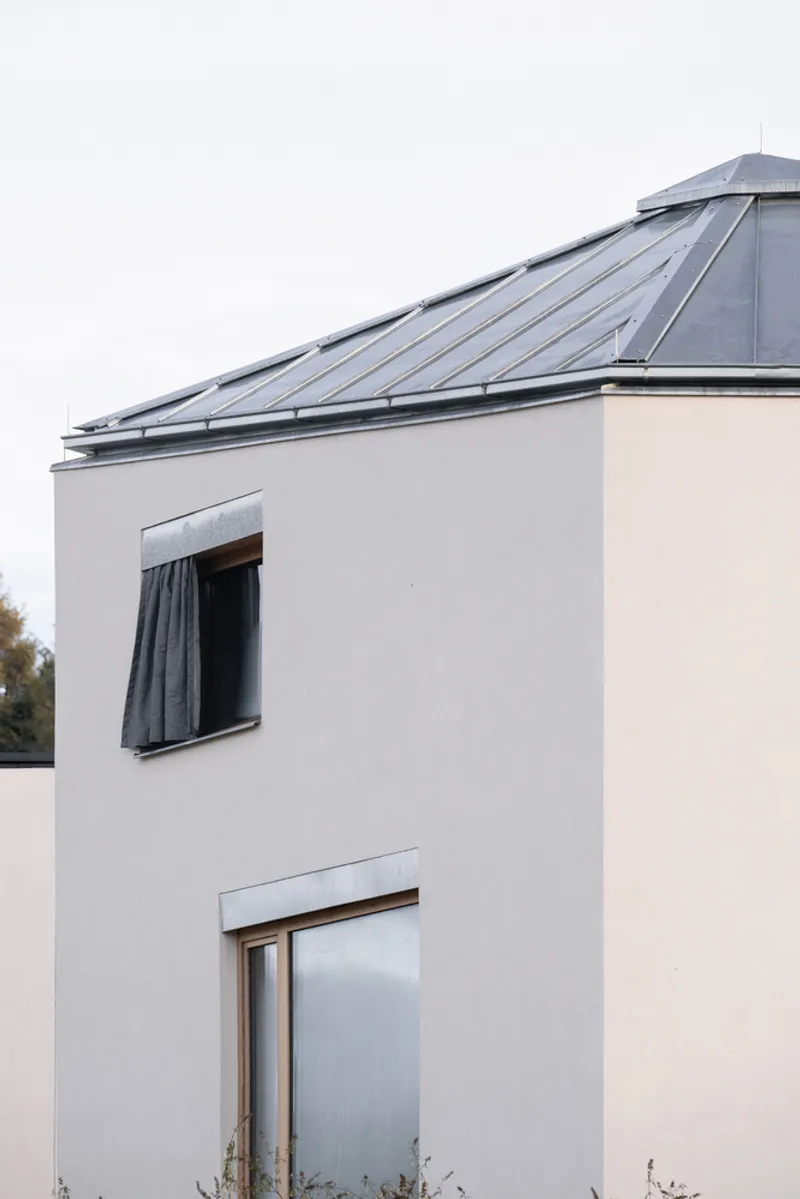
The architectural vision allows residents to manipulate spatial and lighting conditions using curtains, creating privacy or openness as needed. From any corner of the home, occupants can enjoy unique perspectives—through “cave openings” that frame views of adjacent rooms or the surrounding garden. This design approach magnifies the sense of scale, making the house feel much larger than its modest footprint.

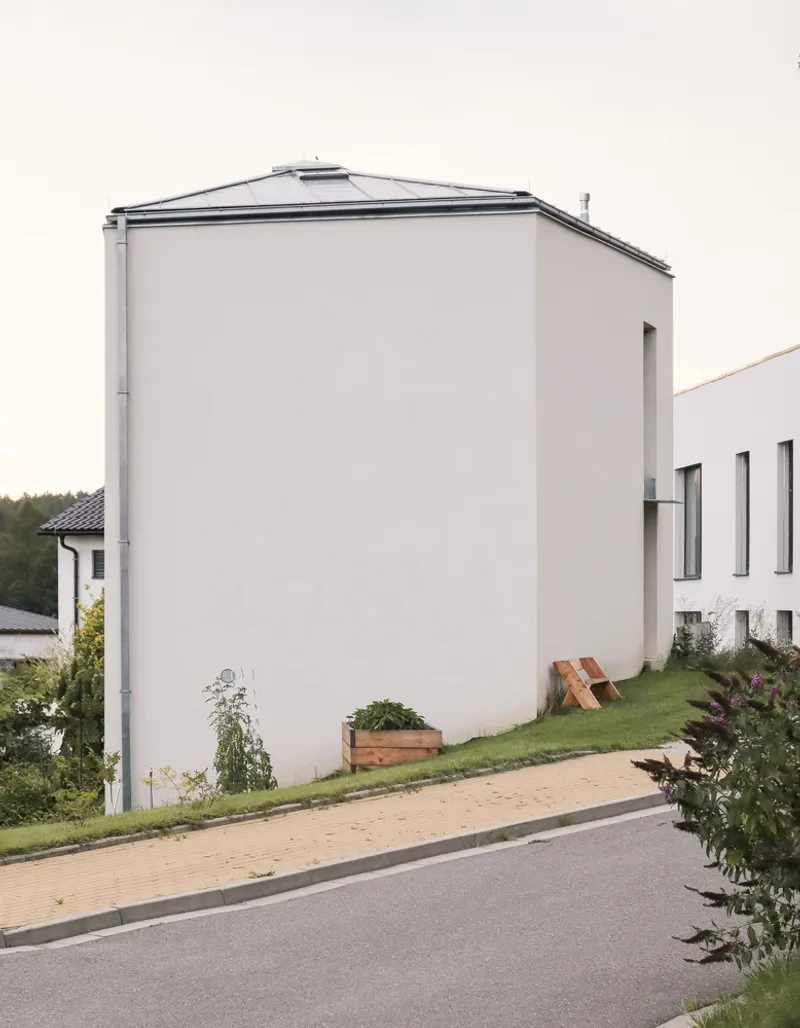
A Unique Irregular Form
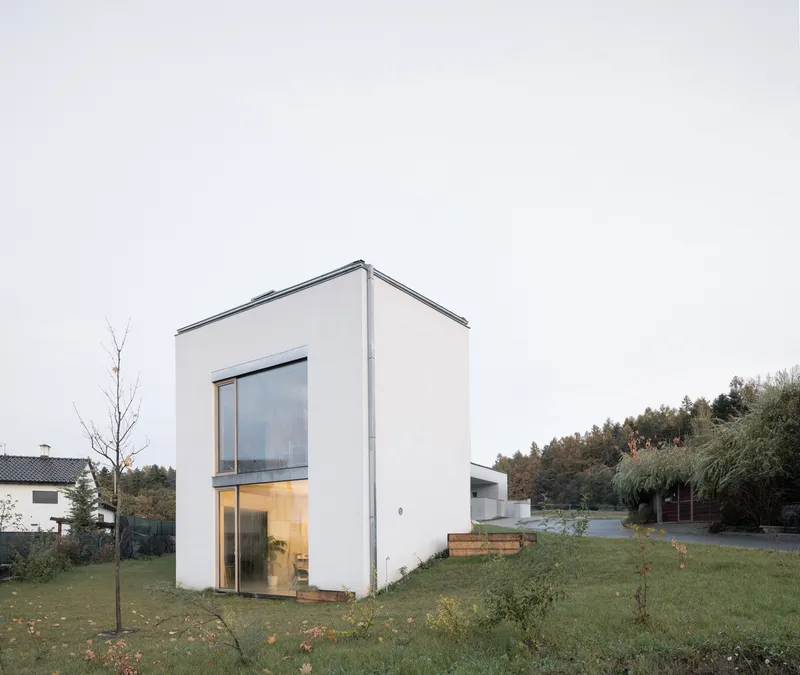
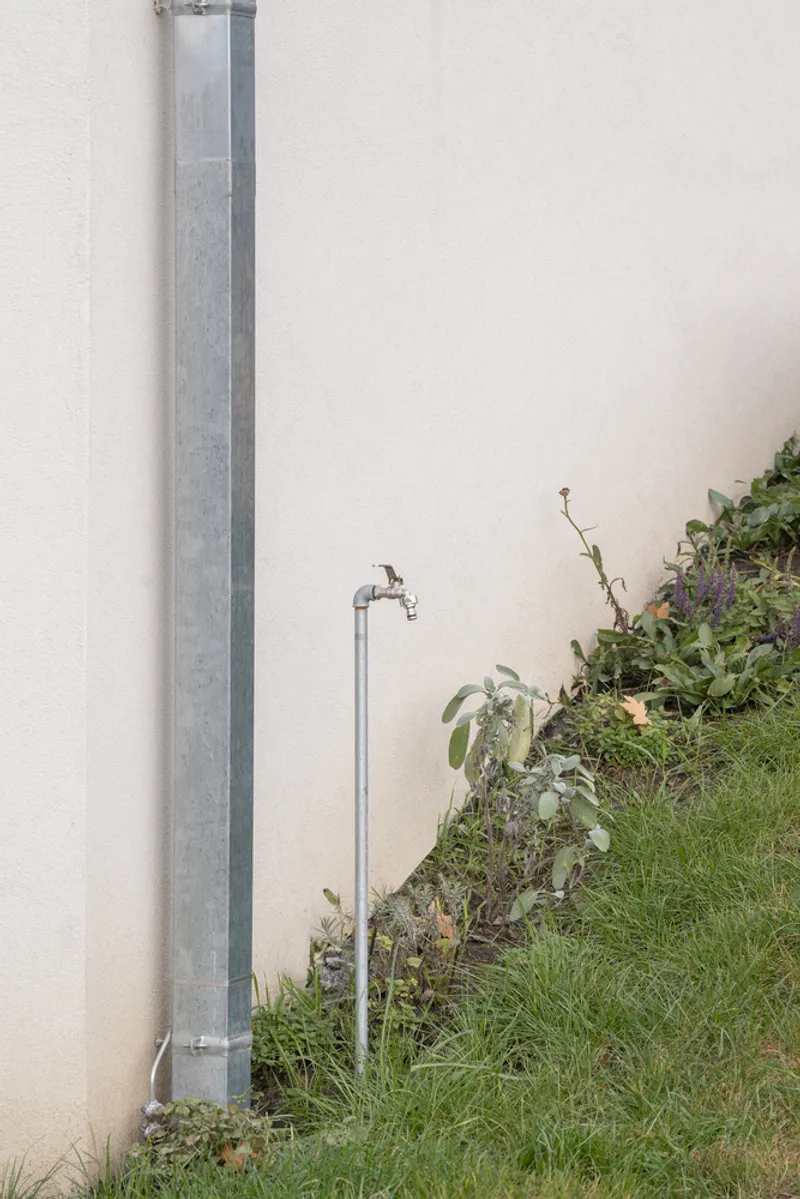
The home’s irregular pentagonal floor plan is shaped by the topography and the surrounding countryside. While the plot size is compact, the architects prioritized preserving as much land as possible for the garden. This deliberate decision enhances the connection between indoor and outdoor spaces, further grounding the house within its natural environment.
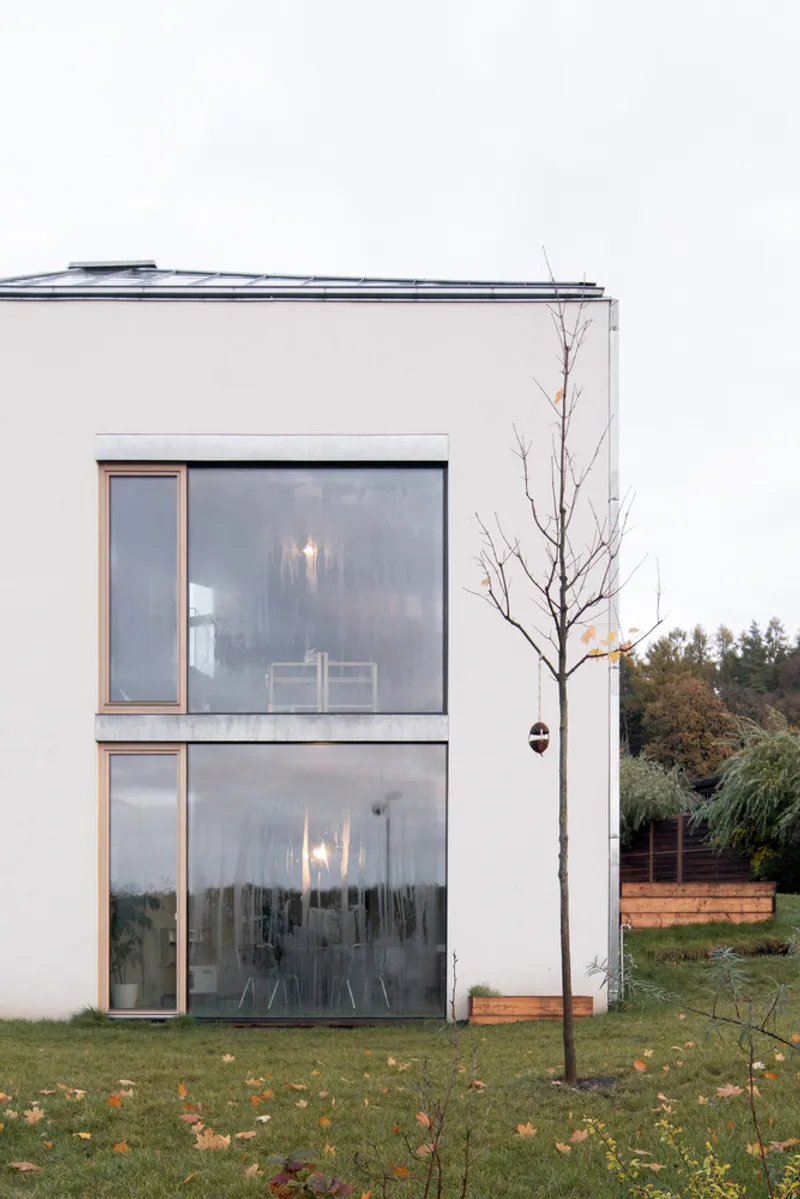

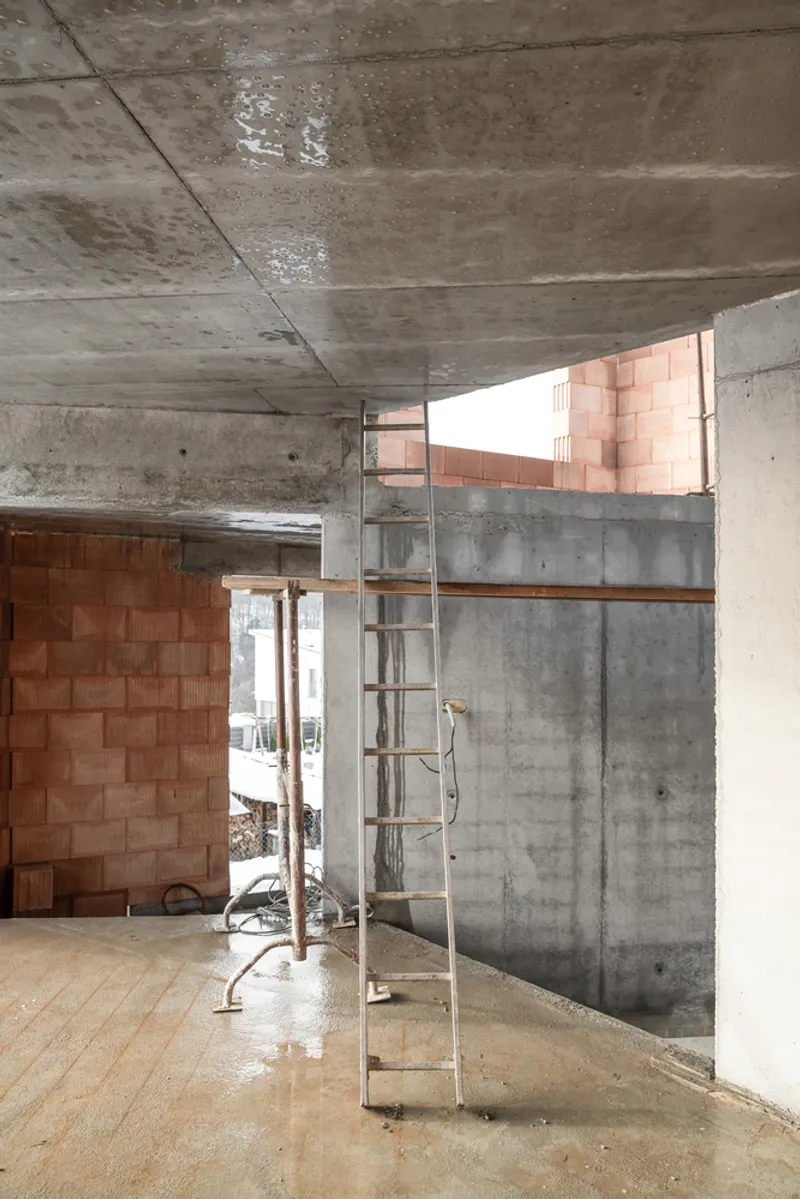
The primary structure consists of a robust concrete “inner statue” that forms the load-bearing walls and slabs. These are complemented by a carefully crafted façade featuring strategically placed openings, balancing structural solidity with visual lightness.
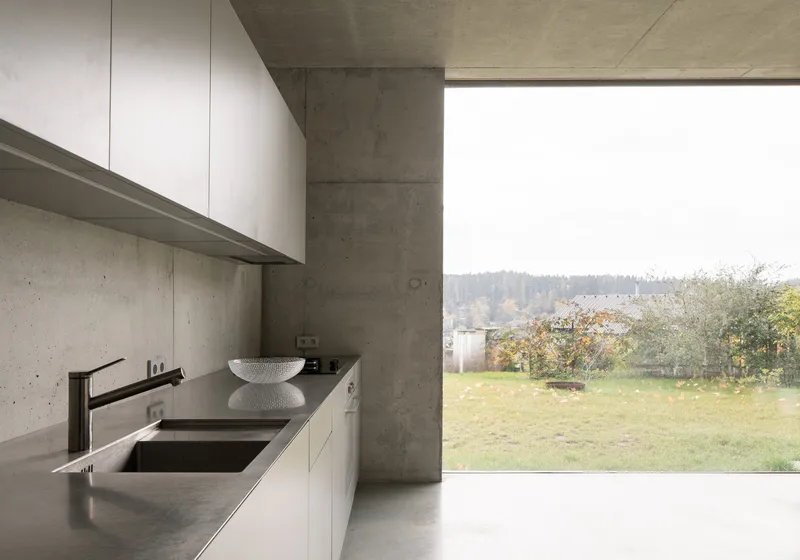

Spatial Organization: Seven Levels of Purpose
The seven levels of the house are arranged to maximize functionality within the limited space. Each floor serves a distinct purpose:
- First Level: Common areas including the kitchen, dining room, and living space.
- Second Level: The main entrance and transitional space.
- Third and Fourth Levels: Two children’s rooms, providing a cozy yet private setting for younger family members.
- Fifth Level: The bathroom, situated conveniently between private and communal spaces.
- Sixth Level: A study room offering a quiet and focused environment.
- Seventh Level: The master bedroom, located at the top for optimal privacy and views.
This vertical stacking not only maximizes utility but also encourages a dynamic living experience, as residents navigate between levels throughout the day.


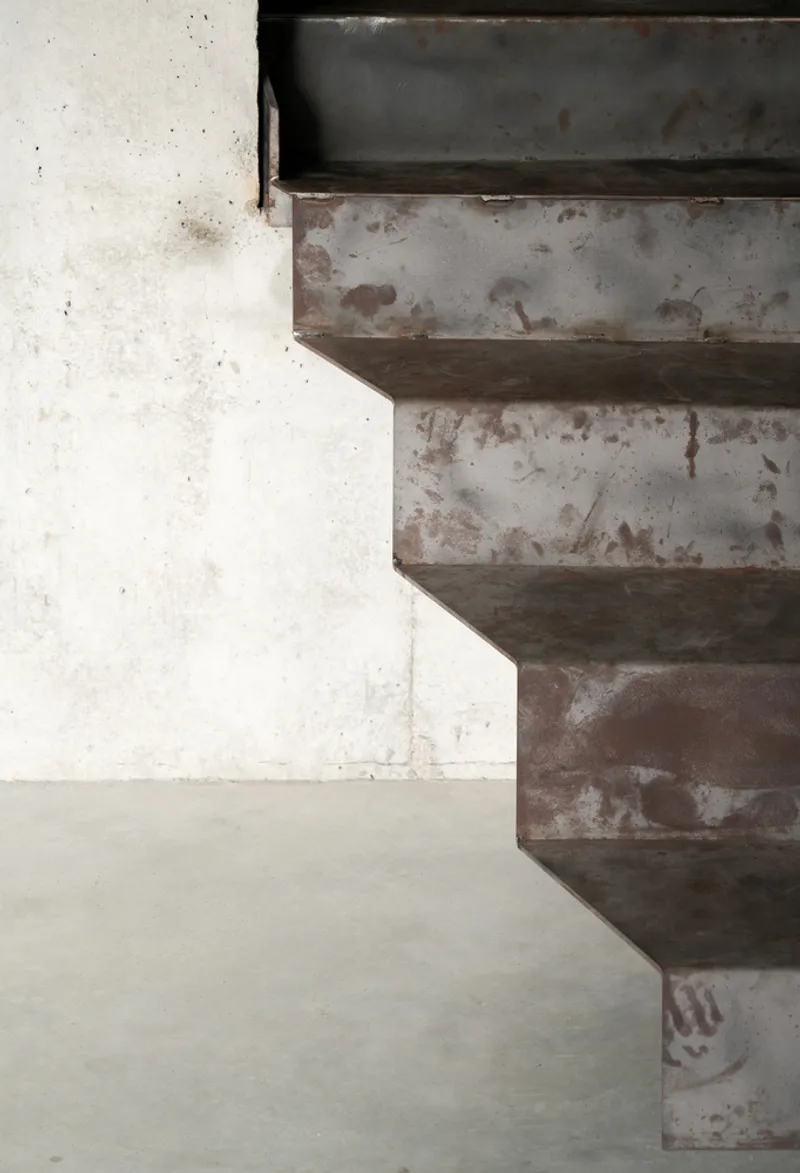
Light, Views, and Intimacy
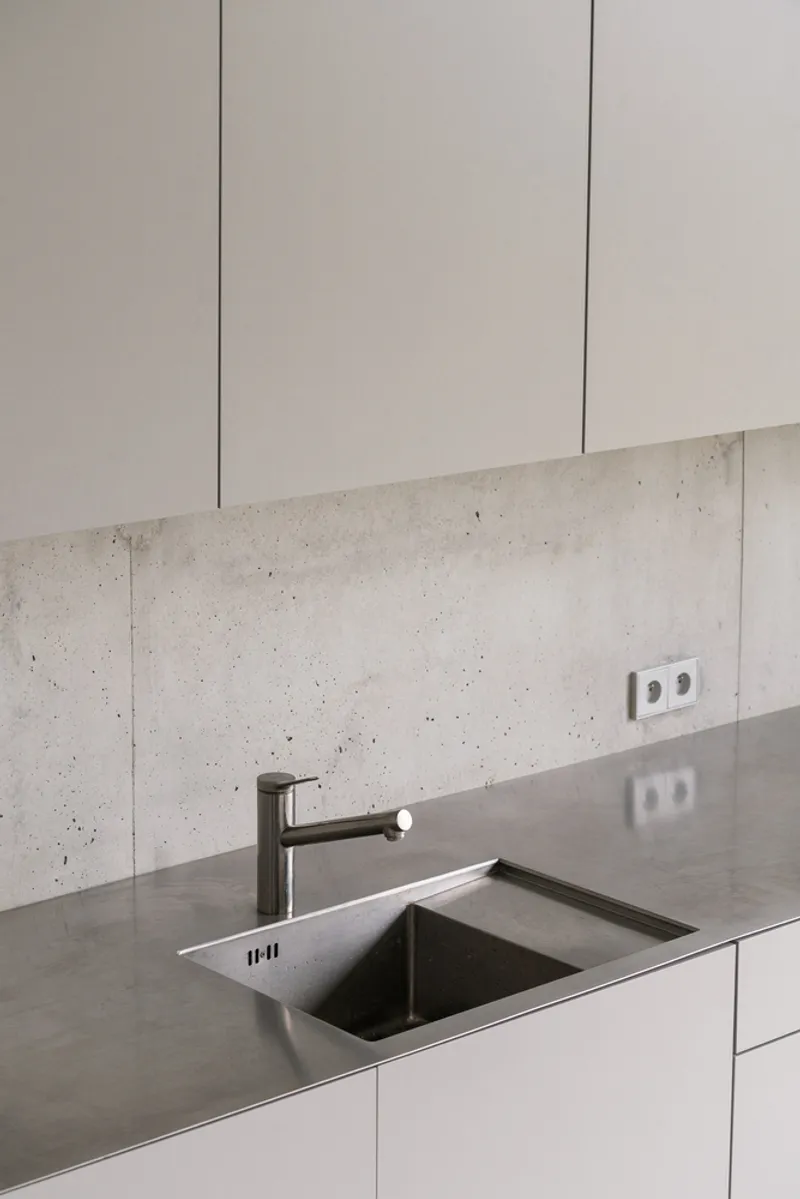
A defining characteristic of the House with Seven Floors is its masterful use of light and views. The interconnected spaces allow light to travel through the home, creating a sense of openness. The carefully placed windows and openings frame picturesque views of the countryside, connecting the interior with its natural surroundings.


The house’s design also ensures varying levels of intimacy. While the common areas foster interaction and community, the upper floors provide secluded retreats, balancing shared and private spaces seamlessly.

Compact Living, Expanded Possibilities
By embracing verticality, Malý Chmel has transformed the constraints of a small plot into an architectural advantage. The House with Seven Floors is a testament to the potential of vertical living architecture, offering a functional, aesthetic, and sustainable solution to modern housing challenges.
This project challenges conventional notions of family homes, proving that even within limited space, thoughtful design can create a spacious and enriching living environment.




All Photographs are work of Alex Shoots Buildings


Popular Articles
Popular articles from the community

Faces of the Soviet Avant-Garde: Turning Moscow's Street Names into an Open-Air Museum
A network of sculptural installations across a Moscow residential district transforms forgotten architect names into spatial encounters with cultural memor

Manzana Morphosis: Stretching Barcelona's Grid into a Living Landscape for 2050
A radical reworking of the Eixample manzana turns density into a tool for generous public space, vertical ecology, and environmental performance.
Temporary Home for Dogs: A Reversed Zoo Rethinks Animal Shelter Architecture
In Bucharest, a sinuous corridor and freed landscape flip the logic of containment, designing a shelter that works to make itself unnecessary.
Tsunami Convergenics: Turning Catastrophic Ocean Forces into Underwater Housing Infrastructure
A speculative underwater settlement off the coast of Onagawa, Japan, treats tsunamis and typhoons as energy sources rather than threats.

Similar Reads
You might also enjoy these articles


Hodi-Mandai Geram
Project Function: Preservation and revitalization of the Intangible heritage and socio-spatial identity of the Hodi by Housing, Cultural Memory Center, Sacred Grove, landscape, local tourism economy


Olio Towers: A Mid-Rise for Performers That Fuses Housing, Rehearsal, and Stage
Located blocks from Houston's Theater District, this modular tower stacks living units around a central performance atrium.

Oasis: Modular Green Housing Carved into Dhaka's Urban Fabric
A shortlisted Plugin Housing entry reclaims unauthorized settlements in Dhaka with stepped concrete volumes, green roofs, and ventilation-driven design.

Black Hole: A Floating Megastructure for the Post-Physical Era
Emiliano Mazzarotto envisions a spherical, self-scaling arena where e-sports, digital hotels, and holographic stadiums replace traditional public space.

Explore Czech Cubism Competitions
Discover active competitions in this discipline

Challenge to reimagine the Iron Throne

Photograph architecture without architects

Illustrate the lost glory of Angkor Wat - Render Challenge

Design challenge to reuse E-waste
Comments (0)
Please login or sign up to add comments
No comments yet. Be the first to comment!