
Veterinary School in Anderlecht: A Sustainable Transformation by HASA Architecten
The renovated Veterinary School transforms a historic Anderlecht landmark into a sustainable business hub, preserving heritage, reducing energy use, and revitalizing the community.


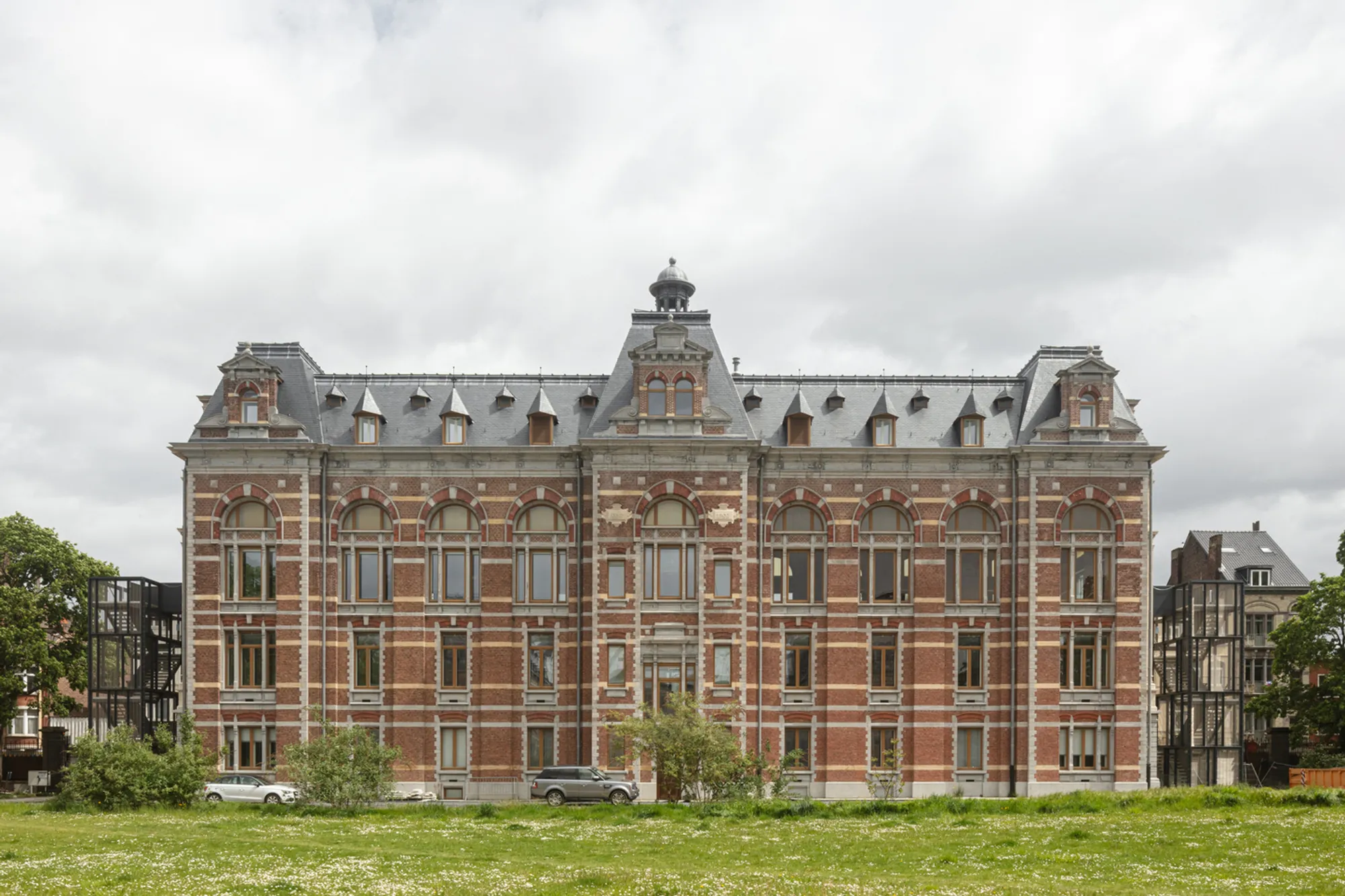
The Veterinary School in Anderlecht, a historic landmark in the heart of the Cureghem quarter in Brussels, has undergone a remarkable transformation after more than two decades of abandonment. Redesigned by HASA Architecten, the 4,098 m² heritage structure is now a vibrant business and conference center, positioned to support the district’s economic revival while preserving the building’s cultural significance.


Reviving a Heritage Landmark with Purpose
Originally built as an academic veterinary institution, the building is deeply rooted in the identity of the Cureghem neighborhood. The architects approached the renovation with a heritage-first mindset, rethinking the client’s functional program to align with the existing structural layout. Key spaces were reprogrammed:
- Auditorium and restaurant placed within the grand academic halls on the 2nd floor
- Office spaces integrated across the ground floor, first floor, and attic
- Meeting rooms relocated to the basement, illuminated via two newly excavated daylight patios
This approach maintained the integrity of the original circulation and spatial hierarchy while adapting it for contemporary use.


A Reversible, Respectful Architectural Intervention
To meet modern safety regulations without damaging the historic fabric, HASA Architecten designed freestanding external fire escape staircases on both sides of the building. These mesh-wire structures connect to a cantilevered bridge, accessed through two converted window openings. Importantly, this entire intervention is fully reversible, ensuring no permanent alteration to the protected building.
The renovation prioritizes reversible design and minimal intrusion, reflecting a deep respect for preservation principles.

Energy-Efficient and Environmentally Conscious Design
The project sets a new benchmark for sustainable restoration. Through strategic upgrades: including internal façade insulation, energy-efficient lighting, and advanced building technologies, the building’s heating demand dropped from 200 kWh/m²a to just 45 kWh/m²a. This achievement earned the project recognition as the first listed low-energy building in the Brussels Capital Region.
Such meticulous interventions ensured:
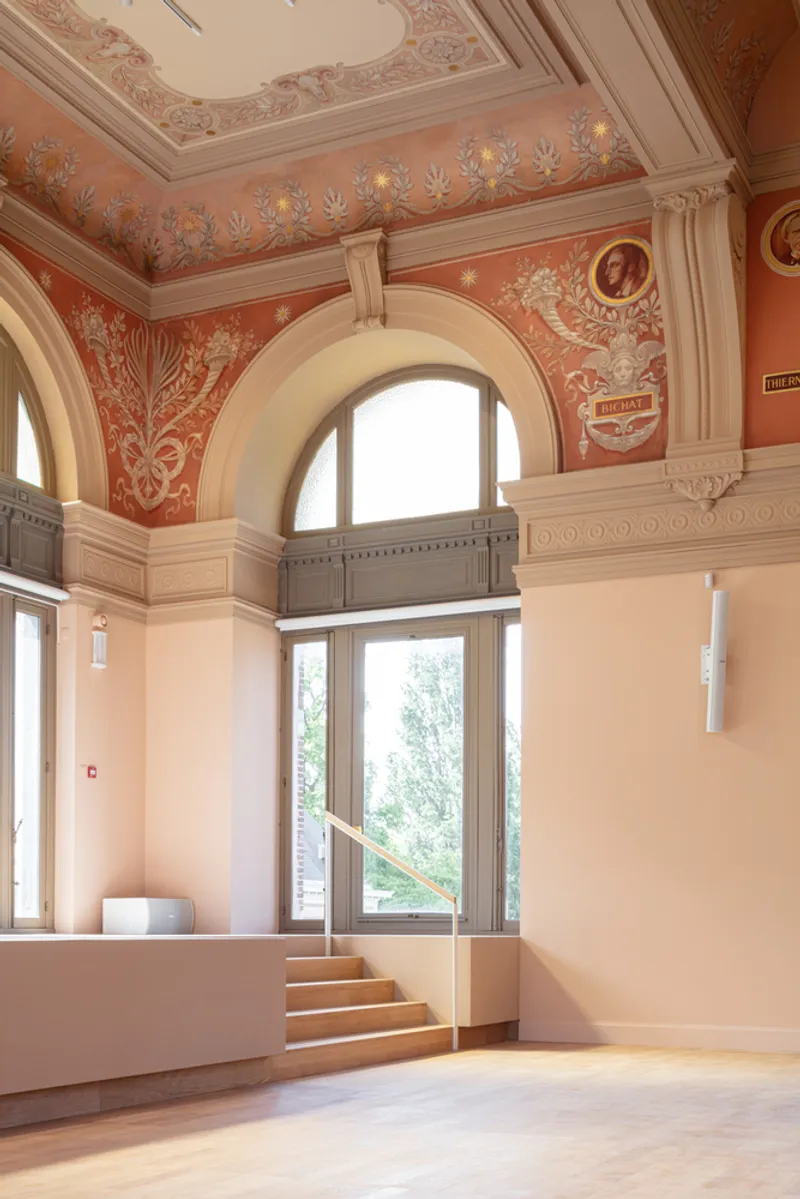
- Protection of historic finishes
- Reduction of the building’s ecological footprint
- Long-term operational sustainability
Sustainable Material Reuse and Circular Construction
HASA Architecten maximized the reuse of on-site materials. Elements that could not be reinstalled were offered in a public market, allowing neighbors, craftsmen, contractors, and resellers to purchase them, an approach that promoted community engagement and circular construction.
This thoughtful reuse strategy reflects an innovative blend of resource conservation, social participation, and material authenticity.
Sensitive Integration of Past and Present
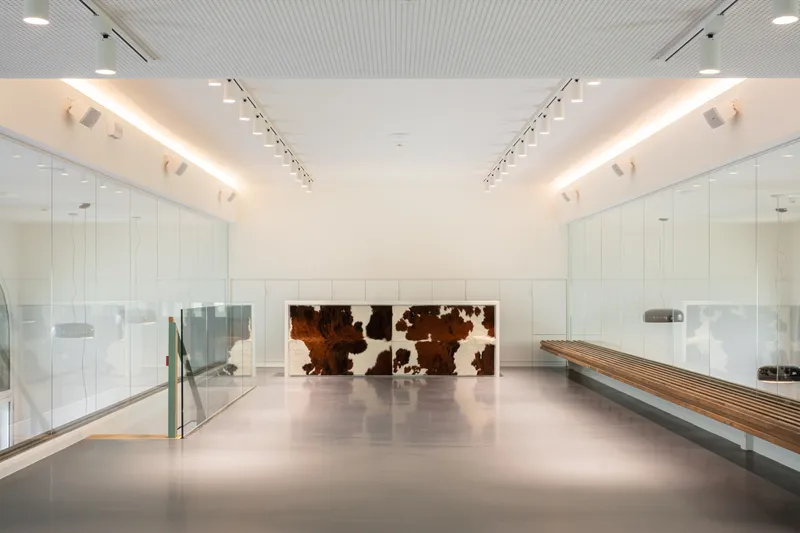
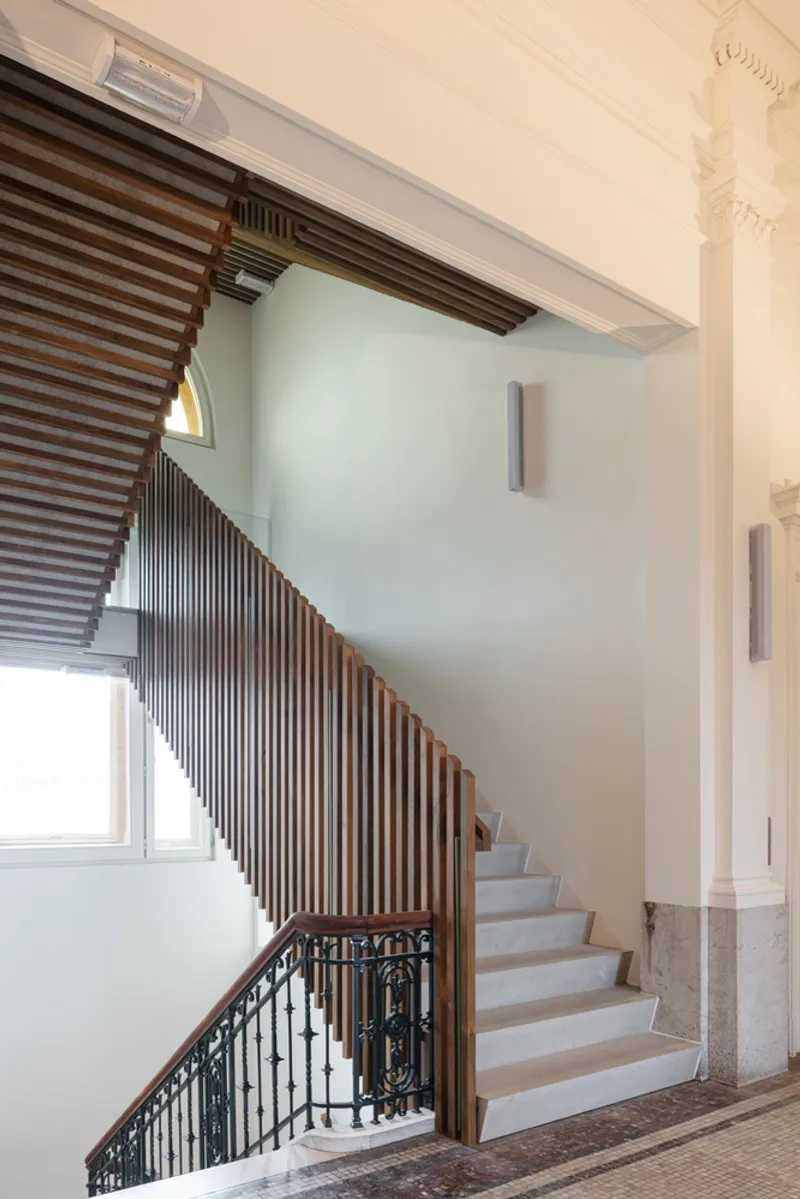
The renovation avoids stark contrasts. Instead, the architects introduced subtle, contemporary layers using materials and color tones that echo the original character of the building. These careful interventions ensure a harmonious dialogue between historical craftsmanship and modern functionality.
The result is a space that feels both timeless and rejuvenated, celebrating the building’s academic origins while serving new cultural and economic roles for the community.

A Model for Sustainable Heritage Renovation
The Veterinary School in Anderlecht stands as a powerful example of how adaptive reuse can revitalize heritage architecture. Through energy efficiency, material reuse, reversibility, and contextual design, HASA Architecten demonstrated a future-forward approach to conservation, one that protects history while supporting urban regeneration.
All photographs are works of
Tim Van de Velde



Popular Articles
Popular articles from the community


The Musturak Paradise: Senior Living Architecture for a Connected Future in Temara, Morocco
The Musturak Paradise reimagines senior living architecture in Temara via private homes, social spaces, culture, community, and shared care.

Play: Fragments of Their World
Familiar architecture becomes modular playground design, creating safe spaces where displaced children can learn, connect, imagine and play.

Lunar Spiral: Space Architecture Shaped by the Mathematics of the Universe
Lunar Spiral reimagines space architecture through Fibonacci geometry, lunar regolith, levitating habitats, and self-sustaining Moon living.

Riyadh For All: Intergenerational Urban Design for Active Aging in Rabat
Riyadh For All reimagines urban design in Rabat with intergenerational co-living, adaptive courtyards, and Moroccan cultural exchange today.

Similar Reads
You might also enjoy these articles


Hodi-Mandai Geram
Project Function: Preservation and revitalization of the Intangible heritage and socio-spatial identity of the Hodi by Housing, Cultural Memory Center, Sacred Grove, landscape, local tourism economy


Olio Towers: A Mid-Rise for Performers That Fuses Housing, Rehearsal, and Stage
Located blocks from Houston's Theater District, this modular tower stacks living units around a central performance atrium.

Oasis: Modular Green Housing Carved into Dhaka's Urban Fabric
A shortlisted Plugin Housing entry reclaims unauthorized settlements in Dhaka with stepped concrete volumes, green roofs, and ventilation-driven design.

Black Hole: A Floating Megastructure for the Post-Physical Era
Emiliano Mazzarotto envisions a spherical, self-scaling arena where e-sports, digital hotels, and holographic stadiums replace traditional public space.


Explore Office Building Competitions
Discover active competitions in this discipline



Challenge to reimagine the Iron Throne


Photograph architecture without architects


Illustrate the lost glory of Angkor Wat - Render Challenge


Design challenge to reuse E-waste
Comments (0)
Please login or sign up to add comments
No comments yet. Be the first to comment!