
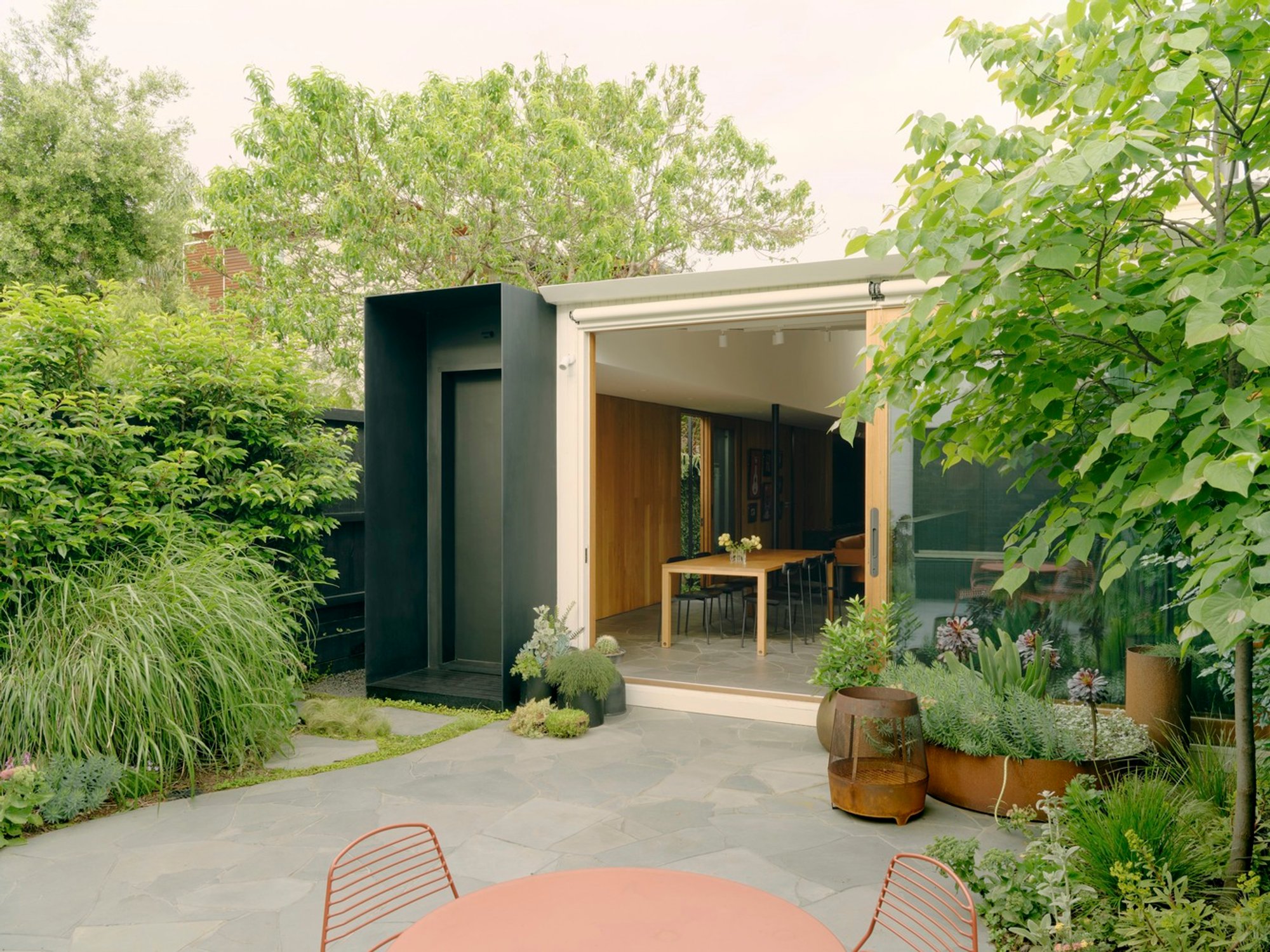
Victorian Terrace Renovation in Fitzroy: Fitzroy Laneway House by Andrew Child Architect
Renovating a Victorian terrace in Fitzroy, Andrew Child Architect merges historic charm with modern family living.

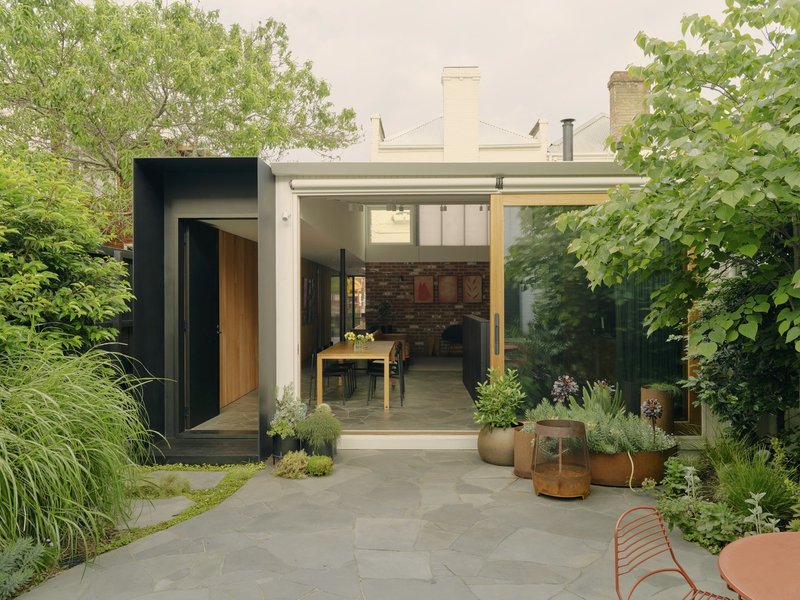
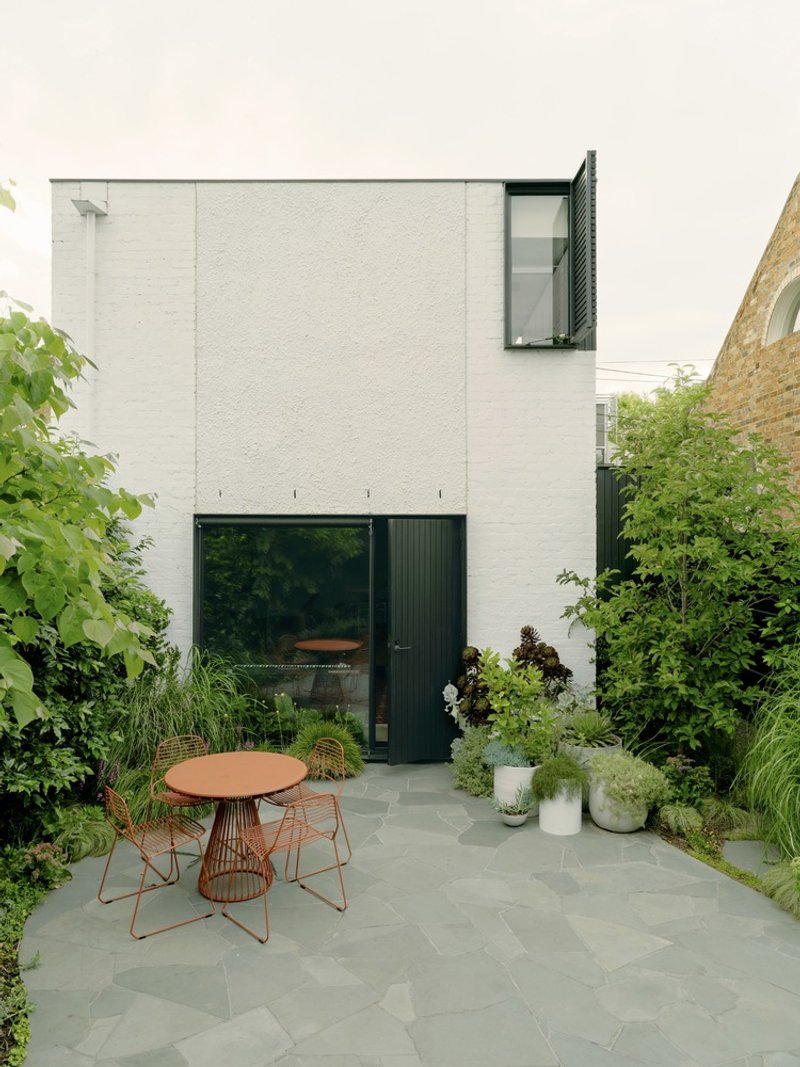
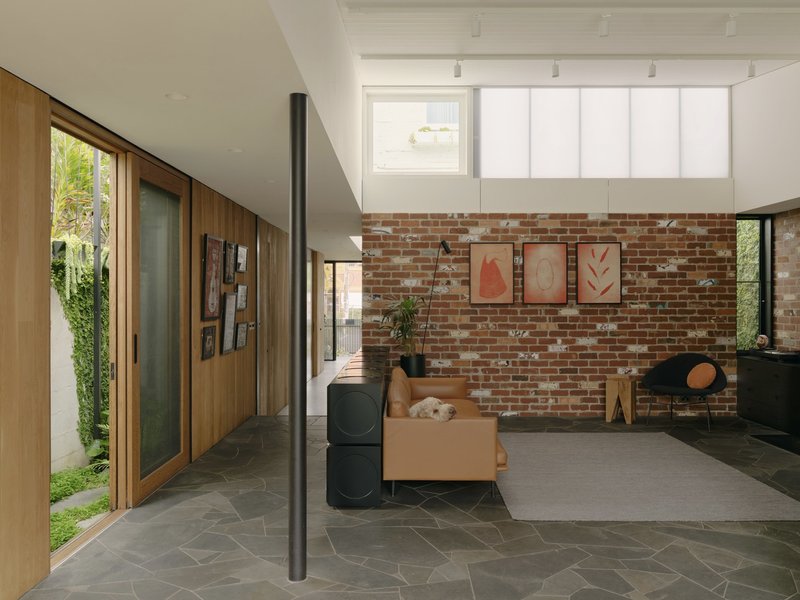
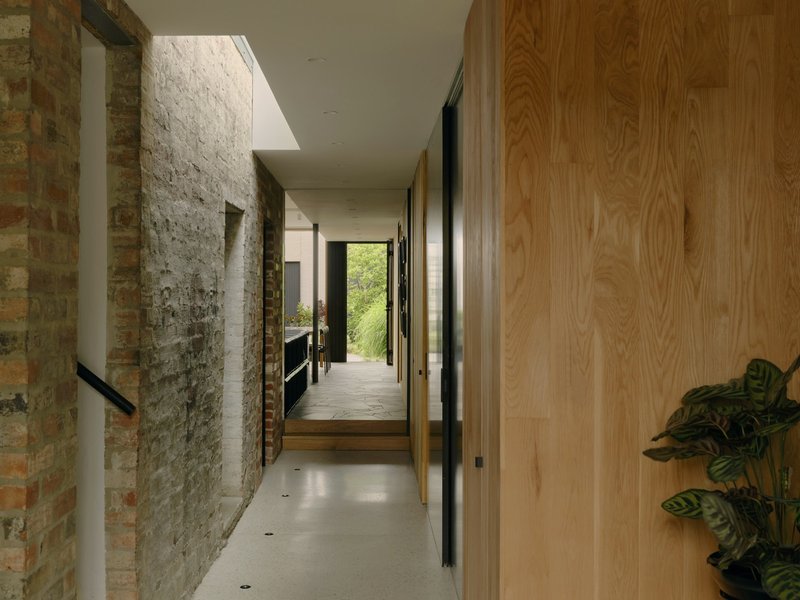
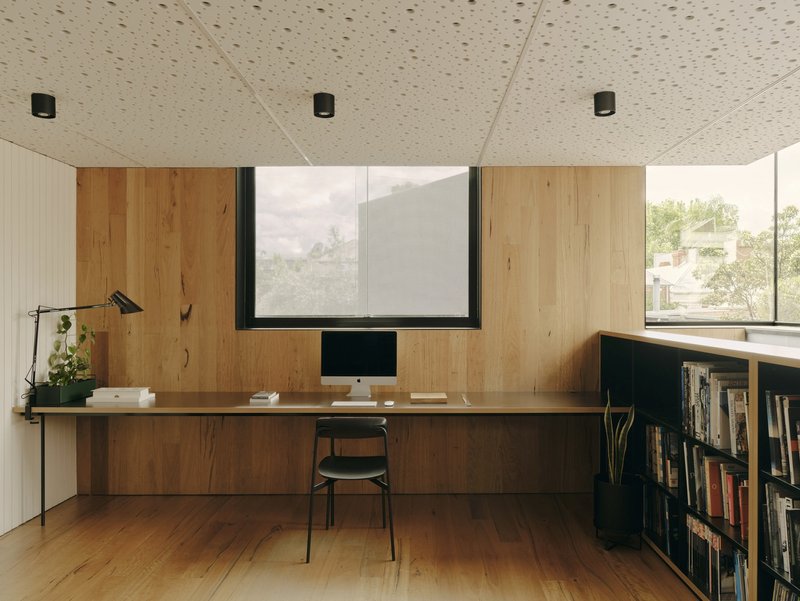
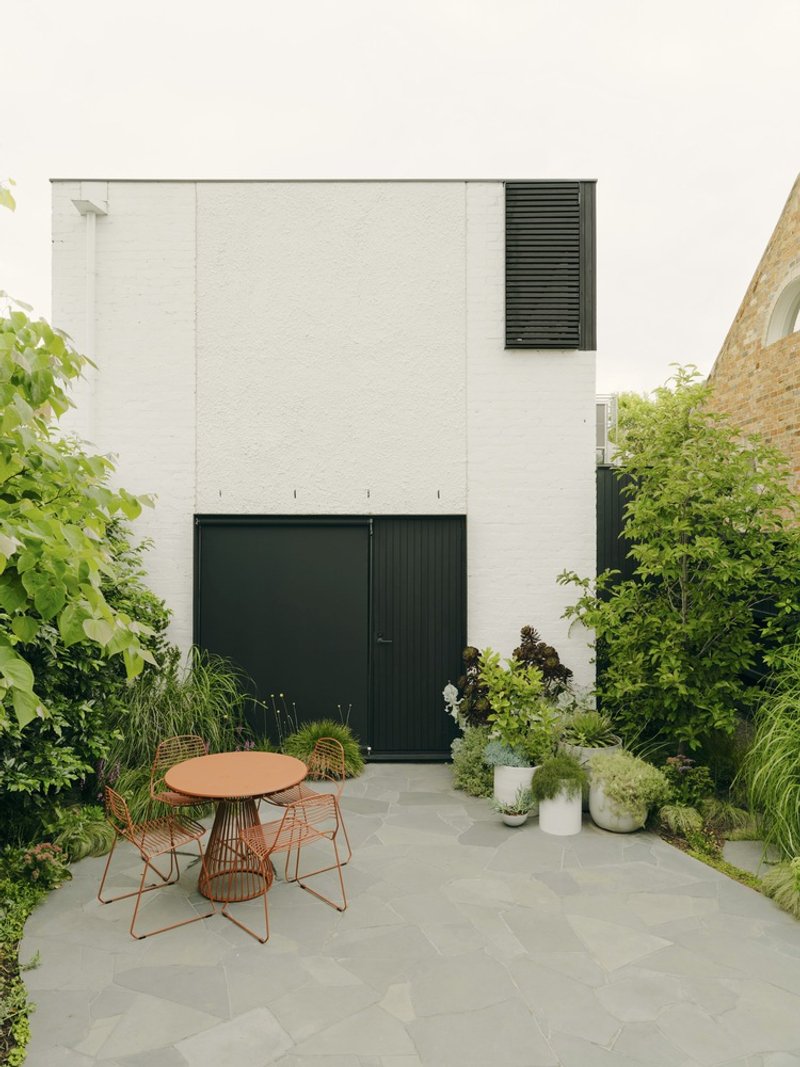
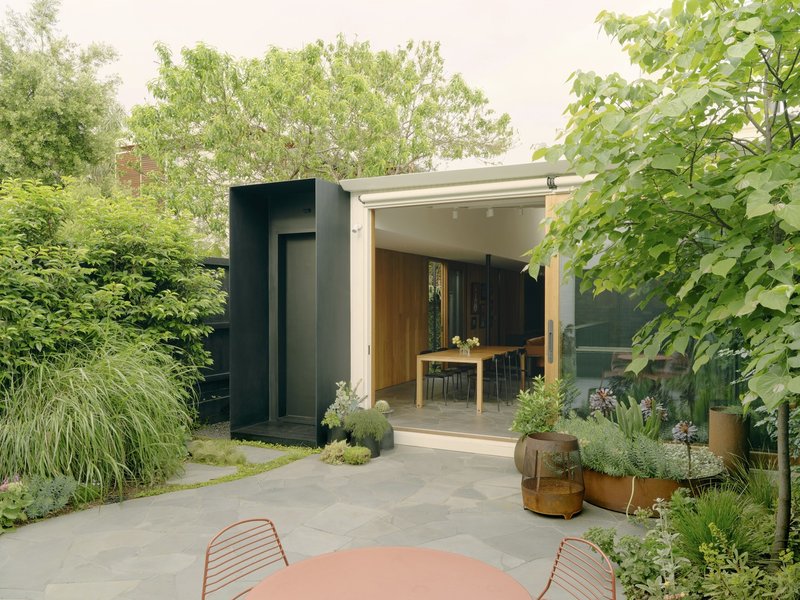
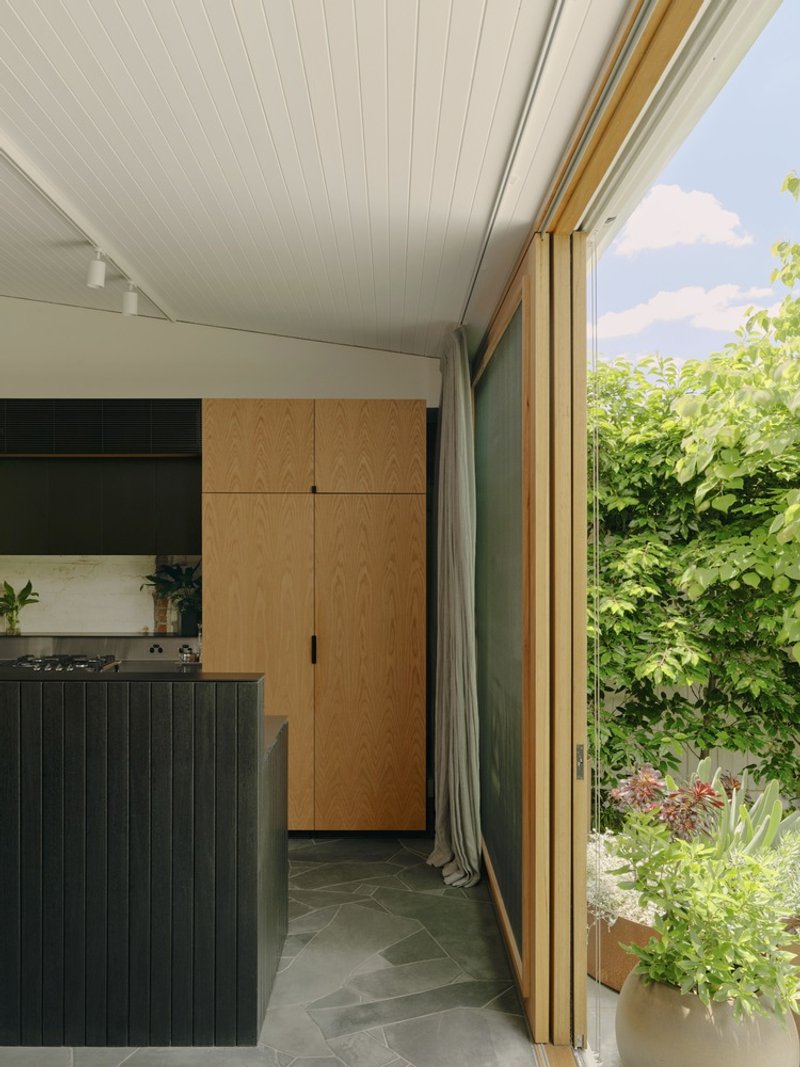
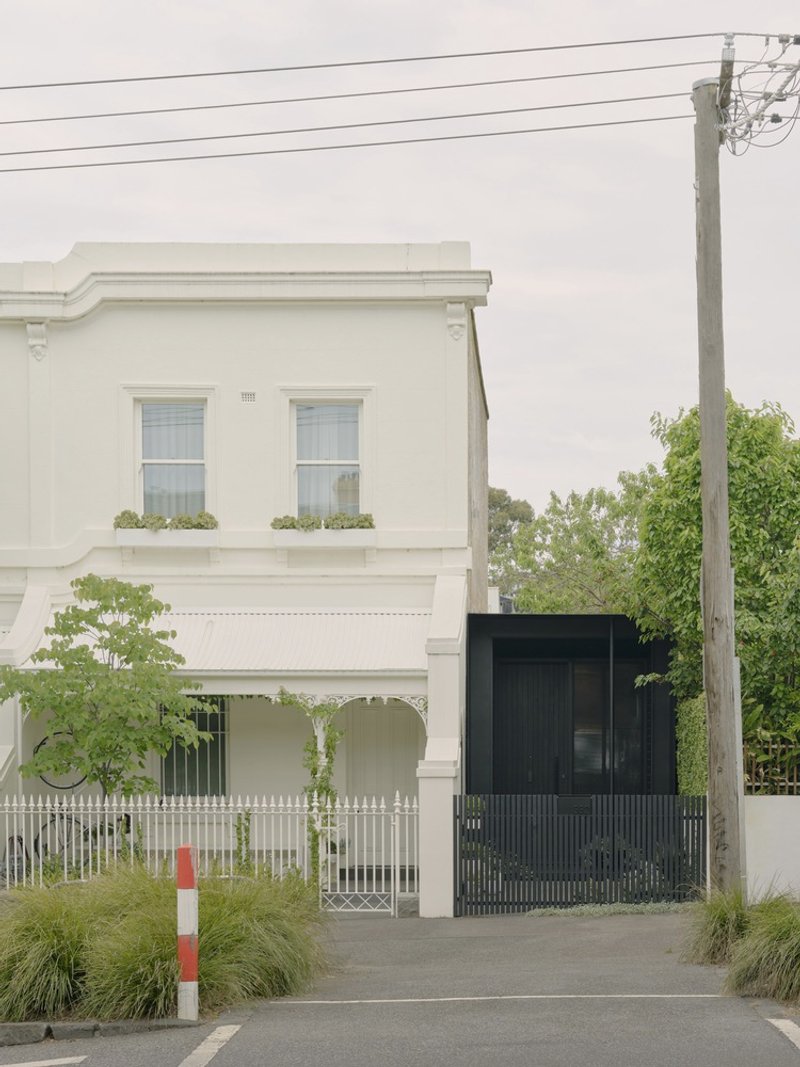
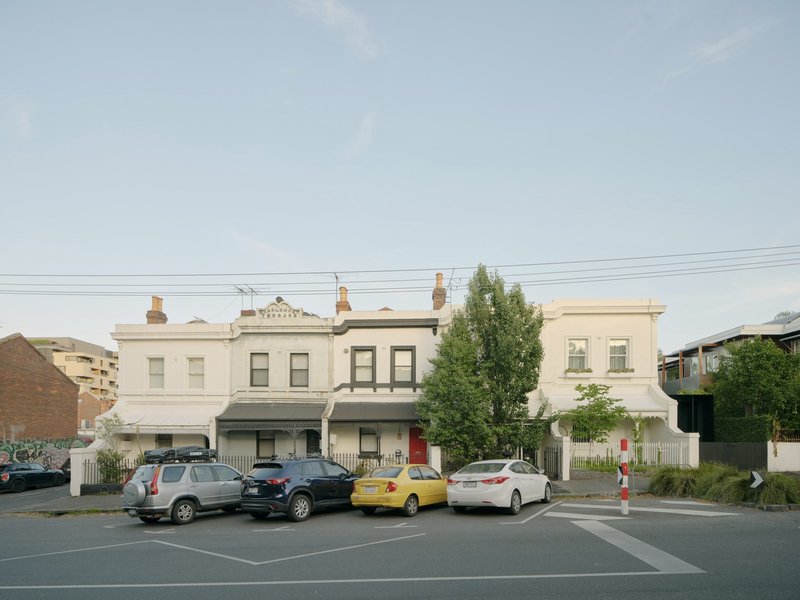
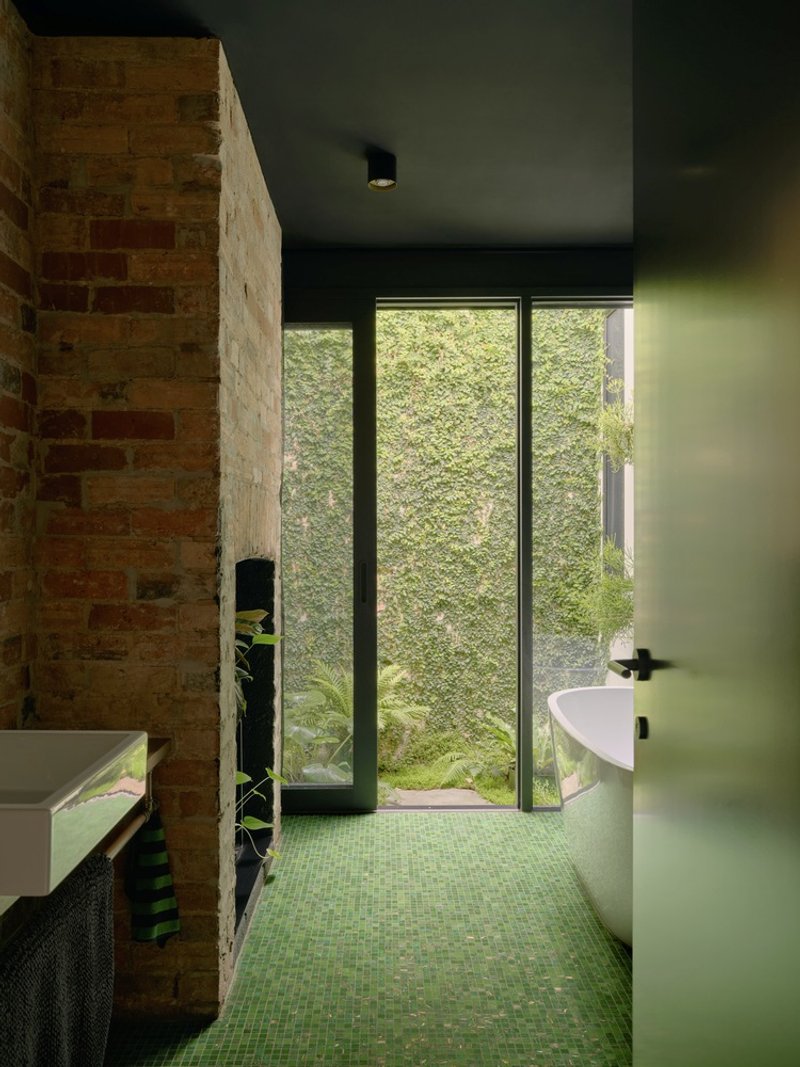
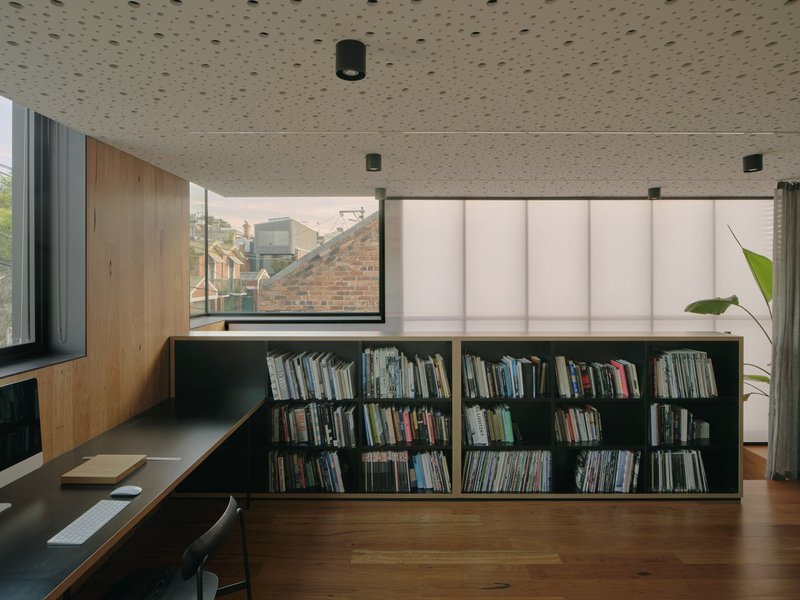
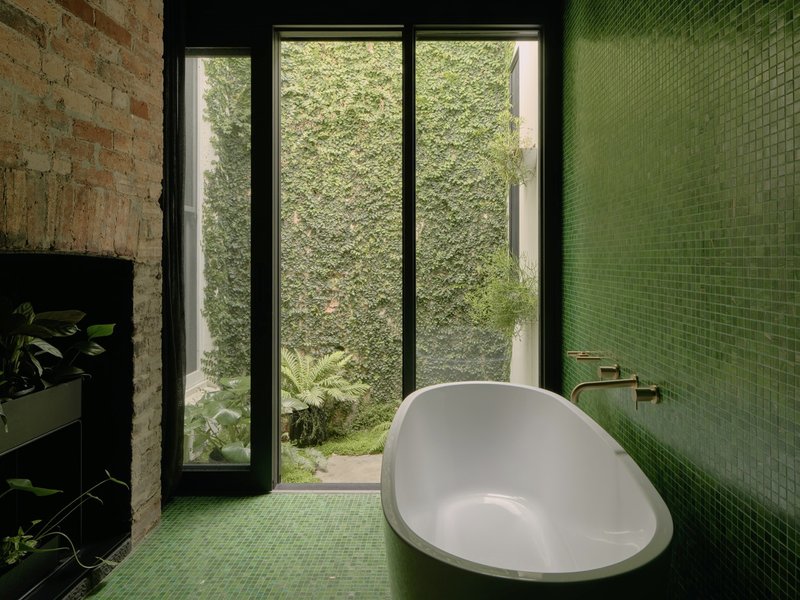
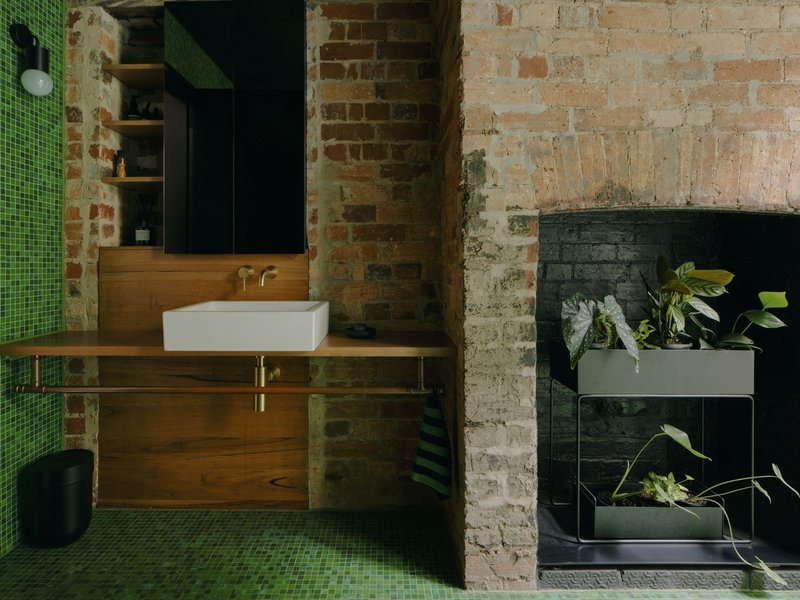
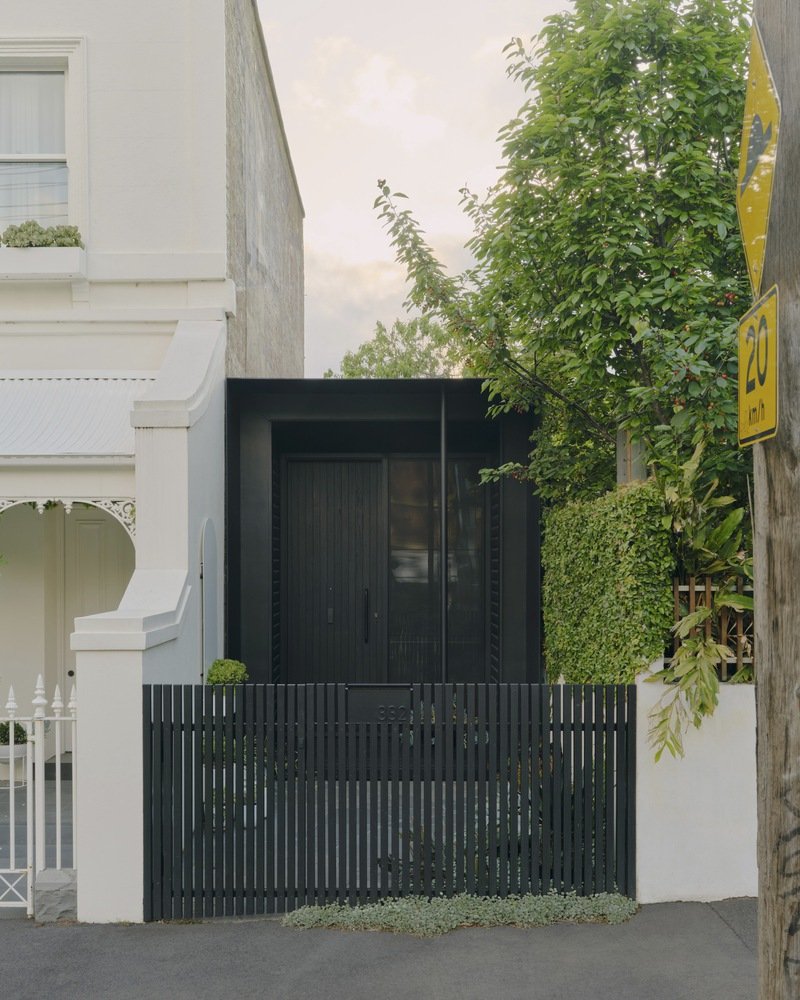
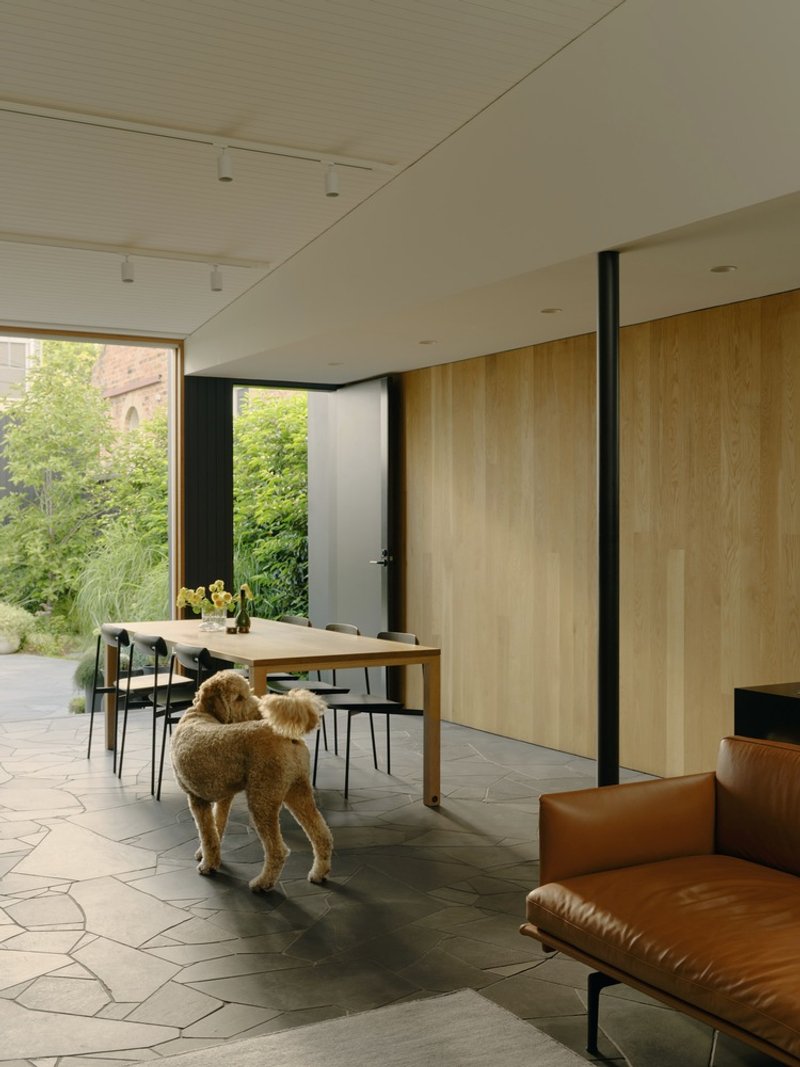
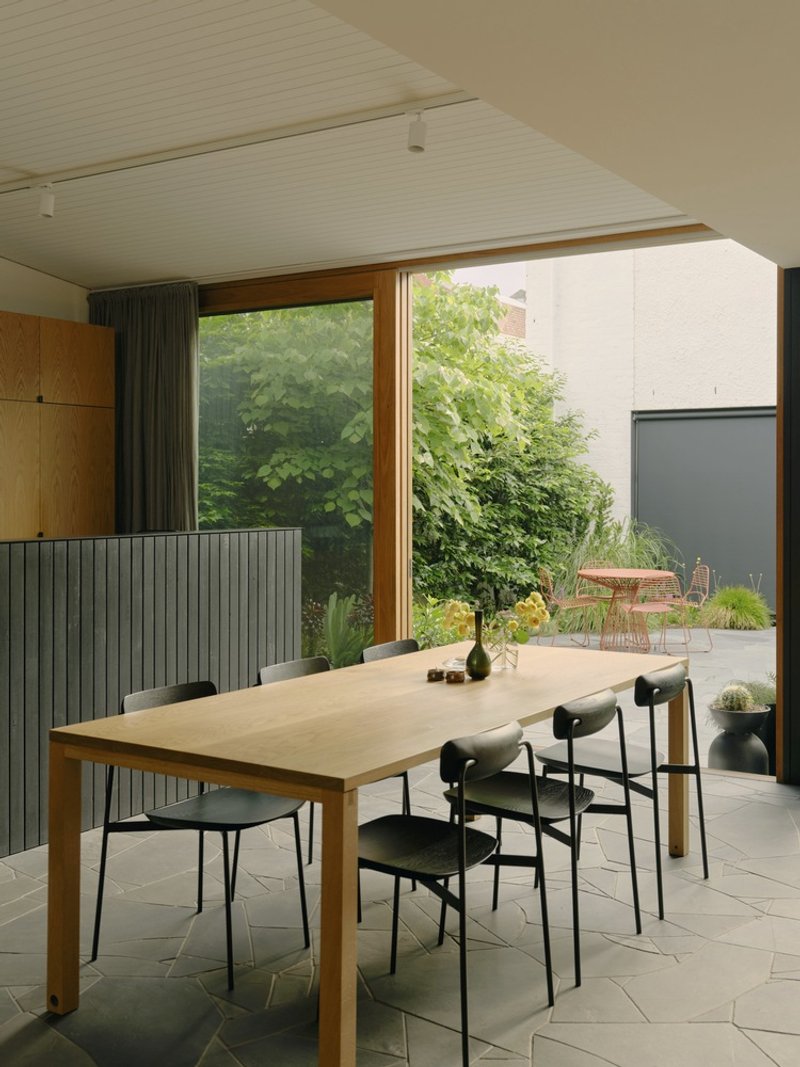
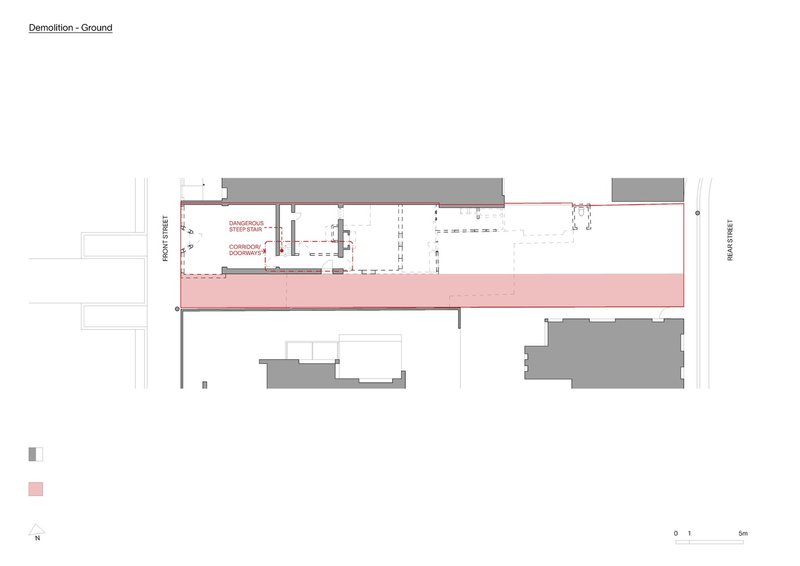
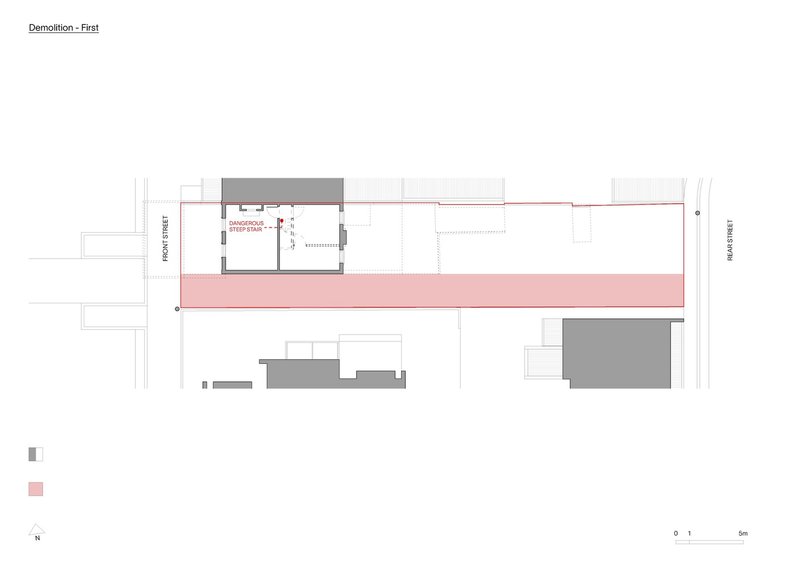
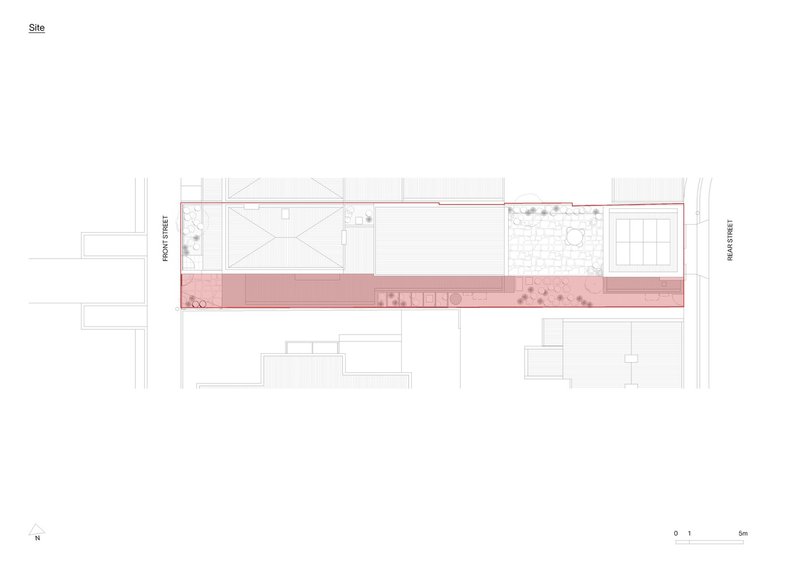
The Fitzroy Laneway House, nestled in the vibrant suburb of Fitzroy, Australia, is a compelling renovation project of a derelict semi-attached double-storey Victorian terrace. Completed in 2023 by Andrew Child Architect, this 253 square meter home seamlessly combines the historical charm of Fitzroy with contemporary living needs, offering a robust and generous accommodation for a family.
Design Approach and Contextual Response
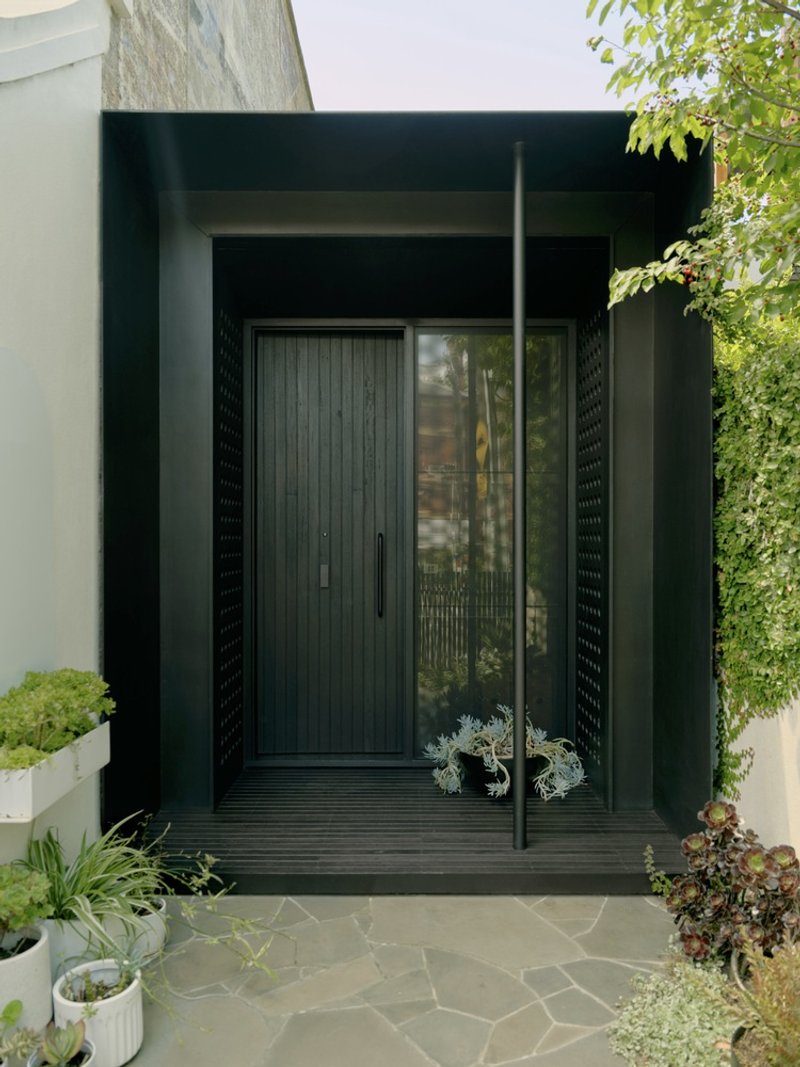
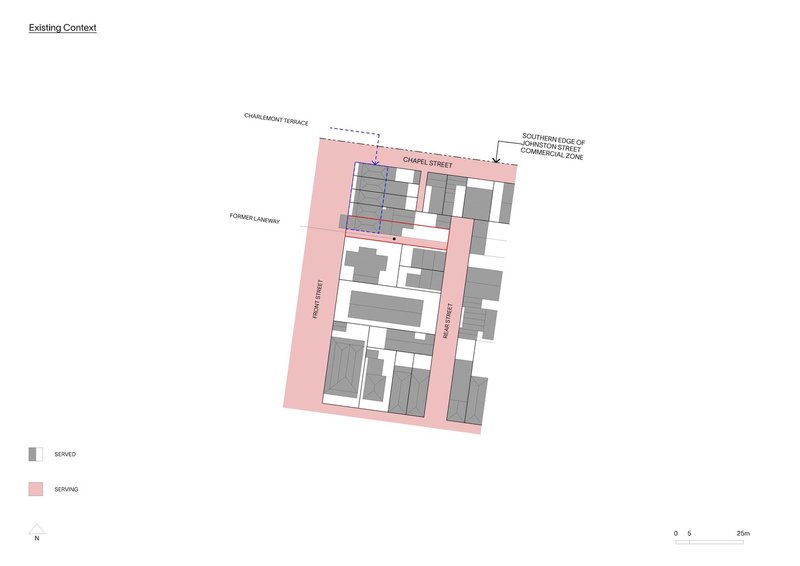
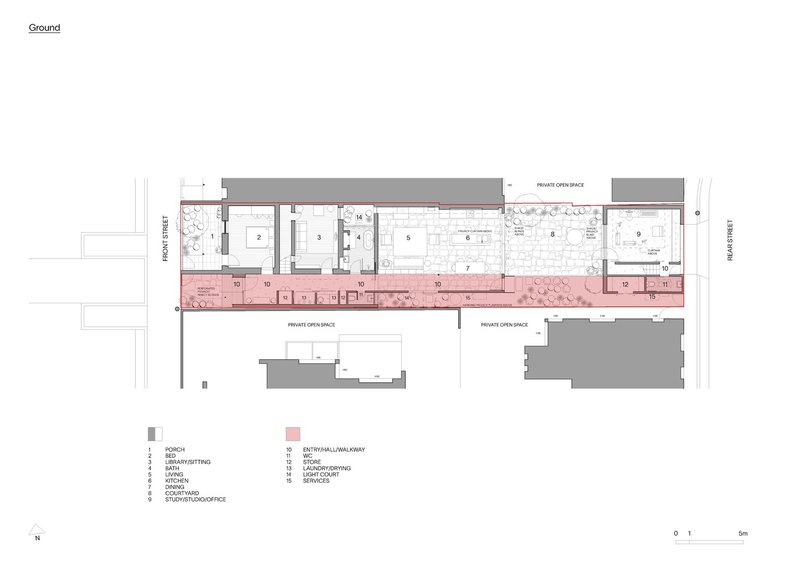
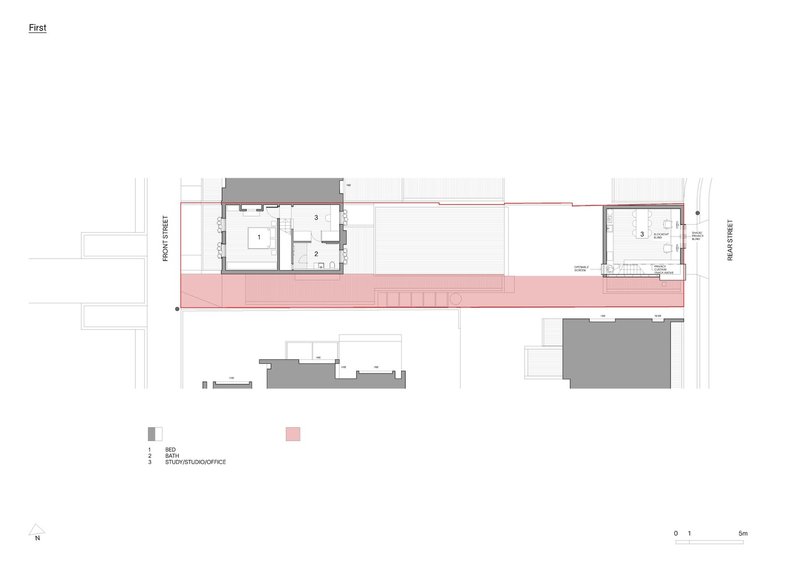
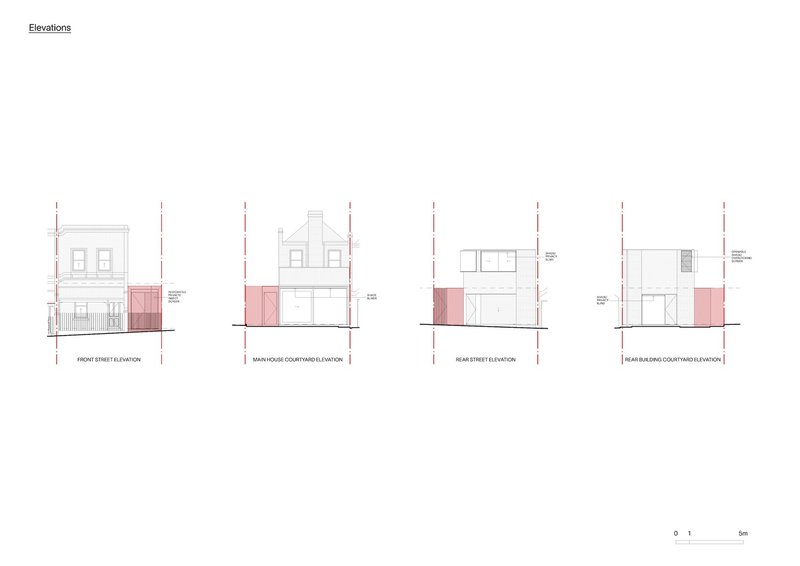
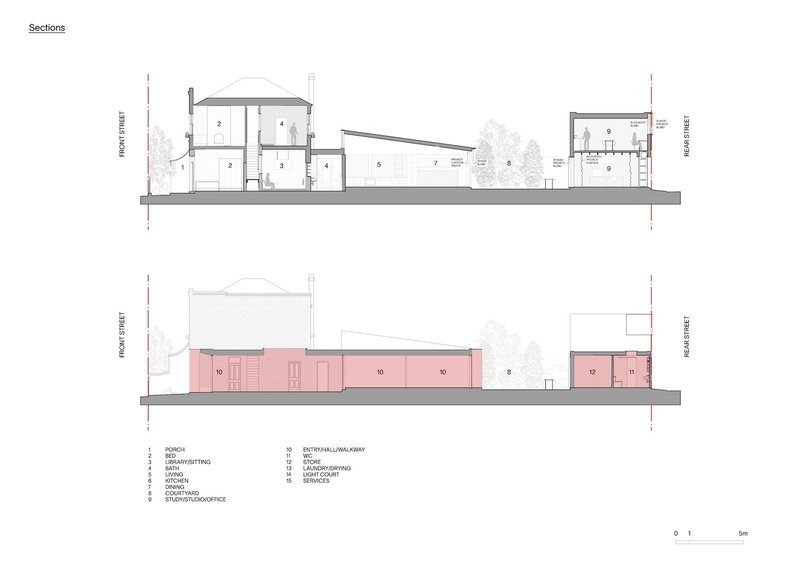
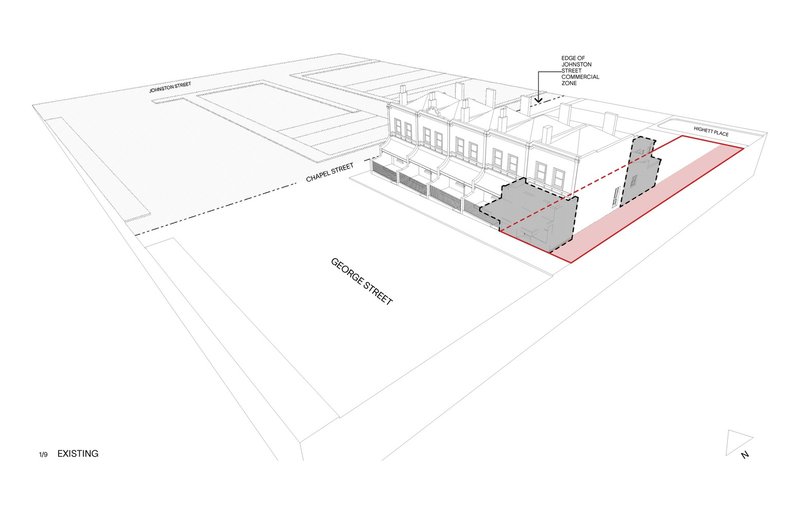
Andrew Child Architect's renovation centers around the unique characteristics of Fitzroy’s urban fabric, utilizing an on-site laneway to organize the home’s layout and embrace the suburb’s historical and evolving neighborhood character. The project leverages the property’s dual street frontages to create distinct yet interconnected contemporary additions, enhancing the urban presence of Charlemont Terrace.
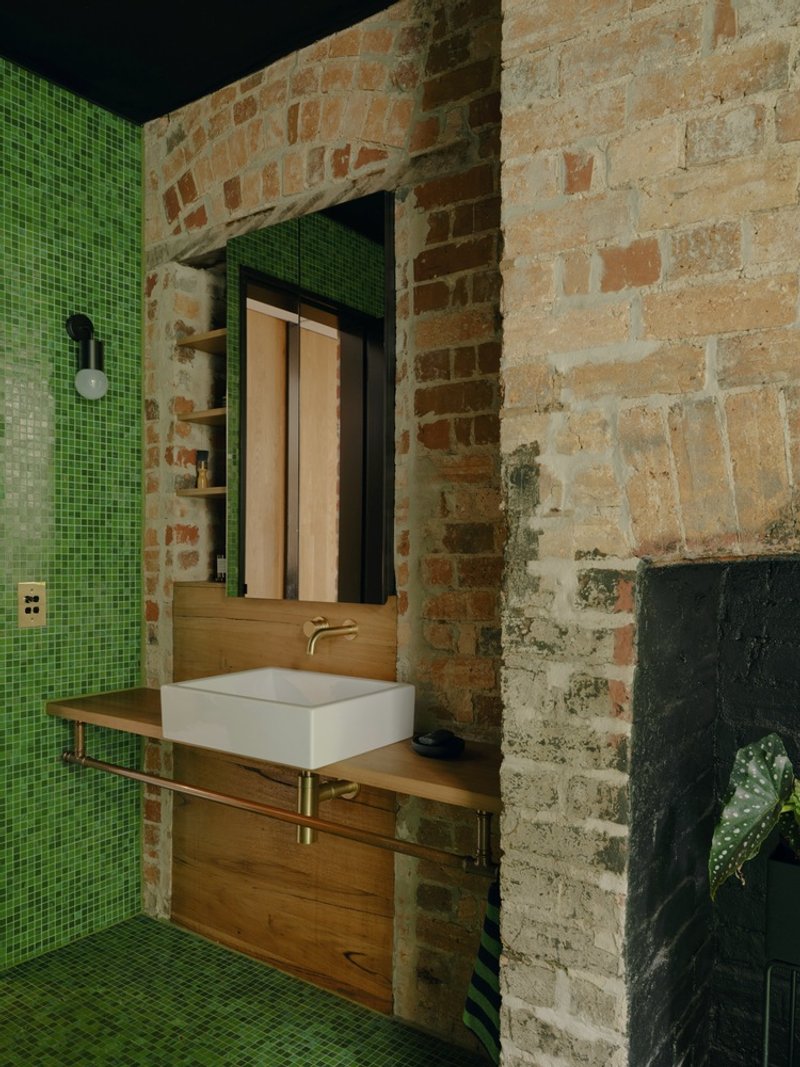
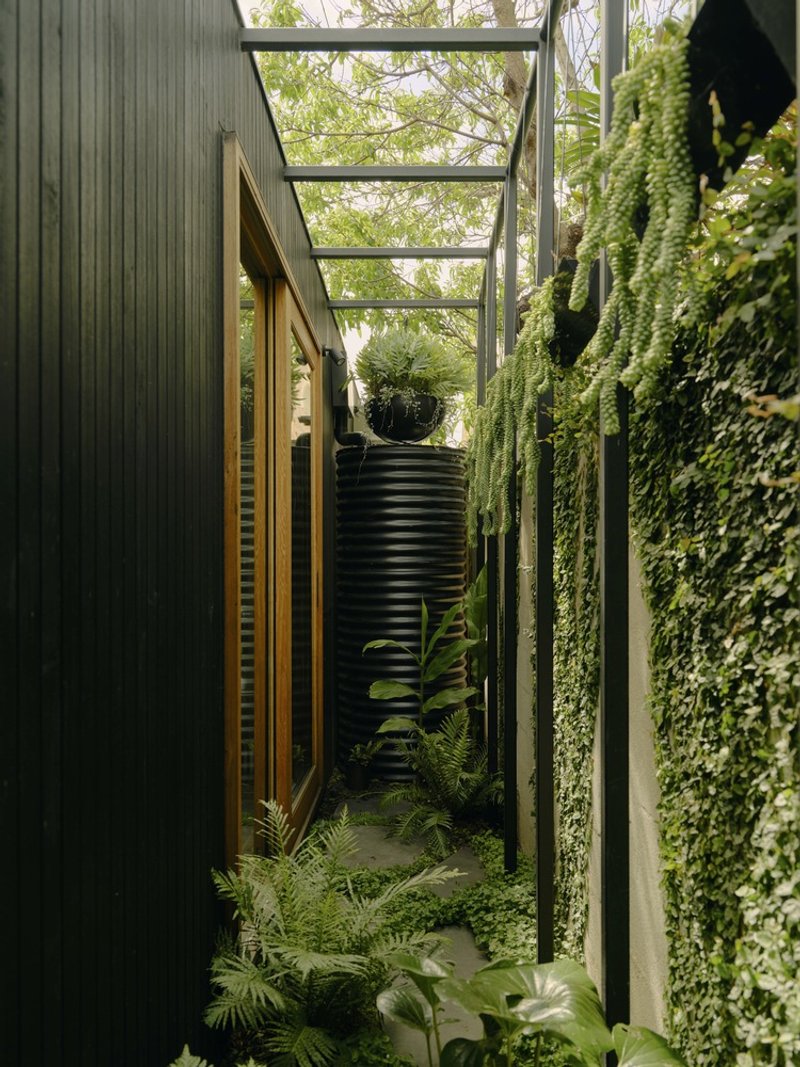
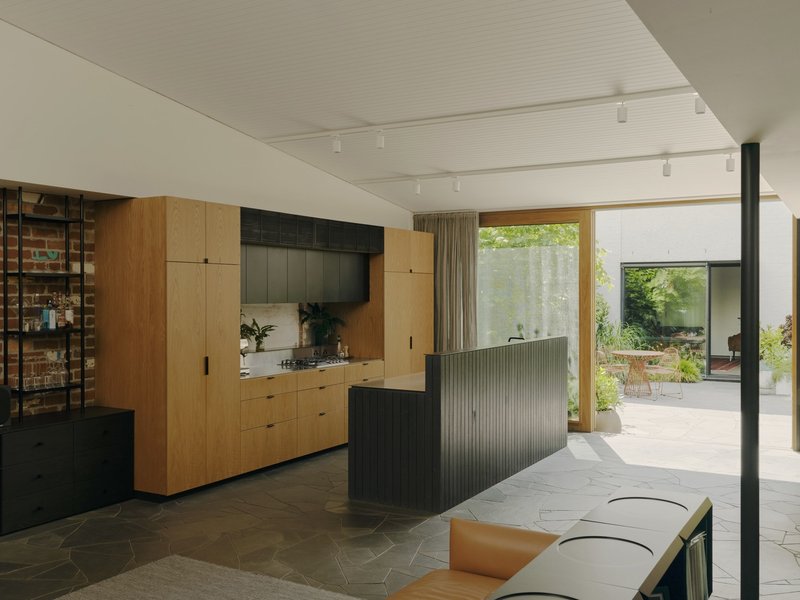
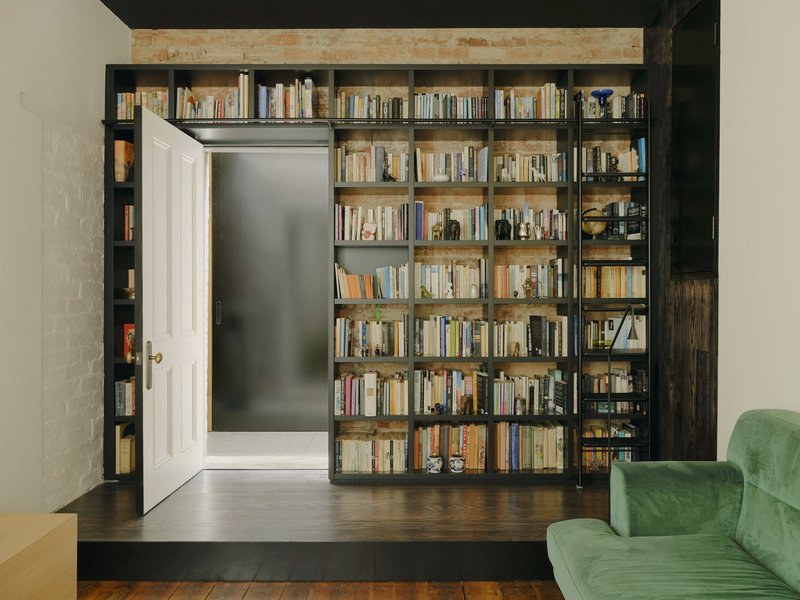
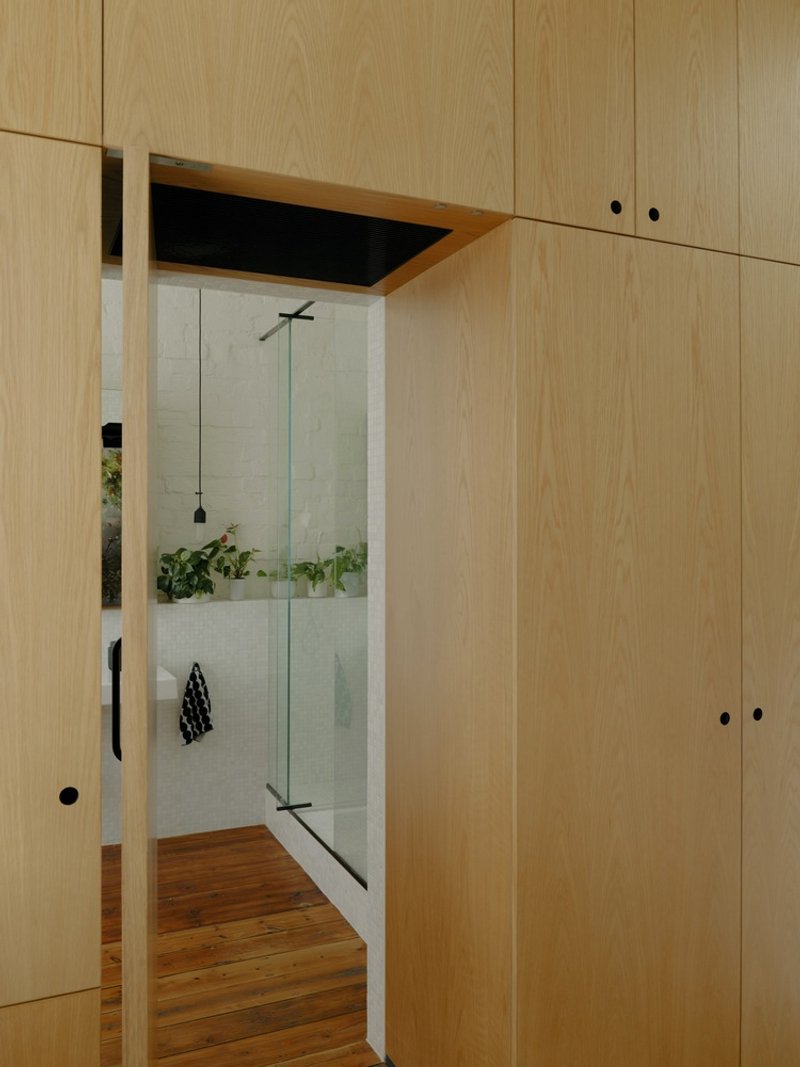
Spatial Organization and Materiality
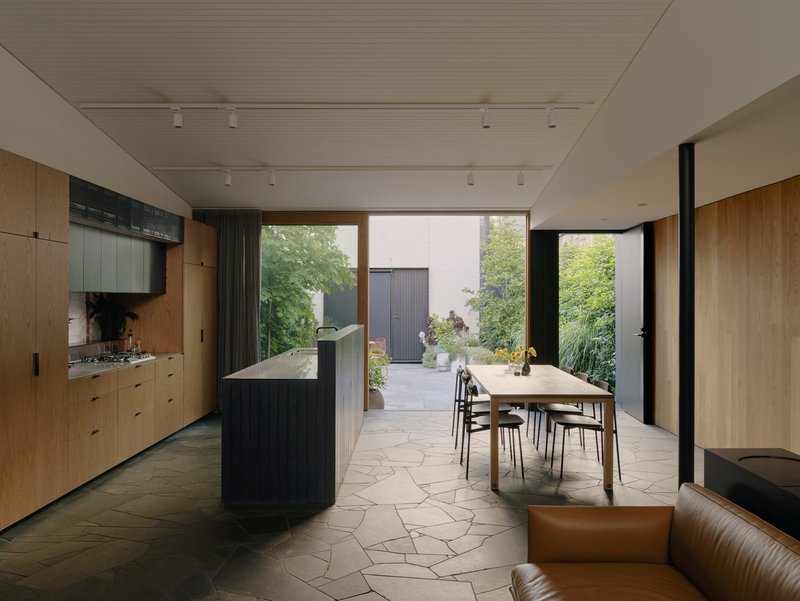
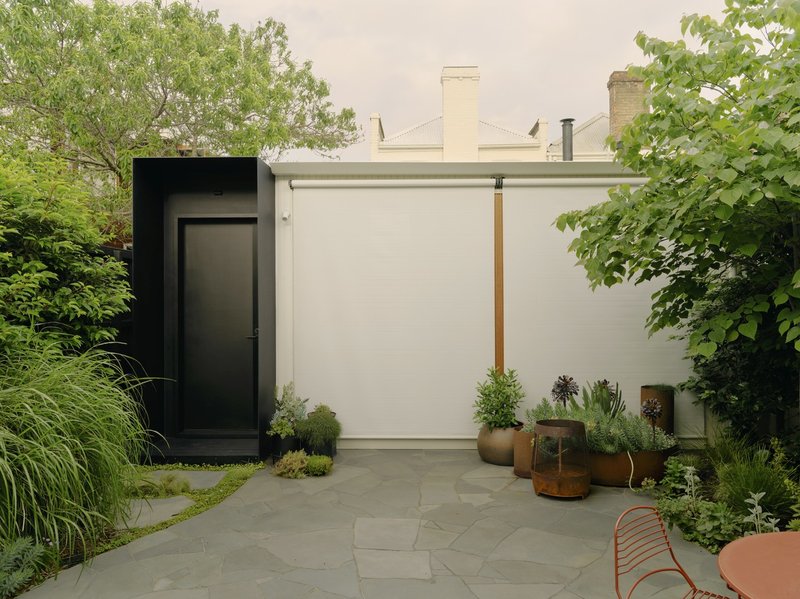
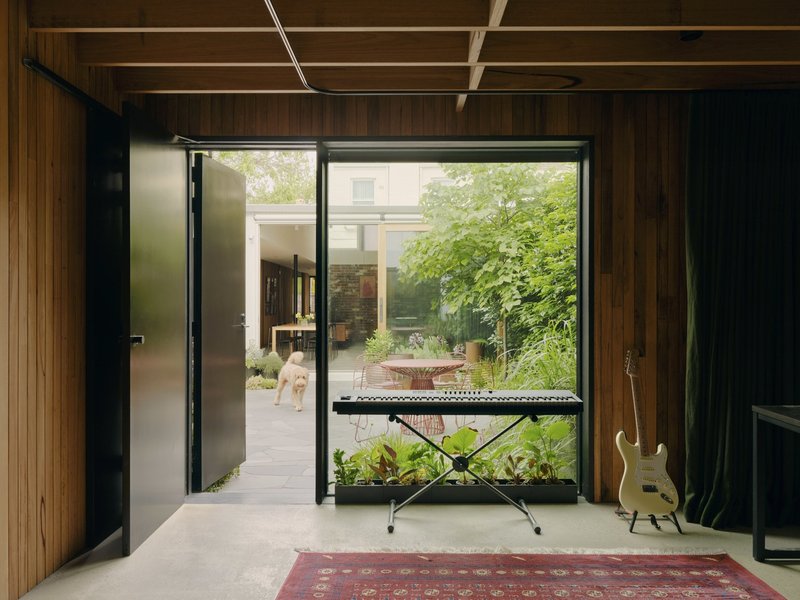
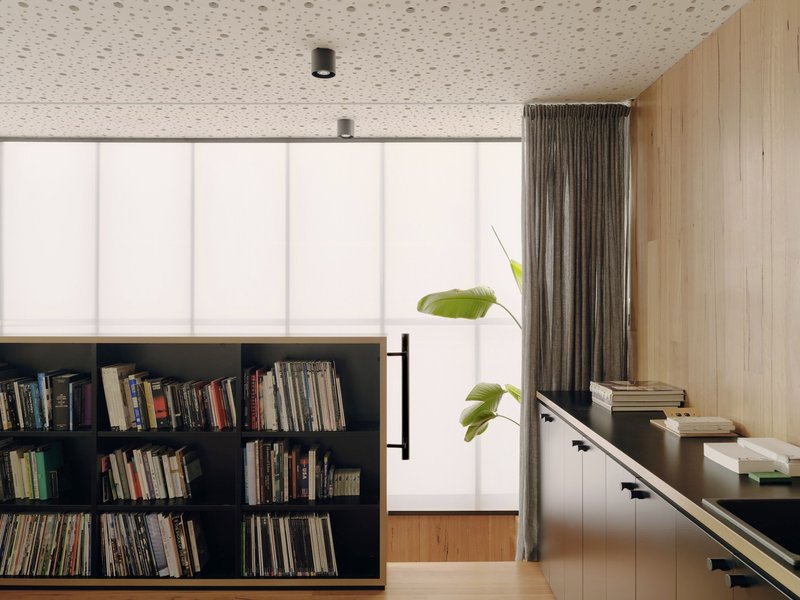
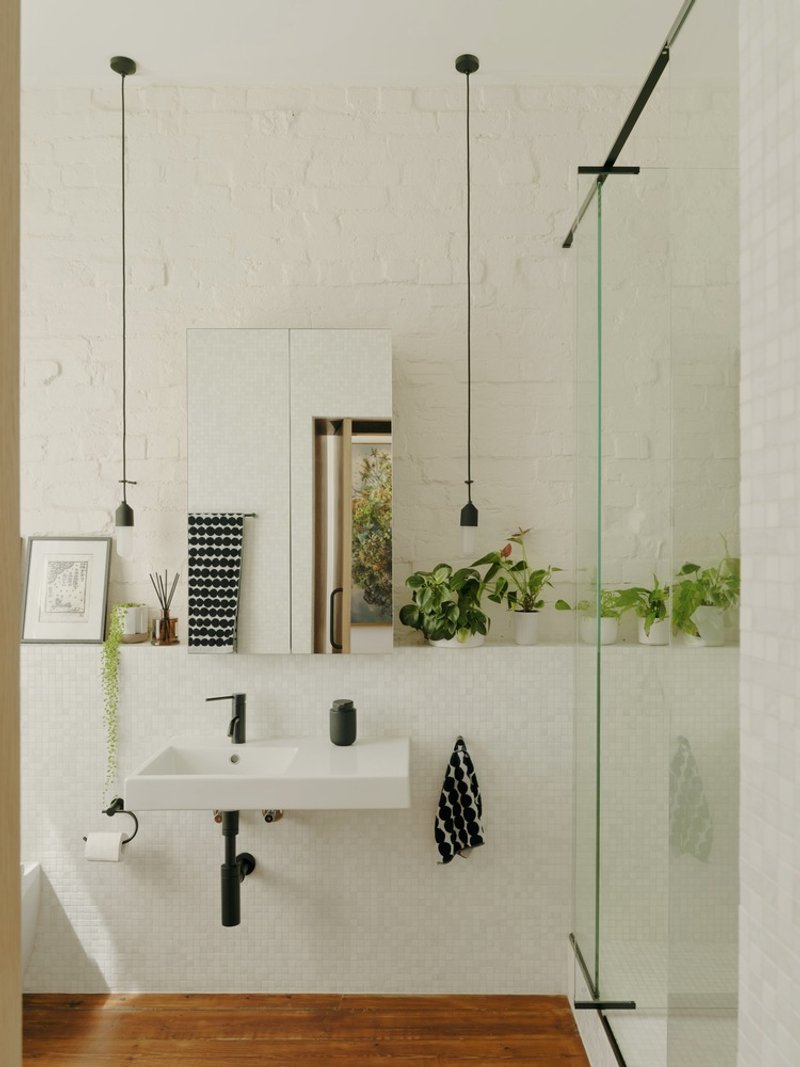
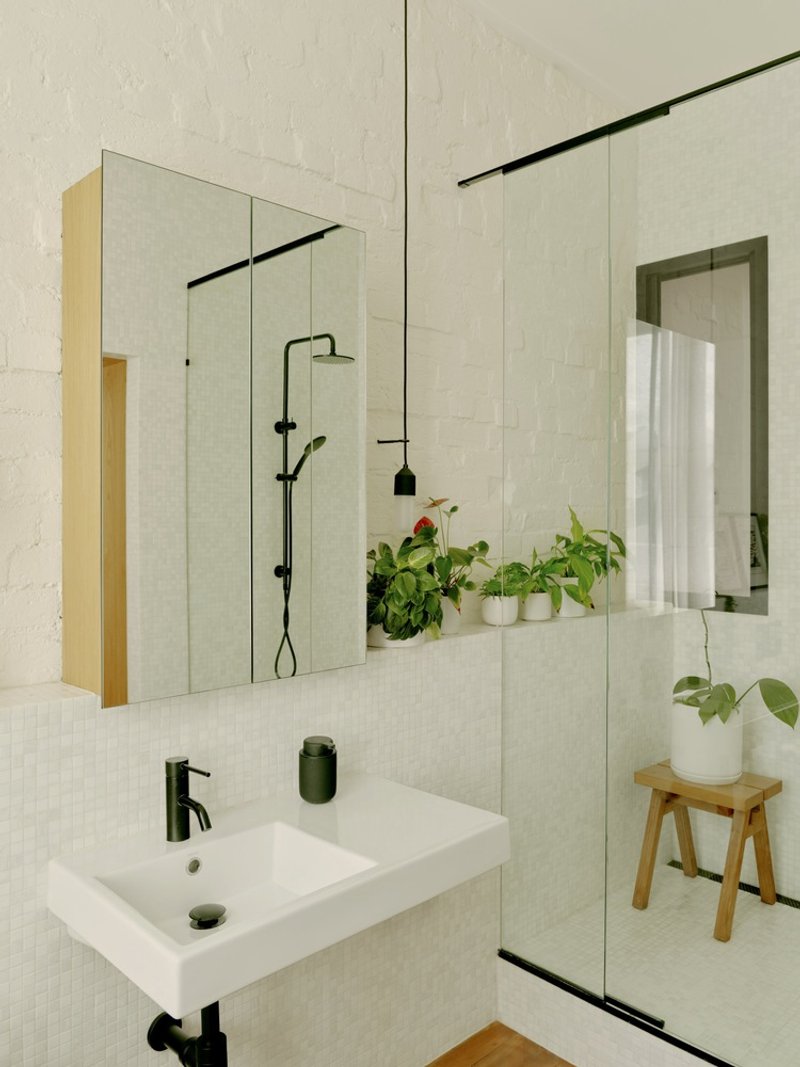
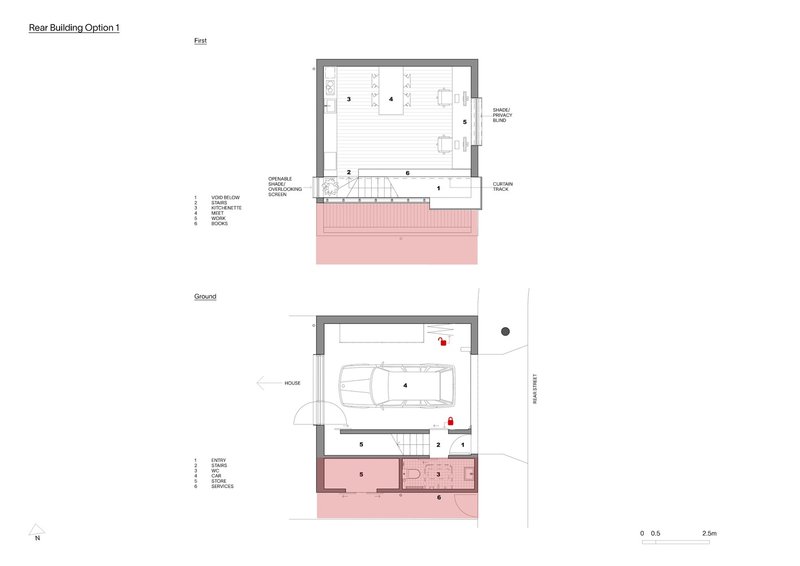
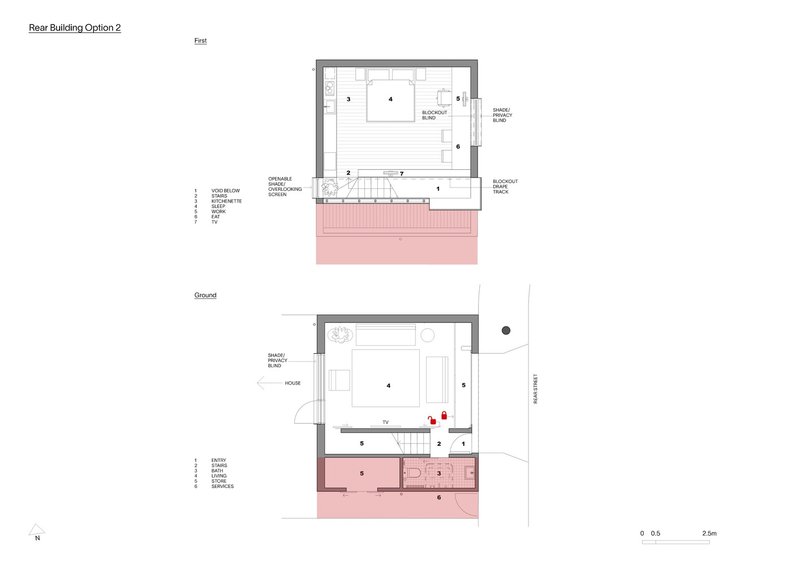
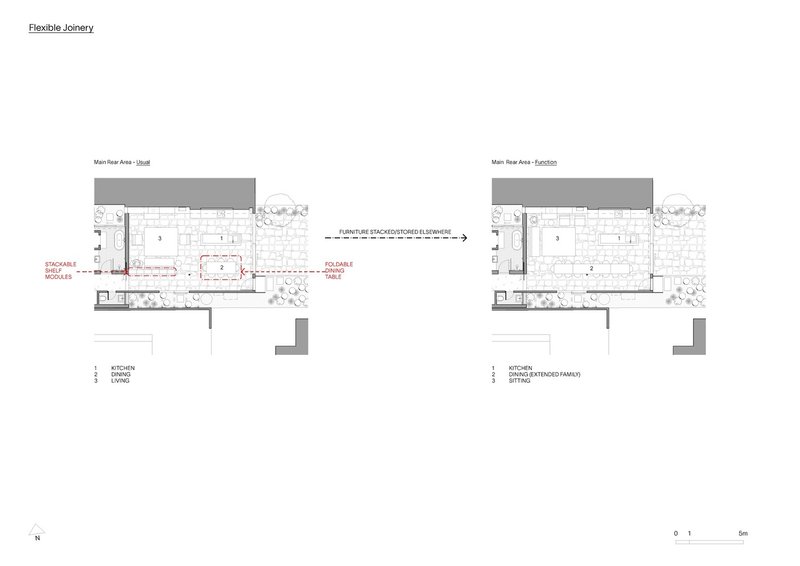
The house is divided into “served” and “servant” spaces, with a focus on adaptability and the potential for future living or working scenarios. The design respects the existing structure's urban significance while introducing modern materials and forms that contrast and complement the original Victorian elements. The interior juxtaposes the reserved urban exteriors with warm, verdant, and playful spaces, encouraging a relaxed and adaptable indoor lifestyle.
Sustainability and Environmental Considerations
Beyond aesthetic transformation, the Fitzroy Laneway House incorporates several environmental measures, including user-operated shading, deciduous planting, and solar power generation, to enhance its sustainability. The project not only revitalizes a piece of Fitzroy's architectural heritage but also sets a precedent for environmentally conscious urban living.
The Fitzroy Laneway House by Andrew Child Architect represents a thoughtful balance between historical preservation and modern innovation. Through strategic spatial reconfiguration, material selection, and environmental sustainability, this renovation project redefines the Victorian terrace for contemporary family life, embedding flexibility and adaptability at its core.
All Photographs are the work of Tom Ross




Popular Articles
Popular articles from the community


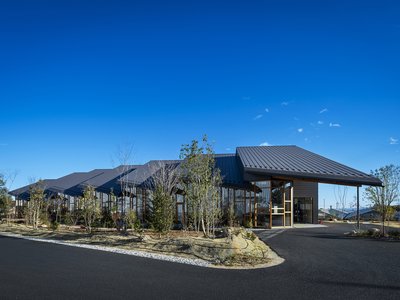
YOAP Architects Round a Corner in Yeongcheon with a Cylindrical Community Hub
A 197-square-meter brick and ribbed-clad tower turns a forgotten alley corner in South Korea into a public garden with a low threshold.

20 Most Popular Office Building Projects of 2025
From biophilic workspaces in India to net-positive energy offices in New Delhi, 20 office building projects that defined architecture in 2025.
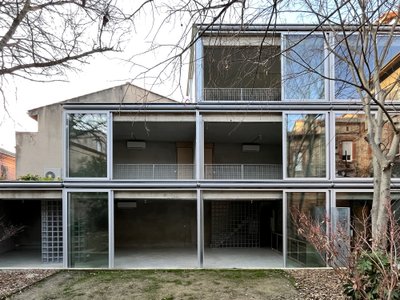
BAST Slots a Four-Story Glass House into a Narrow Gap Between Toulouse Townhouses
In the dense Bonnefoy district, a stepped infill building merges home and office while preserving a majestic hackberry tree.
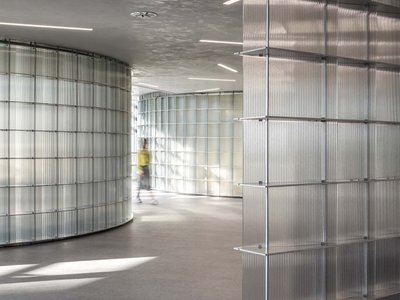
HCCH Studio Wraps a Shanghai High-Rise Office in Curved Walls of Translucent Glass
A 1,000 square meter fit-out in Lujiazui replaces the typical tech-office palette with layered glass, micro-cement, and quiet rigor.

Similar Reads
You might also enjoy these articles

Bamboo Housing Challenge 2026: Design Affordable, Sustainable Homes Using Bamboo
An international design competition by Bamboo U and IBUKU inviting architects and designers to reimagine affordable housing using bamboo — with the winning design built full-scale in Bali.

Computational Design & Education: Beegraphy Design Awards Introduces 7th Category (Featuring Jiyun's Innovative Approach)
Dive into Beegraphy’s 7th Design Awards category, where computational design meets education to create immersive, interactive learning tools, inspired by Jiyun’s work.

From Parametric Lighting to Urban Furniture: Join the 2nd Workshop in Beegraphy’s Computational Design Series
Dive into Cutting-Edge Design Techniques and Practical Applications with Industry Experts

Introducing Sphere by UNI: Pioneering a New Era in AEC Industry
Unlocking Global Potential with BIM and Agile Management


Explore Architecture Competitions
Discover active competitions in this discipline




The International Standard for Design Portfolios


The Global Benchmark for Architecture Dissertation Awards


The Global Benchmark for Graduation Excellence


Challenge to design mud housing for contemporary communities
Comments (0)
Please login or sign up to add comments
No comments yet. Be the first to comment!