
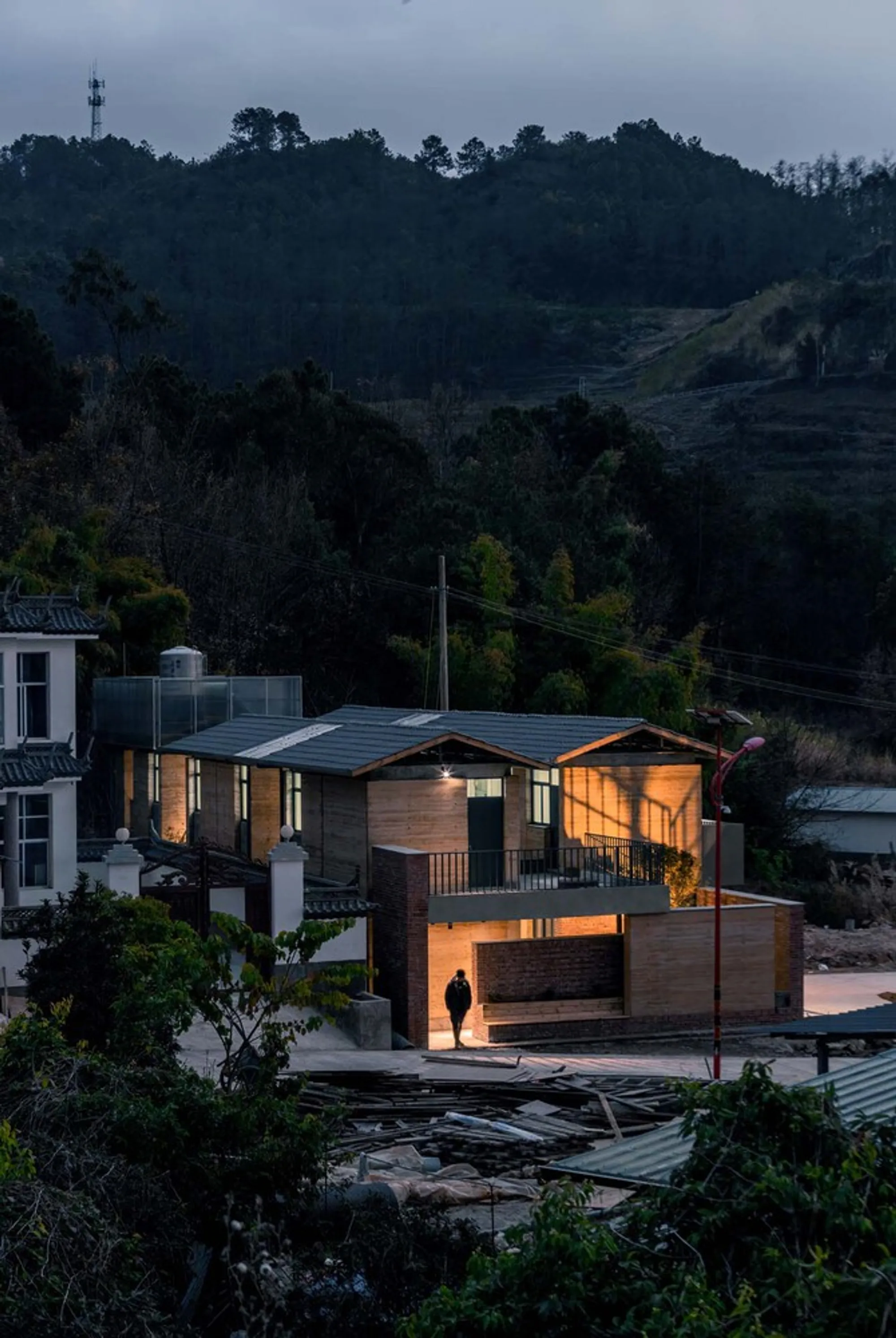
Village Collective Housing by No10-Architects
Village Collective Housing by No10-Architects blends rammed earth tradition with affordable, climate-responsive design, fostering community living and cultural memory.


Located in Xialapu Village, Baoshan, Yunnan Province, the Village Collective Housing designed by No10-Architects redefines the role of rural architecture in China. Completed in 2023 with a total area of 440 m², this project addresses pressing social needs by combining low-cost construction, sustainable local materials, and a community-oriented design approach.
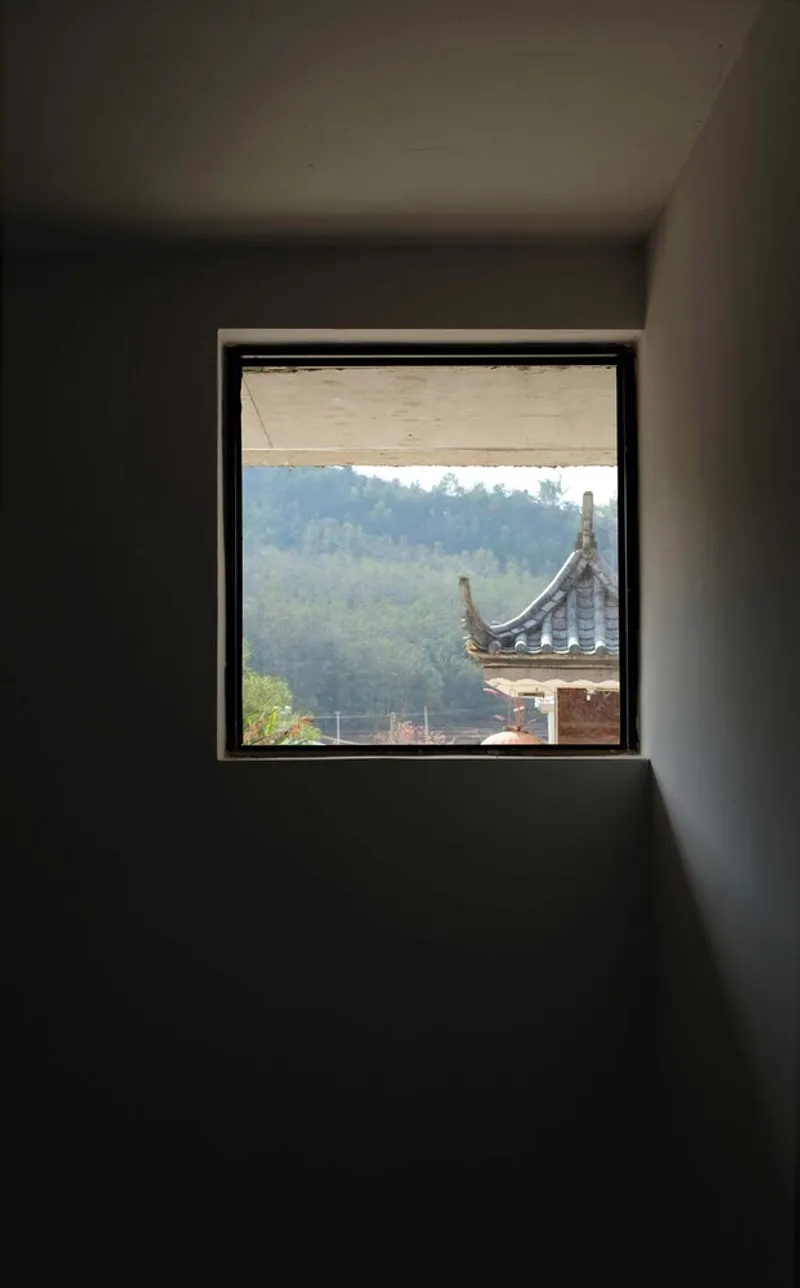
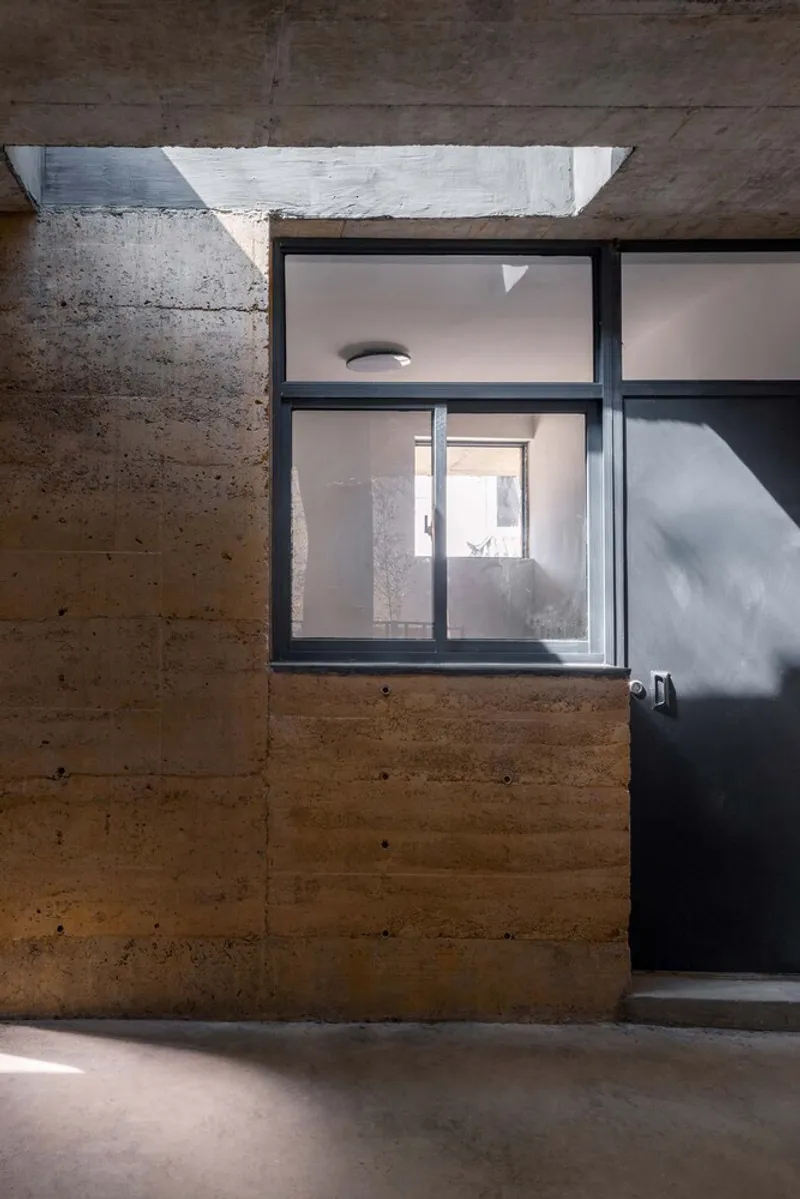
Project Vision: Housing with Social Impact
The local government initiated this project to provide a safe, dignified, and affordable living environment for the elderly villagers living alone while also offering low-cost rental rooms for families of left-behind children who travel long distances to attend school. Rental income contributes to the building’s maintenance, creating a self-sustaining model of collective living.
In line with the national poverty alleviation and relocation policy, the housing project represents more than shelter—it preserves cultural memory while supporting the social and economic revitalization of the rural community.
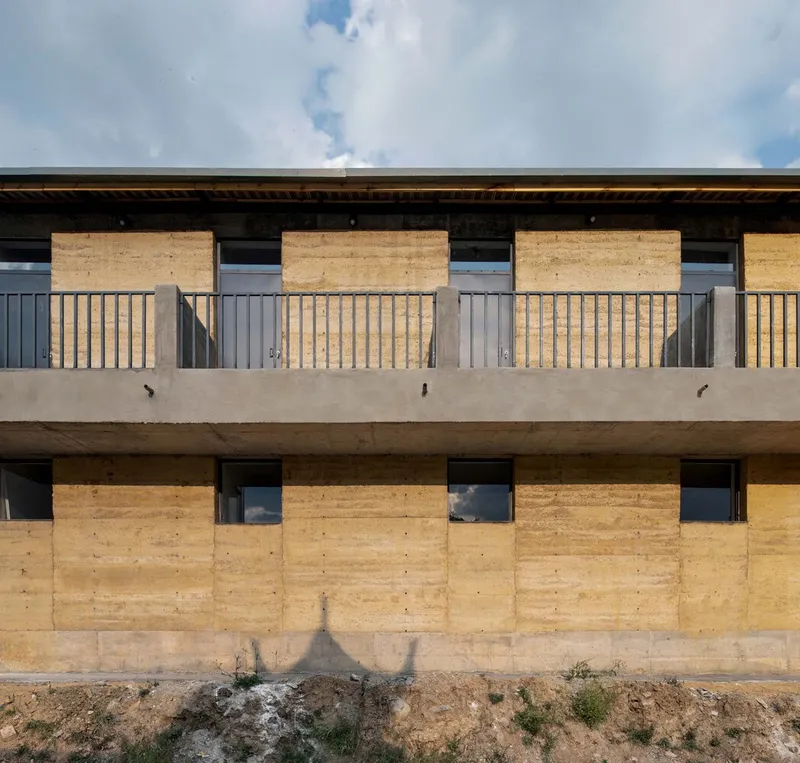
Architectural Strategy: Balancing Tradition and Modernity
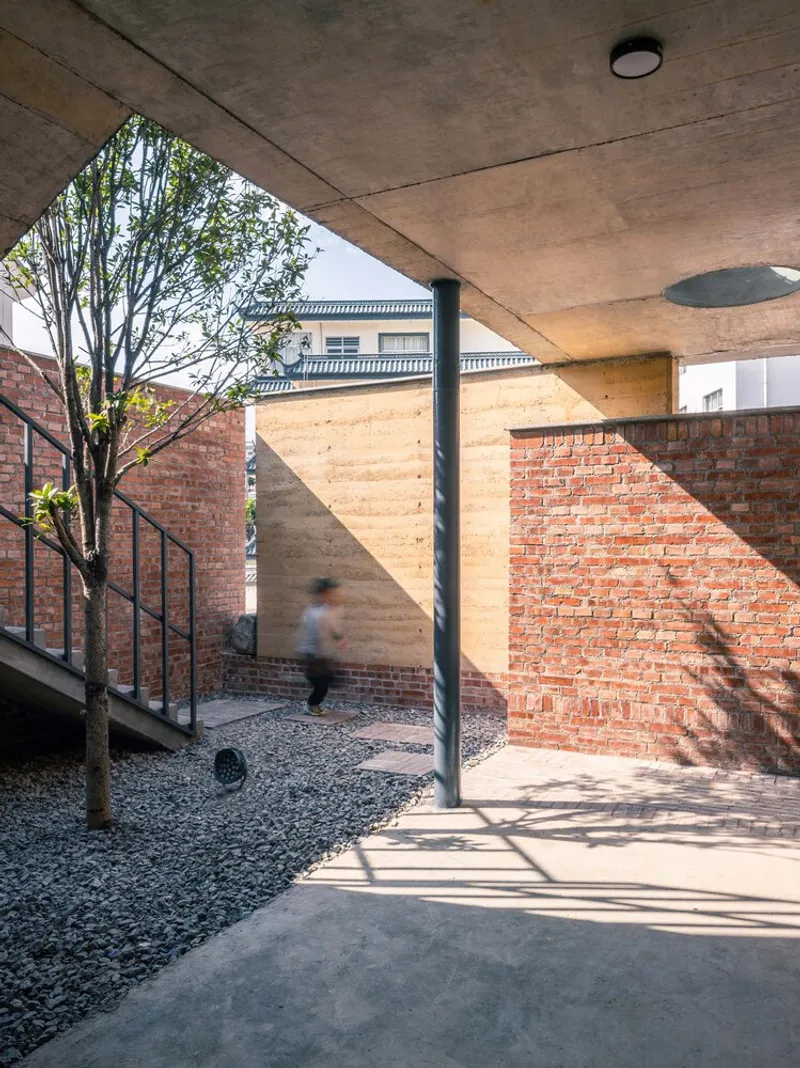
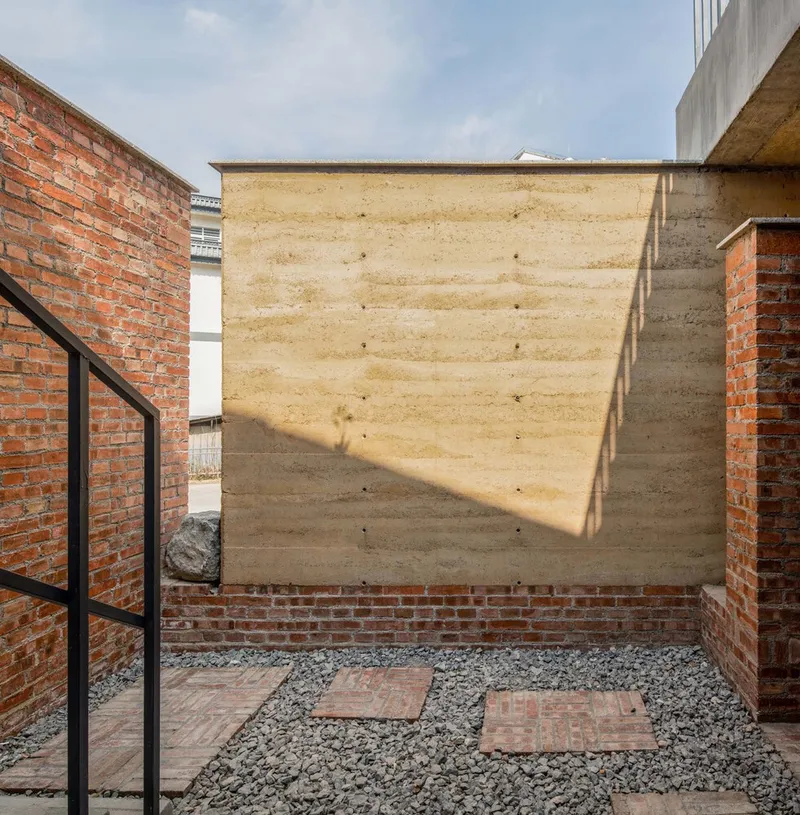
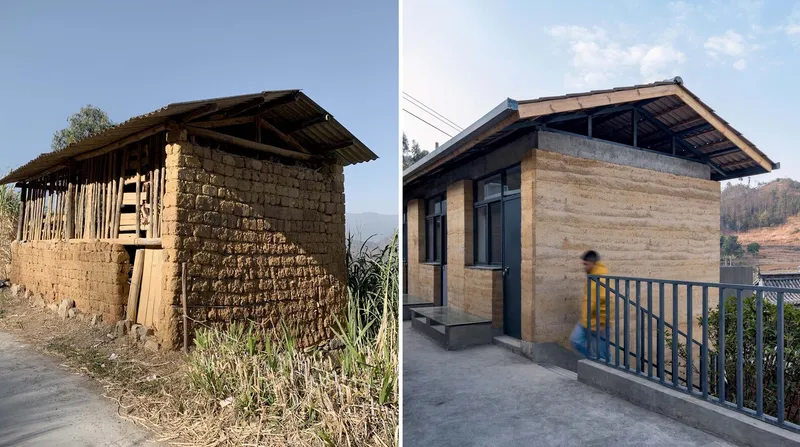
Unlike the modern white-walled residences common in the new rural village, No10-Architects proposed an “earthen house” built with rammed earth walls, continuing the legacy of traditional construction while meeting modern requirements.
The site, a 10 by 28-meter rectangle, imposed strict spatial constraints. To accommodate 22 residential units, the architects adopted a two-story layout with inner corridors, balancing cost efficiency, structural feasibility, and community needs.
Shared Spaces and Collective Memory
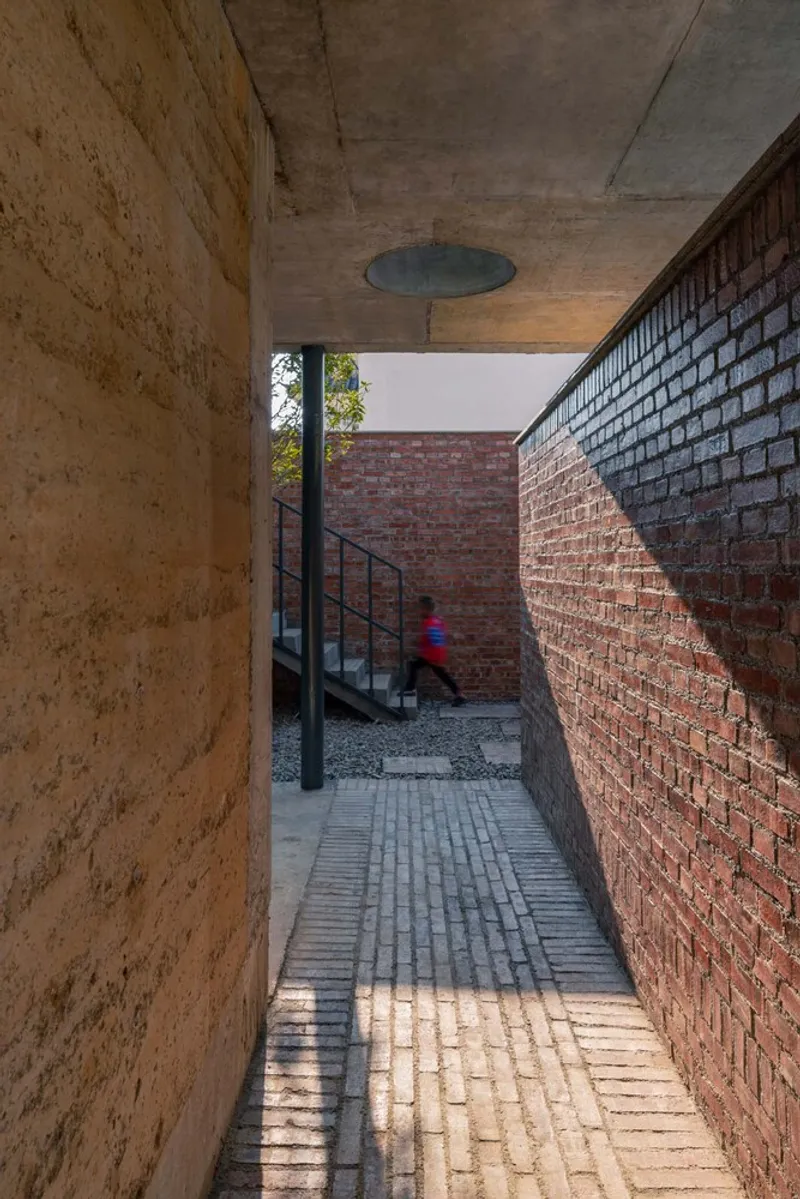
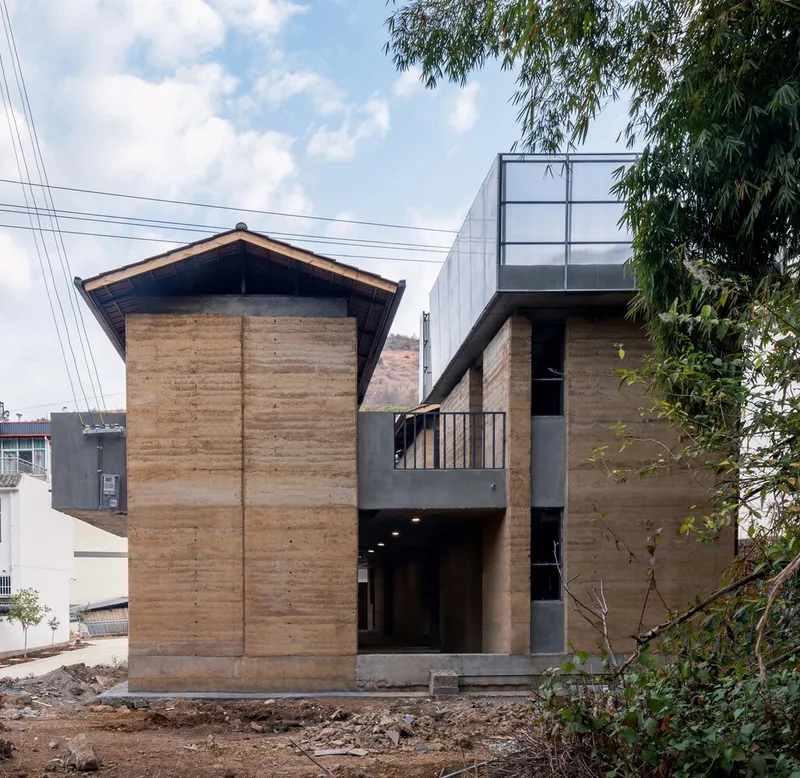
The design draws inspiration from the traditional village entrance—a communal gathering place under a large tree where generations once shared stories. By moving the façade inward by 3 meters and introducing a red brick wall, the architects created a transitional space that functions as both a privacy screen and a communal courtyard.
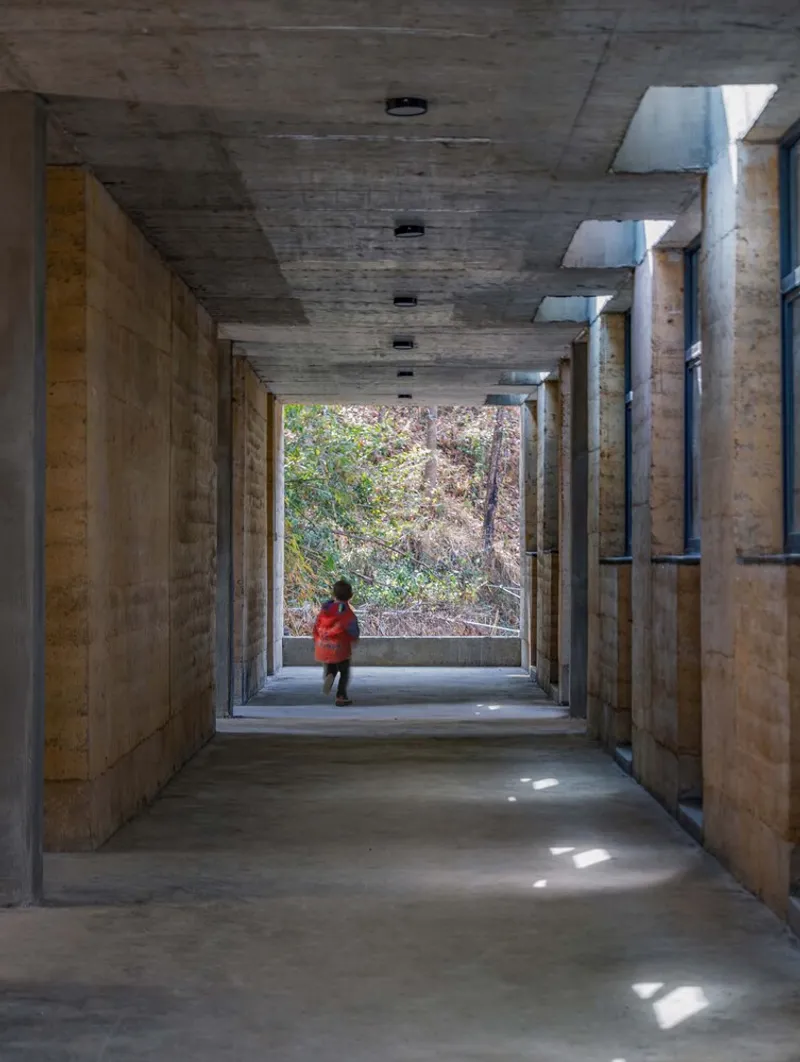
Generous corridors and balconies play a key role in fostering interaction. With widened corridors of 2.4 meters, these spaces double as areas for communal dining, children’s play, and festive gatherings, transforming circulation into a social spine of the building.
Climate-Responsive Design
The building responds to Yunnan’s subtropical monsoon climate with strategies that improve thermal comfort:
- Rammed earth walls provide excellent thermal mass, buffering indoor spaces from heat fluctuations.
- A double roof system—a sloping steel-tile roof over a concrete flat roof—ensures both ventilation and waterproofing, modernizing local traditions.
- Semi-outdoor balconies and courtyards enhance natural ventilation, while controlled window placement reduces heat gain from the west-facing sun.
These climate-adapted features ensure year-round comfort while reducing dependence on mechanical systems.
Local Construction, Local Empowerment
Built with the principle of “local materials, local craftsmen, local technology,” the project modernizes rammed earth construction through mechanical compaction, reinforced concrete ring beams, and optimized soil mixes. Importantly, the architects trained local craftsmen in updated techniques, enhancing regional construction skills and employment opportunities.
This approach not only reduced costs but also fostered a sense of ownership and pride within the community, making the architecture both endogenous and sustainable.
Living Legacy
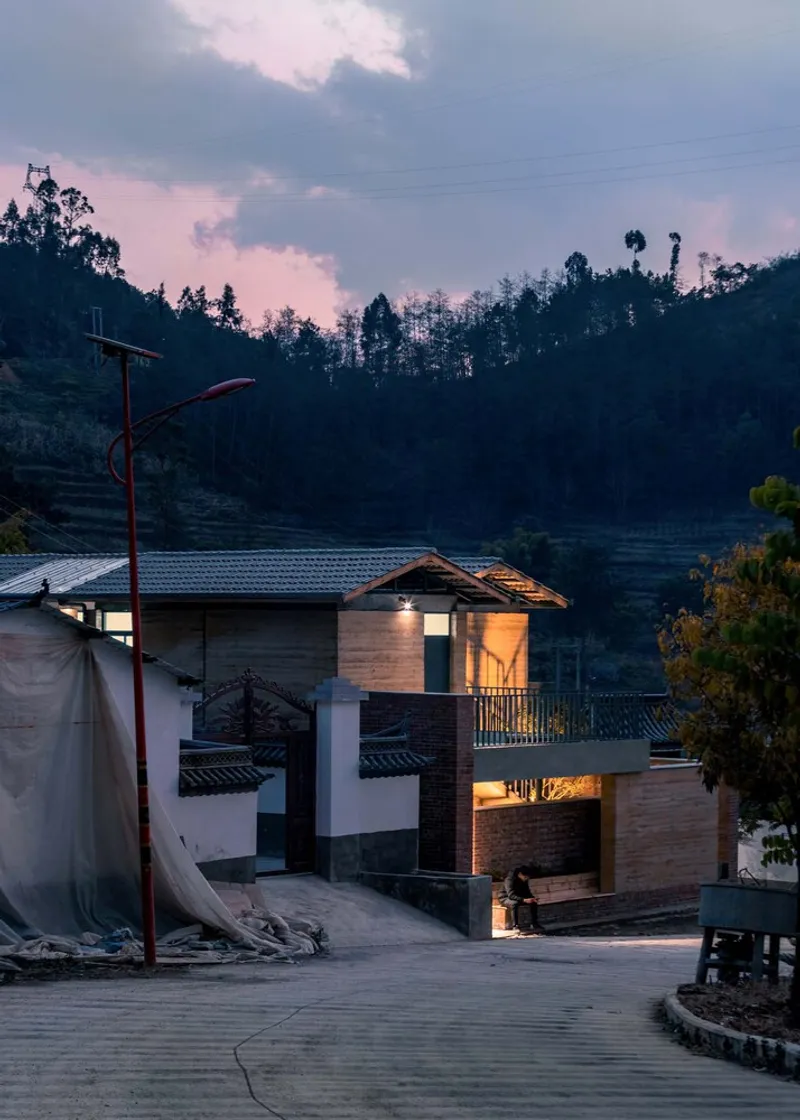
During a recent return visit, the architects witnessed six families already settled in the housing complex, with more preparing to move in. The positive reception among both the elderly and children highlights the project’s success in merging functional design, cultural memory, and social responsibility.
The Village Collective Housing stands as a model for how contemporary rural architecture can go beyond functionality to nurture community bonds, honor traditions, and empower future generations.



Popular Articles
Popular articles from the community


Riyadh For All: Intergenerational Urban Design for Active Aging in Rabat
Riyadh For All reimagines urban design in Rabat with intergenerational co-living, adaptive courtyards, and Moroccan cultural exchange today.

The Ocean Hive: Sustainable Architecture for a Self-Sufficient Civilization at Sea
The Ocean Hive imagines sustainable architecture at sea, where modular habitats, algae, wave power and ocean waste sustain a growing colony.

Lunar Spiral: Space Architecture Shaped by the Mathematics of the Universe
Lunar Spiral reimagines space architecture through Fibonacci geometry, lunar regolith, levitating habitats, and self-sustaining Moon living.

The Musturak Paradise: Senior Living Architecture for a Connected Future in Temara, Morocco
The Musturak Paradise reimagines senior living architecture in Temara via private homes, social spaces, culture, community, and shared care.

Similar Reads
You might also enjoy these articles


Hodi-Mandai Geram
Project Function: Preservation and revitalization of the Intangible heritage and socio-spatial identity of the Hodi by Housing, Cultural Memory Center, Sacred Grove, landscape, local tourism economy


Olio Towers: A Mid-Rise for Performers That Fuses Housing, Rehearsal, and Stage
Located blocks from Houston's Theater District, this modular tower stacks living units around a central performance atrium.

Oasis: Modular Green Housing Carved into Dhaka's Urban Fabric
A shortlisted Plugin Housing entry reclaims unauthorized settlements in Dhaka with stepped concrete volumes, green roofs, and ventilation-driven design.

Black Hole: A Floating Megastructure for the Post-Physical Era
Emiliano Mazzarotto envisions a spherical, self-scaling arena where e-sports, digital hotels, and holographic stadiums replace traditional public space.


Explore Chinese Small Scale Architecture Competitions
Discover active competitions in this discipline



Challenge to reimagine the Iron Throne


Photograph architecture without architects


Illustrate the lost glory of Angkor Wat - Render Challenge


Design challenge to reuse E-waste
Comments (0)
Please login or sign up to add comments
No comments yet. Be the first to comment!