

Vintage Clothing Store Interior Design: LEAD VIP Room by TEKI Design
The LEAD VIP Room Store by TEKI Design in Hiroshima offers a modern, sustainable approach to vintage clothing with a gallery-like interior.


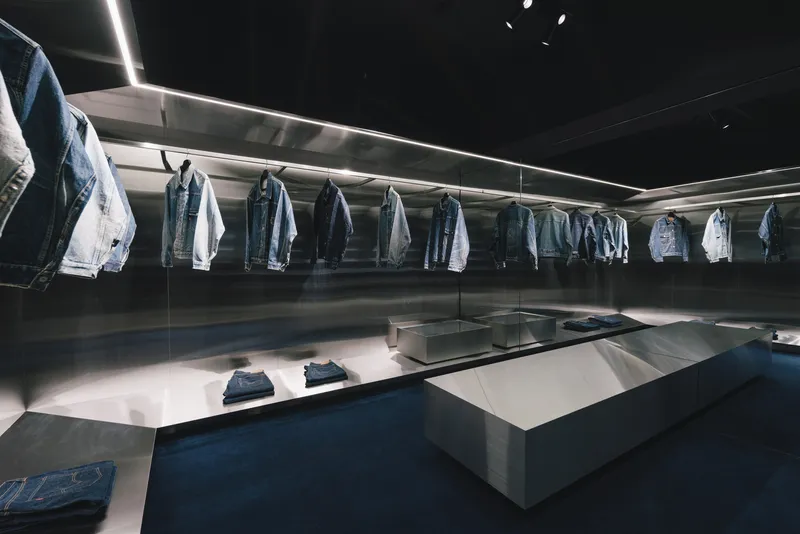
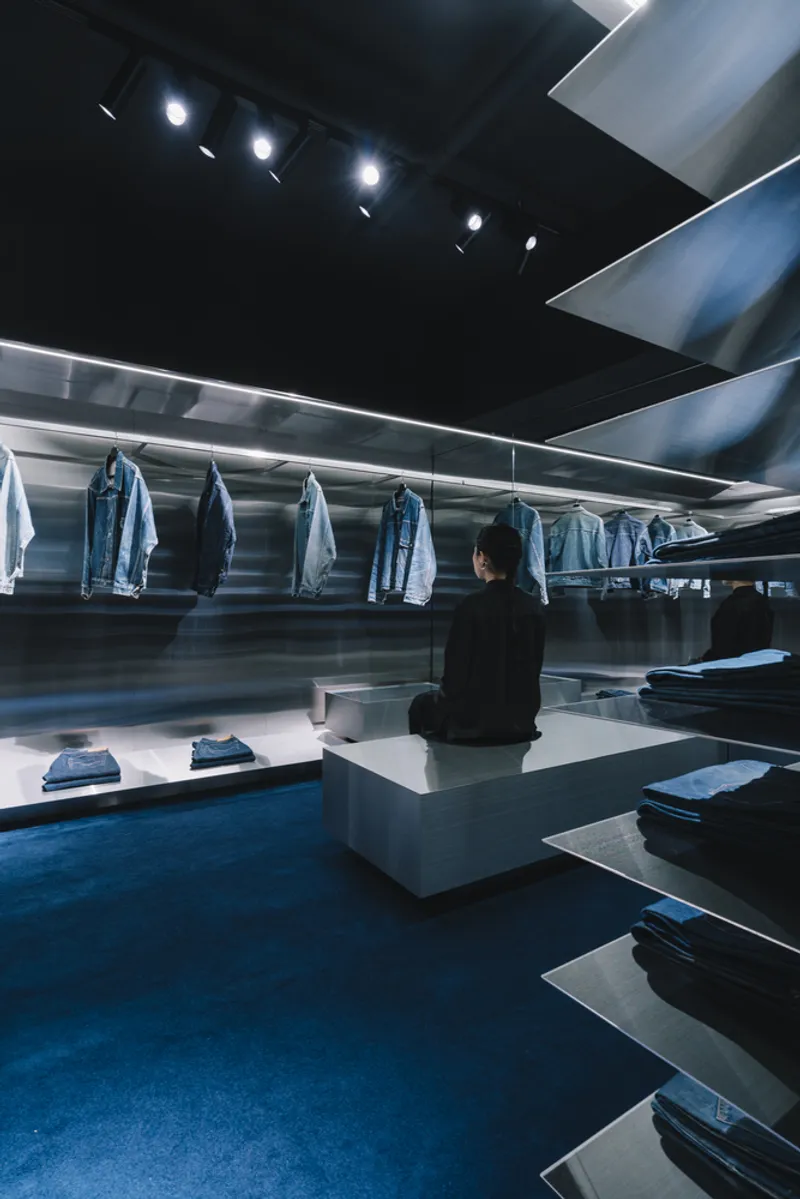
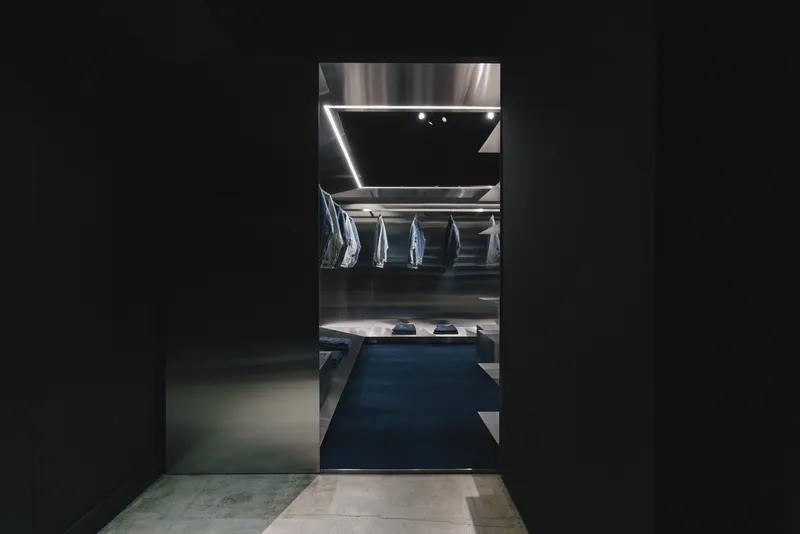
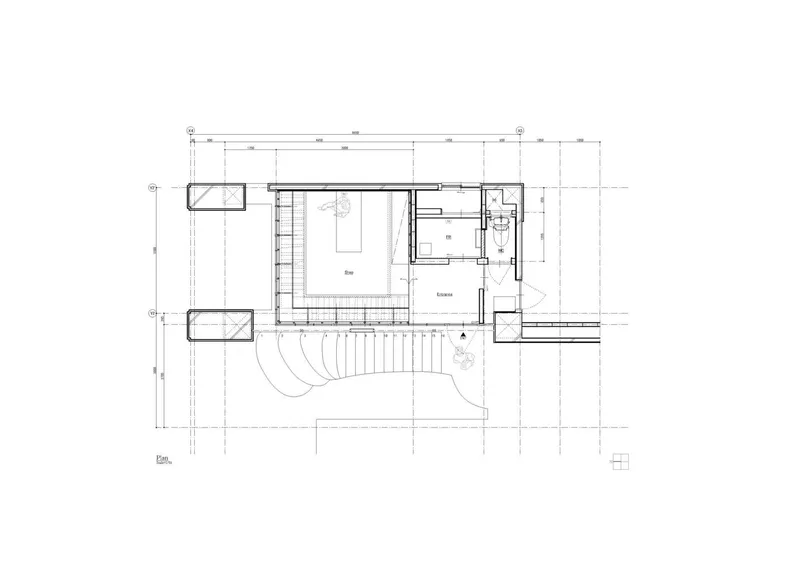
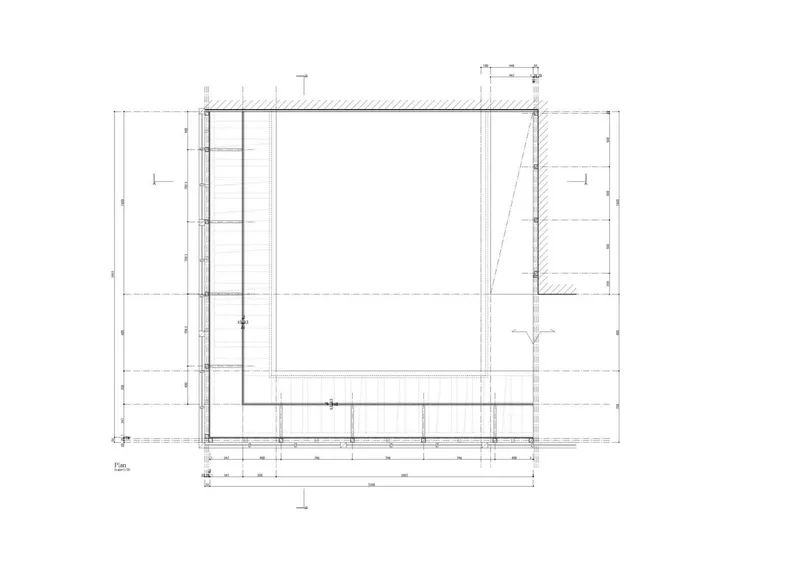
Located in Hiroshima, Japan, the LEAD VIP Room Store is a modern reinterpretation of the retail space for vintage clothing, created by TEKI Design. This 23 m² store stands as an elegant showcase for the reimagining of used clothing, transforming it from perceived "cheap and easy" items into objects of historical value and rarity. The store concept challenges traditional perceptions of secondhand clothes by emphasizing their increased social value due to their historical background and craftsmanship.
The Vision Behind the Design
At the heart of the LEAD VIP Room Store's interior design is the desire to change the perception of vintage clothing. While used clothes are often associated with affordability, the design team at TEKI wanted to reposition vintage garments as items of significance. The store was envisioned as a space where each item is presented as if it were an art piece, offering an experience that elevates the value of what’s being sold.
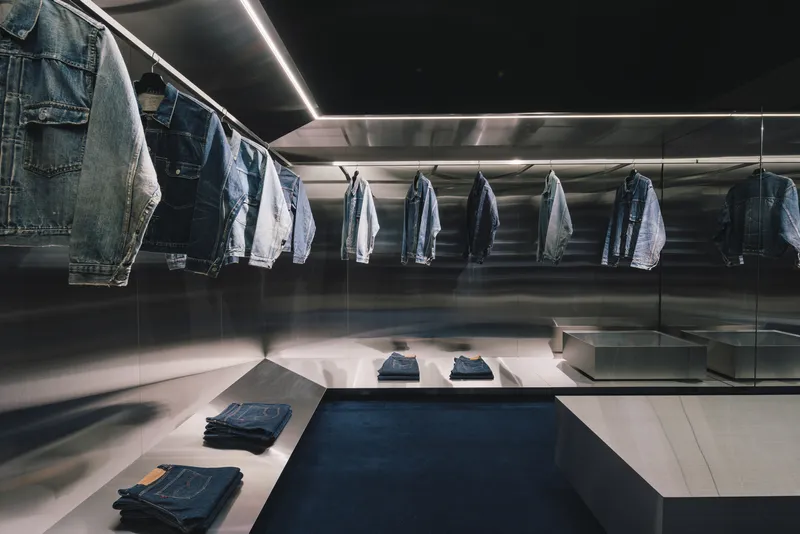
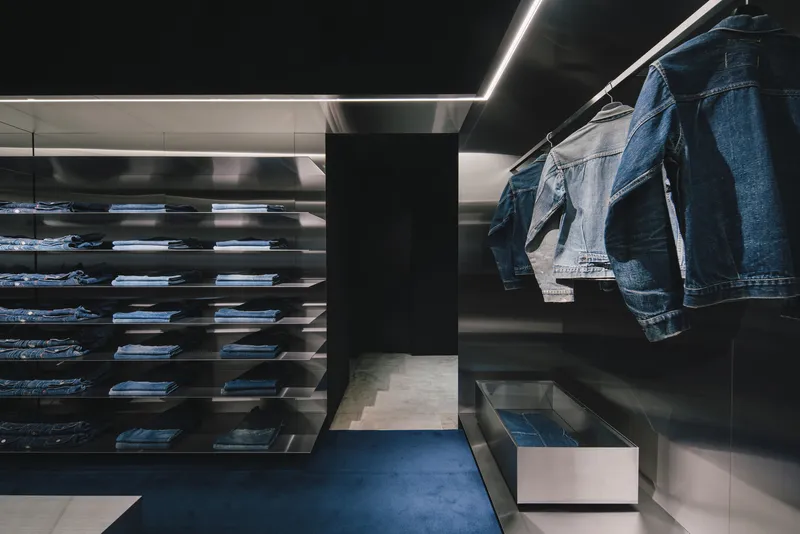
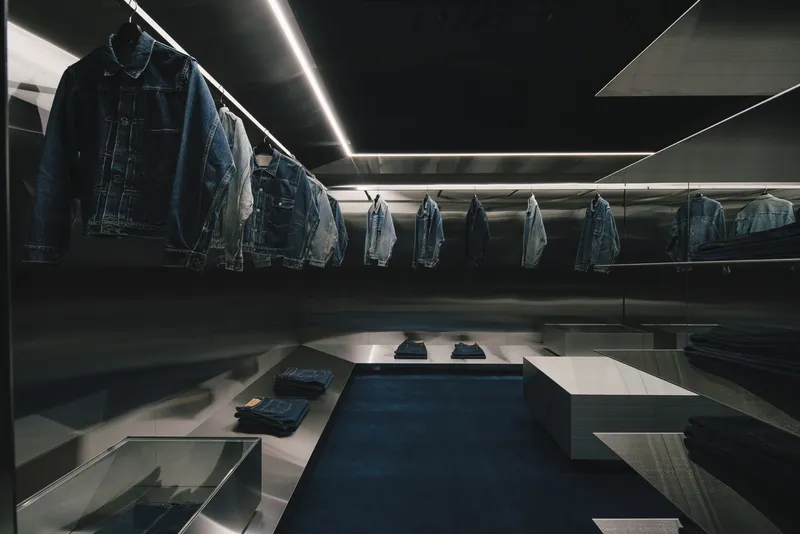
The core idea was to create a space that would celebrate the uniqueness of each garment, displaying them in a manner that highlights their history, rarity, and craftsmanship. The design transforms what might otherwise be considered worn-out into coveted treasures.
Displaying Vintage Clothing as Art
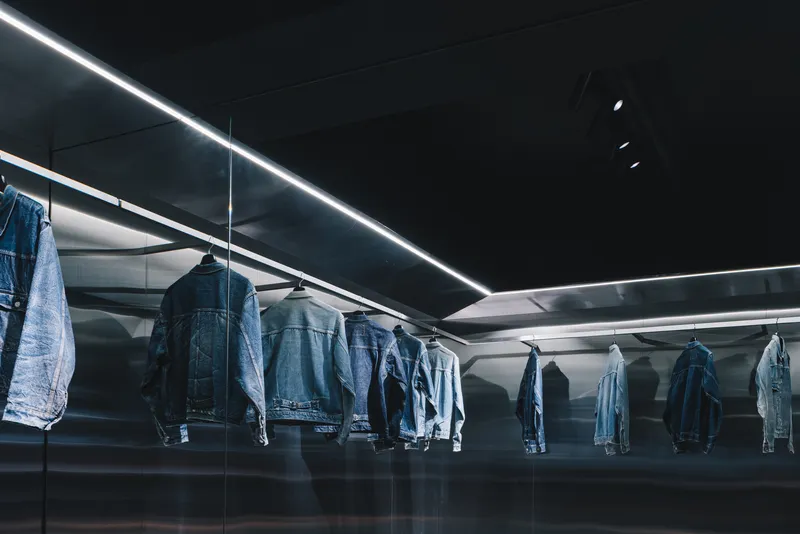
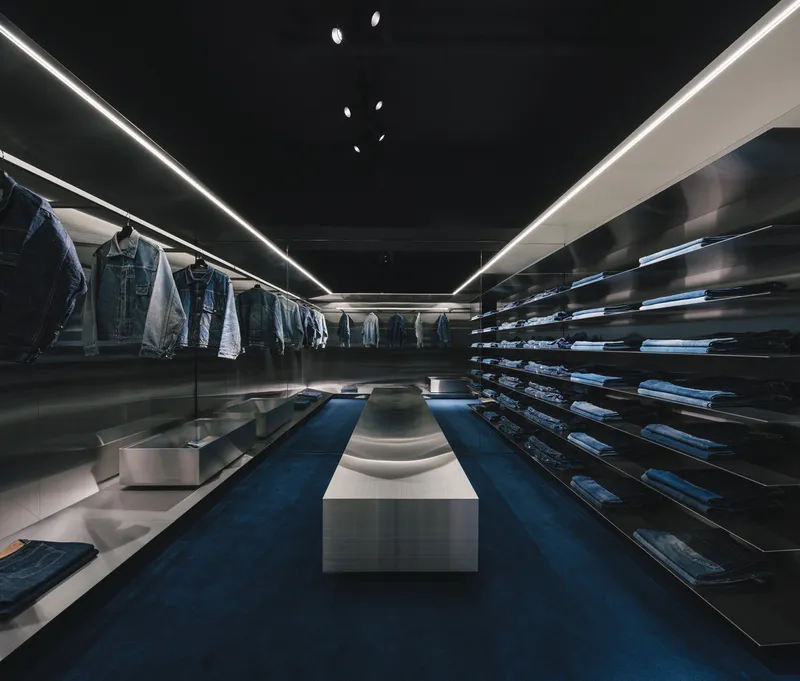
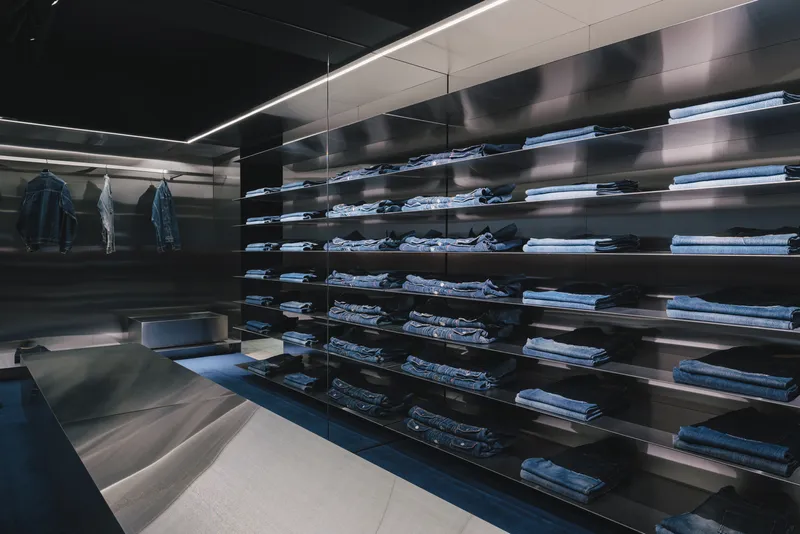
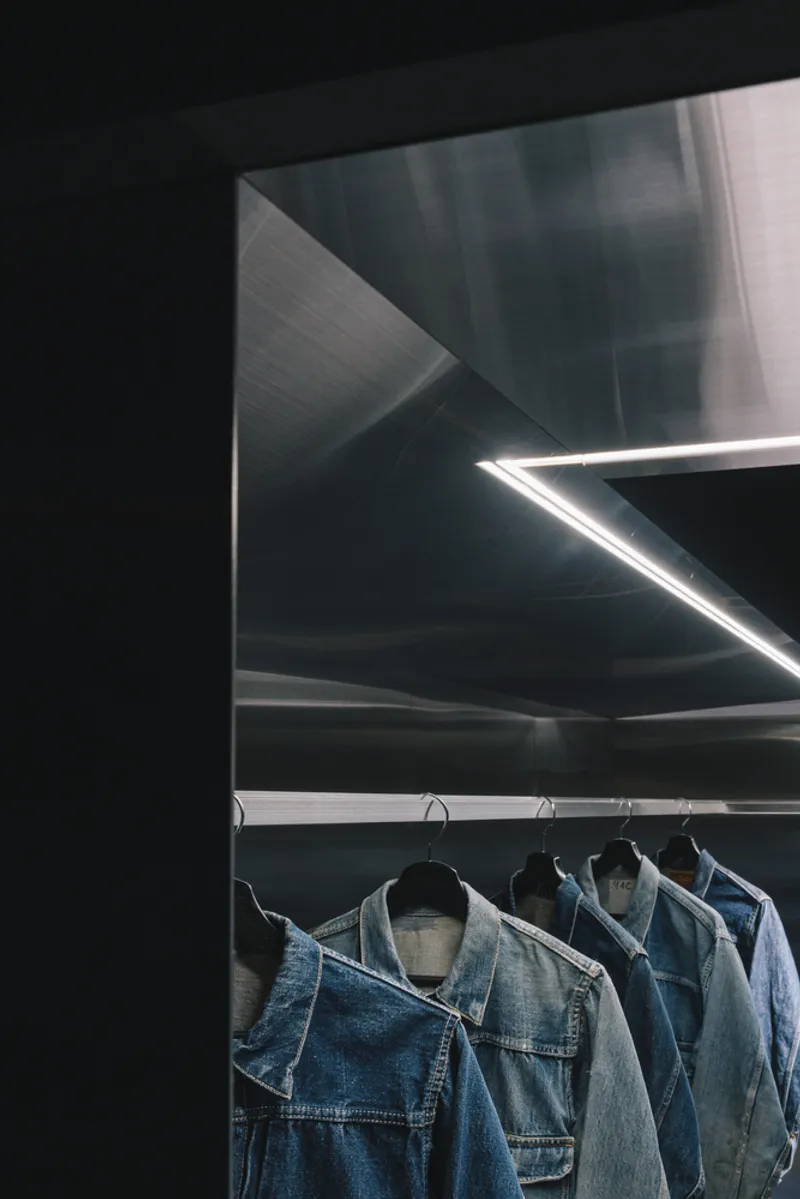
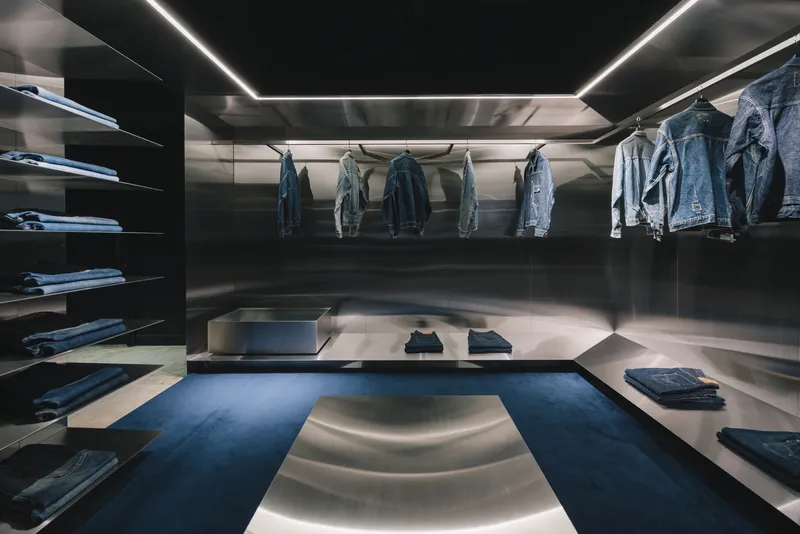
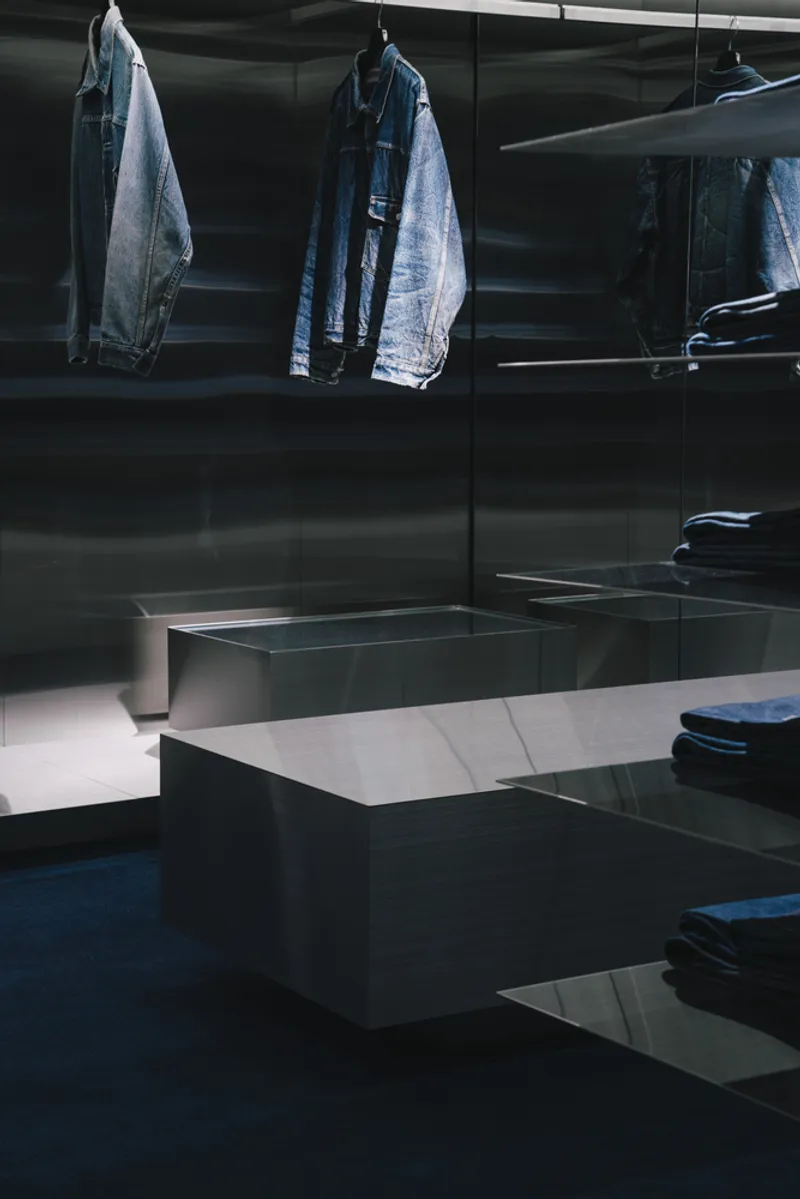
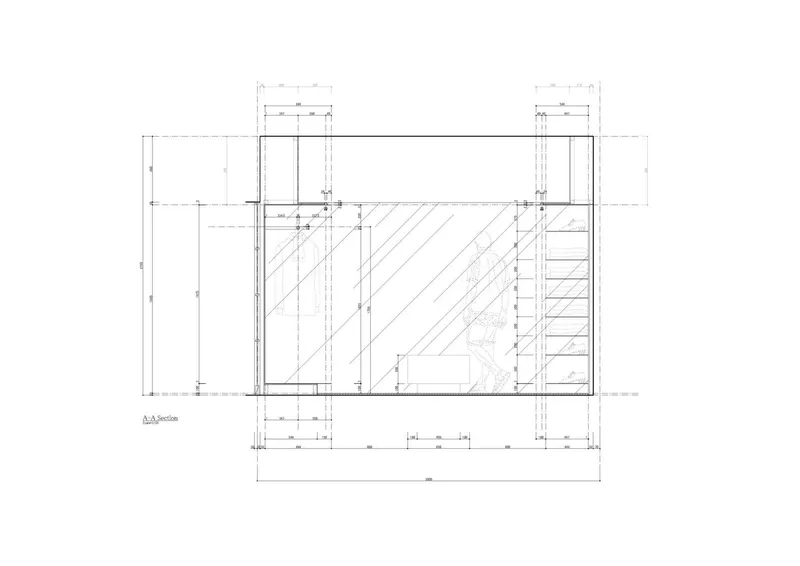
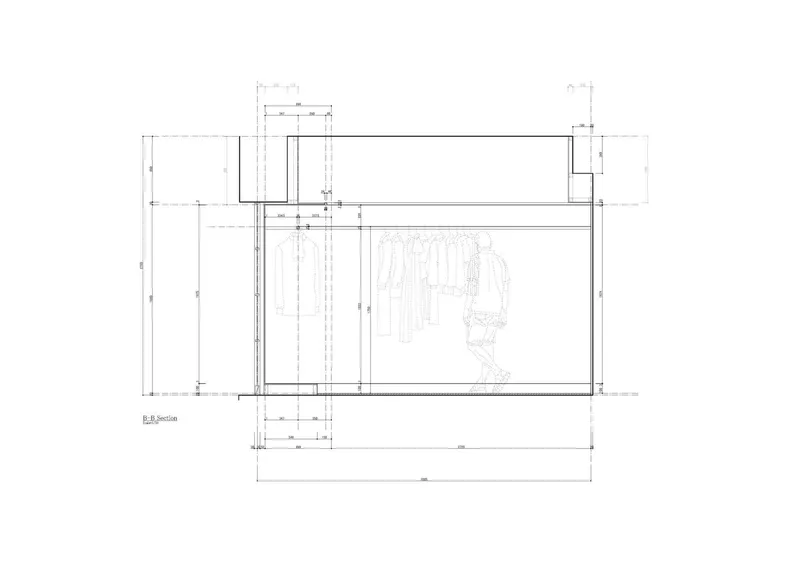
Rather than arranging garments in the conventional, dense racks typical of thrift stores, the LEAD VIP Room uses minimalistic display methods. Each clothing item is treated as a carefully curated piece of art, highlighted in the showcase-style displays that allow customers to interact with the garments. This unique approach encourages customers to engage directly with the clothing, creating a more immersive and personal shopping experience.
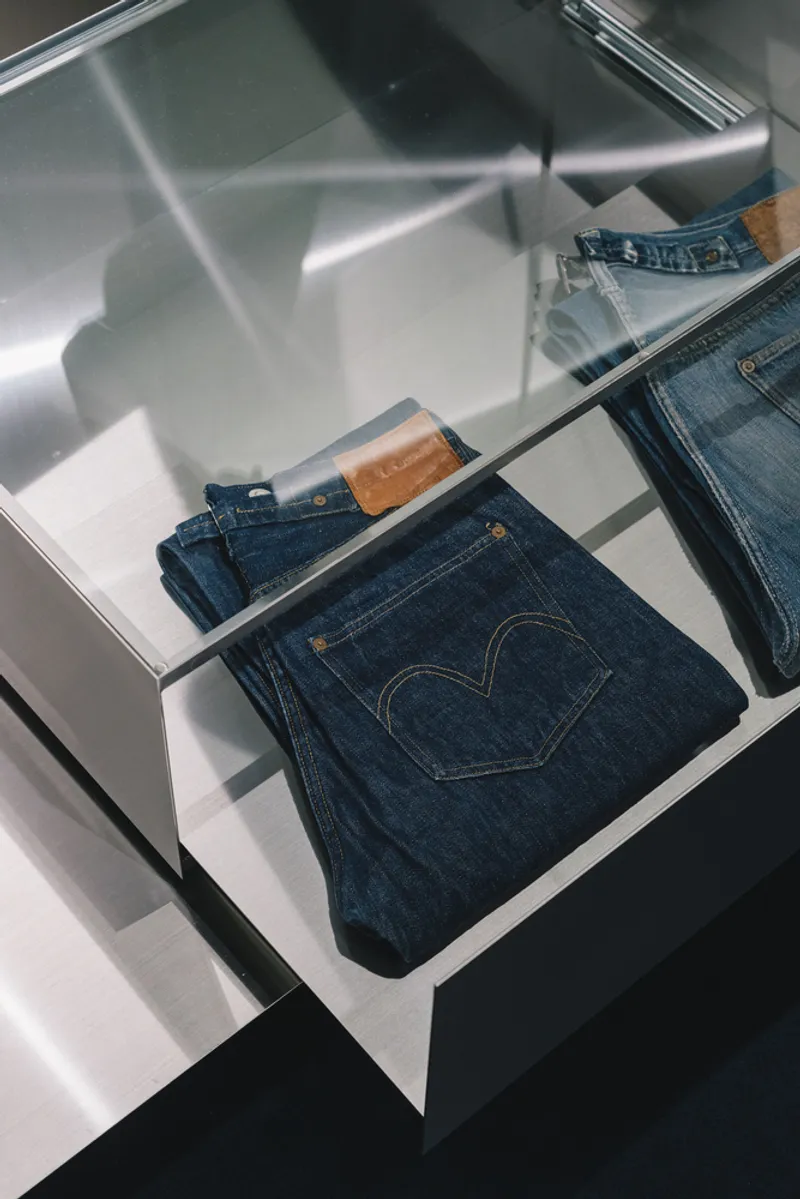
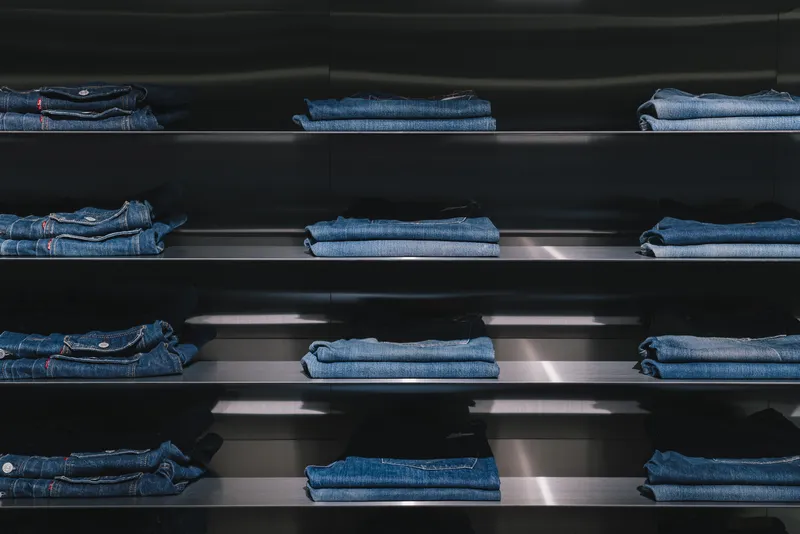
The idea of "floating" garments is central to the design, making each piece the focal point of the space. By elevating the clothing in this way, the store transforms from a typical retail environment into a gallery-like space that showcases the rare and historical value of vintage clothing.
Sustainability and the Value of Vintage Clothing
The interior design concept not only elevates the aesthetic value of vintage clothing but also places a strong emphasis on sustainability. By creating a retail environment where clothing is passed on carefully, rather than discarded, the store promotes a culture of reuse and longevity. The products displayed are not merely used clothing, but items that have been carefully preserved and passed down through generations, further emphasizing the sustainable and ethical aspects of the vintage fashion market.
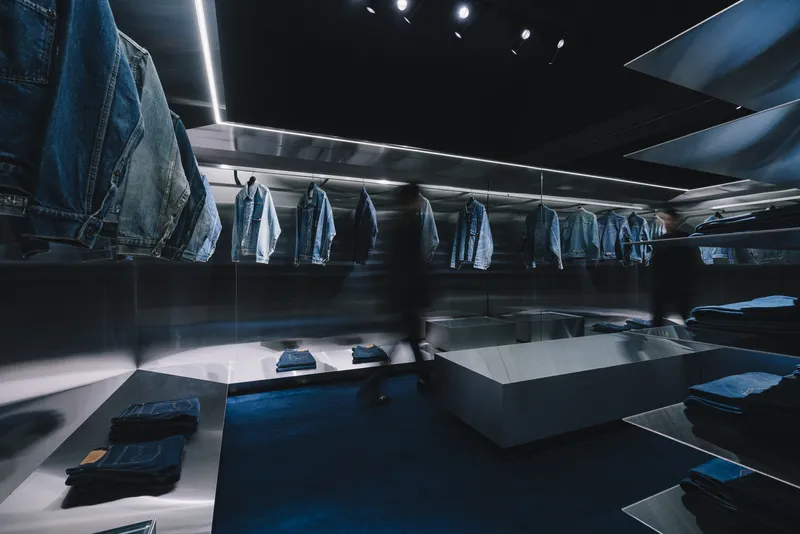
Customers who visit the LEAD VIP Room Store are invited to rediscover the intrinsic value of clothing that transcends time and trends. The goal is to make people reconsider how they view secondhand garments, seeing them not just as disposable fashion, but as valuable pieces with history and character.
The Role of Design in Promoting Value and Heritage
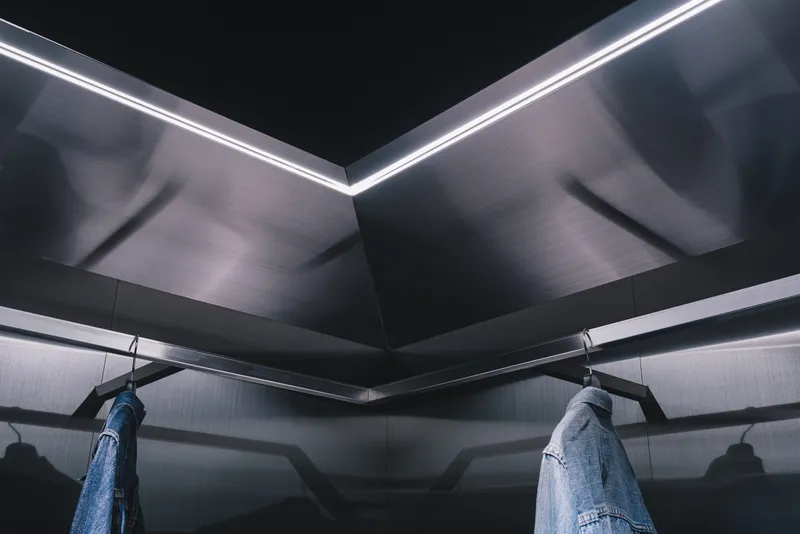
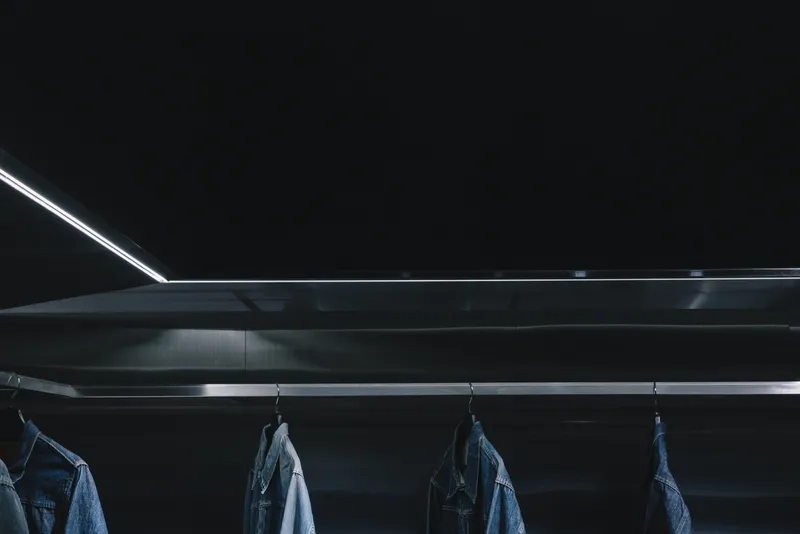
Incorporating elements of history into the design, the store creates a space where customers can connect with the story behind each piece of clothing. The interior's sleek, refined design highlights the careful curation of vintage pieces, ensuring that customers appreciate the quality, craftsmanship, and significance of each item.
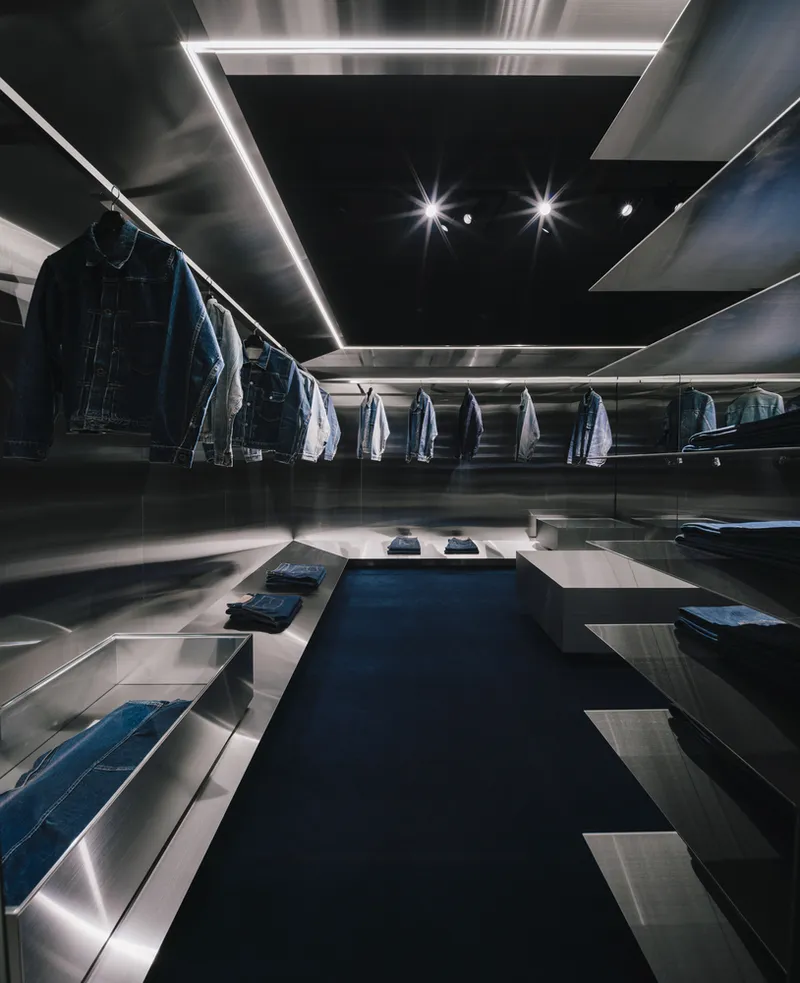
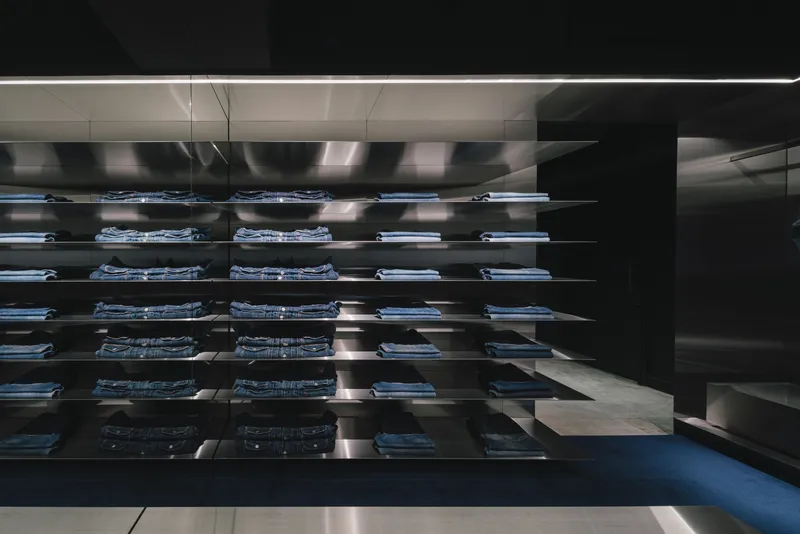
By showcasing garments in a minimalist and elevated way, the store encourages people to appreciate not only the aesthetics of vintage fashion but also its deeper, historical context. It serves as a testament to the enduring quality of fashion from past generations and the potential of these garments to continue telling stories for years to come.

A Space for Rediscovering Value
The LEAD VIP Room Store by TEKI Design successfully transforms the experience of shopping for vintage clothing into a meaningful journey. Through thoughtful interior design, the store elevates the value of secondhand clothing, positioning it as a rare and valuable commodity. By treating vintage items with the respect they deserve, the store encourages sustainability and serves as a reminder of the enduring value found in the past.
In a world that constantly seeks newness, the LEAD VIP Room offers a space where history is preserved, and customers can appreciate the timeless beauty of vintage clothing.
All Photographs are work of Tatsuya Tabii



Popular Articles
Popular articles from the community


The Earth Pod: 3D Printed Homes for Resilient Refugee Communities
The Earth Pod reimagines refugee housing through 3D printed homes made from clay, combining resilience, self-sufficiency, and rapid shelter.

Co-Life: Senior Housing Design That Reconnects Older Adults With the City
Co-Life reimagines senior housing design through healing gardens, shared streets, workshops, and a sustainable community across generations.

Co-life: Sustainable Architecture for Age-Friendly Community Living
Co-life reimagines sustainable architecture for seniors through courtyards, rammed earth, shared gardens, and spaces designed for belonging.

Conexión: Biophilic Design Reimagines High-Rise Living in Hong Kong
Conexión reimagines high-rise living in Hong Kong through biophilic design, green facades, shared spaces, daylight, water and nature within.


Similar Reads
You might also enjoy these articles


Hodi-Mandai Geram
Project Function: Preservation and revitalization of the Intangible heritage and socio-spatial identity of the Hodi by Housing, Cultural Memory Center, Sacred Grove, landscape, local tourism economy


Olio Towers: A Mid-Rise for Performers That Fuses Housing, Rehearsal, and Stage
Located blocks from Houston's Theater District, this modular tower stacks living units around a central performance atrium.

Oasis: Modular Green Housing Carved into Dhaka's Urban Fabric
A shortlisted Plugin Housing entry reclaims unauthorized settlements in Dhaka with stepped concrete volumes, green roofs, and ventilation-driven design.

Black Hole: A Floating Megastructure for the Post-Physical Era
Emiliano Mazzarotto envisions a spherical, self-scaling arena where e-sports, digital hotels, and holographic stadiums replace traditional public space.


Explore High Fashion Design Competitions
Discover active competitions in this discipline



Challenge to reimagine the Iron Throne


Photograph architecture without architects


Illustrate the lost glory of Angkor Wat - Render Challenge


Design challenge to reuse E-waste
Comments (0)
Please login or sign up to add comments
No comments yet. Be the first to comment!