
Vipp Tunnel Tasmania Guesthouse: A Masterpiece in Sustainable Architecture Design
The Vipp Tunnel in Tasmania exemplifies sustainable architecture, blending minimalist design with nature for a unique, off-grid guesthouse experience.


Introduction to Sustainable Architecture in Tasmania
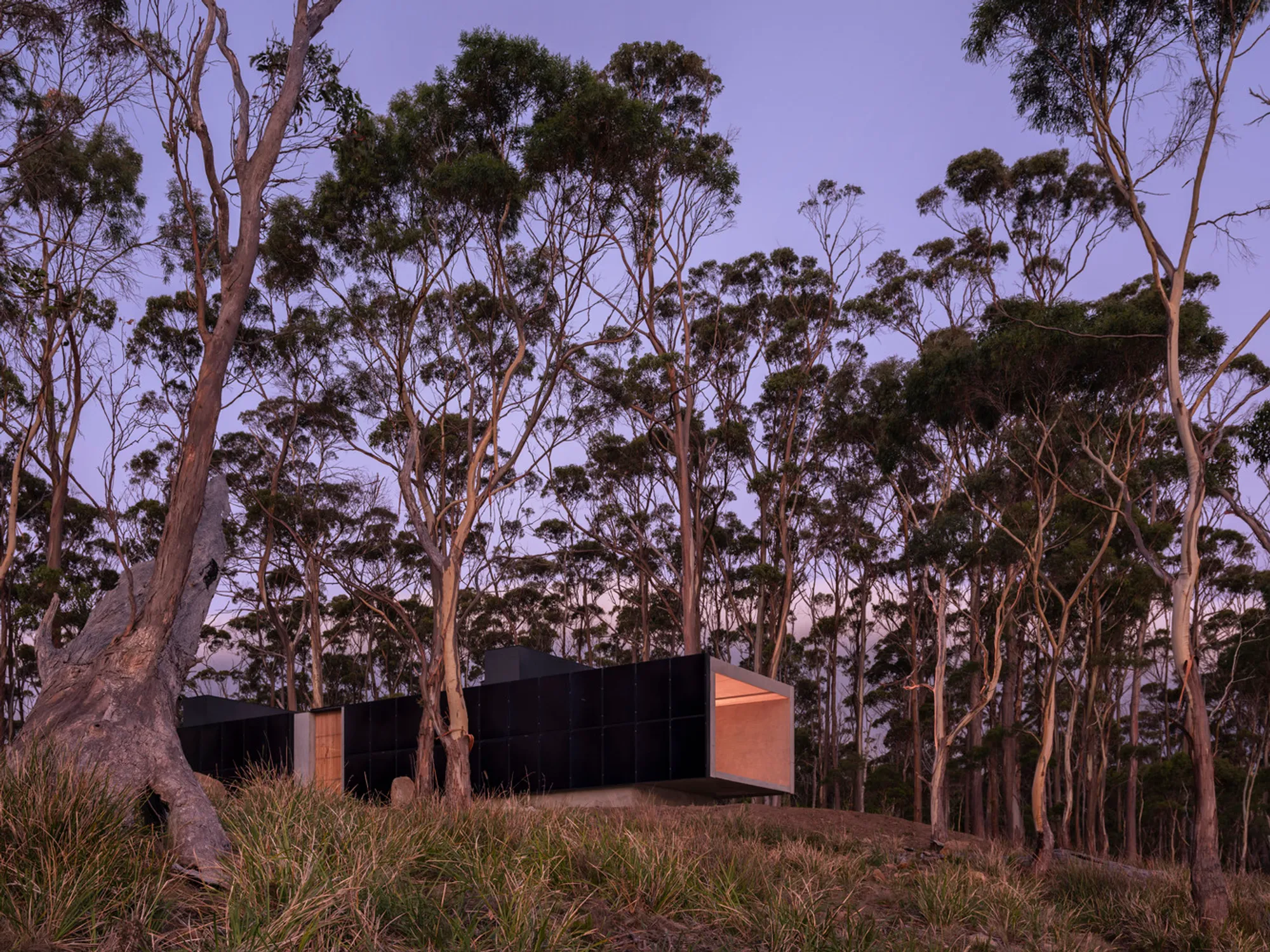
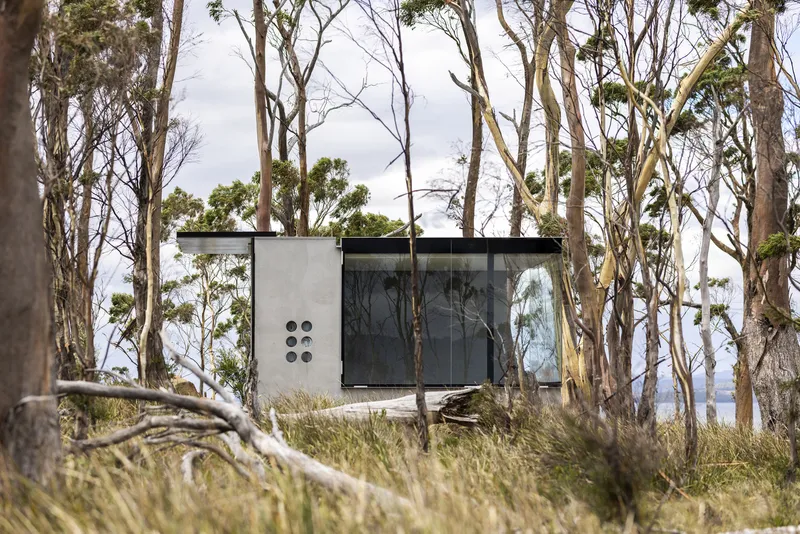
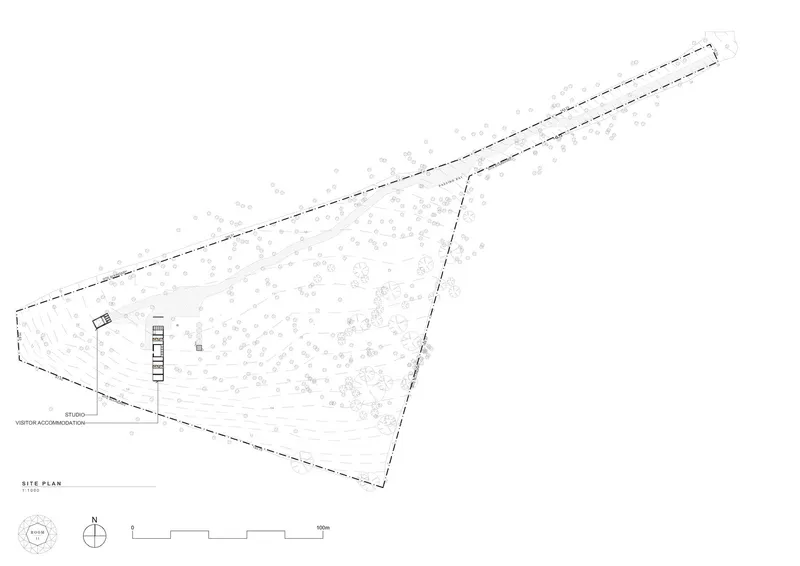
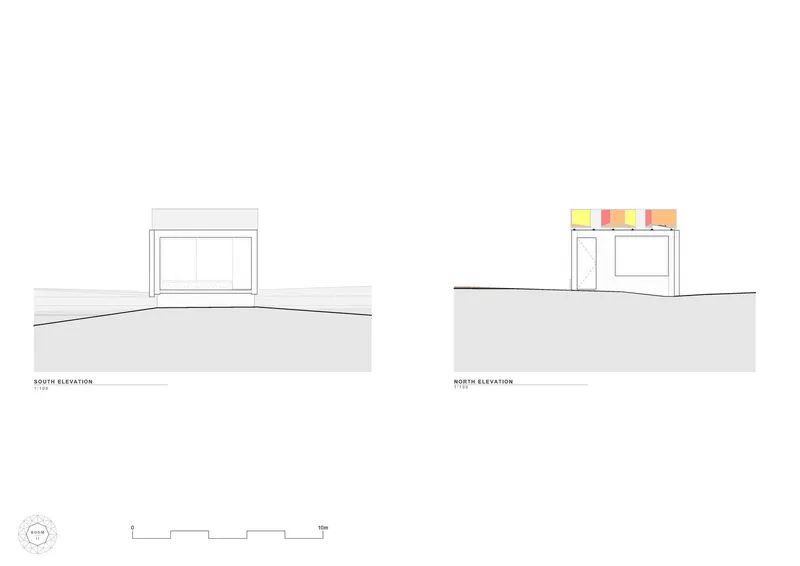
The Vipp Tunnel, located on Bruny Island in Tasmania, Australia, is a striking example of sustainable architecture. Designed by the Hobart-based Room11 Architects, this guesthouse exemplifies how modern architecture can blend seamlessly with the natural landscape, while emphasizing sustainability and energy efficiency. The building's design is an architectural marvel, featuring innovative construction techniques and a commitment to minimal environmental impact. This 160-square-meter structure is not just a vacation spot but a beacon for sustainable design practices.
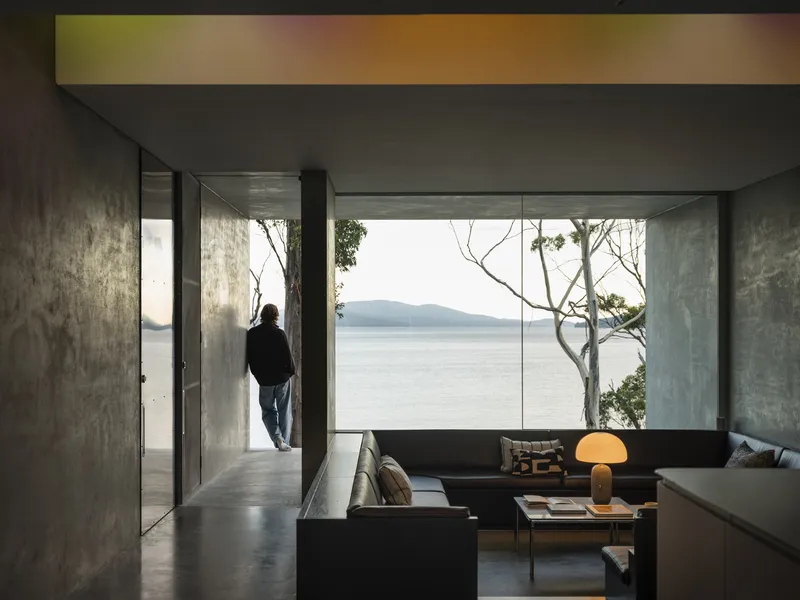
Architectural Design: Balancing Brutalism and Nature
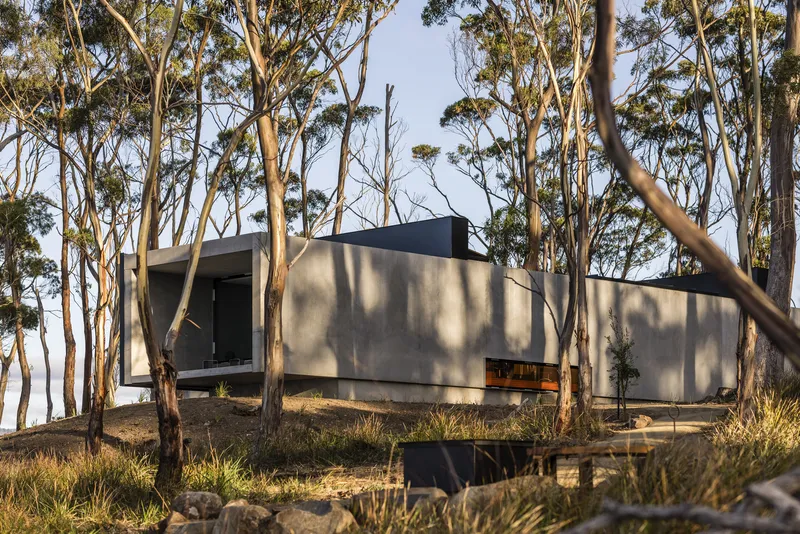
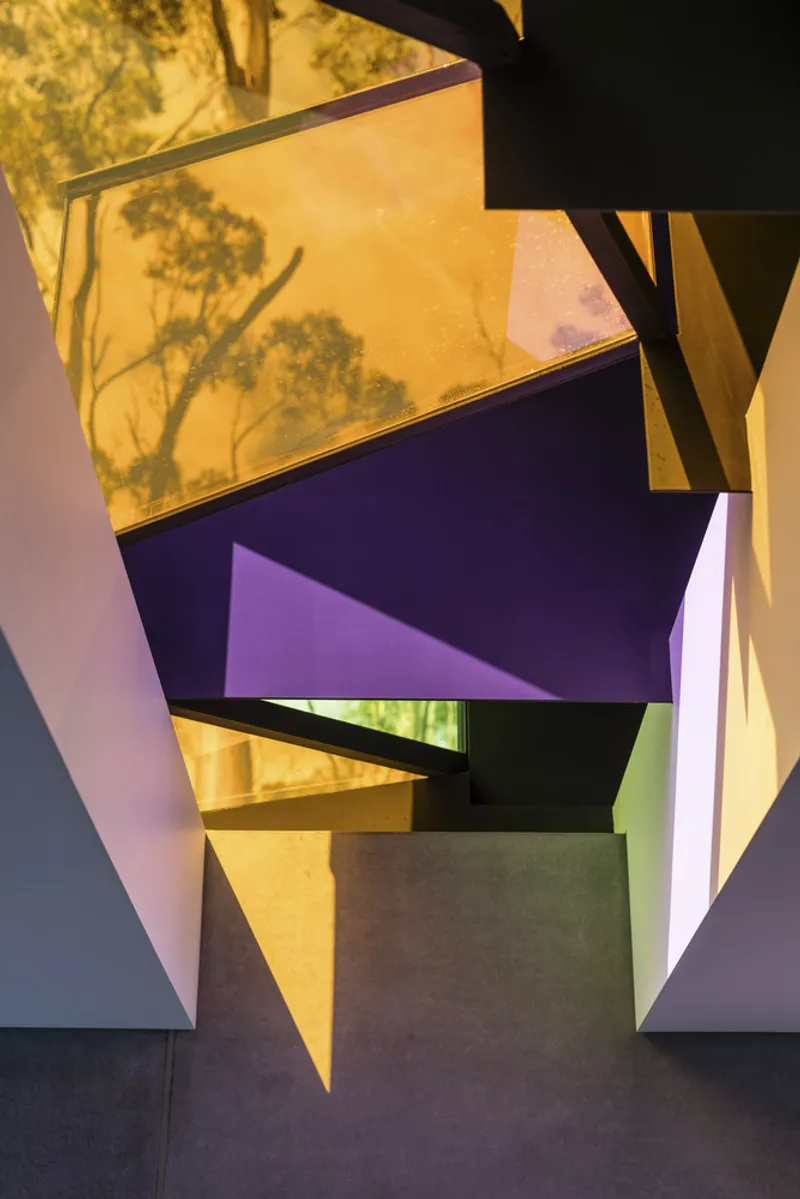
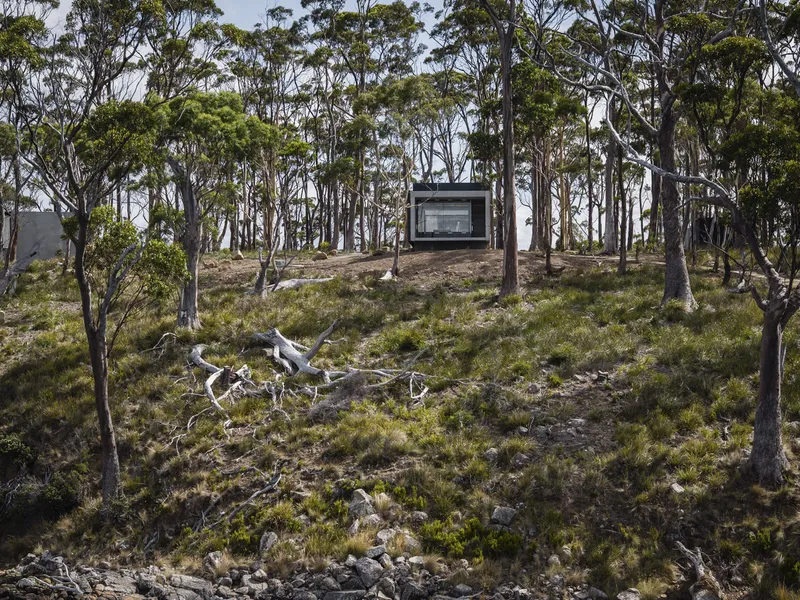
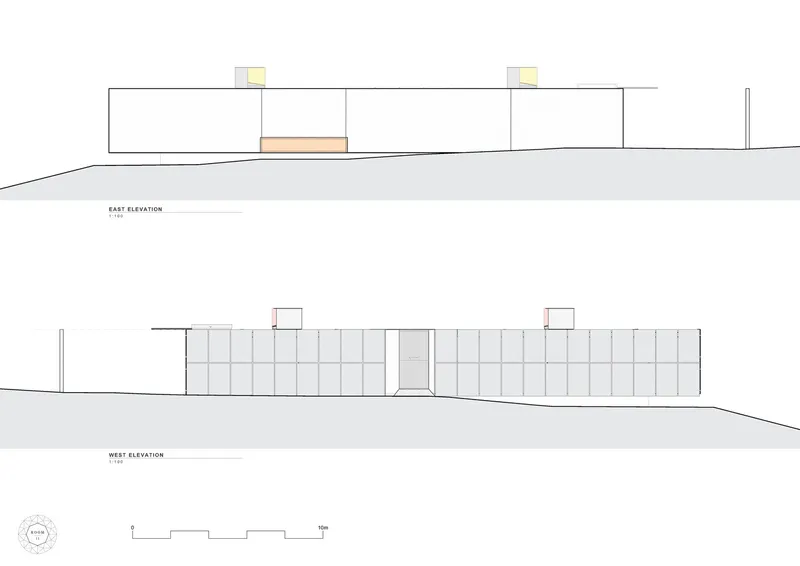
The Vipp Tunnel's architectural style is a unique fusion of brutalist aesthetics and organic surroundings. Cantilevered over a sloping hill, the building appears to defy gravity, suspended between solid ground and the open air. The concrete structure, while imposing in its rawness, stands in a playful dialogue with the natural environment. Room11 Architects intentionally designed the Vipp Tunnel to create forms that do not mimic the natural context but instead make a statement about the nature of place.
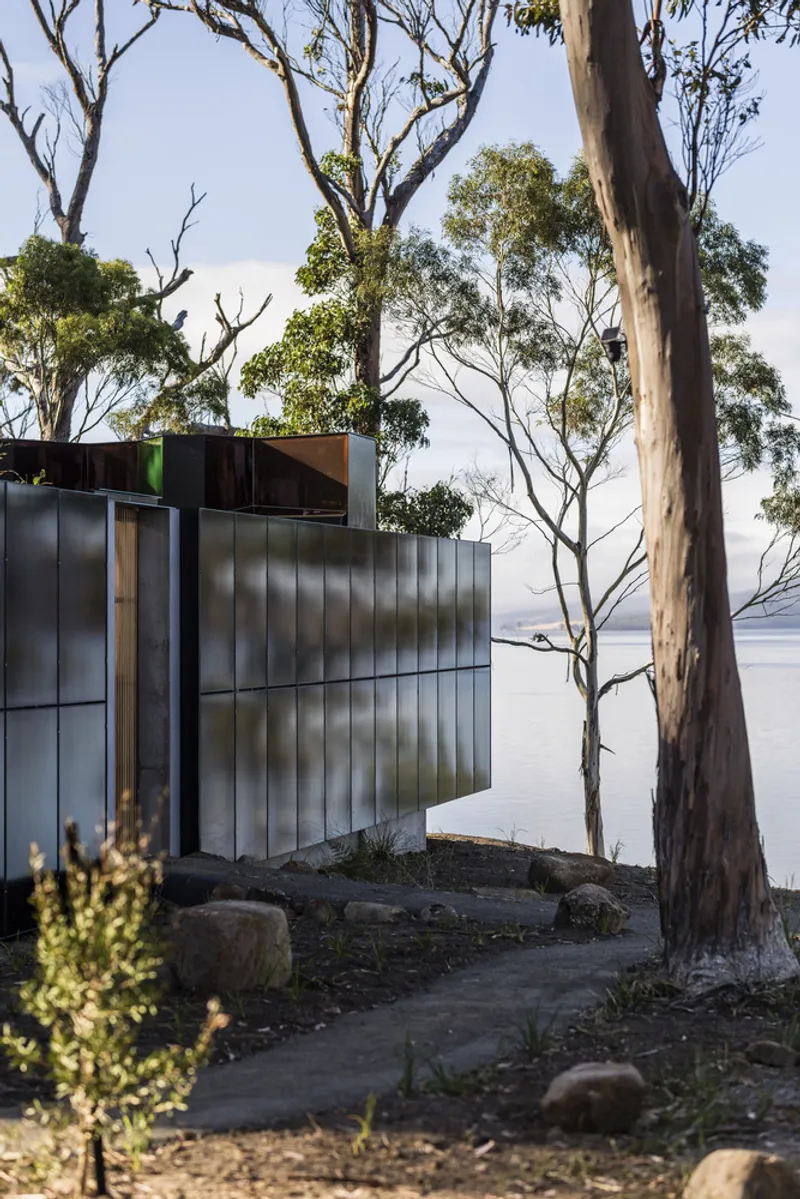
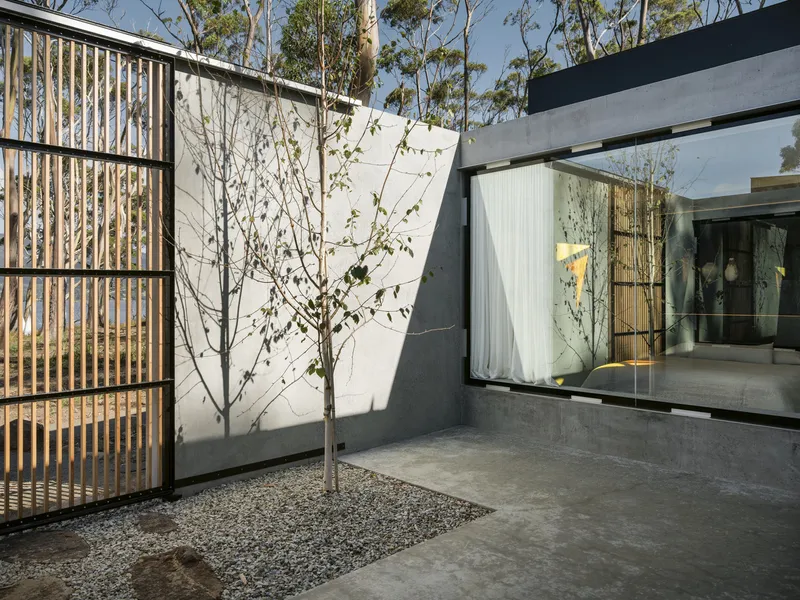
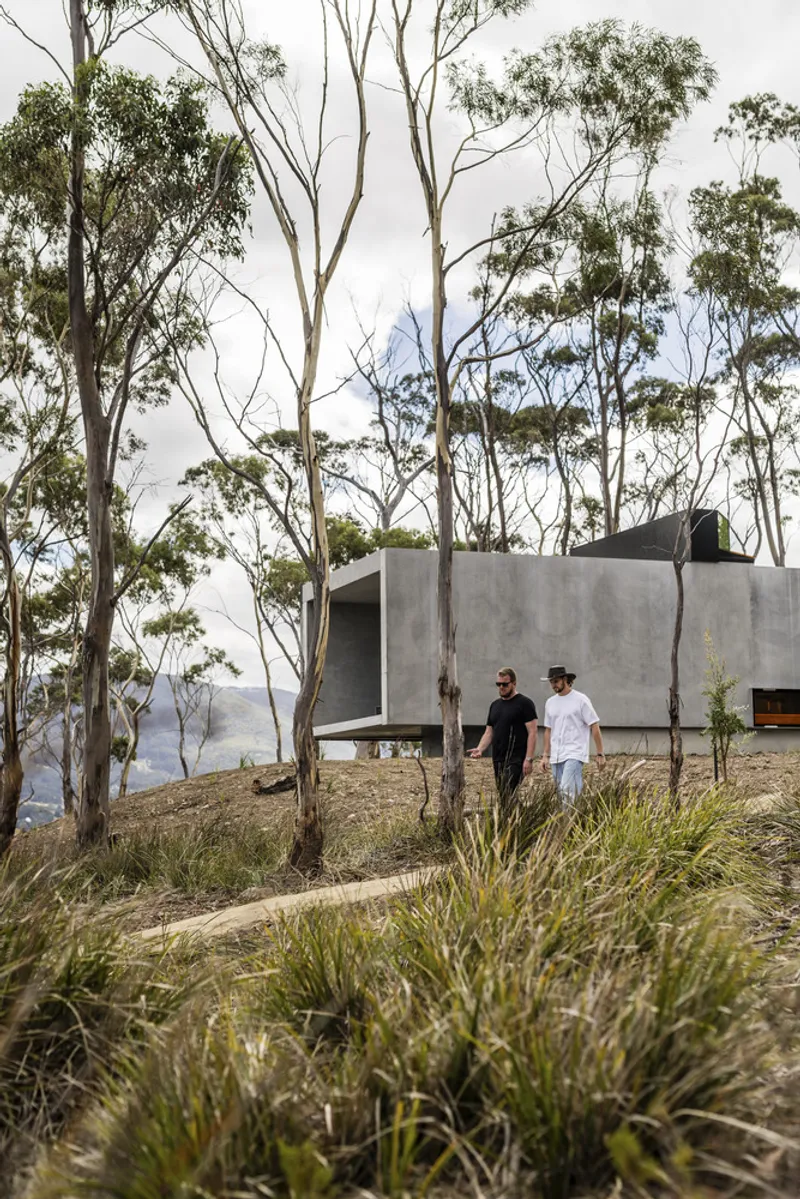
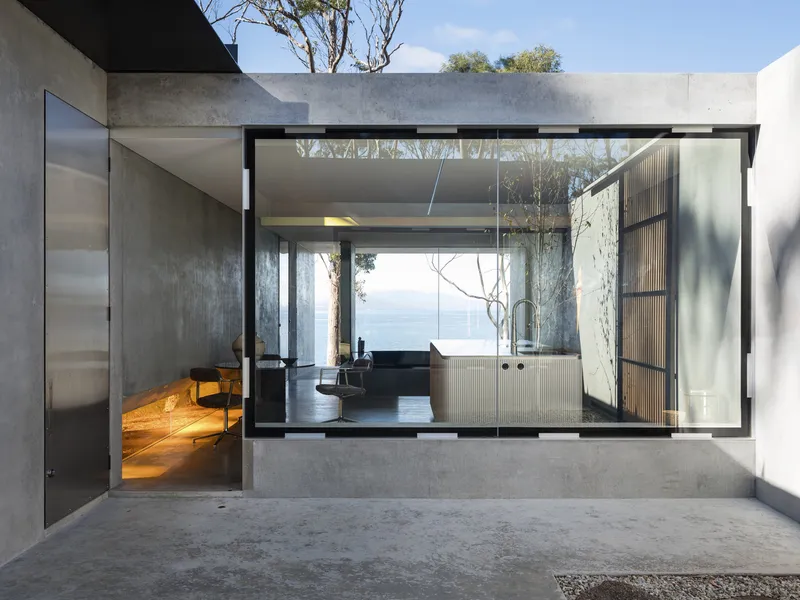
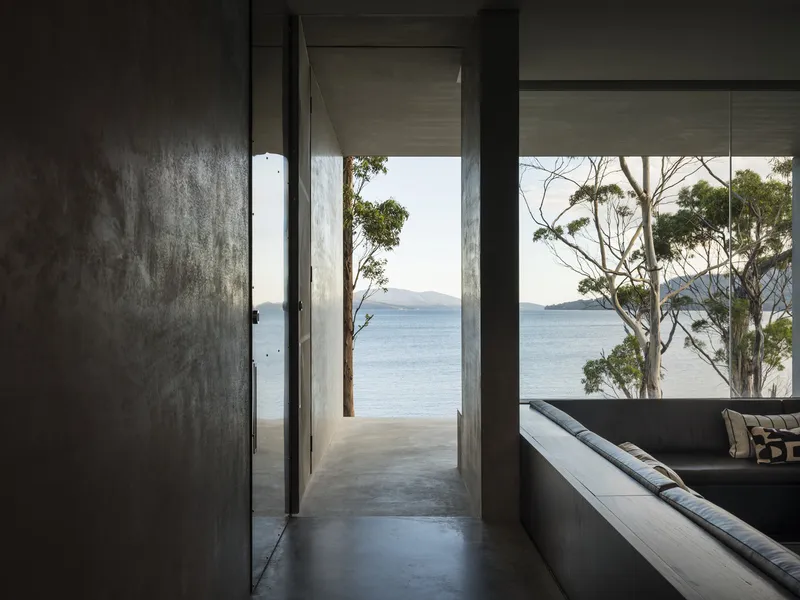
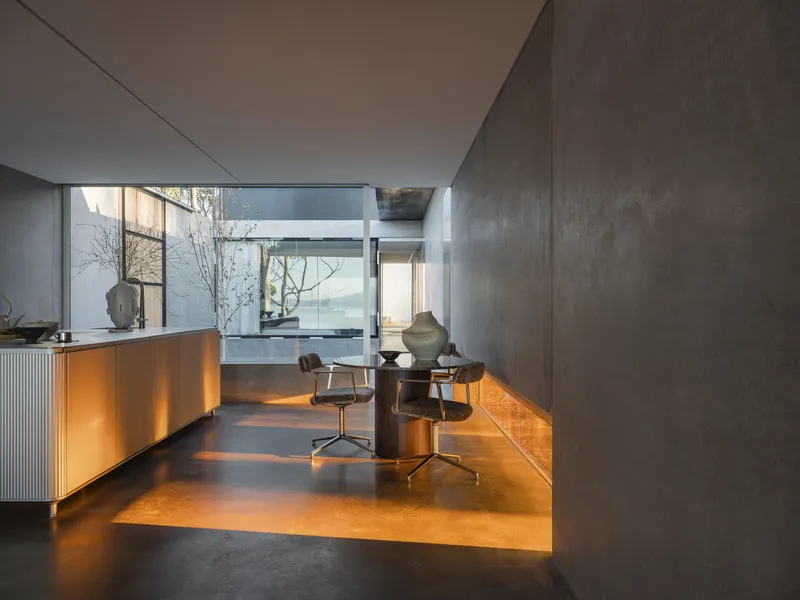
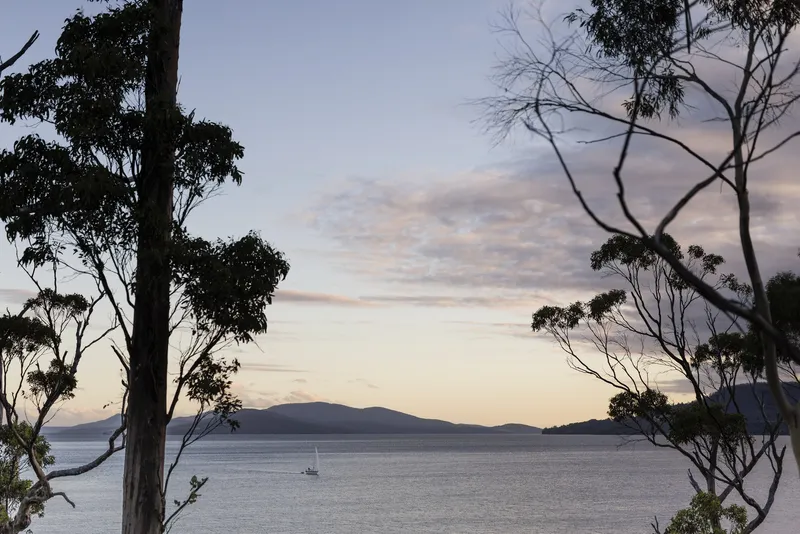
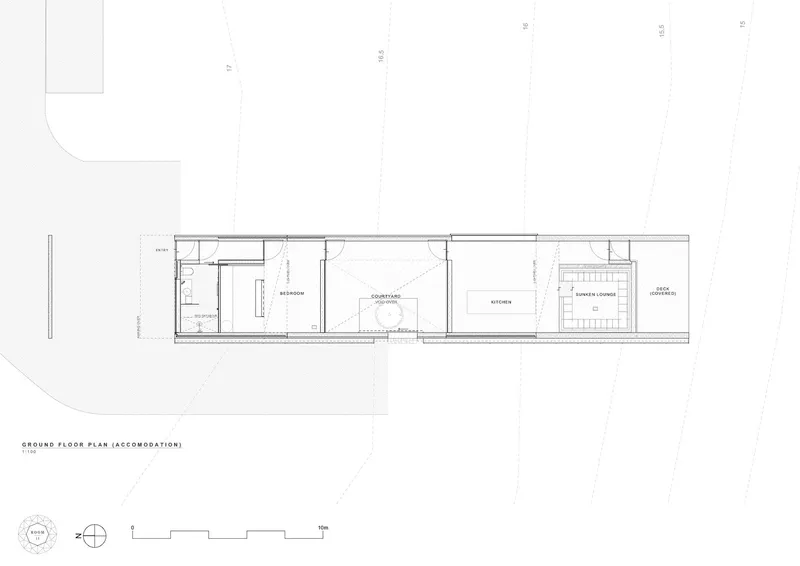
The guesthouse, stretching 30 meters in length, incorporates large expanses of glass to ensure unobstructed views of the surrounding Tasmanian sea and mountains. Floor-to-ceiling windows flood the interior with natural light, enhancing the connection between the built environment and the untouched beauty of Bruny Island. The integration of the building with its environment creates a profound sense of immersion, giving guests a feeling of being at the edge of the world.

Innovative Sustainable Features in Architecture
One of the standout sustainable features of the Vipp Tunnel is its off-grid energy solution. The entire western façade of the guesthouse is covered with solar panels, providing it with sufficient energy to operate independently of external resources. This innovative solar array not only powers the building but also serves as an architectural statement, blending cutting-edge technology with aesthetic design.
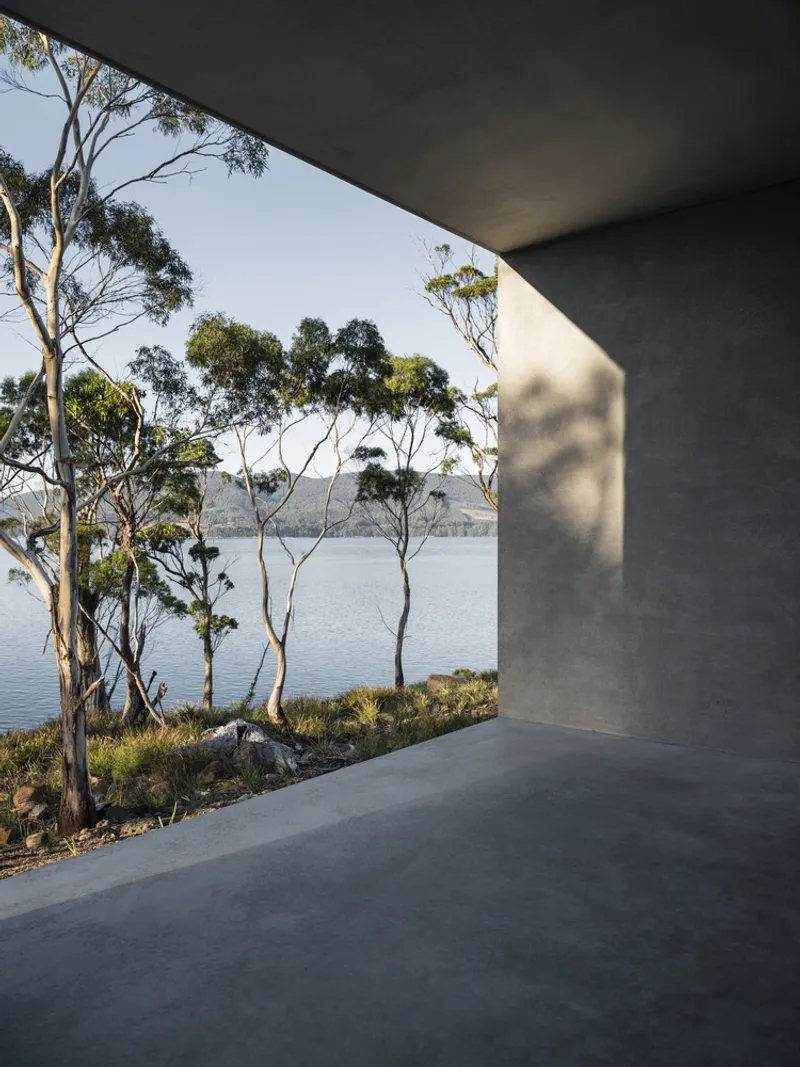
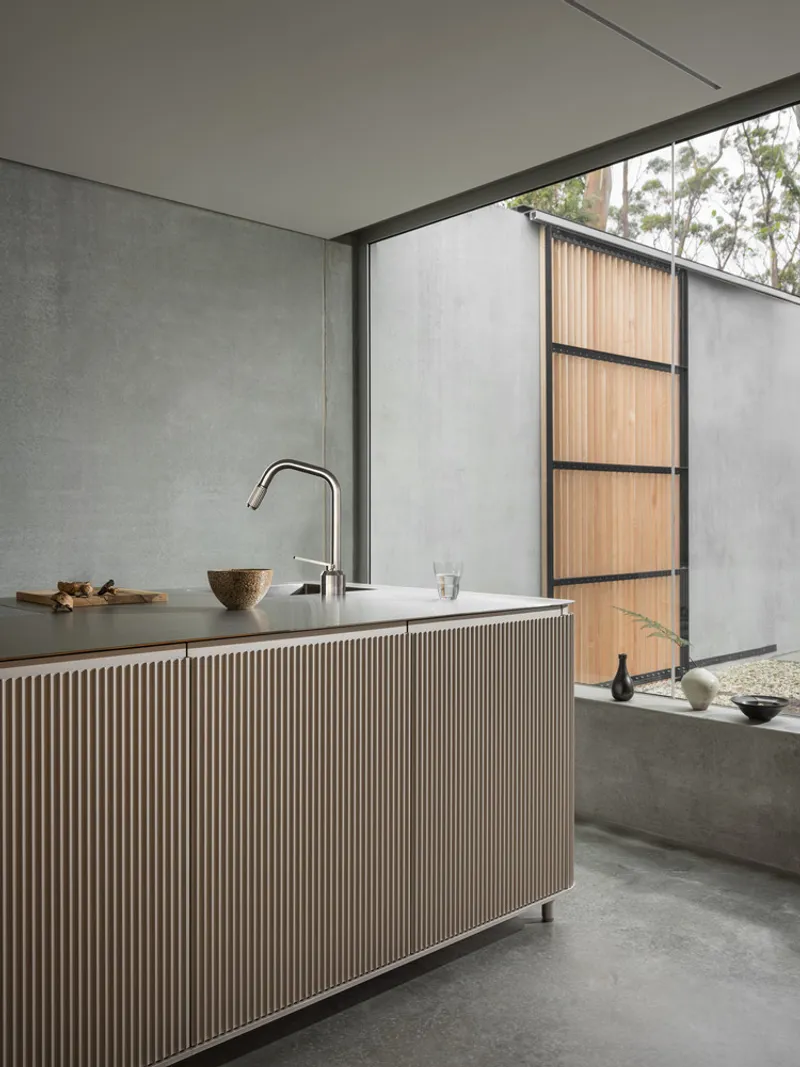
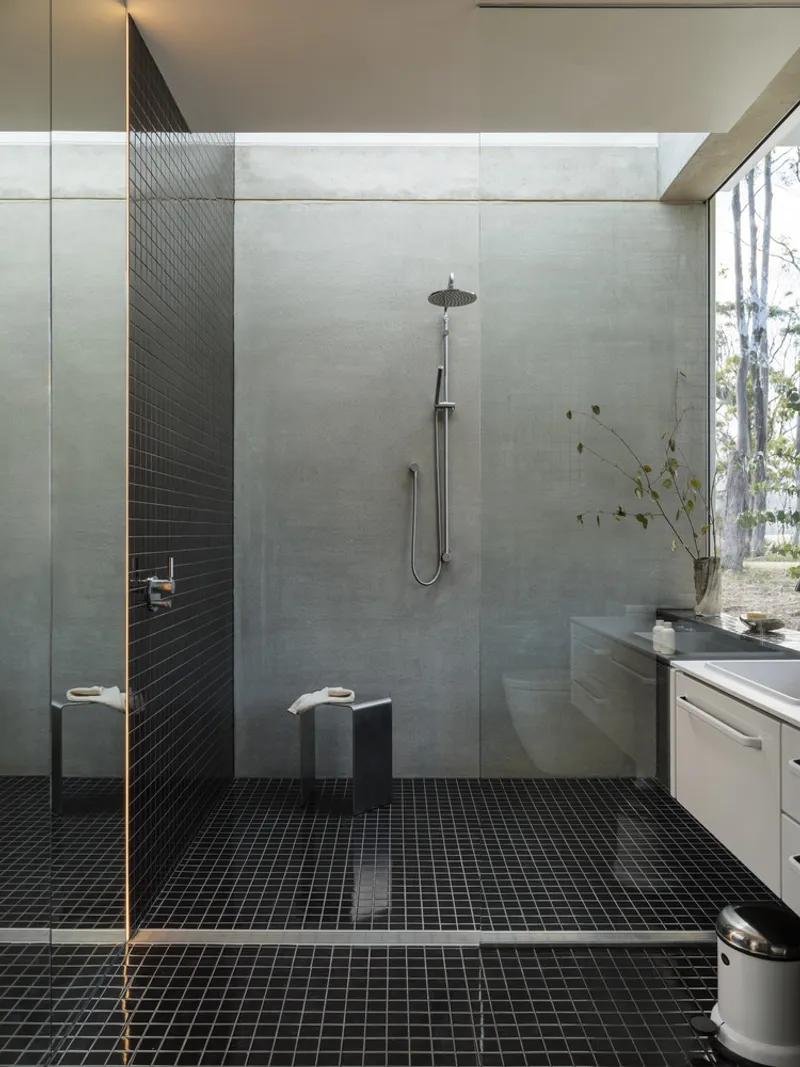
The Vipp Tunnel also incorporates a number of sustainable building materials. The use of concrete panels helps maintain a stable indoor temperature, reducing the need for additional heating or cooling systems. Underfloor heating and air conditioning ensure optimal comfort while minimizing energy consumption. Furthermore, the building is designed to operate on rainwater, with a careful construction process that minimizes its environmental impact by preserving the natural vegetation on-site.

Architecture That Promotes Connection to Nature
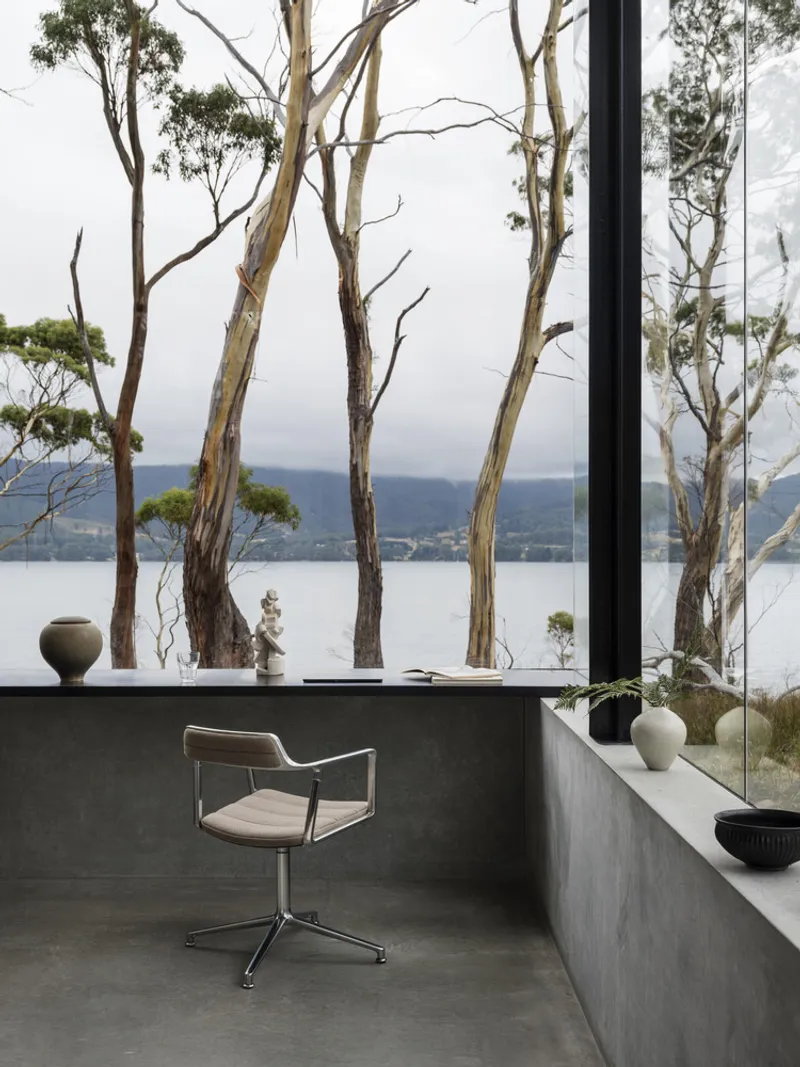
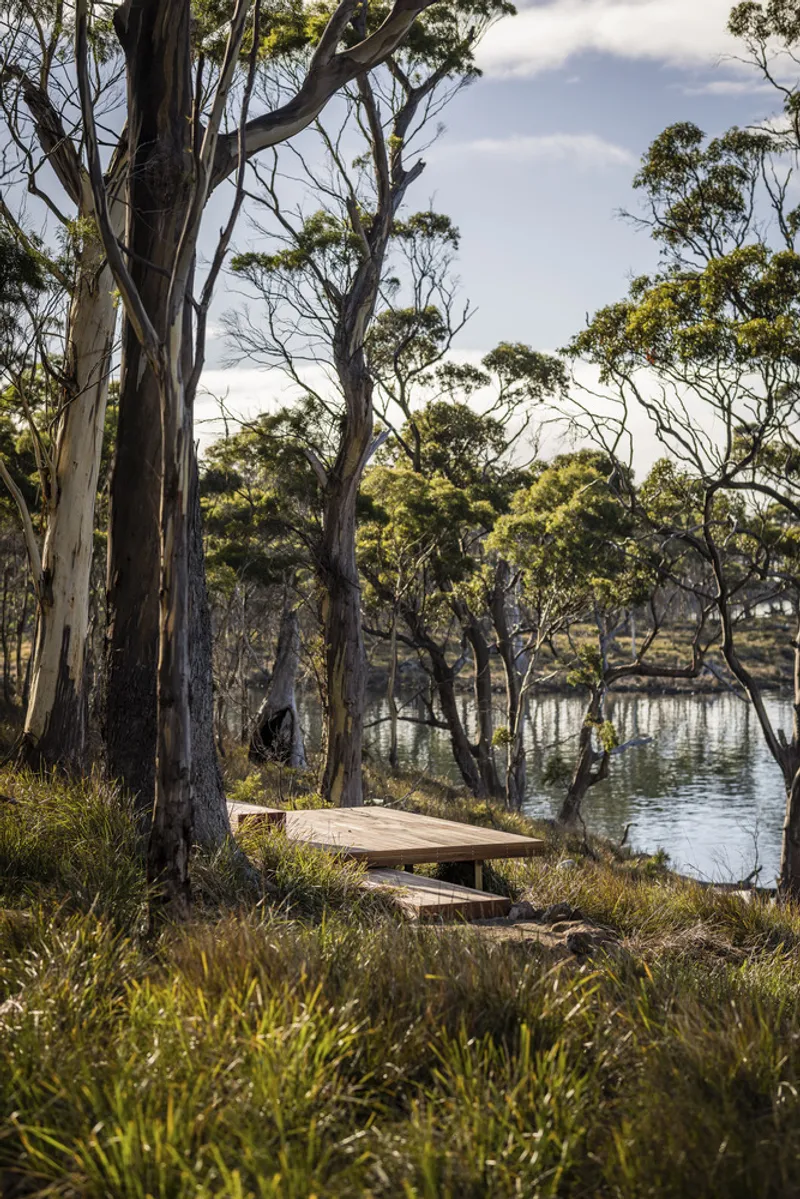
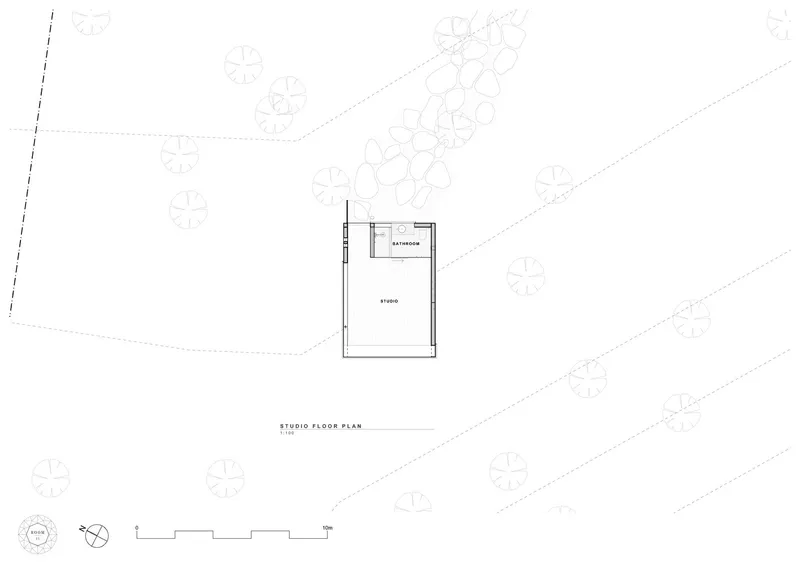
The design of the Vipp Tunnel encourages guests to slow down and reconnect with nature. The vast landscape of Bruny Island, with its lush flora and diverse wildlife, provides the perfect backdrop for reflection and relaxation. The guesthouse itself, with its expansive glass walls and open spaces, allows visitors to immerse themselves fully in the natural world. In addition, a separate 375-square-foot studio offers a serene escape, ideal for meditation or focused work, further enhancing the sense of calm and solitude.
Unique Interior Design: Danish Minimalism Meets Australian Nature
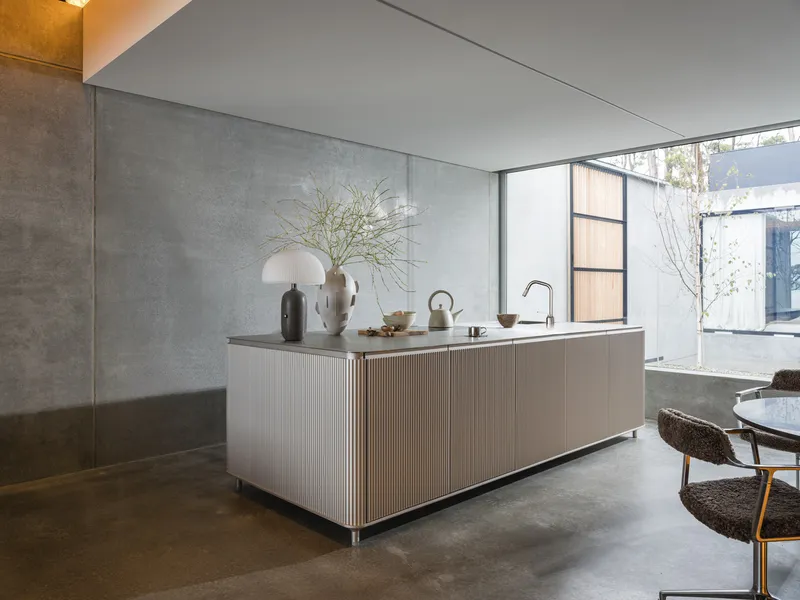
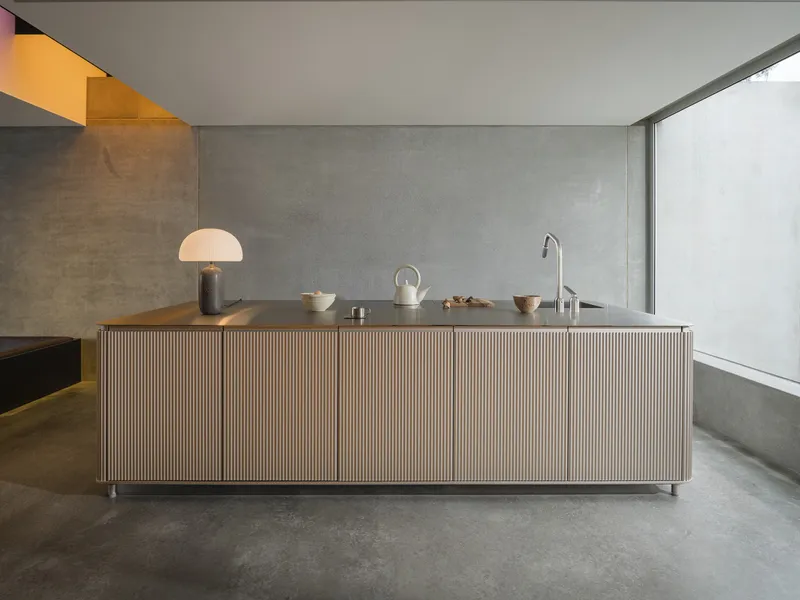
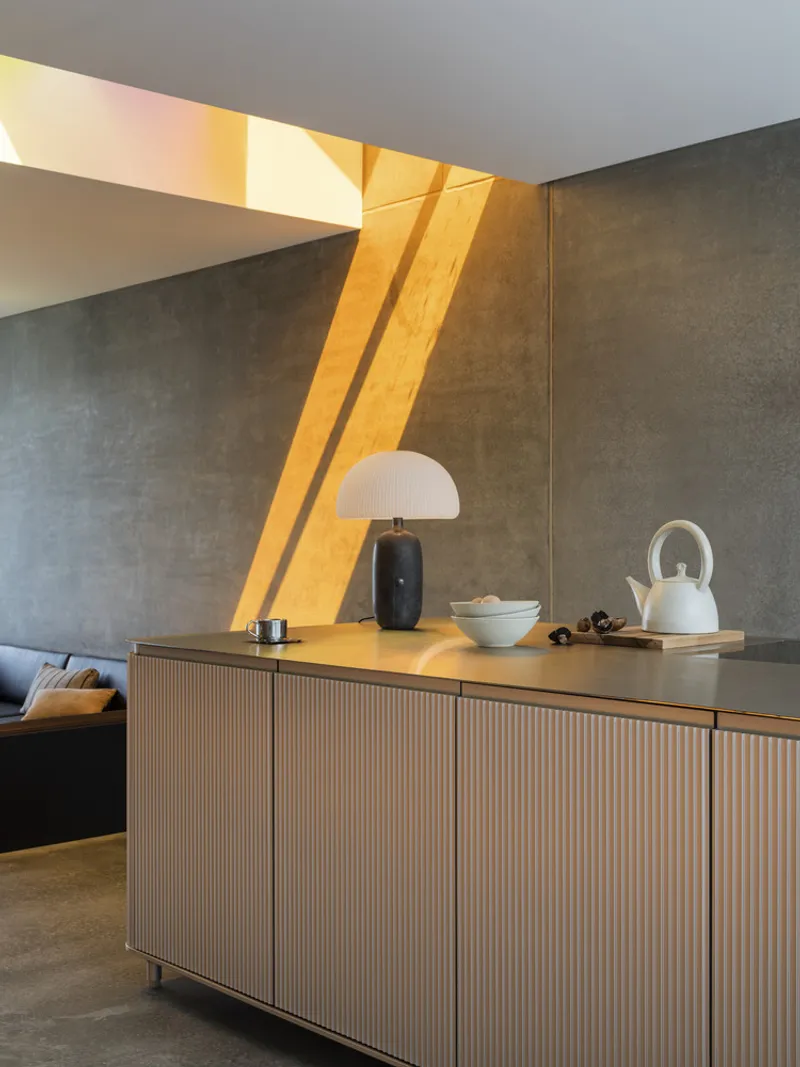
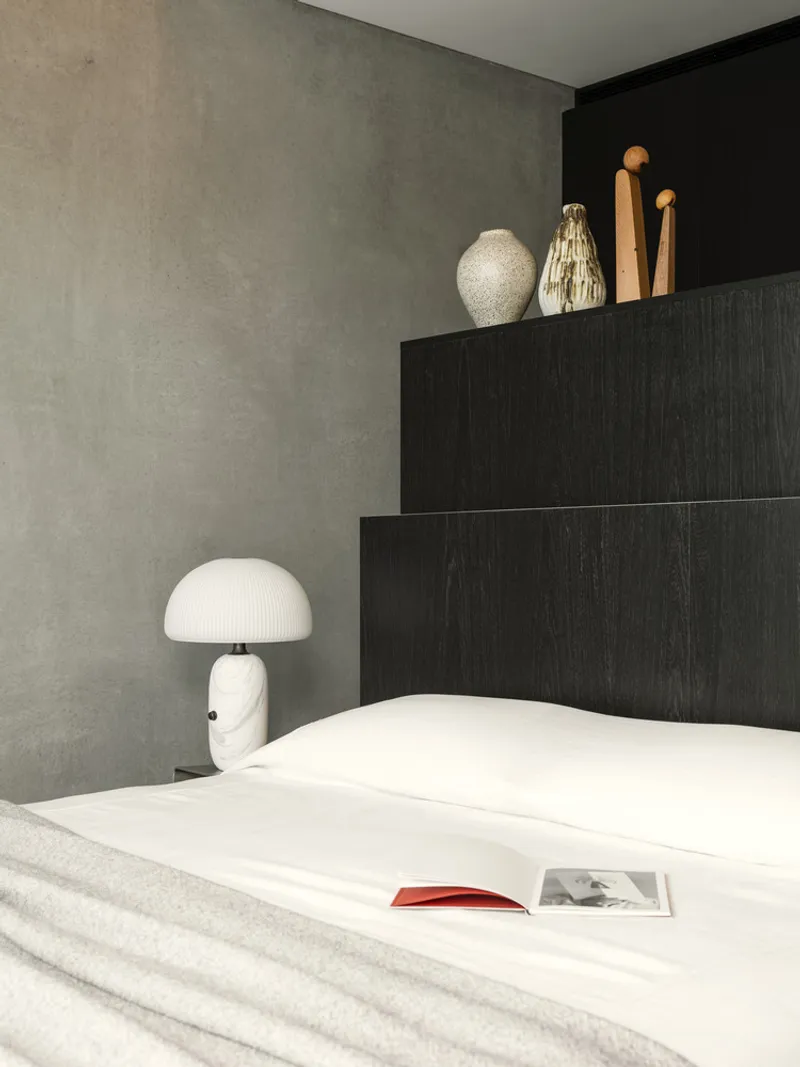
The interior design of the Vipp Tunnel blends Danish minimalism with the ruggedness of Australian nature. Danish design brand Vipp has outfitted the guesthouse with their signature V3 kitchen and furniture, creating a sophisticated yet understated atmosphere. The kitchen, with its sleek stainless steel counter and fluted aluminum doors, mirrors the building's architectural form and materiality.
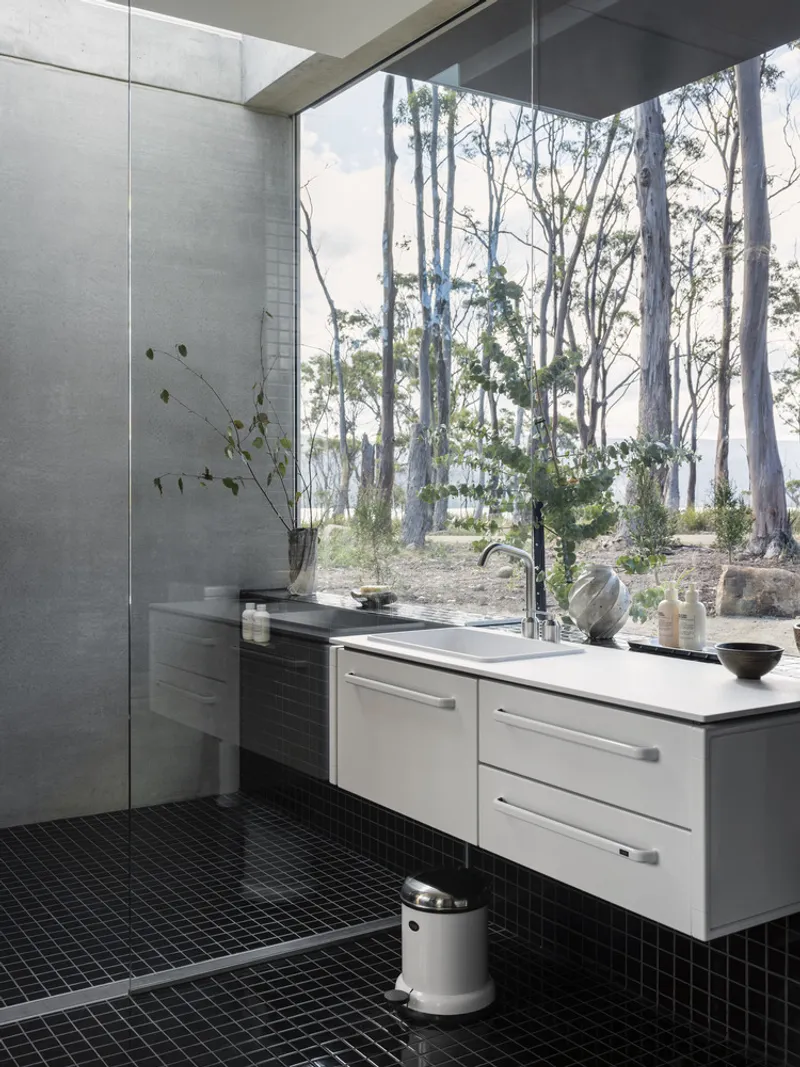

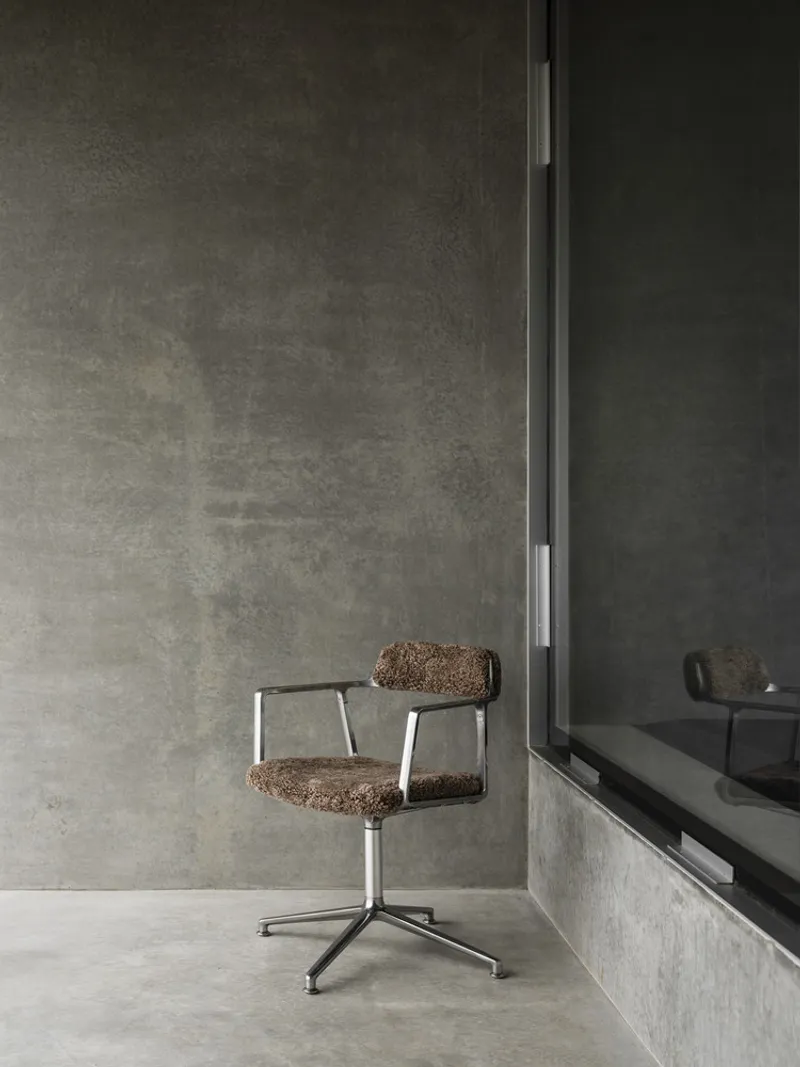
The furnishings, including Vipp Swivel chairs upholstered in Australian sheepskin, add a layer of warmth and elegance to the otherwise industrial space. The layout of the guesthouse includes an atrium yard, which separates the living area from the private sleeping quarters, providing a sense of privacy while maintaining a visual connection to the surrounding landscape.


A New Standard for Sustainable Architecture in Tasmania
The Vipp Tunnel guesthouse sets a new benchmark for sustainable architecture in Tasmania. It demonstrates how contemporary design can respect and enhance the natural environment while offering a comfortable, luxurious retreat. The building’s innovative energy solutions, minimal environmental footprint, and seamless integration with the Tasmanian landscape make it a model for future architectural projects. As an off-grid hideaway that merges design with sustainability, the Vipp Tunnel invites visitors to experience the raw beauty of Bruny Island in an entirely new way.

All Photographs are works of Adam Gibson, Courtesy of Vipp



Popular Articles
Popular articles from the community


Hill & Cross Opera: Sculptural Opera House Architecture Shaped by Tallinn’s Landscape and Identity
Hill & Cross Opera reimagines opera house architecture in Tallinn through its sculptural hill, civic plaza, glass wave and a luminous cross.

Co-Life: Senior Housing Design That Reconnects Older Adults With the City
Co-Life reimagines senior housing design through healing gardens, shared streets, workshops, and a sustainable community across generations.

The Musturak Paradise: Senior Living Architecture for a Connected Future in Temara, Morocco
The Musturak Paradise reimagines senior living architecture in Temara via private homes, social spaces, culture, community, and shared care.

Riyadh For All: Intergenerational Urban Design for Active Aging in Rabat
Riyadh For All reimagines urban design in Rabat with intergenerational co-living, adaptive courtyards, and Moroccan cultural exchange today.


Similar Reads
You might also enjoy these articles


Hodi-Mandai Geram
Project Function: Preservation and revitalization of the Intangible heritage and socio-spatial identity of the Hodi by Housing, Cultural Memory Center, Sacred Grove, landscape, local tourism economy


Olio Towers: A Mid-Rise for Performers That Fuses Housing, Rehearsal, and Stage
Located blocks from Houston's Theater District, this modular tower stacks living units around a central performance atrium.

Oasis: Modular Green Housing Carved into Dhaka's Urban Fabric
A shortlisted Plugin Housing entry reclaims unauthorized settlements in Dhaka with stepped concrete volumes, green roofs, and ventilation-driven design.

Black Hole: A Floating Megastructure for the Post-Physical Era
Emiliano Mazzarotto envisions a spherical, self-scaling arena where e-sports, digital hotels, and holographic stadiums replace traditional public space.


Explore Architecture Competitions
Discover active competitions in this discipline



Challenge to reimagine the Iron Throne


Photograph architecture without architects


Illustrate the lost glory of Angkor Wat - Render Challenge


Design challenge to reuse E-waste
Comments (0)
Please login or sign up to add comments
No comments yet. Be the first to comment!