

Wall House by EZ Studio: A Modern Interpretation of Persian Architecture in Esfahan
Wall House by EZ Studio in Esfahan blends modern design with Persian architecture, featuring layered walls, courtyards, natural light, and transitional spaces.


Nestled on a 1,000 m² plot just 24 kilometers northeast of Esfahan, Wall House by EZ Studio is a striking example of contemporary residential architecture that seamlessly blends modern design with Persian architectural traditions. Overlooking the serene Zyandehrood River, this 350 m² duplex was commissioned for a family of four, designed to integrate privacy, connectivity, and a profound sense of place within a historic rural landscape.
The site in Kaaj village is rich with heritage, featuring remnants of an Ilkhanid-era mosque and a ruined residential fortress, inspiring the project’s central theme: a wall that bridges history and contemporary life.
Architectural Concept: The Wall as Connector
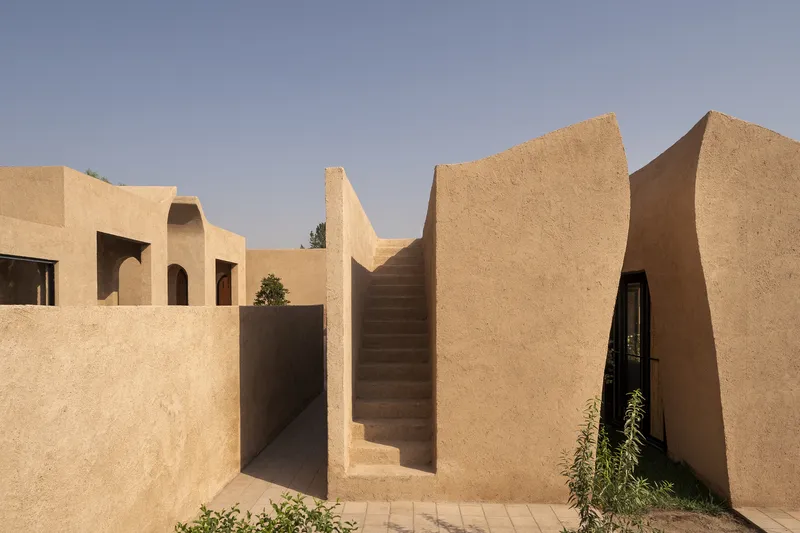
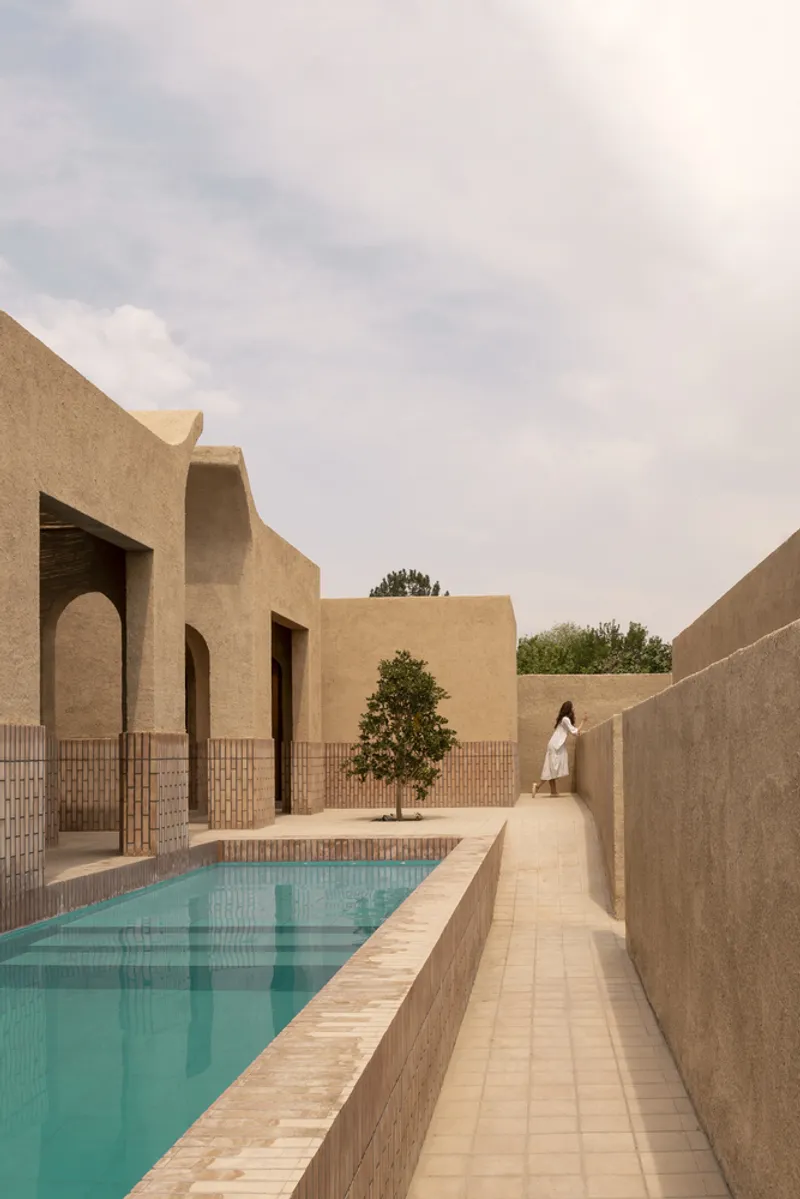
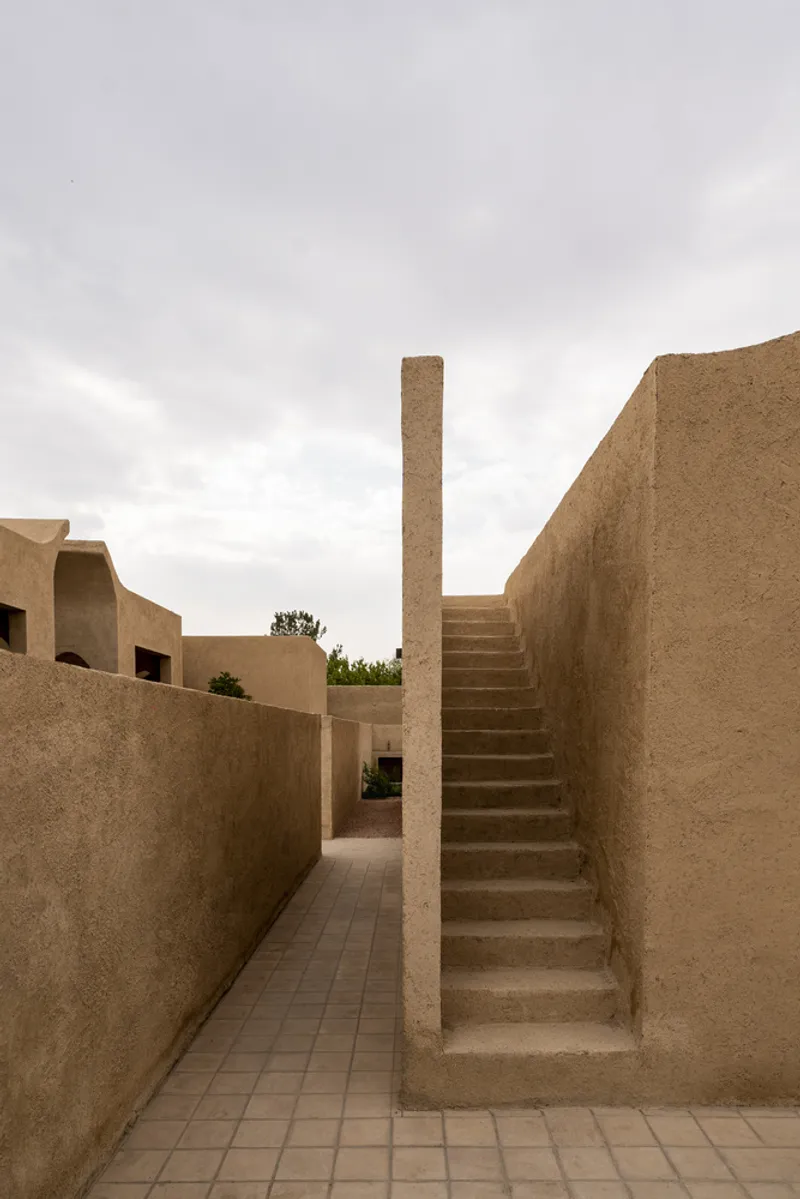
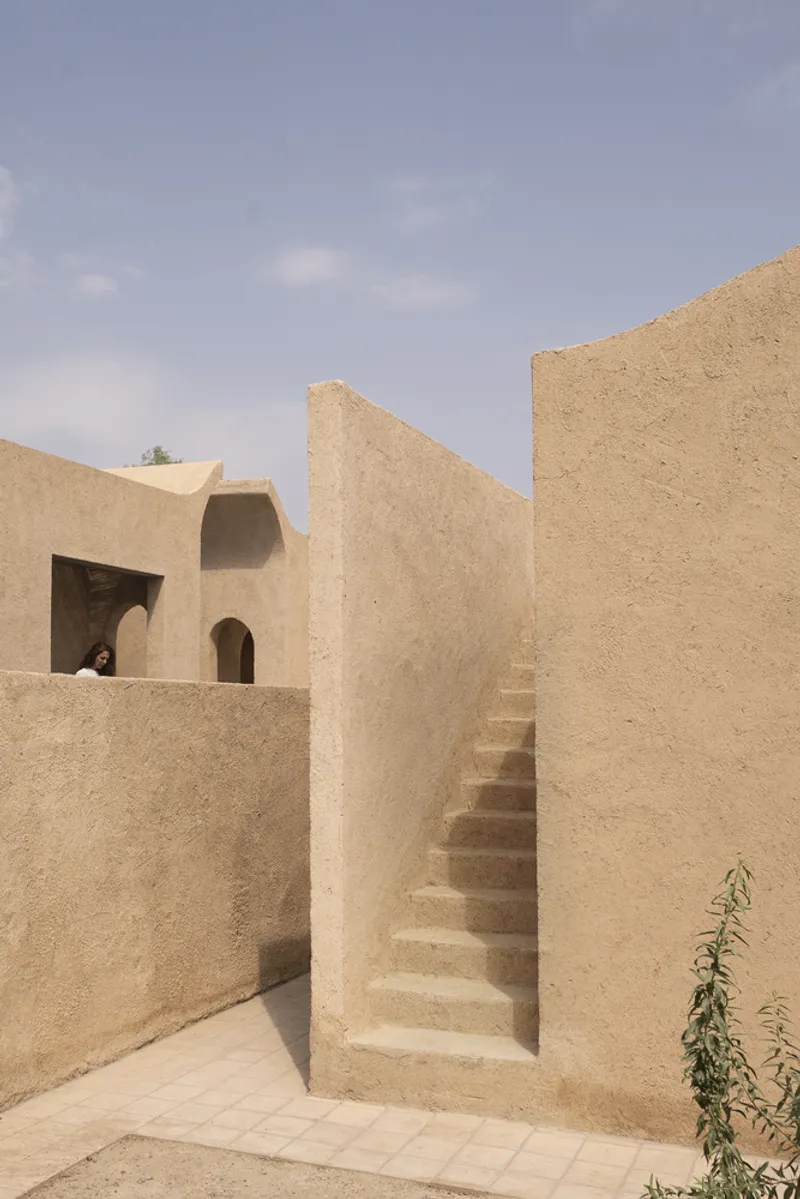
At the heart of Wall House lies a central wall, the symbolic and physical spine of the home. Rather than merely dividing space, this wall transforms into a dynamic connector, shaping both public and private zones. It becomes a chronicler of life, capturing stories of love, joy, and introspection, while guiding movement through the home.
The design concept expands traditional ideas of enclosure. The wall is not simply a structural element; it evolves into a spatial organizer, defining thresholds and transitional zones that blur boundaries between rooms and courtyards. Each layer of the wall creates a unique spatial experience, inviting inhabitants to move through interstitial spaces and moments of liminality, turning mundane transitions into reflective journeys.
Spatial Layout and Design Features
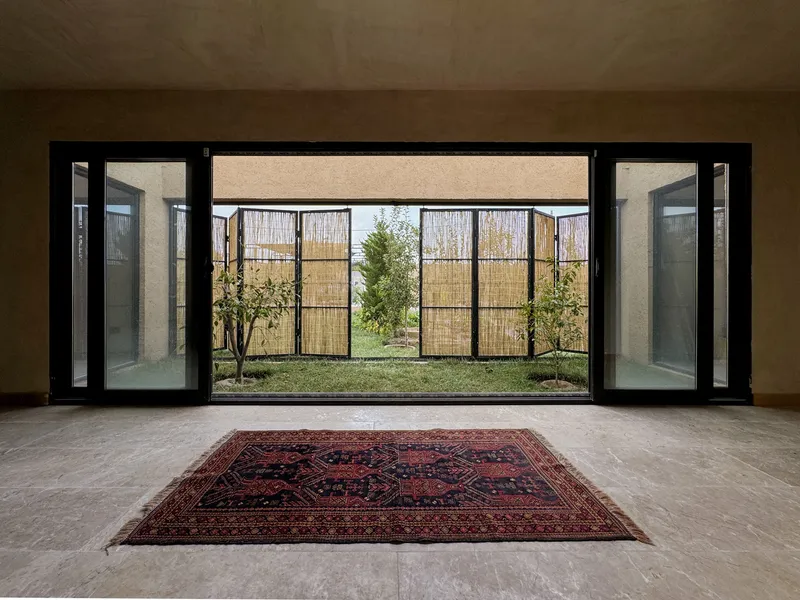
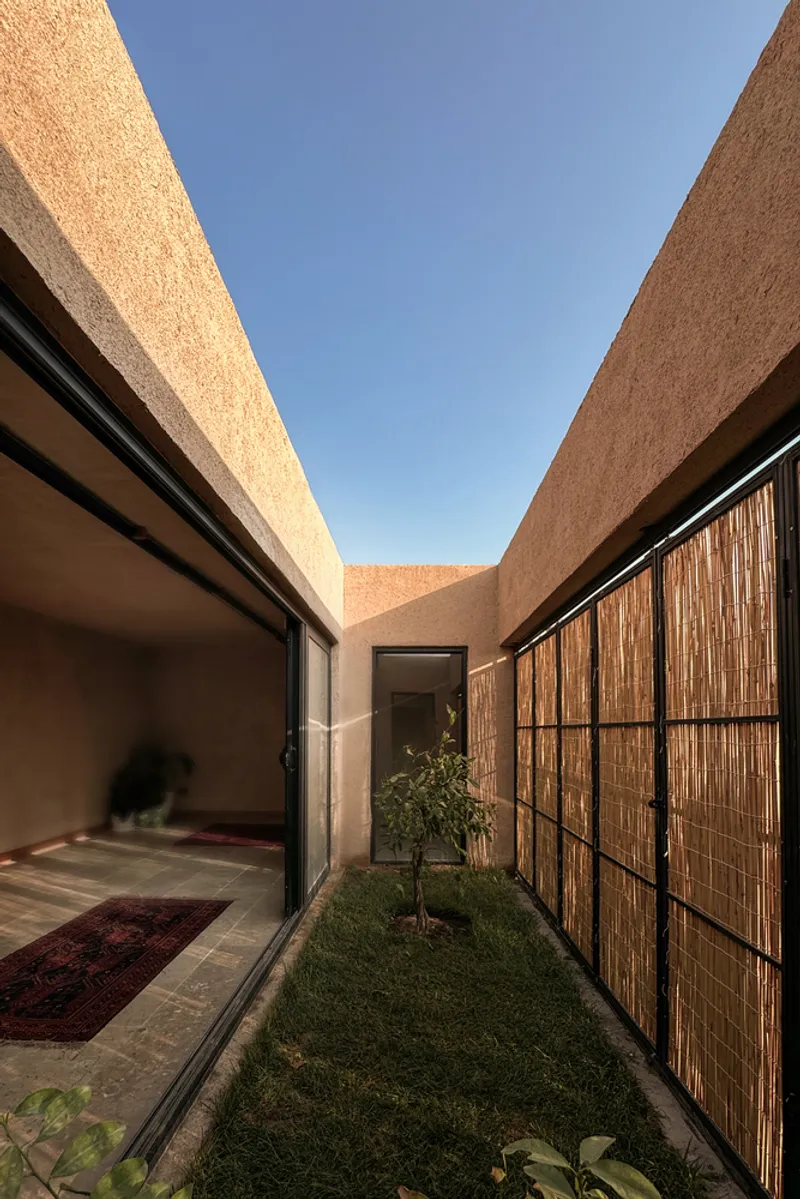
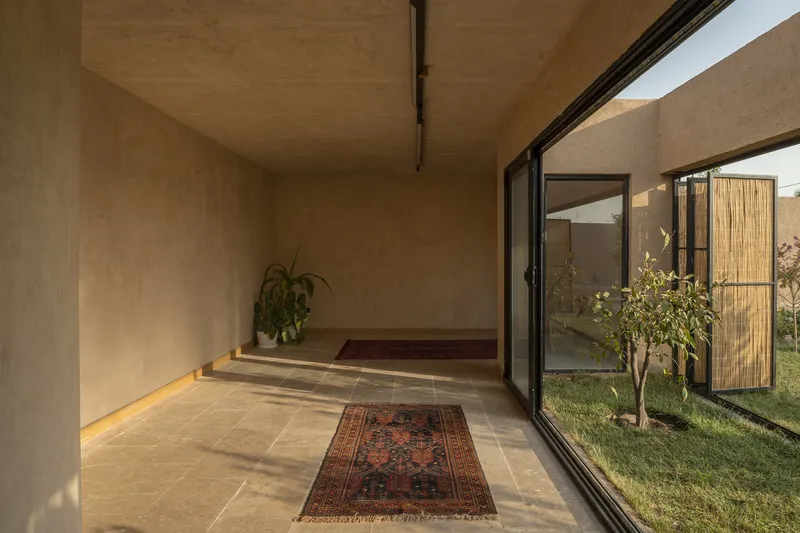
Wall House features a thoughtful layout including three master bedrooms, a sunroom, a living area, and climatic courtyards. The architectural layers around the central wall activate interior spaces, with gaps in the wall serving as transitional thresholds. These spaces are neither fully inside nor outside but exist in-between, creating a dynamic interplay between interior and exterior realms.
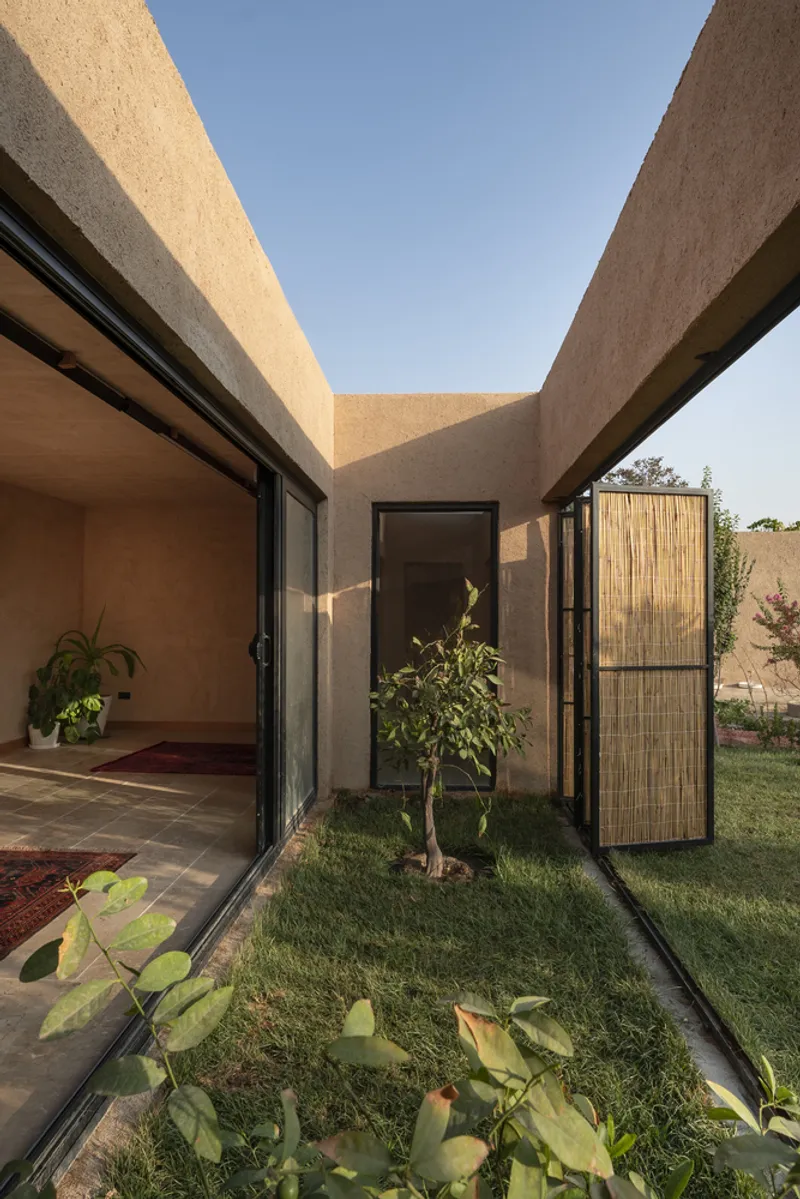
The home fosters both privacy and social connection. Transitional zones encourage spontaneous interactions and moments of contemplation, while the interplay of walls and open spaces provides a seamless flow between communal and secluded areas.
Persian Influences and Materiality
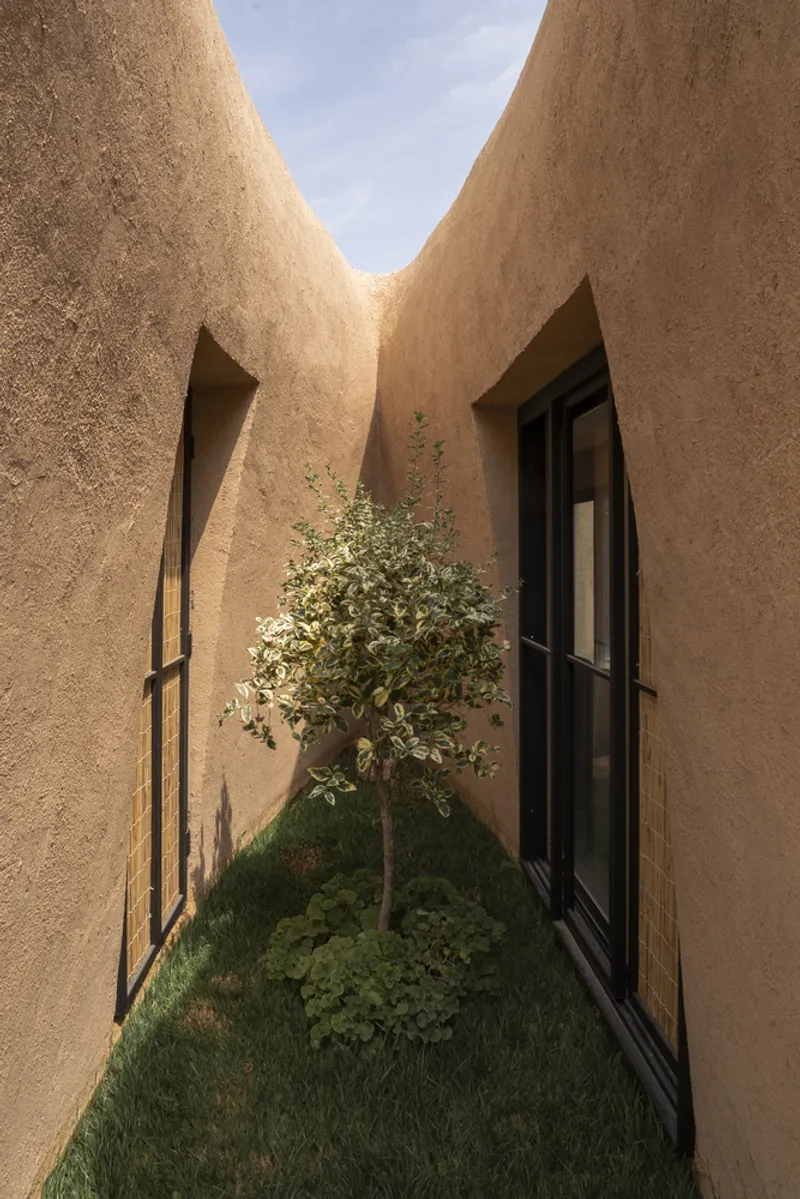
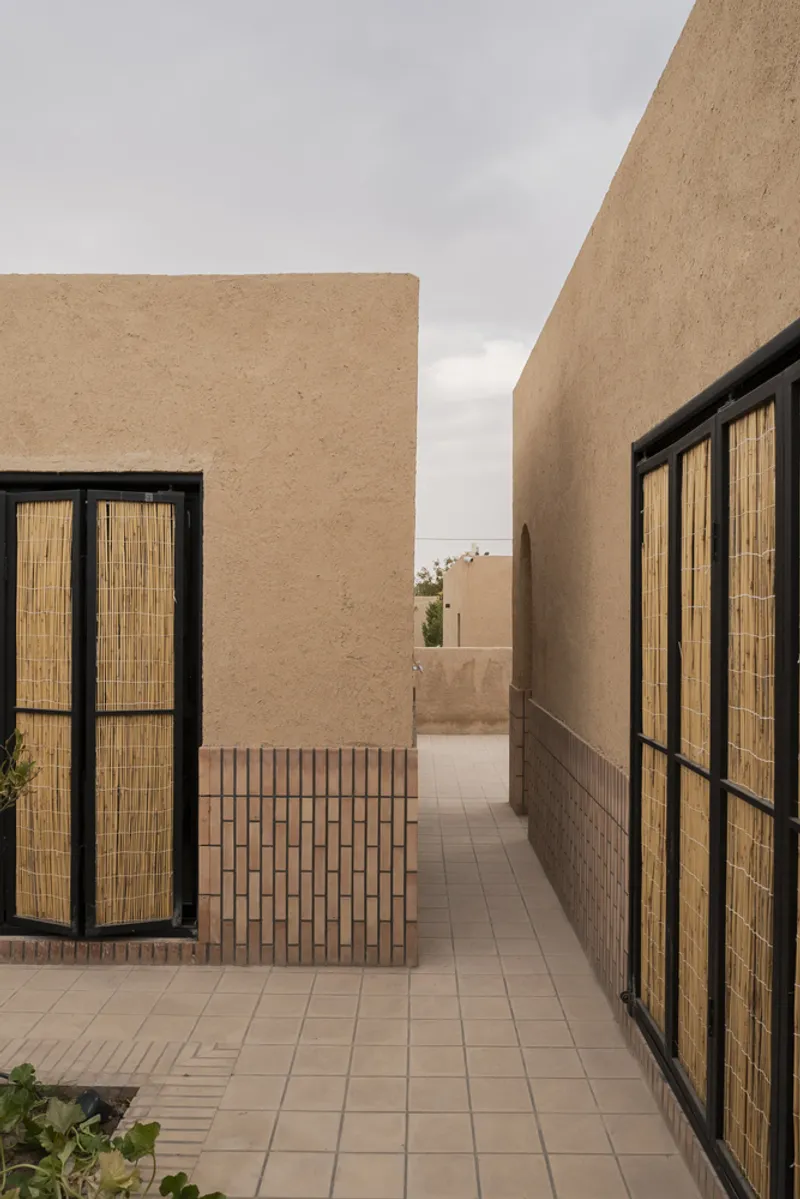
The house incorporates arched ceilings and courtyard spaces, drawing inspiration from Persian vernacular architecture. These elements enhance natural lighting, cross-ventilation, and spatial fluidity. Externally, the monolithic structure uses earth-toned walls, reflecting the palette of its surrounding landscape and traditional Persian construction methods.
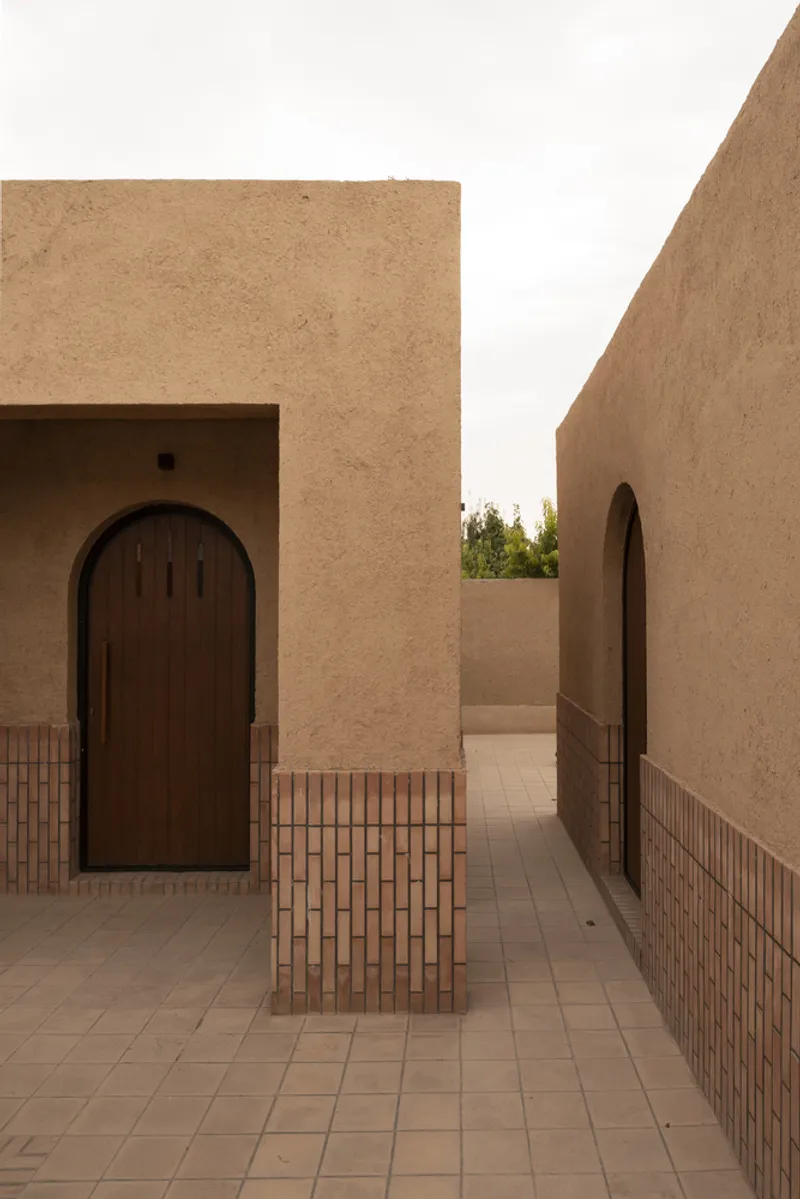
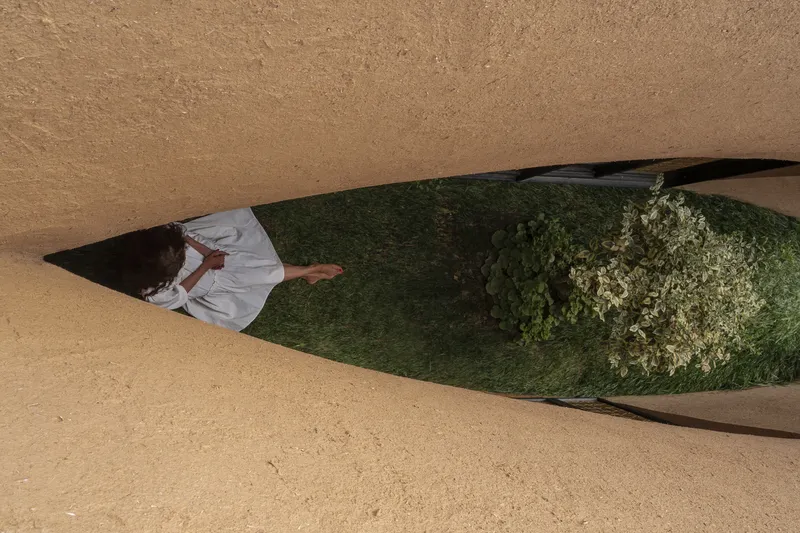
The material selection emphasizes harmony with nature, with textural brickwork, subtle color variations, and warm-toned furnishings creating an interior ambiance that evokes serenity and introspection.
All photographs are works of Ali Gorjian


Popular Articles
Popular articles from the community


David Macias Steps a Doorless Stone and Plaster House Down a Tropical Colombian Hillside
In the humid hills of Colombia, Threshold House replaces the front door with an open void and terraces its 850 m² down the slope instead of fighting it.

Juan García Correa, John González and Claudia Rueda Sink a Circular Amphitheater into a Manizales Engineering Building
On the La Nubia campus in Manizales, Colombia, the S1 Building folds labs and offices into a hillside of ramped lawns that double as a campus route.

Architekt Andreas Gruber Scatters 23 Dark Timber Chalets Across a South Tyrolean Forest Edge
In Molini di Tures, Amonti Chalets breaks a resort into a hamlet of gabled timber houses, with parking, storage and services pushed into the slope.

GROUP A Strips a 1969 Rotterdam Harbor Headquarters to Its Frame and Wraps It in Timber Louvers
In Rotterdam's M4H harbor district, Ferro Offices reuses a 1969 frame, adds one timber storey and reaches BREEAM-NL Outstanding.

Similar Reads
You might also enjoy these articles


Hodi-Mandai Geram
Project Function: Preservation and revitalization of the Intangible heritage and socio-spatial identity of the Hodi by Housing, Cultural Memory Center, Sacred Grove, landscape, local tourism economy


Olio Towers: A Mid-Rise for Performers That Fuses Housing, Rehearsal, and Stage
Located blocks from Houston's Theater District, this modular tower stacks living units around a central performance atrium.

Oasis: Modular Green Housing Carved into Dhaka's Urban Fabric
A shortlisted Plugin Housing entry reclaims unauthorized settlements in Dhaka with stepped concrete volumes, green roofs, and ventilation-driven design.

Black Hole: A Floating Megastructure for the Post-Physical Era
Emiliano Mazzarotto envisions a spherical, self-scaling arena where e-sports, digital hotels, and holographic stadiums replace traditional public space.

Explore Persian Architecture Competitions
Discover active competitions in this discipline

Challenge to reimagine the Iron Throne

Photograph architecture without architects

Illustrate the lost glory of Angkor Wat - Render Challenge

Design challenge to reuse E-waste
Comments (0)
Please login or sign up to add comments
No comments yet. Be the first to comment!