

Whidbey Uparati House by Wittman Estes: A Meditative Retreat in Nature
Whidbey Uparati House by Wittman Estes is a meditative retreat on Whidbey Island, designed for stillness and environmental harmony.


A Harmonious Blend of Architecture and Landscape
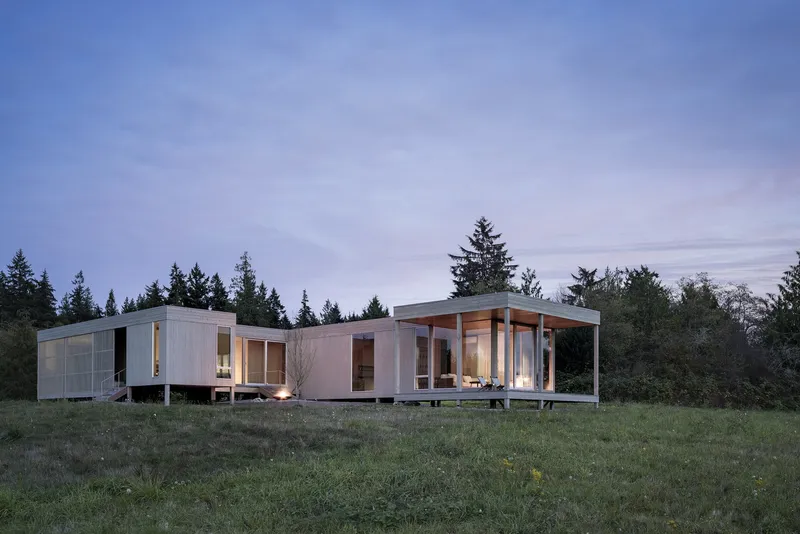
Whidbey Uparati House, designed by Wittman Estes, is a serene retreat nestled in the natural expanse of Whidbey Island, Washington. The 1,880-square-foot residence hovers above a meadow, offering an architectural response to its environment that prioritizes minimal impact and deep integration with nature. Named after the Sanskrit term "uparati," meaning "stillness," the home is a sanctuary designed for meditation, family bonding, and escape from urban life.
Thoughtful Site Integration and Architectural Vision
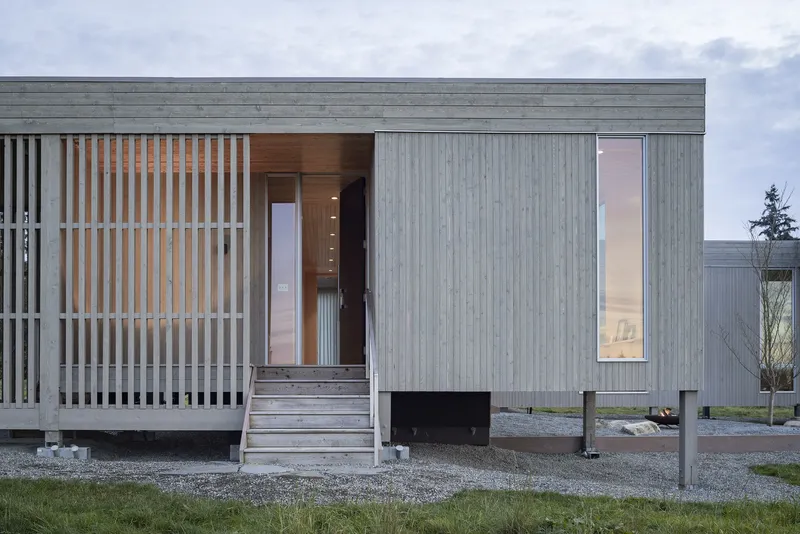
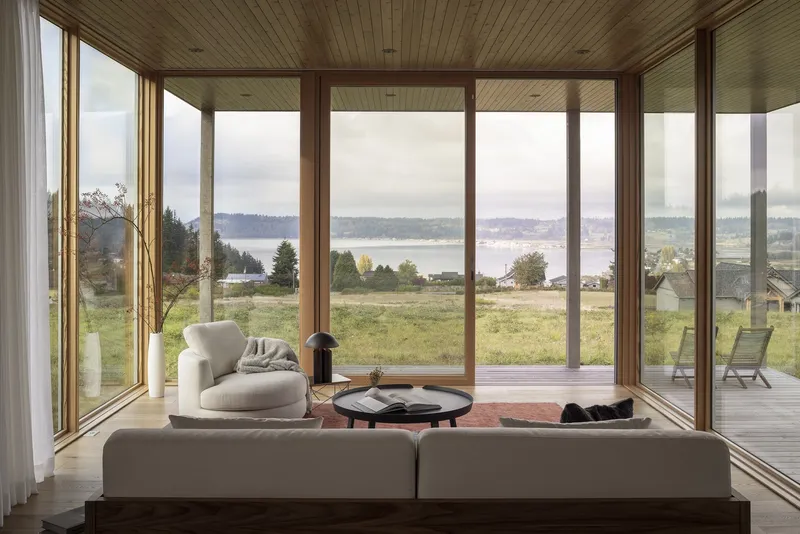
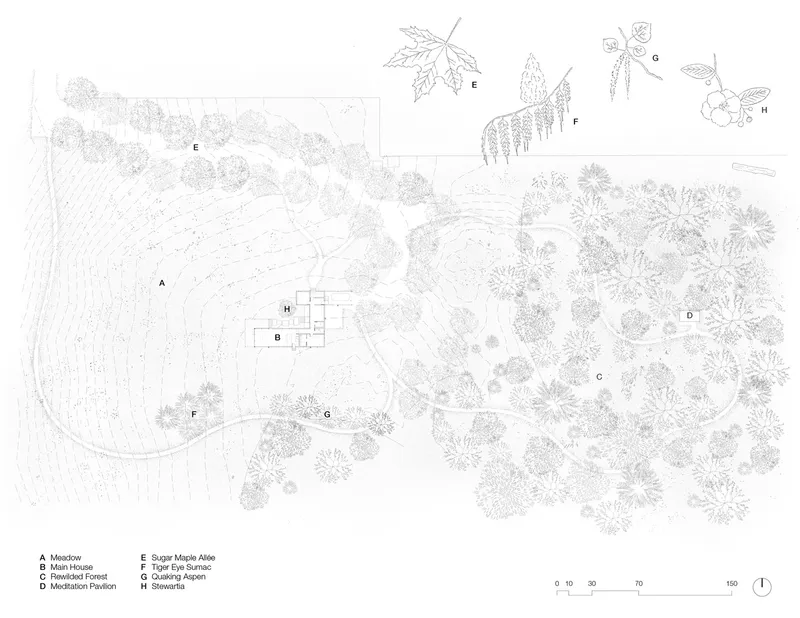
The home sits on the highest point of a five-acre lot, providing panoramic views of Useless Bay and the Olympic Mountains. Its muted cedar-clad exterior allows it to blend seamlessly into the meadow grasses, creating a visual dialogue with the landscape. A winding path lined with native vegetation, including Blue Oat Grasses and Flowering Sage, leads visitors through the site, enhancing the home's connection to its surroundings.
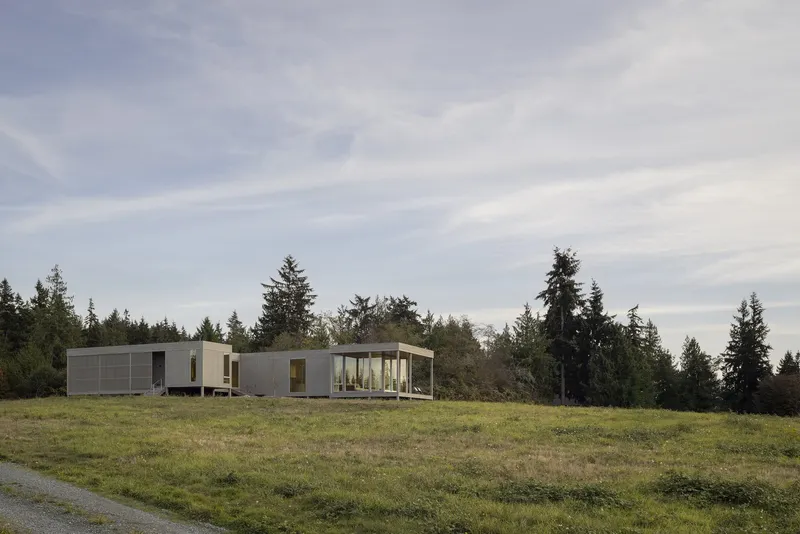
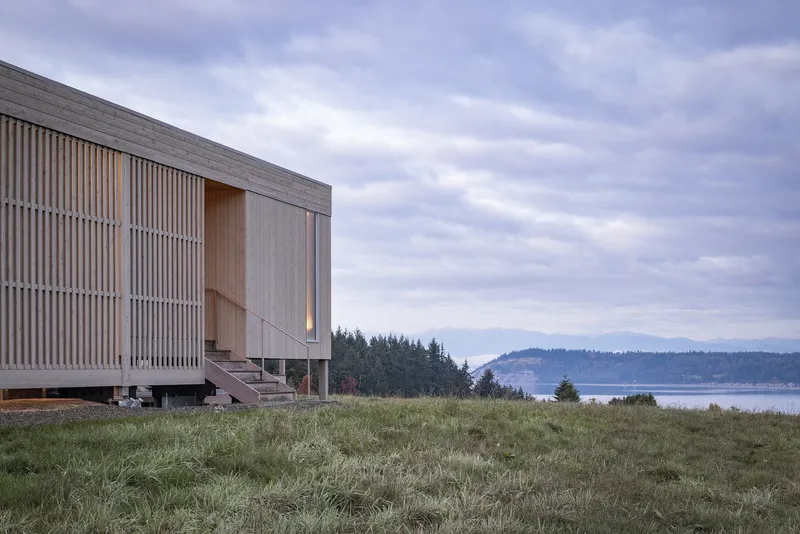
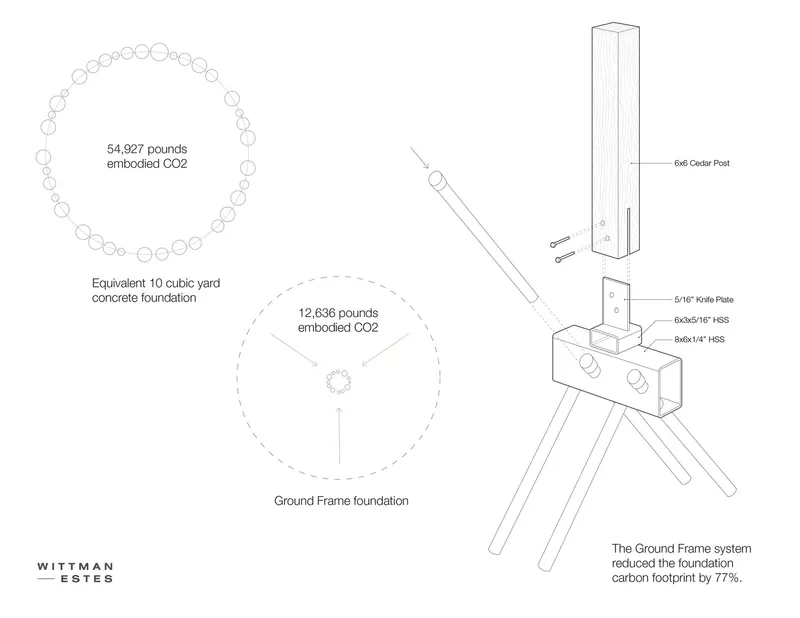
To minimize environmental disruption, the structure is elevated above the land using a Ground Frame foundation system. This micropile technology replaces traditional concrete, reducing the building’s carbon footprint by 77% while structurally anchoring the home like natural tree roots. The approach aligns with Wittman Estes' vision of "rewilding" the site by removing invasive species and restoring the surrounding forest.
A Courtyard Layout That Fosters Tranquility
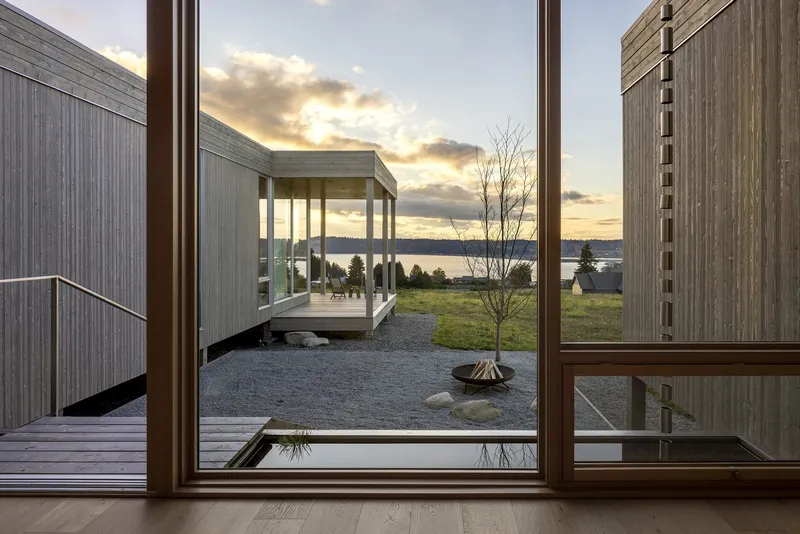
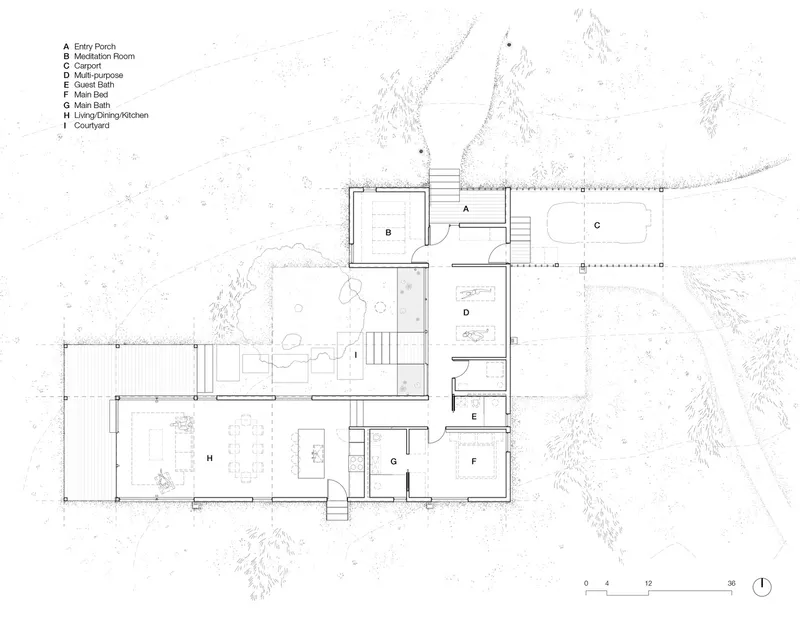
The home’s courtyard configuration enhances its meditative atmosphere. A crushed granite patio at the center features a reflecting pool, a fire pit, and a singular Stewartia tree, reinforcing the theme of stillness and contemplation. The home’s transparency invites natural light while creating an effortless transition between indoor and outdoor spaces.
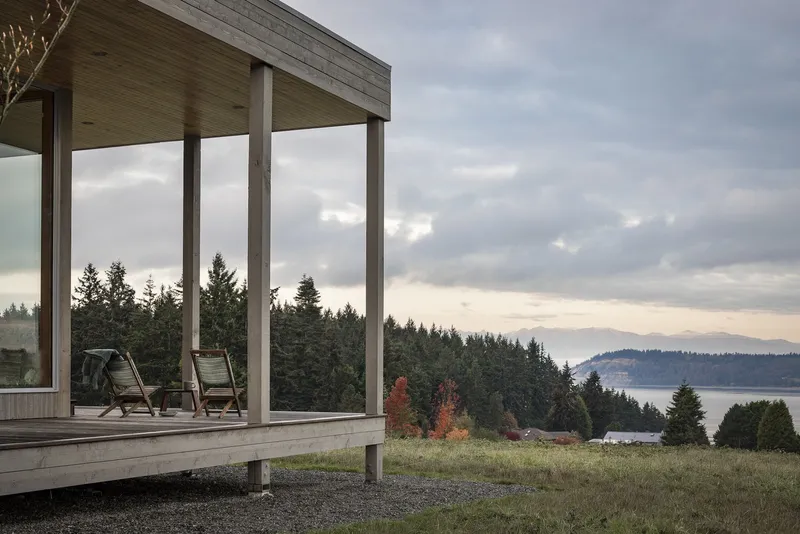
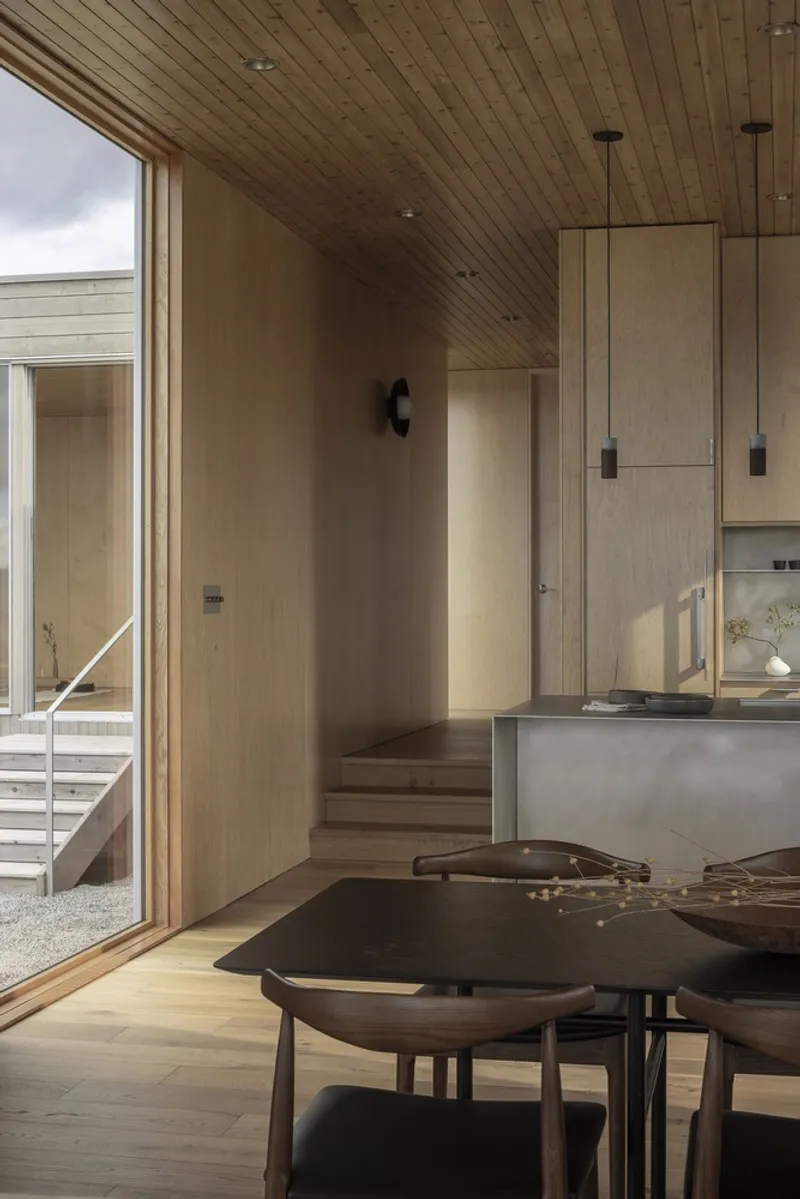
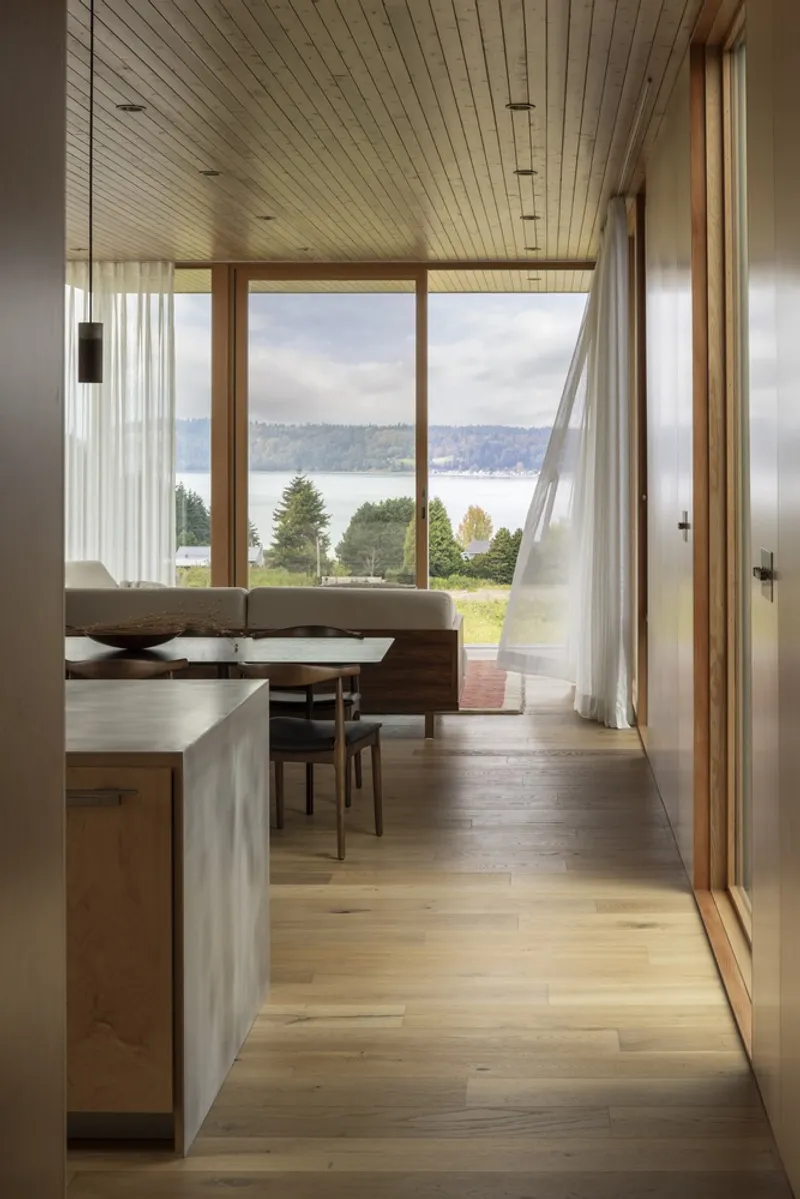
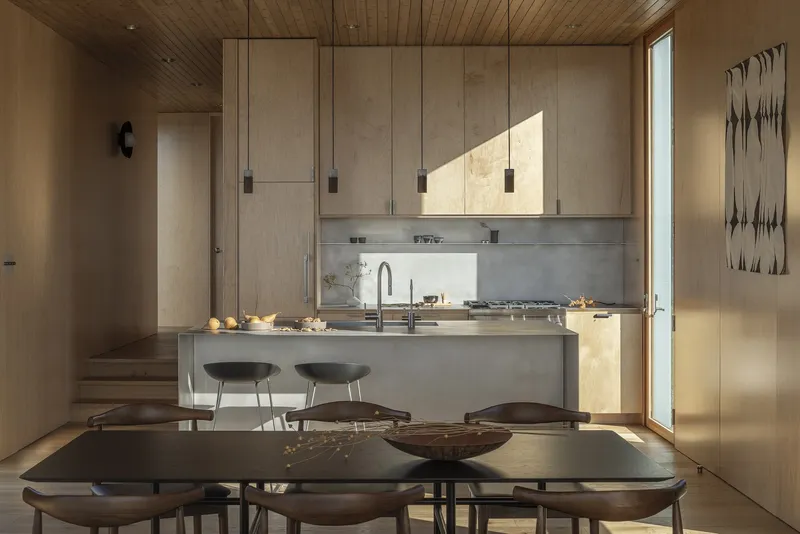
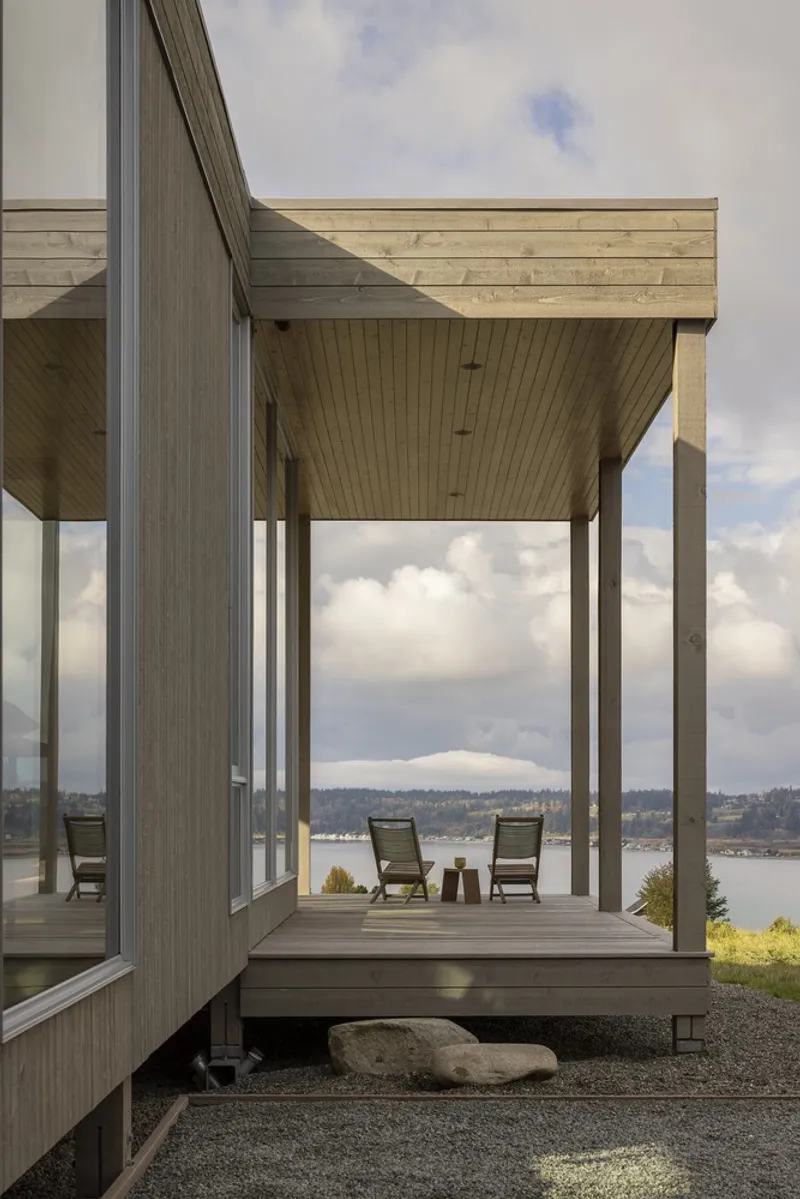
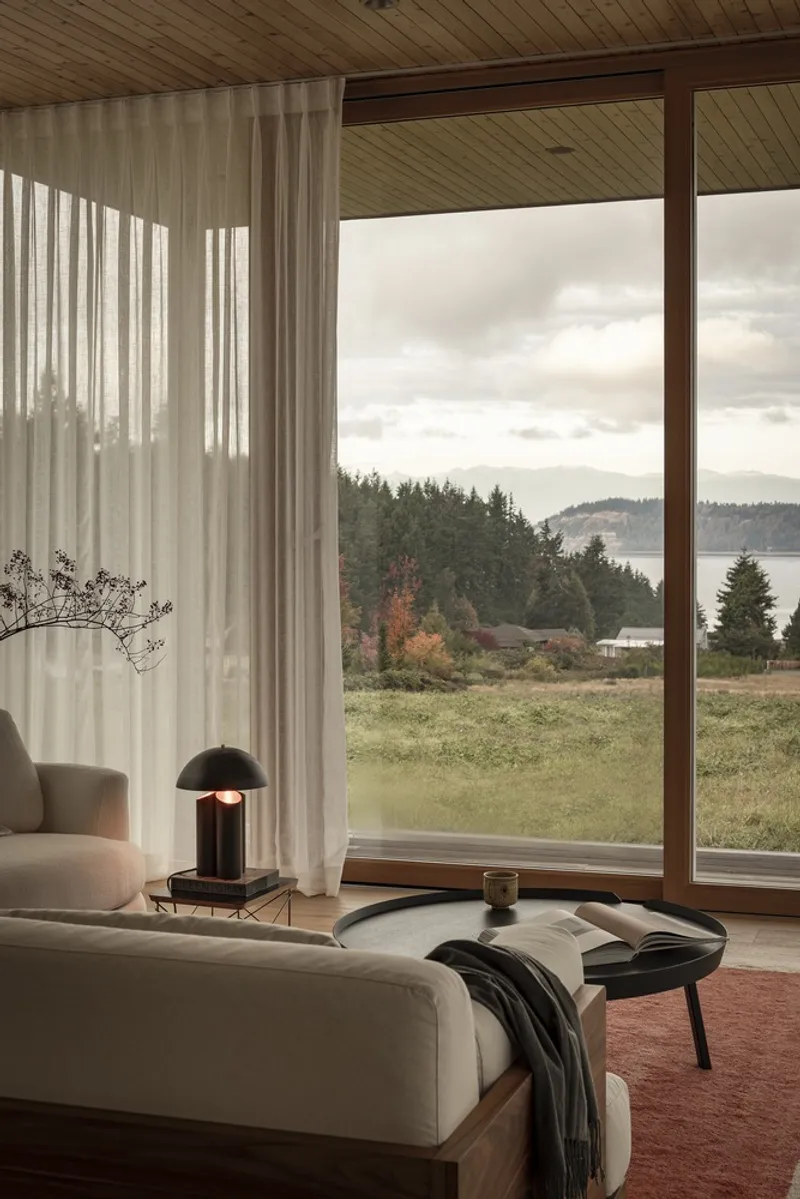
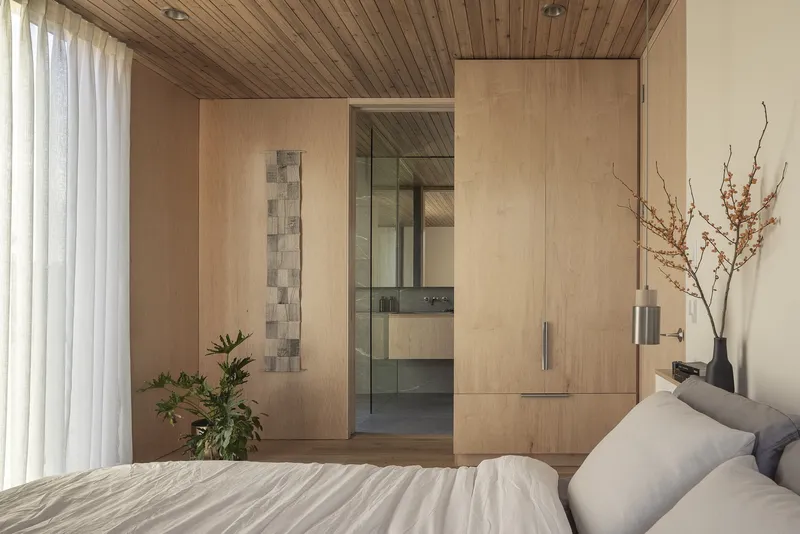
The interior layout consists of two bedrooms, two bathrooms, a multi-purpose room, and an open living room and kitchen. Floor-to-ceiling windows frame the breathtaking views, fostering a deep sense of connection with nature. A west-facing deck extends the living space, offering a place to enjoy the shifting colors of the landscape throughout the day.
Simplicity in Design and Sustainable Construction
Wittman Estes approached the project with an emphasis on cost-effective, sustainable design. The home follows a simple wood framework based on a 4-foot grid, with floors and roofs constructed using off-the-shelf TJIs spanning structural columns at rational 12-foot and 16-foot intervals. This efficient construction method reduced building costs and streamlined the timeline while maintaining a refined aesthetic.
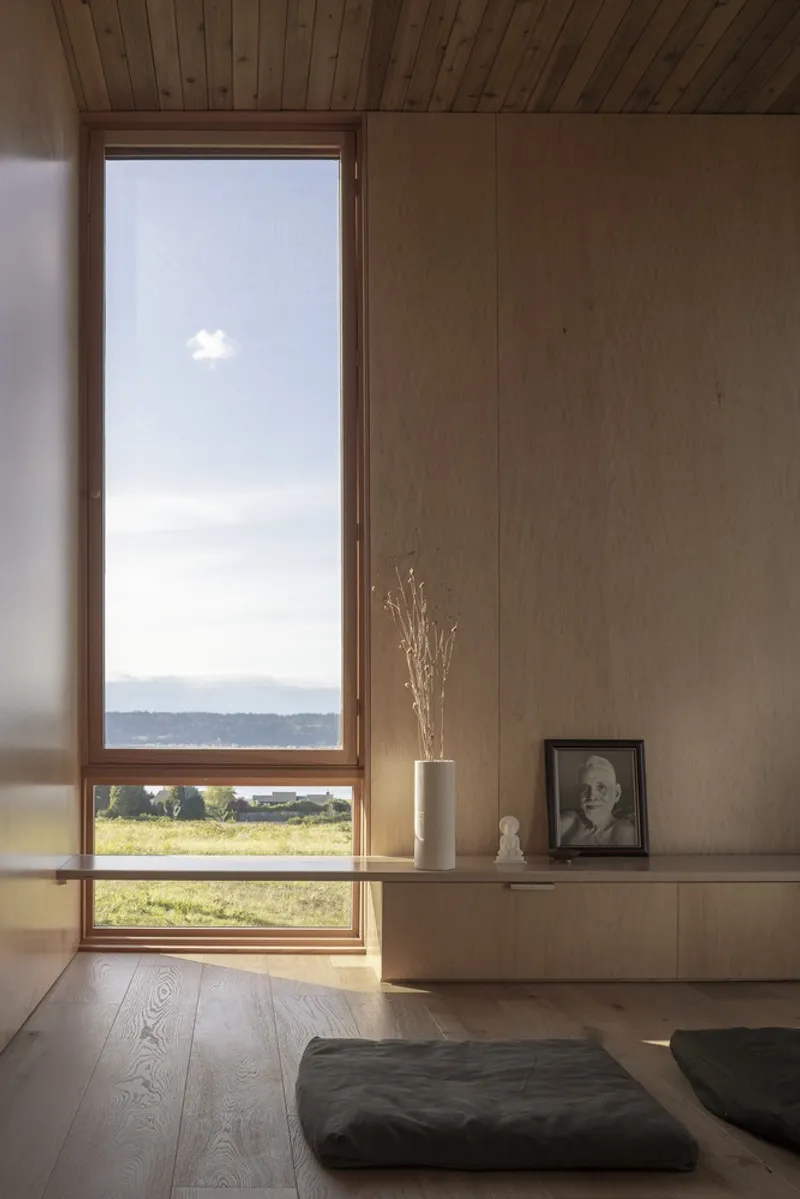
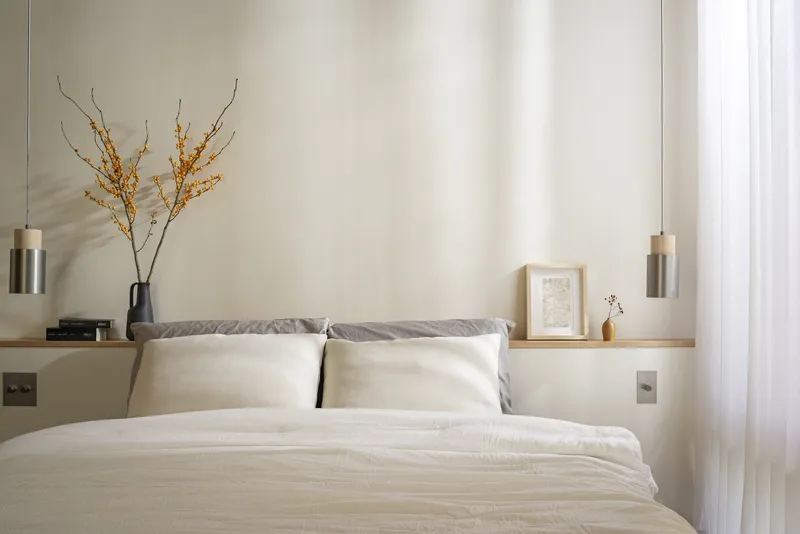
The interiors celebrate the natural beauty of wood, incorporating plywood walls, a cedar tongue-and-groove ceiling, and white oak flooring. Neutral tones dominate the palette, allowing the homeowners’ personal objects to add warmth and character. Inspired by the visual storytelling of cinematographer Roger Deakins, the home's design creates dynamic light and shadow compositions, transforming the perception of each space throughout the day.
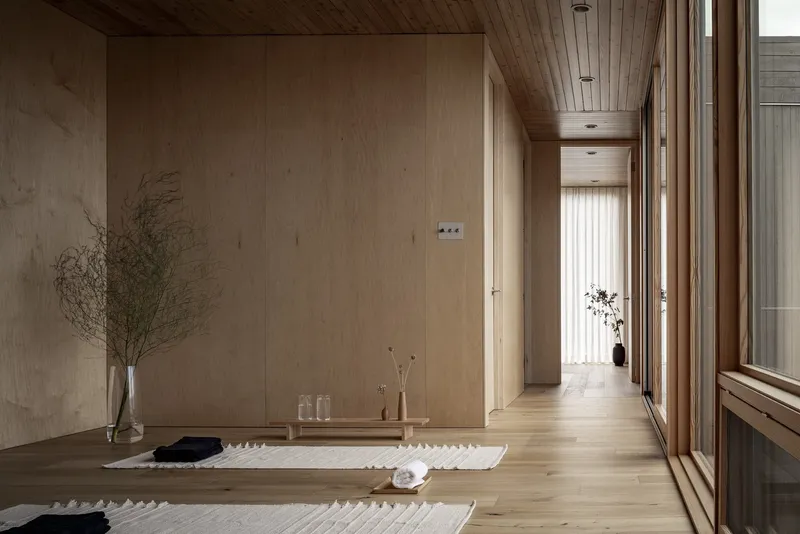
A Cinematic and Meditative Experience
The journey to the Whidbey Uparati House itself is an experience in stillness. Arriving via the Mukilteo-Clinton ferry, homeowners transition from the urban energy of Bellevue to the tranquil landscapes of Whidbey Island. The winding driveway ascends through layers of meadow vegetation before culminating in a series of entry stairs that elevate them to the home’s highest point. The moment of arrival is marked by a compressed entry ceiling that then opens into the spacious living area, heightening the experience of space and openness.

Future expansions of the site include a meditation pavilion nestled within the forest, further enhancing the home’s purpose as a retreat for contemplation and introspection.

A Home That Listens to Nature
Whidbey Uparati House is an architectural embodiment of stillness, designed to let nature take center stage. Its material restraint, sustainable foundation, and immersive landscape design create a tranquil refuge where occupants can attune themselves to the rhythm of the natural world. In a space that speaks softly, one can hear the profound voice of nature.

All photographs are works of Andrew Pogue


Popular Articles
Popular articles from the community


Cube Design Draws an Ecological Corridor Between Two Shenzhen Hills with the Nankai Building
Beside Shenzhen's container docks, the Nankai Building pairs stacked balconies with a climbing green screen to connect two hillsides across its height.


Singing Woman: An Opera House That Performs Before the Curtain Rises
Ovidiu Cristian Pavel's conceptual opera house translates Estonia's choral identity into a sculpted waterfront landmark facing the Baltic Sea.

graciastudio Turns a Viewless Tijuana Lot Inward Around a Courtyard of Concrete, Timber and Trees
In Tijuana, Jorge Gracia's GA2 House stacks a timber-clad private floor over exposed concrete and replaces a missing view with a planted interior patio.

The Amber Palace Opera: A Geological Fiction Surfaces on Tallinn's Baltic Waterfront
Pierre Brillard reimagines a Baltic legend as a public landscape, opera house, and waterfront promenade rooted in Tallinn's coastal identity.

Similar Reads
You might also enjoy these articles

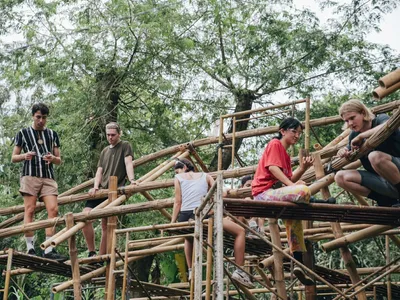
Bamboo Housing Challenge 2026: Design Affordable, Sustainable Homes Using Bamboo
An international design competition by Bamboo U and IBUKU inviting architects and designers to reimagine affordable housing using bamboo — with the winning design built full-scale in Bali.

Computational Design & Education: Beegraphy Design Awards Introduces 7th Category (Featuring Jiyun's Innovative Approach)
Dive into Beegraphy’s 7th Design Awards category, where computational design meets education to create immersive, interactive learning tools, inspired by Jiyun’s work.

From Parametric Lighting to Urban Furniture: Join the 2nd Workshop in Beegraphy’s Computational Design Series
Dive into Cutting-Edge Design Techniques and Practical Applications with Industry Experts

Last Call: Unleash Your Architectural Genius in SHAK's Kindergarten Design Competition
Urgent call for architects to join SHAK's kindergarten design competition before the looming deadline

Explore Meditation Space Competitions
Discover active competitions in this discipline

Challenge to reimagine the Iron Throne

Photograph architecture without architects

Illustrate the lost glory of Angkor Wat - Render Challenge

Design challenge to reuse E-waste
Comments (0)
Please login or sign up to add comments
No comments yet. Be the first to comment!