
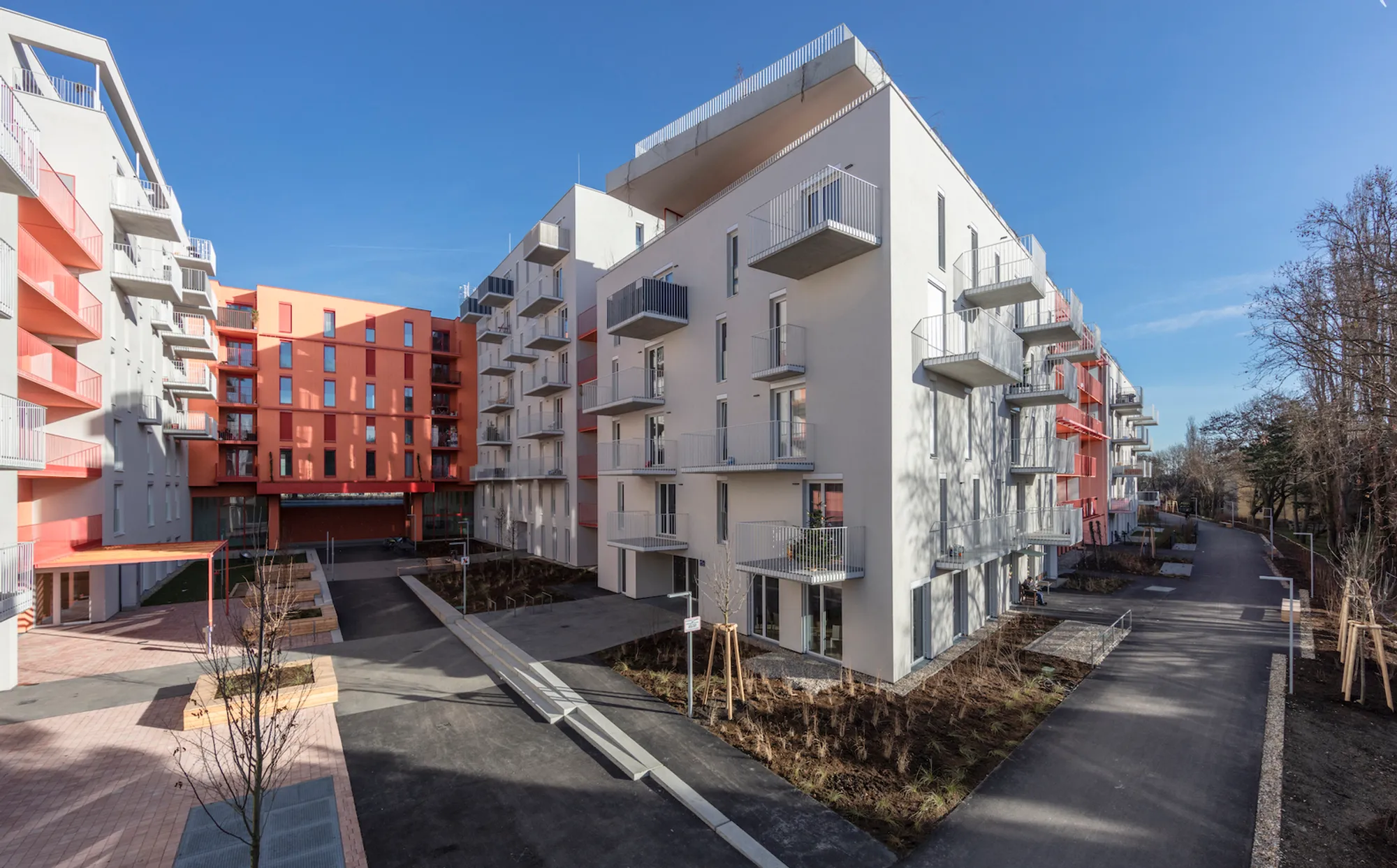
Wientalterrassen Residential Quarter: Sustainable Living in Vienna’s Urban Landscape
Sustainable Vienna residential complex with green roofs, solar energy, flexible apartments, communal terraces, and inclusive housing by Berger+Parkkinen Architekten.


Architects: Berger+Parkkinen Architektenin collaboration withChristoph Lechner & Partner
A New Benchmark in Sustainable Urban Housing
The Wientalterrassen Residential Quarter in Vienna’s 14th district redefines contemporary urban living by combining forward-thinking architectural design with cutting-edge sustainable technologies. Designed by the Austrian-Finnish practice Berger+Parkkinen Architekten, in partnership with Christoph Lechner & Partner, this 30,000 m² flagship housing development delivers not just residences, but a complete community ecosystem.
Awarded the klimaaktiv Gold certification, Wientalterrassen integrates green roofs, solar power generation, and innovative energy systems into a thoughtfully planned residential environment. The project continues Berger+Parkkinen’s track record of future-oriented, ecologically conscious architecture, following their Austrian State Prize for Architecture and Sustainability in 2021.
From Competition to Completion
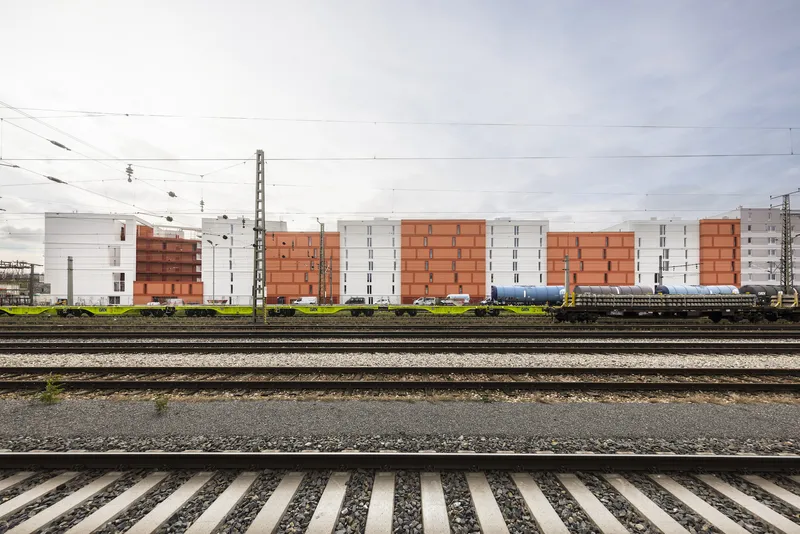
The project originated in 2018 as one of two winning entries in a developer competition organized by ÖBB Immobilienmanagement GmbH and Wohnfonds_Wien. After three years of meticulous construction, the result is a diverse residential complex offering 295 flats, designed for a variety of lifestyles and needs:
- 196 subsidized rental apartments
- 99 SMART flats for compact living
- Two shared flats for children and young people
- Two assisted living units for residents with special needs
Beyond housing, Wientalterrassen incorporates social infrastructure, including a day center for Vienna Retirement Homes, a facility for wheelchair users, and integrated office spaces.
Site Design and Spatial Concept
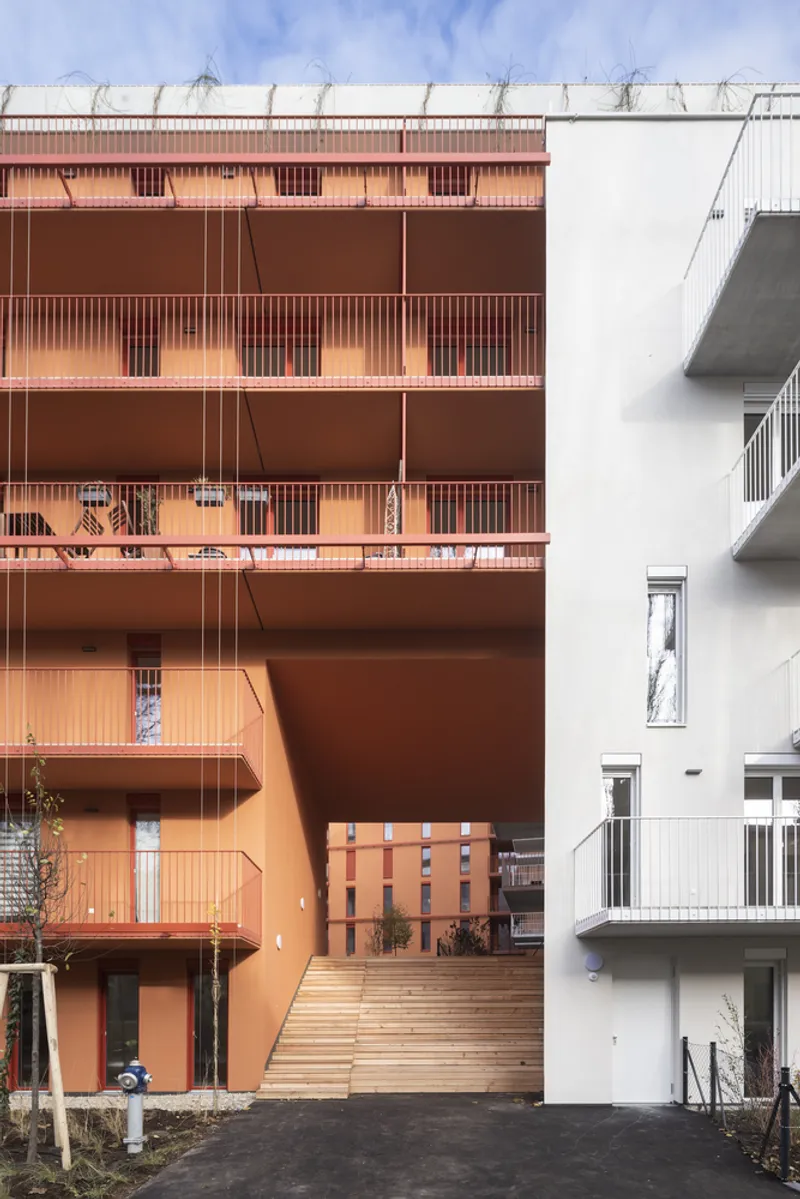
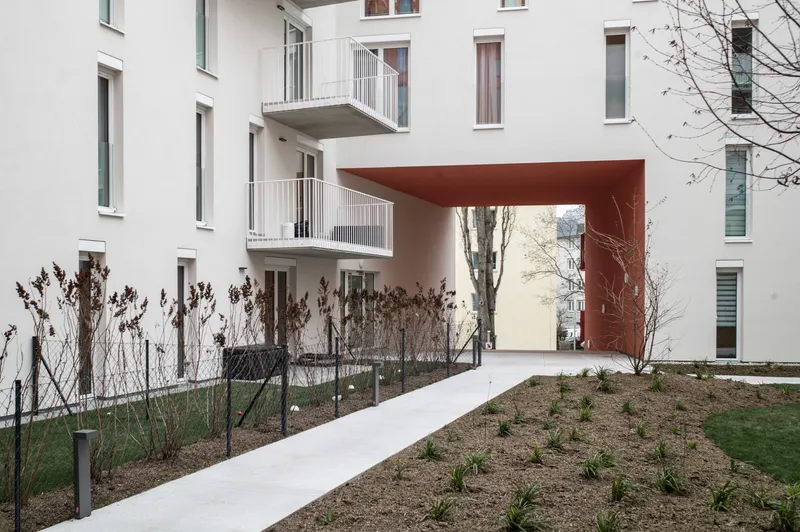
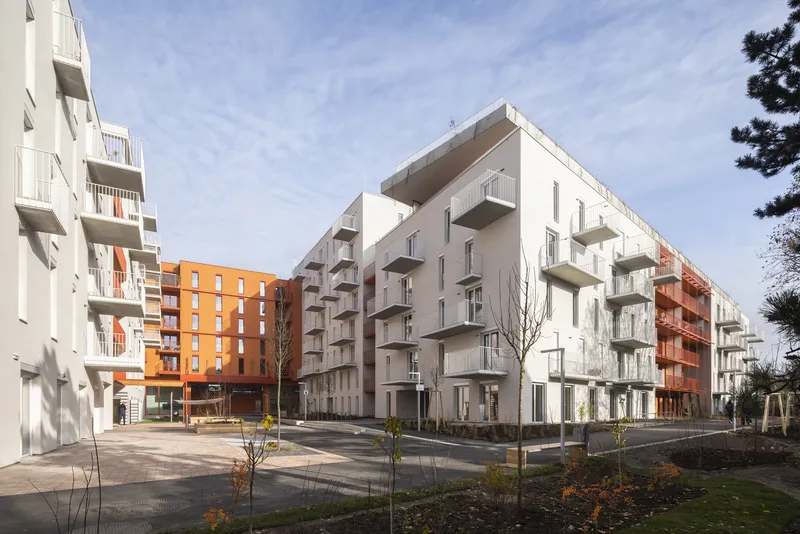
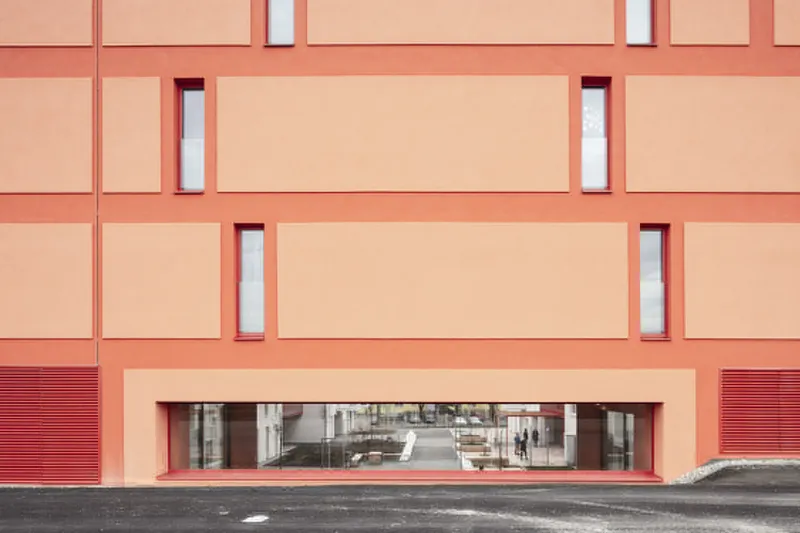
Strategically positioned along the Vienna River, the residential quarter consists of five building volumes interconnected by linking structures. On the north side, facing the railway, a rhythmic façade punctuated by glazed openings frames views into the inner courtyards. These semi-open and enclosed courtyards form the social and visual heart of the development, fostering outdoor interaction.
The south-facing terraced levels—the namesake "Wientalterrassen"—offer generous open spaces. The stepped arrangement of these terraces maximizes daylight exposure and provides panoramic views for residents, while creating a visually dynamic silhouette.
Sustainability at the Core
Environmental performance is embedded in every layer of the project:
- Green roofs and planted facades reduce the urban heat island effect and enhance biodiversity.
- Solar panels are seamlessly integrated into the architecture, generating renewable energy while complementing the design.
- Geothermal energy systems—featuring two deep probe fields, a solar absorber system, and three heat pumps—supply heating efficiently.
- High-performance insulation, triple-glazed windows, and water-saving fixtures minimize energy and water consumption.
- On-site recycling systems encourage residents to adopt sustainable habits.
Flexible and Future-Proof Interiors
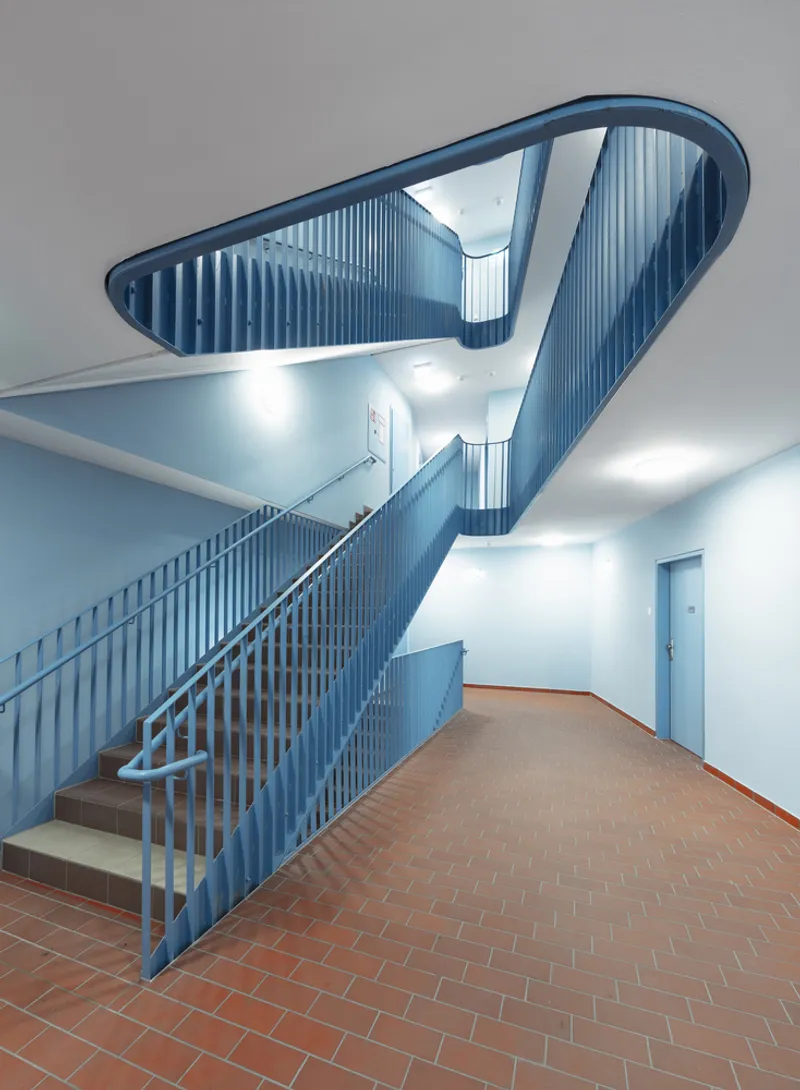
The adaptable floor plans are designed for long-term flexibility. Lightweight interior partitions allow residents to reconfigure spaces easily—merging rooms for open-plan living or creating smaller private areas. “Switch rooms” can be re-purposed with minimal structural changes, allowing units to function as offices, studios, or combined living-working environments.
This modular approach not only extends the building’s functional lifespan but also supports changing family dynamics and diverse living arrangements.
Community-Oriented Open Spaces
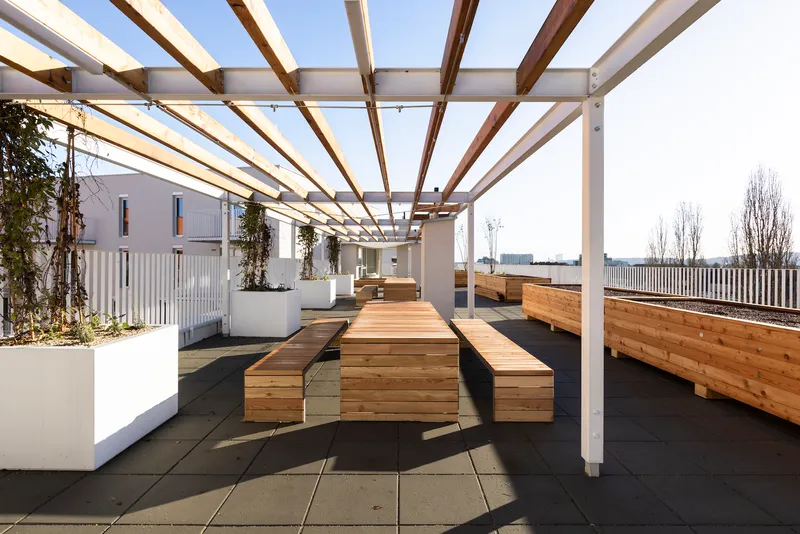
One of the project’s most celebrated features is the rooftop terrace and garden, a shared urban oasis that offers sweeping views of Vienna. Acting as both a social hub and a climate-mitigating green space, it provides an escape from dense city life while encouraging neighborly connection.
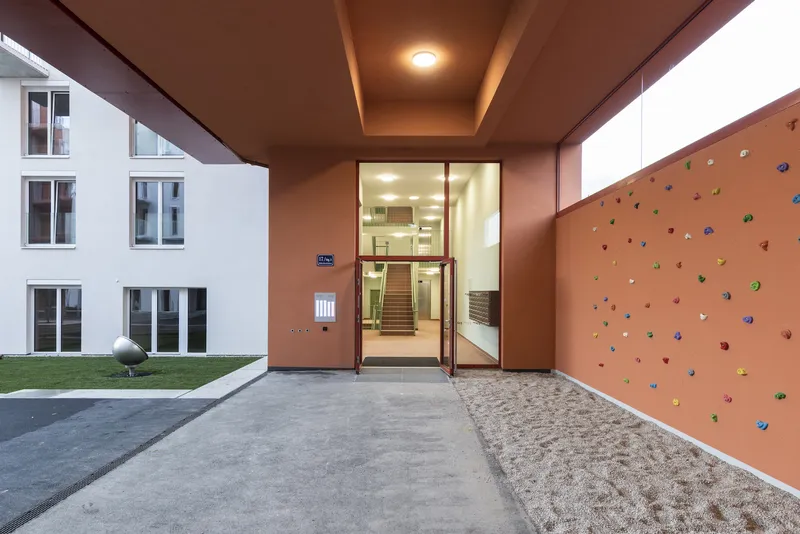
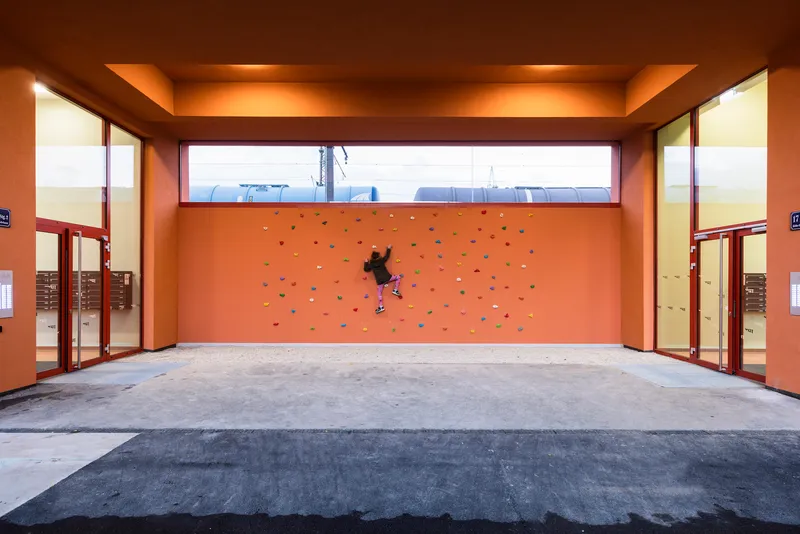
The communal terraces, landscaped courtyards, and strategically placed seating areas create a network of gathering points, reinforcing the project’s ethos of community-driven urban living.
A Model for Vienna’s Sustainable Housing Future
The Wientalterrassen Residential Quarter stands as a model for future urban housing in Austria—an example of how architecture, sustainability, and community life can be seamlessly integrated. By embracing renewable energy technologies, nature-inclusive design, and human-centered spatial planning, Berger+Parkkinen Architekten and Christoph Lechner & Partner have created not just a residential complex, but a thriving eco-urban neighborhood.
All photographs are works of Wolfgang Thaler, Daniel Hawelka, Alfred Berger



Popular Articles
Popular articles from the community


Lunar Spiral: Space Architecture Shaped by the Mathematics of the Universe
Lunar Spiral reimagines space architecture through Fibonacci geometry, lunar regolith, levitating habitats, and self-sustaining Moon living.

Play: Fragments of Their World
Familiar architecture becomes modular playground design, creating safe spaces where displaced children can learn, connect, imagine and play.

Riyadh For All: Intergenerational Urban Design for Active Aging in Rabat
Riyadh For All reimagines urban design in Rabat with intergenerational co-living, adaptive courtyards, and Moroccan cultural exchange today.

Hill & Cross Opera: Sculptural Opera House Architecture Shaped by Tallinn’s Landscape and Identity
Hill & Cross Opera reimagines opera house architecture in Tallinn through its sculptural hill, civic plaza, glass wave and a luminous cross.

Similar Reads
You might also enjoy these articles


Hodi-Mandai Geram
Project Function: Preservation and revitalization of the Intangible heritage and socio-spatial identity of the Hodi by Housing, Cultural Memory Center, Sacred Grove, landscape, local tourism economy


Olio Towers: A Mid-Rise for Performers That Fuses Housing, Rehearsal, and Stage
Located blocks from Houston's Theater District, this modular tower stacks living units around a central performance atrium.

Oasis: Modular Green Housing Carved into Dhaka's Urban Fabric
A shortlisted Plugin Housing entry reclaims unauthorized settlements in Dhaka with stepped concrete volumes, green roofs, and ventilation-driven design.

Black Hole: A Floating Megastructure for the Post-Physical Era
Emiliano Mazzarotto envisions a spherical, self-scaling arena where e-sports, digital hotels, and holographic stadiums replace traditional public space.


Explore Residential Building Competitions
Discover active competitions in this discipline


Challenge to design mud housing for contemporary communities


Challenge to reimagine the Iron Throne


Photograph architecture without architects


Illustrate the lost glory of Angkor Wat - Render Challenge
Comments (0)
Please login or sign up to add comments
No comments yet. Be the first to comment!