
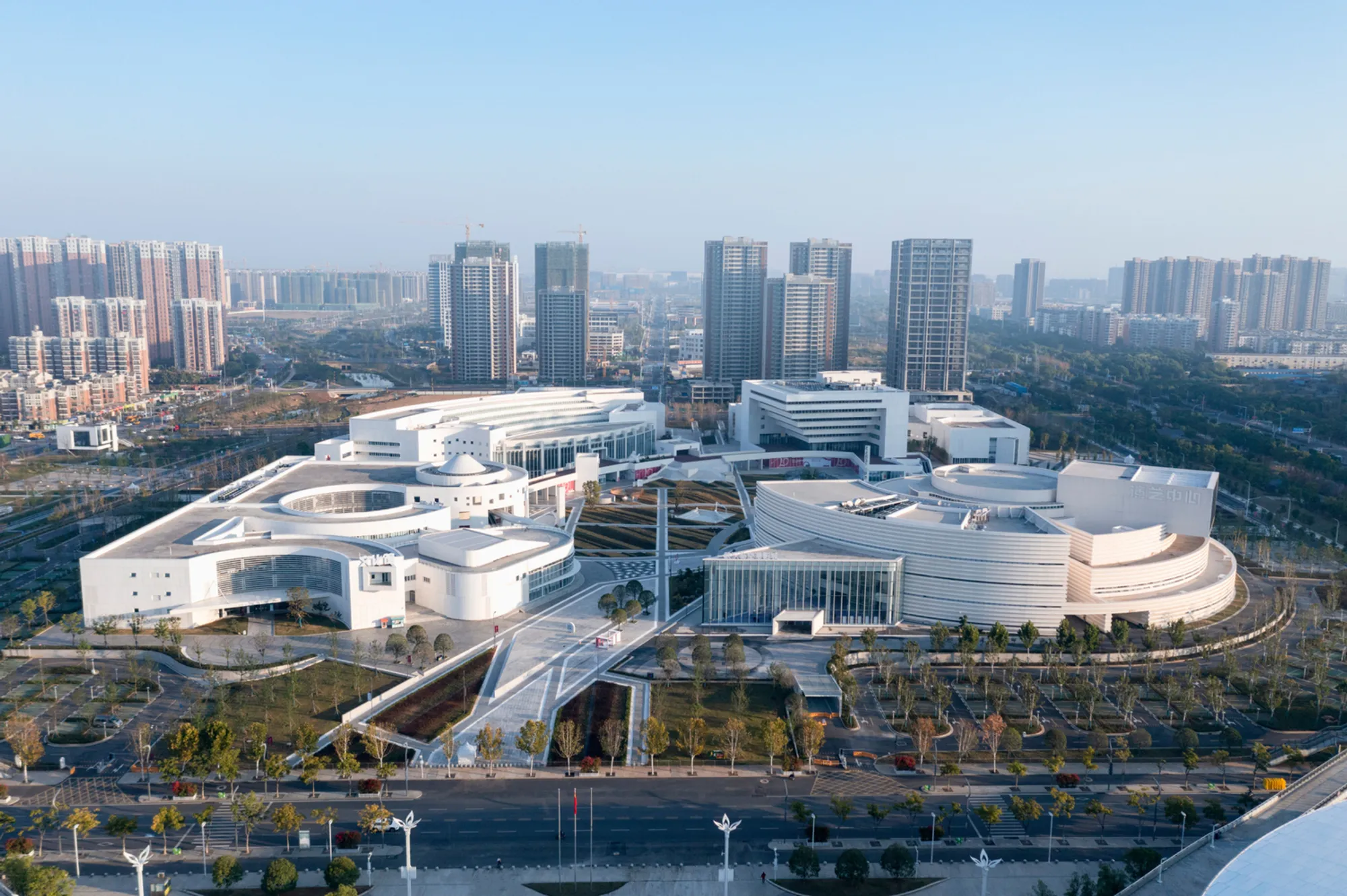
Wuhan West and East Lake Cultural Center by Dagi Architectural Design Studio
Wuhan West and East Lake Cultural Center blends six pavilions around an Urban Garden, featuring sustainable design, public spaces, and cultural engagement.


A New Cultural Landmark in Wuhan
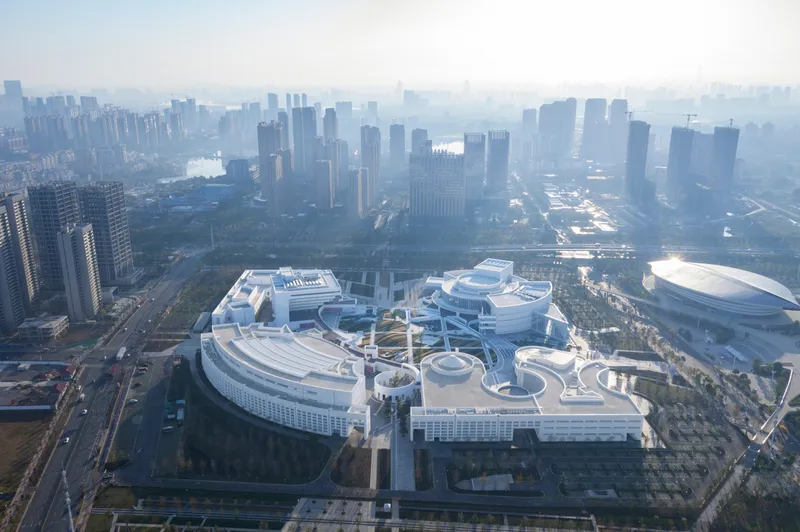
The Wuhan West & East Lake Cultural Center, designed by Dagi Architectural Design Studio, stands as a transformative cultural hub in Wuhan’s West Lake District. Completed in 2023, the project spans an impressive 152,600 m², integrating public architecture, cultural facilities, and green urban planning. By combining ecological principles with innovative design, the center has quickly become a key cultural landmark in the city.
Architectural Concept: Six Pavilions and One Center
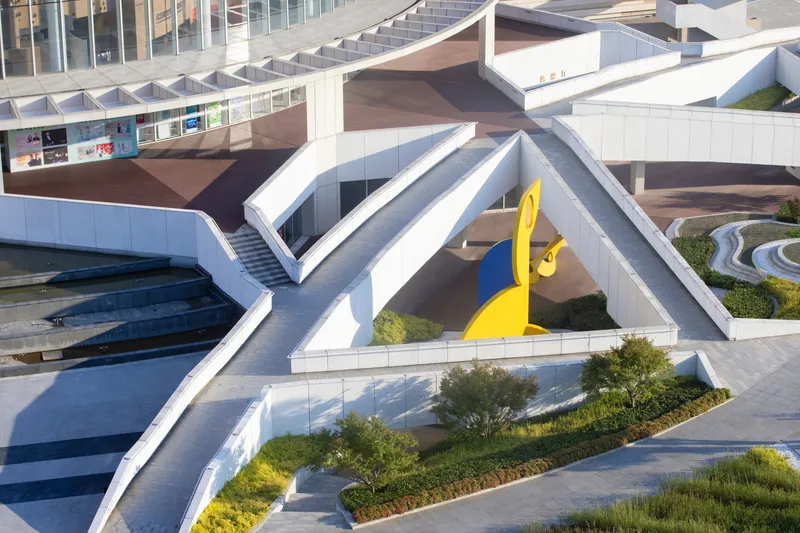
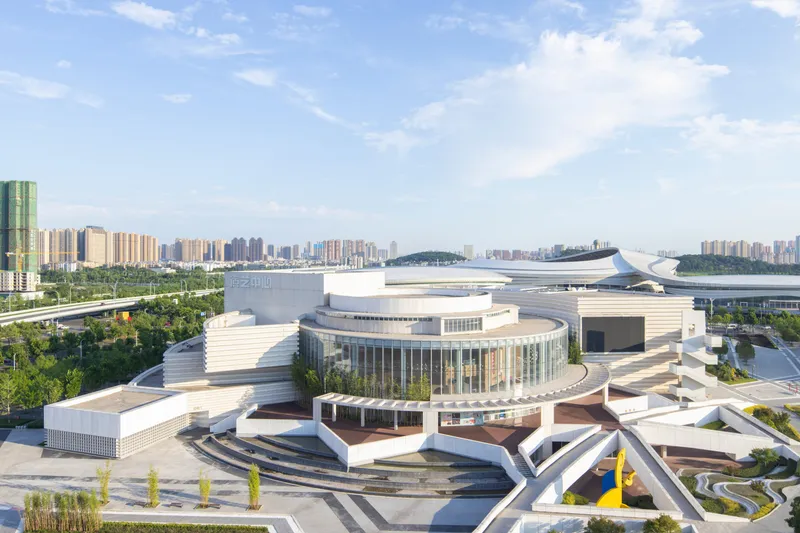
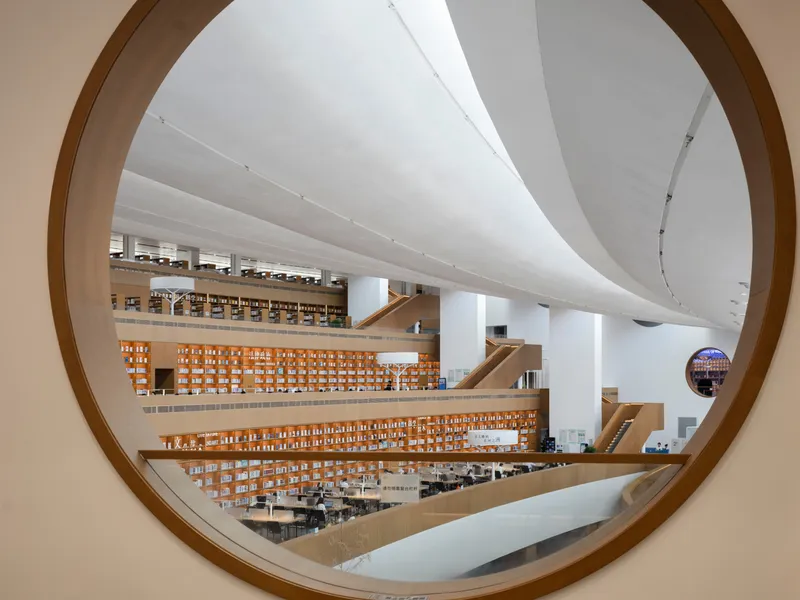
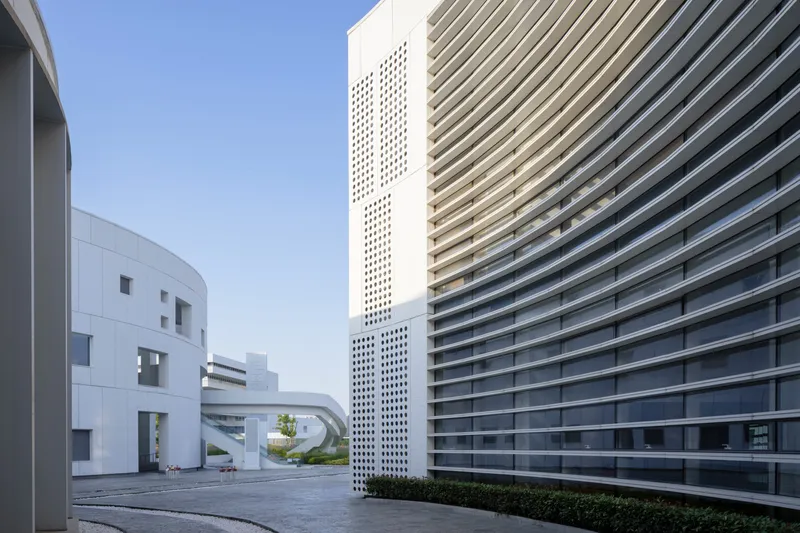
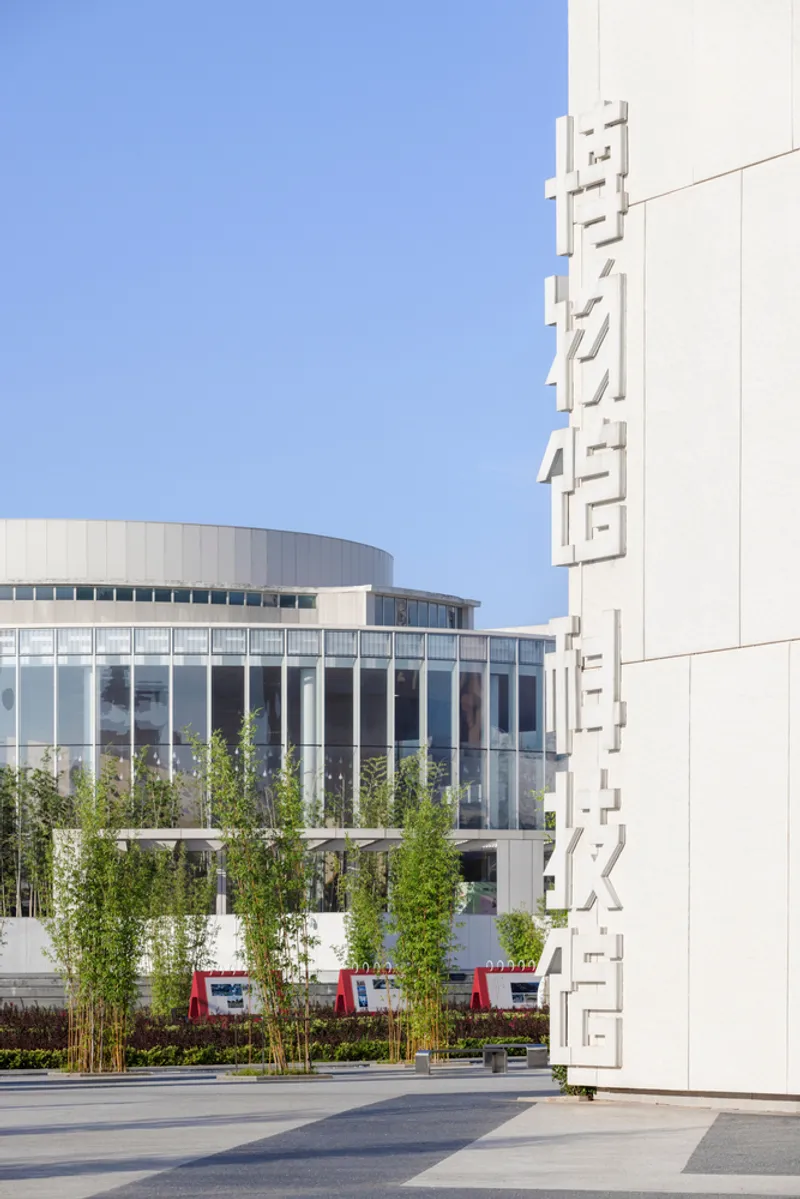
The design follows a “six pavilions and one center” model, incorporating a theater, museum, library, and archive service center. Rather than isolating individual buildings, the project emphasizes community-centric public spaces. Buildings encircle a central “Urban Garden”, fostering interaction, cultural exchange, and leisure for the public.
The open spaces between the auditoriums, lecture halls, and exhibition areas not only enhance public accessibility but also reduce maintenance costs, promoting a shared, civilian-oriented operational model. This innovative layout transforms the center into a vibrant “Public Living Room”, linking cultural functions with urban green belts and surrounding parklands.
Sustainable Design and Environmental Strategies
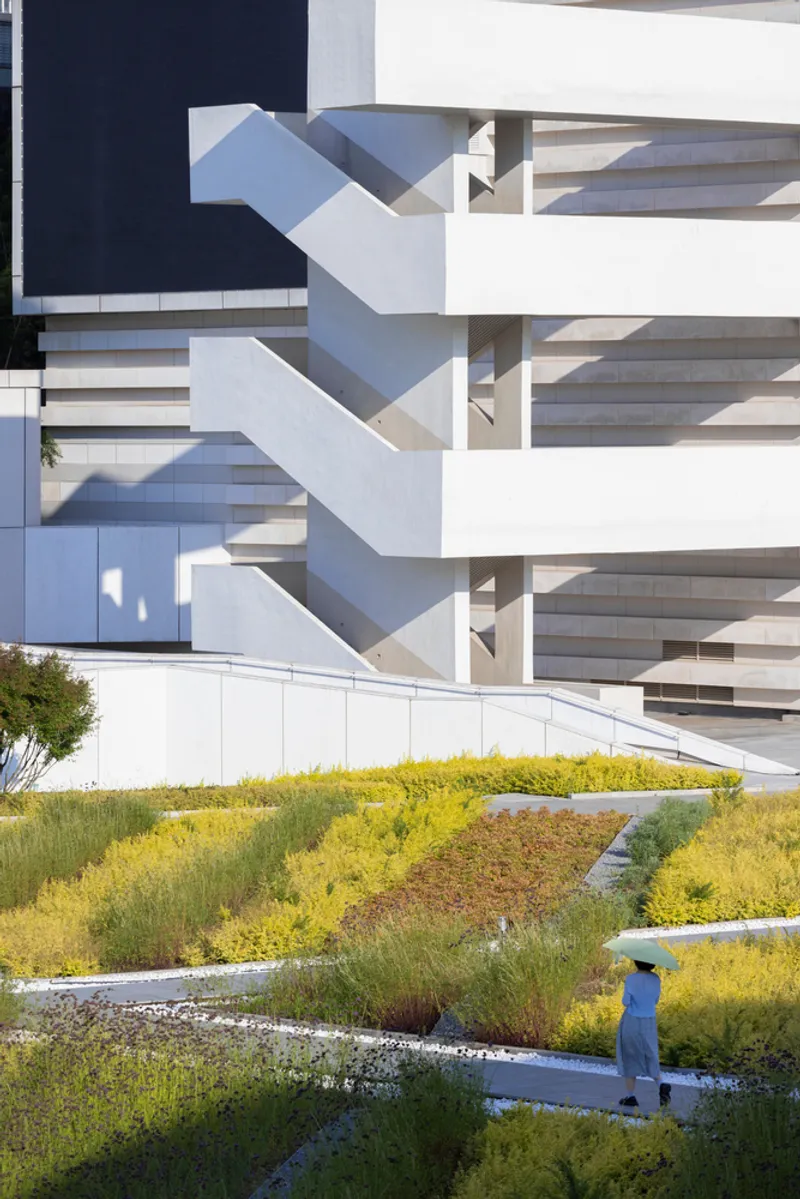
Sustainability is central to the project. Each pavilion is strategically positioned around the Urban Garden to maximize natural light and ventilation, leveraging passive green design strategies. The corridors and outdoor spaces contribute to energy efficiency, emission reduction, and environmental harmony.
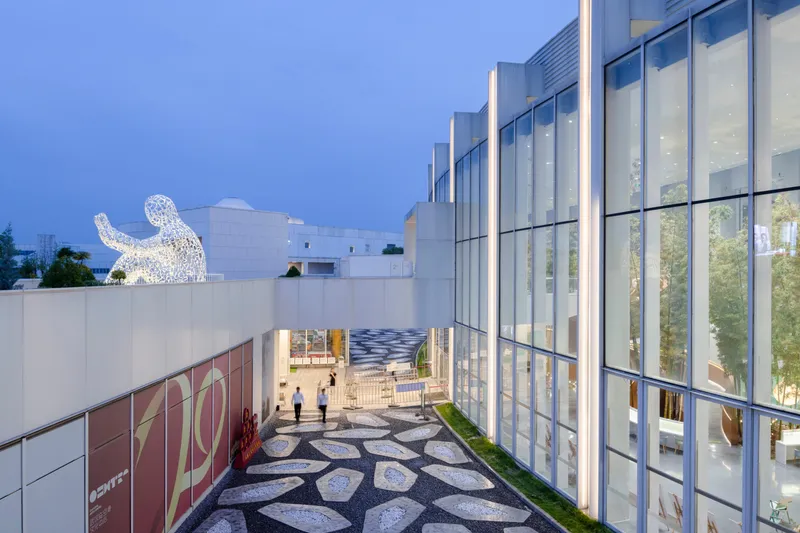
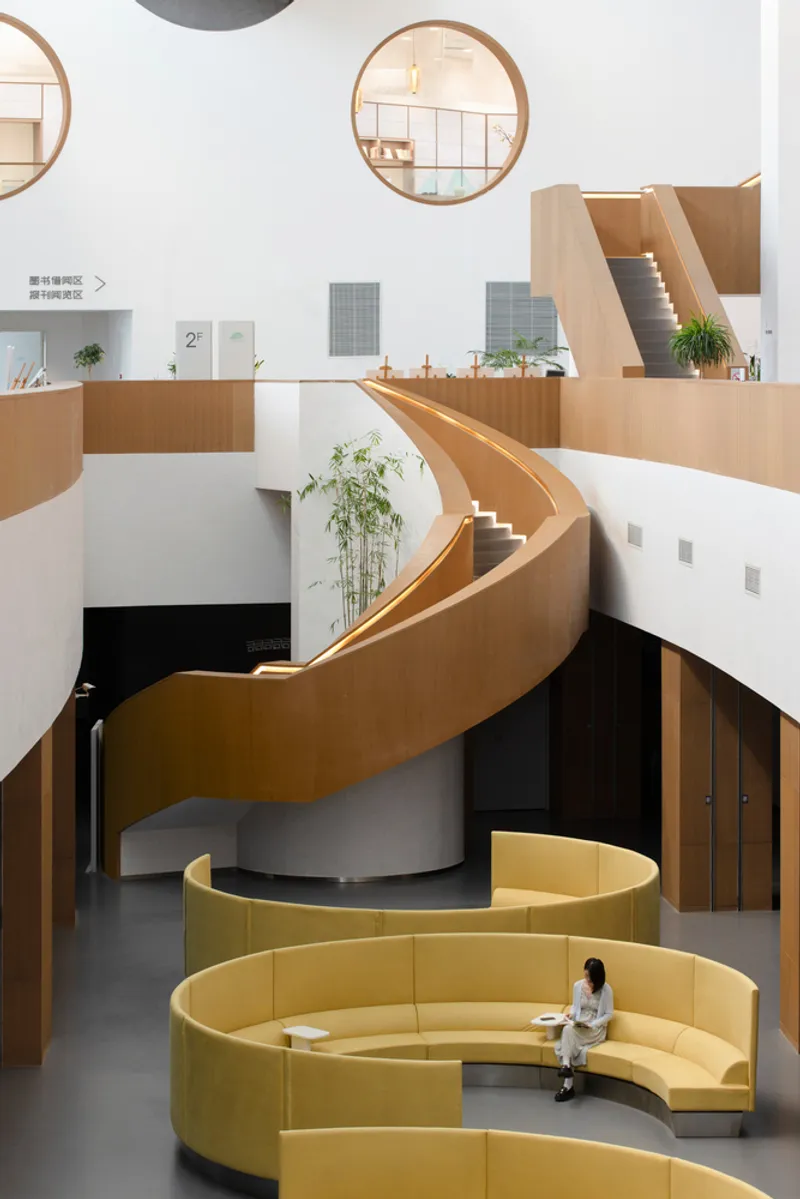
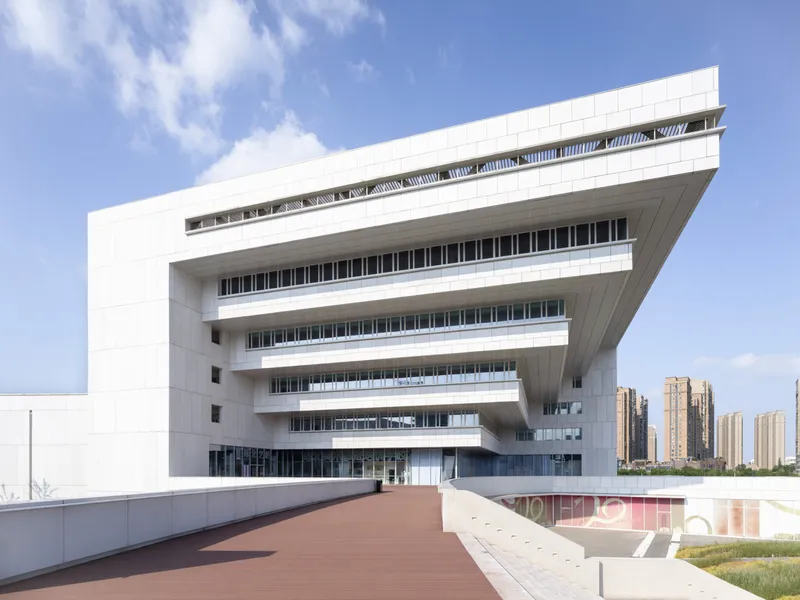
By integrating advanced BIM technology, the design team ensured seamless collaboration across architecture, structure, and MEP systems. This approach supported a cantilevered steel truss suspension structure, satisfying the demands of high-rise construction while maintaining aesthetic and spatial coherence.
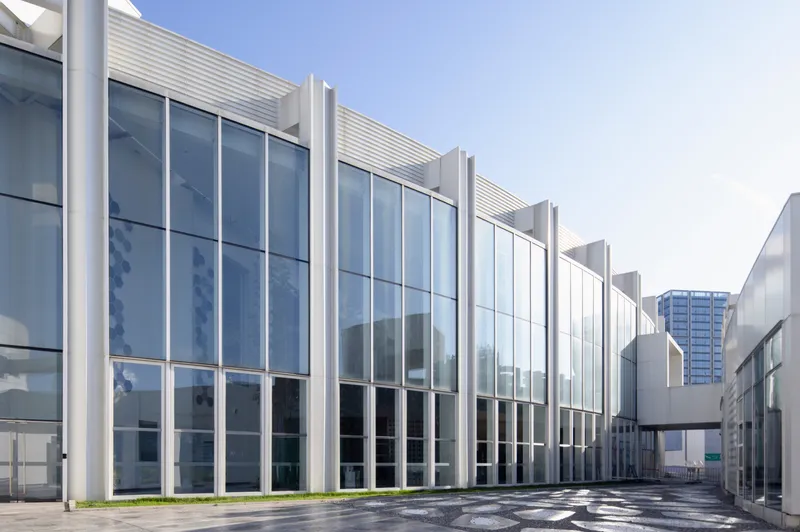
Integrated Design: Architecture, Landscape, and Interiors
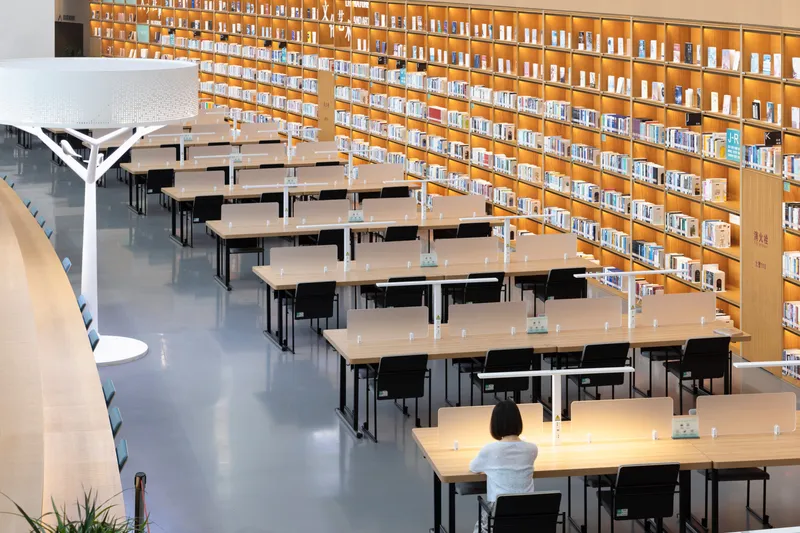
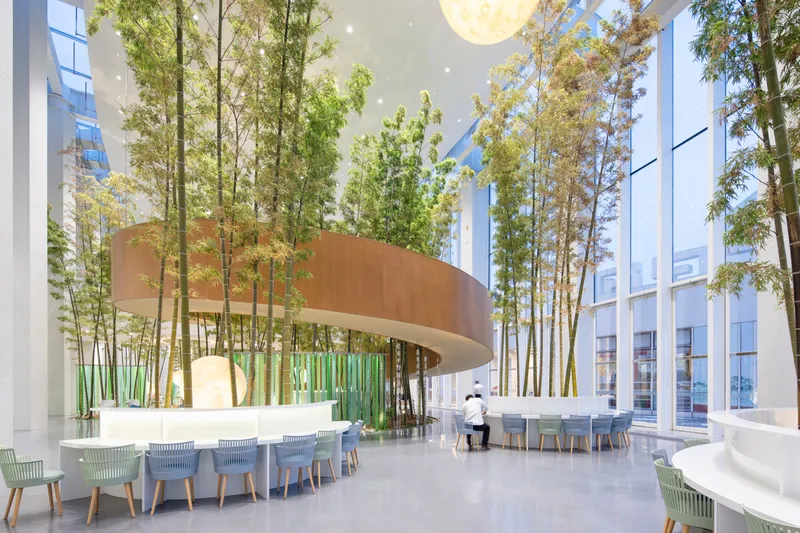
From conceptualization to completion, the project reflects a holistic design strategy. Architecture, landscape, interior design, lighting, and soft decoration were meticulously coordinated to ensure visual and functional unity. Public interiors feature welcoming spaces, dining areas, and versatile exhibition zones, all designed to enhance user experience and cultural engagement.
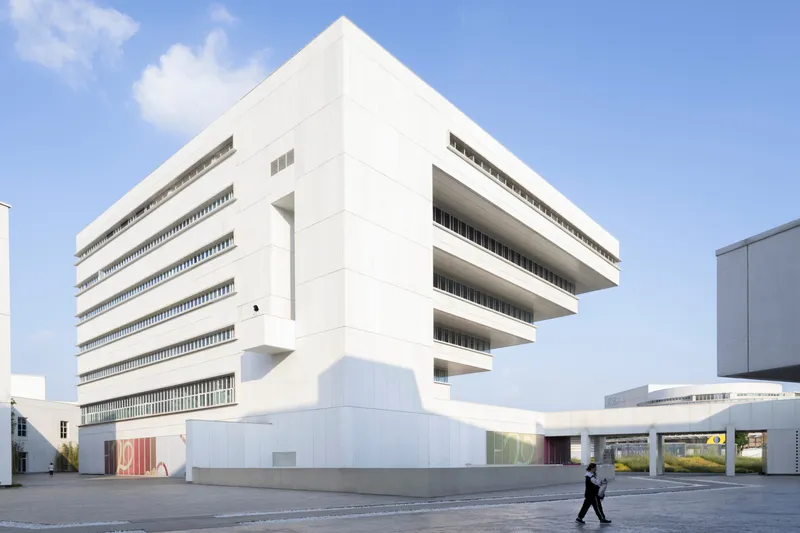
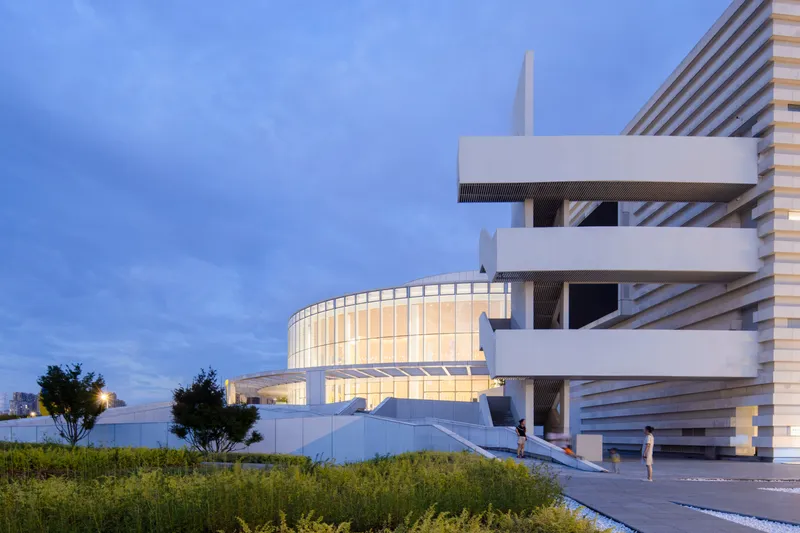
Social and Economic Impact
Since its completion, the Wuhan West & East Lake Cultural Center has become a magnet for visitors, particularly young audiences, elevating the city’s cultural profile. Beyond tourism, it has stimulated local economic growth, boosted the cultural and creative industries, and contributed to Wuhan’s broader urban development goals. Its blend of sustainable architecture, cultural richness, and public accessibility positions it as a pioneering model for future urban cultural projects.
- Location: West Lake District, Wuhan, China
- Project Area: 152,600 m²
- Design Concept: Six pavilions surrounding a central Urban Garden
- Sustainability: Passive green design, energy efficiency, and green building strategies
- Public Spaces: Shared auditoriums, lecture halls, exhibition areas, and Urban Garden
- Construction Technology: Cantilevered steel truss suspension columns, BIM-integrated workflow
- Cultural Impact: Landmark status, youth engagement, economic stimulation
The Wuhan West & East Lake Cultural Center exemplifies modern cultural architecture that harmonizes ecological responsibility, social engagement, and architectural excellence, creating a lasting cultural landmark for Wuhan and beyond.
All photographs are works of Arch-Exist Photography




Popular Articles
Popular articles from the community


Co-Life: Senior Housing Design That Reconnects Older Adults With the City
Co-Life reimagines senior housing design through healing gardens, shared streets, workshops, and a sustainable community across generations.

The Musturak Paradise: Senior Living Architecture for a Connected Future in Temara, Morocco
The Musturak Paradise reimagines senior living architecture in Temara via private homes, social spaces, culture, community, and shared care.

Play: Fragments of Their World
Familiar architecture becomes modular playground design, creating safe spaces where displaced children can learn, connect, imagine and play.

The Earth Pod: 3D Printed Homes for Resilient Refugee Communities
The Earth Pod reimagines refugee housing through 3D printed homes made from clay, combining resilience, self-sufficiency, and rapid shelter.


Similar Reads
You might also enjoy these articles


Hodi-Mandai Geram
Project Function: Preservation and revitalization of the Intangible heritage and socio-spatial identity of the Hodi by Housing, Cultural Memory Center, Sacred Grove, landscape, local tourism economy


Olio Towers: A Mid-Rise for Performers That Fuses Housing, Rehearsal, and Stage
Located blocks from Houston's Theater District, this modular tower stacks living units around a central performance atrium.

Oasis: Modular Green Housing Carved into Dhaka's Urban Fabric
A shortlisted Plugin Housing entry reclaims unauthorized settlements in Dhaka with stepped concrete volumes, green roofs, and ventilation-driven design.

Black Hole: A Floating Megastructure for the Post-Physical Era
Emiliano Mazzarotto envisions a spherical, self-scaling arena where e-sports, digital hotels, and holographic stadiums replace traditional public space.

Explore Cultural Architecture Competitions
Discover active competitions in this discipline



Challenge to reimagine the Iron Throne


Photograph architecture without architects


Illustrate the lost glory of Angkor Wat - Render Challenge


Bring back Drive In's
Comments (0)
Please login or sign up to add comments
No comments yet. Be the first to comment!