

Yao-Hakka Yard: A Deconstructed Architectural Museum Celebrating Local Heritage in Shaoguan, China
Yao-Hakka Yard by YXDesigners celebrates Yao and Hakka heritage, blending traditional craftsmanship, sustainable materials, and contemporary architecture into a vibrant cultural hub.


Nestled in the heart of Ruyuan Yao Autonomous County, Shaoguan City, Guangdong Province, the Yao-Hakka Yard by YXDesigners is a unique exploration of architectural memory, rural craftsmanship, and cultural integration. Situated adjacent to both the Yao Migration Town and a traditional Hakka village, the project derives its name “Yao-Hakka” as a tribute to the harmony and shared heritage of these two communities. Spanning an impressive 5,000 m², the yard stands as a deconstructed architectural museum, a contemporary reinterpretation of traditional village forms.


Honoring Vanishing Architectural Traditions
The design philosophy behind Yao-Hakka Yard is deeply rooted in the preservation of local construction traditions. Historically, the Ruyuan Guo-shan Yao community built their homes using rammed earth bricks, wooden beams, and clay tiles, harmonizing with the mountainous landscape. However, modernization has led most villagers to relocate to reinforced concrete houses in new settlements, leaving older structures abandoned and deteriorating. YXDesigners sought to commemorate this rich architectural history by reimagining these forms within a public square, blending traditional elements with contemporary design strategies.
Fragments of traditional structures were carefully translated, recombined, and integrated into the square, creating a dynamic narrative that celebrates rural craftsmanship while exploring the aesthetic potential of everyday constructions. This interplay of old and new architectural vocabularies allows the yard to merge seamlessly into the visual fabric of the surrounding villages.


Materiality and Construction Techniques
Material selection and construction techniques were pivotal to preserving the authentic village character. The architects utilized a combination of earth-tone reinforced concrete, river stones, weathered steel, wood shingles, and recycled materials such as rammed earth bricks and old wooden doors and windows. Concrete walls mimic the texture and hue of rammed earth through carefully tested mixtures with iron oxide, replacing structurally insufficient traditional walls while retaining a sense of historical continuity.
Small-piece wooden frameworks were employed in concrete forming, reflecting techniques used in rural infrastructure such as roads and bridges. Narrow window-like openings in exhibition walls evoke the traditional Hakka house windows, blending cultural memory with modern functionality. Additionally, river stone construction, an endangered manual craft, provided local employment for skilled artisans, revitalizing traditional techniques.


Functional and Social Design
The yard’s layout revolves around a central open space shaded by a continuous veranda, designed to withstand the intense subtropical sun and heavy rainfall typical of the Lingnan climate. This veranda connects key functional areas, including a library, exhibition hall, agricultural and specialty products shop, bicycle station, gallery, festival stage, and a children’s playground, creating a vibrant social hub for villagers and visiting communities.
The library employs mass displacement techniques, using corridors, elevated structures, eaves, and passageways to create dynamic shadow play while encouraging outdoor engagement. The covered gallery surrounding the square is topped with photovoltaic panels, demonstrating a commitment to sustainable design by harnessing solar energy to power daily activities and cultural events.


A Living Heritage Space
Rather than imposing urban aesthetics, Yao-Hakka Yard embraces its “old from birth” character. Over time, the materials, chosen for their natural aging process, will develop a patina of history, enhancing the site’s charm and storytelling quality. The yard is designed not just as a museum, but as a living cultural landscape, inviting the local community and visitors to interact with, celebrate, and continue the traditions of the Yao and Hakka people.


Architectural Impact
By merging traditional craftsmanship with contemporary design, YXDesigners has created a space that both commemorates a disappearing architectural heritage and fosters active community engagement. Yao-Hakka Yard exemplifies how cultural sustainability, contextual architecture, and innovative material use can coexist, providing a blueprint for future rural revitalization projects.


All photographs are works of
YXDesigners, Juntian Lin


Popular Articles
Popular articles from the community


Cube Design Draws an Ecological Corridor Between Two Shenzhen Hills with the Nankai Building
Beside Shenzhen's container docks, the Nankai Building pairs stacked balconies with a climbing green screen to connect two hillsides across its height.

David Macias Steps a Doorless Stone and Plaster House Down a Tropical Colombian Hillside
In the humid hills of Colombia, Threshold House replaces the front door with an open void and terraces its 850 m² down the slope instead of fighting it.

Jaramillo Van Sluys Arquitectura and Urbanismo Turn a Demolished Registry Lot in Quito into an Orchard Plaza
In Quito's Centro Histórico, a 2,800 m² plaza exposes the San Agustín convent wall and redraws its lost Augustinian orchard in volcanic stone.

U.GA Architects Wraps an Oval Rooftop Pool in Curved Board-Formed Concrete on Busan's Jeollidan-gil
In Busan's Jeonpo-dong, a 454 m² mixed-use block stacks a neighborhood facility, guest rooms and an oval rooftop pool inside spiraling concrete walls.

Similar Reads
You might also enjoy these articles

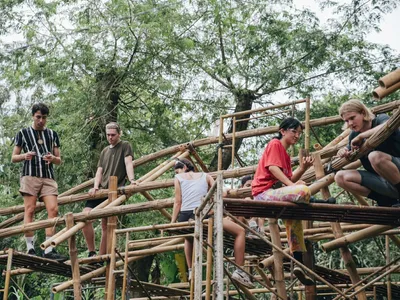
Bamboo Housing Challenge 2026: Design Affordable, Sustainable Homes Using Bamboo
An international design competition by Bamboo U and IBUKU inviting architects and designers to reimagine affordable housing using bamboo — with the winning design built full-scale in Bali.
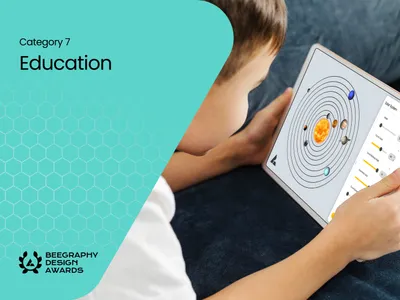
Computational Design & Education: Beegraphy Design Awards Introduces 7th Category (Featuring Jiyun's Innovative Approach)
Dive into Beegraphy’s 7th Design Awards category, where computational design meets education to create immersive, interactive learning tools, inspired by Jiyun’s work.
From Parametric Lighting to Urban Furniture: Join the 2nd Workshop in Beegraphy’s Computational Design Series
Dive into Cutting-Edge Design Techniques and Practical Applications with Industry Experts

Last Call: Unleash Your Architectural Genius in SHAK's Kindergarten Design Competition
Urgent call for architects to join SHAK's kindergarten design competition before the looming deadline

Explore Architecture Competitions
Discover active competitions in this discipline

Challenge to reimagine the Iron Throne

Photograph architecture without architects

Illustrate the lost glory of Angkor Wat - Render Challenge

Design challenge to reuse E-waste
Comments (0)
Please login or sign up to add comments
No comments yet. Be the first to comment!