
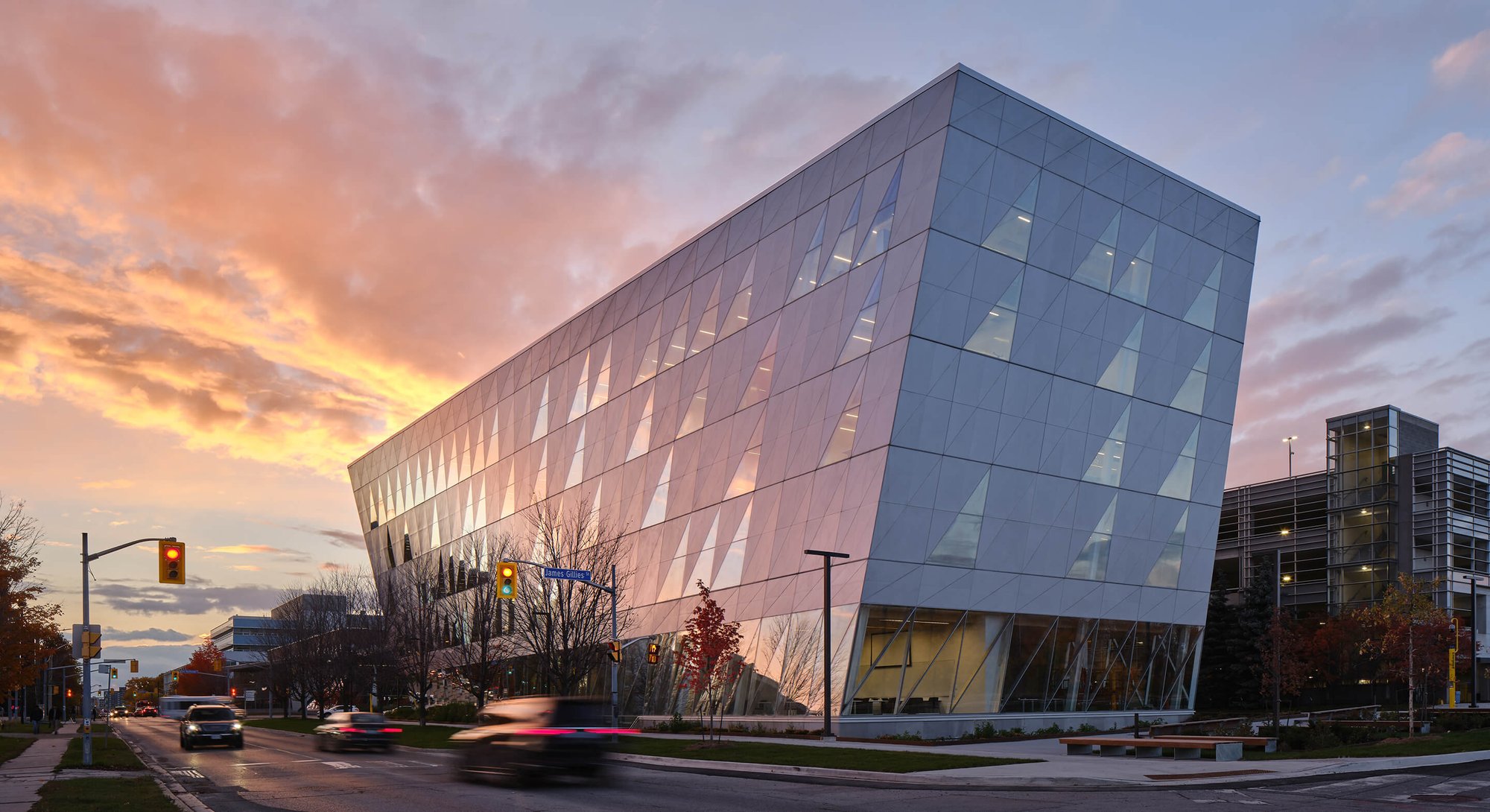
York University School of Continuing Studies by Perkins&Will
York University School of Continuing Studies by Perkins&Will features a twisting sustainable design with flexible learning spaces, community focus, and LEED Gold.

A Landmark for Lifelong Learning
The York University School of Continuing Studies in Toronto, designed by Perkins&Will, represents a bold architectural and cultural statement for the institution. Previously spread across temporary facilities, the School required a dedicated building that could strengthen its identity, foster collaboration, and meet ambitious sustainability goals.
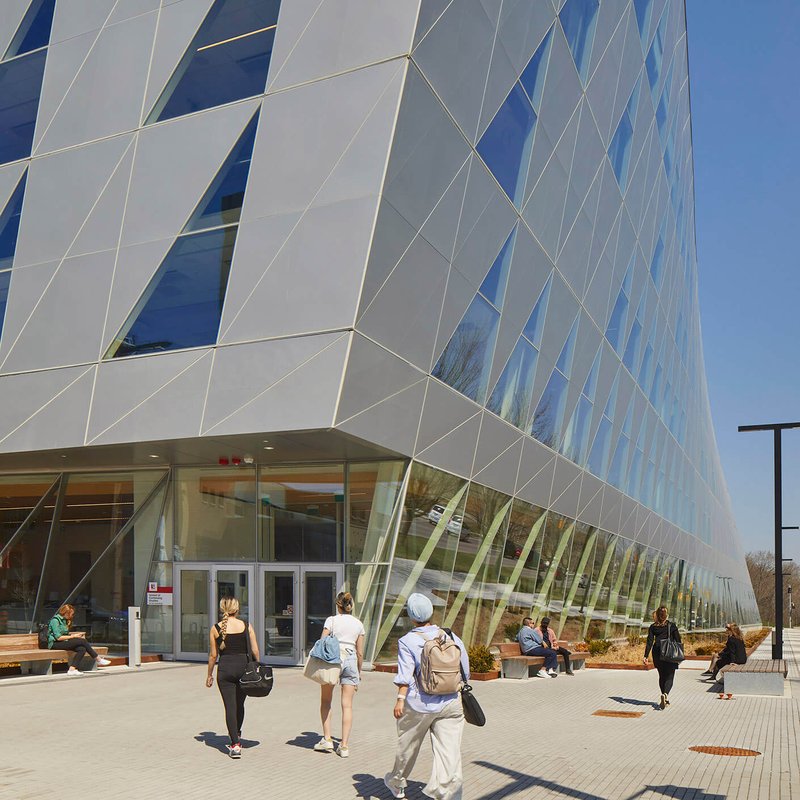
Completed in 2022, this 11,200 m² academic building sits prominently on the southern edge of York University’s campus, acting as a gateway for students, faculty, and visitors. Its iconic twisting form not only distinguishes it from the surrounding context but also creates a new pedestrian plaza, seamlessly integrating the campus with the city.
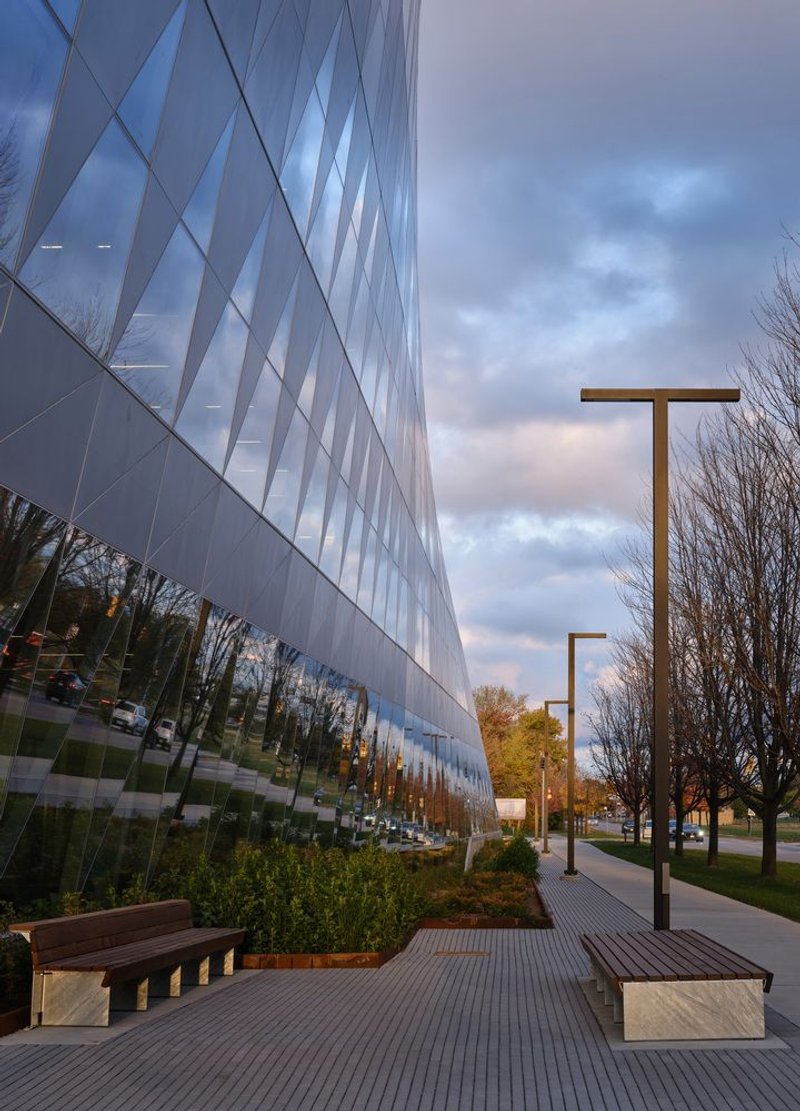
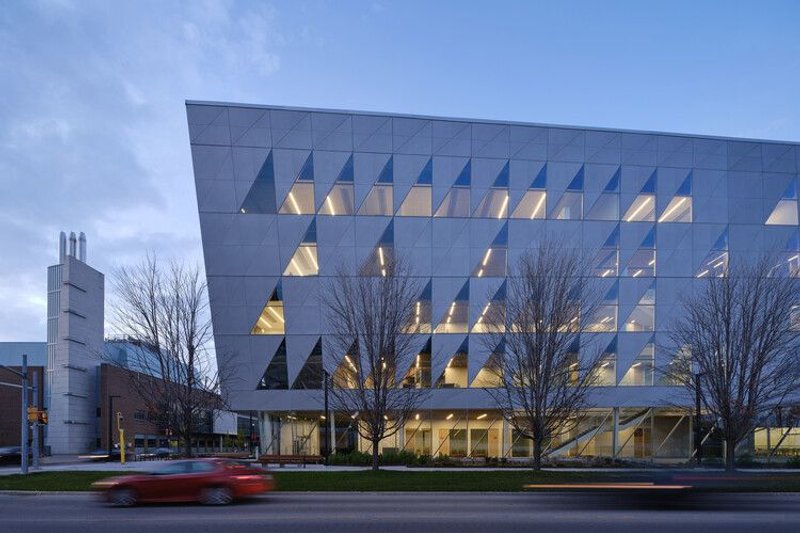
Iconic Twisting Design
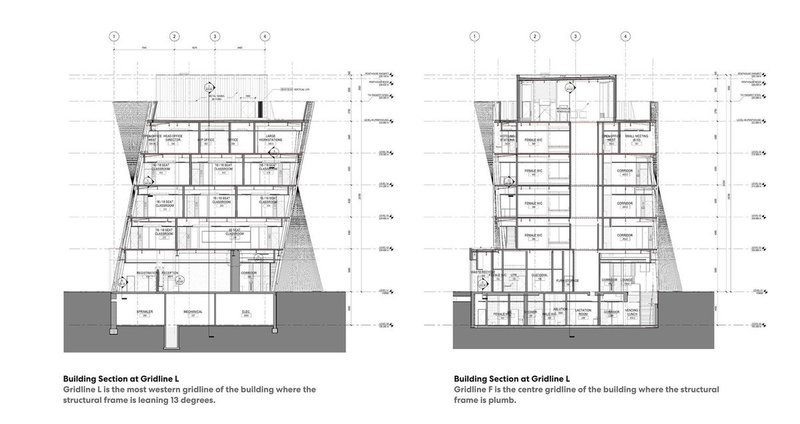
The design challenge was to create a landmark that balanced striking architecture with cost efficiency, flexibility, and sustainability. Perkins&Will achieved this through a rigorous geometric strategy: rectangular floor plates are rotated around a central axis, generating a dynamic twisting facade without relying on costly custom construction.
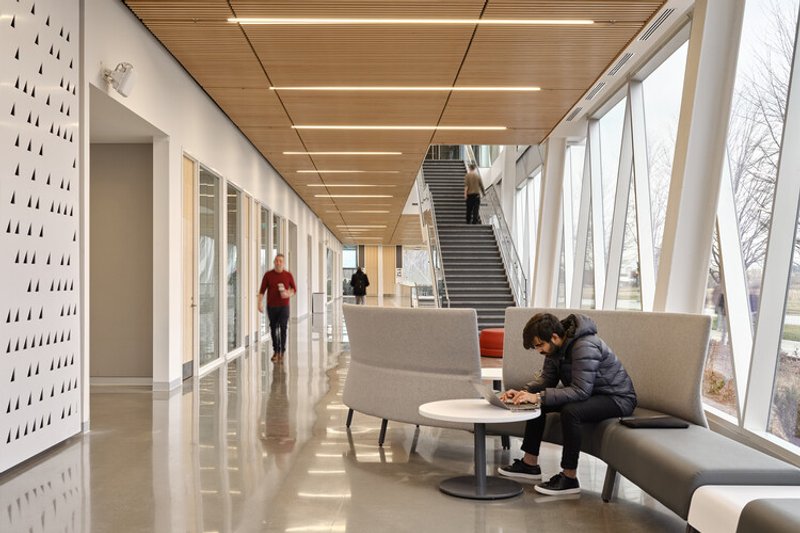
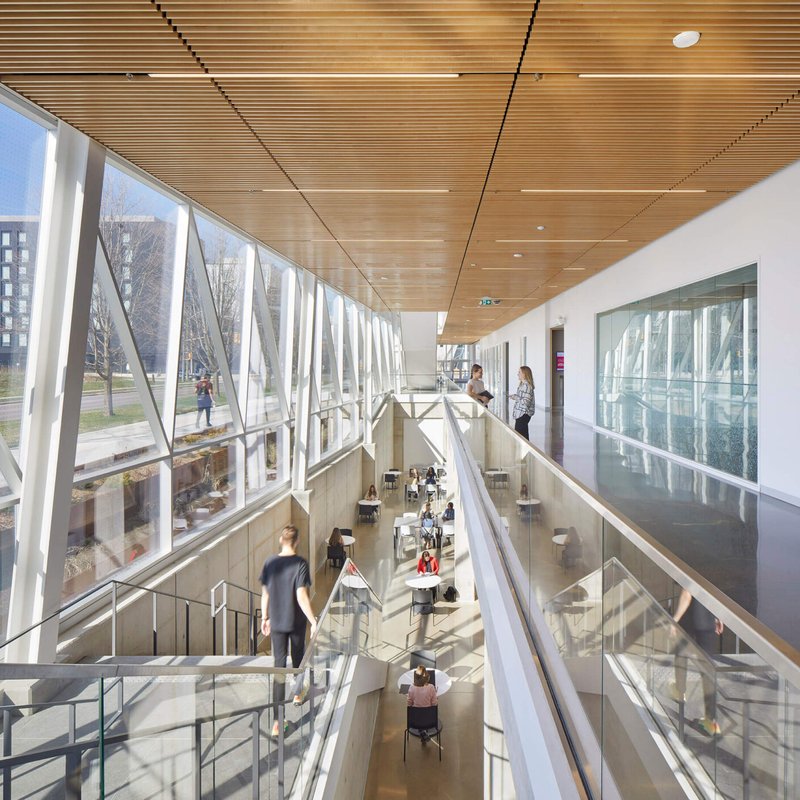
The result is a building that appears to move and shift as one walks around it, while inside, the layout maximizes natural daylight, collaborative spaces, and fluid circulation.
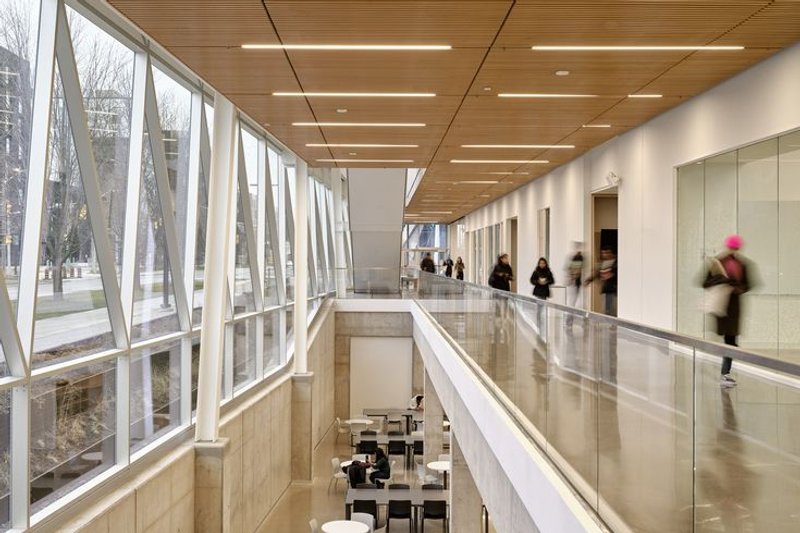
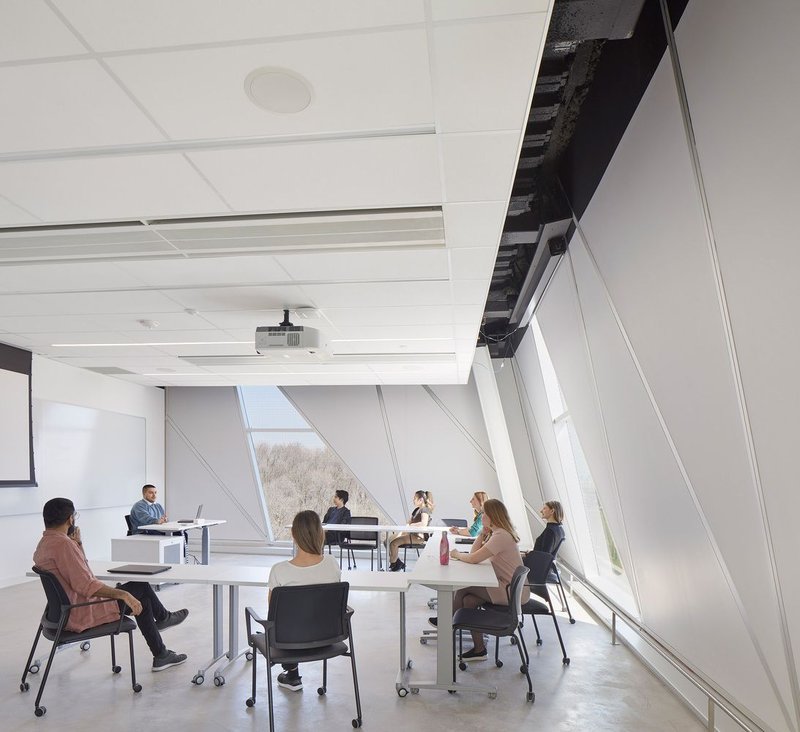
Flexible Learning Environments
The School of Continuing Studies (SCS) is dedicated to lifelong learning, professional development, and reskilling—a mission reflected in the building’s highly adaptable spaces. The design includes:
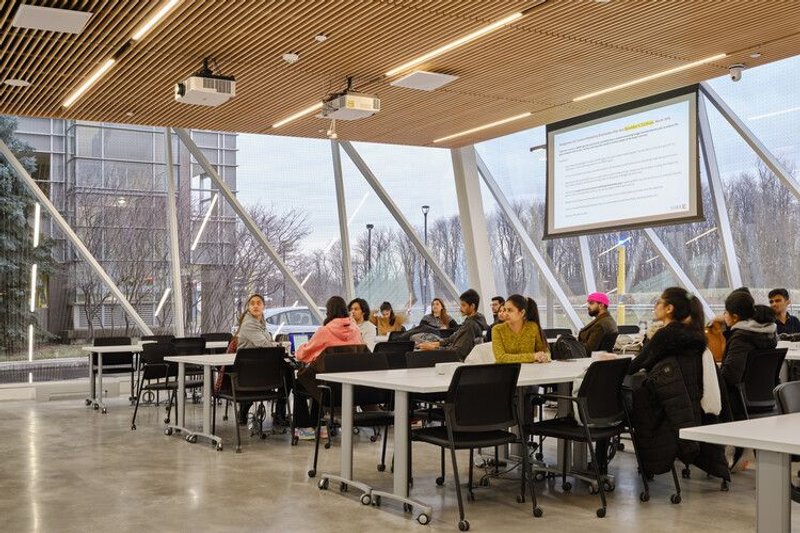
- Flexible classrooms that can easily shift configurations
- Collaborative lounges and social hubs encouraging interaction
- Faculty offices integrated within the learning environment
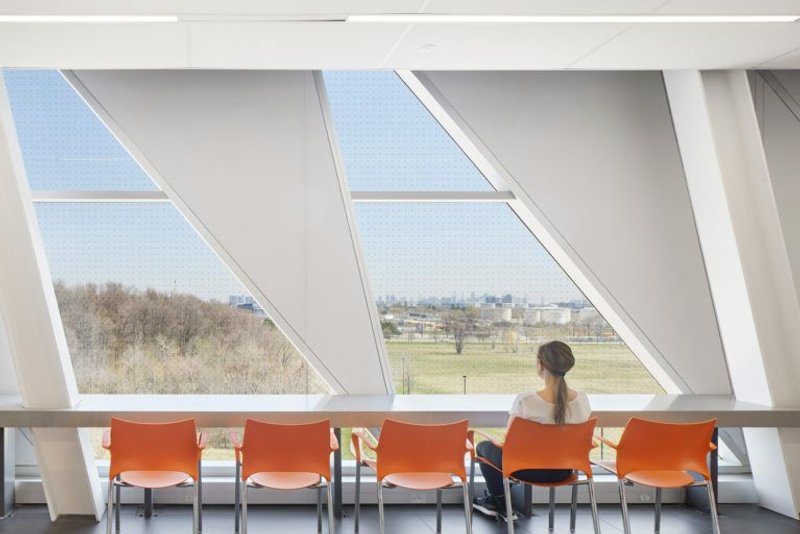
- Lofty, light-filled interiors that promote well-being and productivity
This mix of formal and informal spaces fosters community while reinforcing York’s identity as a leader in continuing education.
Sustainability and Net-Zero Goals
From the outset, sustainability was central to the design. Perkins&Will targeted LEED Gold Certification and explored pathways to Net-Zero Energy and Net-Zero Carbon performance.
Key strategies include:
- Passive House-inspired building envelope for superior insulation and airtightness
- Direct outdoor air ventilation to enhance indoor air quality
- Active chilled beams for energy-efficient cooling
- Highly efficient HVAC systems reducing operational energy demand
These features significantly lower the building’s carbon footprint while ensuring a healthy, comfortable environment for occupants.
Geometry and Innovation
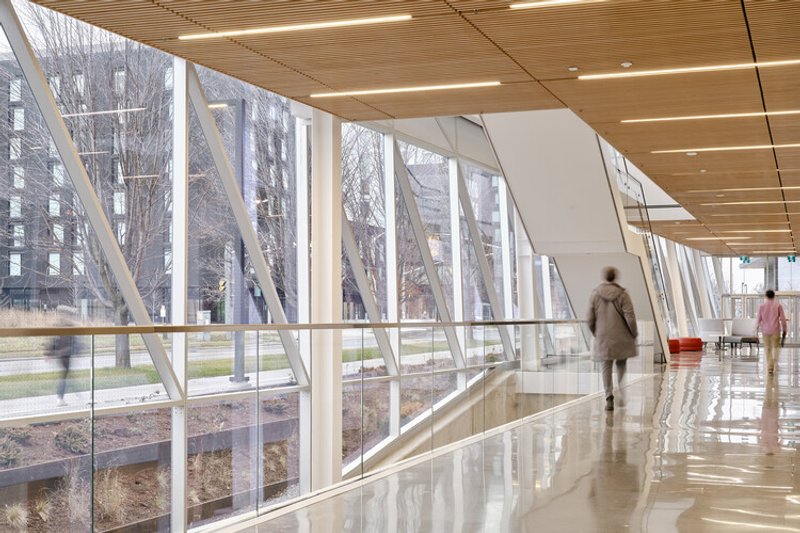
The twisting form introduces two-way curves on the north and south facades, creating a striking visual identity while relying on standardized, repeatable panel components. This clever use of geometry balances aesthetic ambition with economic efficiency, proving that bold architecture can also be pragmatic and sustainable.
By rotating floor plates around a shared centroid, the architects generated a triangulated facade pattern, producing dynamic rhythms of glass and metal that respond beautifully to changing light conditions.
Conclusion
The York University School of Continuing Studies is more than just an educational facility—it is a symbol of transformation, resilience, and innovation. By combining sustainability, flexible learning spaces, and iconic design, Perkins&Will has delivered a project that redefines the role of continuing education in the 21st century.
This new campus landmark not only enhances York University’s global reputation but also sets a precedent for net-zero-ready academic architecture in Canada.
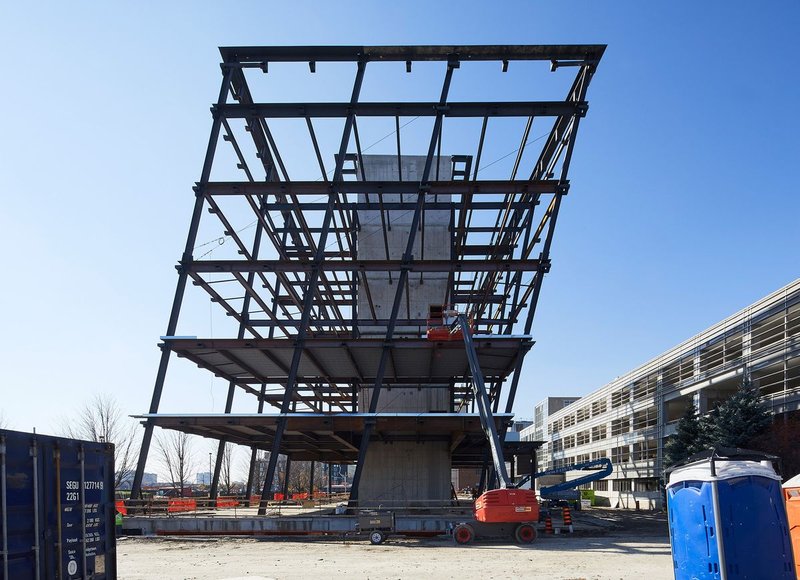
All the photographs are works of Doublespace Photography, Tom Arban Photography




Popular Articles
Popular articles from the community


Solar Steam: A Climate-Responsive Architecture That Redefines the Monument
A climate-responsive memorial architecture that transforms heat, decay, and time into a living system reflecting humanity’s ecological impact.
Gads Hill Early Learning Center by JGMA: Adaptive Reuse Shaping Community-Focused Educational Architecture
Adaptive reuse transforms fragmented structure into vibrant early learning center with playful façade, natural light, and community-focused sustainable design.
Split House: A Compact Urban Home Blending Privacy, Light, and Flexible Living in Japan
Compact Japanese home featuring DOMA space, flexible café potential, passive lighting, privacy zoning, and sustainable urban living design.
Atelier Macri Concept Store Interior Design by CASE-REAL
Atelier Macri store features a "ko" counter, walnut wood details, cork displays, blending retail, gallery, and seamless customer experiences.


Similar Reads
You might also enjoy these articles


The Ken Roberts Memorial Delineation Competition (Krob)
As the most senior architectural drawing competition currently in operation anywhere in the world, it draws hundreds of entries each year, awarding the very best submissions in a series of medium-based categories.

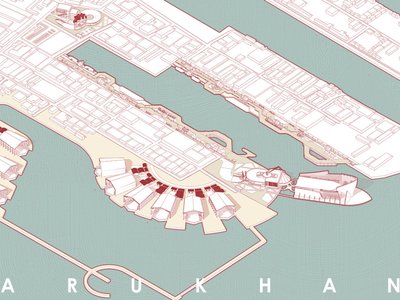
Waterfront Redevelopment and Urban Revitalization in Mumbai: Forging a New Dawn for Darukhana
A transformative waterfront redevelopment project reimagining Darukhana’s shipbreaking heritage into an inclusive urban future.
OUT-OF-MAP: A Call for Postcards on Feminist Narratives of Public Space
Rhizoma Design and Research Lab invites artists, designers, architects, researchers, and students to reflect on how feminist perspectives can reshape public space. Selected works will be exhibited in Barcelona, October 2026. Submissions open until 15 April 2026.


Documentation Work on Buddhist Wooden Temple
Architectural syncretism and cultural hybridity: A comparative study of the Buddhist temples in Chattogram Hill tracks


Explore Architecture Competitions
Discover active competitions in this discipline




The International Standard for Design Portfolios


The Global Benchmark for Architecture Dissertation Awards


The Global Benchmark for Graduation Excellence


Challenge to design public laboratory
Comments (0)
Please login or sign up to add comments
No comments yet. Be the first to comment!