

Yue & Yue: A Landmark in Hybrid Cultural Architecture by CU Office in Yantai
Yue & Yue redefines campus architecture by uniting an art museum and equestrian hall into one hybrid cultural learning environment.


The Yue Art Museum and Yue Equestrian Hall, designed by CU Office, is a groundbreaking example of hybrid cultural architecture, seamlessly merging two distinct typologies—an art museum and an equestrian facility—into one cohesive spatial and cultural narrative. Located within the emerging campus of Yantai City College of Science and Technology in Fushan District, China, this 4,500-square-meter complex is both a community hub and an architectural statement on the evolving role of education, leisure, and public engagement in the university context.

Reimagining Campus Architecture through Integration
The project arose from a challenge of land scarcity and ambitious planning. Instead of building two separate facilities for art and equestrian activities, CU Office proposed integrating the two into a singular, multifunctional structure. This strategic fusion not only maximized space but also created a unique venue where physical vitality and artistic expression coexist. The resulting design gives new meaning to the campus typology, reinterpreting recreational and educational architecture as complementary rather than parallel.
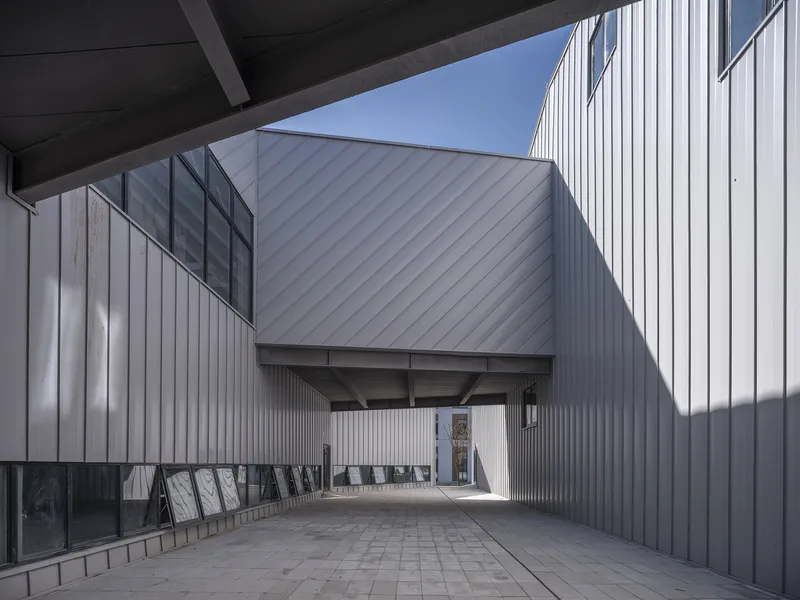
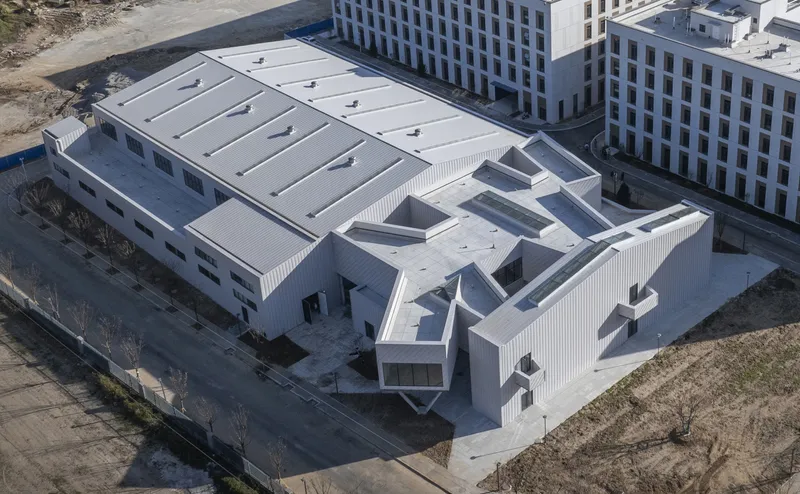

The art museum and equestrian hall, while distinct in function, are unified by their shared architectural vocabulary and humanistic intent. This model of hybrid cultural architecture reflects a growing trend in contemporary design that dissolves the boundaries between disciplines, user groups, and typologies.

Educational Philosophy Rooted in the "Six Arts"
The architectural concept is deeply rooted in the philosophy of the ancient Chinese "Six Arts," which emphasized the balance of intellectual, aesthetic, and physical cultivation. In this context, art and equestrianism are not just extracurricular options—they are educational pillars that support the holistic development of students.
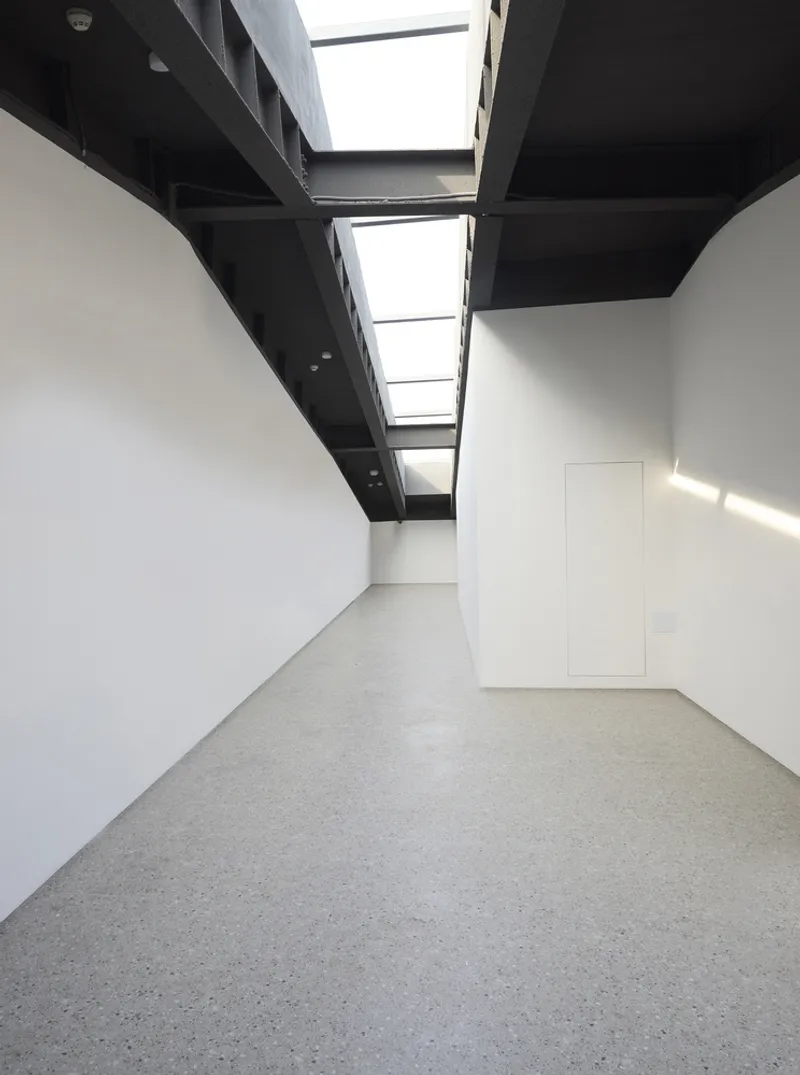
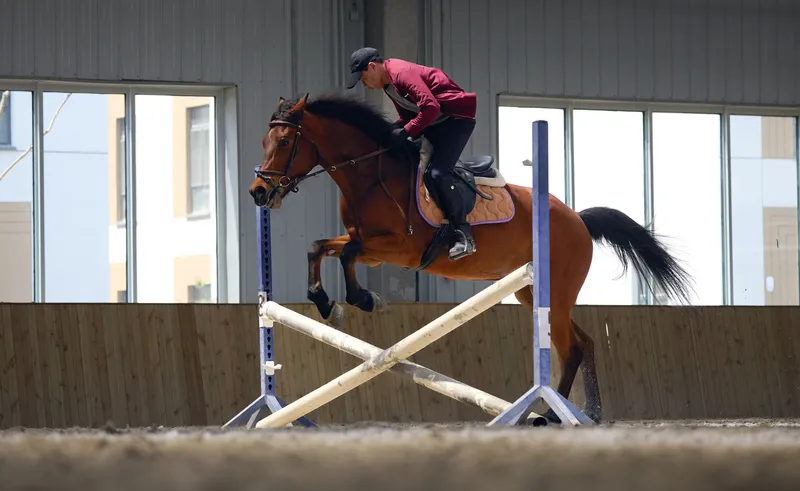
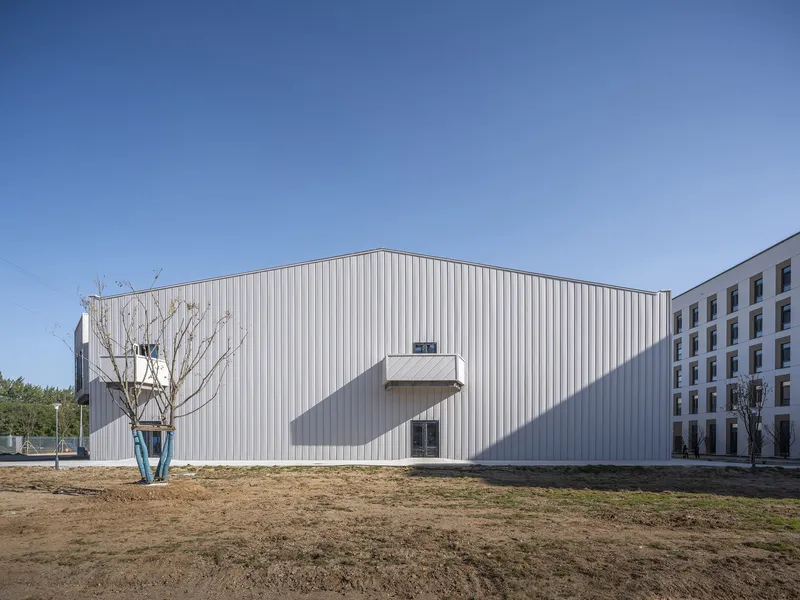
By housing both programs under one roof, the university establishes a living, breathing campus engine where students engage not only in academic pursuits but also in embodied experiences. The building thus transcends its spatial functions, becoming a pedagogical tool that shapes how students perceive learning, curiosity, and culture.
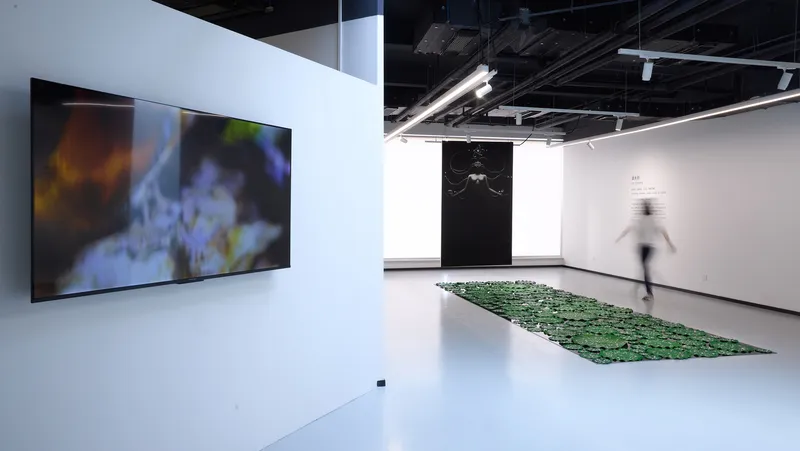

Form Follows Function—and Fiction
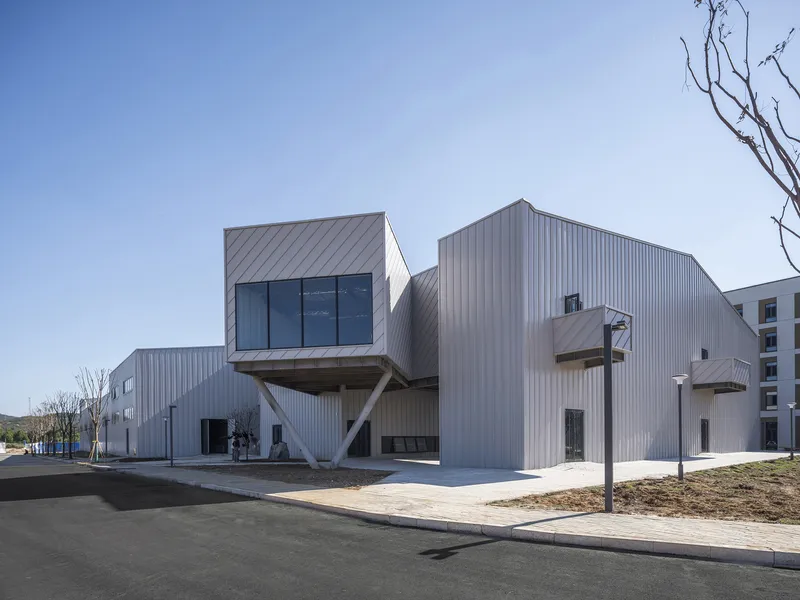
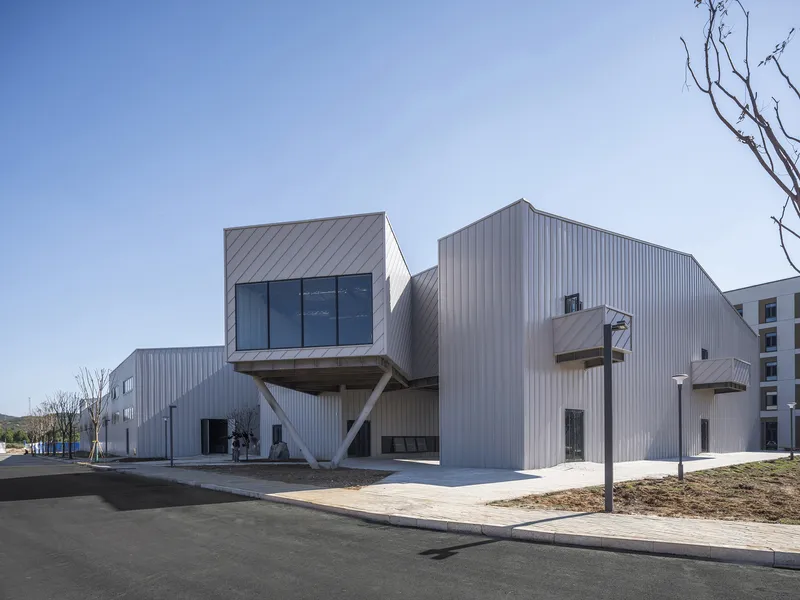
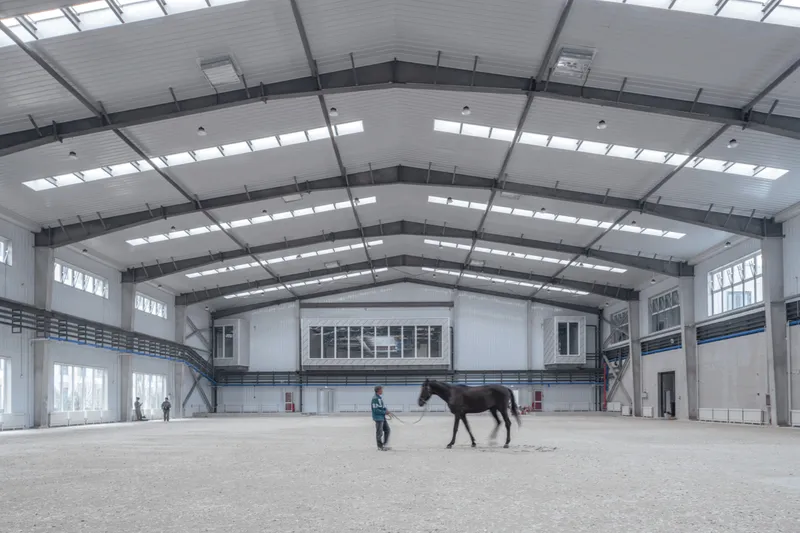
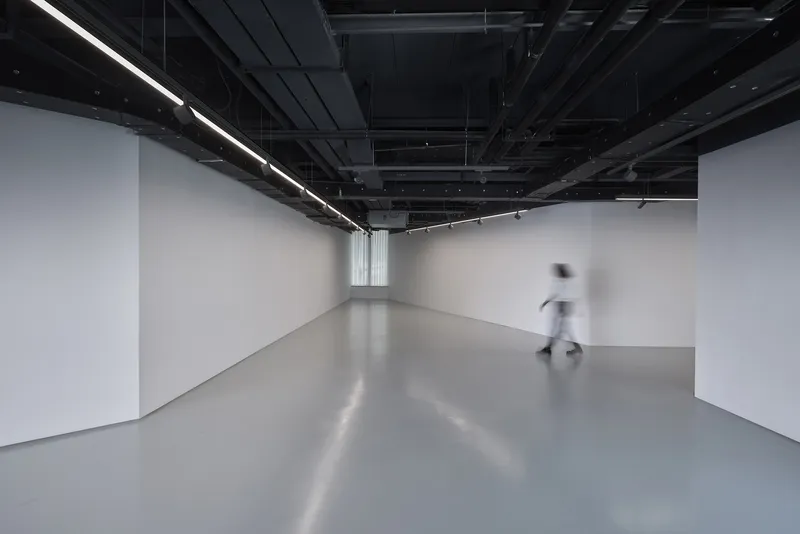
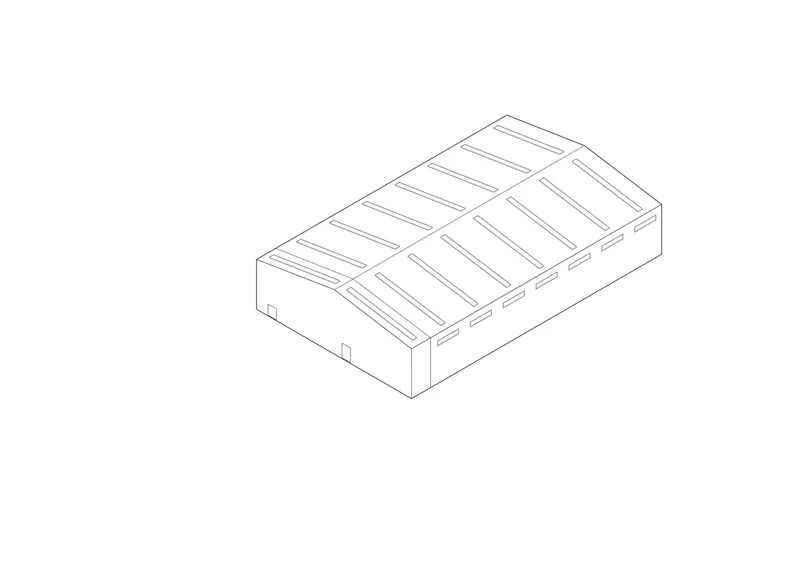
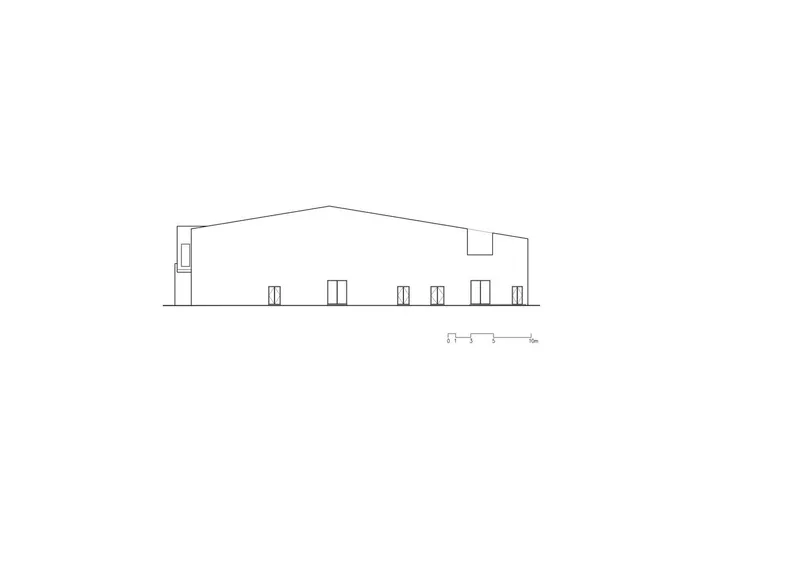
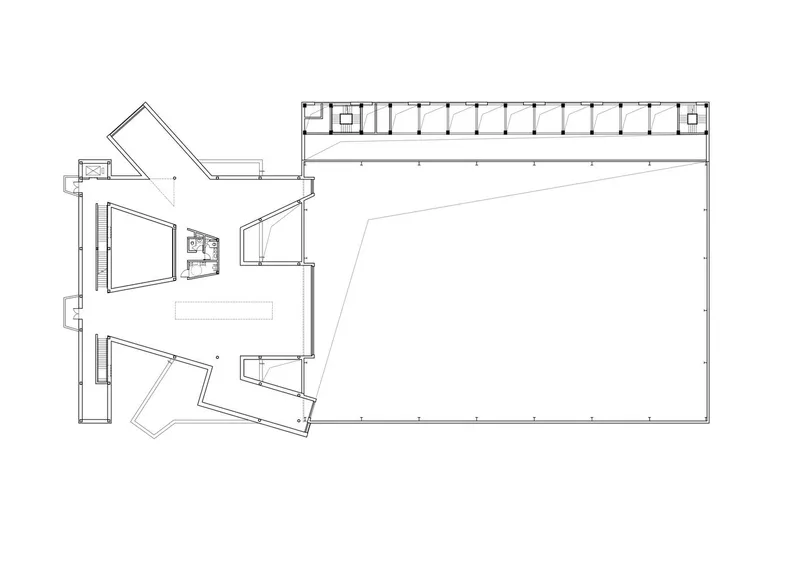
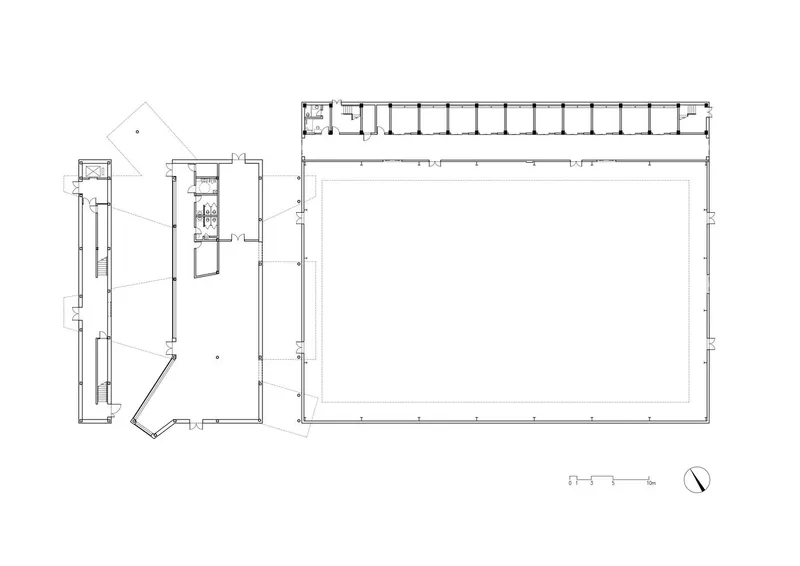
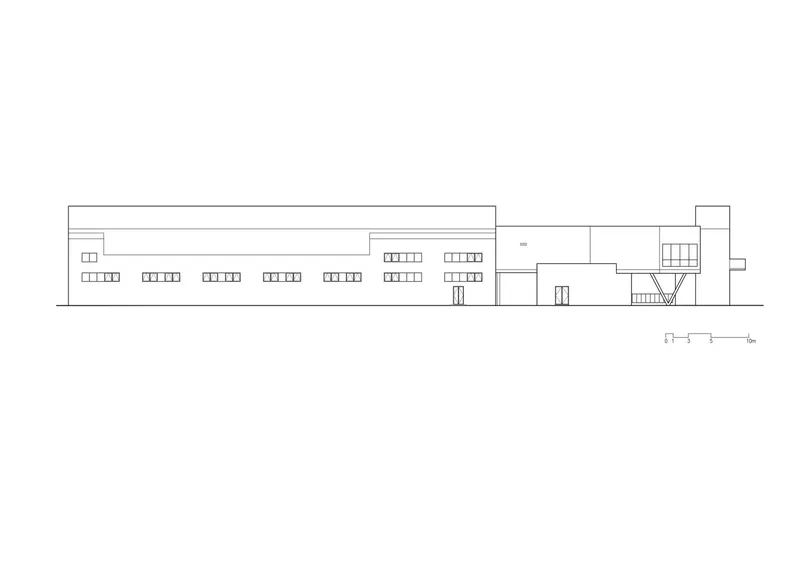
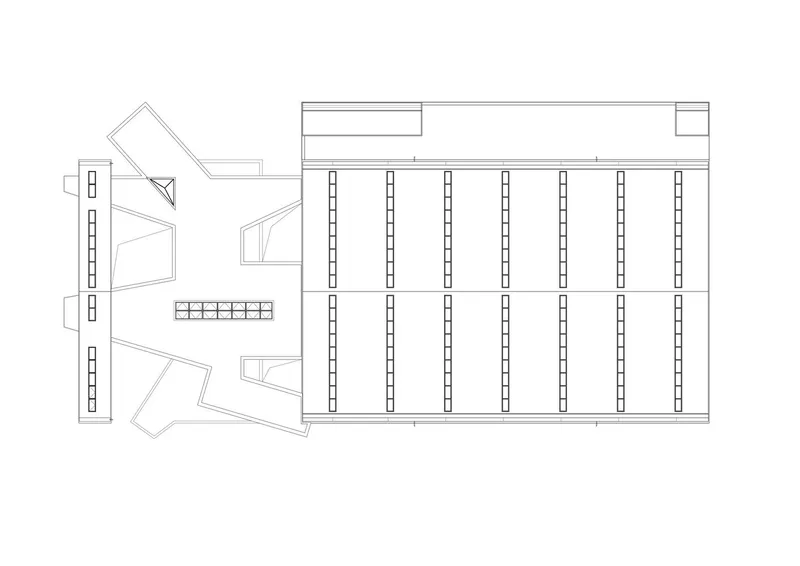
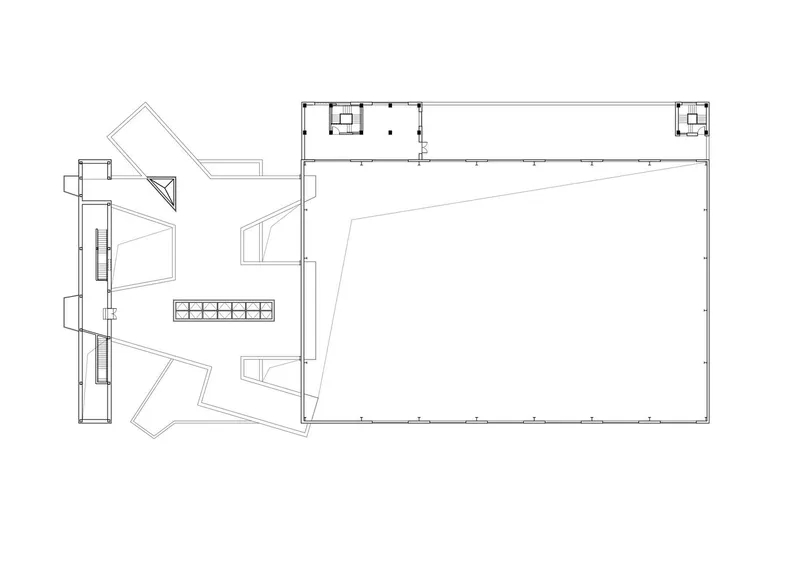
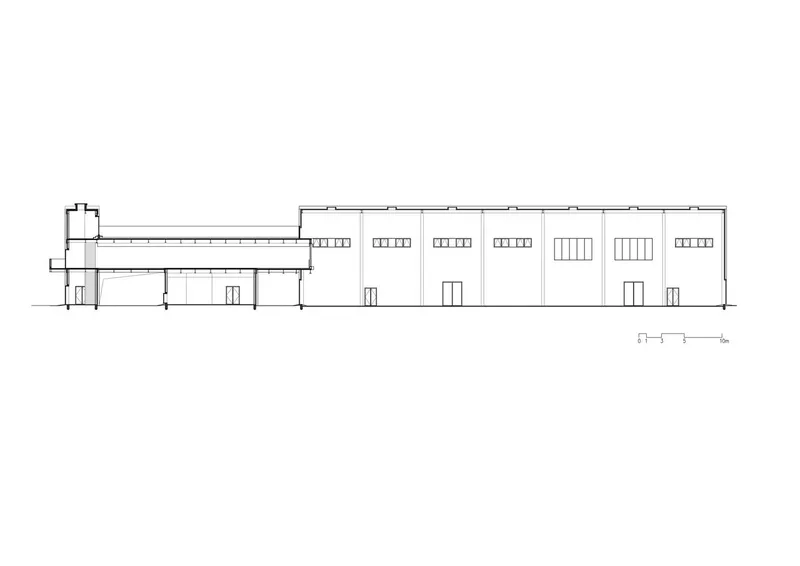
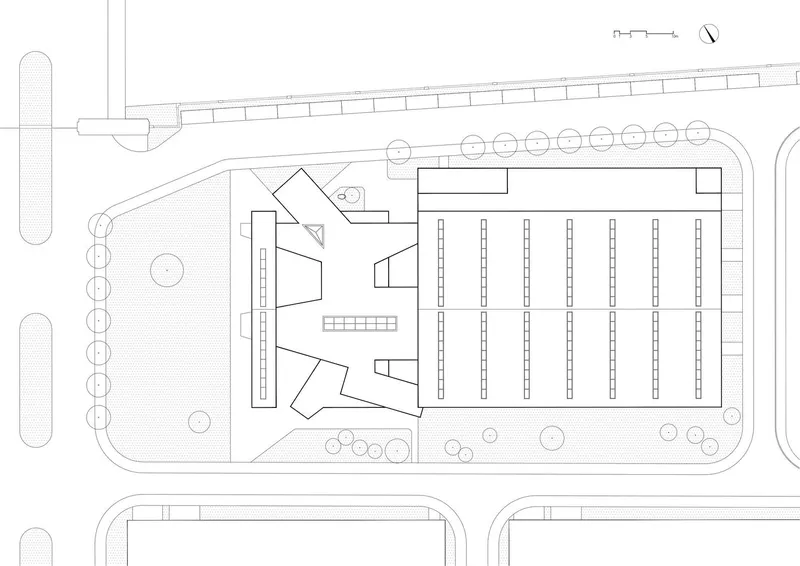
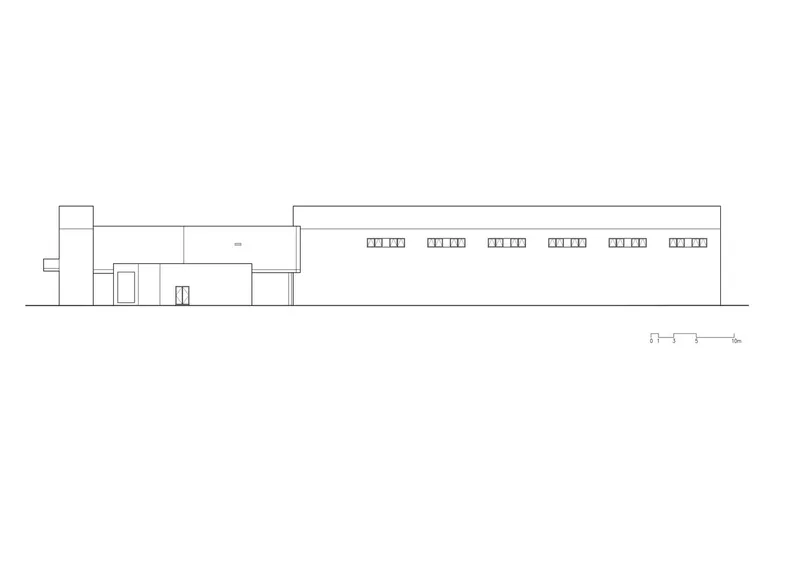
Architecturally, the form of the building is driven by the specifications of an indoor equestrian arena, resulting in a large rectangular volume with a portal frame. But CU Office disrupts this rigid structure by inserting irregularly shaped forms and courtyard-like voids, creating dynamic circulation routes and visual connections.
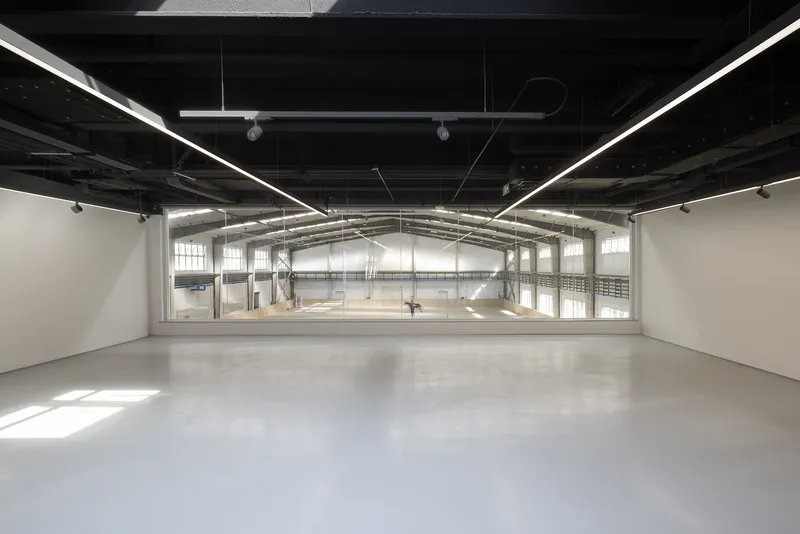
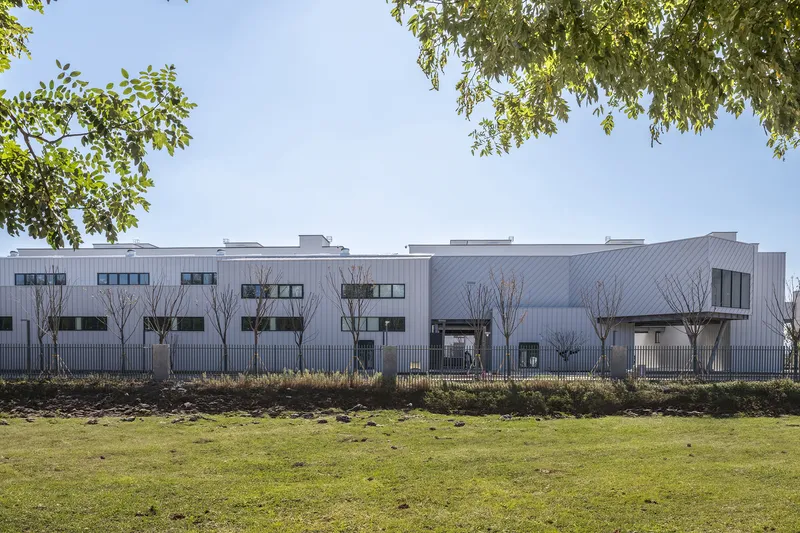
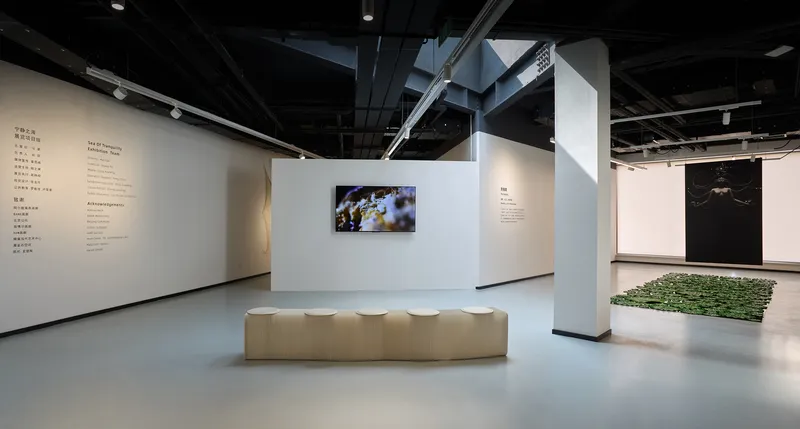
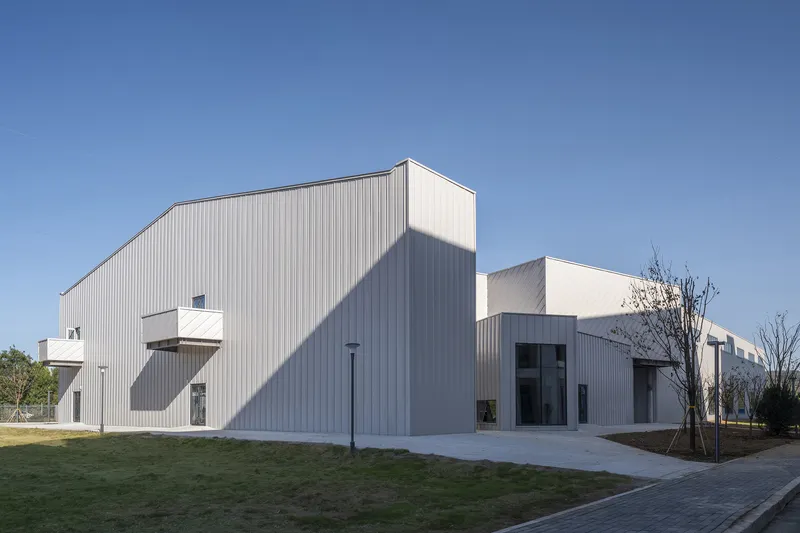
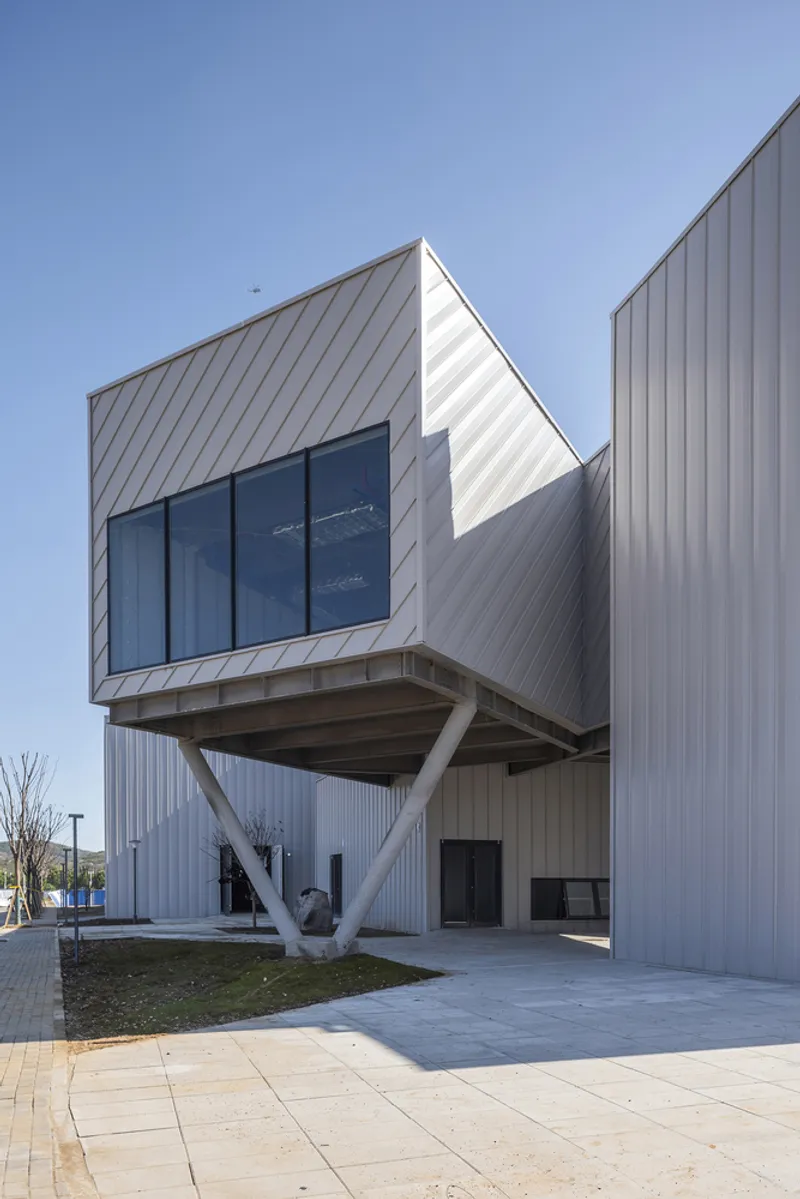
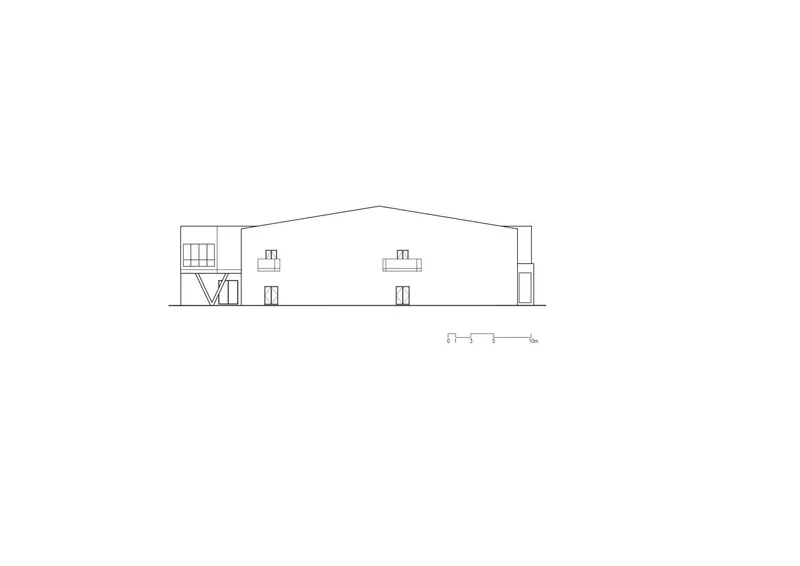
The main facade—a minimalist gabled structure with balconies and a central entrance—recalls both a factory and a cathedral. Behind this modest exterior lies the heart of the art museum: a collection of irregular galleries that project toward the exterior and the equestrian arena, inviting observation and interaction.
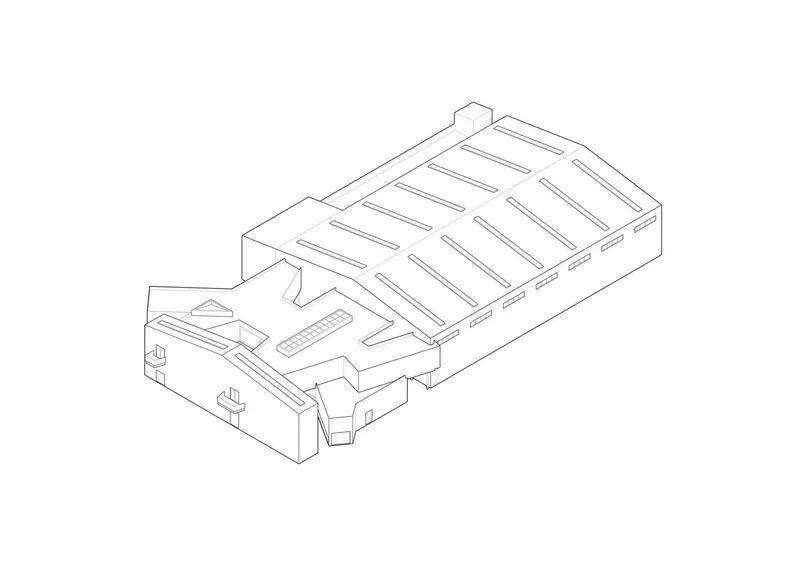
This gesture is inspired by the curiosity of horses, often seen peeking out of their stables—an image that metaphorically resonates with the nature of learning. Through angled windows and varied geometries, the architecture embodies curiosity as an architectural and philosophical principle.
A Public Anchor in a Growing Campus
Yue & Yue is not just for students. As the university develops in a suburban area lacking commercial infrastructure, the building serves a critical social role. The art museum hosts international artists and exhibitions, while the equestrian hall draws national enthusiasts for events and training. Together, they anchor the university to the surrounding community, functioning as a cultural engine that invites engagement, visibility, and growth.
This dual-purpose programming transforms the facility into a beacon for hybrid cultural architecture, one that balances elite performance and everyday interaction. Whether hosting a contemporary art opening or an equestrian competition, the space adapts fluidly—without compromising its architectural clarity.
Architecture as a Dialogue of Observation and Movement
The spatial choreography of the project—static galleries, kinetic arenas, quiet courtyards, and animated balconies—creates a building defined by observation and movement. Visitors observe horses in motion from upper floors, while riders see art patrons through framed windows. Artists witness athletic performance, and equestrian participants move past installations.
This sensory interplay reinforces the architects’ intention: to cultivate not only activity but also attention—to the body, to the image, to the other. In this way, Yue & Yue becomes a rare example of architecture that fuses introspection with engagement, offering layered experiences through spatial design.
A Model for Future Educational-Cultural Infrastructure
As universities worldwide rethink the role of their buildings, Yue & Yue stands as a model of hybrid cultural architecture that merges artistic exploration with physical discipline. It is proof that form can follow not just function, but also philosophy, community, and curiosity. In merging two seemingly unrelated domains, CU Office has created a building that is at once rigorous and imaginative, utilitarian and poetic—a dynamic space that reflects the full spectrum of human development.
All Photographs are works of Weiqi Jin, Shaoli Huang



Popular Articles
Popular articles from the community


Conexión: Biophilic Design Reimagines High-Rise Living in Hong Kong
Conexión reimagines high-rise living in Hong Kong through biophilic design, green facades, shared spaces, daylight, water and nature within.

Co-life: Sustainable Architecture for Age-Friendly Community Living
Co-life reimagines sustainable architecture for seniors through courtyards, rammed earth, shared gardens, and spaces designed for belonging.

Co-Life: Senior Housing Design That Reconnects Older Adults With the City
Co-Life reimagines senior housing design through healing gardens, shared streets, workshops, and a sustainable community across generations.

Hill & Cross Opera: Sculptural Opera House Architecture Shaped by Tallinn’s Landscape and Identity
Hill & Cross Opera reimagines opera house architecture in Tallinn through its sculptural hill, civic plaza, glass wave and a luminous cross.
Similar Reads
You might also enjoy these articles

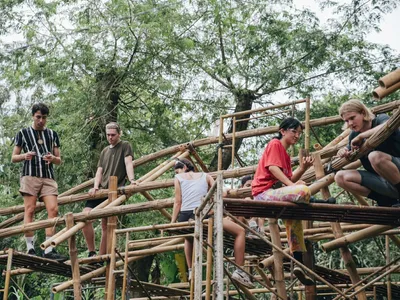
Bamboo Housing Challenge 2026: Design Affordable, Sustainable Homes Using Bamboo
An international design competition by Bamboo U and IBUKU inviting architects and designers to reimagine affordable housing using bamboo — with the winning design built full-scale in Bali.
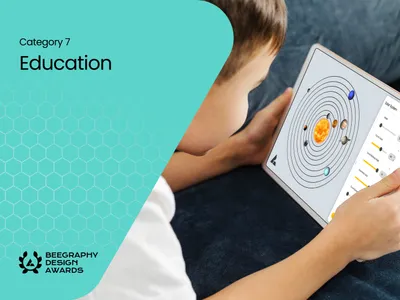
Computational Design & Education: Beegraphy Design Awards Introduces 7th Category (Featuring Jiyun's Innovative Approach)
Dive into Beegraphy’s 7th Design Awards category, where computational design meets education to create immersive, interactive learning tools, inspired by Jiyun’s work.
From Parametric Lighting to Urban Furniture: Join the 2nd Workshop in Beegraphy’s Computational Design Series
Dive into Cutting-Edge Design Techniques and Practical Applications with Industry Experts

Last Call: Unleash Your Architectural Genius in SHAK's Kindergarten Design Competition
Urgent call for architects to join SHAK's kindergarten design competition before the looming deadline

Explore Architecture Competitions
Discover active competitions in this discipline



Challenge to reimagine the Iron Throne


Photograph architecture without architects


Illustrate the lost glory of Angkor Wat - Render Challenge


Design challenge to reuse E-waste
Comments (0)
Please login or sign up to add comments
No comments yet. Be the first to comment!