
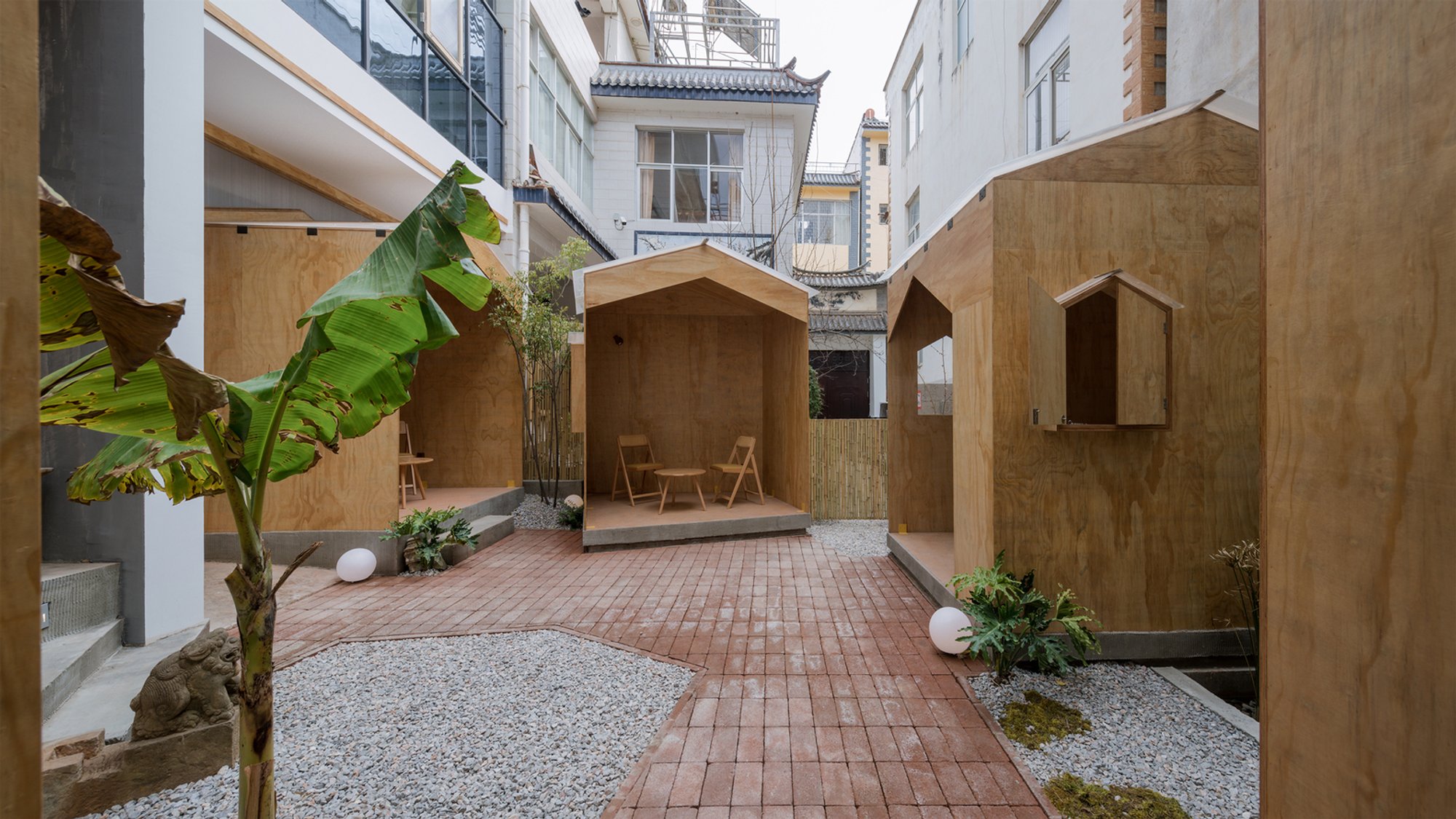
Yusan Cafe by Edge Architects: A Harmony of Tradition and Modern Design in Dali
Yusan Cafe by Edge Architects in Dali blends traditional Bai architecture with modern wooden box cabins, creating immersive, layered café spaces.

Nestled at the end of a quiet alley in Eryuan County, Yusan Cafe offers a tranquil retreat away from the neighborhood hustle. Designed by Edge Architects, this café occupies a first-floor courtyard space typically used for self-built residential homes. These brick-and-concrete structures, popular in the region, presented a unique challenge: how to create a dynamic and engaging space despite structural limitations. The solution lies in a sensitive, innovative approach that balances traditional architecture with contemporary spatial design.
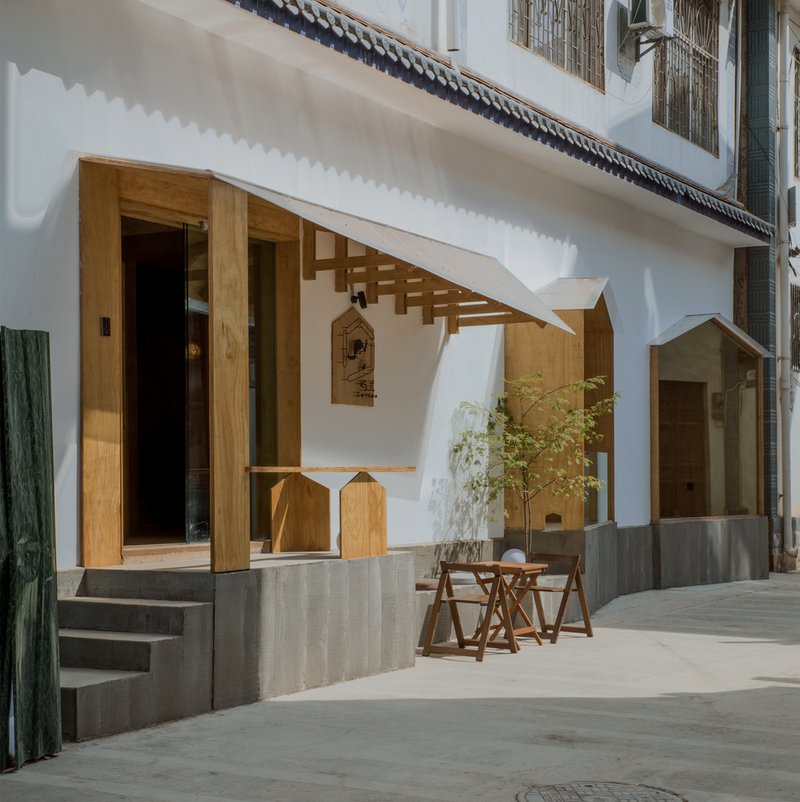
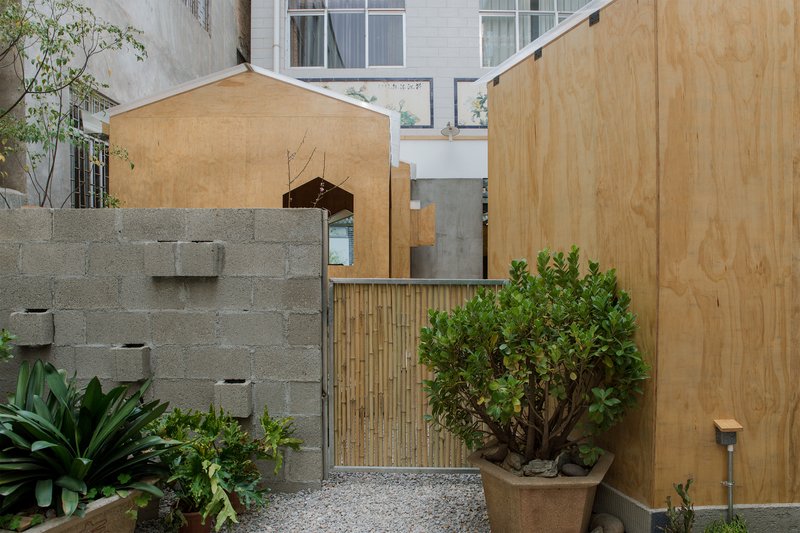
Embracing Local Context: Bai Ethnic Heritage
Located at the foot of the mountains west of Eryuan County and near Fengyu Town, the site is surrounded by well-preserved traditional Bai villages. These villages are known for their natural construction techniques and rich spatial arrangements, which imbue the café’s design with cultural authenticity and vibrancy.
Edge Architects captured this essence by studying the traditional village layout and interpreting it in a modern café setting. The design references the Bai architectural vernacular while creating a space that feels contemporary and immersive.
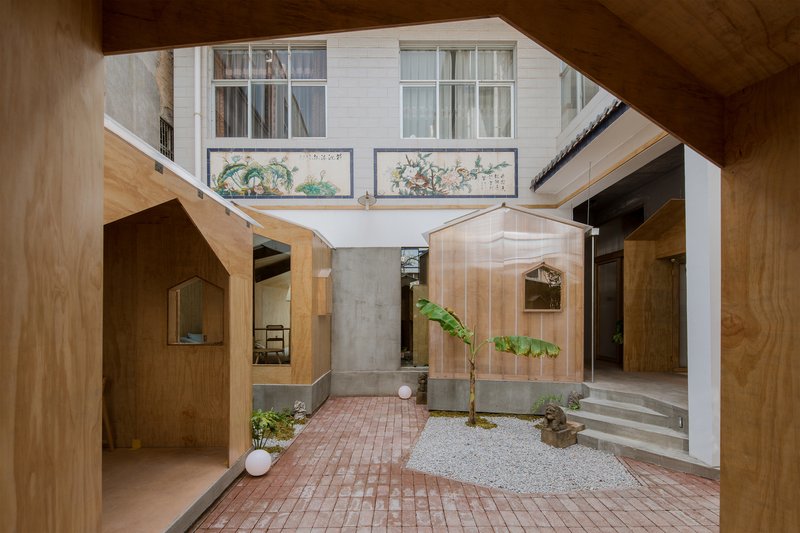
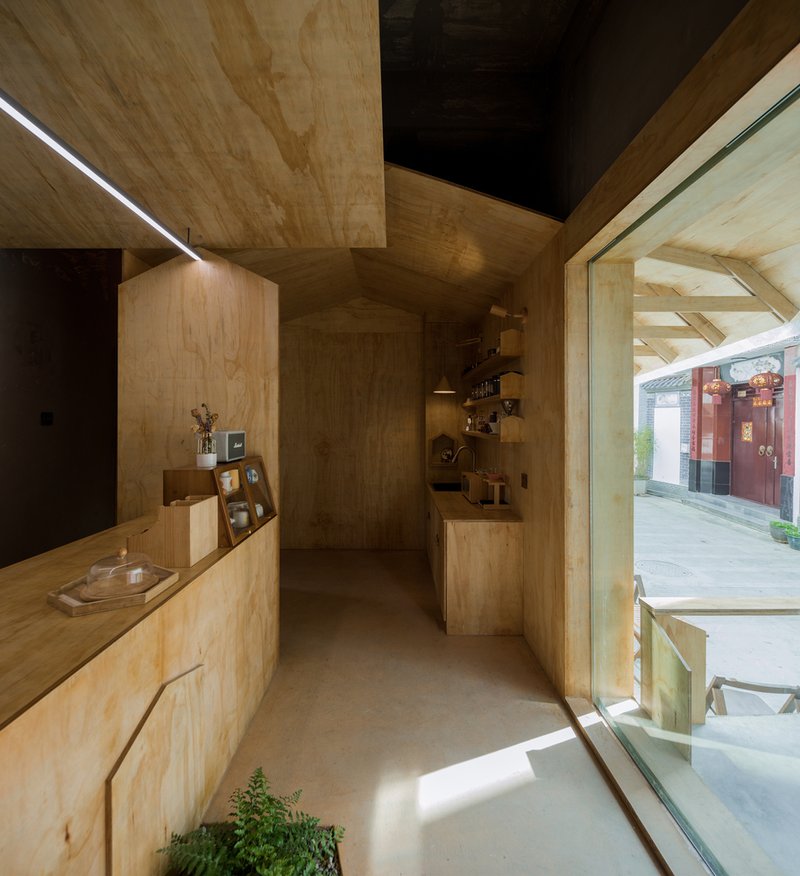
Concept: Wooden Box Cabins and Spatial Play
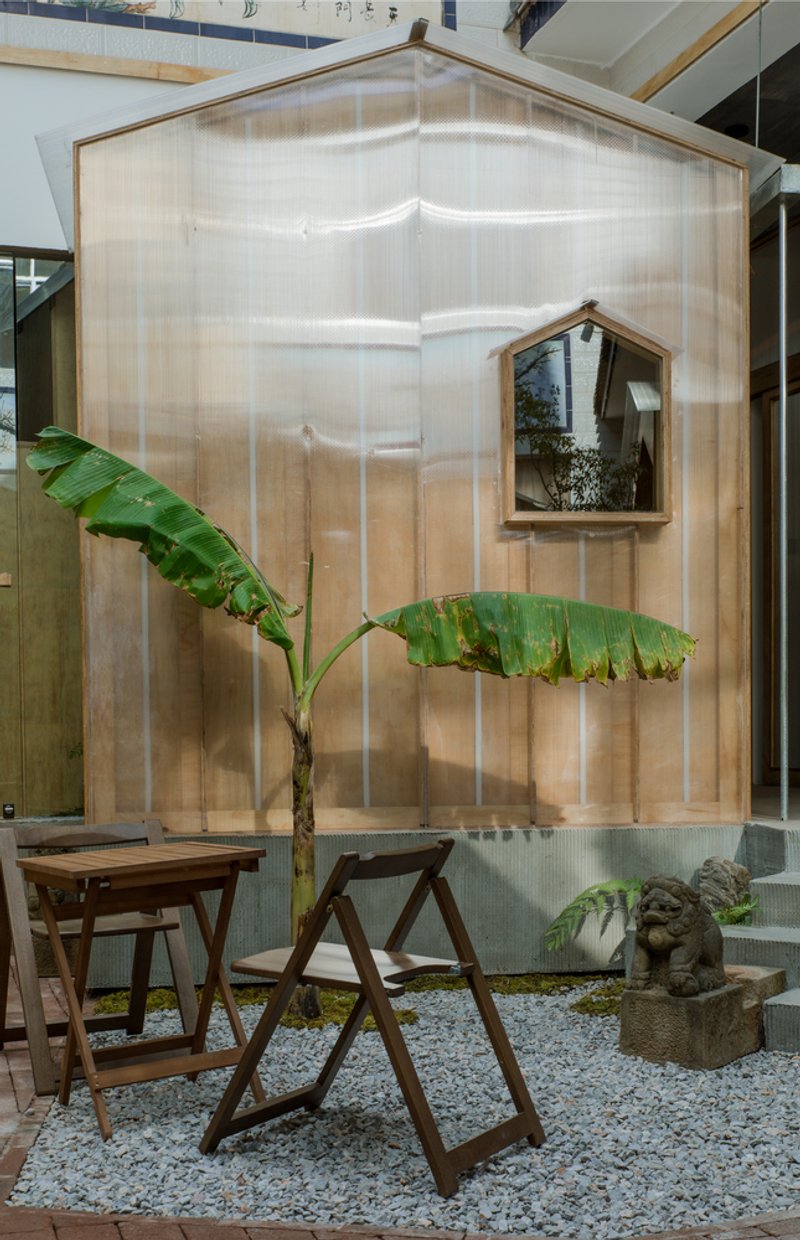
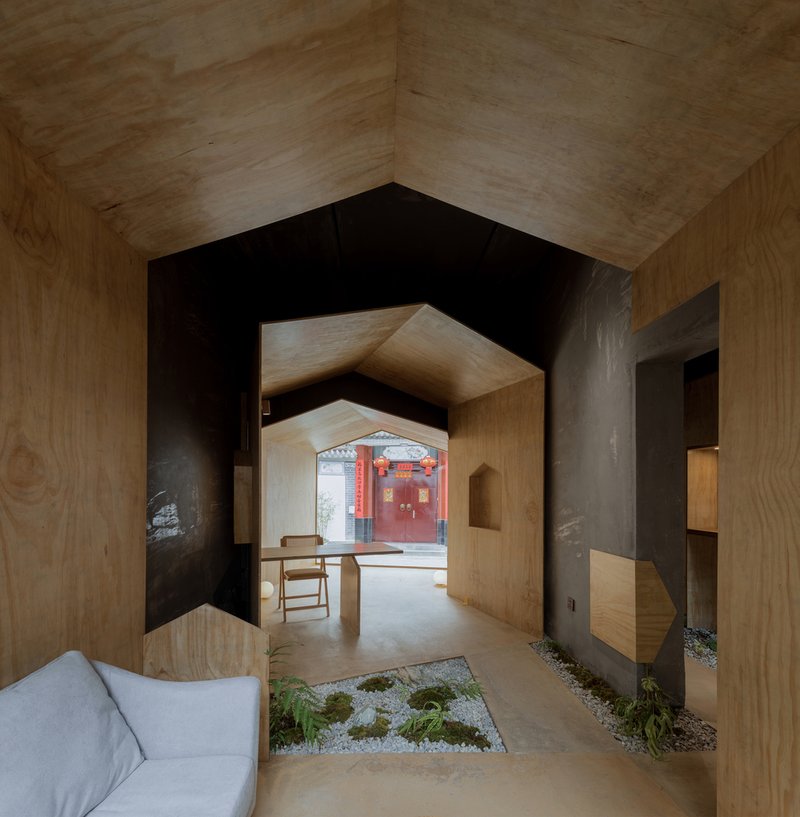
At the heart of Yusan Cafe is the innovative use of wooden box sub-cabins. A total of 13 modular wooden boxes, inspired by the local "house" type, are strategically inserted into the existing courtyard. These boxes vary slightly in design, creating a rhythm and visual interest that transforms the space into a playful yet cohesive environment.
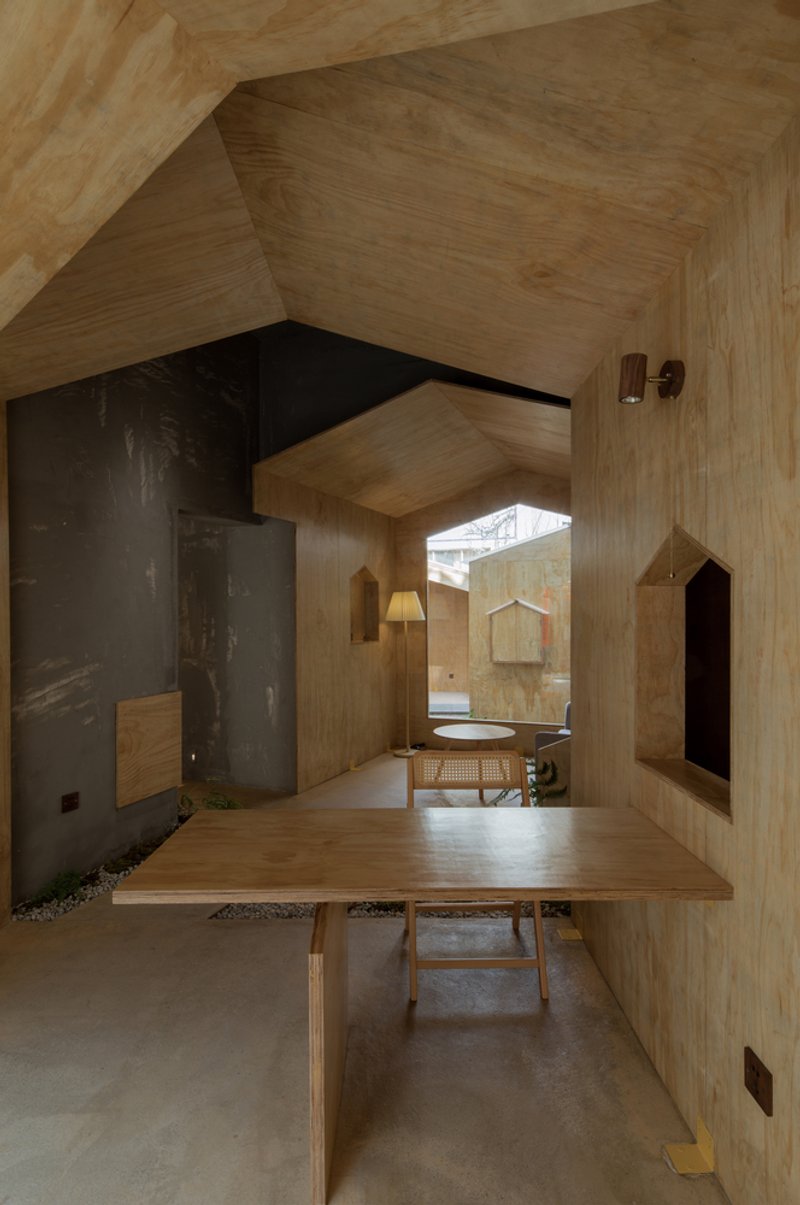
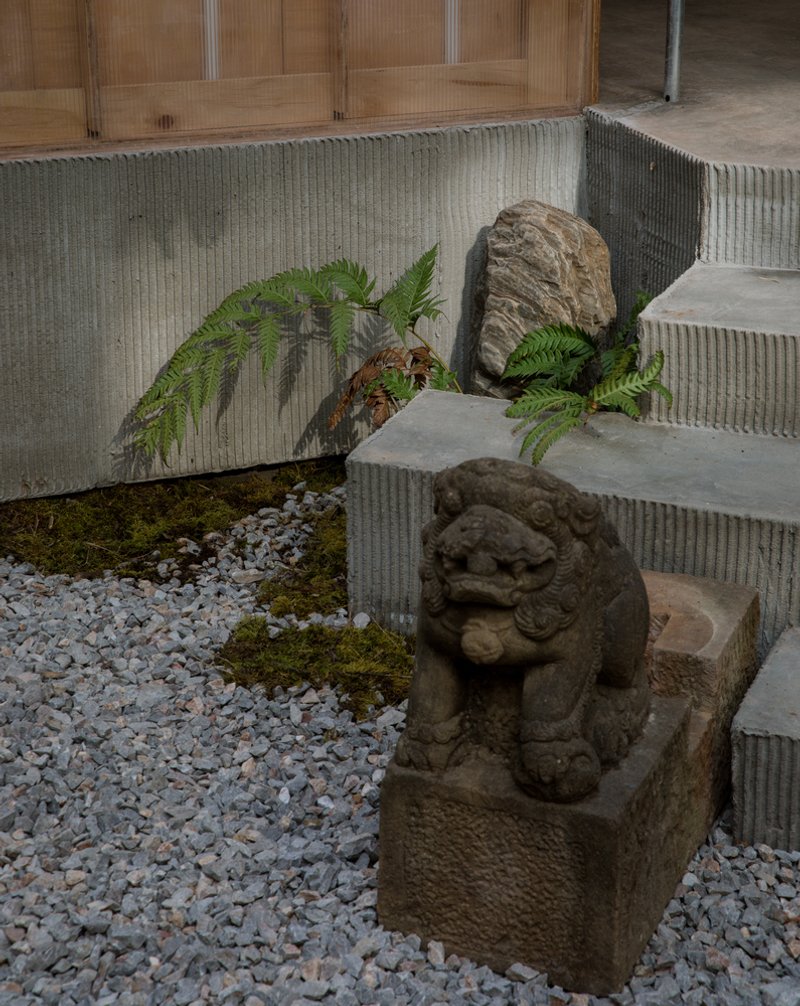
Indoor Arrangement
- Twisted Alignment: Indoor boxes are arranged shoulder-to-shoulder, forming intimate clusters for guests.
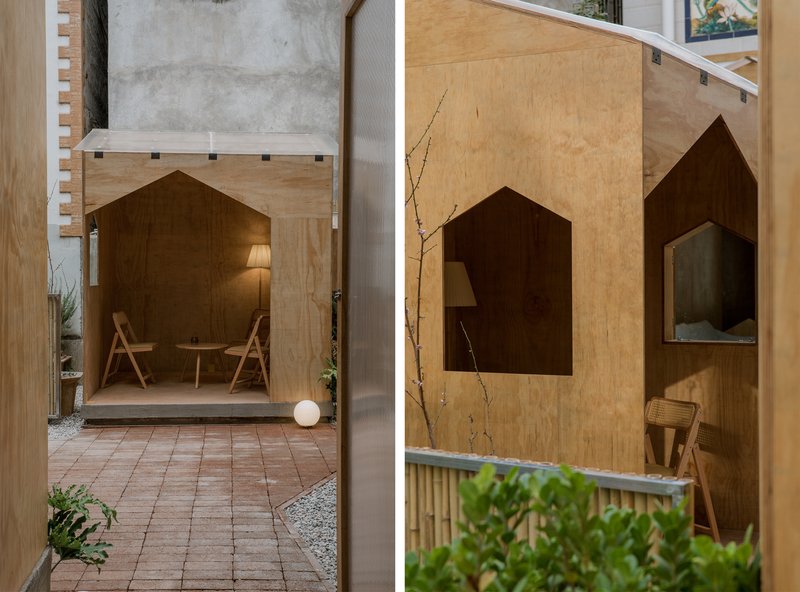
- Courtyard Layout: Outdoor boxes scatter around the atrium, producing a “tight inside, loose outside” pattern.
- Readable Spatial Conflict: The juxtaposition of new wooden boxes with existing structures introduces a conscious disruption, breaking the monotony of the original space.
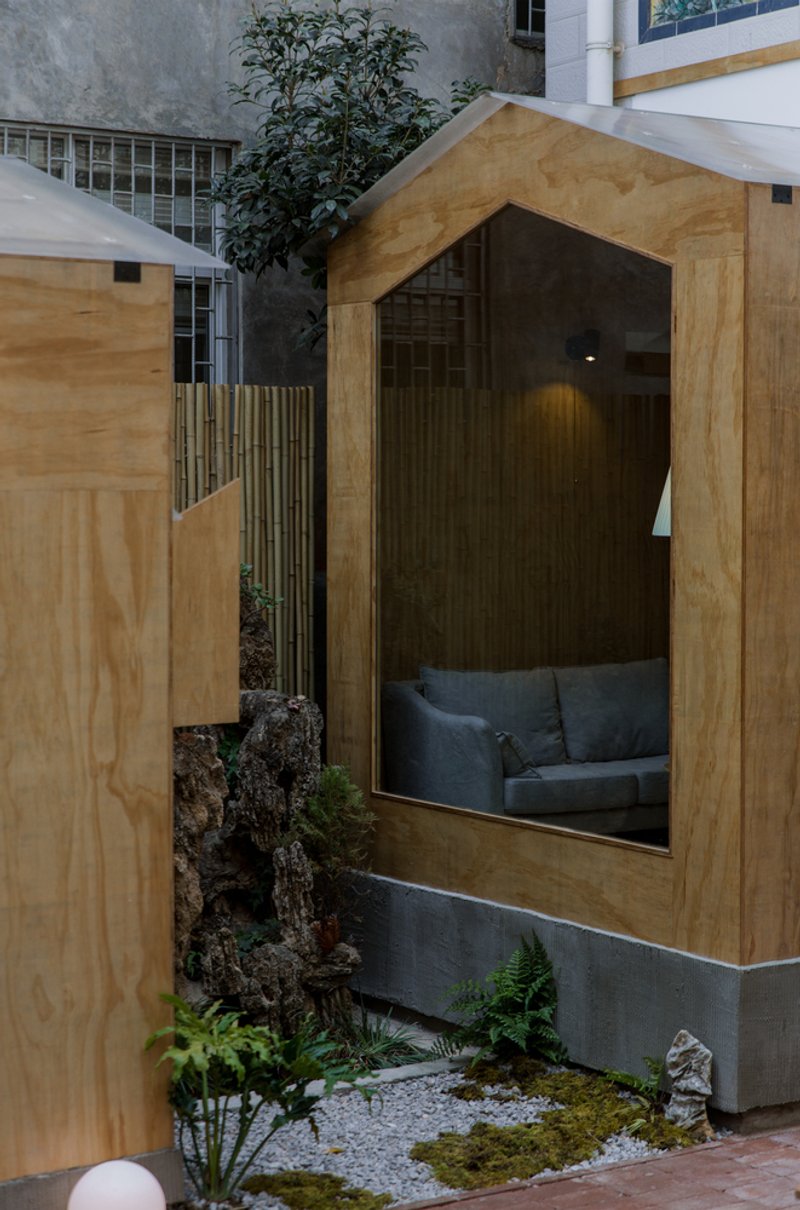
Materiality: Locally Sourced and Sustainable
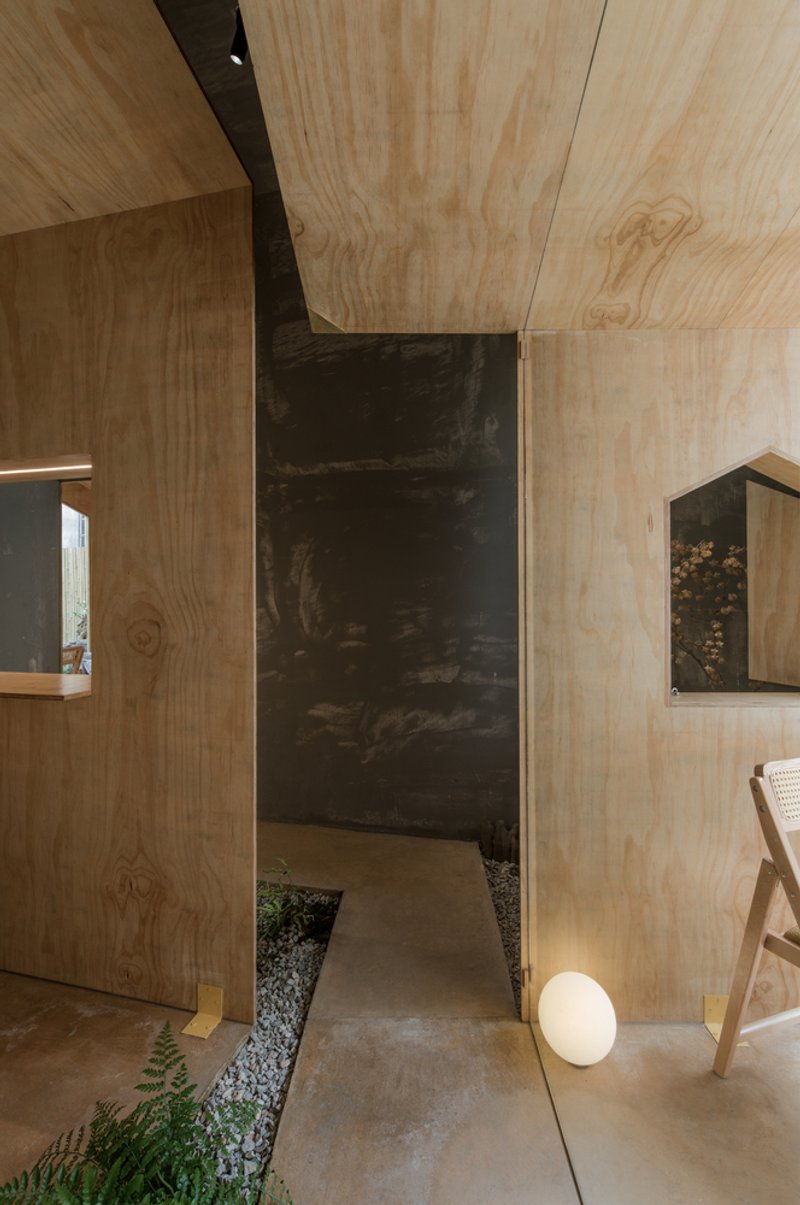
To meet design requirements and cost efficiency, the wooden boxes are constructed from locally produced plywood from Yunnan. Each square box measures 2.4 x 2.4 meters and combines board and metal components, resulting in independent, modular structures. This material choice not only supports local craftsmanship but also reinforces the café’s sustainable design ethos.
Spatial Experience: Pathways and Perception
The café’s layout encourages exploration through curved, layered paths formed by the wooden boxes:
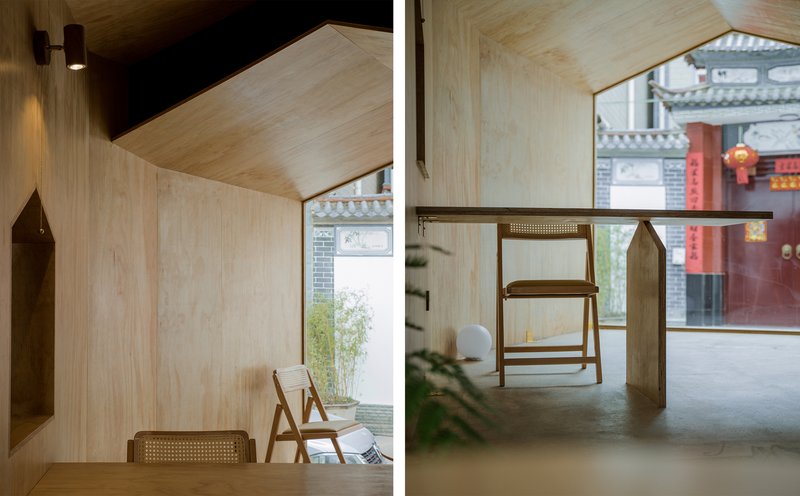
- Depth and Layering: Twisting paths extend the spatial experience, allowing guests to navigate through visually connected indoor and outdoor areas.
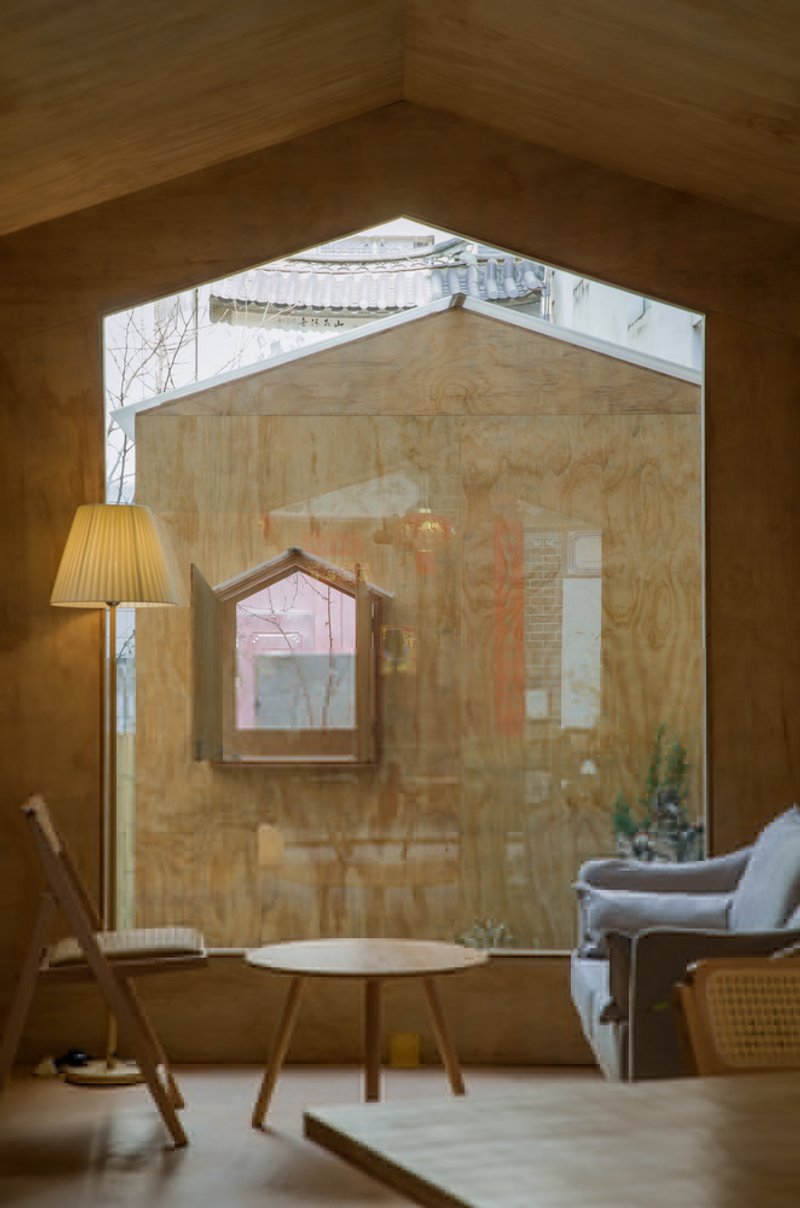
- Windows and Openings: Strategic placement of windows and openings creates framed sightlines, enhancing visual depth and layering.
- Independent Domains: Each wooden box forms a semi-private zone, where furniture placement amplifies the sense of intimacy and personal space.
This thoughtful spatial design transforms the café from a simple gathering place into an interactive experience where architecture guides movement and perception.
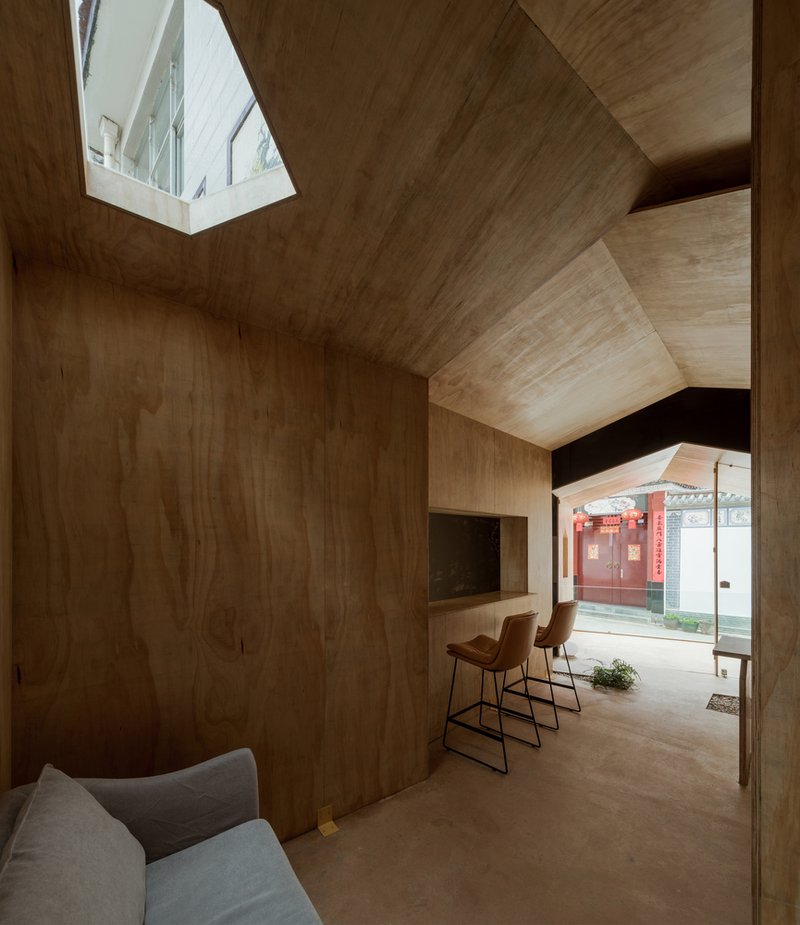
A Contemporary Interpretation of Tradition
Yusan Cafe exemplifies how modern architecture can harmoniously coexist with cultural heritage. By leveraging local materials, traditional spatial concepts, and innovative wooden box arrangements, Edge Architects created a café that is both culturally grounded and experientially rich.
Visitors leave not only with the taste of coffee but also with a memorable journey through a thoughtfully layered and engaging environment.
All Photographs are works of Yang Chen




Popular Articles
Popular articles from the community

VEIVE Architects Builds a Mountain Hostel That Disappears into a Hangzhou Hillside
On the Huihang Ancient Trail in Xiangjian Village, a shelter of wood, steel, and rammed earth roots itself in the rural landscape.
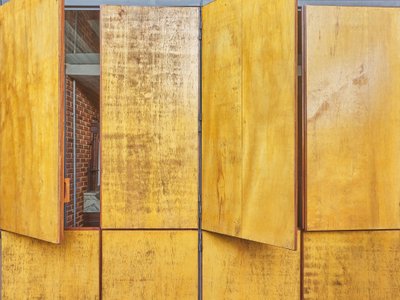
gru.a Builds a 70 m² Timber Shelter That Opens Like a Farm Door in Brazil's Valley of the Vines
In the mountainous region near Rio de Janeiro, a compact retreat uses plywood panels and deep eaves to blur the line between inside and out.
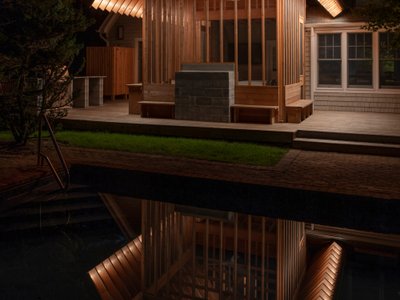
BLDUS Turns a 250-Square-Foot Screened Porch into a Pine Forest Temple in East Hampton
A gabled cedar pavilion mimics the rhythm of surrounding pines, anchoring a 1990s wooded home to its hollow in Long Island.
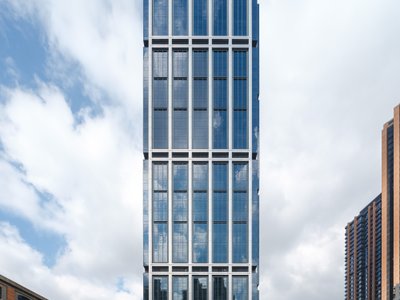
Foster + Partners Wraps a 200-Meter Shanghai Tower in Stainless Steel and Industrial Memory
The Suhe Centre Office Tower anchors a regenerated waterfront district in Shanghai with an all-steel structure that nods to local warehouse heritage.

Similar Reads
You might also enjoy these articles

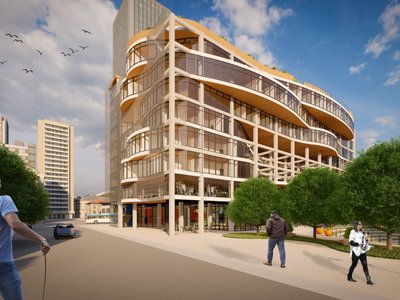
Olio Towers: A Mid-Rise for Performers That Fuses Housing, Rehearsal, and Stage
Located blocks from Houston's Theater District, this modular tower stacks living units around a central performance atrium.
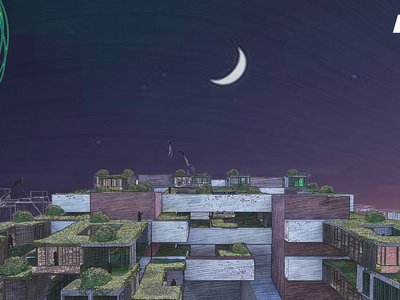
Oasis: Modular Green Housing Carved into Dhaka's Urban Fabric
A shortlisted Plugin Housing entry reclaims unauthorized settlements in Dhaka with stepped concrete volumes, green roofs, and ventilation-driven design.

Black Hole: A Floating Megastructure for the Post-Physical Era
Emiliano Mazzarotto envisions a spherical, self-scaling arena where e-sports, digital hotels, and holographic stadiums replace traditional public space.
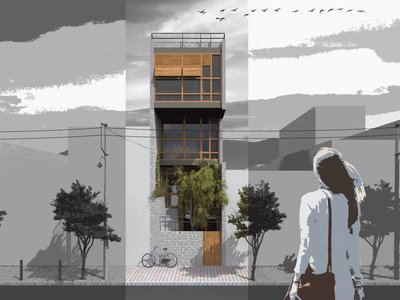
Compact & Sustainable Living in Piraeus: A Four-Level Family Home Built Around Light and Air
A narrow townhouse in one of Greece's densest port cities uses a central atrium and passive strategies to house three generations under one roof.
Explore Architecture Competitions
Discover active competitions in this discipline




The International Standard for Design Portfolios


The Global Benchmark for Architecture Dissertation Awards


The Global Benchmark for Graduation Excellence


Challenge to design luxury tourism on rails
Comments (0)
Please login or sign up to add comments
No comments yet. Be the first to comment!