
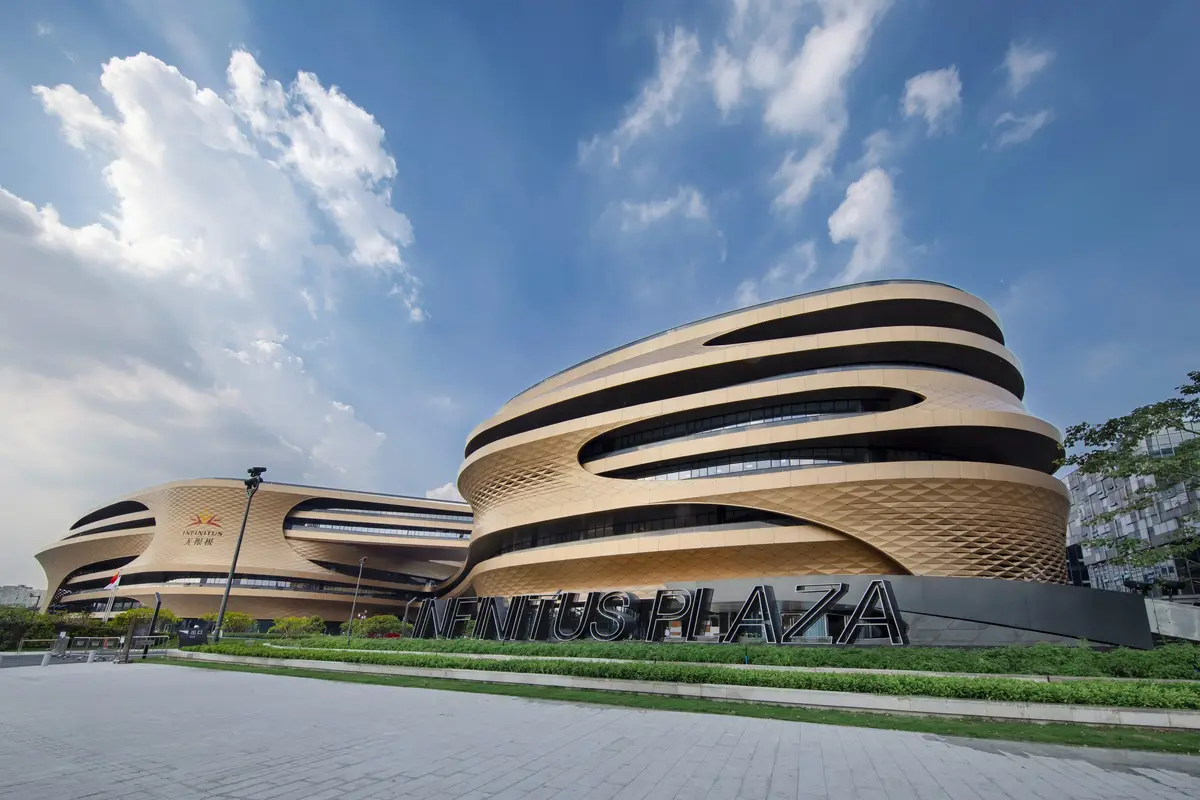
Zaha Hadid Architects' Infinitus Plaza officially opens, showcasing a stunning display of architectural ingenuity
The futuristic design of Infinitus Plaza creates a new landmark in Hong Kong's skyline, merging innovation and sustainability for the 21st century

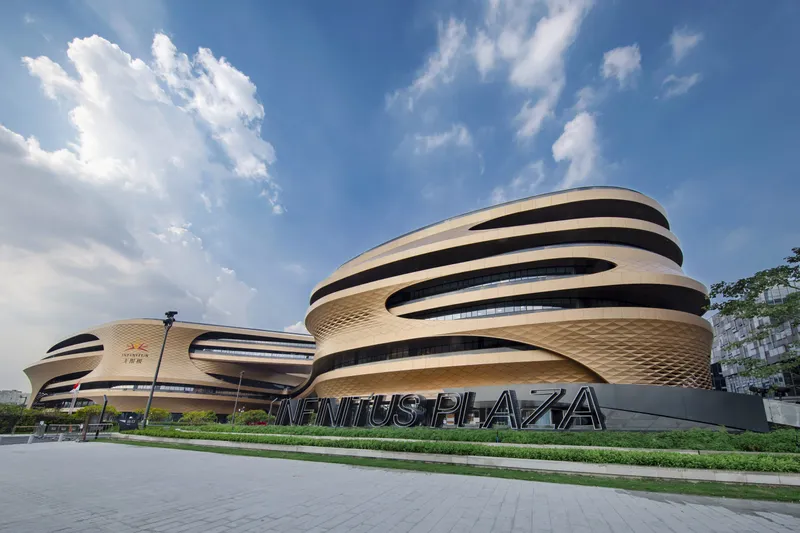
Infinitus Plaza, designed by Zaha Hadid Architects, has officially been inaugurated in Guangzhou, China, as the new global headquarters of Infinitus China. The 185,643 sq. m building incorporates workspaces that are designed to promote connectivity, creativity and entrepreneurship, as well as the group’s herbal medicine research facilities and safety assessment labs. It also includes a learning centre for conferences and exhibitions. Infinitus Plaza is located in the new Baiyun Central Business District, a redevelopment of the decommissioned Baiyun Airport that links Guangzhou’s city centre with Feixiang Gongyuan Park and new communities.
 ©Liang Xue
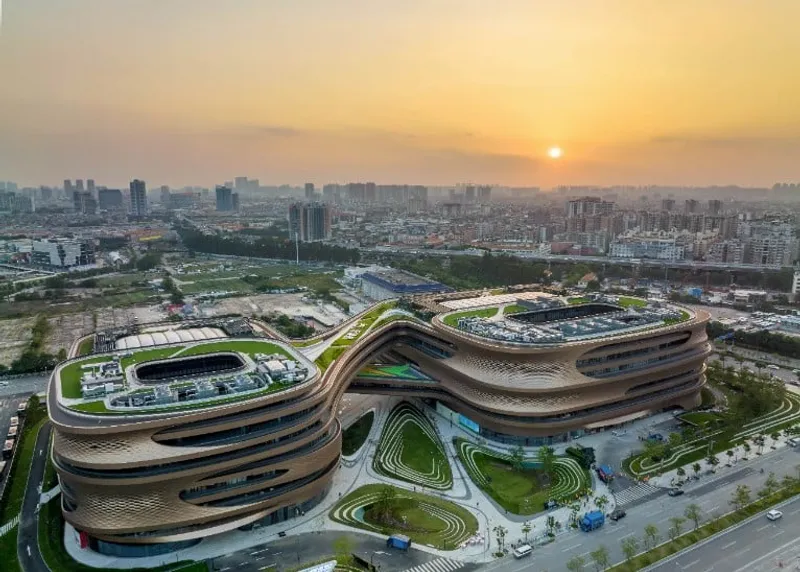
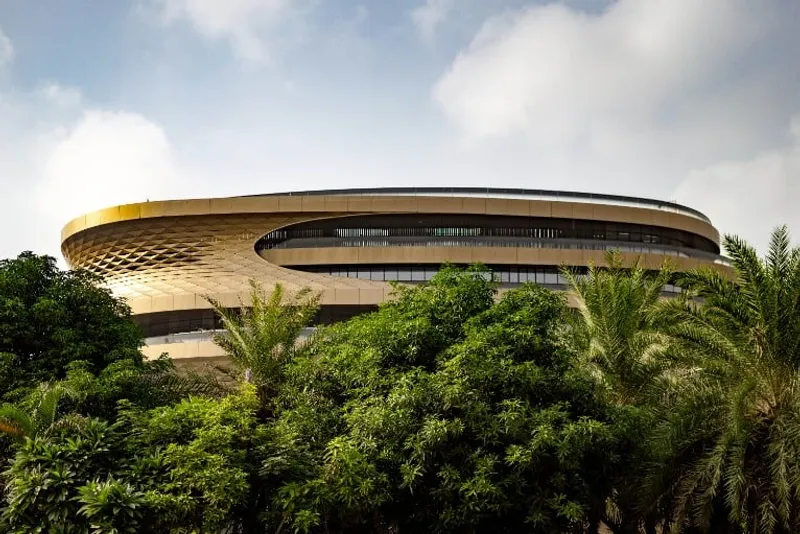
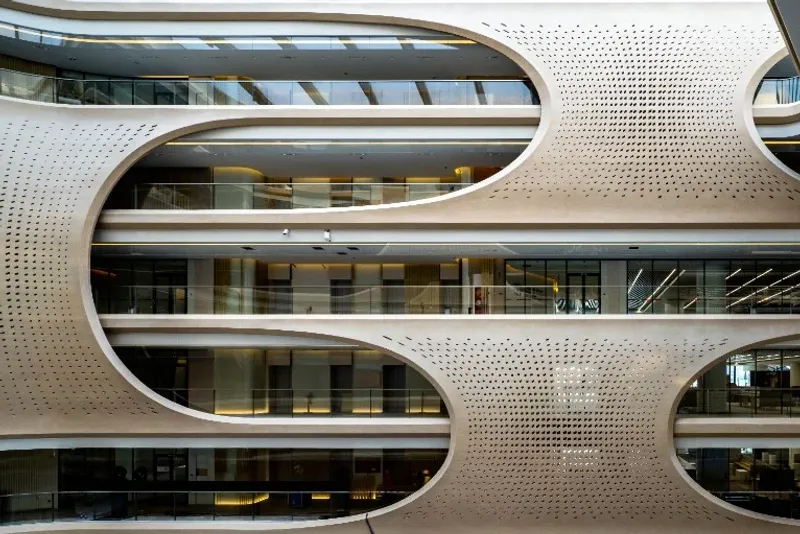
The building is designed over eight storeys as a series of infinite rings that create shared indoor and outdoor spaces to foster community and collaboration between departments. Interconnecting bridges provide flexible communal spaces, including gyms, exercise rooms, recreation and relaxation zones, and restaurants and cafes, to promote wellness for employees. The bridges also connect the plaza’s offices with shopping and dining areas.
 ©Zaha Hadid Architects
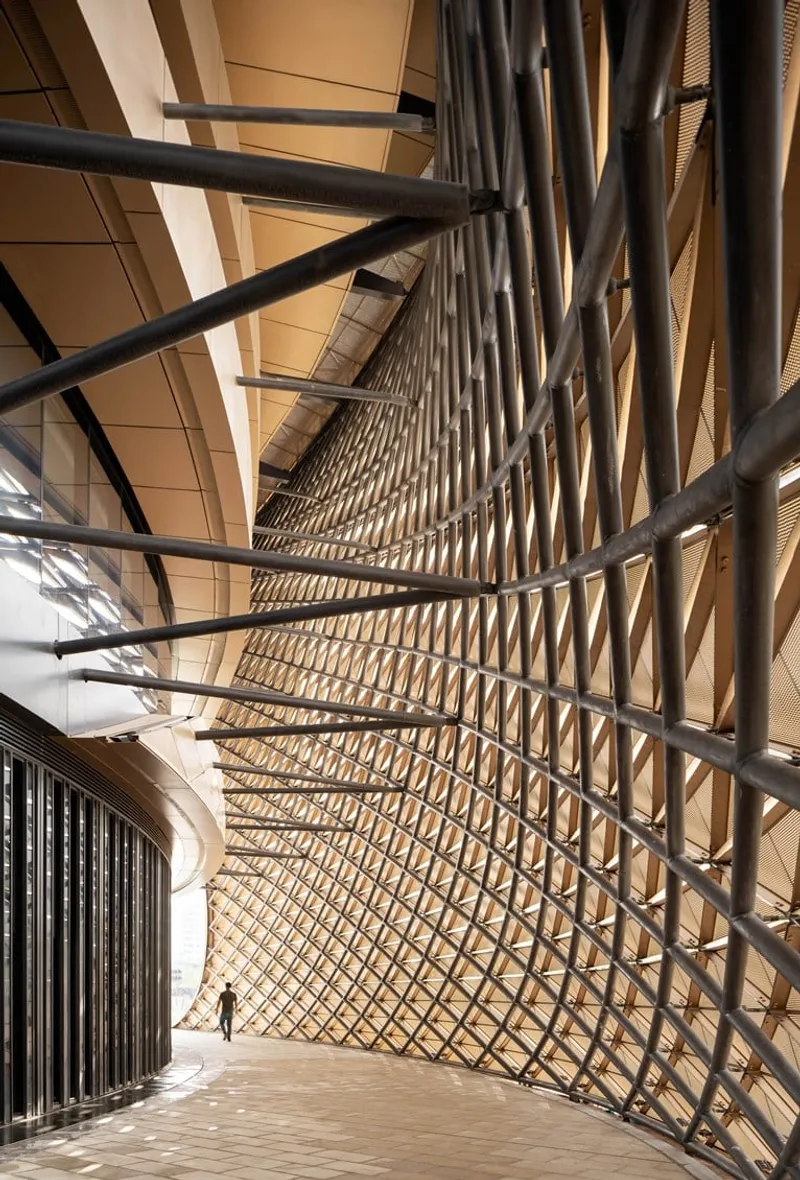
Infinitus Plaza is designed to achieve LEED Gold certification and the equivalent 3-Stars of China’s Green Building Program, with the life cycle, carbon emissions calculated at 15.3% embodied carbon and at 84.7% operational carbon emissions. The structure is optimised to reduce the amount of concrete required and increase the proportion of recyclable content. The building has used 25,088.33 tonnes of recycled materials, primarily steel, copper, glass, aluminium alloy profiles, gypsum products and wood.
 ©Liang Xue
To reduce energy consumption, the building’s design includes measures such as double-insulated low-E glazing, external perforated aluminium shading panels to optimise reductions in solar heat gain, and rooftop solar water heating. An innovative network of sprinklers powered by photovoltaics sprays atomised particles of collected rainwater onto the ETFE membrane roof above each atrium to dissipate heat by evaporative cooling. The building’s smart management system and fresh air linkage ensure indoor air quality by monitoring temperature, carbon dioxide, PM2.5 particulates and other pollutants, detecting occupancy levels and automatically adjusting for optimal comfort with minimal energy consumption.
 ©Zaha Hadid Architects
Infinitus Plaza features green roofs that comprise 49.36% of the project’s total roof area, and the gardens on the roof of the 3rd, 7th and 8th floors grow herbs and plants native to the region and are naturally irrigated. These outdoor communal areas are linked together with a rooftop jogging track and walking paths.
Infinitus China’s new headquarters is an innovative and sustainable building that combines advanced design and construction technologies with proven sustainability strategies to create new work environments that unite all departments and enhance communication throughout the group. The building has become a national centre for China’s health and wellness industries, anchoring Guangzhou’s new Baiyun Central Business District.
Press release and photos courtesy of Zaha Hadid Architects
Cover photo ©Liang Xue


Popular Articles
Popular articles from the community


Opera on the Sea: Driftwood Logic Shapes a Timber Opera House on Estonia's Coast
Trevor Orgill's opera house translates the entangled drift of floating timber into a civic building where wood, water, and music converge.

Faces of the Soviet Avant-Garde: Turning Moscow's Street Names into an Open-Air Museum
A network of sculptural installations across a Moscow residential district transforms forgotten architect names into spatial encounters with cultural memor

Opera by the Sea Estonia: Three Shells Dissolving Architecture into Tallinn's Coastline
A winning opera house proposal replaces monumental form with interconnected shells that blur the boundary between building, park and Baltic Sea.

Extended Shell: Retrofitting Kolkata's Balconies as Living Urban Thresholds
A modular retrofit system recovers the social and environmental intelligence of Kolkata's historic verandas for contemporary Park Street residents.

Similar Reads
You might also enjoy these articles
116 Rokeby Building, Collingwood
Sustainable Collingwood office building featuring double-skin façade, natural ventilation, rooftop amenities, and carbon-neutral design focused on wellbeing and longevity.
Contemporary Apartment Renovation in Spain: RV House by BIAN Opens Up to the Sea
A minimalist 1930s apartment in Santander is transformed into a flexible, sea-facing home through contemporary Spanish renovation.
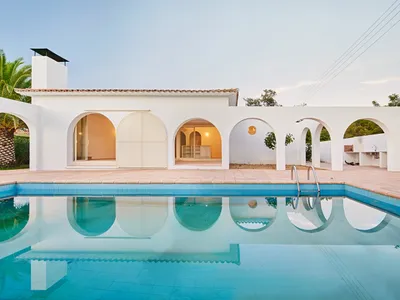
3 Marías House: A Contemporary Mediterranean Courtyard Retreat by Bajet Giramé + Burckhardt
Mediterranean courtyard home blending traditional architecture with modern design, terracotta flooring, flexible interiors, sustainable climate strategies, and garden integration.
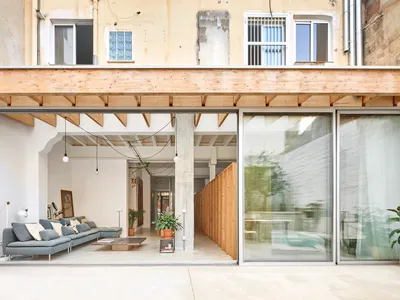
NZ10 Apartment by auba studio: Adaptive Reuse in Palma de Mallorca
Adaptive reuse apartment transforms bakery into light-filled home with patios, privacy layers, and wood interiors enhancing urban living experience.

Explore Commercial Buildings Competitions
Discover active competitions in this discipline


Challenge to reimagine the Iron Throne

Photograph architecture without architects

Illustrate the lost glory of Angkor Wat - Render Challenge

Design challenge to reuse E-waste
Comments (0)
Please login or sign up to add comments
No comments yet. Be the first to comment!