

Zaha Hadid Architects' Masaryčka Building in Prague Reaches Third Construction Level
The Futuristic Commercial and Retail Complex is on Track for a 2024 Opening


Construction of the Masaryčka building in Prague, designed by Zaha Hadid Architects, continues to progress with the completion of the structure of the retail levels on the ground and first floors. Works have begun on the higher floors, which will house cantilevered offices with terraced roof gardens. The 28,000 sq.m building is planned to open in 2023 and incorporates seven storeys within its eastern section, reaching nine storeys at its western end.
The Masaryčka design is a unifying architectural response, with circulation routes through the site giving access to new civic spaces within a major transport hub for the city. The building integrates with the Správa železnic (Czech Railways) reconstruction of the historic Masaryk Railway Station, which will create a new public park partially over the railway tracks. Masaryčka's design will provide a new pedestrian route between Na Florenci Street in the north and Hybernská Boulevard to the south, in addition to enhancing accessibility to the railway platforms below.

Located adjacent to the railway station on a derelict site that has stood abandoned for several decades, Masaryčka will replace the existing car park on Havlíčkova Boulevard with a new public square that includes entrances to the city’s metro network. This new square will create a welcoming gateway to the city for suburban and domestic rail services, as well as passengers using the planned airport rail link to Prague’s Vaclav Havel International Airport.
The building's design establishes a dialogue with the urbanism of Prague’s Old Town, known as ‘the city of 100 spires’. External fins within Masaryčka’s façade transform the project’s horizontal composition along Na Florenci Street to the verticality of its western end facing the spires of the Old Town.
Targeting LEED Platinum certification, Masaryčka’s design incorporates roof gardens and a triple-insulated façade that ensures optimal natural light at all workstations and communal areas. The building will also use natural ventilation supported by a high-efficiency plant with waste heat recovery systems. Photovoltaics will harvest renewable energy while smart management systems will continually monitor and adjust environmental controls to reduce energy consumption.

The building will be extensively planted with shrubs and trees irrigated by rainwater collection, including the transformation of Na Florenci Street into a tree-lined avenue, providing the new district with cooling summer shade and natural air purification. Low-flow systems and grey-water recycling will further reduce the centre’s water consumption.
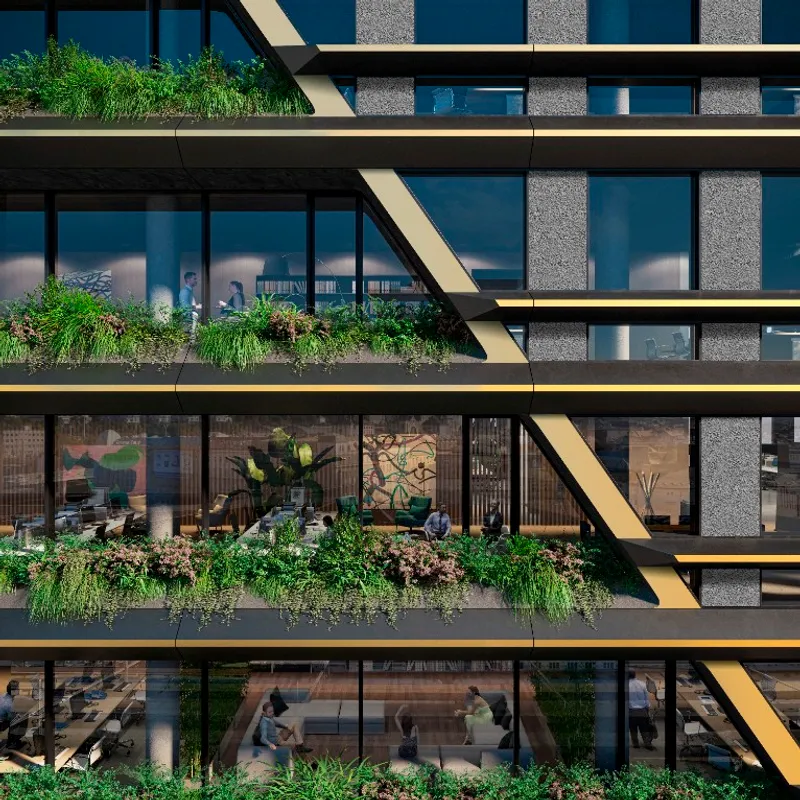
Masaryčka’s construction and procurement prioritise local suppliers and materials with a high recycled content to meet the 2025 targets for embodied and operational carbon established by the RIBA 2030 Climate Challenge.



Popular Articles
Popular articles from the community


Hill & Cross Opera: Sculptural Opera House Architecture Shaped by Tallinn’s Landscape and Identity
Hill & Cross Opera reimagines opera house architecture in Tallinn through its sculptural hill, civic plaza, glass wave and a luminous cross.

EW PARK: Sustainable Architecture Reimagines the Future of Urban Parking
EW PARK reimagines city parking as a modular wooden tower combining automation, solar energy, electric mobility, and adaptable urban design.

AL-JANNAH: Sustainable Architecture and Permaculture for Afghan Widows
AL-JANNAH uses sustainable architecture and permaculture to create resilient oasis of housing, learning, work and renewal for Afghan widows.

The Earth Pod: 3D Printed Homes for Resilient Refugee Communities
The Earth Pod reimagines refugee housing through 3D printed homes made from clay, combining resilience, self-sufficiency, and rapid shelter.


Similar Reads
You might also enjoy these articles
116 Rokeby Building, Collingwood
Sustainable Collingwood office building featuring double-skin façade, natural ventilation, rooftop amenities, and carbon-neutral design focused on wellbeing and longevity.
Contemporary Apartment Renovation in Spain: RV House by BIAN Opens Up to the Sea
A minimalist 1930s apartment in Santander is transformed into a flexible, sea-facing home through contemporary Spanish renovation.
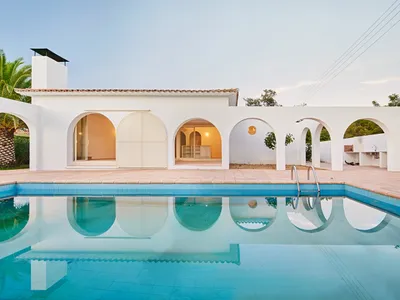
3 Marías House: A Contemporary Mediterranean Courtyard Retreat by Bajet Giramé + Burckhardt
Mediterranean courtyard home blending traditional architecture with modern design, terracotta flooring, flexible interiors, sustainable climate strategies, and garden integration.
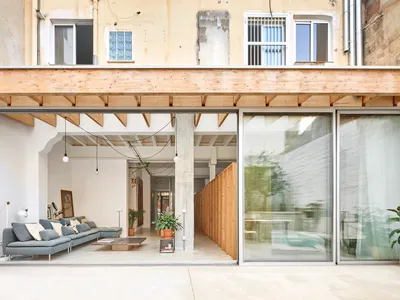
NZ10 Apartment by auba studio: Adaptive Reuse in Palma de Mallorca
Adaptive reuse apartment transforms bakery into light-filled home with patios, privacy layers, and wood interiors enhancing urban living experience.


Explore Construction Technology Competitions
Discover active competitions in this discipline




Challenge to reimagine the Iron Throne


Photograph architecture without architects


Illustrate the lost glory of Angkor Wat - Render Challenge


Design challenge to reuse E-waste
Comments (0)
Please login or sign up to add comments
No comments yet. Be the first to comment!