

Zasadený House Pauliny Hovorka Architekti: A Minimalist Family Home Embedded in Nature
Zasadený House by Pauliny Hovorka Architekti in Slovakia blends minimalism, raw materials, and nature for a serene family retreat.


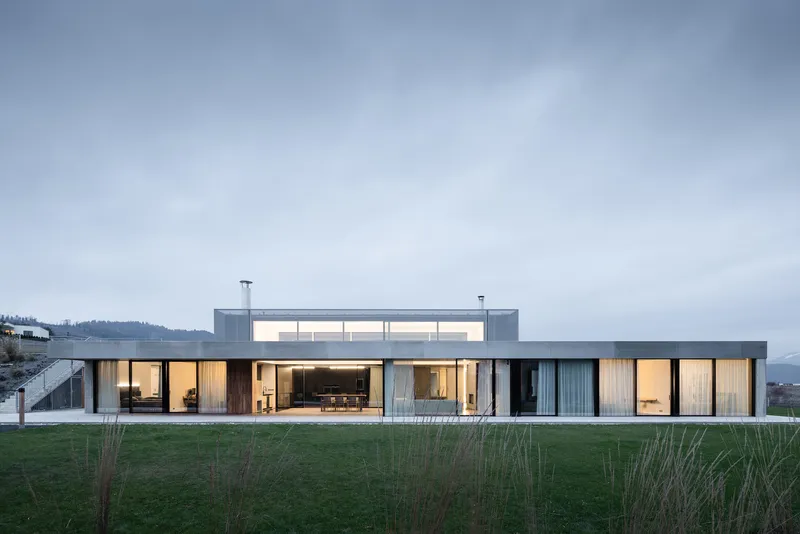
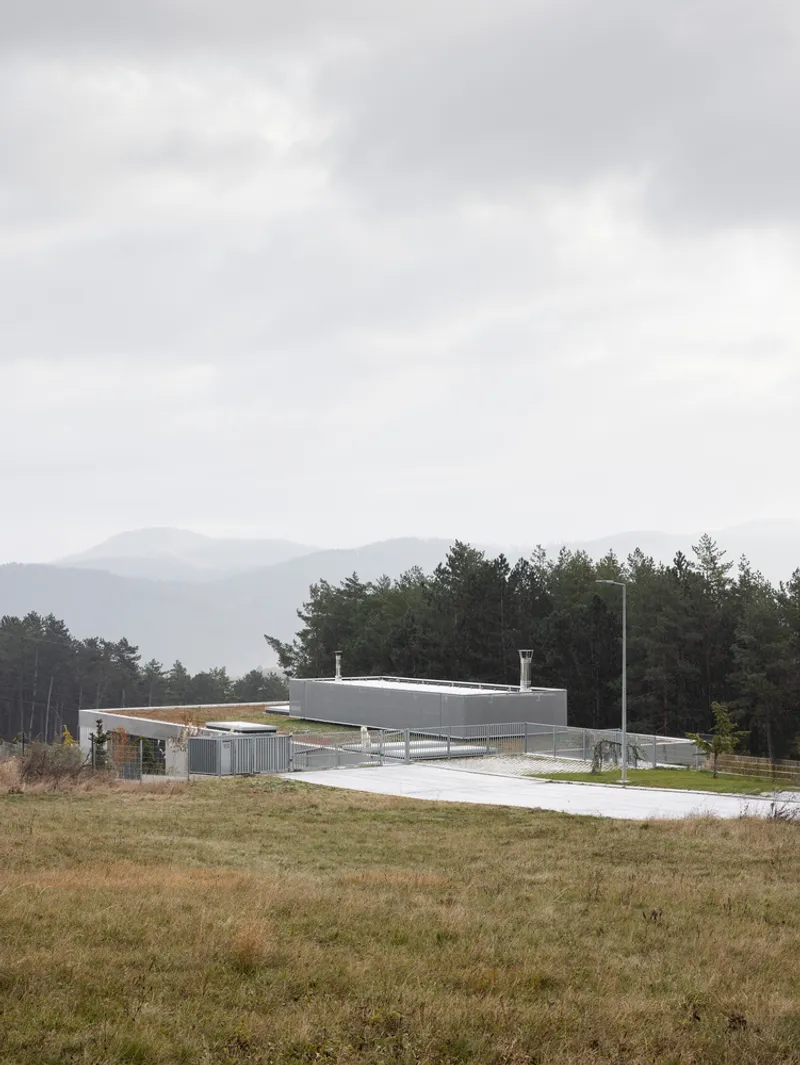
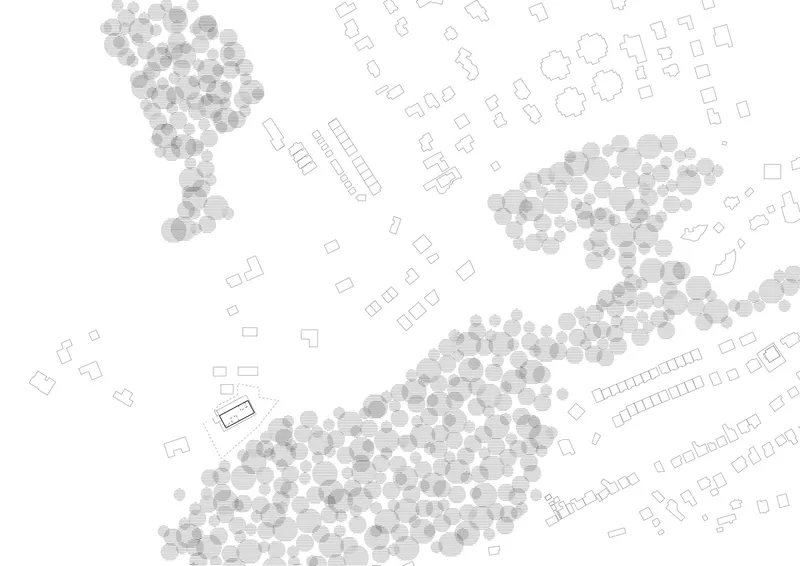
The Zasadený House Pauliny Hovorka Architekti, located in Banská Bystrica, Slovakia, is an architectural statement of harmony with nature. Designed in 2023, this 439 m² family home emphasizes a seamless connection between the built environment and its surrounding pine forests. Its name, "Zasadený" – meaning "embedded" in Slovak – perfectly reflects the villa’s integration into the sloping landscape of Suchý vrch, blending modern minimalism with the natural beauty of the Kremnické vrchy mountains.


Architectural Vision and Concept
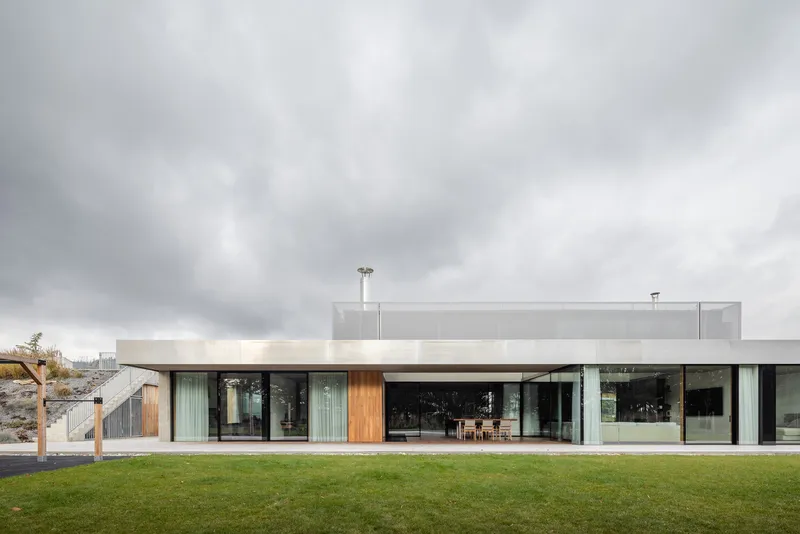
The Zasadený House Pauliny Hovorka Architekti project is guided by the idea of embedding the structure into its environment without disrupting the natural terrain. The horizontal design, green roof, and earthy materials contribute to an aesthetic that feels both modern and timeless. The house opens to southeast-facing views of the surrounding pine forests, with large glass facades framing the stunning landscape.

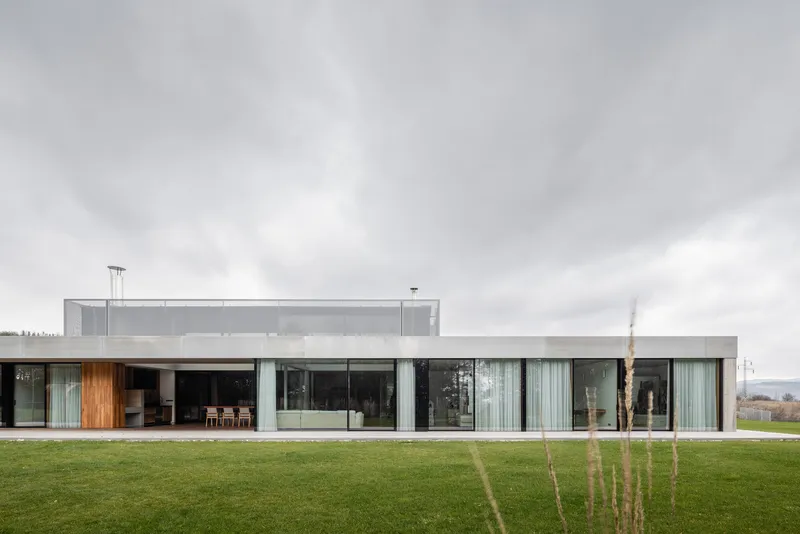
Privacy and natural light were key client requirements, leading to a layout that offers expansive glazing for views while maintaining intimate, private living zones. The exterior terraces and living spaces create a fluid transition between indoor and outdoor living, perfectly suited for the natural setting.


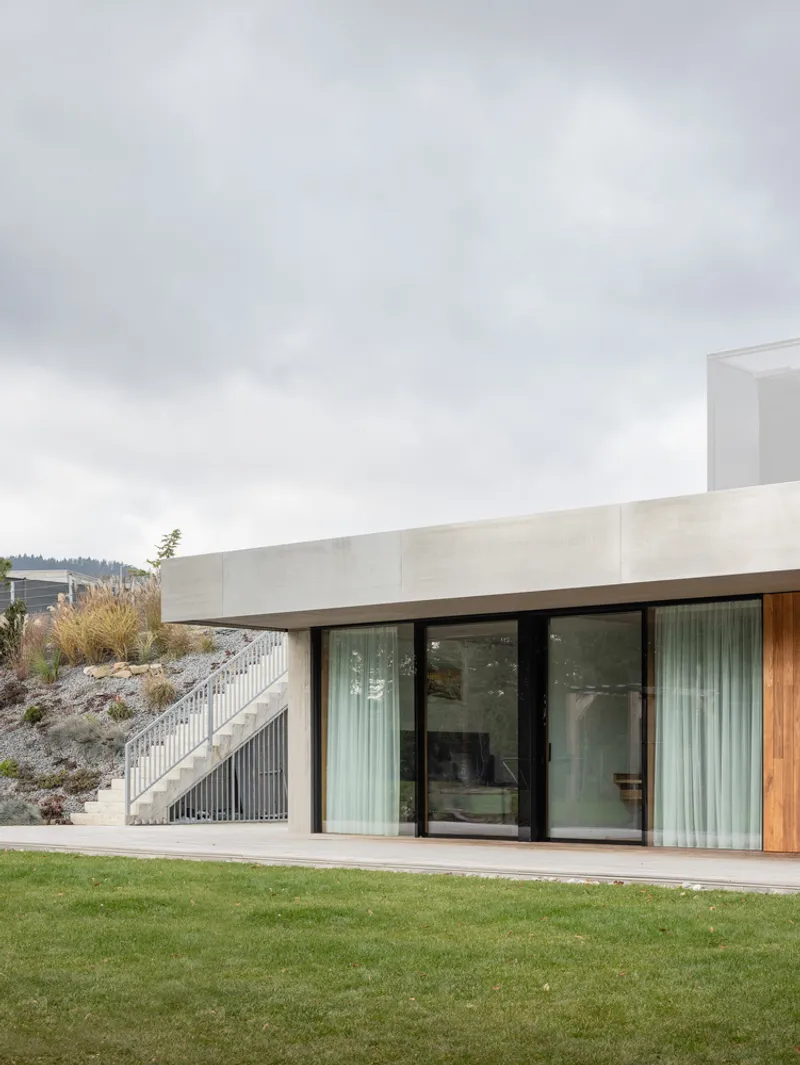
Material Palette and Design Features
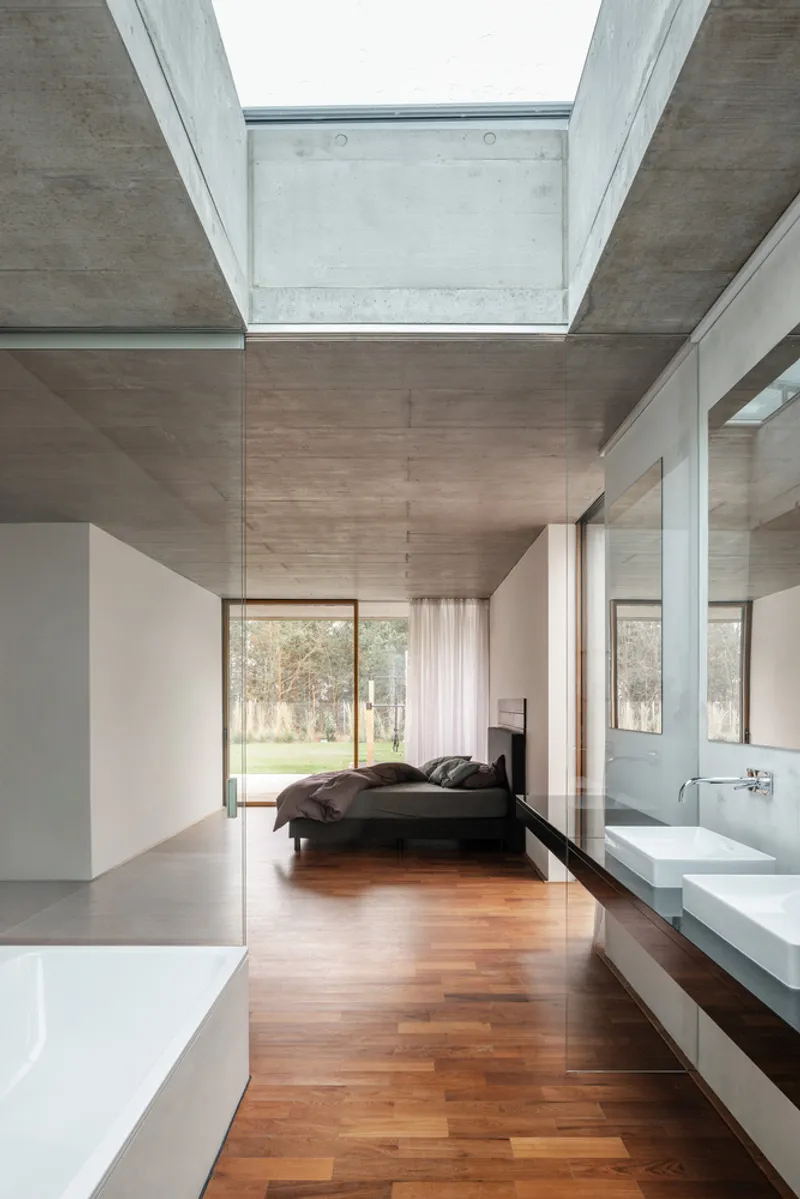
Natural and raw materials define the home's character. Exposed concrete walls and ceilings enhance the minimalist aesthetic while retaining every construction detail as part of the design narrative. Raw stainless steel eaves, untreated wooden decking, and glass walls are balanced with a green roof that visually merges with the surrounding terrain.
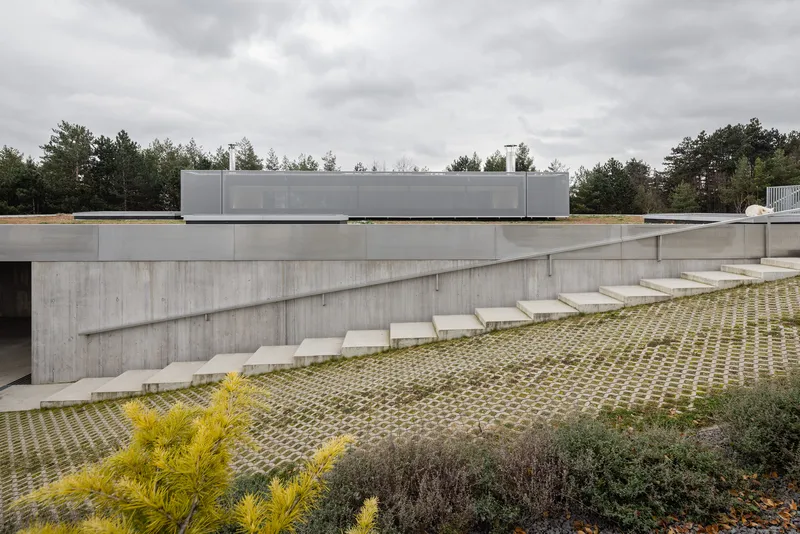
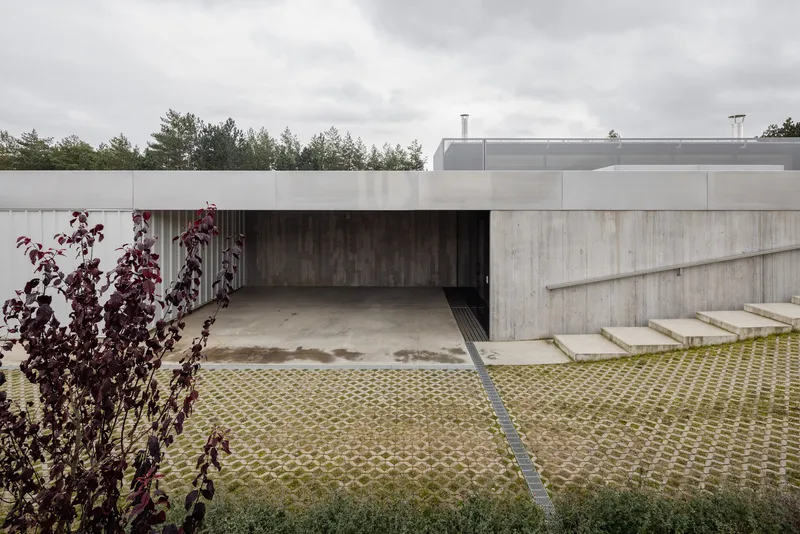
A striking skylight, partially wrapped in transparent exterior fabric, allows variable daylight to fill the interiors, creating a dynamic atmosphere throughout the day. This interplay of light, texture, and openness defines the architectural essence of Zasadený House.


Layout and Interior Spaces
The home’s layout revolves around a central living hall, which acts as both the main entrance and the heart of the residence. From this central axis, the parental suite, dressing room, and private study extend on one side, while guest and children’s rooms are located on the opposite side.
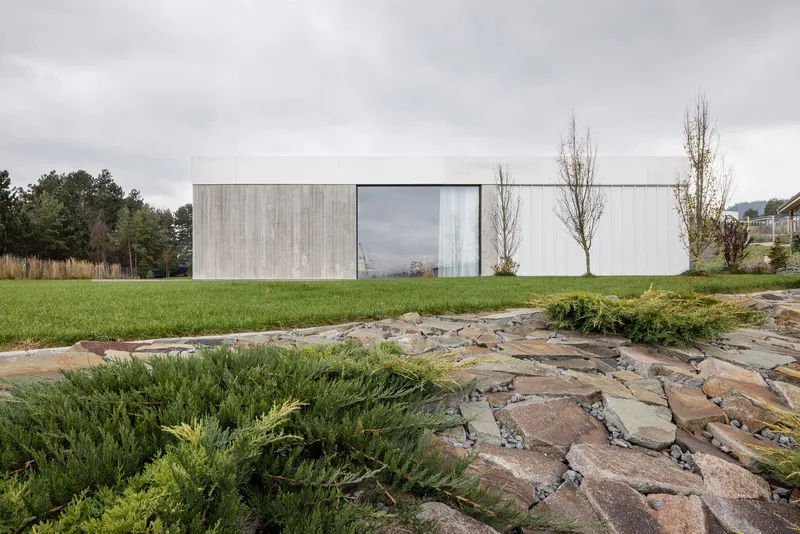
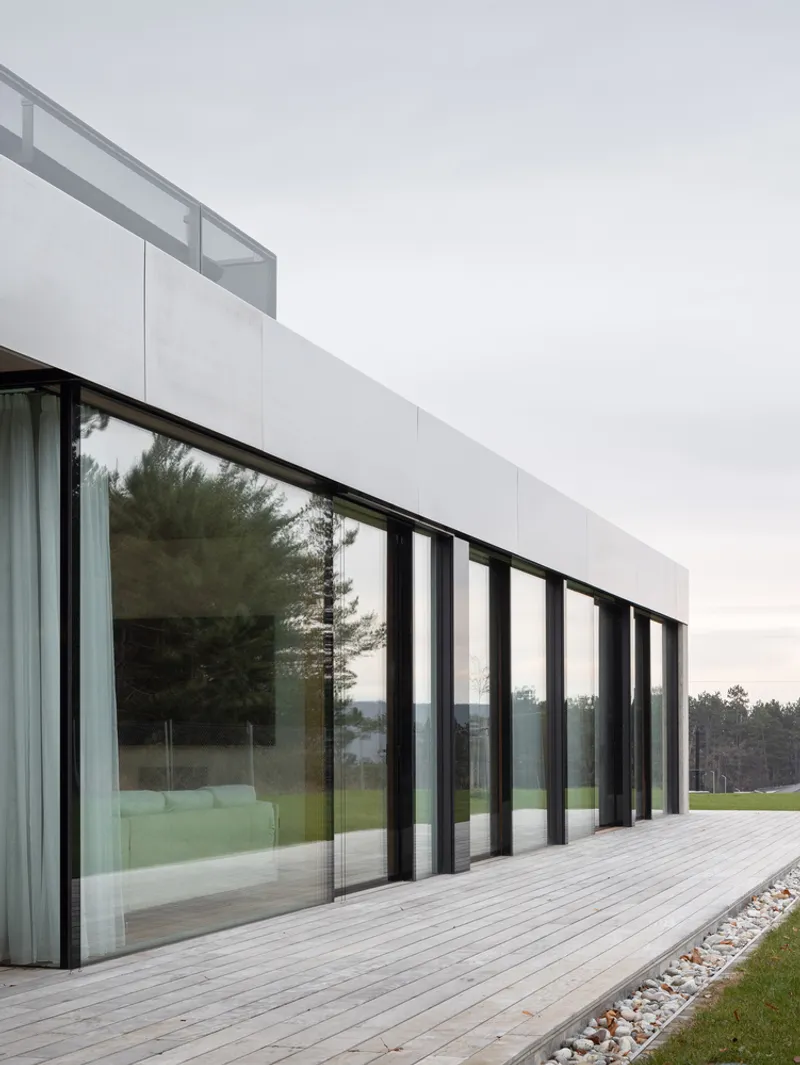

Minimal corridors and efficient circulation create a sense of openness, while the living terrace and summer kitchen integrate the outdoors as an extension of the main living area. This terrace, intimately nestled into the meandering layout of the house, encourages outdoor dining and social gatherings during warmer months.

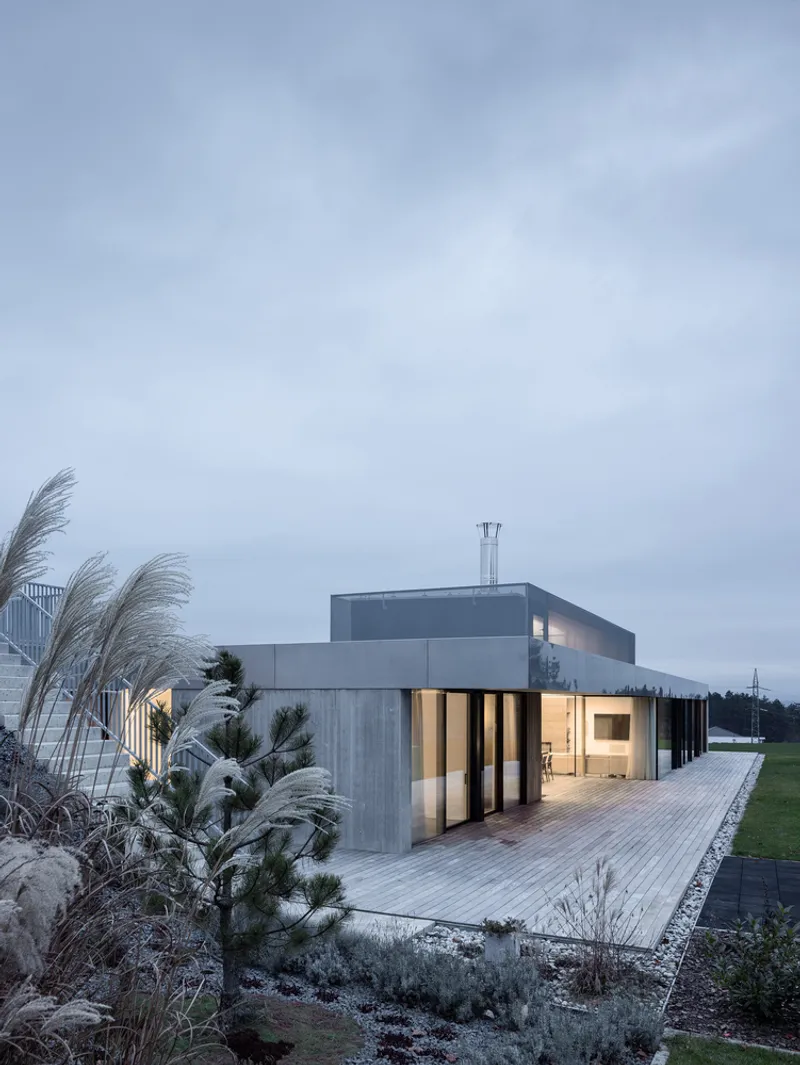
Additional amenities include a wine cellar with direct garden access, technical rooms, and well-planned storage facilities. Parking is conveniently located at the western entrance, connected by a drivable grass ramp.

Integration with Nature
The Zasadený House is not merely built on the land but becomes part of it. The green roof softens the building’s visual impact while improving insulation and supporting biodiversity. The house’s orientation and material selection create a natural microclimate, reducing energy needs while maximizing daylight and ventilation.
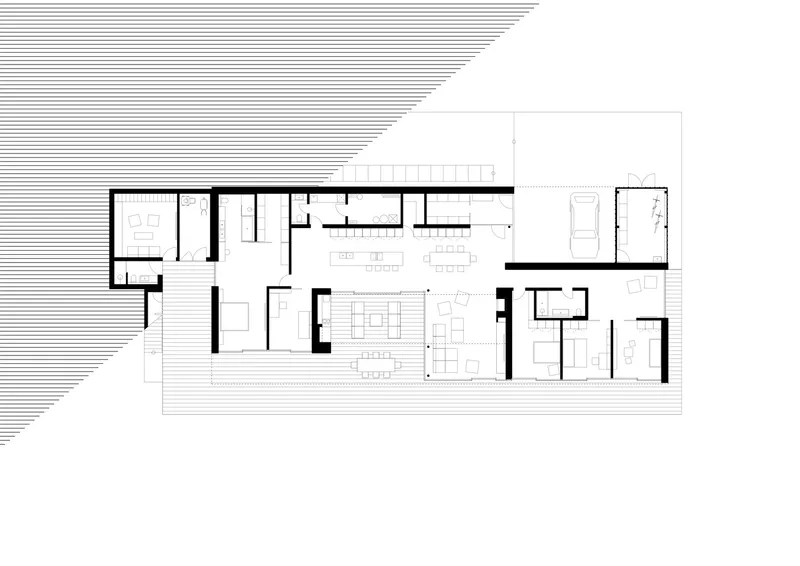
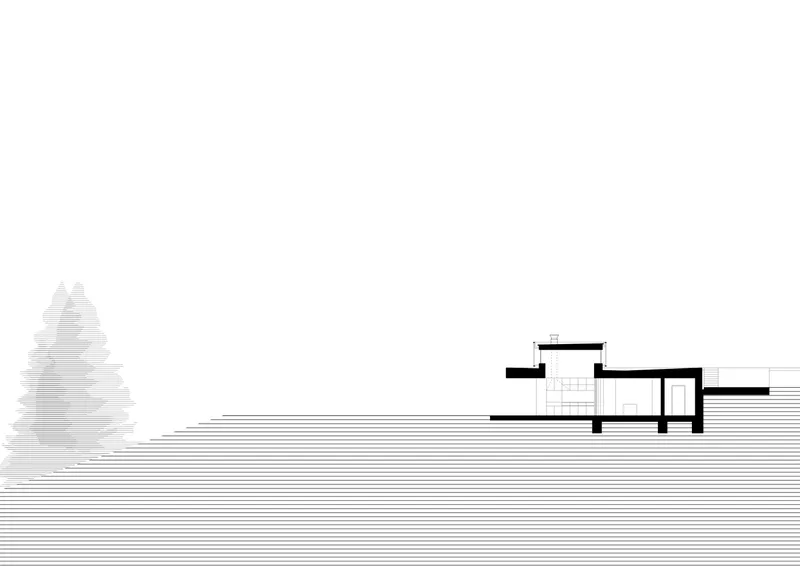


The Zasadený House Pauliny Hovorka Architekti is a perfect example of how contemporary residential architecture can remain understated yet sophisticated. By embracing raw materials, clean horizontal lines, and an organic relationship with its surroundings, this Slovakian home creates a living experience that is both modern and deeply connected to nature.


All the photographs are works of Matej Hakár




Popular Articles
Popular articles from the community


The Musturak Paradise: Senior Living Architecture for a Connected Future in Temara, Morocco
The Musturak Paradise reimagines senior living architecture in Temara via private homes, social spaces, culture, community, and shared care.

Co-Life: Senior Housing Design That Reconnects Older Adults With the City
Co-Life reimagines senior housing design through healing gardens, shared streets, workshops, and a sustainable community across generations.

Hill & Cross Opera: Sculptural Opera House Architecture Shaped by Tallinn’s Landscape and Identity
Hill & Cross Opera reimagines opera house architecture in Tallinn through its sculptural hill, civic plaza, glass wave and a luminous cross.

Co-life: Sustainable Architecture for Age-Friendly Community Living
Co-life reimagines sustainable architecture for seniors through courtyards, rammed earth, shared gardens, and spaces designed for belonging.

Similar Reads
You might also enjoy these articles

FAMM Arquitectura Organizes Ten Villas Around Courtyards and Jungle in Nosara, Costa Rica
El Molino pairs two elongated volumes with deep overhangs and timber louvers to build a compact coastal community five minutes from the beach.
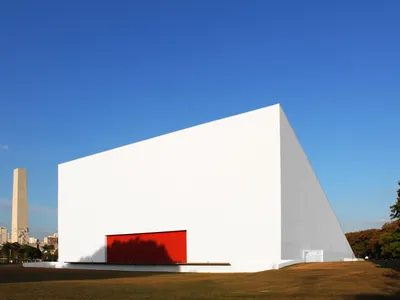
Oscar Niemeyer's Ibirapuera Park Pavilions Define São Paulo's Cultural Identity in Concrete and Curve
A constellation of modernist volumes set within São Paulo's most important urban park, conceived for the city's 400th anniversary in 1954.
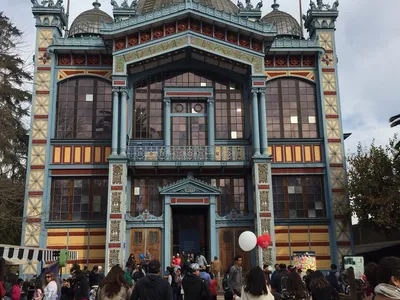
How Henri Picq's 1889 Paris Pavilion Traveled 11,000 Kilometers to Become Santiago's Artequín Museum
A prefabricated iron and glass pavilion built for the Paris Universal Exposition found a second life as a children's art museum in Chile.
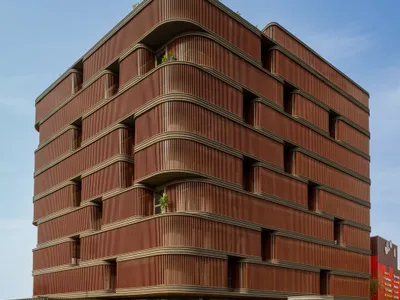
Sanjay Puri Architects Wraps a Jaipur Office Tower in Capsule-Shaped Green Buffers
A nine-level climate-responsive workplace near Jaipur Airport uses stacked planter terraces and aluminium screens to fight 40°C heat.


Explore Architecture Competitions
Discover active competitions in this discipline



Challenge to reimagine the Iron Throne


Photograph architecture without architects


Illustrate the lost glory of Angkor Wat - Render Challenge


Design challenge to reuse E-waste
Comments (0)
Please login or sign up to add comments
No comments yet. Be the first to comment!