

Zero-Carbon Eco Home By Bindloss Dawes
A zero-carbon home transforming an agricultural shed into a refined, energy-efficient dwelling rooted in rural character and sustainable design.


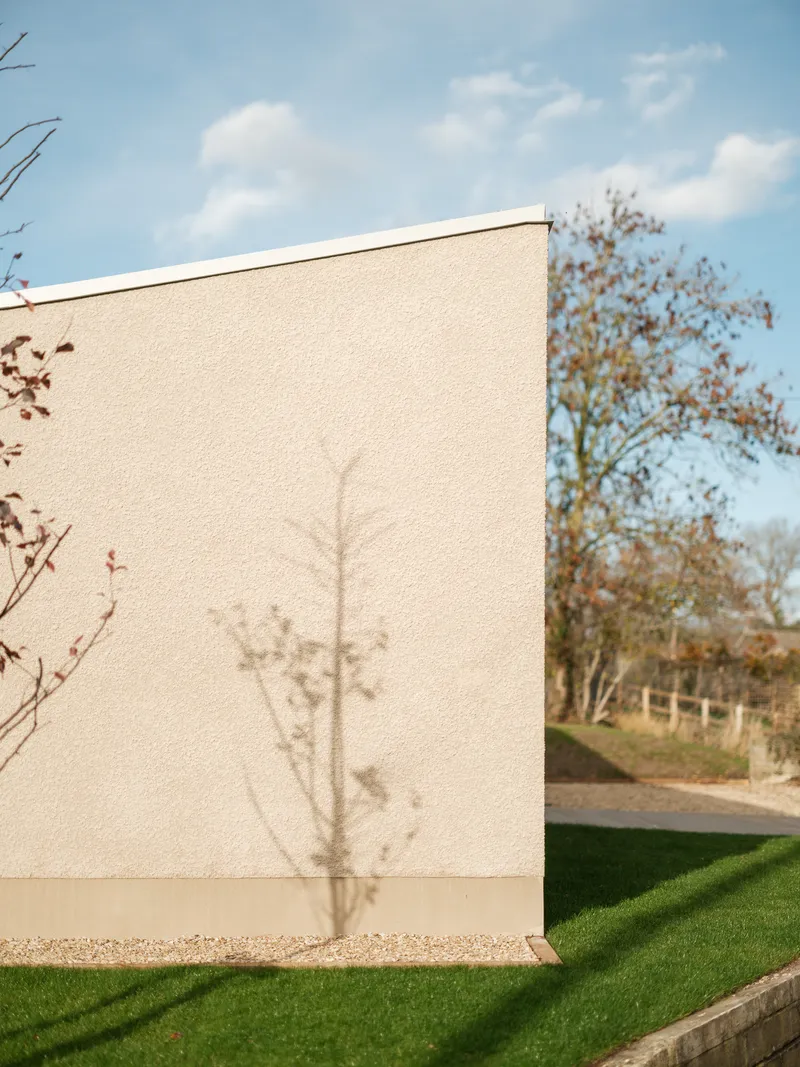
Set on the rural edge of Nether Compton in Somerset, the Zero-Carbon Eco Home by Bindloss Dawes Architects demonstrates how adaptive reuse and sustainable architecture can redefine contemporary countryside living. Created from the careful transformation of a former tractor shed, the project delivers a high-performance family home that balances agricultural honesty with refined architectural design.
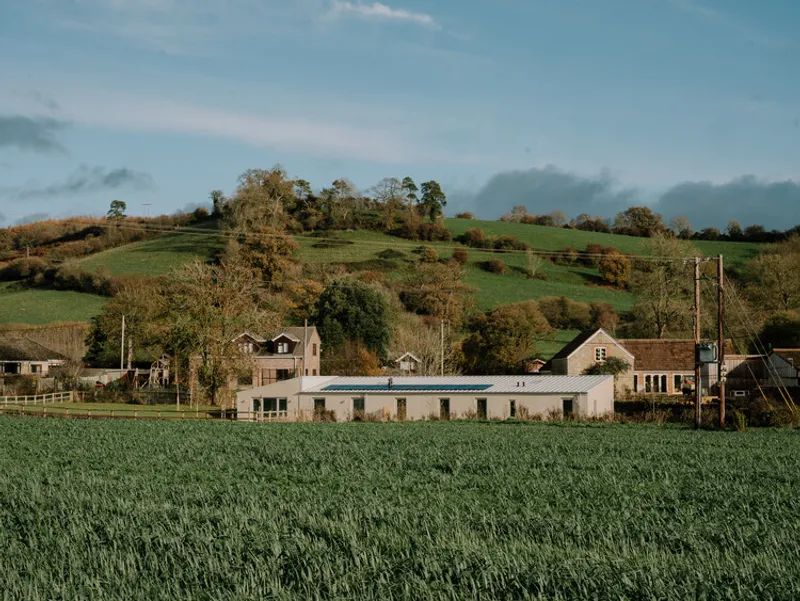
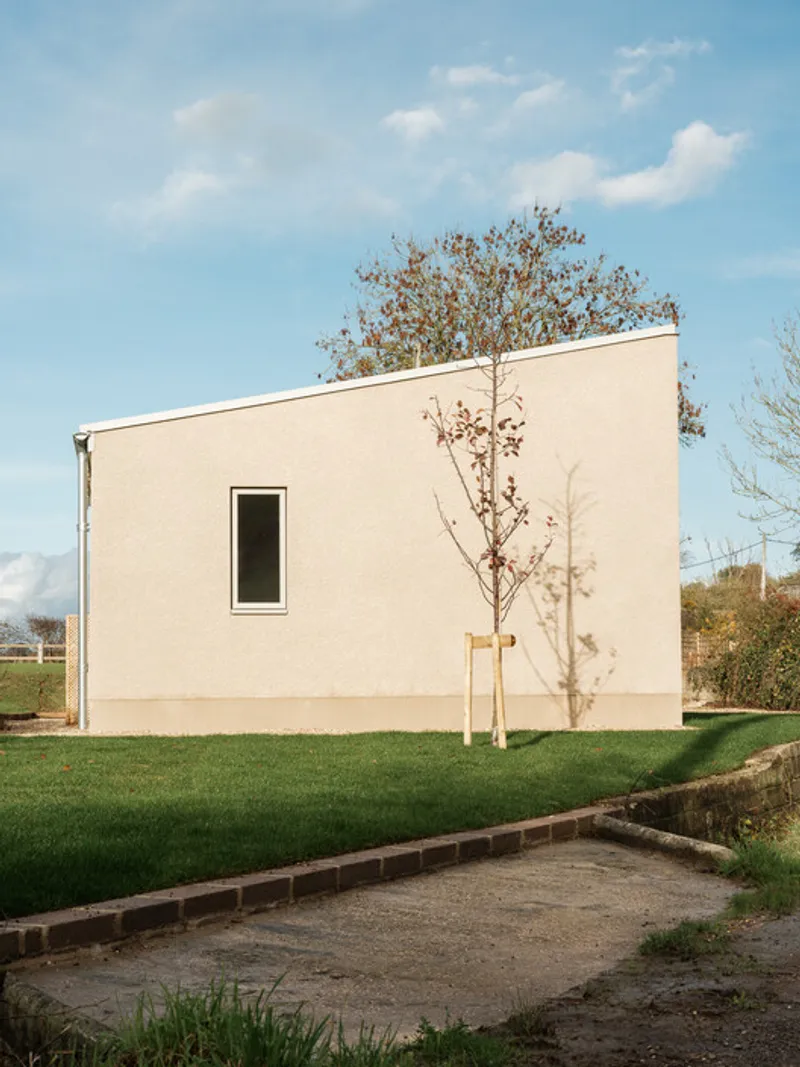
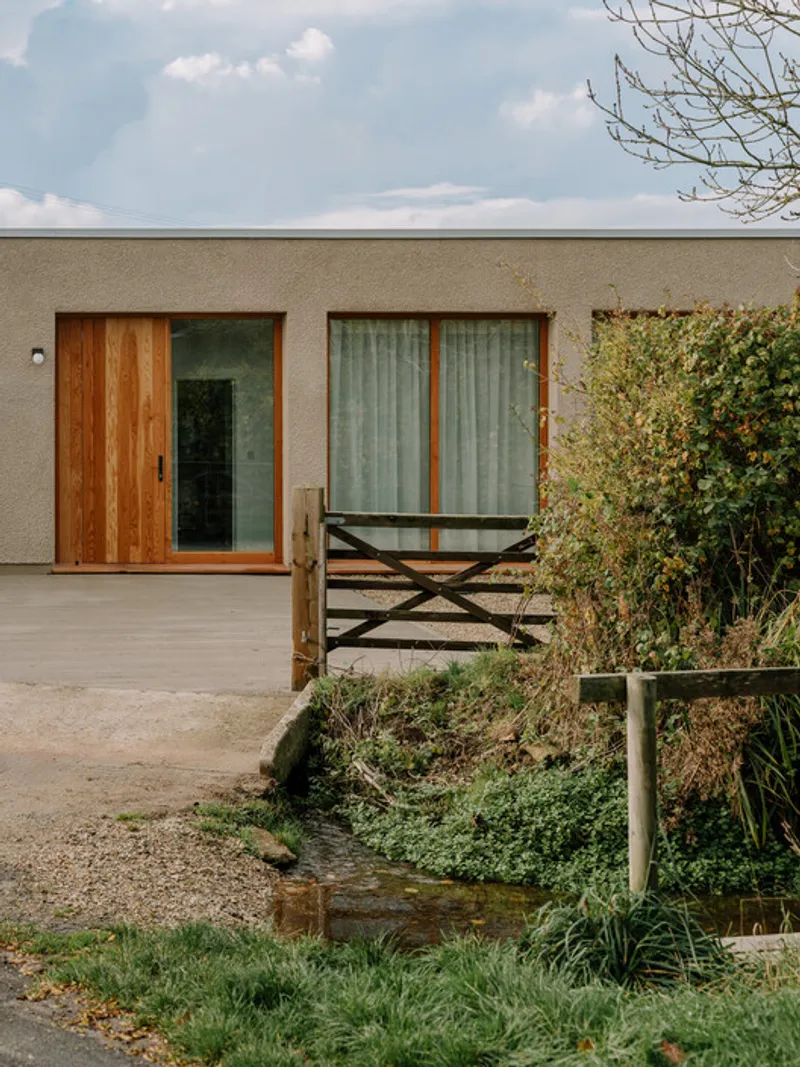
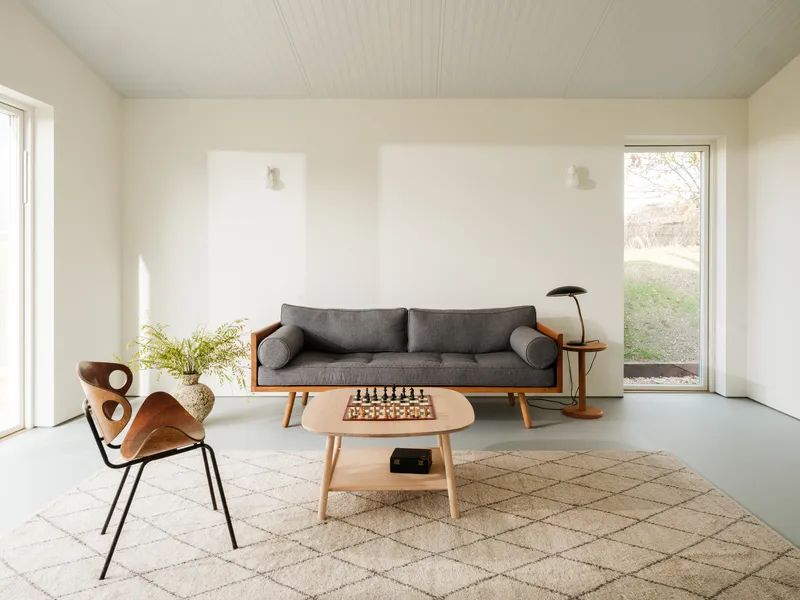
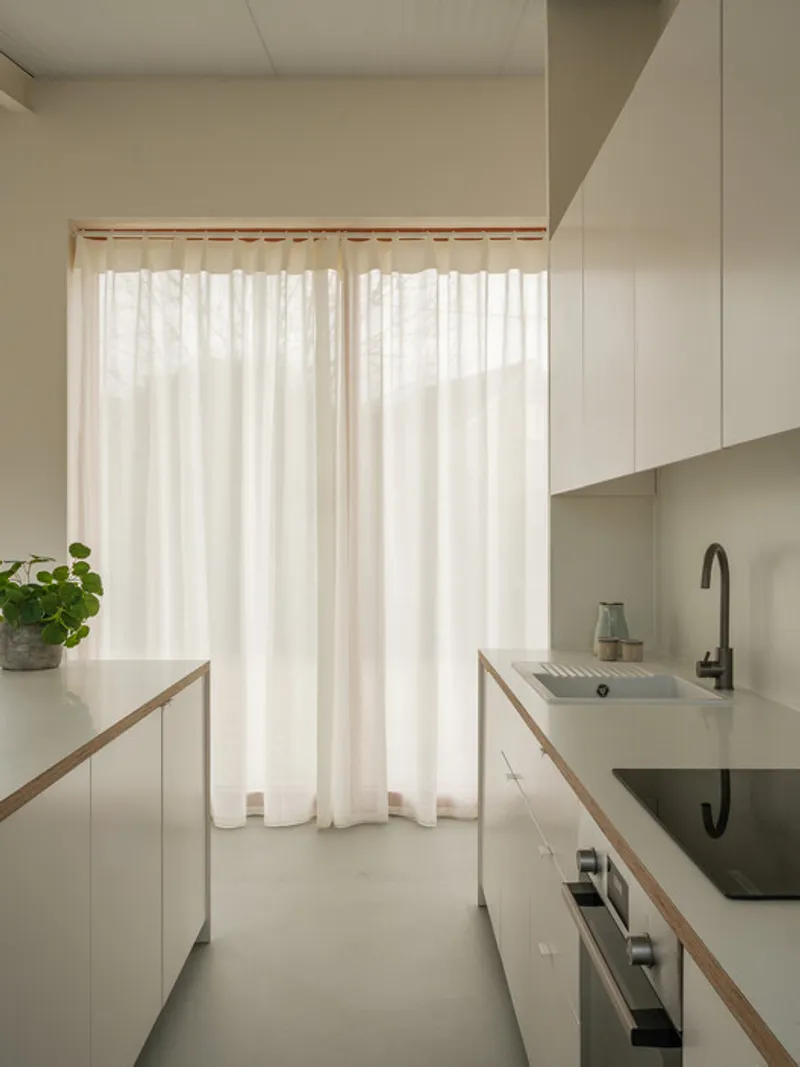
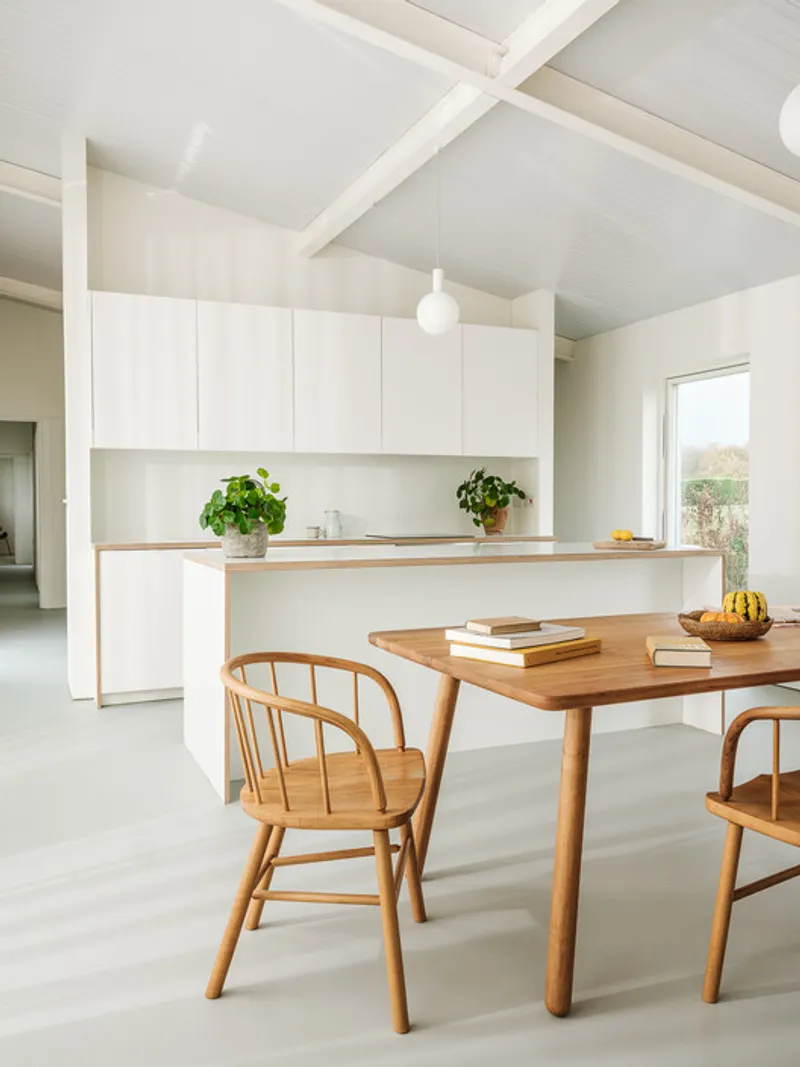
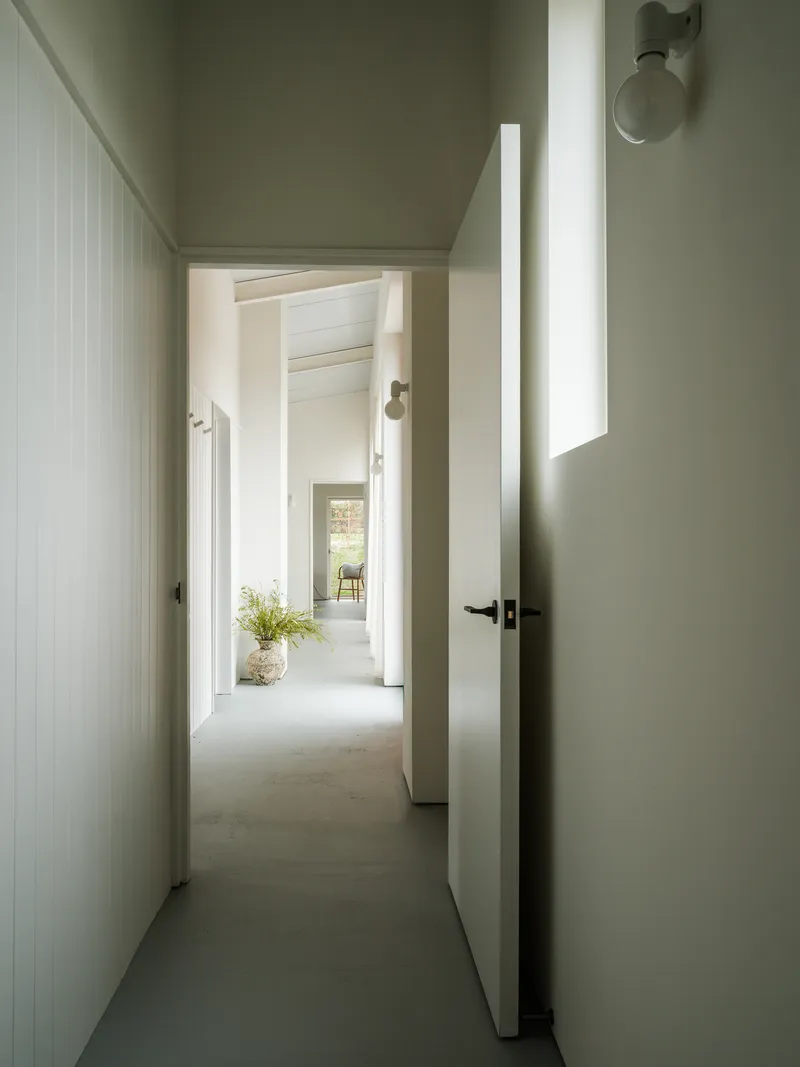
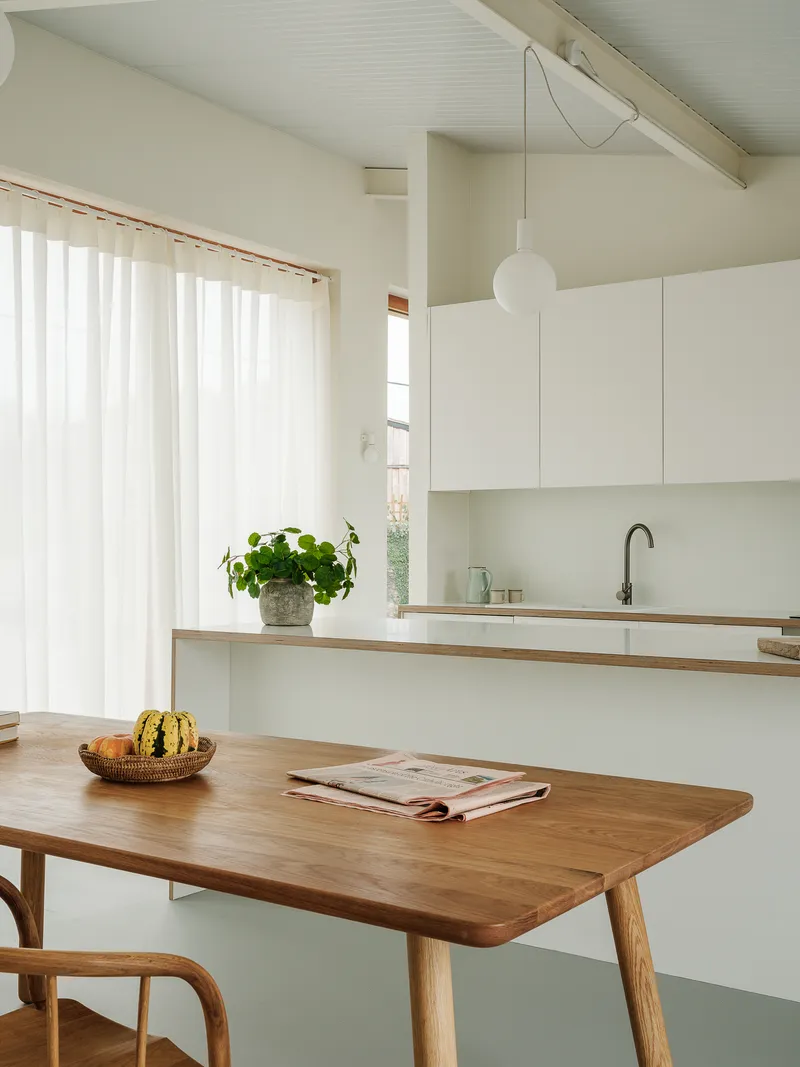
The original shed’s long, mono-pitched volume has been retained and reinterpreted, preserving its rural character while introducing generous daylight and a strong connection to the surrounding landscape. This linear form organizes the house clearly: open-plan living, kitchen, and dining spaces occupy the eastern end, flowing effortlessly into the garden to support indoor–outdoor living. At the center of the plan, a flexible multi-use space functions as a snug, home office, or additional bedroom, adapting to changing family needs. The western wing accommodates bedrooms and bathrooms, all linked by a simple circulation spine that reinforces the clarity of the original agricultural structure.
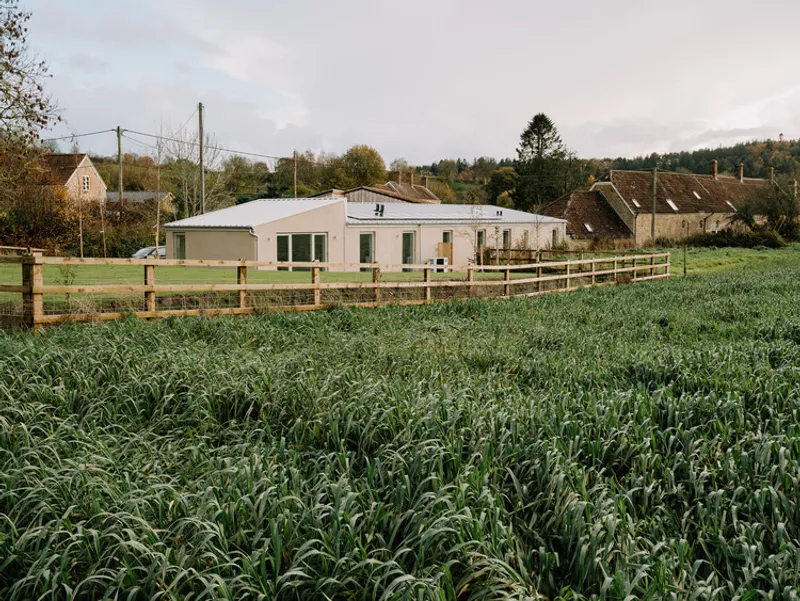
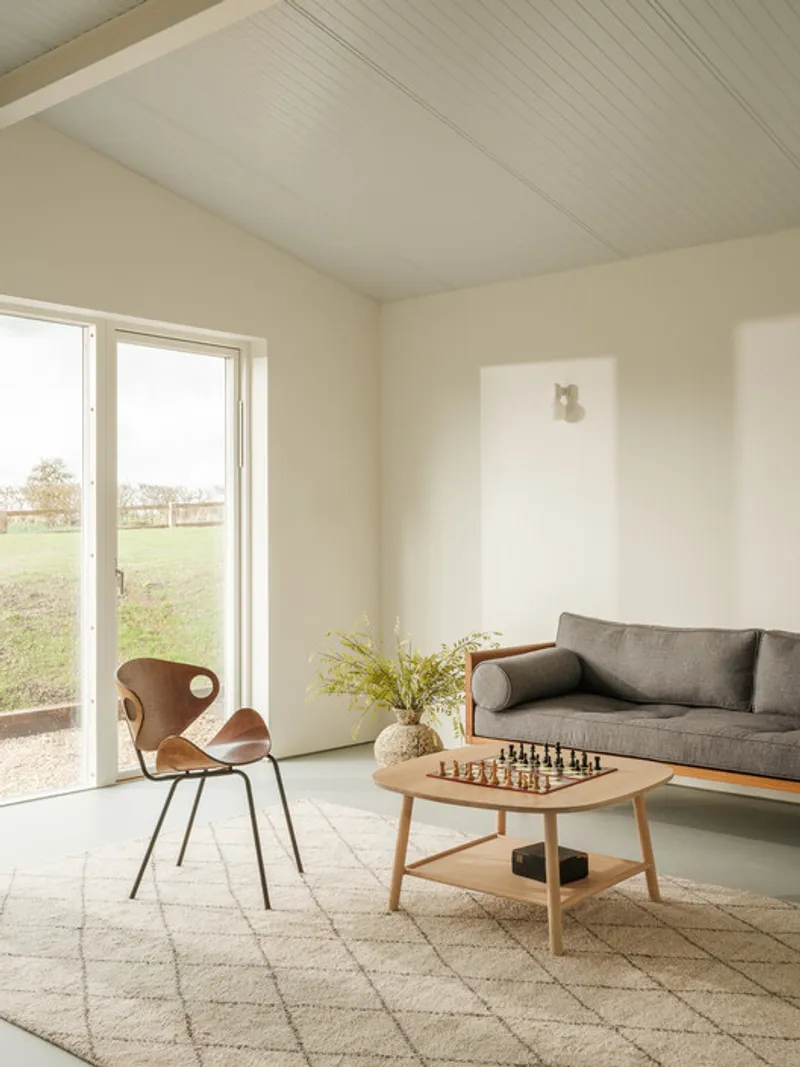
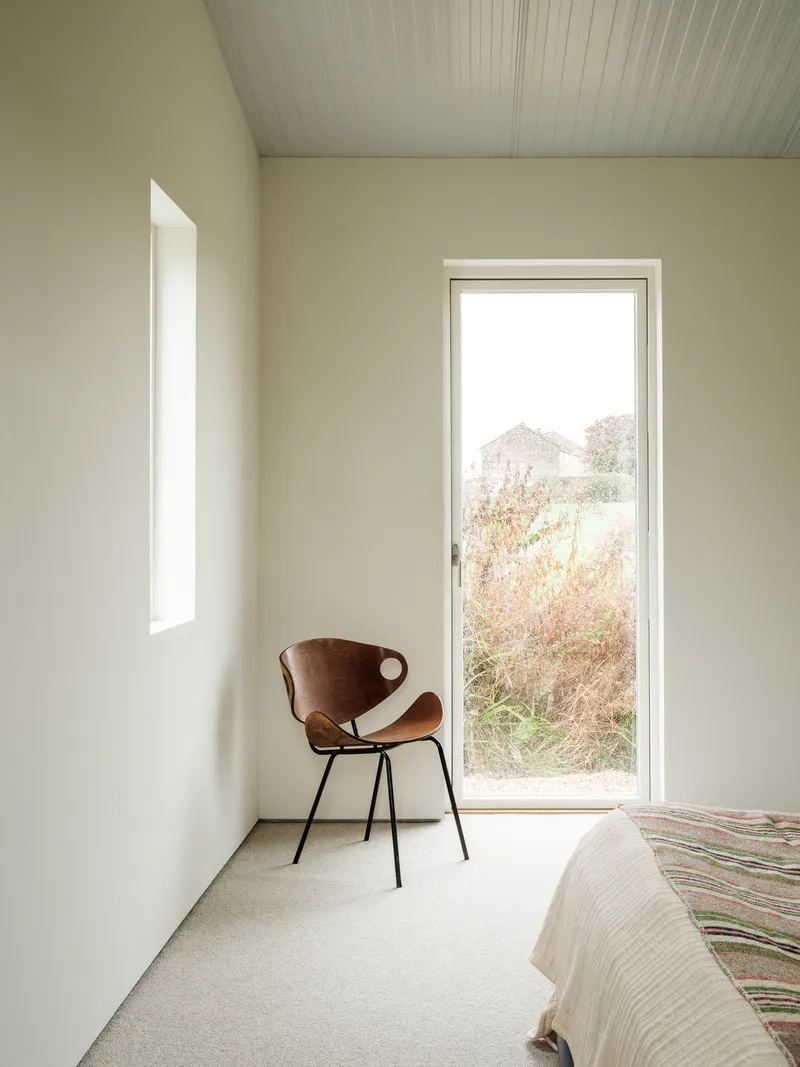
Inside, the architecture celebrates structural legibility and material restraint. Exposed steel beams and the metal composite roof structure recall the building’s industrial past, while a calm palette of natural finishes softens the interior atmosphere. Douglas fir timber accents, bespoke ironmongery, and carefully crafted light fittings add warmth and tactility, reflecting Bindloss Dawes’ commitment to craftsmanship, durability, and timeless design.
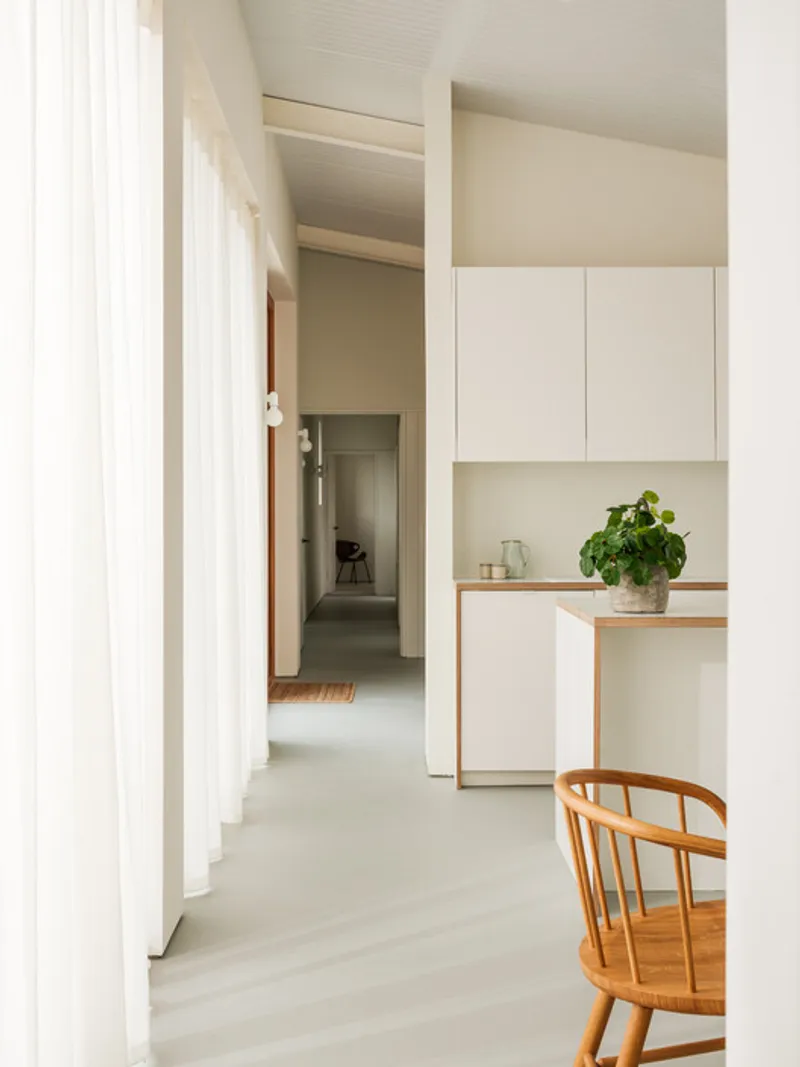
Environmental performance is at the core of the project. The house is designed to be zero-carbon in operation, with highly insulated walls, roof, and floors, alongside triple-glazed windows and doors that minimize heat loss. An air-source heat pump provides efficient heating and hot water, while roof-mounted photovoltaic panels generate all required electricity on site. Together, these systems allow the home to operate entirely on renewable energy, setting a benchmark for sustainable rural housing in the UK.
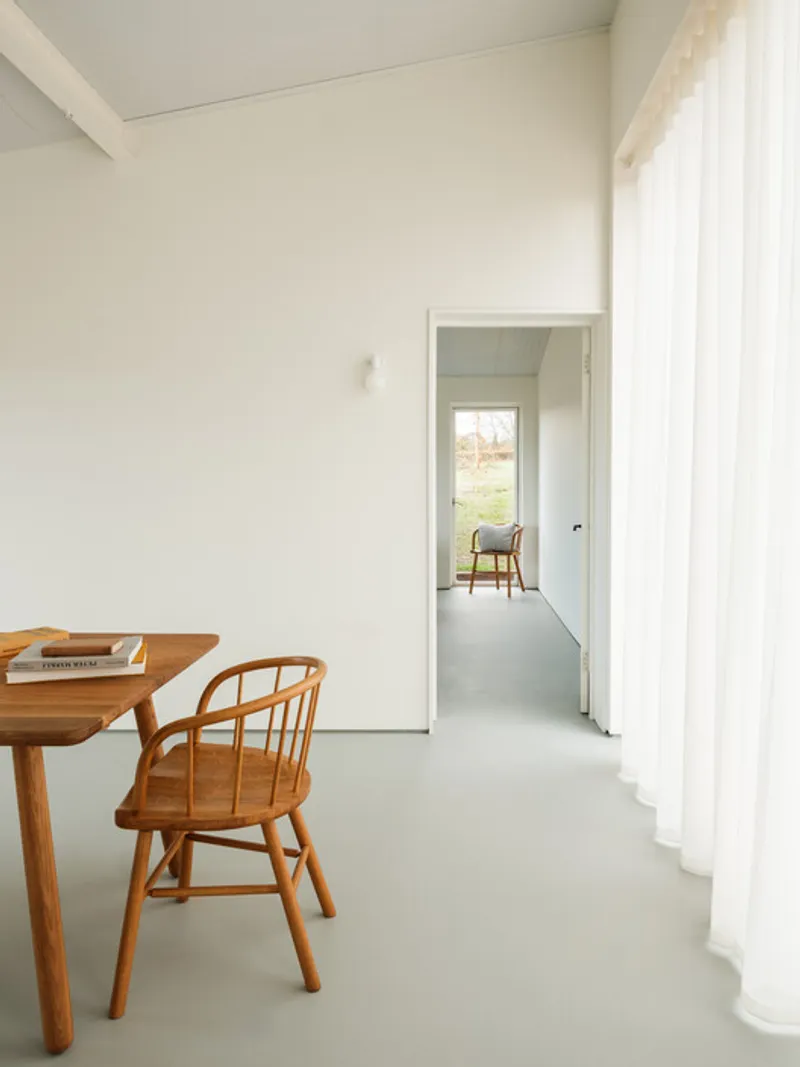
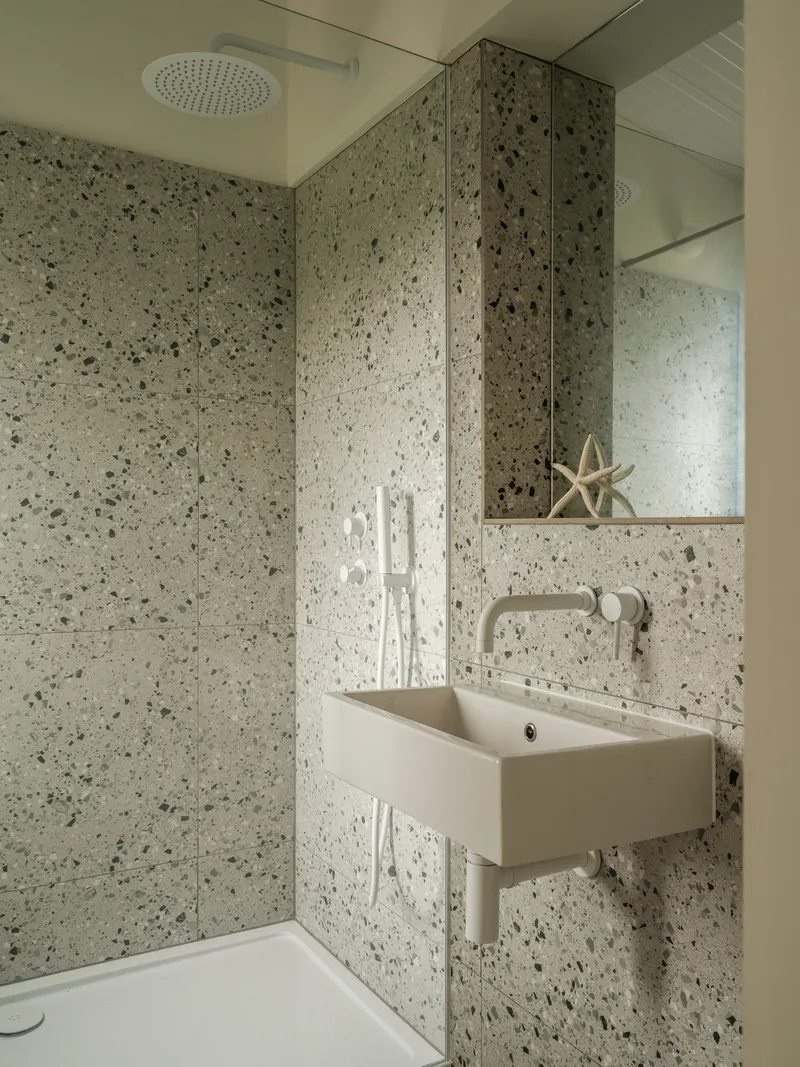
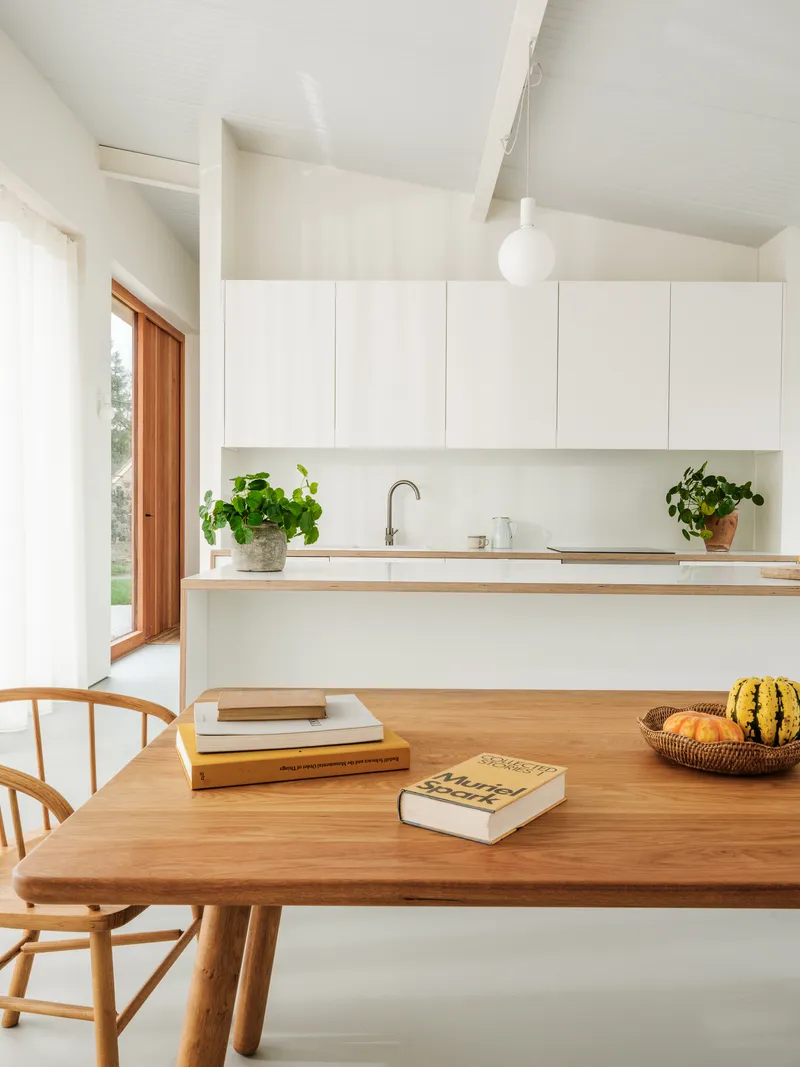
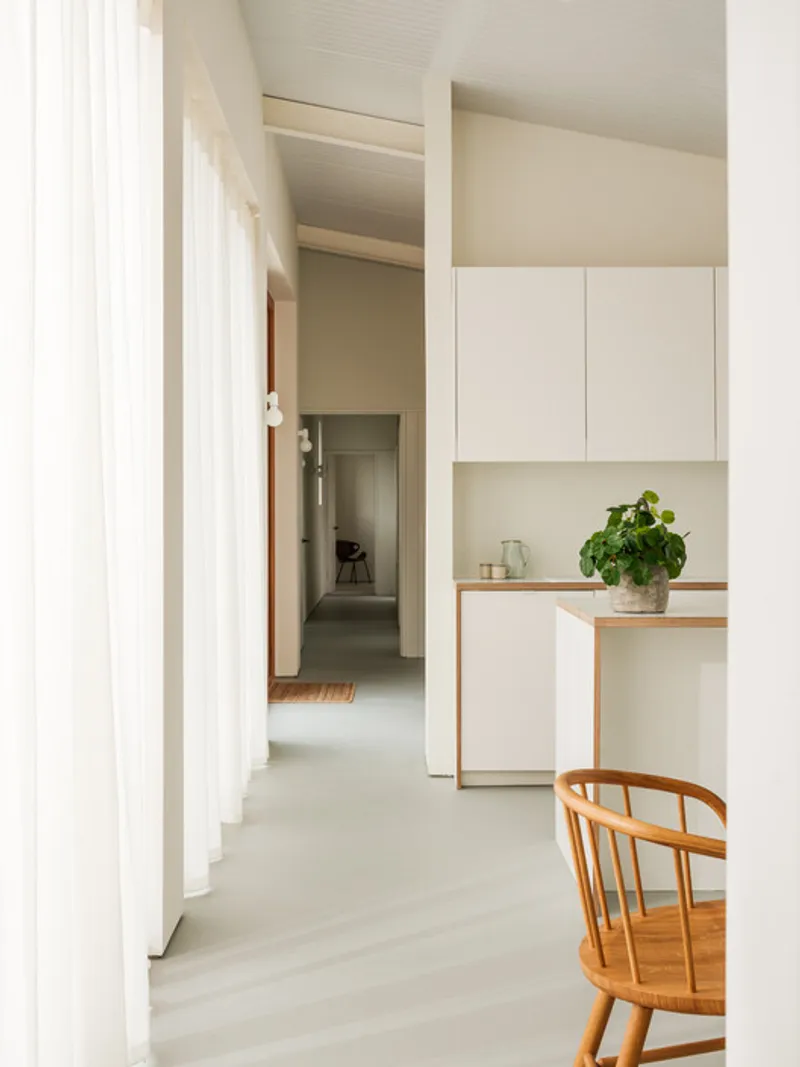
More than a one-off conversion, the Zero-Carbon Eco Home encapsulates lessons drawn from Bindloss Dawes’ extensive experience in rural architecture across Somerset and the South West. It proves that modest agricultural buildings can be reimagined into comfortable, elegant, and climate-resilient homes without sacrificing character or environmental responsibility. The project stands as a compelling model for low-impact living, where adaptive reuse, energy efficiency, and thoughtful design come together to create architecture that is both practical and poetic.
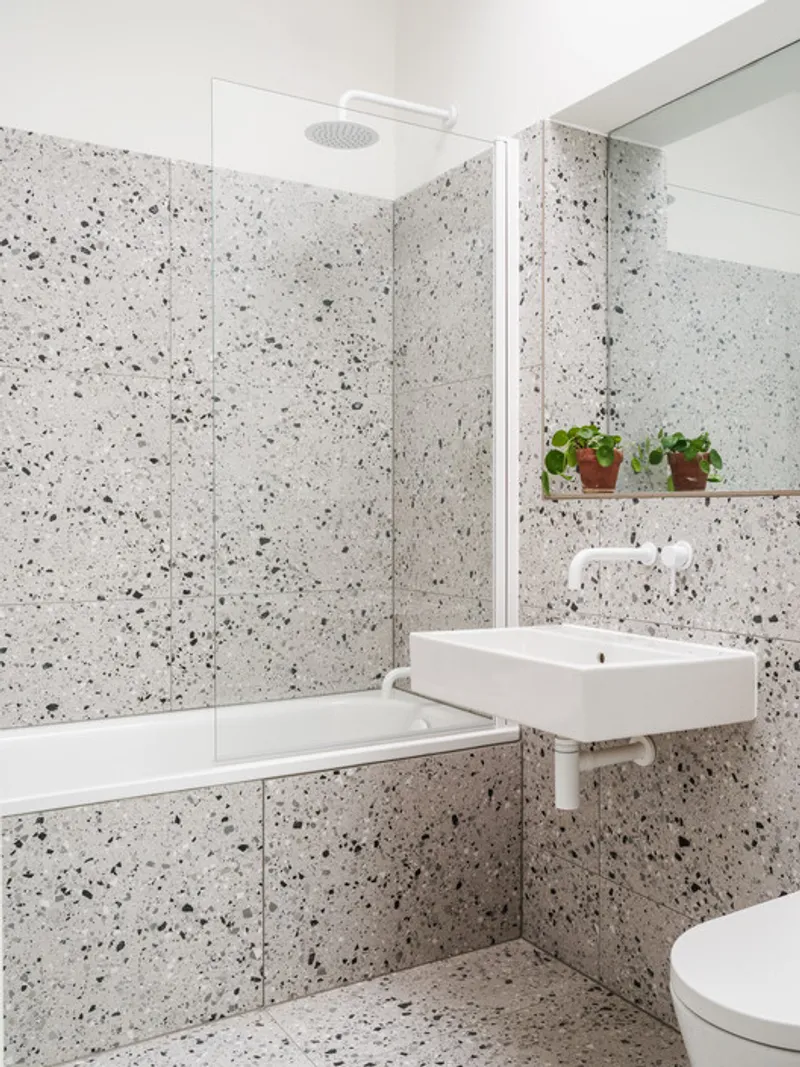
All the photographs are works of Dave Watts


Popular Articles
Popular articles from the community


Opera by the Sea Estonia: Three Shells Dissolving Architecture into Tallinn's Coastline
A winning opera house proposal replaces monumental form with interconnected shells that blur the boundary between building, park and Baltic Sea.

Manzana Morphosis: Stretching Barcelona's Grid into a Living Landscape for 2050
A radical reworking of the Eixample manzana turns density into a tool for generous public space, vertical ecology, and environmental performance.

Extended Shell: Retrofitting Kolkata's Balconies as Living Urban Thresholds
A modular retrofit system recovers the social and environmental intelligence of Kolkata's historic verandas for contemporary Park Street residents.

Singing Woman: An Opera House That Performs Before the Curtain Rises
Ovidiu Cristian Pavel's conceptual opera house translates Estonia's choral identity into a sculpted waterfront landmark facing the Baltic Sea.

Similar Reads
You might also enjoy these articles


Hodi-Mandai Geram
Project Function: Preservation and revitalization of the Intangible heritage and socio-spatial identity of the Hodi by Housing, Cultural Memory Center, Sacred Grove, landscape, local tourism economy


Olio Towers: A Mid-Rise for Performers That Fuses Housing, Rehearsal, and Stage
Located blocks from Houston's Theater District, this modular tower stacks living units around a central performance atrium.

Oasis: Modular Green Housing Carved into Dhaka's Urban Fabric
A shortlisted Plugin Housing entry reclaims unauthorized settlements in Dhaka with stepped concrete volumes, green roofs, and ventilation-driven design.

Black Hole: A Floating Megastructure for the Post-Physical Era
Emiliano Mazzarotto envisions a spherical, self-scaling arena where e-sports, digital hotels, and holographic stadiums replace traditional public space.

Explore Low Carbon Design Competitions
Discover active competitions in this discipline

Challenge to reimagine the Iron Throne

Photograph architecture without architects

Illustrate the lost glory of Angkor Wat - Render Challenge

Design challenge to reuse E-waste
Comments (0)
Please login or sign up to add comments
No comments yet. Be the first to comment!