
Zero Waste in Hospitality: Potato Head and OMA Exhibit at the Singapore National Design Centre
The exhibition features interactive displays and hands-on demonstrations that show how businesses can reduce their waste.
Hospitality brand Potato Head has opened a new exhibition called N*thing is Possible at the National Design Centre during Singapore Design Week. Curated by OMA / David Gianotten and Shinji Takagi, the exhibition explores the potential of using waste to achieve zero waste within hospitality through cross-disciplinary collaboration. The exhibition will be on display for three months.
 Preview © Studio Periphery, courtesy of Potato Head and OMA
One of the core beliefs of N*thing is Possible is that zero waste and comfort can go hand-in-hand. We believe that creativity and effort across different disciplines can help us transform materials that would otherwise be considered waste into valuable resources. We know that there is not a single, global standard for sustainability, but we see sustainability as an ongoing exploration of new ways of living and creating based on what is available to us locally. We believe in sharing knowledge and resources so that we can all move closer to our goal of a sustainable future.
 N*thing is Possible- A Journey To Zero Waste © Studio Periphery, courtesy of Potato Head and OMA
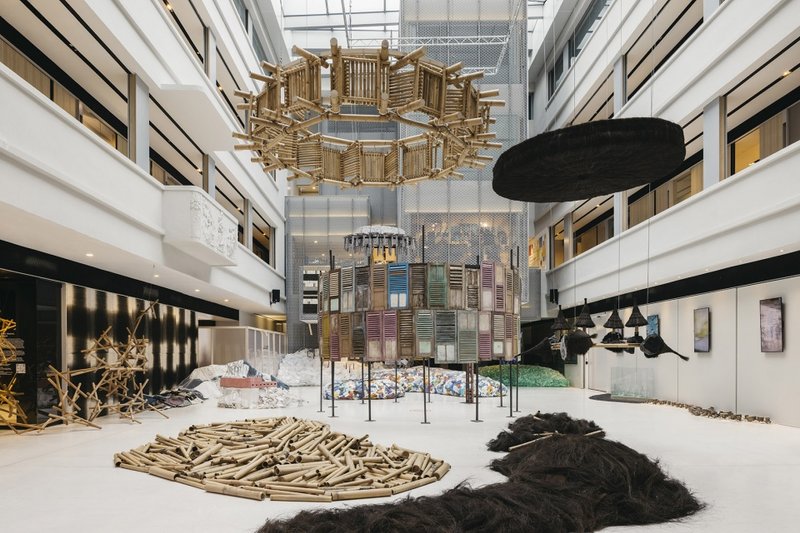
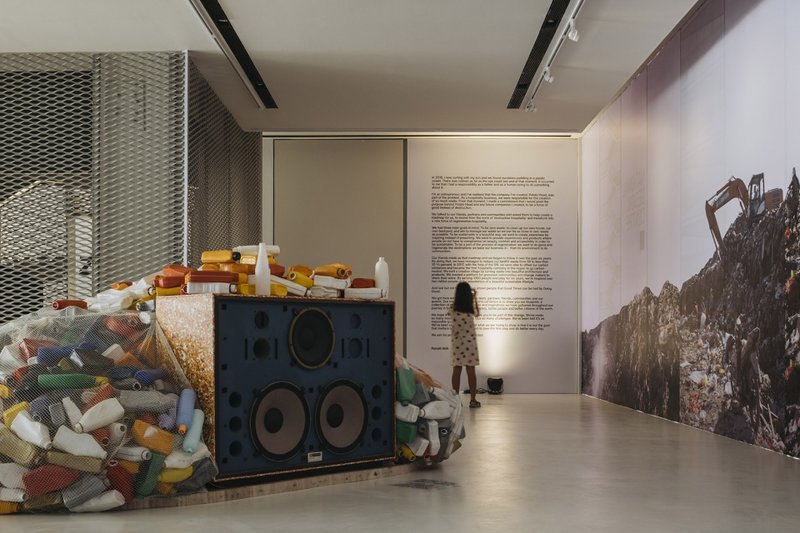
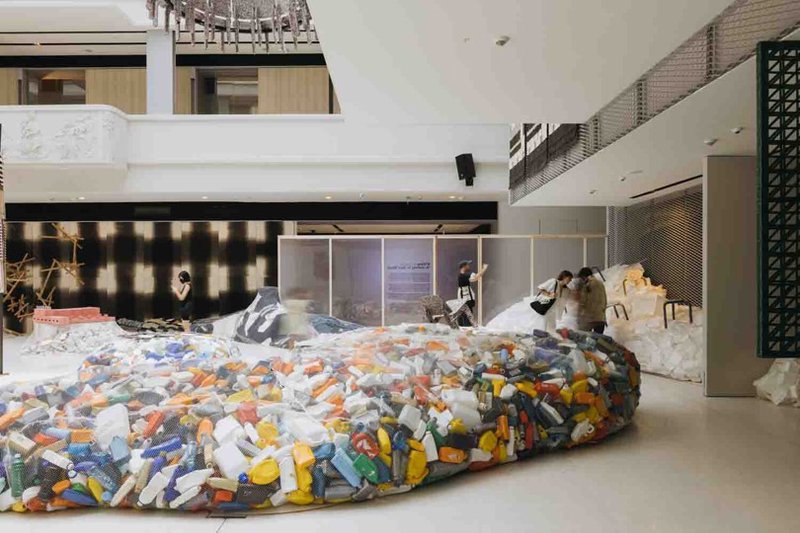
The exhibition, which is 1,000m2, begins with photographs and videos of the huge amount of waste that our daily habits produce. The main atrium has a landscape made of natural materials and waste - bamboo, timber, plastic, textile, glass, Styrofoam, cooking oil, and oyster shells. And above that are objects designed by Potato Head's collaborators, made from the same landscape materials. This Waste Landscape shows how to refuse can be turned into valuable and beautiful things through experimentation and sharing knowledge.
 Exhibition view – stair well © Studio Periphery, courtesy of Potato Head and OMA
A key element of the exhibition is a round installation constructed from used shutters. There is also a timeline that shows Potato Head's progress since 2010 in developing an eco-friendly hospitality business. This timeline emphasizes the company's zero-waste initiatives in Bali from 2017.
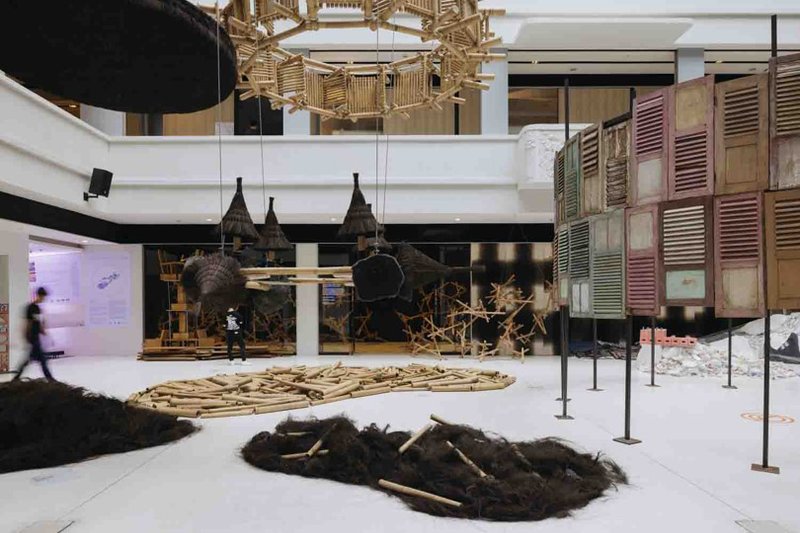 The Waste Landscape located at the main atrium © Studio Periphery, courtesy of Potato Head and OMA
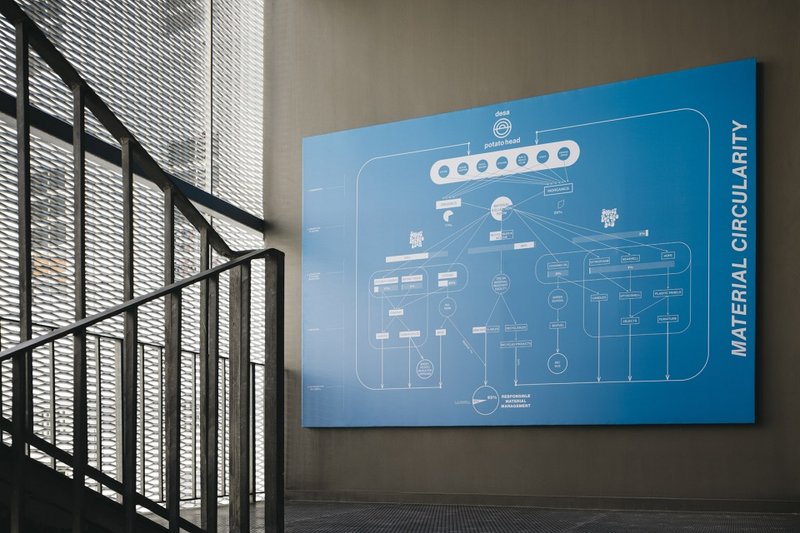
The Blueprint is the next section of the exhibition, and it focuses on the waste management program at Desa Potato Head, a resort in Bali. This program is designed to be open-source information so that anyone can use and improve it.
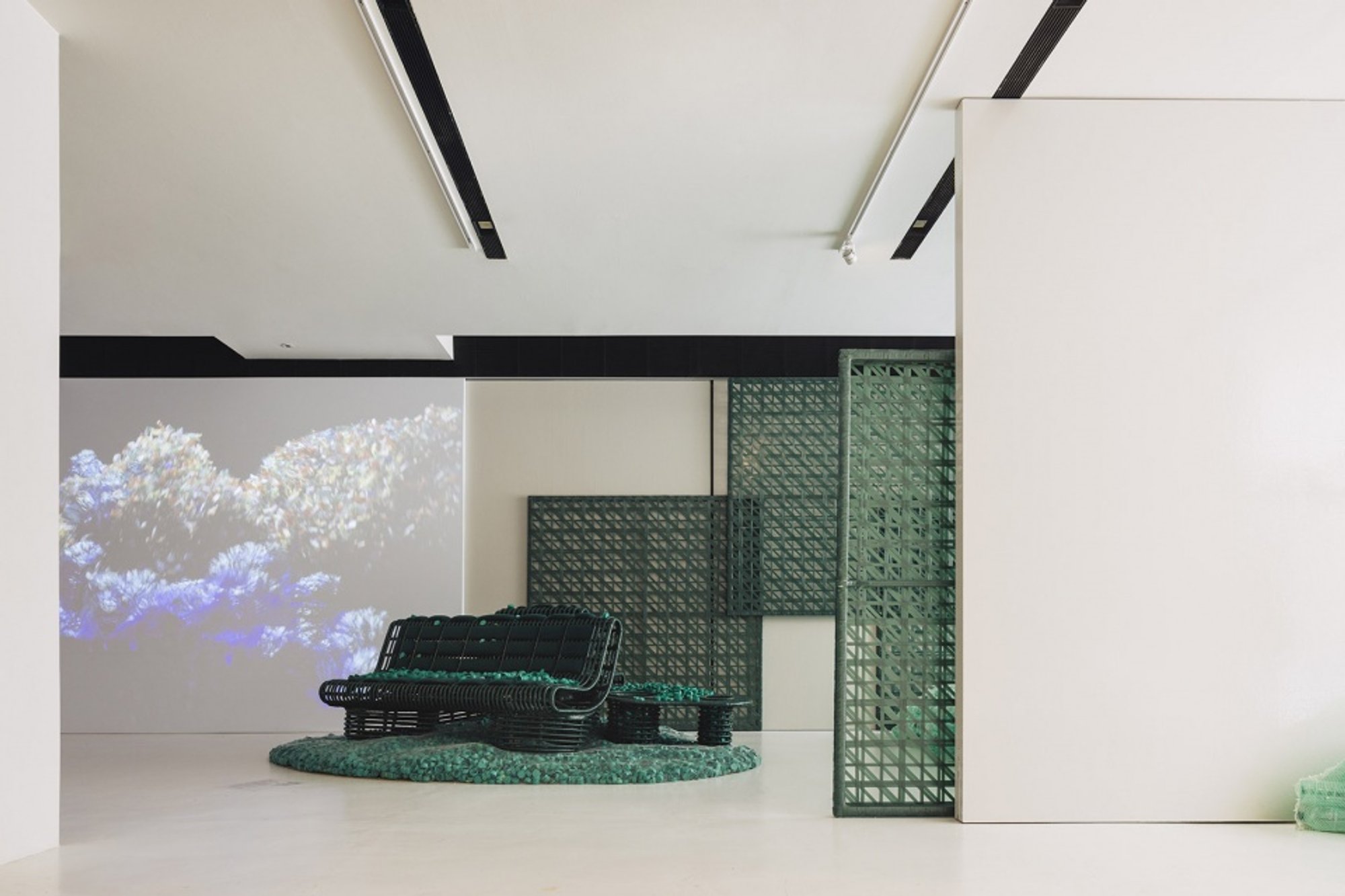
The exit of the exhibition is a circular gift shop that displays products that promote a zero-waste lifestyle. These products are displayed on installations that are built using woven panels made of recycled plastic. The exit becomes part of the exhibition, encouraging critical responses to questions like: is recycling the best solution to the waste problem? How can we reduce waste in the first place?
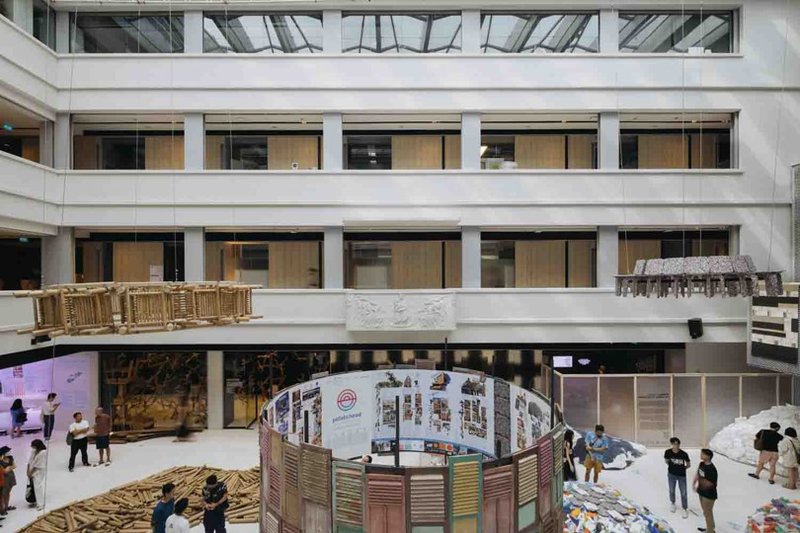 The circular installation © Image courtesy of Potato Head and OMA
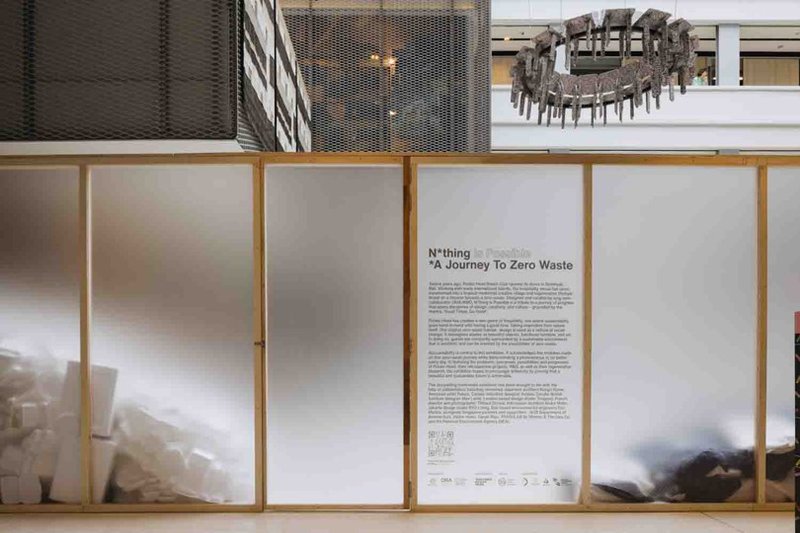
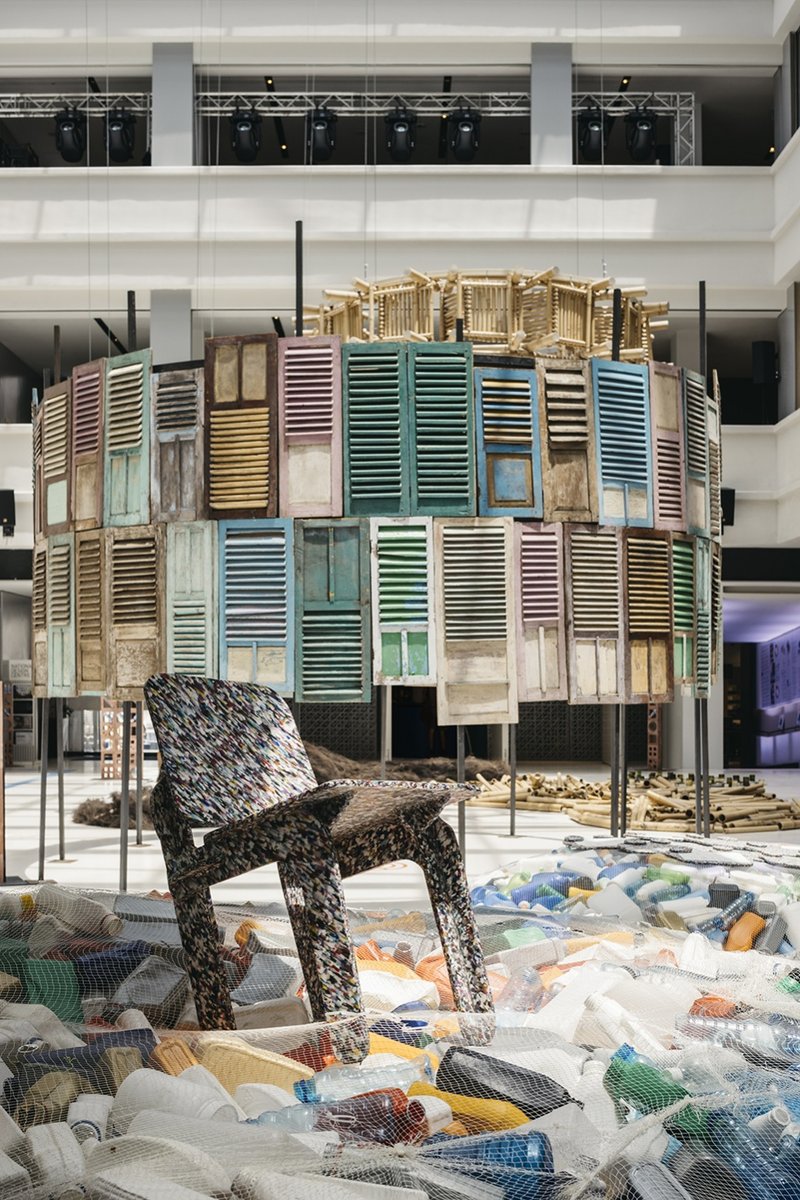 Exhibition detailed view
© Studio Periphery, courtesy of Potato Head and OMA
N*thing is Possible By David Gianotten, Shinji Takagi, Potato Head
Status: Completed
Client: Potato Head
Location: National Design Centre, Singapore
Site: 1.000 m2
Program: Exhibition, Research
Year: 2022
Curators: David Gianotten, Shinji Takagi, Potato Head
Team: Marina Bonet, Helena Gomes, Raffaele Guercia, Tijmen Klone, Alisa Kutsenko, Arthur Wong, Suet Ying Yuen
COLLABORATORS
Andreu Carulla, Atelier Hoko, BYO Living, DesignSingapore Council, Eco Mantra, National University of Singapore, Kingsmen, Kengo Kuma & Associates, Kharma Studio
References (2)



Popular Articles
Popular articles from the community

On the Brooks House by Monsoon Collective – A Contemporary Kerala Home Rooted in Tradition
Kerala home blending tradition and modernity with water-inspired design, brick architecture, courtyard planning, and sustainable rainwater harvesting strategies.


The Ken Roberts Memorial Delineation Competition (Krob)
As the most senior architectural drawing competition currently in operation anywhere in the world, it draws hundreds of entries each year, awarding the very best submissions in a series of medium-based categories.
Treehouse Apartment: A Warm Timber Interior Blending Craft, Play, and Contemporary Living
Warm timber apartment with integrated treehouse, combining natural materials, craftsmanship, and playful design to create a flexible, family-oriented living environment.

Solar Steam: A Climate-Responsive Architecture That Redefines the Monument
A climate-responsive memorial architecture that transforms heat, decay, and time into a living system reflecting humanity’s ecological impact.


Similar Reads
You might also enjoy these articles
Zhuxi Wonderland: Reimagining Traditional Chinese Gardens by Doarchi Architects
Zhuxi Wonderland by Doarchi Architects reinterprets traditional Yangzhou gardens, integrating courtyards, pavilions, and tea houses in modern cultural design.
Doble Soga House: A Contemporary Brick Residence Rooted in Landscape in Quito, Ecuador
Brick house in Quito integrating nature, flexible living spaces, exposed materials, and rooftop terrace, creating warm contemporary architecture for modern family life.
Al Gharra Mosque in Medina Redefining Contemporary Islamic Architecture
Minimalist Medina mosque using concrete, light, and landscape to reinterpret Islamic worship spaces through symbolic spiritual transitions and contemporary architecture.
Viczonecode Villa by DDconcept – Tropical Family Living in Ho Chi Minh City
Tropical family villa in Ho Chi Minh City featuring courtyards, skylights, natural ventilation, elevated flooring, and seamless indoor–outdoor living surrounded by greenery.


Explore Exhibition Design Competitions
Discover active competitions in this discipline




The Global Benchmark for Architecture Dissertation Awards


The Global Benchmark for Graduation Excellence


Challenge to design an urban locus of culture and heritage

Bring back Drive In's
Comments (0)
Please login or sign up to add comments
No comments yet. Be the first to comment!