
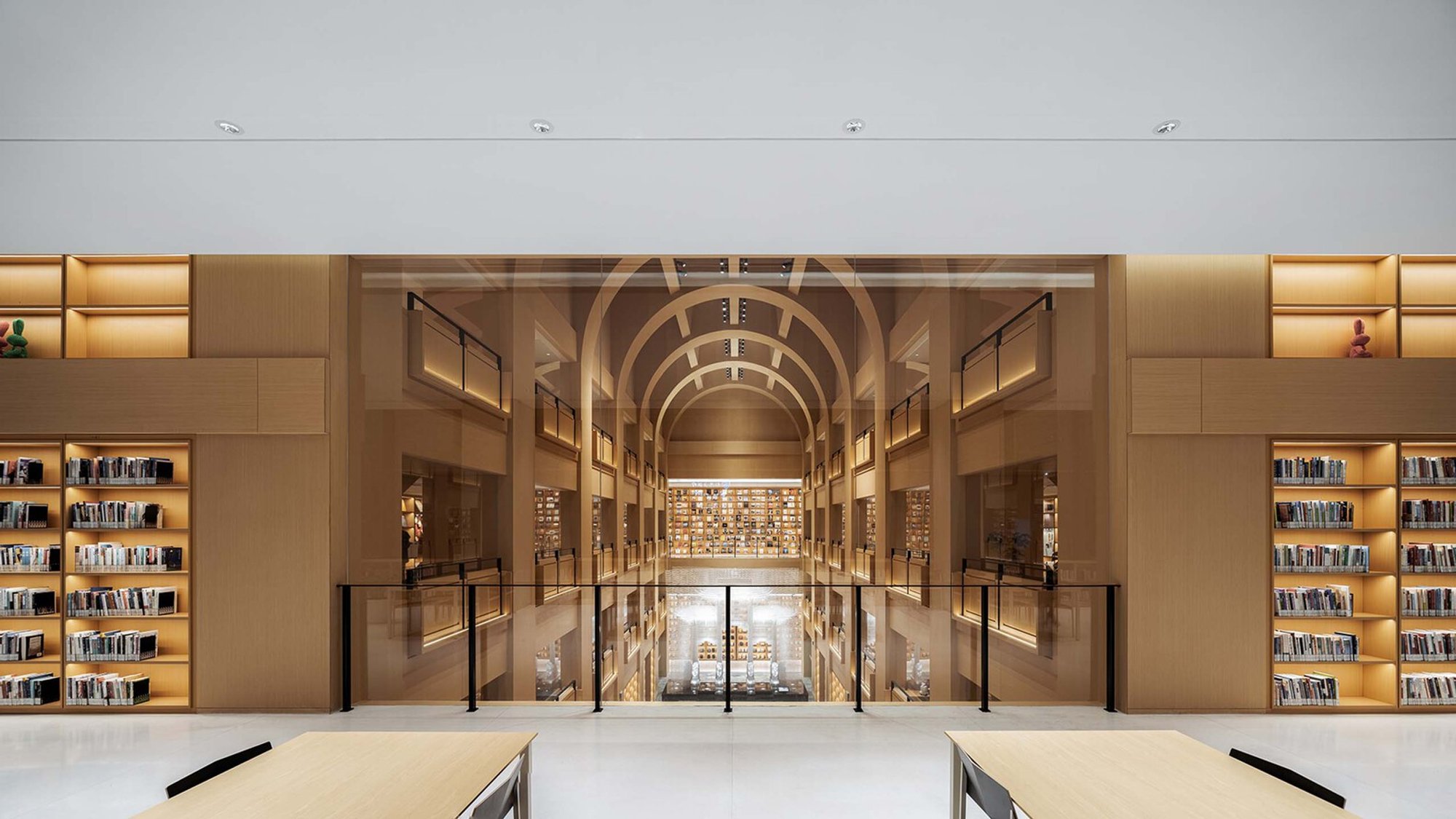
Zikawei Library by Wutopia Lab – Shanghai’s New Cultural Landmark
Zikawei Library by Wutopia Lab in Shanghai blends modern design, Chinese nested box concept, and community-focused spaces for cultural engagement.

A Library That Transforms the City
At the beginning of 2023, the Zikawei Library, designed by Wutopia Lab, officially opened its doors, quickly becoming one of Shanghai’s most iconic cultural landmarks. This project, four years in the making, was highly anticipated even before its formal unveiling, capturing the city’s imagination with its unique blend of modern design and cultural storytelling.
Originally envisioned as a bookstore by David Chipperfield Architects, the building remained vacant after the facade and structure were completed, due to the closure of two investors. Eventually, it was repurposed as a public library for the Zikawei District, marking a new chapter in Shanghai’s urban cultural life.
Wutopia Lab’s Architectural Philosophy: Magical Realism
Wutopia Lab’s approach to interior architecture emphasizes creating spatial narratives that transform and interact with the original structure. Rather than simply decorating the building, the design dissolves and reinterprets existing architecture to produce an experience akin to magical realism.
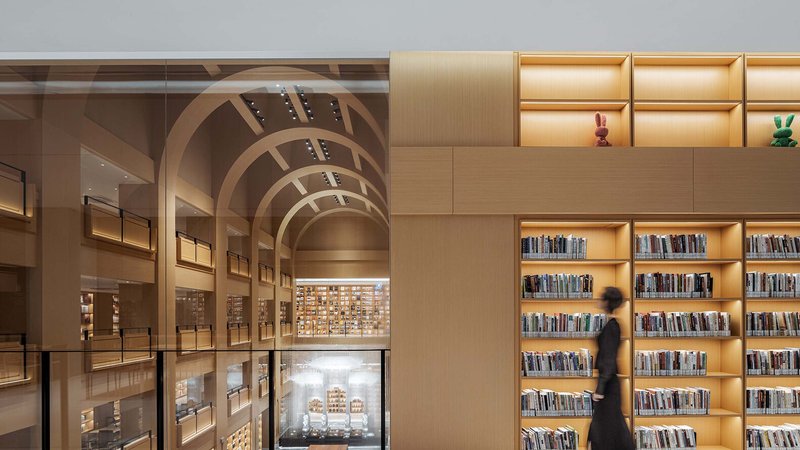
The original three-story atrium with mezzanines inspired the team to create a “Chinese nested box” structure, drawing from the traditional Han Dynasty trousseau boxes. This layered approach allowed for a dynamic narrative while respecting the classical central axis of the building.
The Chinese Nested Box Concept
The Zikawei Library is composed of five distinct layers, each with its own function:
- Thin Facade: Preserved from David Chipperfield’s original design.
- Main Library Programs: Coffee areas, reading zones, lecture halls, and exhibition spaces.
- Donut-Shaped Aisle: Circulation and connectivity.
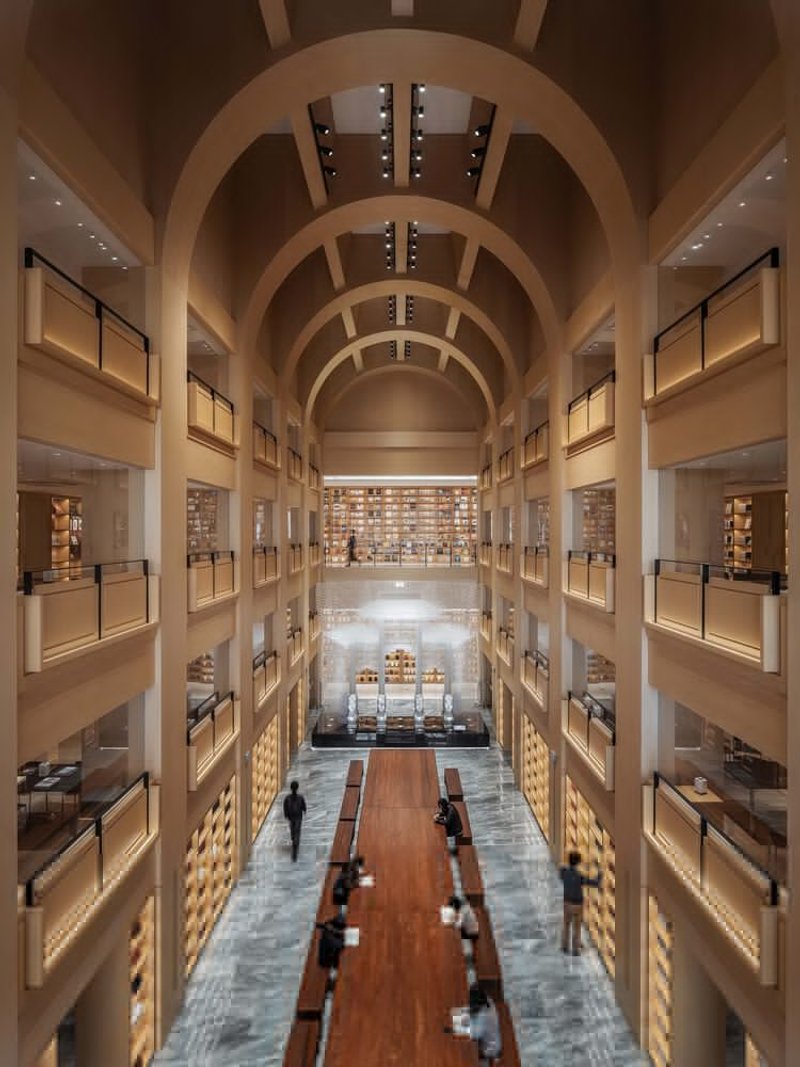
- Atrium/Reading Hall: The central heart of the library.
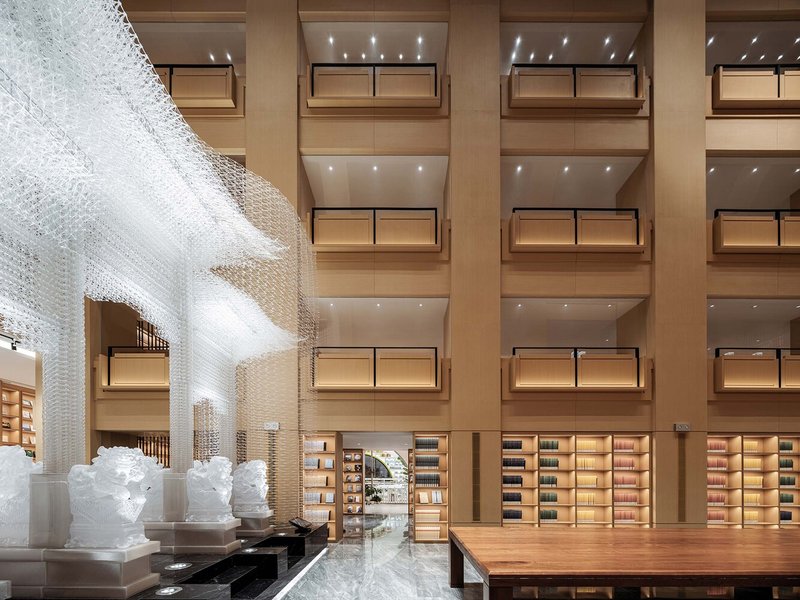
- Treasured Core: Symbolic centerpiece, featuring Shanghai’s longest reading table (nearly 30 meters) and a 3D-printed modern pagoda, combining Eastern and Western design elements.
The design divides the interior into two main areas:
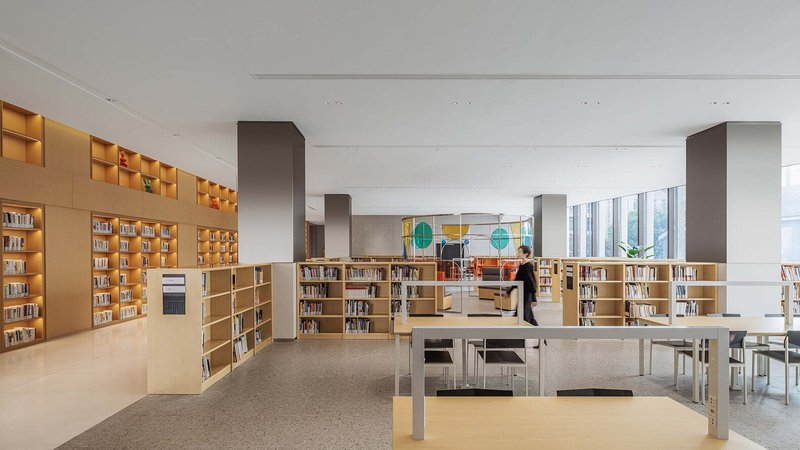
- Area A (Packaging Boxes): Expresses solidity through concrete, terrazzo, and paint.
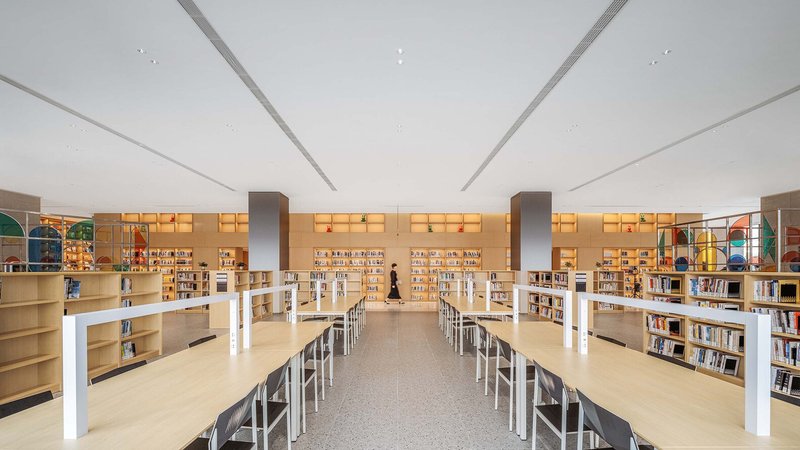
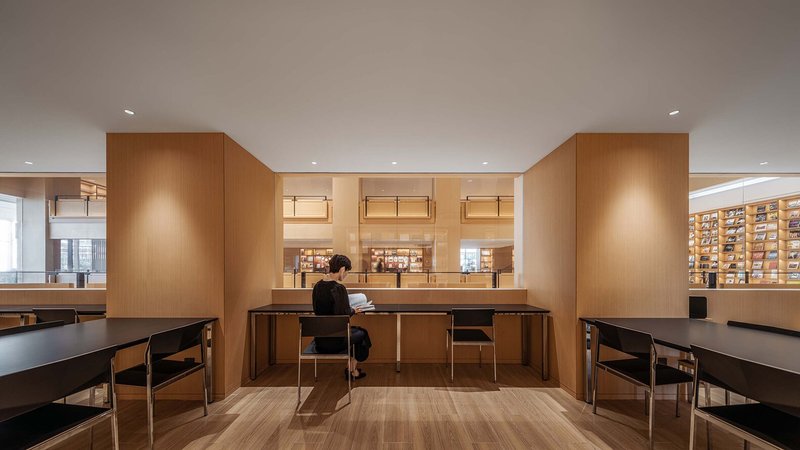
- Area B (Storage Boxes): Exudes warmth with wood finishes, intimate reading corners, and layered mezzanines.
Interior Highlights: Function Meets Art
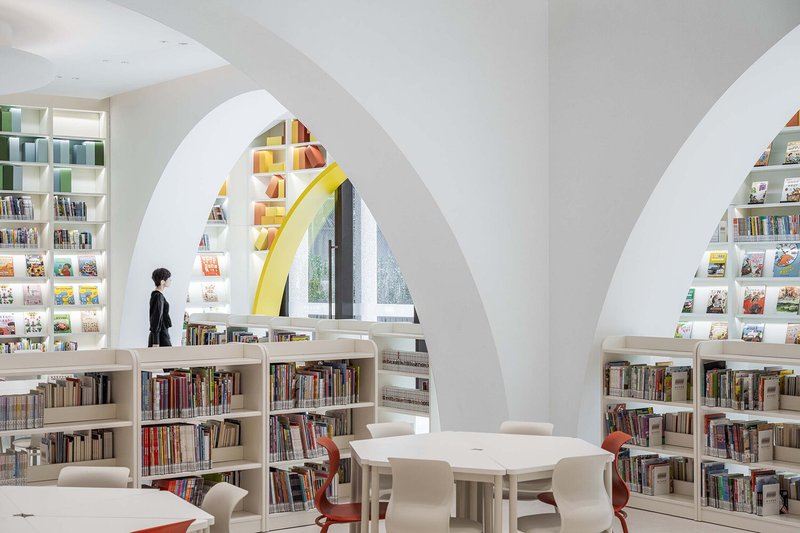
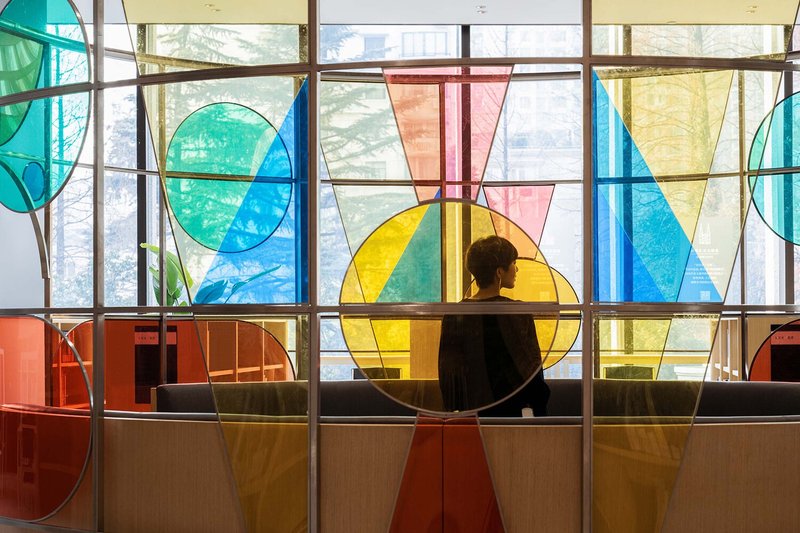
- Second Floor: Features a round café island and a children’s reading area with centralized seating.
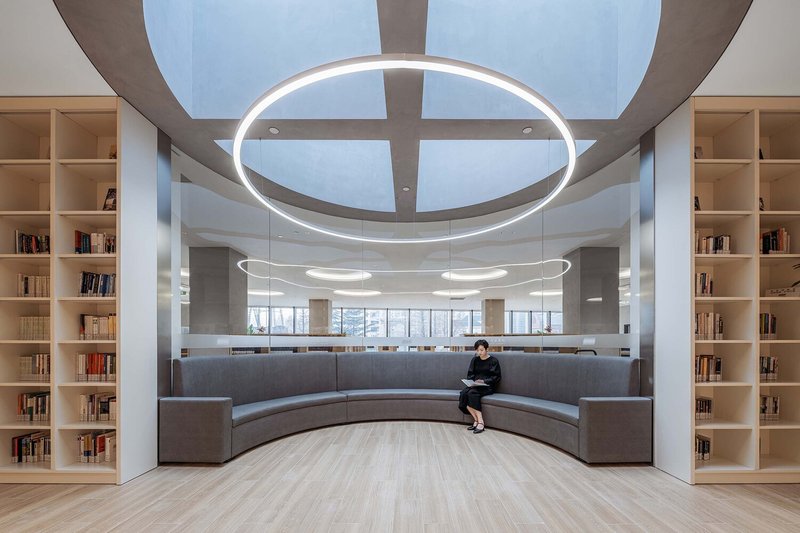
- Third Floor: Incorporates skylights and cozy resting zones with integrated lighting.
- Atrium: Inspired by nearby Catholic basilicas, the atrium features arched ceilings to symbolize the library as a temple of knowledge.
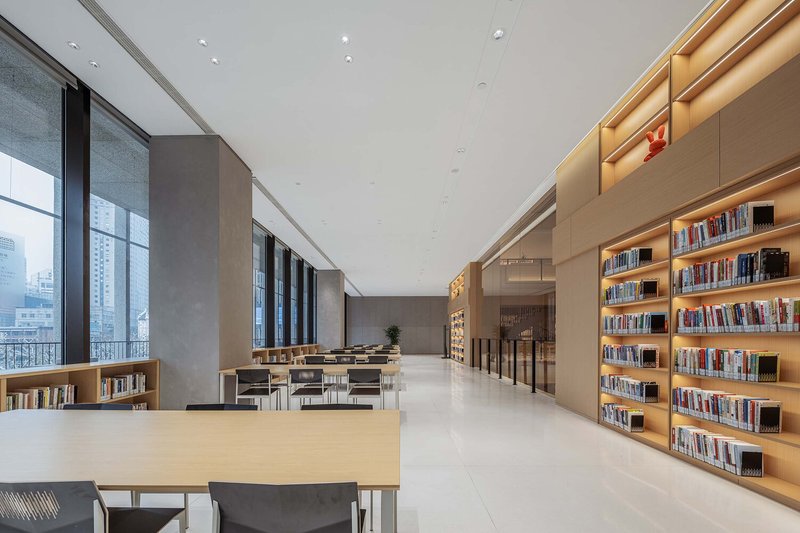
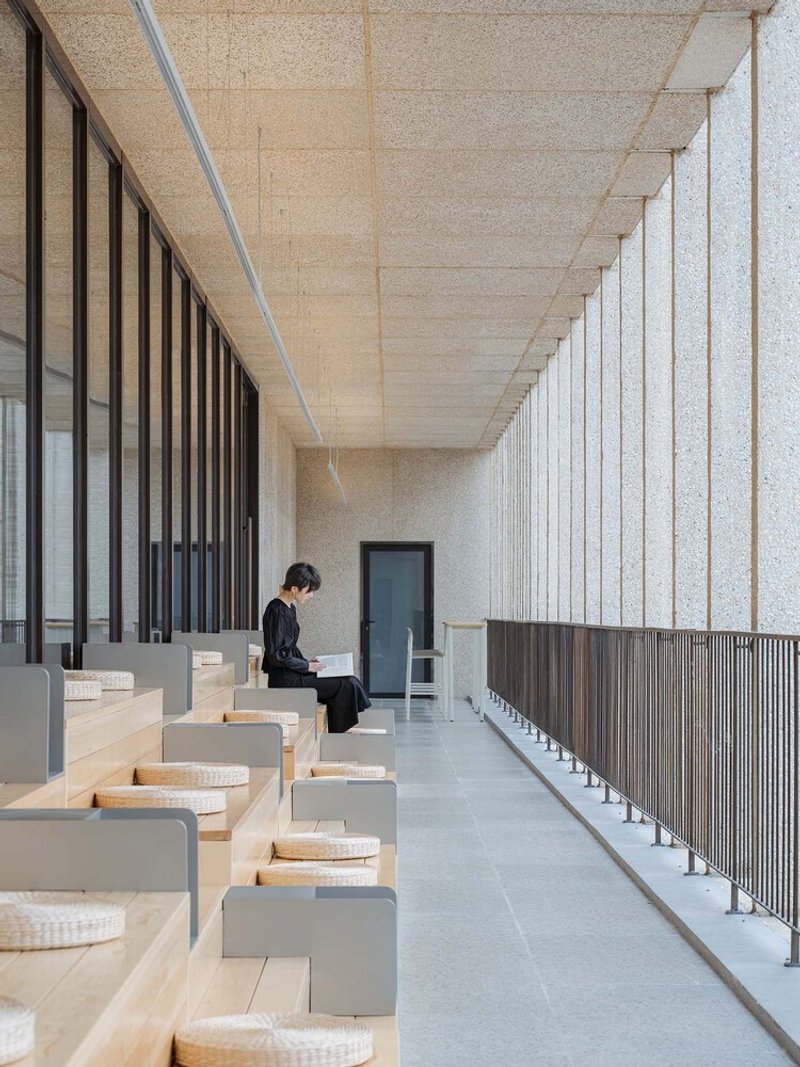
- Stepped Seating: Converted from balconies to create public reading spaces visible from the exterior, engaging the community and connecting with the city.
Community Engagement and Urban Impact
Designed as a public library rather than a research library, Zikawei Library encourages city-wide interaction, welcoming both avid readers and casual visitors. The cantilevered balcony provides expansive views, creating a metaphorical “step into the sky,” and strengthening the library’s role as a social and cultural hub.
In its first two months, the library welcomed over 180,000 visitors, transforming the previously overlooked Zikawei business district into a vibrant cultural center. This demonstrates the power of thoughtful architectural design to reactivate urban spaces and foster community engagement.
Shanghai’s Magic Realized
The Zikawei Library exemplifies how modern architecture, cultural heritage, and community-centered design can converge to create a truly transformative space. Through Wutopia Lab’s vision, the library blends Eastern and Western design philosophies, ancient traditions, and modern innovations, becoming not just a place of learning, but a symbol of Shanghai’s cultural vitality.
All Photographs are works of CreatAR Images



Popular Articles
Popular articles from the community

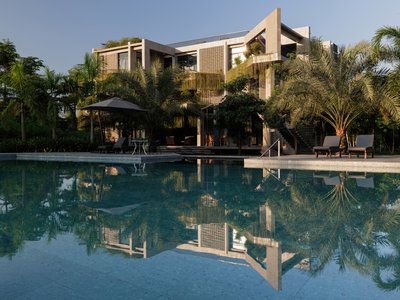
Reincarnation Weaves a Three-Story Retreat into the Green Landscape of Rural Bangladesh
Ara Manor in Narsingdi dissolves the line between domestic architecture and its lush surroundings through screens, courtyards, and planted rooftops.
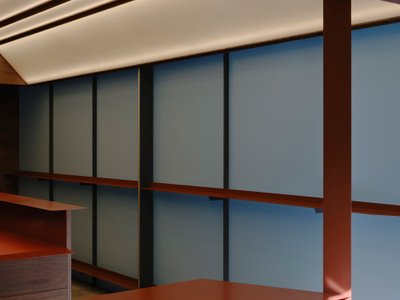
Kerry Kounnapis Packs 800 Daily Coffees into a 43-Square-Metre Melbourne Laneway Bar
Palace Coffee channels Pellegrini's and European standing bars through oxide-red steel and spotted gum timber in a Ridgway Place sliver.
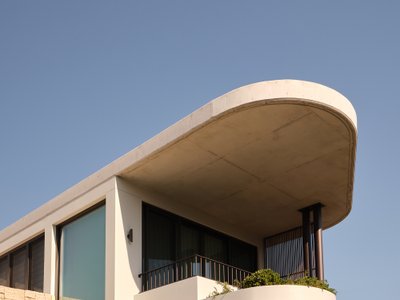
Stanton Architects Sculpts a Curving Family Home into Sydney's Inner West Fabric
Five Dock House uses cantilevers, curved concrete, and layered courtyards to carve out privacy on a tight suburban lot in Sydney.
Kaffeebühnen: Coffee Shop Architecture Designed as a Civic Stage Between Vienna’s City and Park
Kaffeebühnen turns coffee shop architecture into a civic stage, linking Vienna’s park edge, urban life, warm timber yards, and coffee craft.

Similar Reads
You might also enjoy these articles

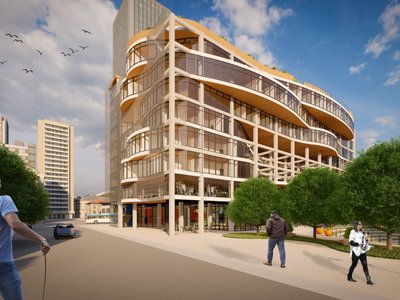
Olio Towers: A Mid-Rise for Performers That Fuses Housing, Rehearsal, and Stage
Located blocks from Houston's Theater District, this modular tower stacks living units around a central performance atrium.
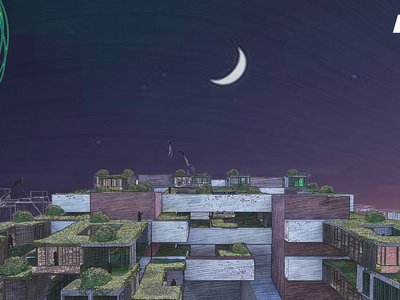
Oasis: Modular Green Housing Carved into Dhaka's Urban Fabric
A shortlisted Plugin Housing entry reclaims unauthorized settlements in Dhaka with stepped concrete volumes, green roofs, and ventilation-driven design.

Black Hole: A Floating Megastructure for the Post-Physical Era
Emiliano Mazzarotto envisions a spherical, self-scaling arena where e-sports, digital hotels, and holographic stadiums replace traditional public space.
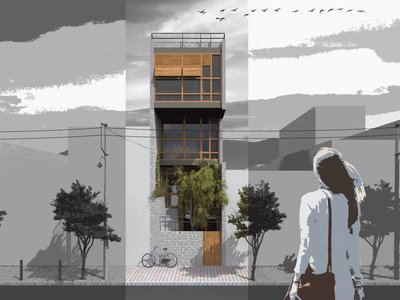
Compact & Sustainable Living in Piraeus: A Four-Level Family Home Built Around Light and Air
A narrow townhouse in one of Greece's densest port cities uses a central atrium and passive strategies to house three generations under one roof.

Explore Cultural Architecture Competitions
Discover active competitions in this discipline




The International Standard for Design Portfolios


The Global Benchmark for Architecture Dissertation Awards


The Global Benchmark for Graduation Excellence


Challenge to reimagine the Iron Throne
Comments (0)
Please login or sign up to add comments
No comments yet. Be the first to comment!