
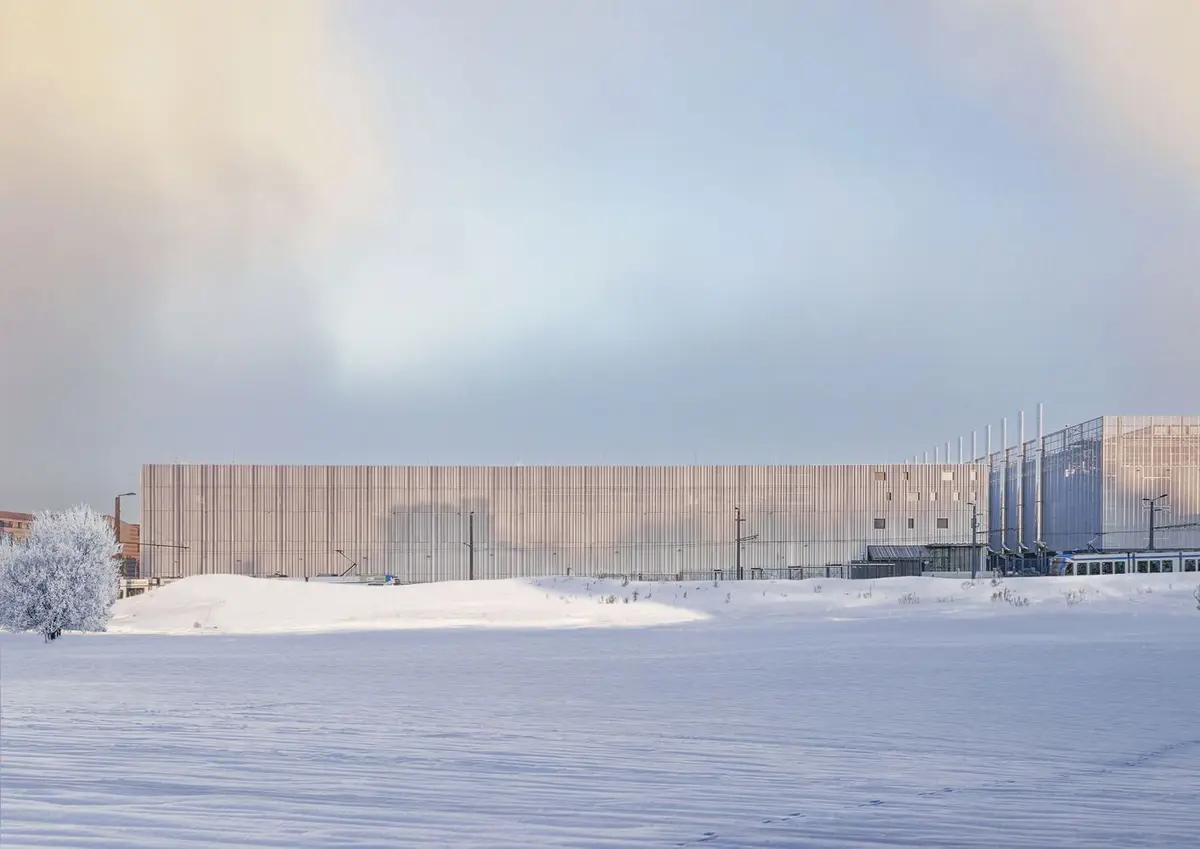
ZUR3 Data Center by Gruner&Friends: A New Architectural Typology for High-Performance Digital Infrastructure
A shimmering data center with an Interstellar-inspired façade, advanced BIM coordination, layered security, green courtyard, and renewable energy powering Switzerland’s largest facility.


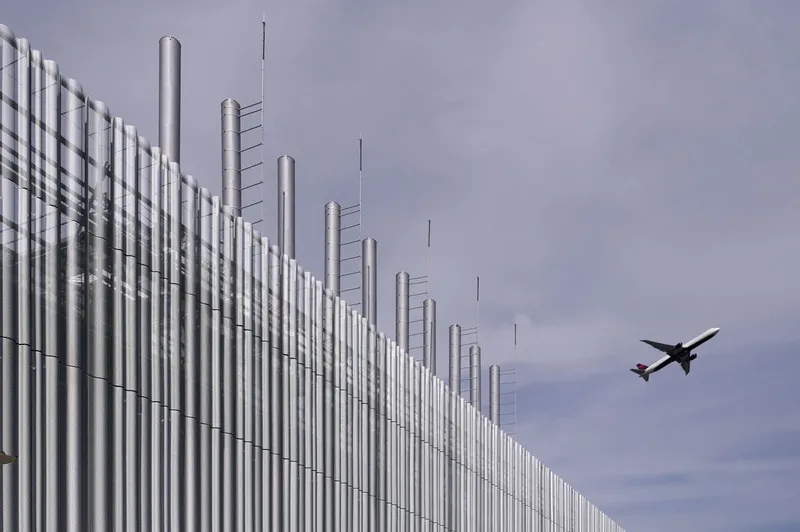
The ZUR3 Data Center by Gruner&Friends establishes a new benchmark for digital infrastructure design in Switzerland. Completed in 2023 and spanning 30,955 m², the facility is part of Digital Realty’s growing Zurich campus and strategically positioned beside Zurich Airport. This location creates a physical and operational connection to existing data centers while setting the stage for the campus’s long-term expansion. Adjacent to ZUR3, Sou Fujimoto’s upcoming 26,000-square-meter “Meet” mixed-use development will introduce new retail, leisure, and commercial environments, reinforcing the district as a hub for innovation and digital exchange.
A BIM-Driven Data Center for the Future
The entire ZUR3 project was conceived, designed, and coordinated using a fully integrated 3D BIM workflow. This collaborative digital model synchronized the work of structural, electrical, mechanical, civil, and building physics teams, guaranteeing precision and allowing rapid execution despite the building’s complexity. BIM optimization ensured high-quality construction and accelerated delivery, completing the project in just 2.5 years, a notably short timeframe for a data center of this scale.
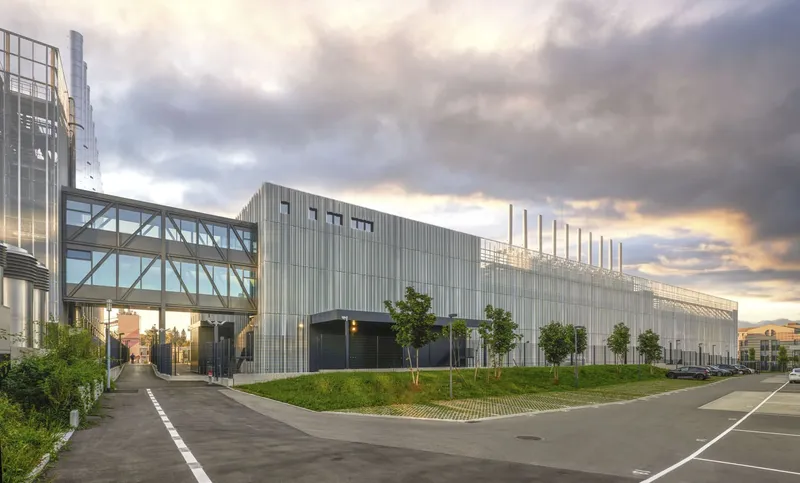
Interstellar-Inspired Architectural Identity
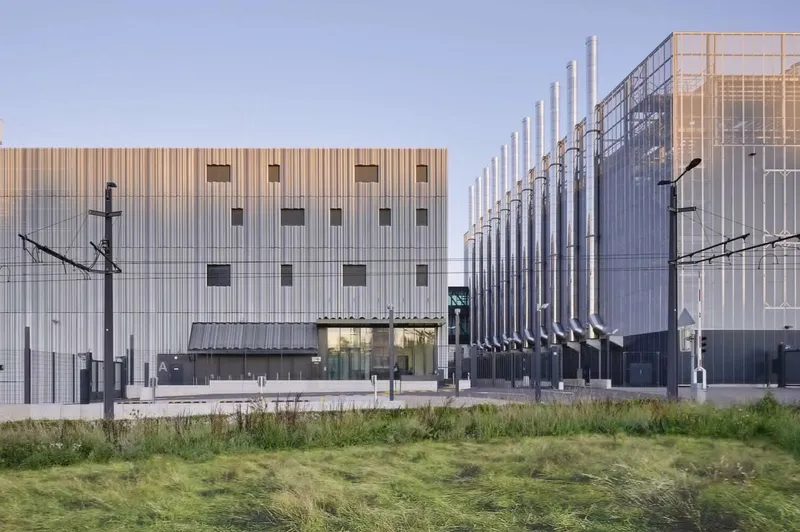
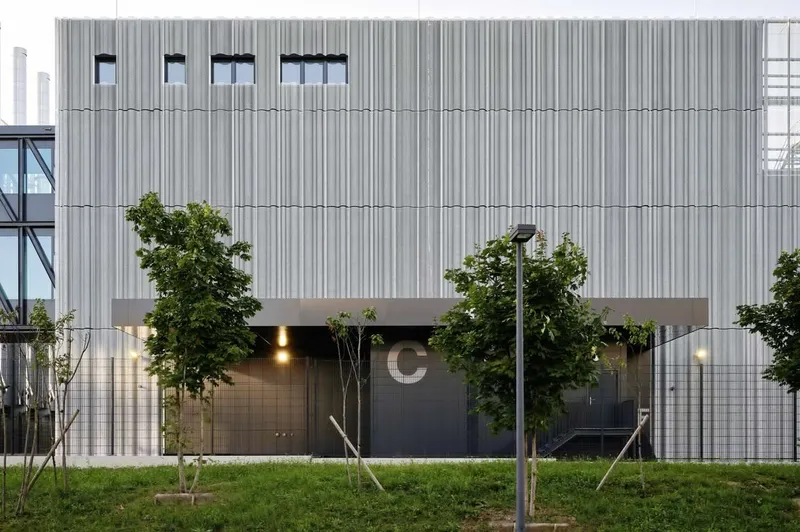
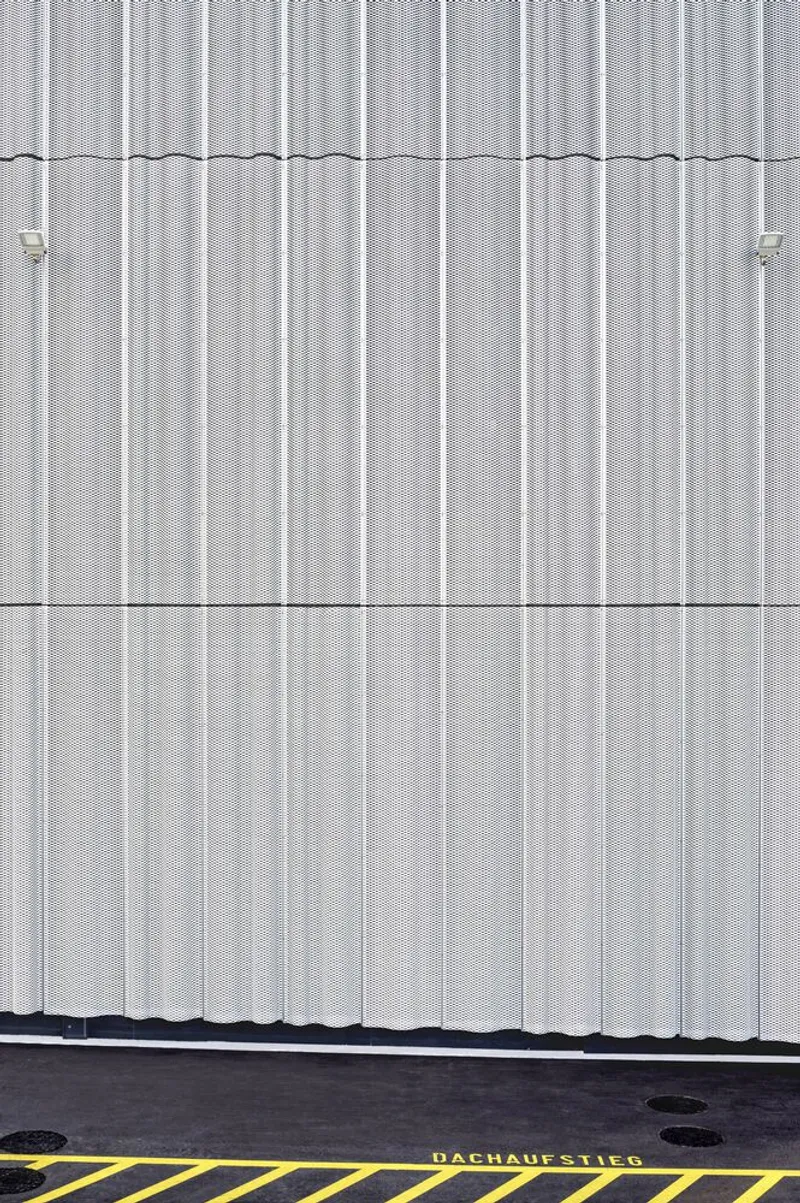
Gruner&Friends introduces a new typology for data center architecture inspired by Christopher Nolan’s film Interstellar. Rather than presenting a monolithic industrial box, the building is enveloped in a sculptural “data curtain.” This multilayered façade concept reinterprets the film’s fourth-dimensional bookshelf into a contemporary architectural language. The exterior reveals glimpses of the technical world inside through calibrated openings that mark the main entrance, vertical circulation zones, and large loading bays. Chromed elements, optical lighting effects, and curved metal surfaces produce dynamic reflections, making the façade appear active, responsive, and constantly shifting depending on light and perspective.
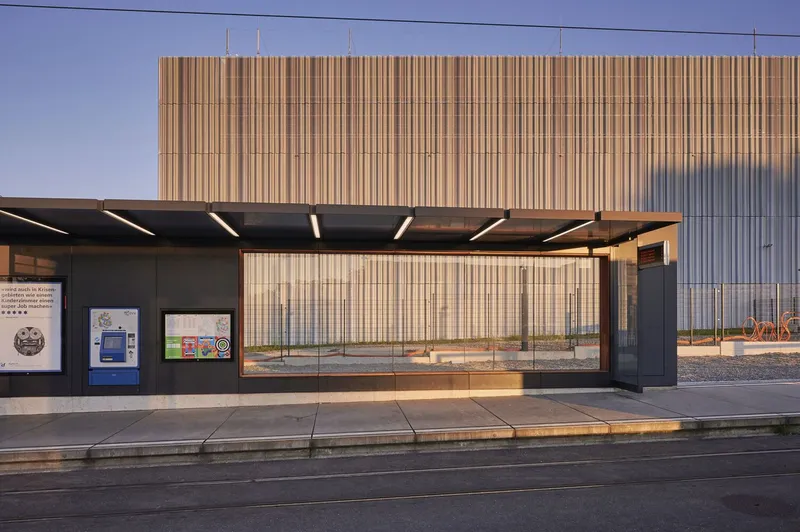
A High-Performance Façade System
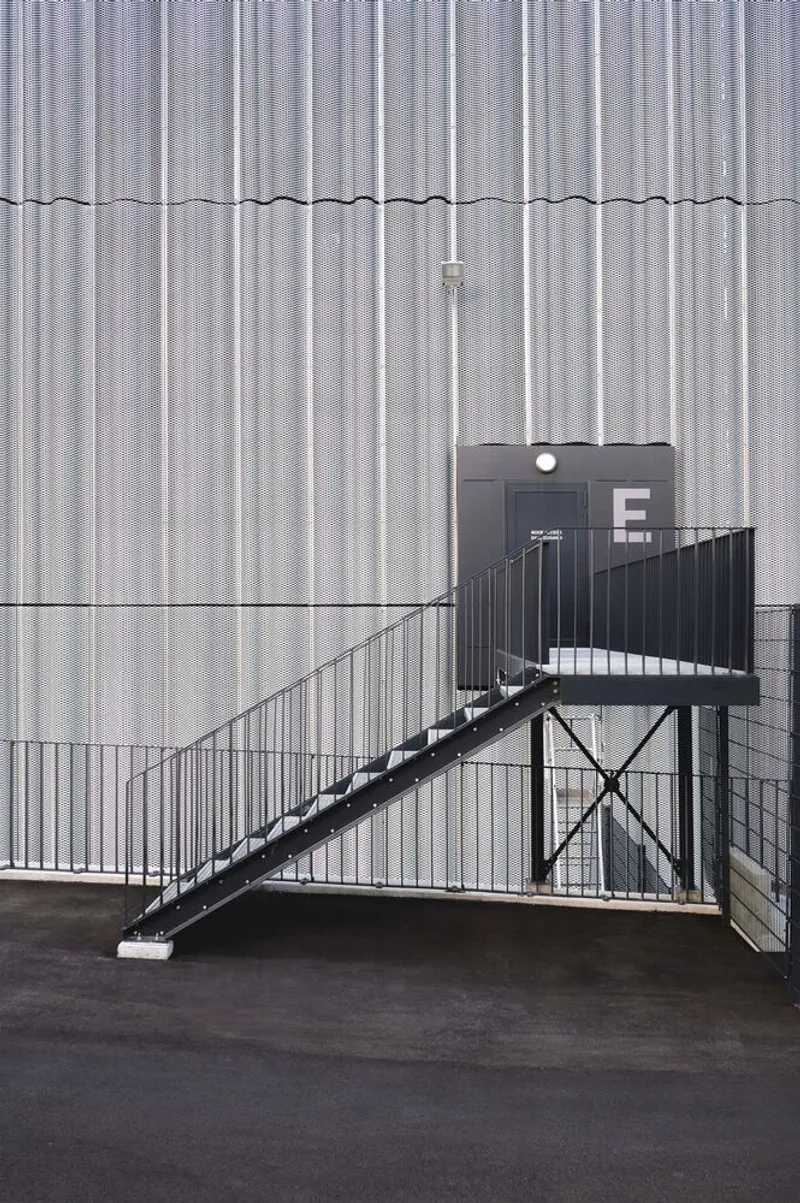
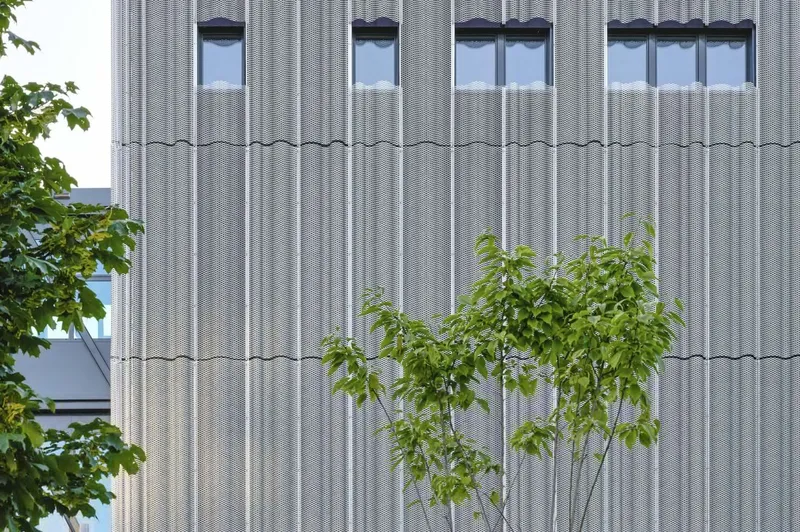
The 143-meter-long by 57-meter-tall structure is visually softened through meticulous façade engineering. The cladding system consists of modular anodized aluminum panels in six variations and two chrome tones, forming the shimmering textile-like “curtain.” Perforated elements allow natural ventilation essential for cooling the transformer-heated interior. Each panel hangs from a concealed aluminum substructure that creates a ventilated cavity to enhance thermal insulation and energy efficiency. This façade not only conceals and beautifies the massive volume but performs as an integral component of the building’s environmental strategy.
Layered Spatial Organization and Advanced Security
Inside, the data center’s layout is structured through layered concentric rings that reinforce security across multiple zones, making ZUR3 one of the most secure digital facilities in the world. Customer spaces span 11,400 m², all powered entirely by renewable energy sources. Gruner&Friends designed the program to balance technical precision with spatial quality, ensuring that workspaces and operational areas benefit from daylight, clear flows, and optimized performance.
A Courtyard as a Reflective Green Oasis
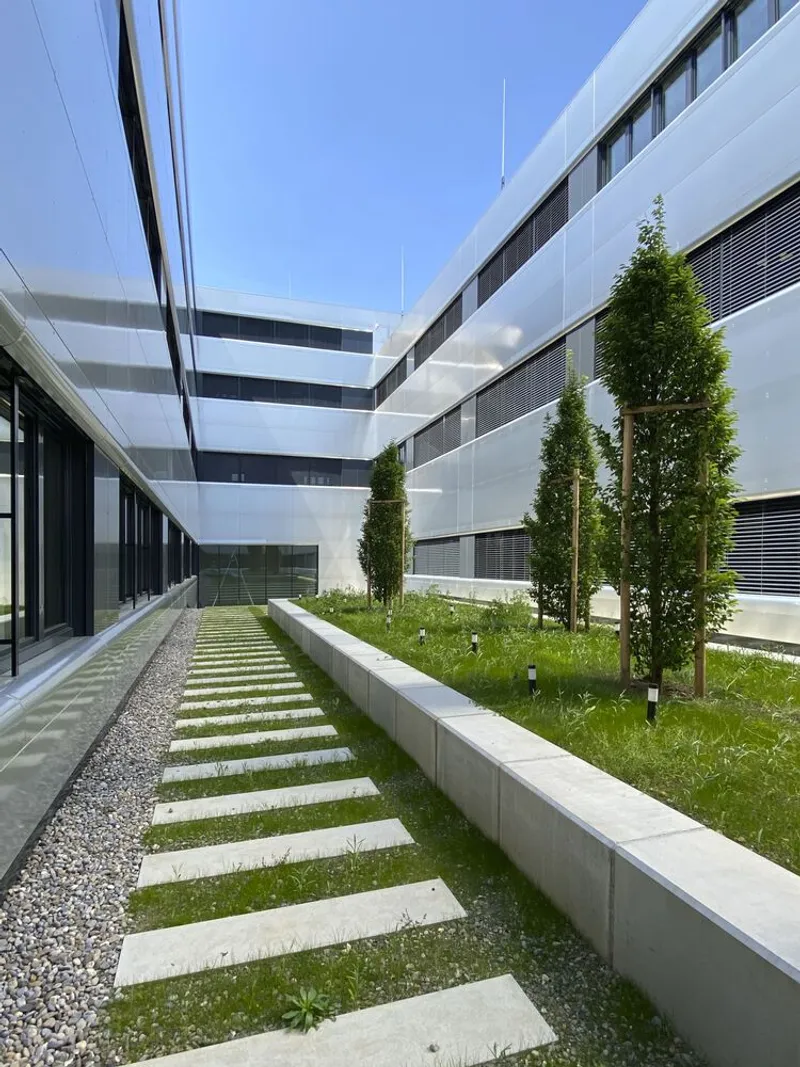
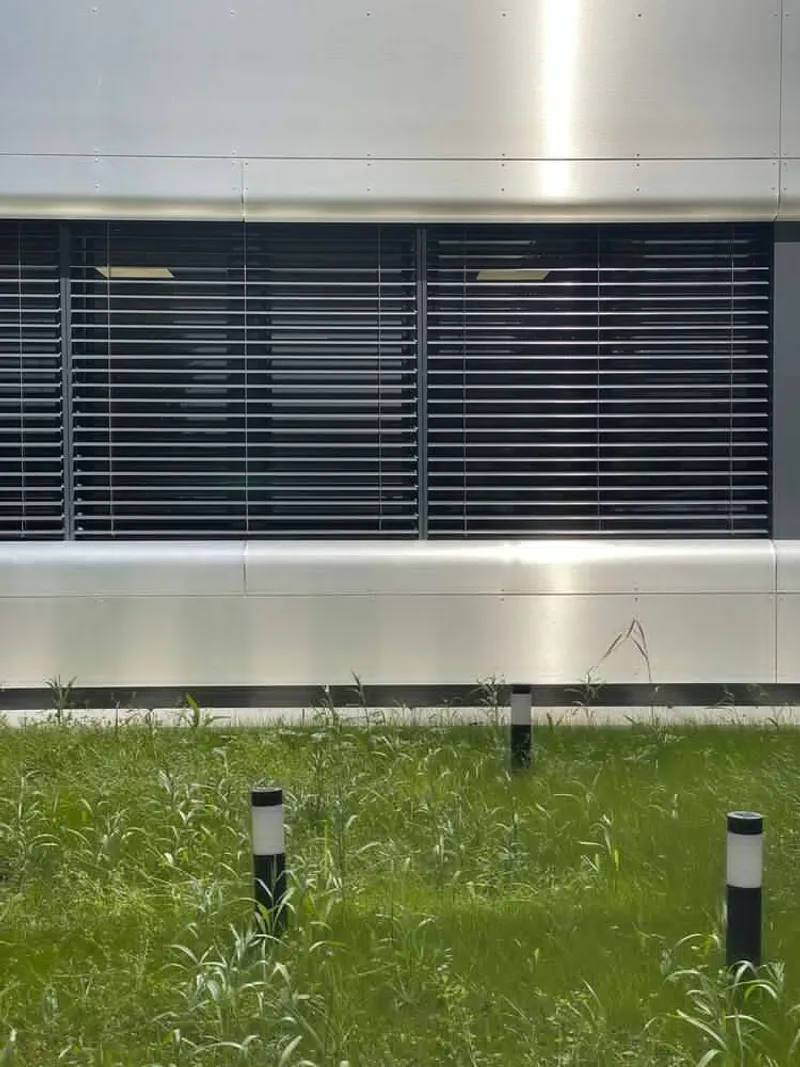
At the core of the building, an inner courtyard acts as a calming green void for staff, bringing natural light deep into the interior. The mirrored façade panels lining the courtyard extend the perception of space, echoing the reflective nature of the outer envelope and creating visual continuity across the architecture. Black PPC aluminum panels strategically mark functional elements such as loading bays, bridges, and emergency exits, breaking the silver rhythm of the primary façade and highlighting key access points.
Sustainability as a Core Principle
Sustainability guided the project from design through construction. ZUR3 uses 100% renewable energy, features high-performance materials including Alucobond, Isover, Frinorm, Glas Trösch, and Xtratherm, and integrates an advanced thermal envelope that minimizes energy loss. The BIM-based coordination reduced material waste and optimized technical routing, contributing to the campus’s long-term carbon reduction goals.
A Milestone for Switzerland’s Digital Architecture
With 31,000 m² of programmable space, ZUR3 is now the largest data center in Switzerland, merging architectural identity, technical complexity, and environmental responsibility. Gruner&Friends delivered a project that reflects the future of data infrastructure: highly secure, energy-efficient, visually expressive, and deeply integrated into its urban context.
All photographs are works of Gruner&Friends


Popular Articles
Popular articles from the community


Opera on the Sea: Driftwood Logic Shapes a Timber Opera House on Estonia's Coast
Trevor Orgill's opera house translates the entangled drift of floating timber into a civic building where wood, water, and music converge.


David Ortega Stacks a Two-Story Mexico City Penthouse Around a Steel Stair and a Pergola-Shaded Roof Terrace
In Colonia Roma, a 300 m² penthouse uses oak joinery, a planted steel stair and a slatted roof pergola to make a new-build apartment feel like a house.

Manzana Morphosis: Stretching Barcelona's Grid into a Living Landscape for 2050
A radical reworking of the Eixample manzana turns density into a tool for generous public space, vertical ecology, and environmental performance.

FCC Arquitectura Expands a Portuguese Granite House with a Board-Marked Concrete Wing
In Portugal, JV House pairs a cleaned-up whitewashed and granite dwelling with a timber-shuttered concrete extension, courtyards and a garden pool.

Similar Reads
You might also enjoy these articles


Hodi-Mandai Geram
Project Function: Preservation and revitalization of the Intangible heritage and socio-spatial identity of the Hodi by Housing, Cultural Memory Center, Sacred Grove, landscape, local tourism economy


Olio Towers: A Mid-Rise for Performers That Fuses Housing, Rehearsal, and Stage
Located blocks from Houston's Theater District, this modular tower stacks living units around a central performance atrium.

Oasis: Modular Green Housing Carved into Dhaka's Urban Fabric
A shortlisted Plugin Housing entry reclaims unauthorized settlements in Dhaka with stepped concrete volumes, green roofs, and ventilation-driven design.

Black Hole: A Floating Megastructure for the Post-Physical Era
Emiliano Mazzarotto envisions a spherical, self-scaling arena where e-sports, digital hotels, and holographic stadiums replace traditional public space.

Explore Office Building Competitions
Discover active competitions in this discipline

Challenge to reimagine the Iron Throne

Photograph architecture without architects

Illustrate the lost glory of Angkor Wat - Render Challenge

Design challenge to reuse E-waste
Comments (0)
Please login or sign up to add comments
No comments yet. Be the first to comment!