


Agri-urbanism
Design and planning approaches that integrate agricultural production into urban and peri-urban environments.
Agri-urbanism addresses food security and sustainability by embedding farming systems within cities and their peripheries. This practice combines landscape design, architecture, and urban planning to create productive spaces that serve both ecological and social functions.
The community explores vertical farms and rooftop agriculture, adaptive housing models that incorporate food production, and masterplans that treat cities as productive organisms. Work ranges from closed-loop food systems and terraced landscapes to live-work spaces where farming becomes central to urban living.


Popular projects
View all 55 projects


Latest journals
View all 58 journals

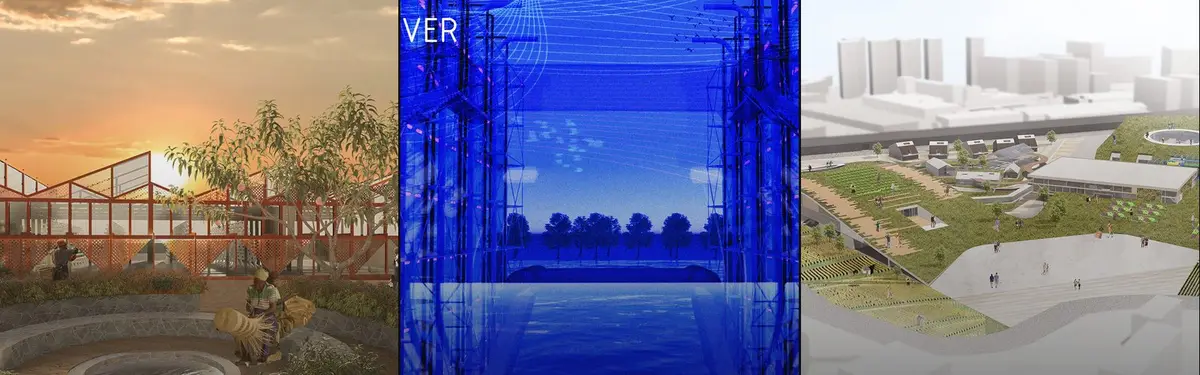
Atlantis 2023: Vertical Farm Towers That Turn a City's Waste Into Its Own Food Supply
Jakub Sokólski proposes a network of timber farming towers where organic waste, water and energy circulate in a closed loop inside the dense city.
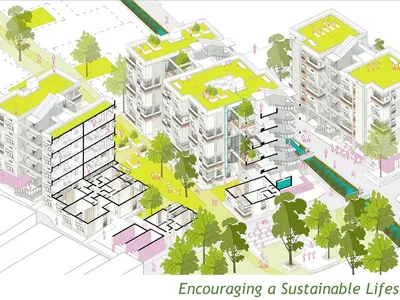
Productive Organism: A Mumbai Thesis That Treats Peripheral Housing as a Tool for Ecological Repair
Amod Nargund's thesis for Marve, Malvani layers mangrove ecology, adaptive housing and water cycles into a habitat that works like a living organism.
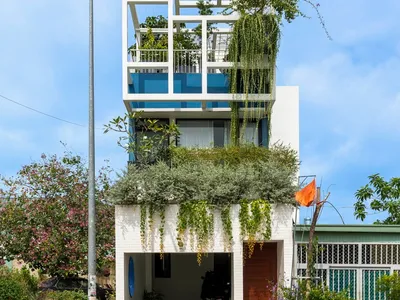
Urban Farming Home by Farming Architects: A Symbiotic Model for Sustainable Urban Living in Vietnam
Urban Farming Home integrates architecture and agriculture, creating a climate-responsive urban ecosystem that enhances biodiversity, energy efficiency, and healthy living.
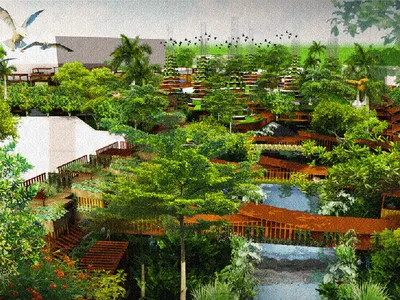
The Growing Citadelle: A City Fortified by Food, Built from Farming Towers and Modular Homes
Vertical farming towers and FoodB.O.X housing units combine into an urban framework that expands and contracts with a city's seasonal food demand.


