
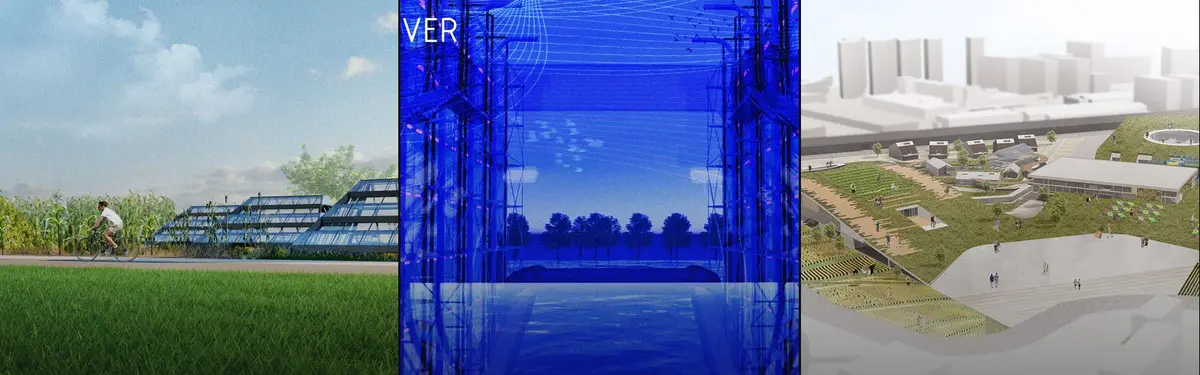


Aquaponics
Integrated food production systems combining aquaculture and hydroponics within architectural and urban design frameworks.
Aquaponics merges fish farming with soilless plant cultivation in closed-loop systems, creating sustainable food production models. Designers and architects increasingly integrate these systems into urban environments, addressing food security and resource efficiency through built interventions.
The community explores aquaponic installations at multiple scales, from vertical farms and urban regenerative complexes to facade-integrated living systems and purpose-built research facilities. Projects range from functional food production infrastructure to architectural installations that transform building envelopes and public spaces into productive ecosystems.


Popular projects
View all 17 projects





Latest journals
View all 7 journals
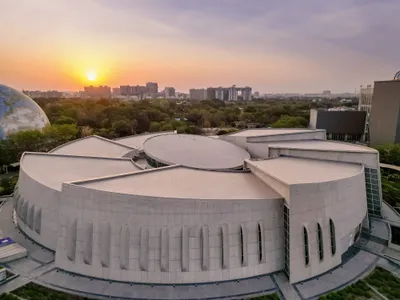
INI Design Studio Coils a Nautilus-Shaped Aquarium into Ahmedabad's Arid Science City
India's first planned inland public aquarium spirals outward from a 27.5-meter atrium to house 12,000 fish across five geographic zones.
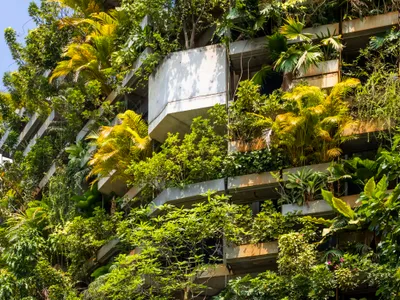
VTN Architects Wraps Their Own Ho Chi Minh City Studio in a Vertical Tropical Forest
A six-story office in Vietnam's Thu Duc district uses modular planters and passive cooling to achieve a 190 percent green ratio.

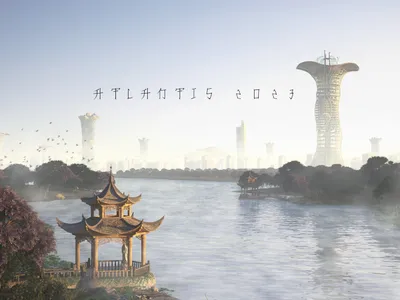
Atlantis 2023: Vertical Farm Towers That Turn a City's Waste Into Its Own Food Supply
Jakub Sokólski proposes a network of timber farming towers where organic waste, water and energy circulate in a closed loop inside the dense city.


Co-owning Urban Farm Community: Shared Agriculture as Urban Infrastructure
Viktoriia Slynchuk proposes a modular framework where co-owned aquaponics farms, social housing, and cultural pavilions merge into one civic ecosystem.


