
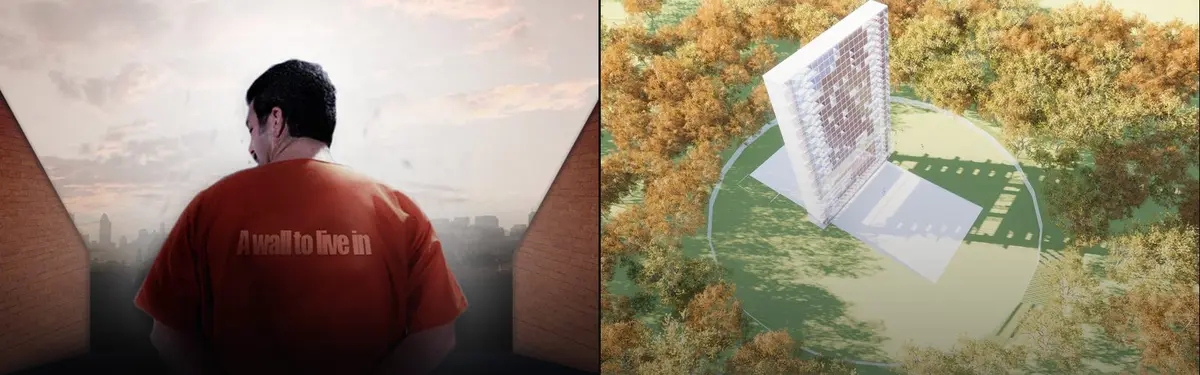


Switching Prisons
Architectural and spatial explorations of prison design that prioritize rehabilitation, reintegration, and humane confinement.
This topic examines how architectural design can transform correctional facilities from purely punitive spaces into environments that support rehabilitation and human dignity. Projects explore innovative spatial strategies, material choices, and programmatic approaches that reshape the prison typology.
The community investigates prison reimagining through biophilic design, modular systems, and specialized facilities for different offender populations. Work ranges from conceptual campus-scale interventions to critical examinations of confinement's psychological and social dimensions.


Popular projects
View all 7 projects


Latest journals
View all 22 journals
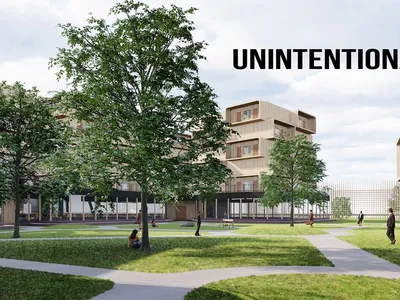
Unintentional Prison: Rethinking Confinement as a Micro-City of Rehabilitation
A shortlisted entry reimagines penitentiary architecture as a digitally-inspired urban ecosystem for non-violent offenders.
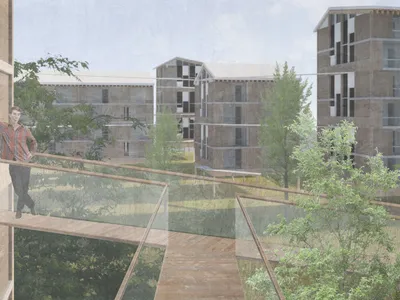
Behind the Walls: A Prison Reimagined as Biophilic Campus for Reintegration
Clustered timber modules, green bridges, and communal living spaces replace punitive confinement with a restorative correctional landscape.
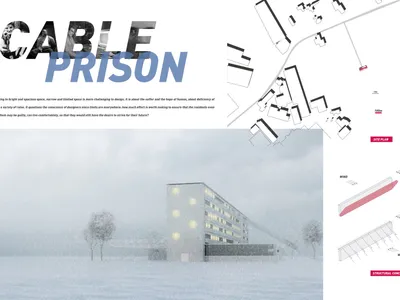
Cable Prison: Modular Architecture That Reframes Incarceration as Rehabilitation
A cable-supported, timber-framed correctional facility designed around transparency, dignity, and the spatial logic of community integration.
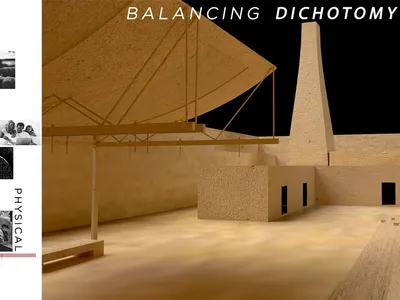
Balancing Dichotomy: Modular Prison Architecture Rethought for Cybercriminals
A shortlisted competition entry reimagines correctional facilities as modular ecosystems that rehabilitate cyber offenders through education and spatial op


