


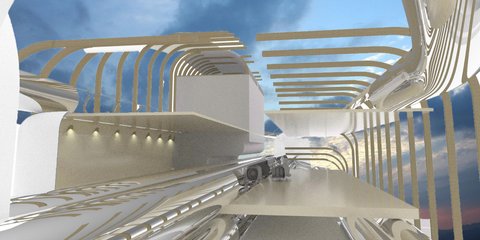
Transit Oriented Development
Urban design and architecture centered on creating livable communities around transit infrastructure and mobility hubs.


ALAWABBAD
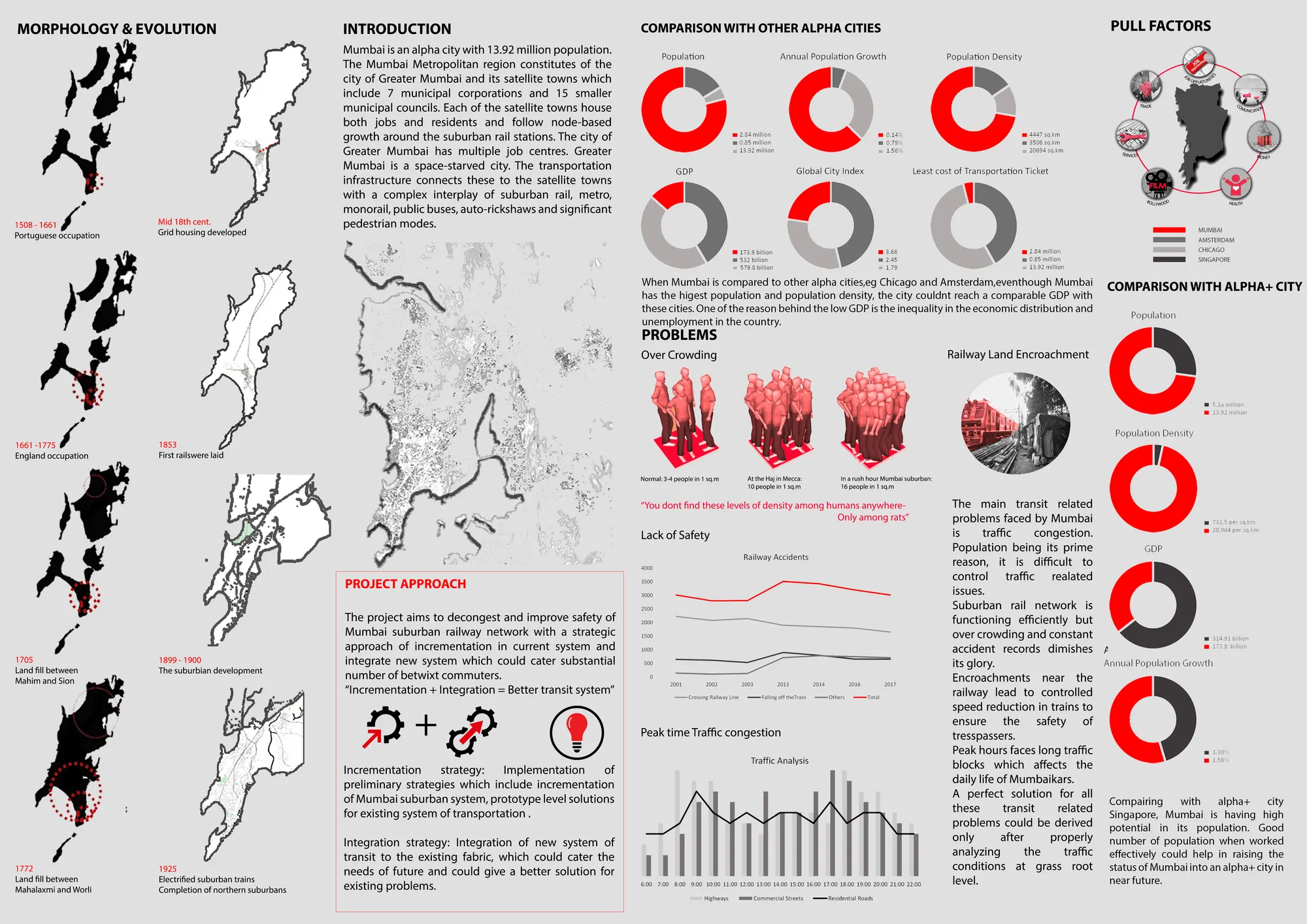
ALAWABBAD is an aim to decongest and improve safety of Mumbai suburban railway network with a strategic approach of incrementation in tired and tested current system and integrate a new system which could cater substantial number of betwixt commuters.

TRANSIT RE-EVOLUTION
200 metro trains covering 70,000 km everyday on 190 km long Metro corridors in Delhi may serve a great means of transportation. The BIG Question is if it enriches the Commuter's Experience? Re-evolution of the metro station design solidifies the idea of enhancing the Human Experience with a new dimension to metro station typology in the city.


Kripya Dhyan Dijiye
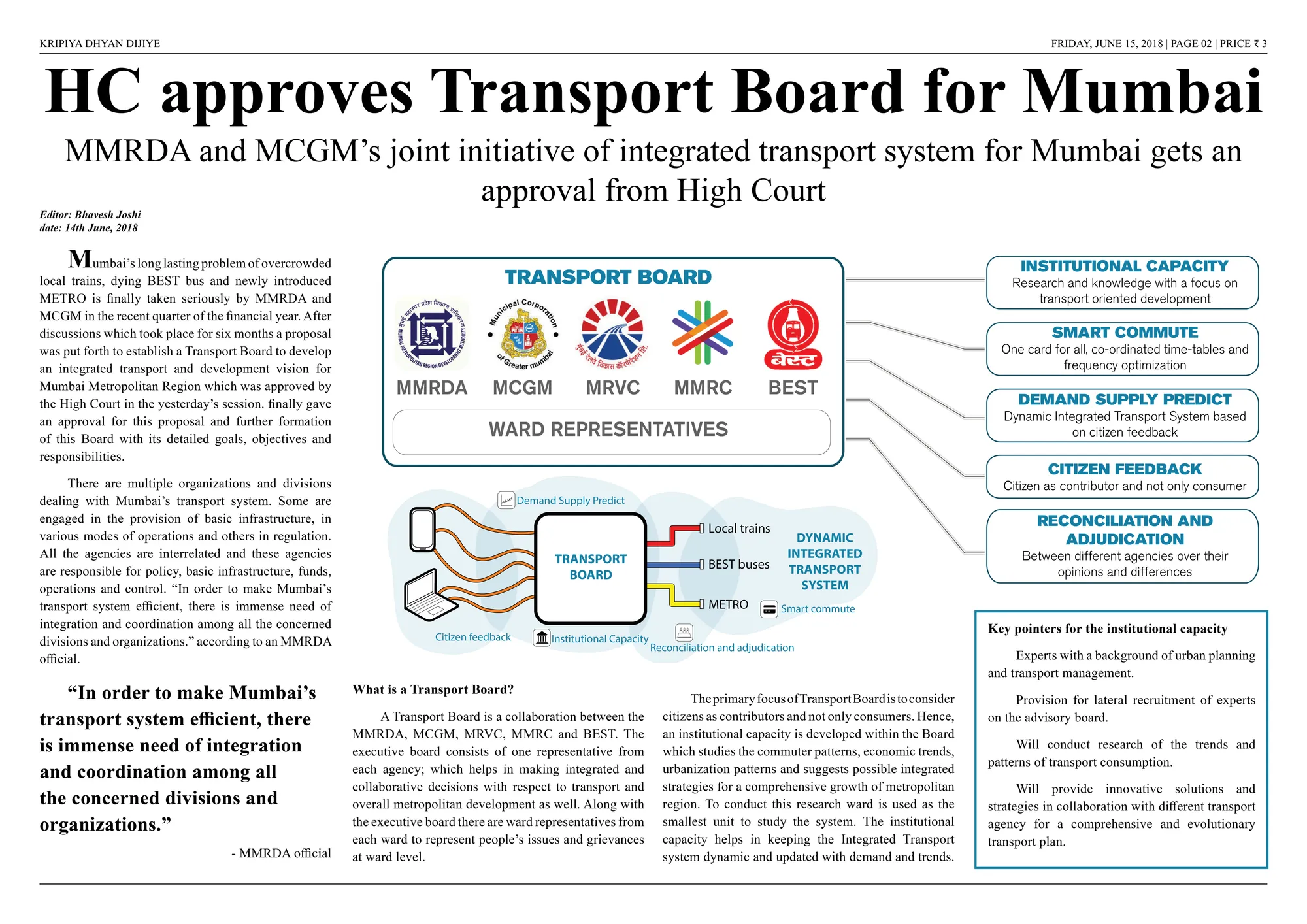
Kripya Dhyan Dijiya is a holistic and rational approach in the rethinking of an integrated and transit oriented development for Mumbai. In order to address this, the project focussed on a consortium of stakeholders (transport board), integration and digitalisation of transport variables and active citizen participation. Public transport is one system now!

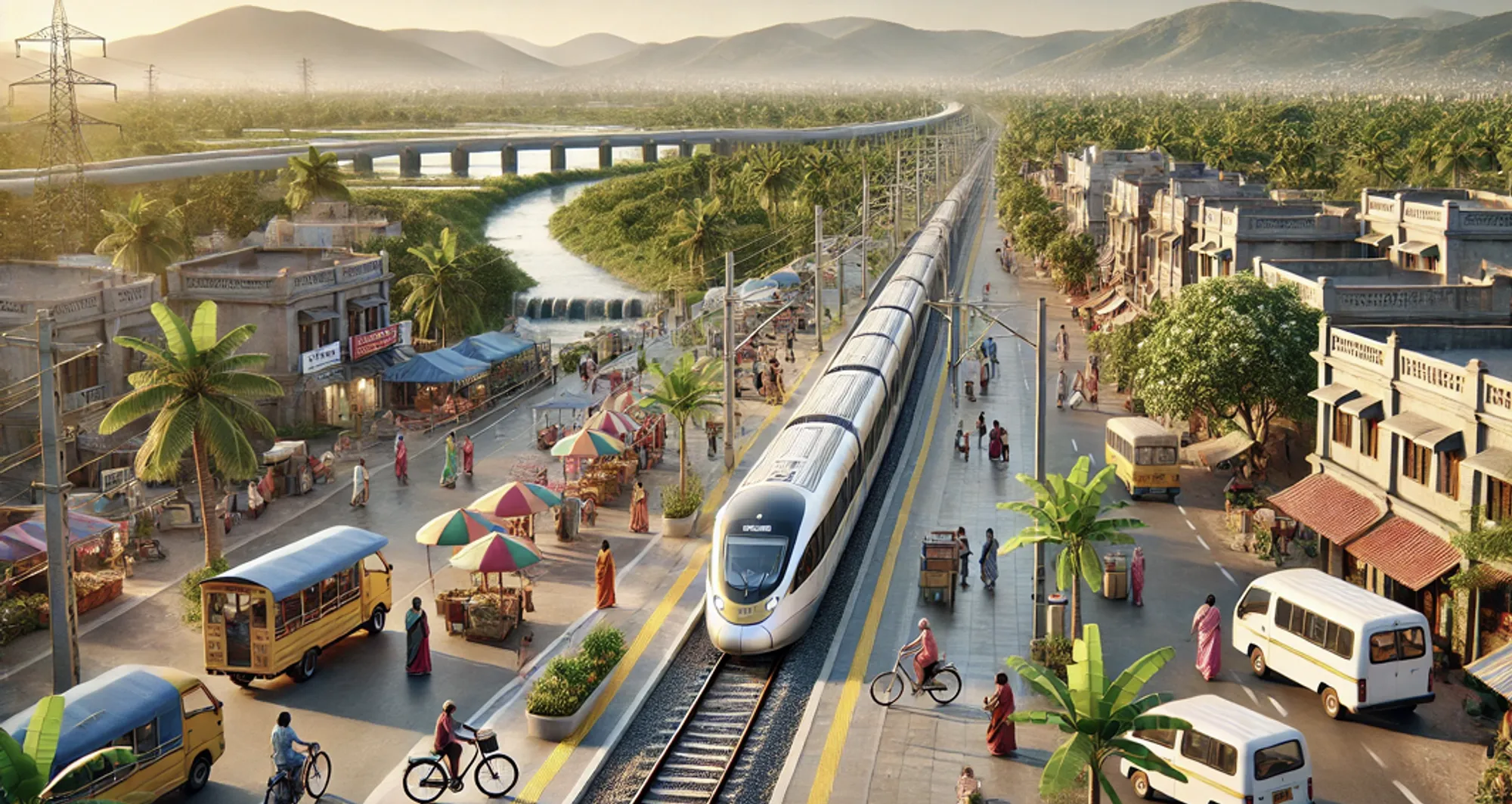
Imagining Transit Villages in India: A Scalable Solution for Sustainable and Inclusive Growth in India
This research presents a novel framework for Transit Villages as a scalable and inclusive urban planning model for India. By critically examining existing TOD approaches and comparing international and Indian case studies, the study proposes people-centric planning strategies that enhance mobility, affordability, and environmental sustainability while addressing the challenges of rapid urbanization and peri-urban growth.


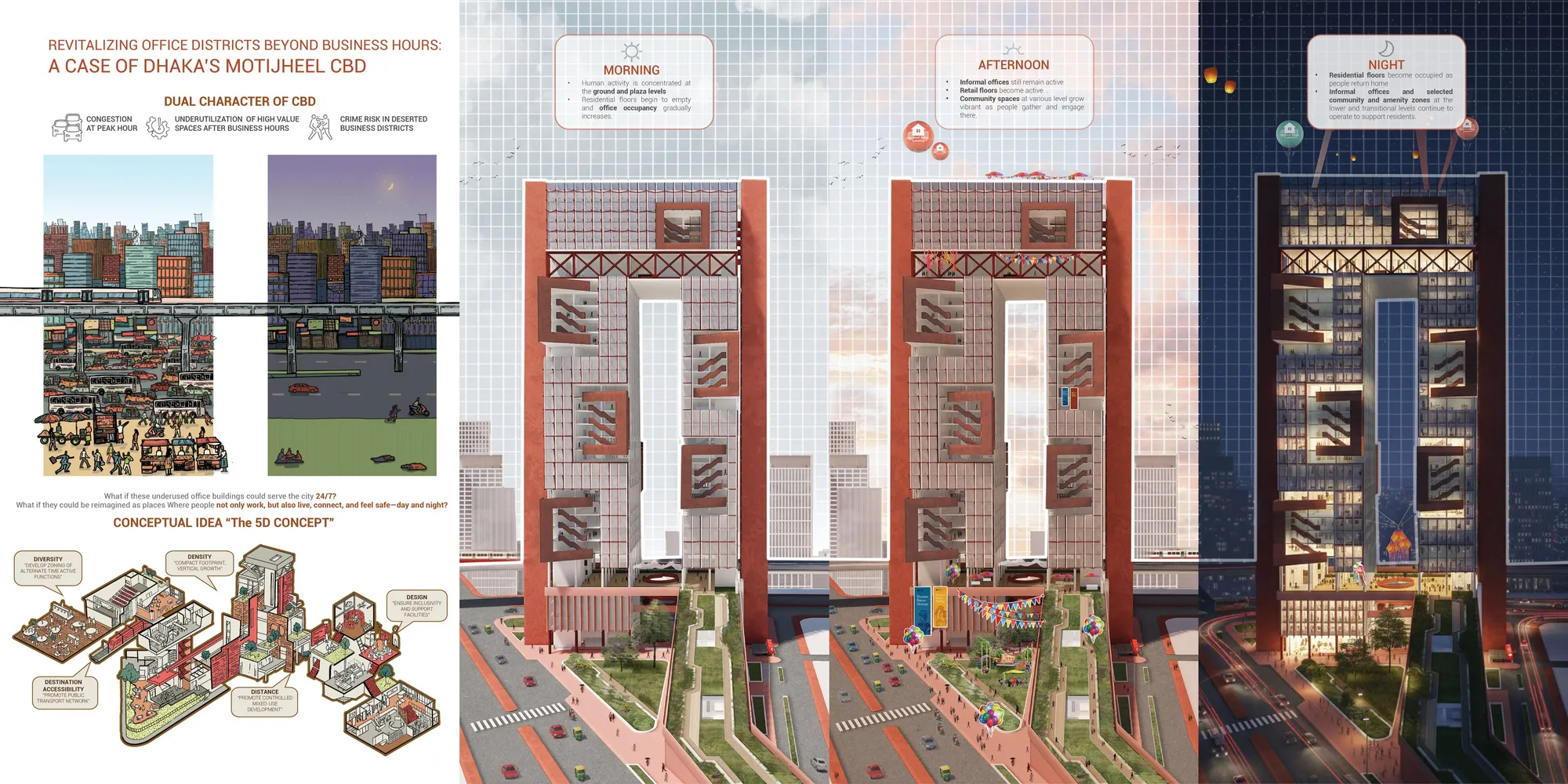
REVITALIZING OFFICE DISTRICTS BEYOND BUSINESS HOURS: THE CASE OF DHAKA'S MOTIJHEEL CBD


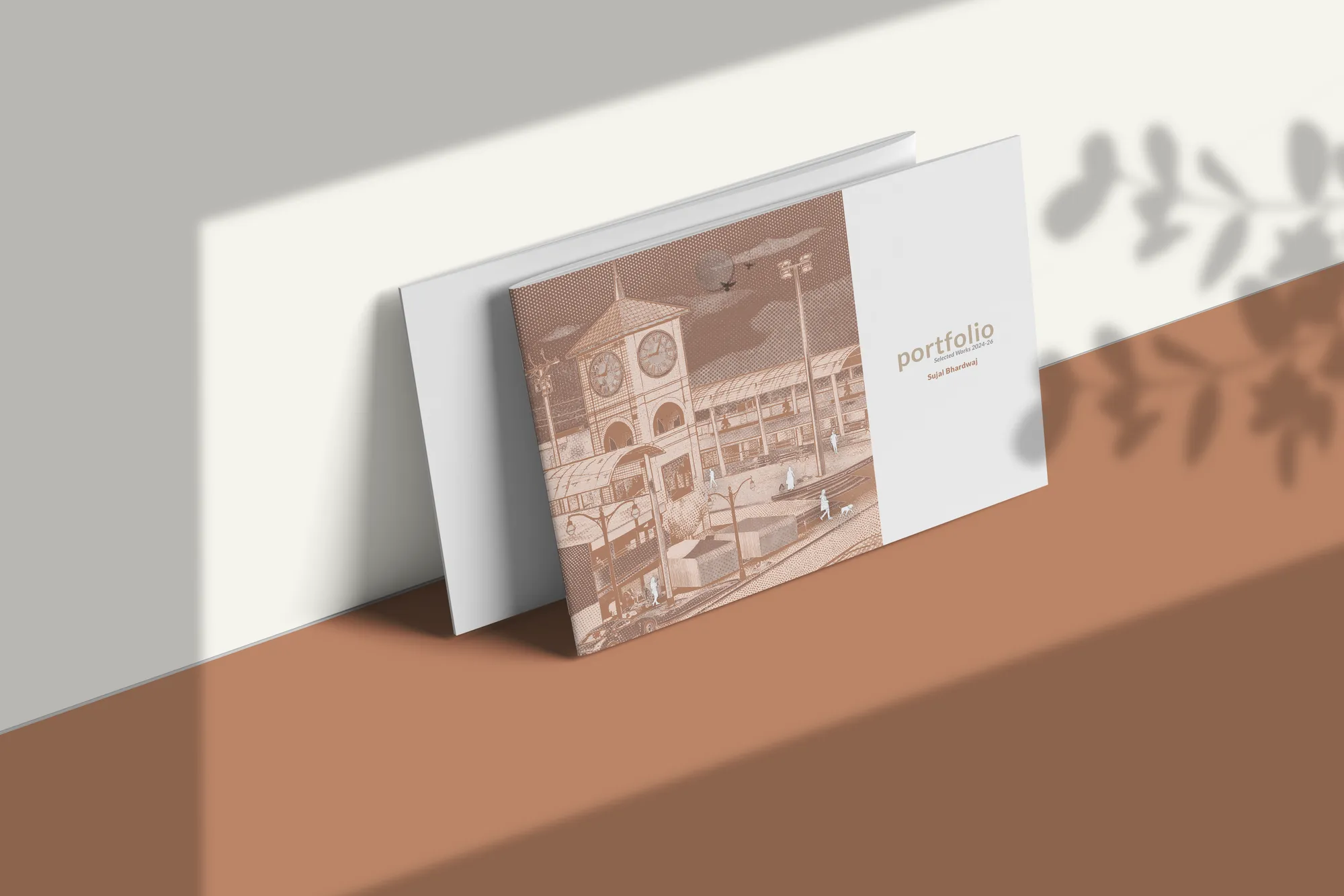
undergraduate portfolio


Encounters with the City: Transit Beyond Efficiency
This thesis, Transit Beyond Efficiency: Encounters with the City, investigates the complexities of transit in Mumbai through the lens of scale, movement, and lived experience, focusing on the relationships between transit hubs and commercial districts. The research stems from the need to question efficiency-driven urban planning that privileges vehicles and large-scale infrastructure over pedestrian inclusivity and commuter experience. Using a mixed methodology of mapping studies, commuter surveys, personal observations, and case studies of Churchgate, Lower Parel, and Bandra, the thesis reveals stark contrasts in how different transit hubs have evolved and how these differences shape the daily lives of commuters. The findings highlight that while Churchgate and Lower Parel benefit from organically developed systems, Bandra and BKC expose a mismatch between imagined urban visions and lived realities, resulting in disconnection, alienation, and infrastructural inadequacy. The outcome underscores the importance of rethinking transit infrastructure and allied systems through human scale and inclusivity, setting the stage for interventions that reframe BKC as an accessible and empathetic business district rather than a detached corporate enclave.

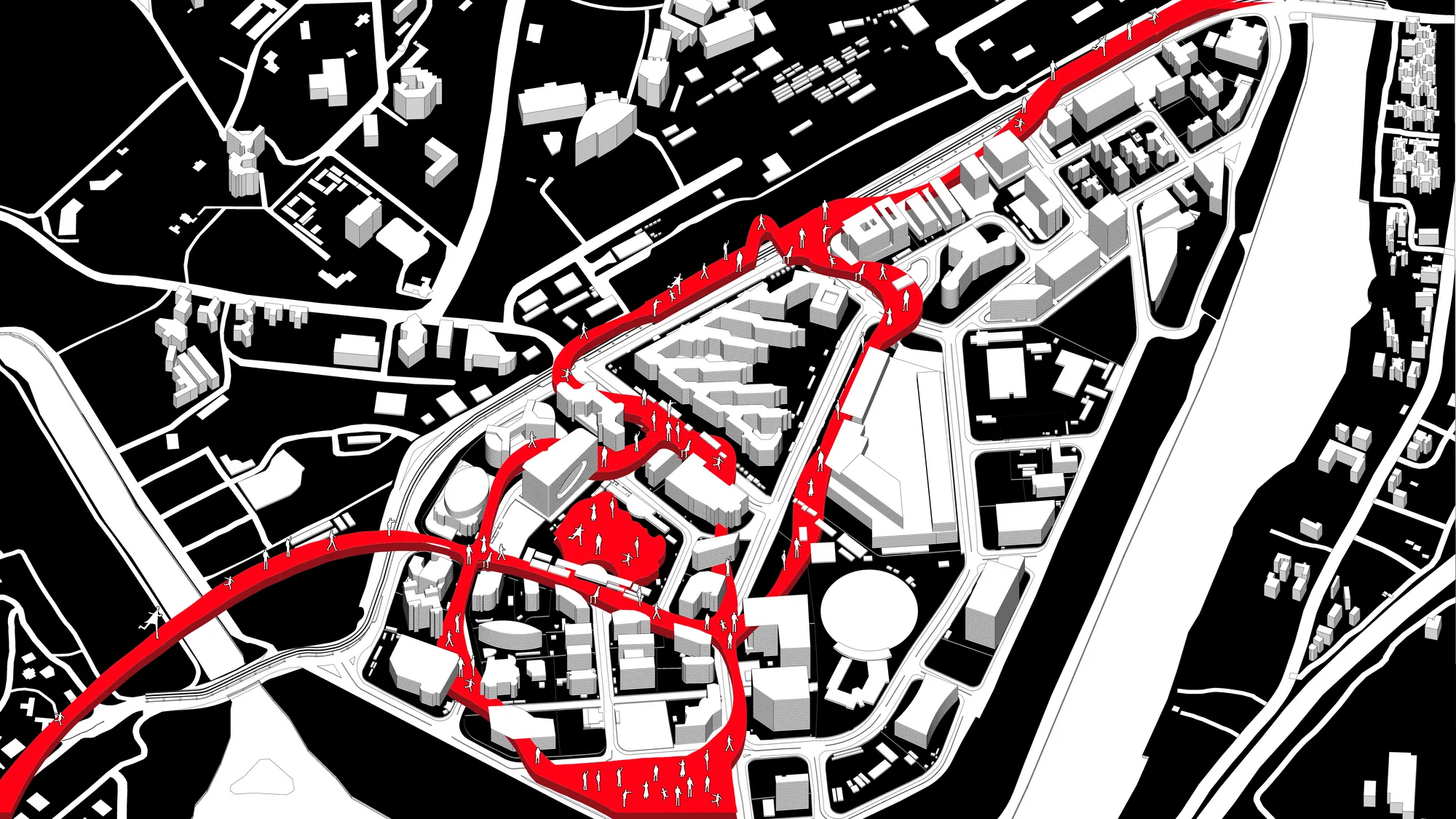


Transitional Linkage: Pedestrian-Oriented Transit Architecture Bridging Urban Mobility
A people-first transit-oriented development architecture that transforms invisible pedestrian paths into a central urban connector.

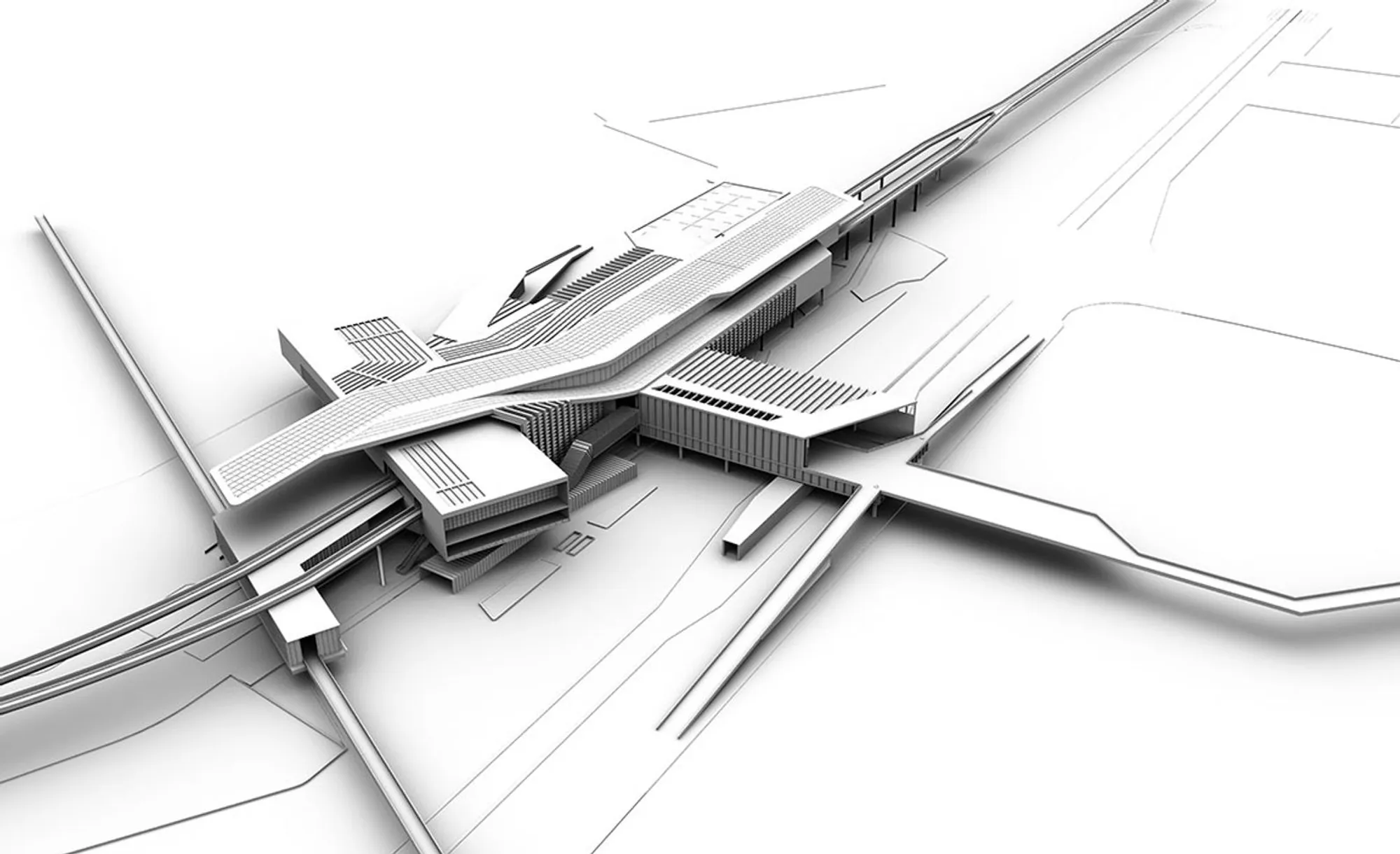

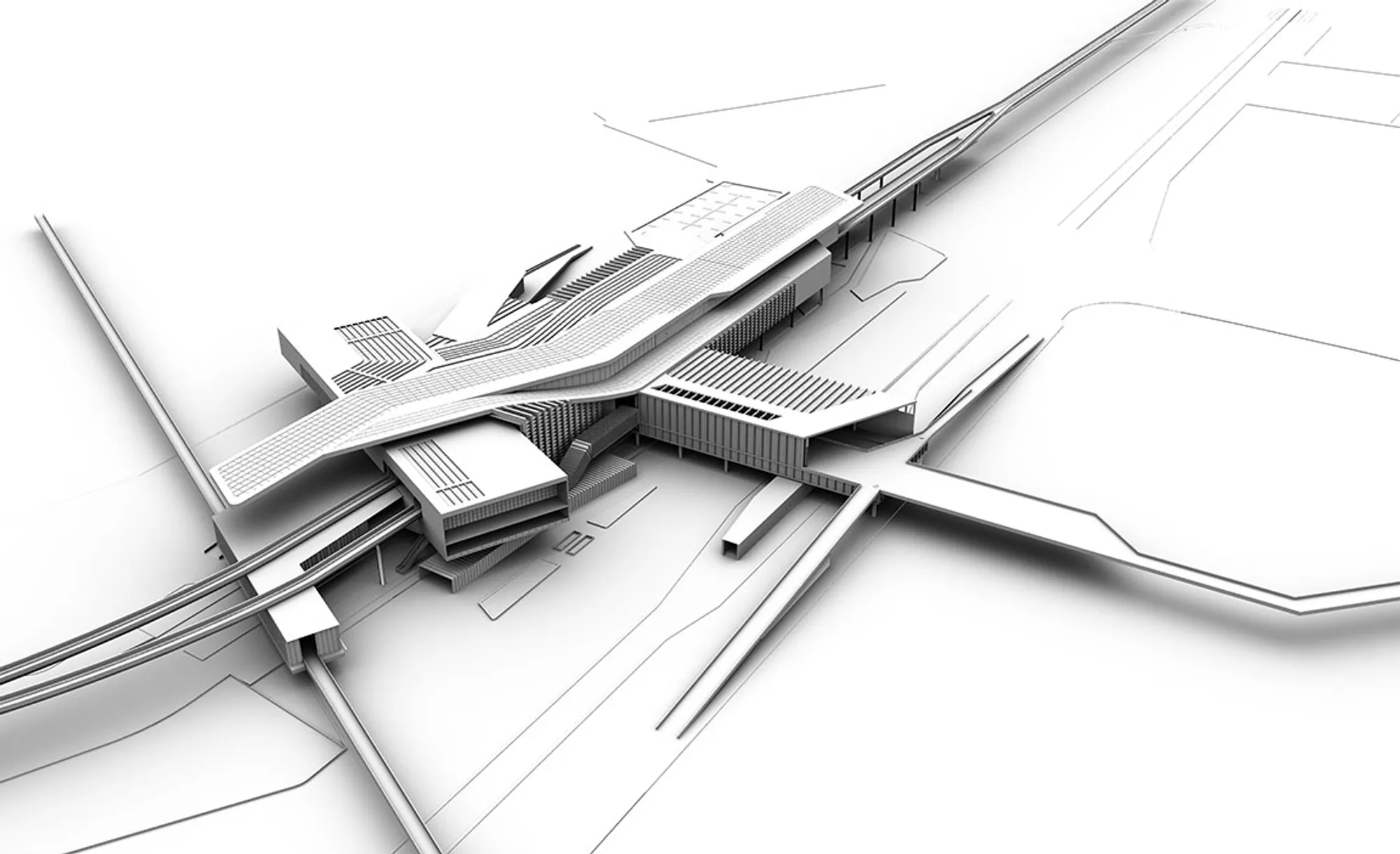
Transitional Linkage
Concept of this project came from the site. Studying the site it was found that there is an invisible path going through the rail line and crossing the highway. That path was created because of peoples need. So I try to formalize that path in my project for the ease of movement of local pedestrian. Those paths become my concept of central space of my project

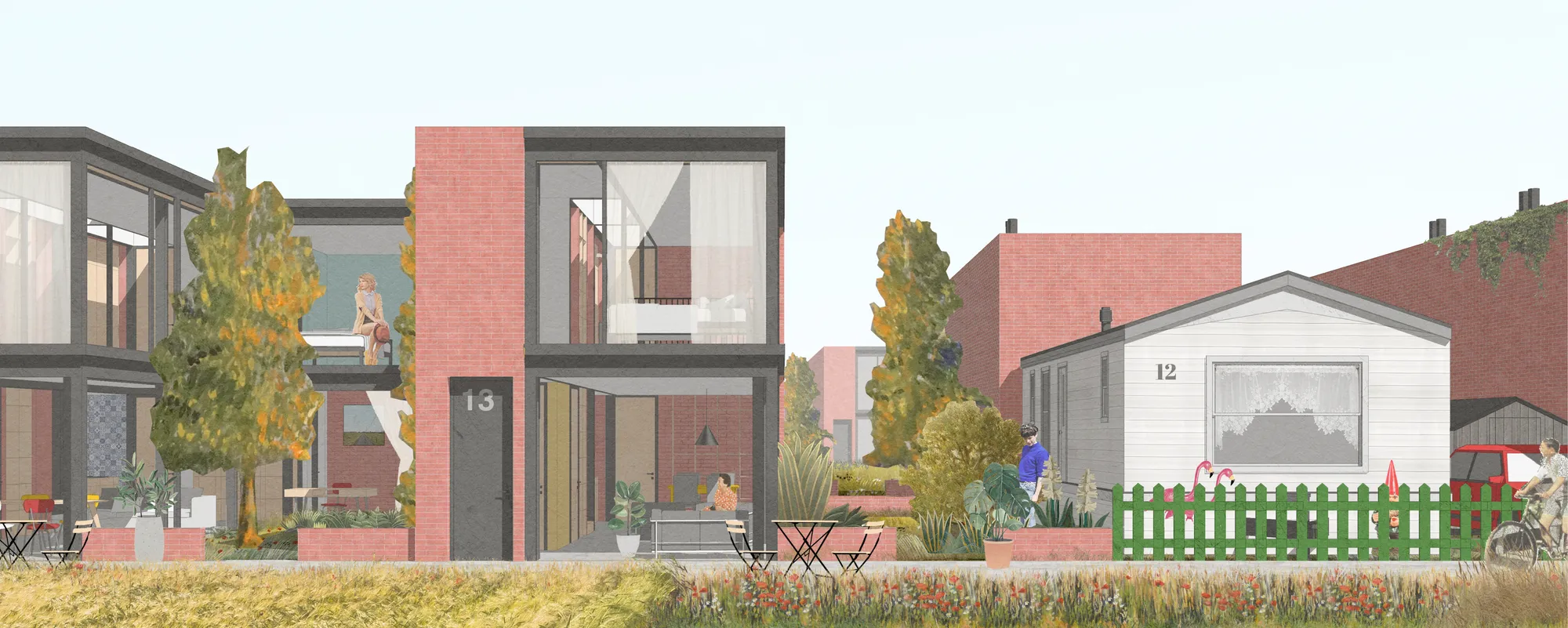
Restart for the Coast
My Master Thesis is focused on finding complex and innovative solution to the housing crisis in the Belgium coast. I am recreating the meaningful relationship with the landscape, strengthening the mobility infrastructure and transforming underused caravan park into the new settlement with affordable and flexible housing.


THE THREE PLANES OF RESURRECTION
The intervention acts as an antidote to the never-ending rush hour and congestion of the city. It makes the ultimate use of the limits by dividing it in three vertical planes to give a new system that solves this city's problem. Using two modes of transport amalgamating and not competing utilizing the under space for economic benefits and resurrecting it.


Multi Modal Transit Hub - Ahmedabad
Ahmedabad Transit Centre is a proposal for a multi modal transportation hub, a mixed used development and a new urban landscape model for the capital of Gujarat.It is positioned greatly to expand the scope and connectivity of the city?s infrastructural networks which will serve as a catalyst for transformation and economic vitality of Ahmedabad.


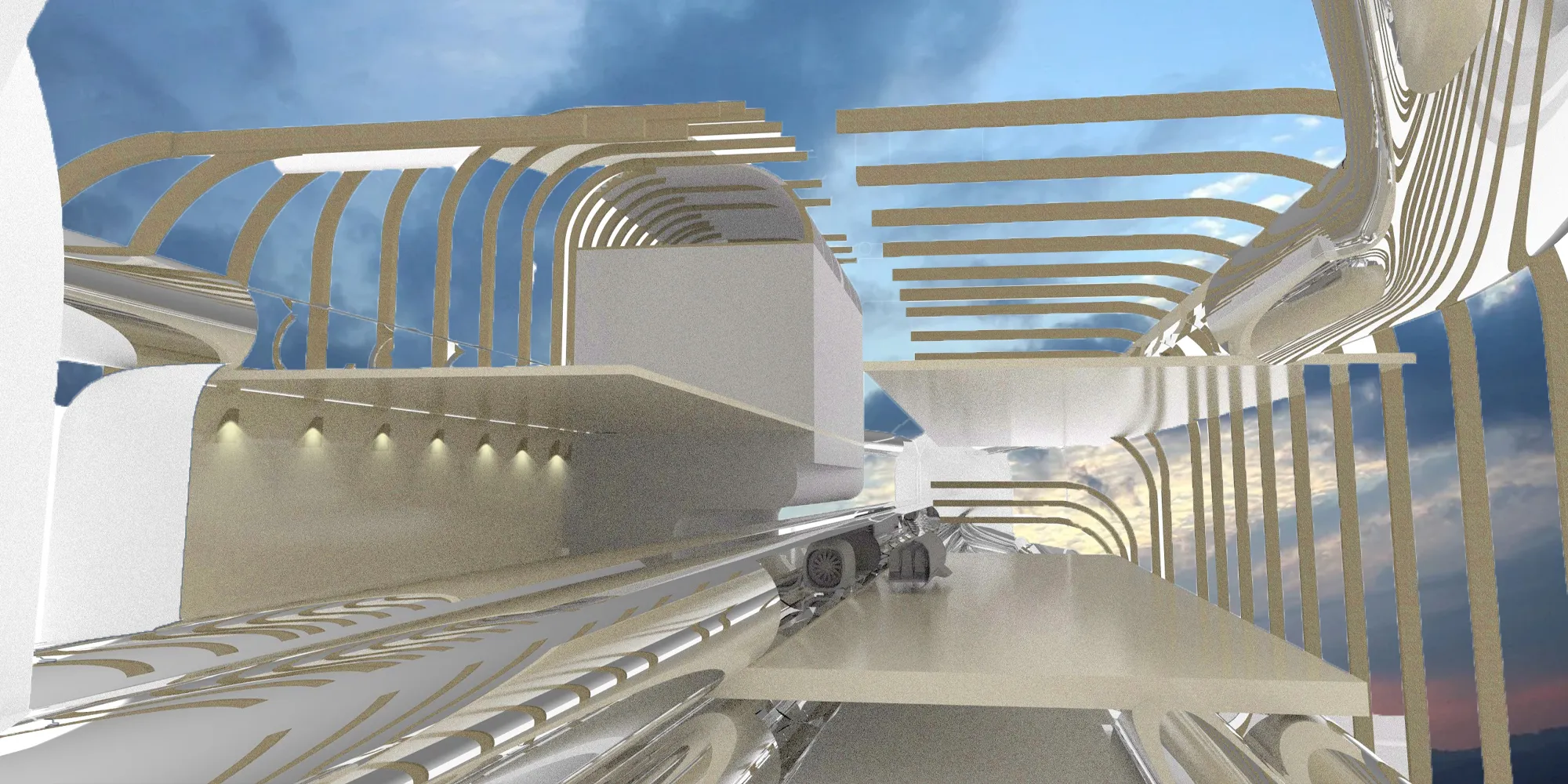
Integrated Assemblage Of Transport In Rotation
An organization of multilayered hyperloop chambers integrated in the stations structure creates an efficient cycle for maximum pod. This Hyperloop station becomes a hub of social and economic growth promoting sustainability through advanced


The HyperLO(KAL) - Mumbai
For a city stretched to its seams, dealing with increasing population density, along with aspirational hangover, it is impossible to solve the Mumbai transport problem by a single approach. An overlay of all the forces, tangible-intangible, subtle-visible, of very much of psyche of Mumbai itself, rather than solutions from other countries and context.

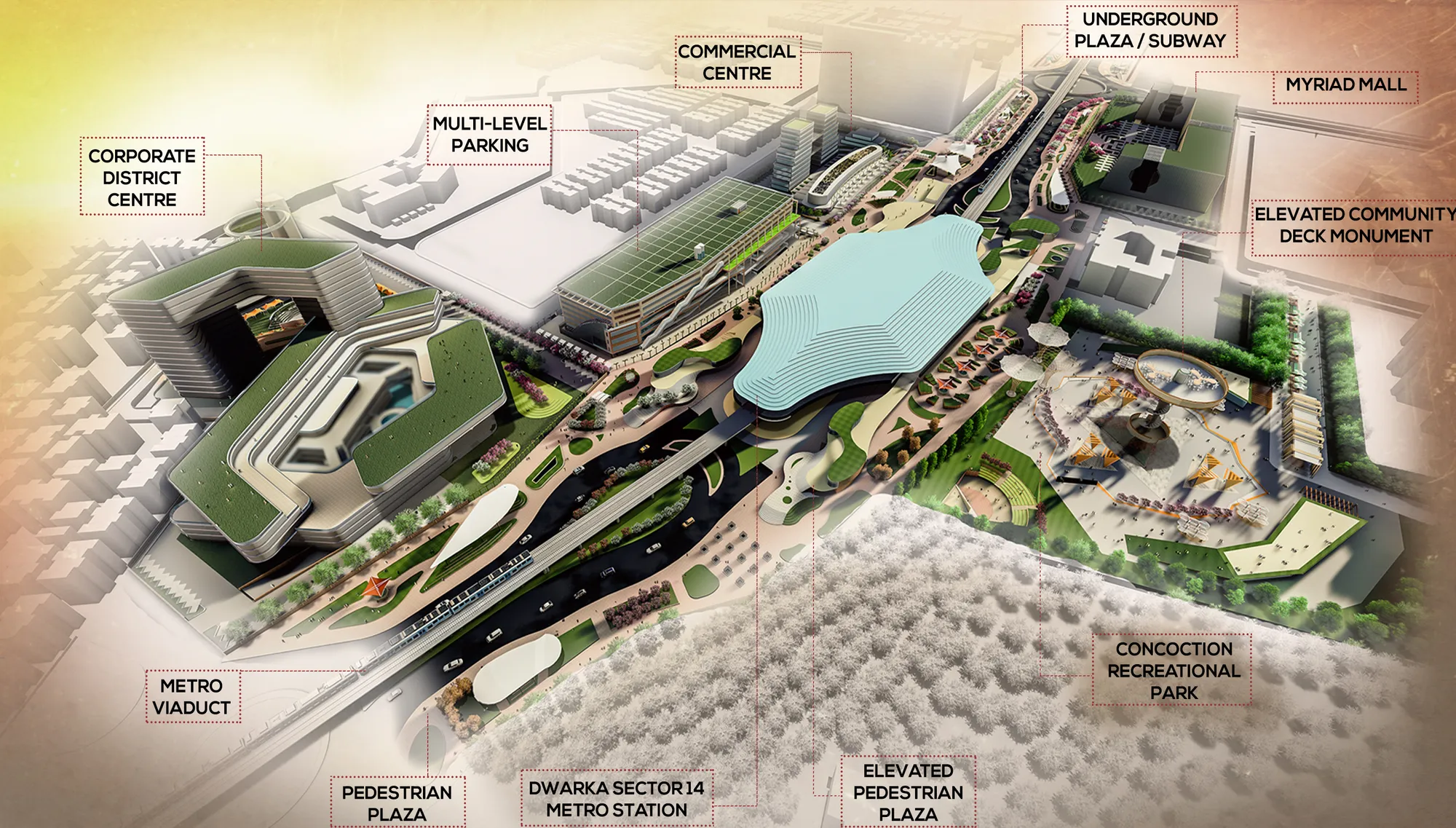
Restructuring Dwarka MRTS Station Precincts: Urban Design for Public Good
Reimagining Dwarka’s MRTS corridor through people-centric transit-oriented urban design that transforms infrastructure into inclusive public life.


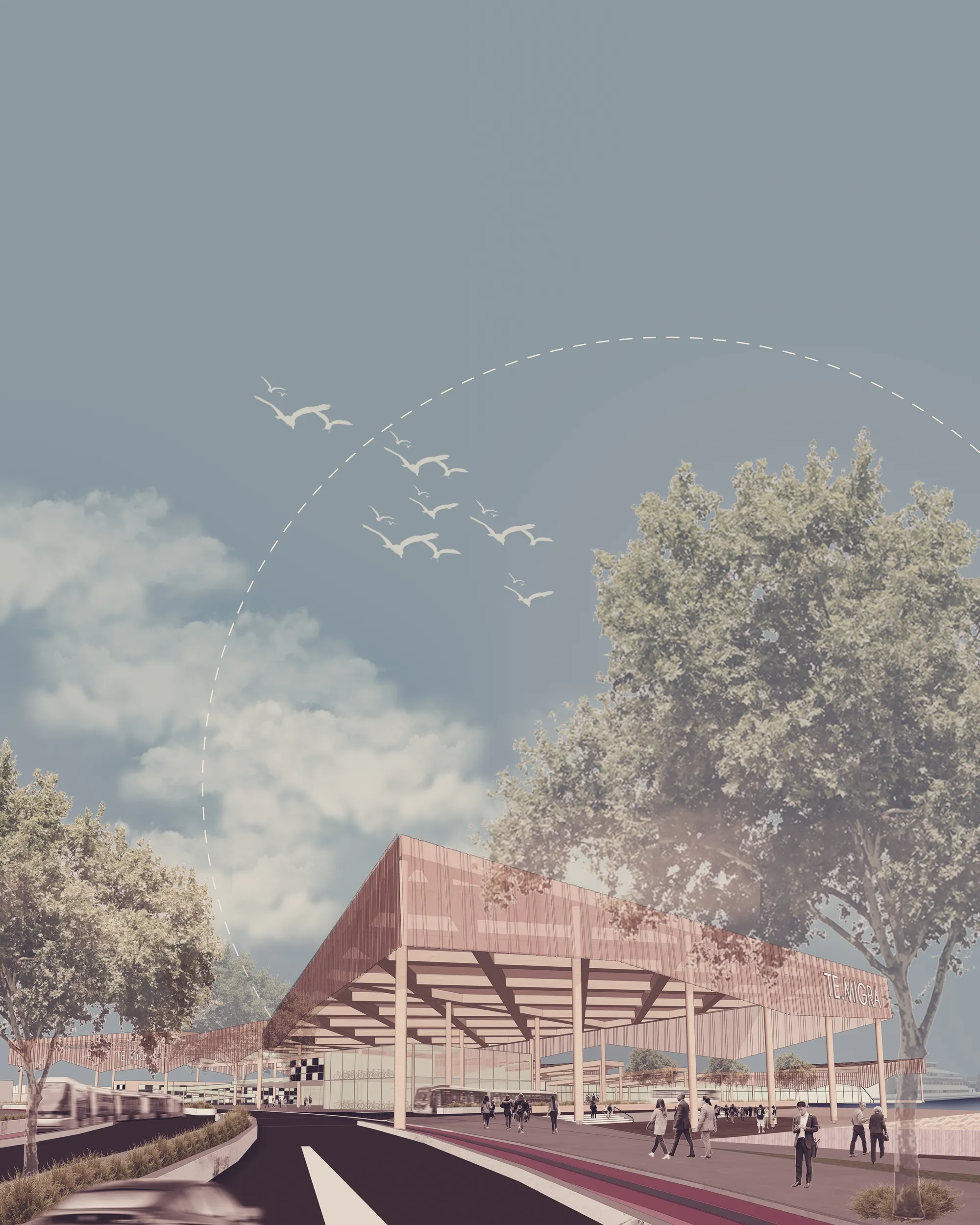
REINFORCING CENTRALITIES: The Case of the TE.MIGRA
The Intermunicipal Multimodal Terminal in Gradim (TE.MIGRA) located in Brazil, aims to strengthen the existing economic poles and create new centralities in the territory from the reorganization of the road network, which is a response to the current unmet demands through a proposal focused on democratic access to the city and its return to the population.

Nomad City 游牧城市
During the pandemic, the whole world was stagnated, and the past living model lose it’s advantage under this challenge. we need a new one to alter and continue our life in future. Starting from the history of America, hope to find something which is traceable about moving living method. Then think about what will happend in the future,
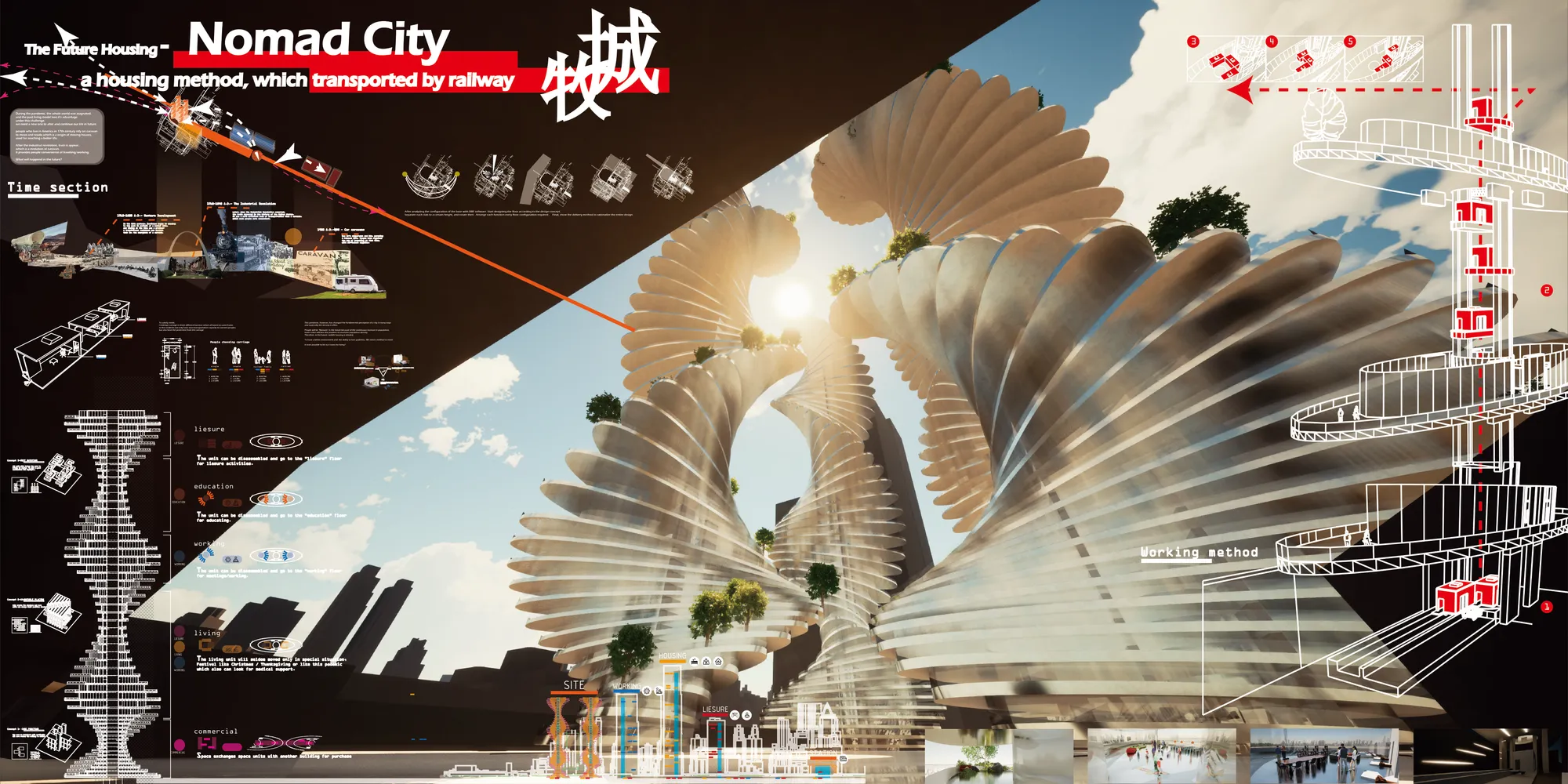

The Nomadic city is a compelling idea, true to the way many of us live today. Continue to explore them in your next projects!

Thank you for your encouragement! Ms. I've forgot my password for a long time. so i see ur comment now wwww sorry about that,and thanks a lot. hope u like it!


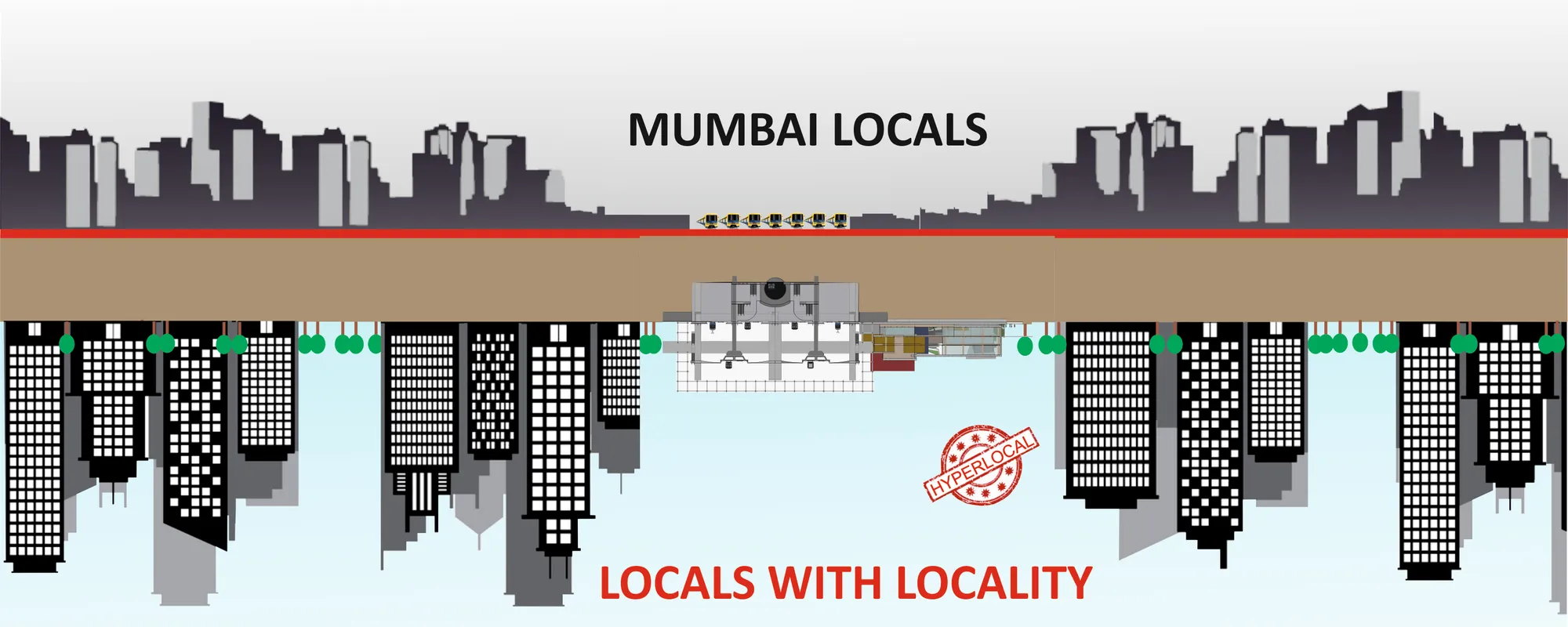
LOCALS WITH LOCALITY
Crowd brings suffocation and dispersing the crowd brings a breath of fresh air. This concept is used to make existing system of Mumbai local breathe. Interventions like multiple levels of network, pedestrianization, ToD, use of ITS are made to achieve the perceived development. With this conglomeration of ideas, re-generation of local by 2030 is proposed.
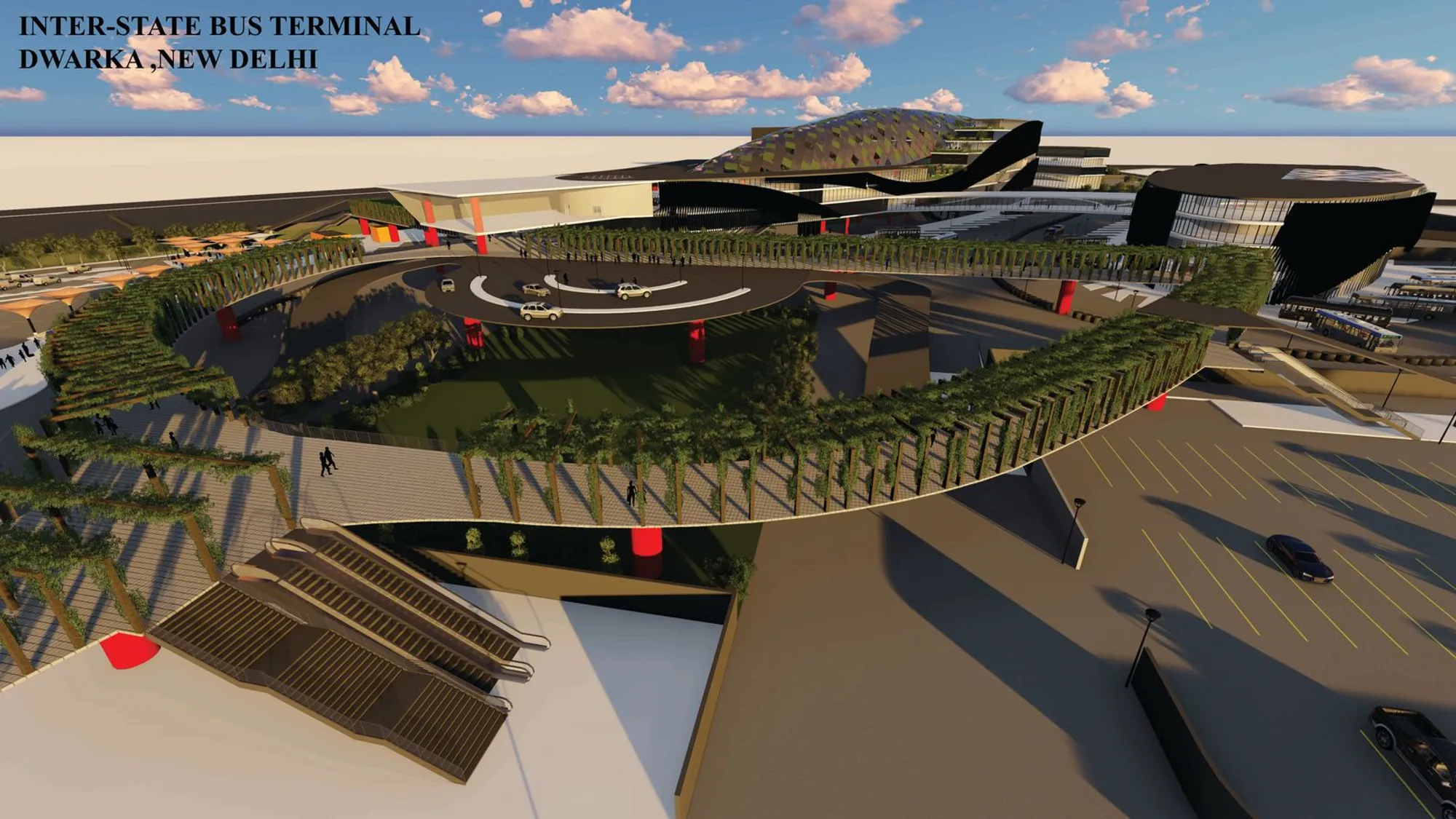
Interstate Bus Terminal, Dwarka: Sustainable Transport Architecture in New Delhi
A future-ready interstate bus terminal in Dwarka that reimagines sustainable transport architecture through no-conflict circulation and energy-efficient design.



Parabéns!👏
Great Project!!
Congratulations Lili.