

Utilitarian Architecture
Architecture designed for practical function and social purpose, prioritizing accessibility and human need.
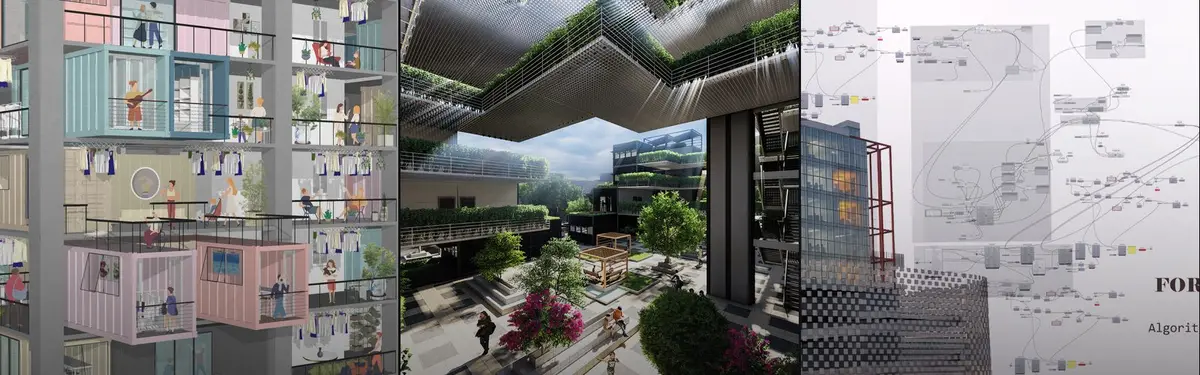
Utilitarian architecture prioritizes function, efficiency, and social benefit over aesthetic flourish. This approach addresses real-world problems through thoughtful design, from housing solutions to public infrastructure that serves communities directly.
The community explores housing for vulnerable populations, adaptive reuse of existing structures, modular and recyclable building systems, and public furniture that serves multiple purposes. Projects range from emergency shelters and affordable housing initiatives to solar-powered urban interventions and 3D-printed solutions for street-level needs.


Popular projects
View all 44 projects


Latest journals
View all 39 journals
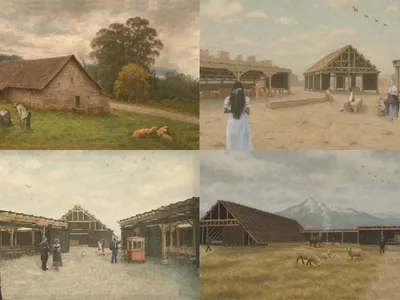
Assembling the Ruin: Toward a Recyclable Architecture
Thoughts and methodologies


Urban Oasis: A Solar-Powered Rubik's Cube That Wants to Fix City Streets
A self-charging modular kiosk draws from the Rubik's Cube to pack seating, water purification, and digital services into one compact urban unit.
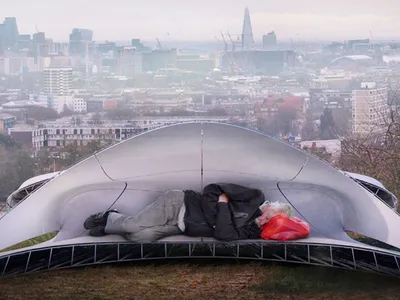
The Good Shelter: Turning Public Furniture into Overnight Refuge with 3D-Printed Panels
A modular bench system folds from daytime seating into nighttime shelter, countering hostile urban design with dignity and recyclable materials.

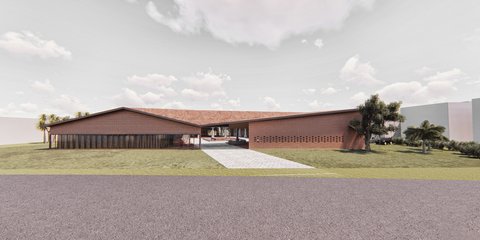
Homeless Vocational Training Center: Modular Reuse as a Tool for Social Reintegration
An abandoned building in a fractured Taiwanese city becomes a rotatable, crane-assembled training hub that turns homeless residents into skilled workers.


