
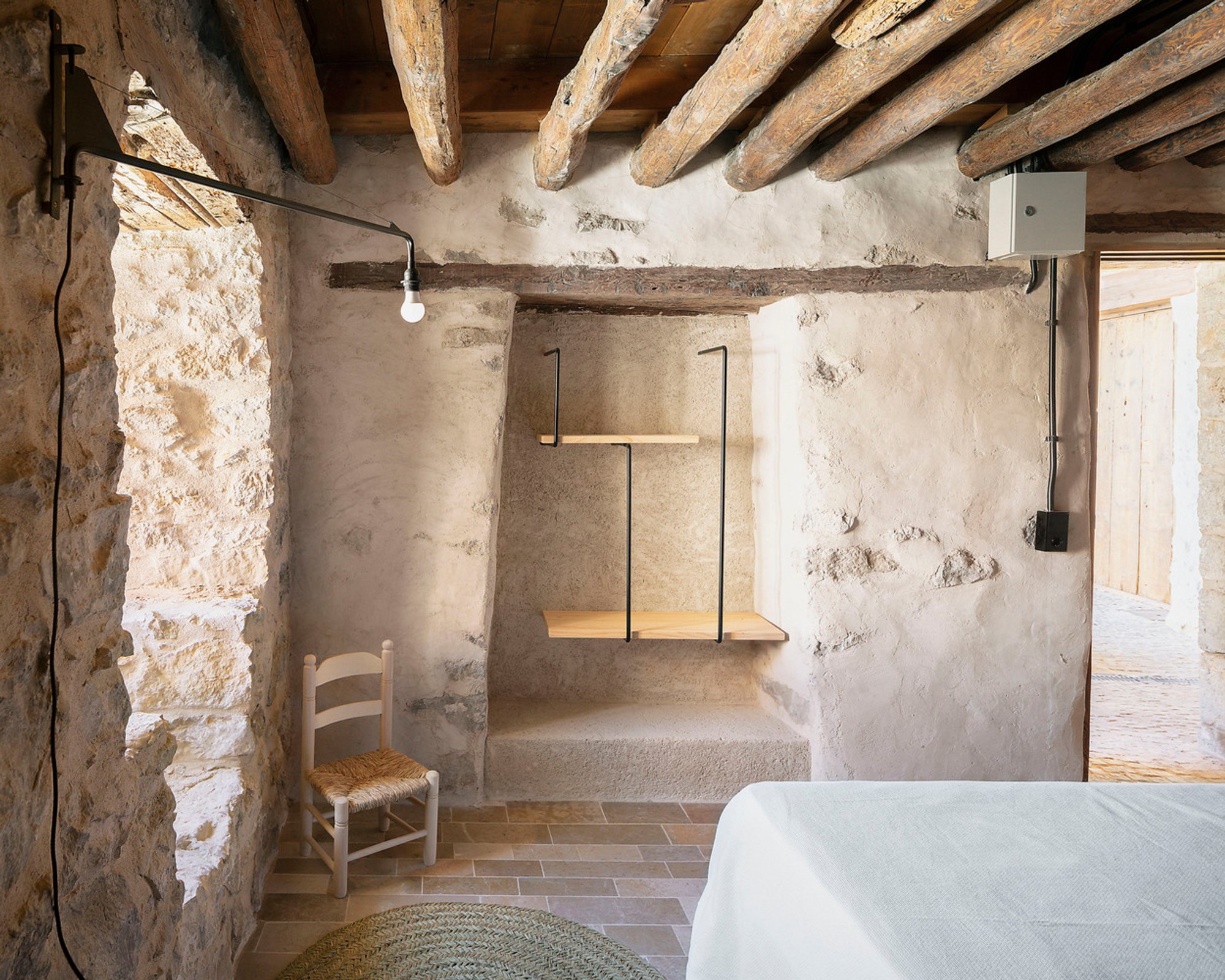
Abbey House Restoration in Portell de Morella: A Masterclass in Historic Building Restoration in Spain
A medieval parish house restored into rural accommodation, celebrating vernacular heritage through sensitive historic building restoration in Spain.

Reviving the Legacy of Portell de Morella
In the ancient hilltop village of Portell de Morella, Spain, architects Antonio Garcia Blay and Jose Antonio Ruiz Suaña undertook the restoration of the Abbey House, an architectural relic embedded within the historic castle complex. This project exemplifies contemporary historic building restoration in Spain, blending structural consolidation, respectful material intervention, and sensitive spatial redesign to reimagine a long-abandoned structure into functional municipal rural accommodation.
Contextual Heritage: A Castle, A Parish, A Forgotten Fragment
The site, nestled within the castle walls, included the ruins of a former parish house linked to one of the defensive towers. Its proximity to these fortifications gave it not only historical value but also strategic significance. After years of neglect, the structure was severely deteriorated, calling for a meticulous approach that balanced architectural intervention with cultural preservation.
Reclaiming Defensive Identity Through Spatial Subtraction
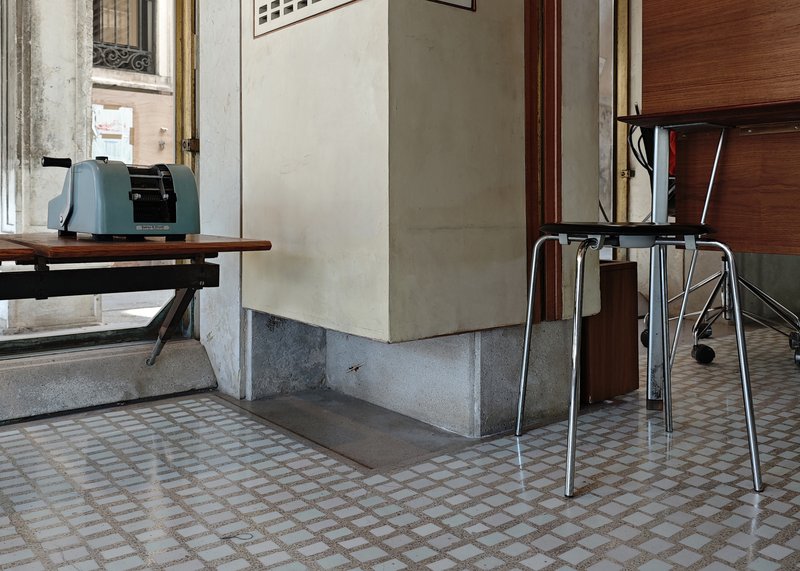
To revive the fortress's original defensive logic, the architects strategically removed part of the structure and introduced a new courtyard. This open-air void redefined the spatial organization, allowing the historic tower and wall to stand independently and reclaim their historical character. The courtyard also serves a practical function, providing natural light, ventilation, and vertical circulation that links all levels of the newly restored building.
Harmonizing Exterior Authenticity with Interior Adaptation
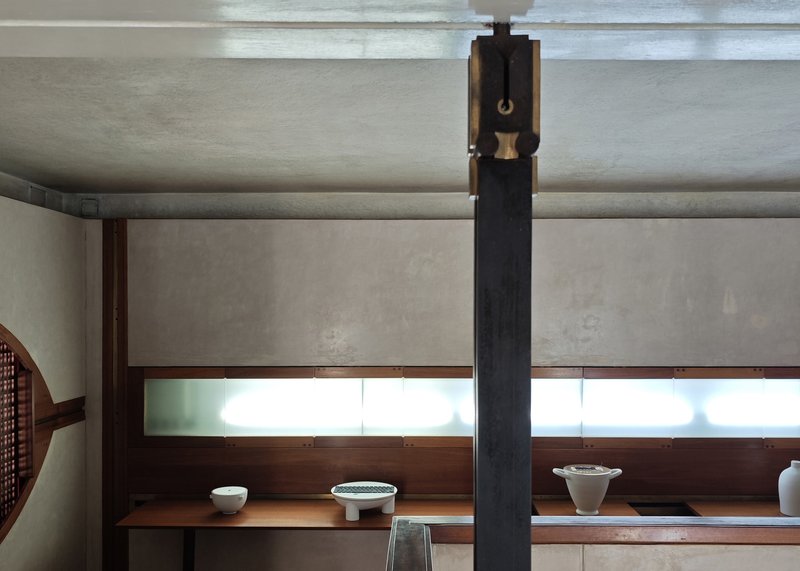
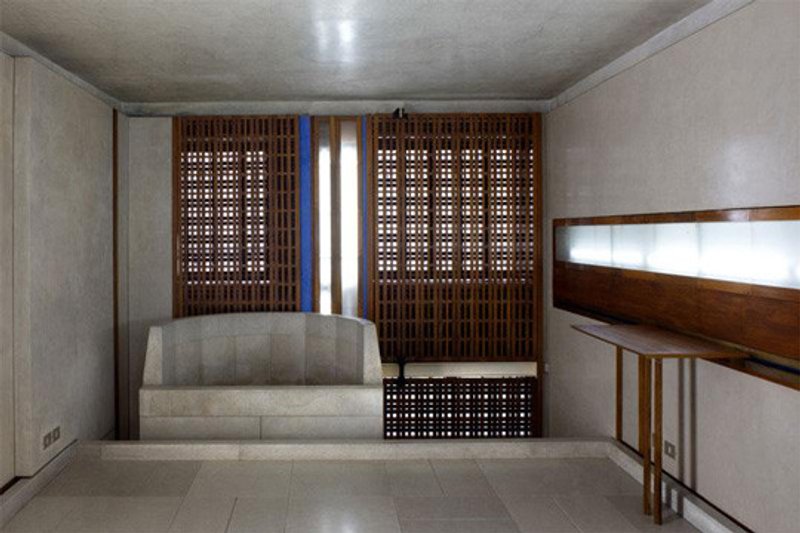
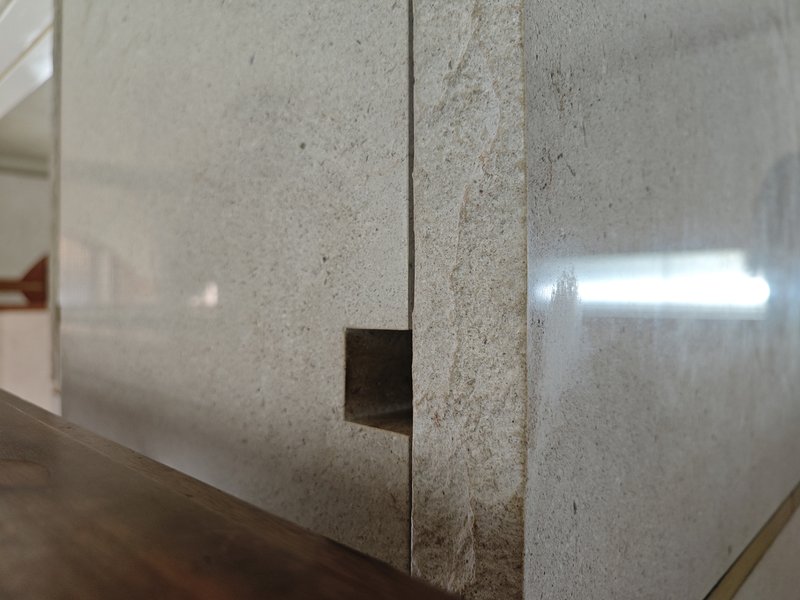
While the exterior façade and urban profile of the Abbey House remain largely untouched to maintain its vernacular authenticity, the interior transformation is a refined display of restraint and modern practicality. The architects reconfigured the space into a municipal rural lodging, supporting local tourism while preserving the building's historic charm.
Wooden Intervention as Spatial Structure
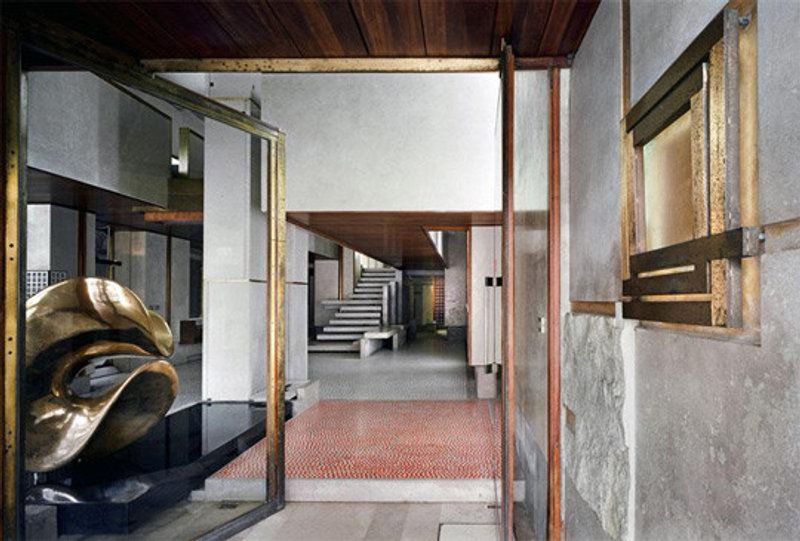
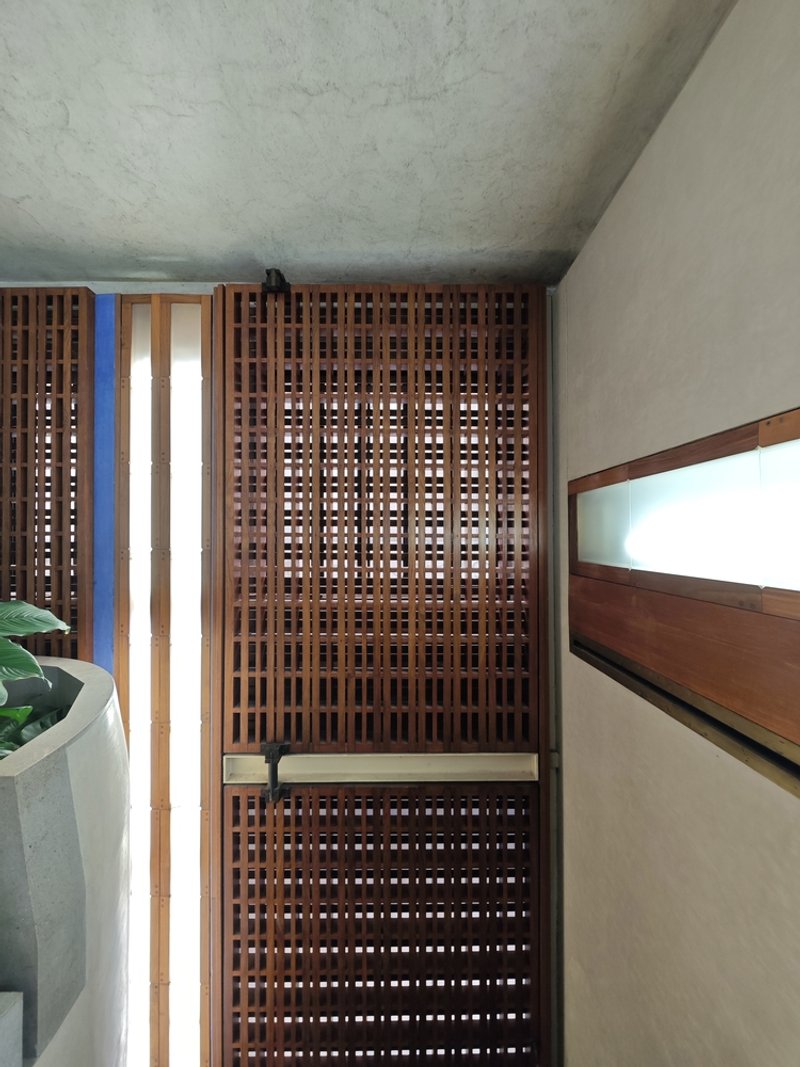
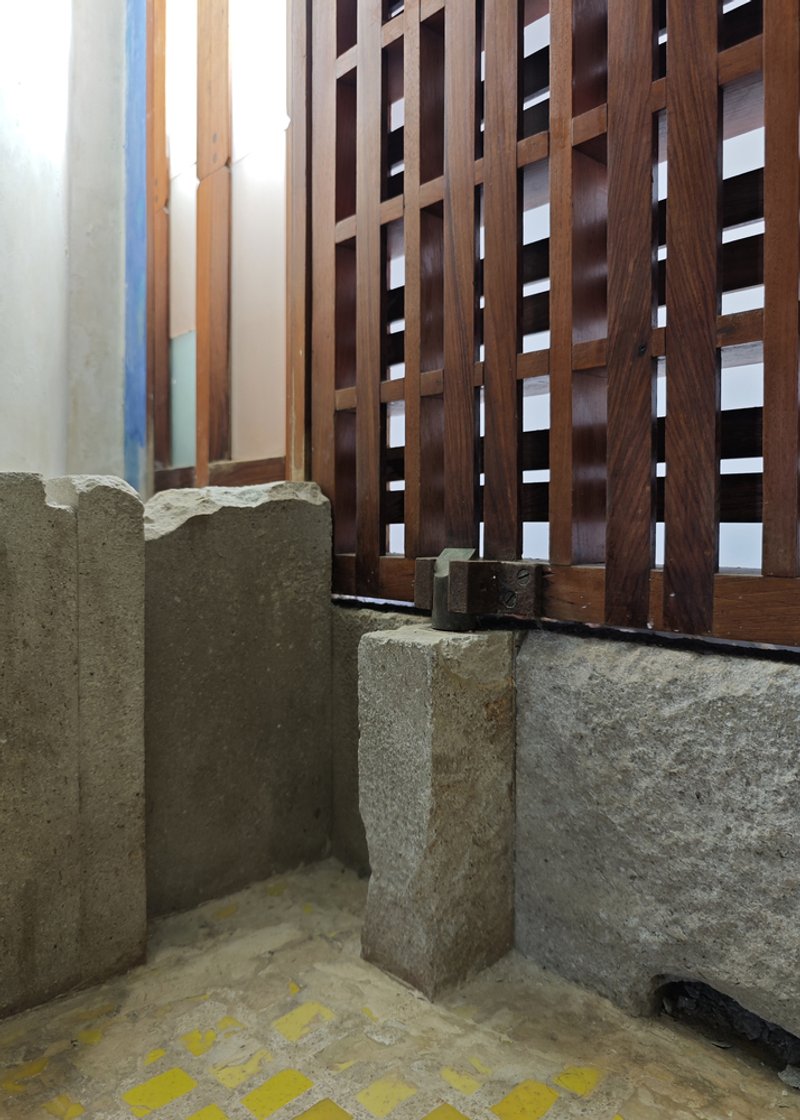
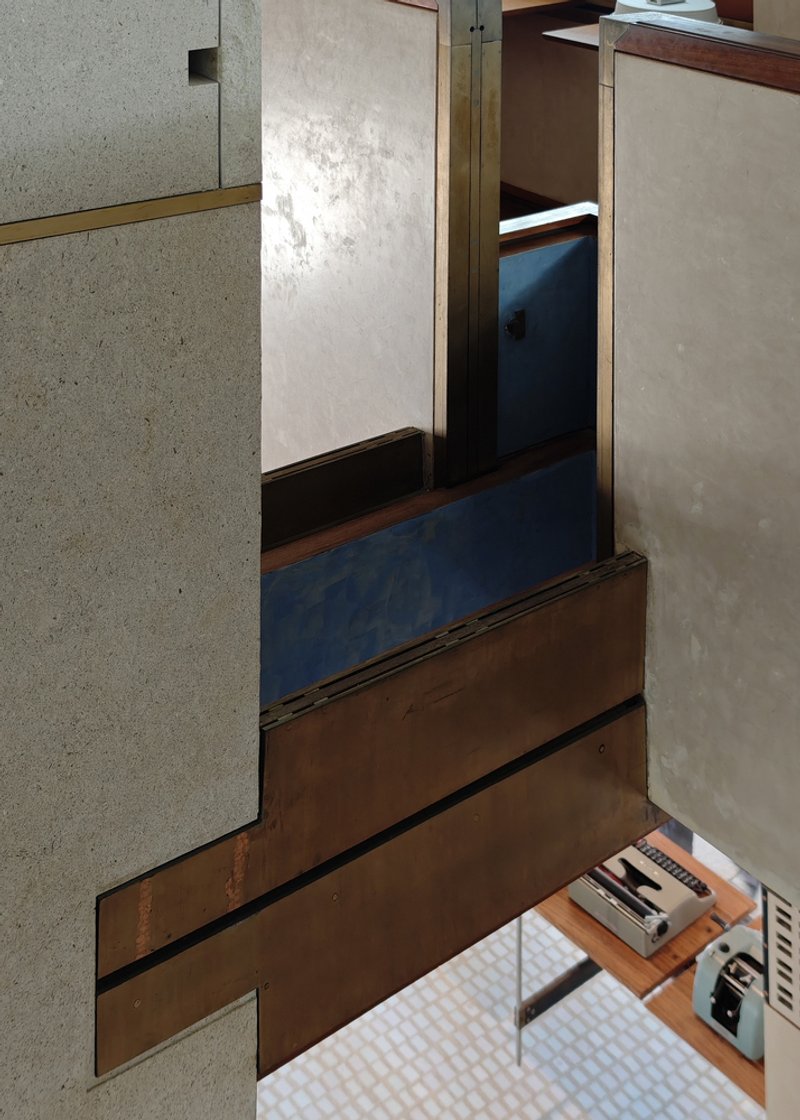
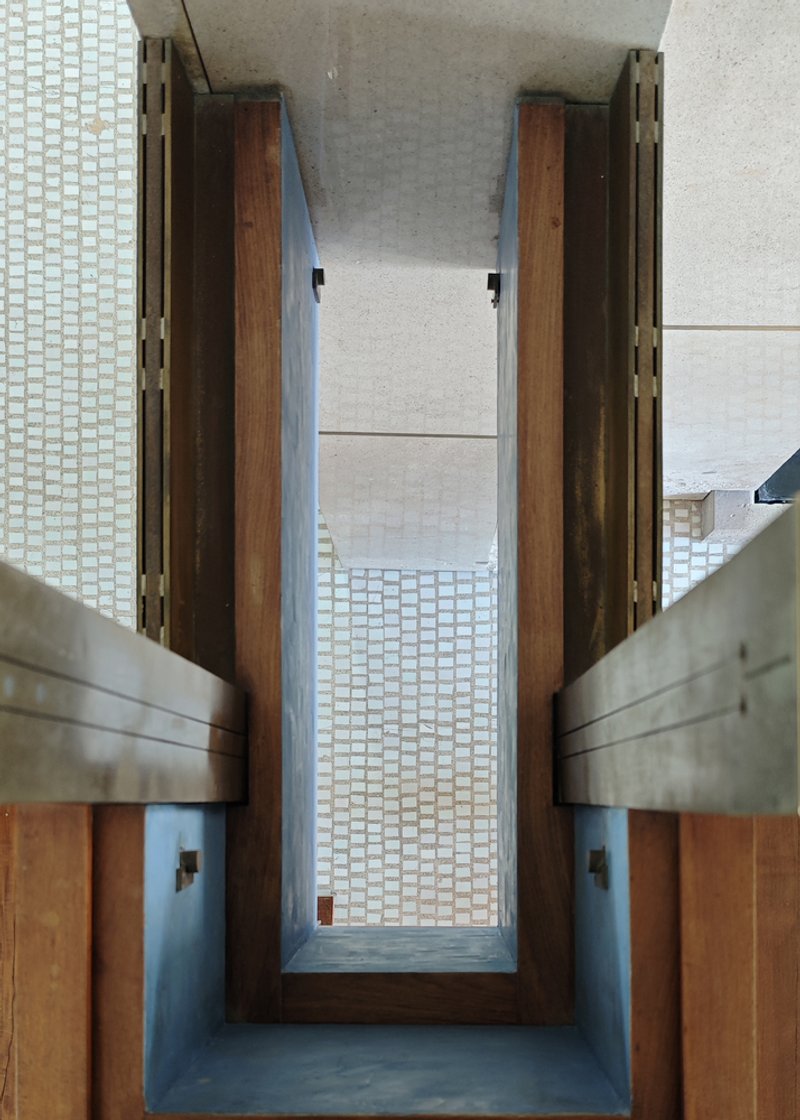
The restoration strategy introduced a new interior wooden structure, replacing deteriorated slabs and reinforcing wall boxes. This timber system does more than support the building—it shapes its new spatial order. Floors, partitions, and surfaces are formed by this modular wood framework, creating rooms that are warm, clean, and resonant with regional craftsmanship. The consistent materiality ensures cohesion between structure, finish, and ambiance, allowing the old and the new to coexist harmoniously.
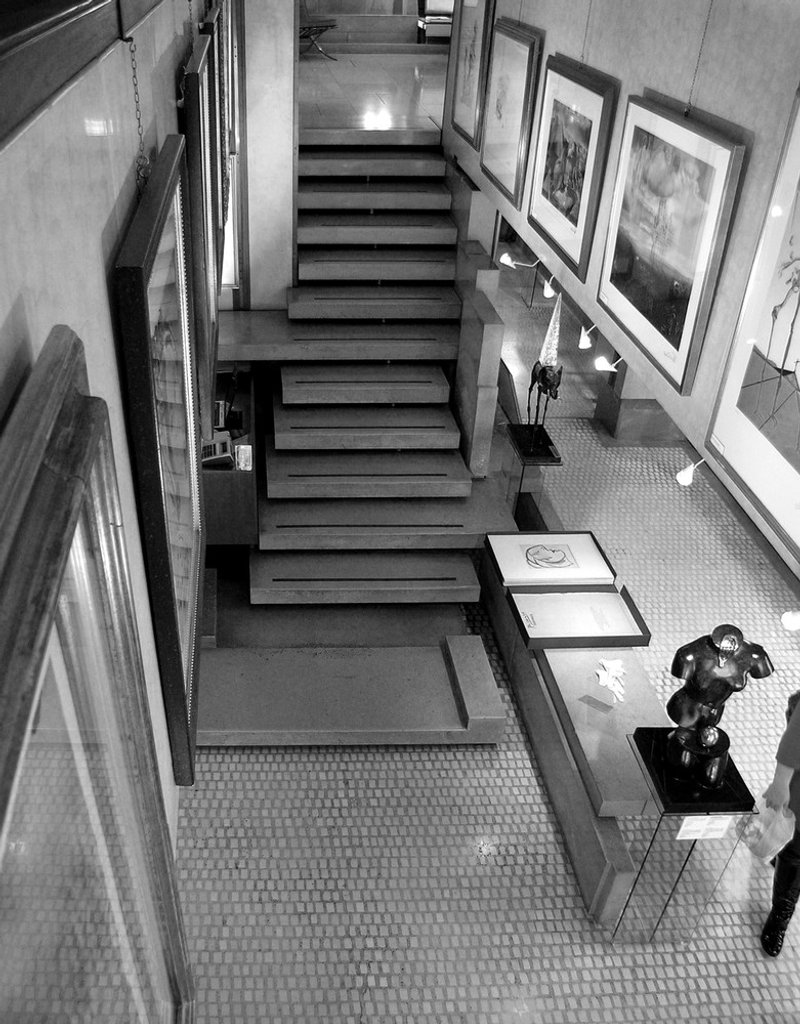
Crafting Atmosphere Through Light, Texture, and Circulation
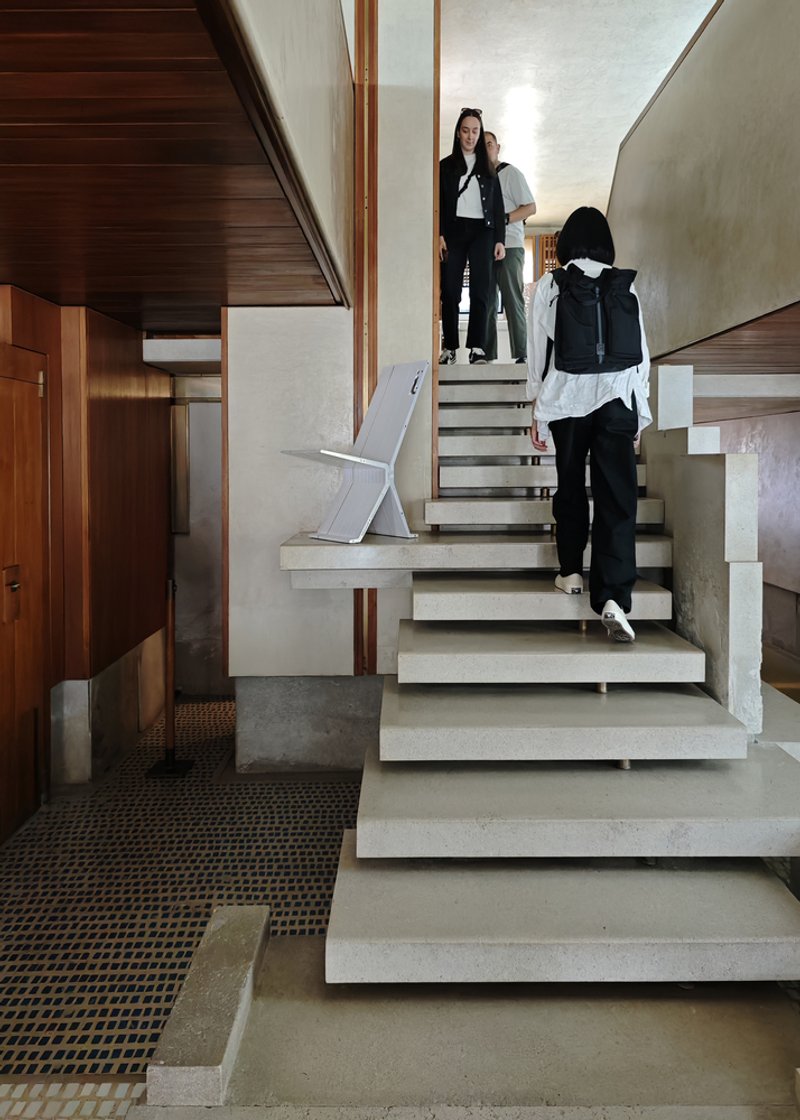
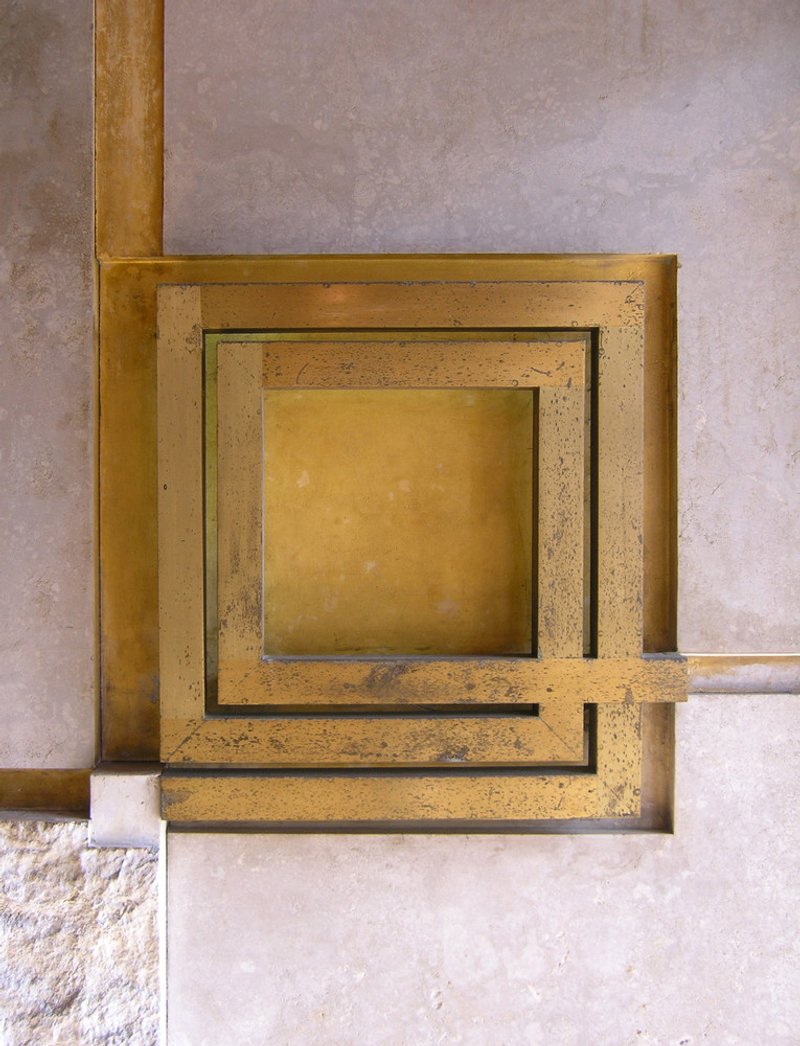
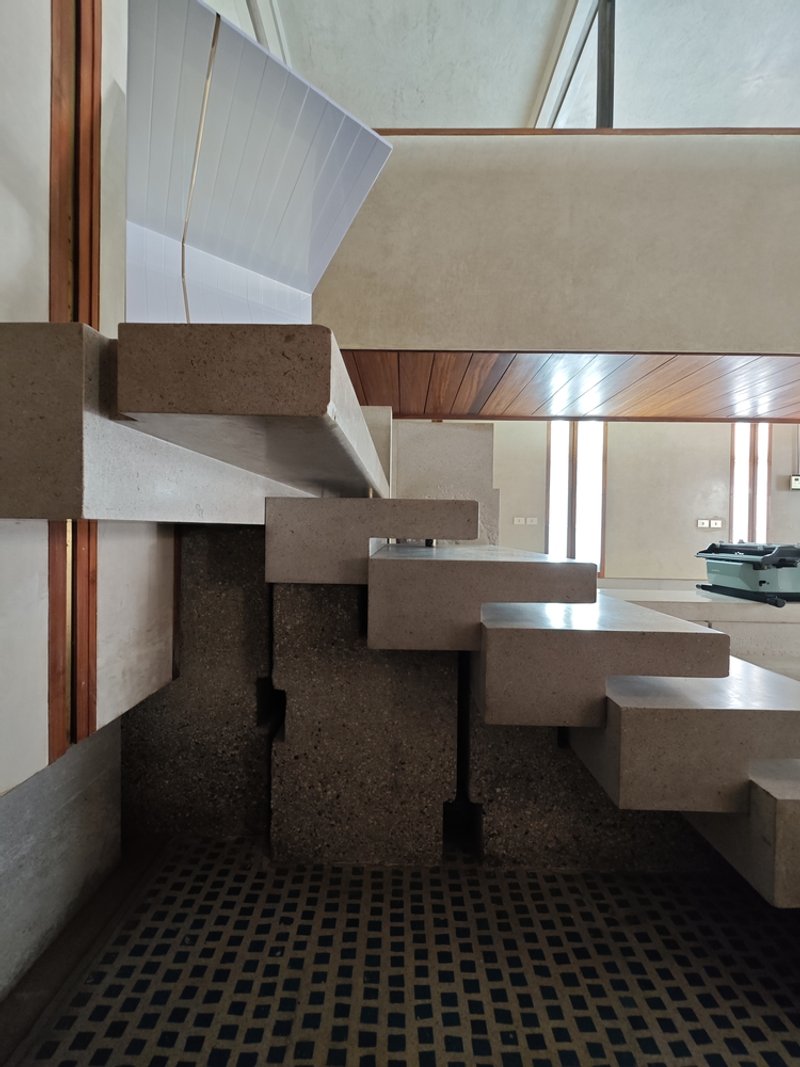
By removing enclosures and opening new circulation routes, the project emphasizes the spatial experience of the dwelling. The staircase, railings, and exposed beams act as sculptural elements that enhance verticality and reveal historical layers. Natural materials, including brick, stone, and timber, evoke the building’s origin while embracing contemporary comfort. This fusion crafts an environment that feels at once aged and alive.
A Resilient Model for Heritage Conservation
The Abbey House Restoration is a prime example of historic building restoration in Spain, where architectural rehabilitation extends beyond preservation into creative reuse. Blay and Suaña’s intervention respectfully disentangles a ruined fragment from its past, repositions it into the present, and prepares it for a socially sustainable future. Through sensitive subtraction, material intelligence, and spatial clarity, the project not only restores a building, but revives a legacy.
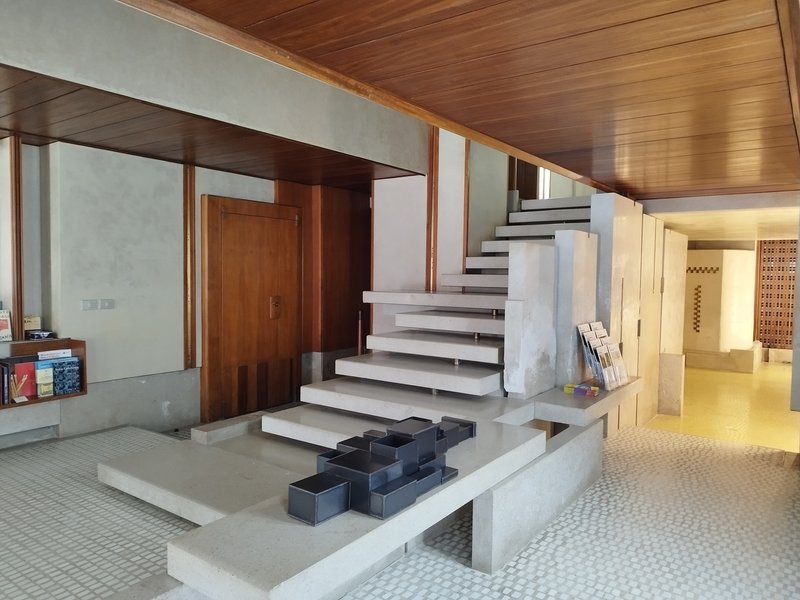
All photographs are works of Milena Villalba




Popular Articles
Popular articles from the community

BLDUS Turns a 250-Square-Foot Screened Porch into a Pine Forest Temple in East Hampton
A gabled cedar pavilion mimics the rhythm of surrounding pines, anchoring a 1990s wooded home to its hollow in Long Island.
IDIN Architects Wraps a Hua Hin Hotel Around a Private Courtyard to Escape the City
Dusit D2 Hua Hin turns an urban infill site in Thailand's family vacation heartland into a self-contained resort through courtyard planning.
Foster + Partners Wraps a 200-Meter Shanghai Tower in Stainless Steel and Industrial Memory
The Suhe Centre Office Tower anchors a regenerated waterfront district in Shanghai with an all-steel structure that nods to local warehouse heritage.
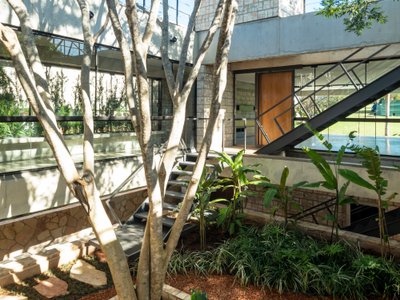
OMCM arquitectos Builds a Summer House in Paraguay from Quarry Waste Blocks and Three Sacred Trees
In the young hillside neighborhood of Altos, a 696-square-meter concrete volume hovers on six pillars around three preserved native Yvyraju trees.


Similar Reads
You might also enjoy these articles
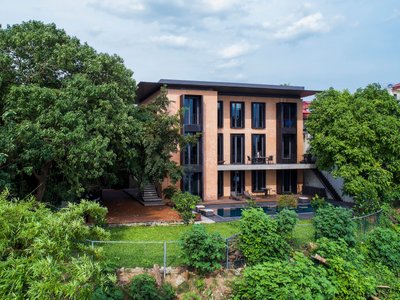
D and P Associates Build a Pi-Shaped House of Rammed Earth Memory on Vietnam's Red River
A 640-square-metre residence in Ngoc Thuy channels the pisé wall traditions of Vietnam's northern highlands into a riverfront family home.
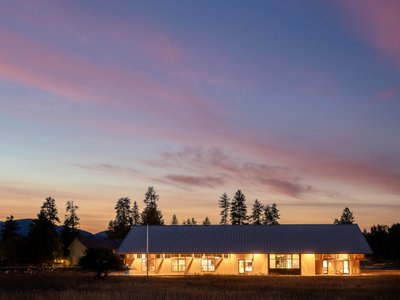
Johnston Architects Reimagines the Methow Valley Hay Barn as a Small-Town Library in Winthrop
A 7,300-square-foot timber library channels the region's agrarian vernacular to serve a rural Washington community of 400 year-round residents.
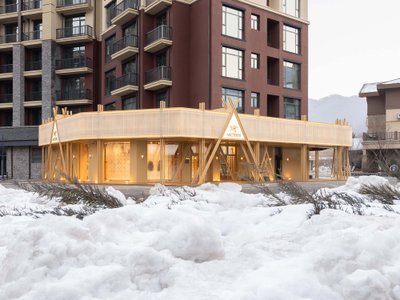
STILL YOUNG Builds a Glowing Campfire in the Snow for ARC'TERYX at a Chinese Ski Resort
A timber-framed pavilion at Beidahu Ski Resort in Jilin wraps warmth and glacier-like resin around outdoor retail.
gru.a Builds a 70 m² Timber Shelter That Opens Like a Farm Door in Brazil's Valley of the Vines
In the mountainous region near Rio de Janeiro, a compact retreat uses plywood panels and deep eaves to blur the line between inside and out.


Explore Architecture Competitions
Discover active competitions in this discipline




The International Standard for Design Portfolios


The Global Benchmark for Architecture Dissertation Awards


The Global Benchmark for Graduation Excellence


Challenge to reimagine the Iron Throne
Comments (0)
Please login or sign up to add comments
No comments yet. Be the first to comment!