
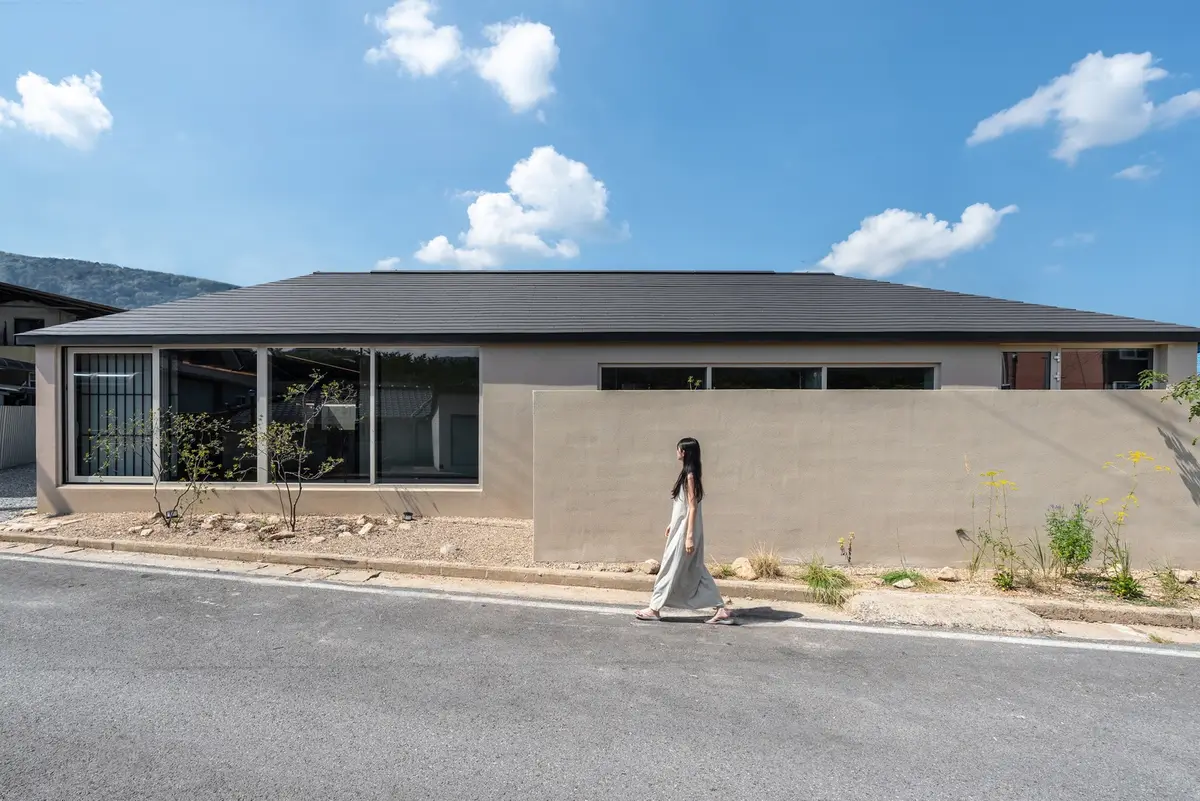
Architectural Regeneration in South Korea: Gogyeol Mungyeong Guesthouse by Gogyeol Architects
A blacksmith shop is reimagined as a boutique guesthouse, showcasing architectural regeneration and local craft in rural South Korea.


A Blacksmith Shop Reborn Through Cultural Revival
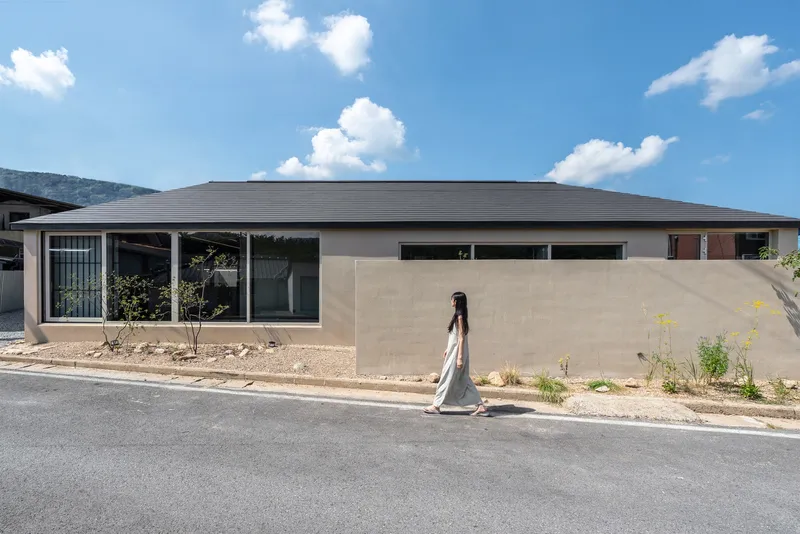
The Gogyeol Mungyeong Guesthouse by Gogyeol Architects stands as a poignant example of architectural regeneration in South Korea, transforming an abandoned 1960s blacksmith shop in Gaeun-eup, Mungyeong City, into a cultural and architectural landmark. In a region once bustling with 20,000 coal miners, the town’s population dwindled to just 3,000 after mine closures in the 1990s. Amid this decline, architecture becomes an agent of revival, using memory, material, and craft to create new life for forgotten spaces.
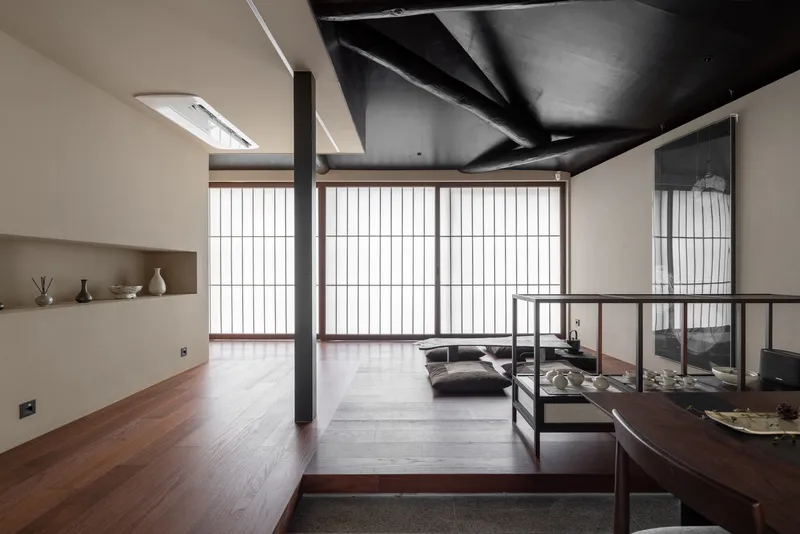
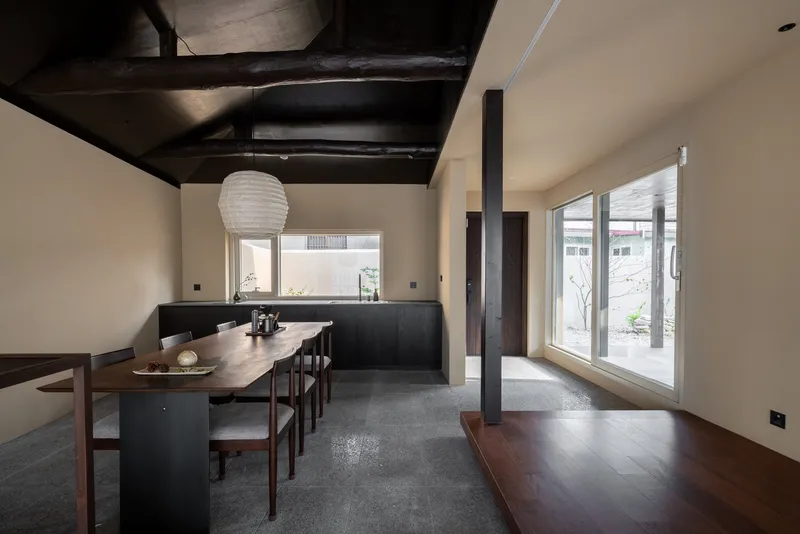

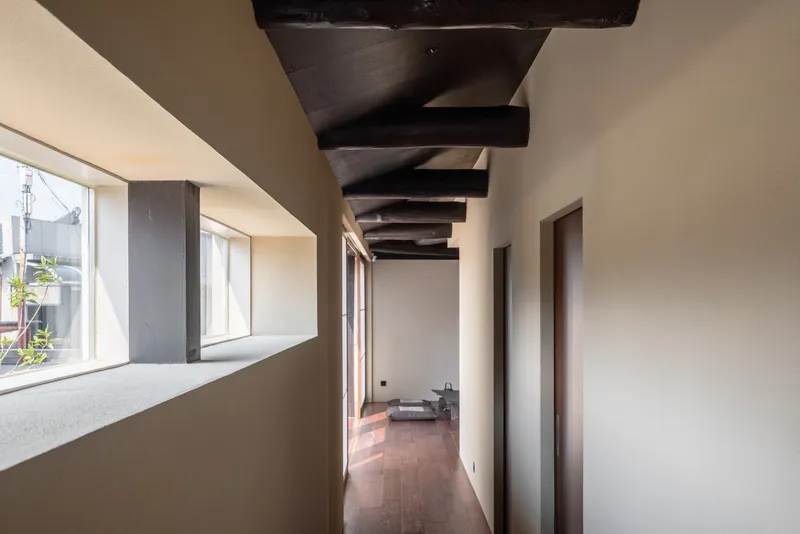
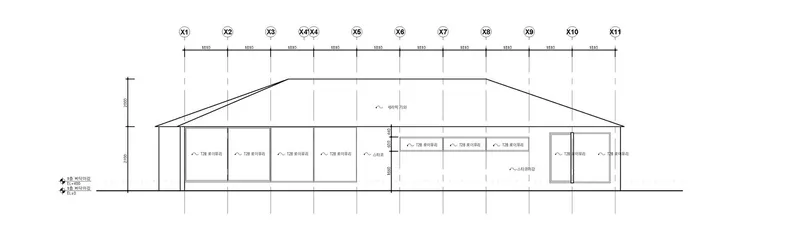
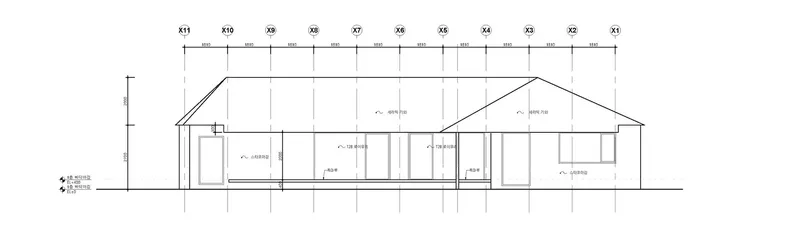
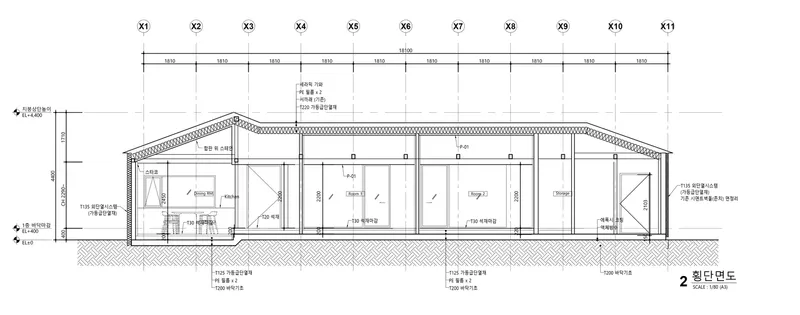
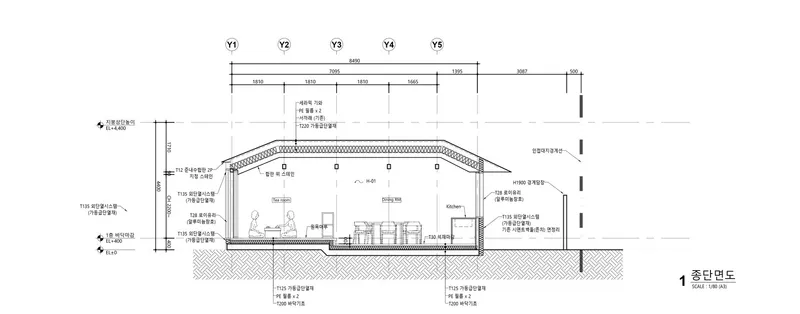
This boutique guesthouse not only reimagines an abandoned space but positions architecture as a tool for regional healing. The project carefully restores and reinterprets the original blacksmith shop’s structure, preserving its essential timber beams, spatial hierarchy, and relationship with nature, while integrating it into a modern hospitality program.

Preserving Identity Through Architectural Memory
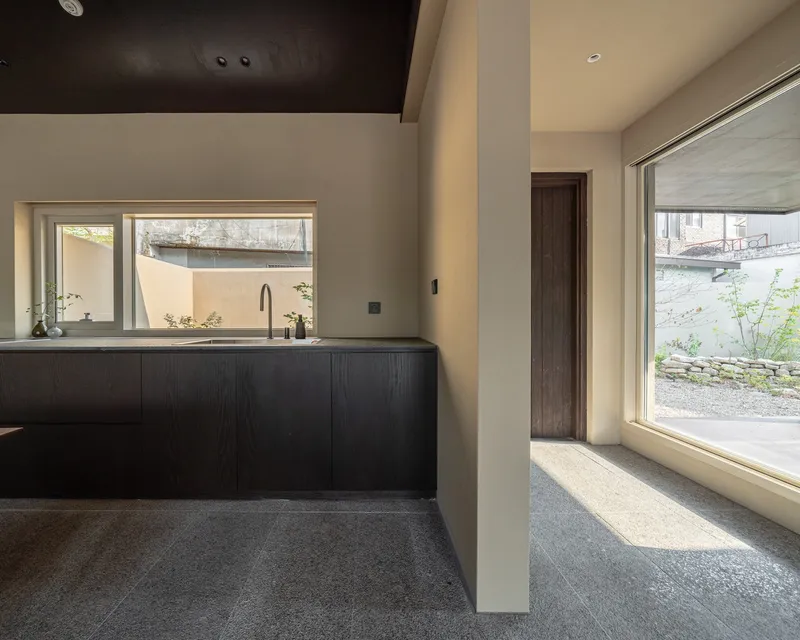
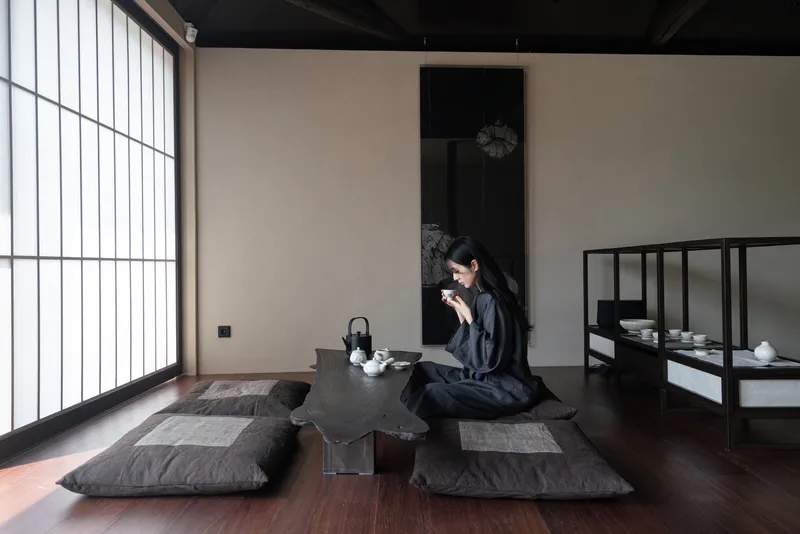
Rather than erasing history, the guesthouse amplifies it. The original scale and spatial qualities—light, shadow, material textures—are maintained and updated through thoughtful design. Timber elements once supporting tools now cradle bedrooms. Communal areas, once centered around the forge, are reinterpreted as lounge spaces that foster intimate gathering.


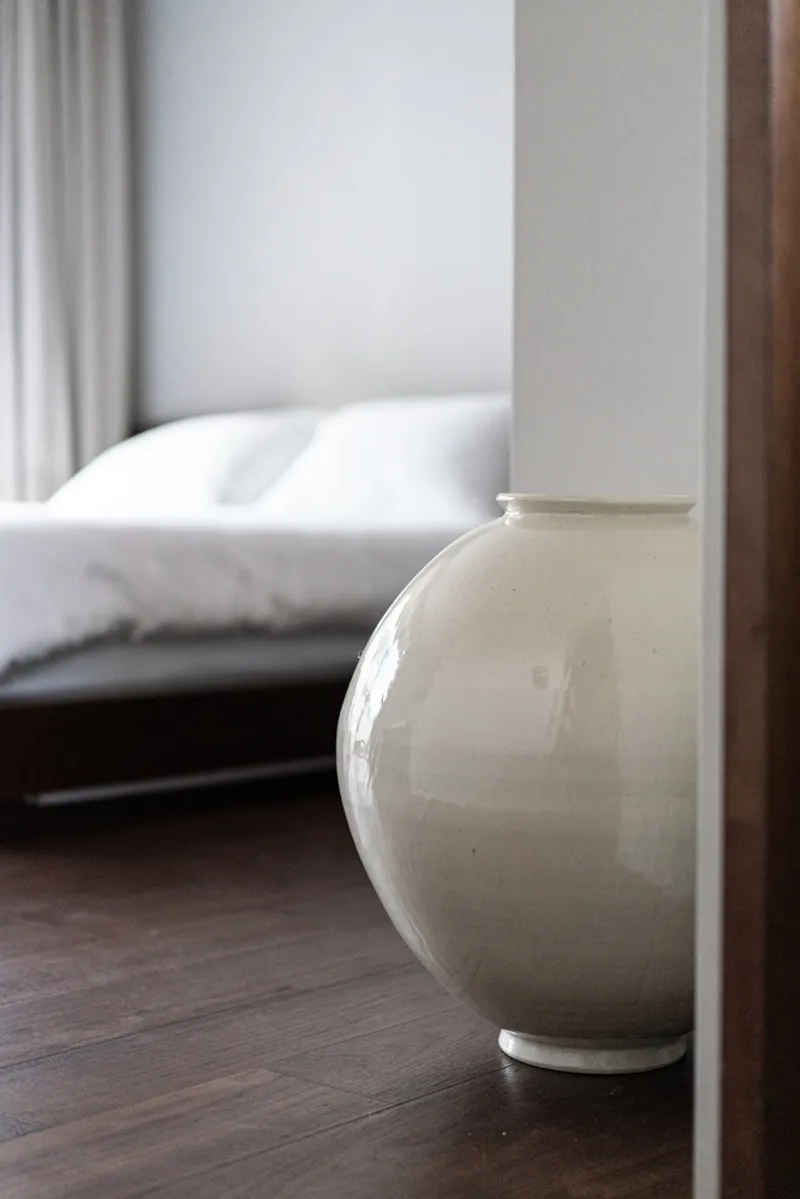
A core goal of this architectural regeneration was to allow visitors to feel the passage of time—not as nostalgia, but as an evolving experience. The project respects the soul of the blacksmith shop while giving it purpose in the present.


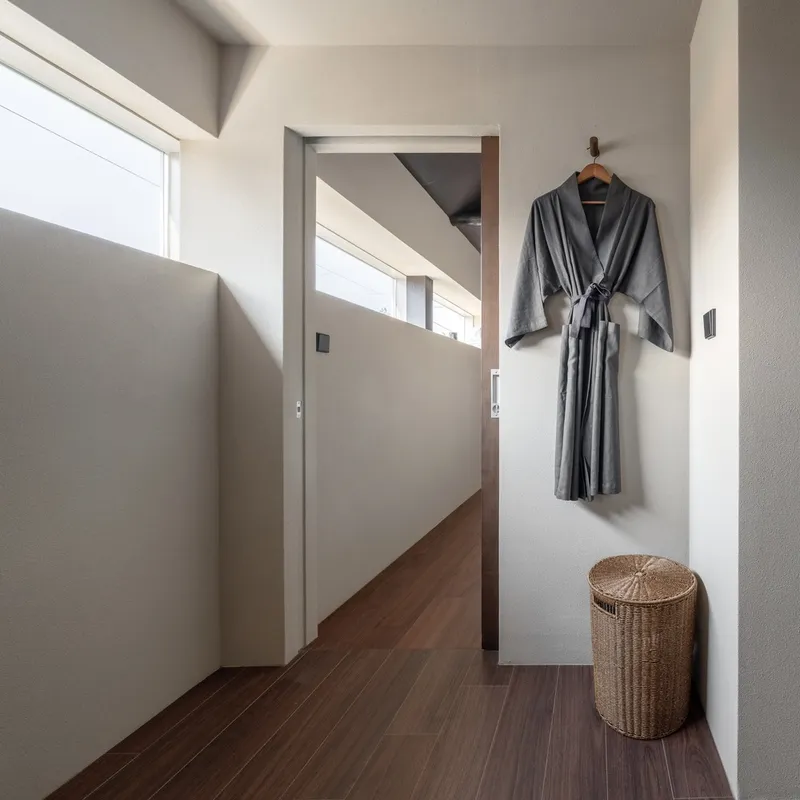
Embedding Local Craft Into Architecture
What distinguishes the Gogyeol Mungyeong Guesthouse is its full integration of regional culture into architectural form. Locally crafted hanji—traditional Korean paper—is not used as decorative ornament but becomes the architectural medium itself, filtering natural light through window frames and custom fixtures. Local ceramics, placed throughout the guesthouse, act as everyday artifacts rather than museum pieces, allowing guests to engage with traditional craftsmanship in lived space.

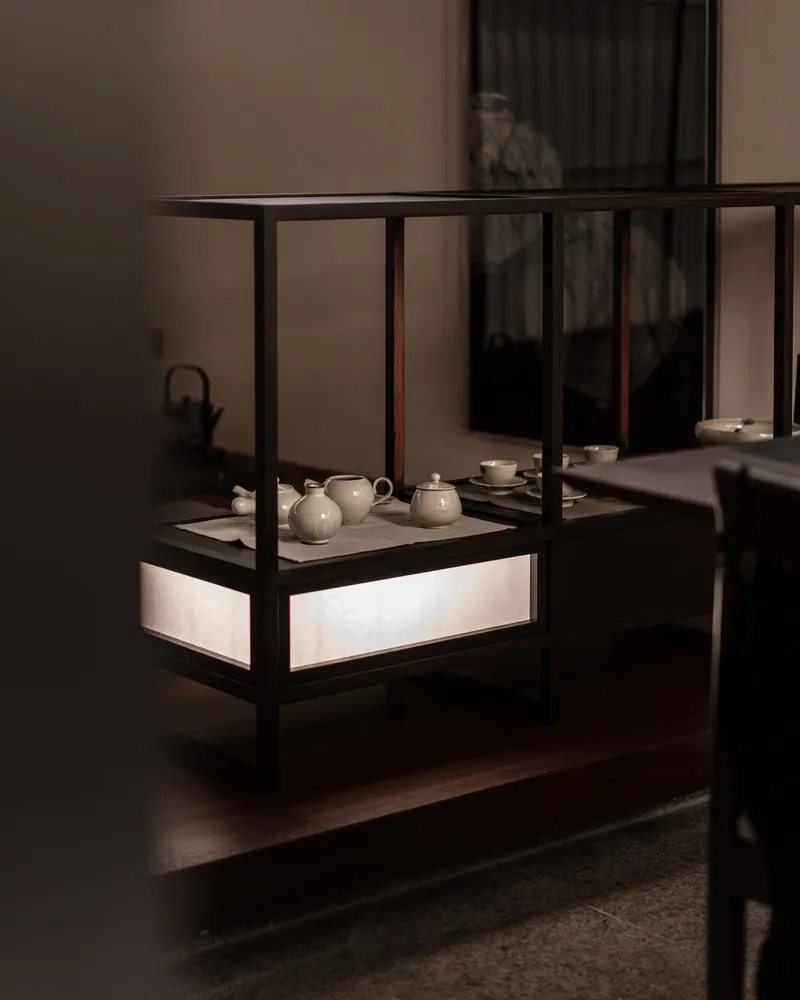

The bathroom skylights, designed with high-performance glass to withstand the seasonal impact of falling pinecones, showcase attention to environmental details. The interiors, from flooring to custom wood carpentry, use durable, low-maintenance materials suitable for Mungyeong’s climate, ensuring the house remains both grounded and enduring.

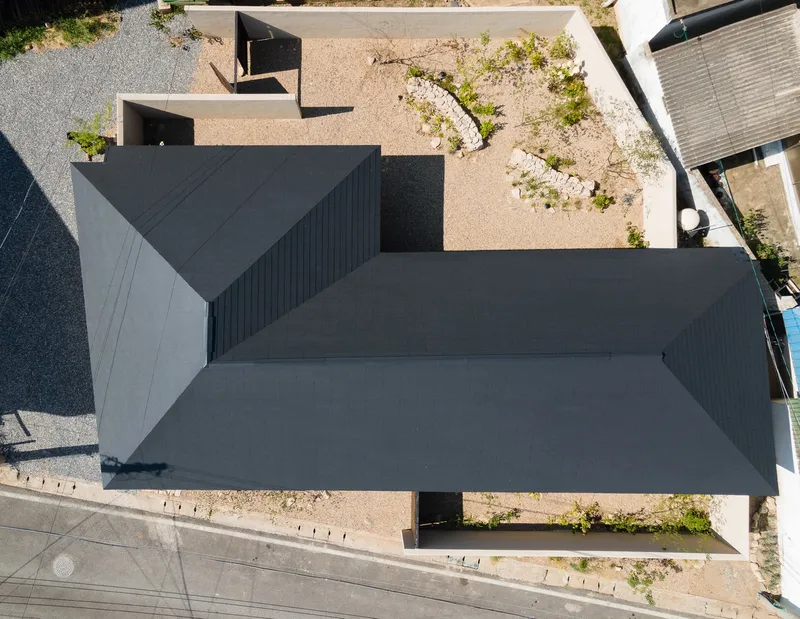
Designing a Cultural Ecosystem
This project is also a model of community-based architecture. Collaboration with over 20 local artisans, including hanji masters, ceramicists, painters, and natural dye specialists, has resulted in a living cultural ecosystem. Visitors can not only stay in the space but purchase the handmade pieces that define it—blurring the lines between architecture, exhibition, and experience.

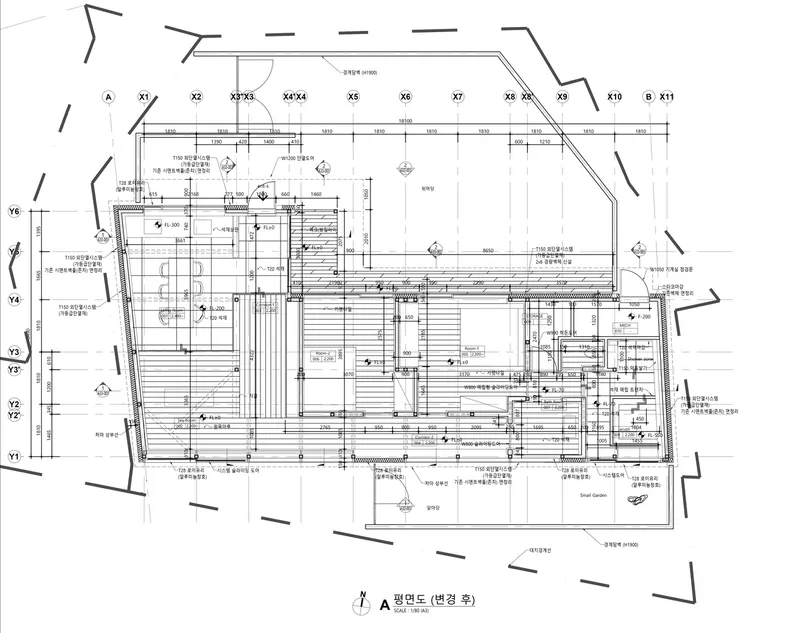
Before renovation, a pop-up event titled "Farewell to the Blacksmith Shop, Welcome to New Birth" welcomed over 300 locals, reaffirming that this project is as much about people as it is about place. The event catalyzed interest and created emotional investment in the transformation, proving the guesthouse's resonance with the community it serves.
A Blueprint for Regional Revival
Gogyeol Architects’ work is a compelling answer to regional decline, illustrating that architectural regeneration in South Korea is not about grand interventions but subtle acts of cultural continuity. By honoring the original structure and infusing it with contemporary life, Gogyeol Mungyeong Guesthouse becomes a living archive—one that tells stories, hosts culture, and revitalizes its surroundings.
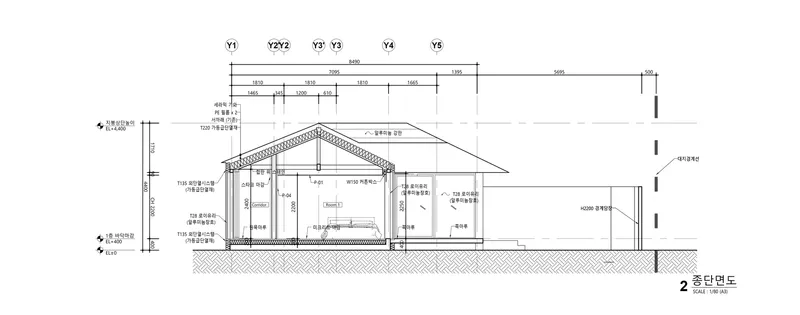
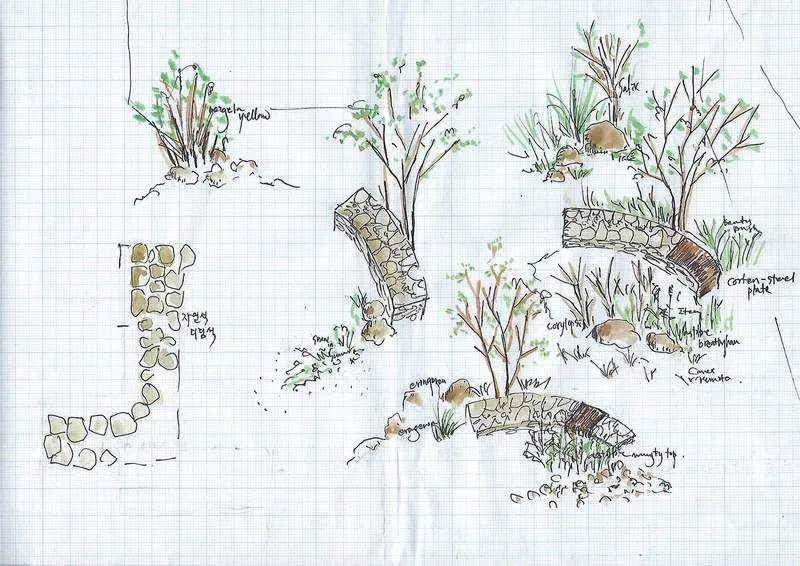
The project does more than rehabilitate a building—it repositions architecture as a means of sustaining memory, enabling regional economies, and strengthening identity. Through material authenticity, spatial storytelling, and cultural integration, this guesthouse offers a new paradigm for the future of South Korean rural architecture.

All the photographs are works of Kim Gihoe


Popular Articles
Popular articles from the community


Hill & Cross Opera: Sculptural Opera House Architecture Shaped by Tallinn’s Landscape and Identity
Hill & Cross Opera reimagines opera house architecture in Tallinn through its sculptural hill, civic plaza, glass wave and a luminous cross.

Little Red Riding Hood: Architectural Design as a Journey Through Fear, Light, and Storytelling
Little Red Riding Hood reimagines the fairy tale through architectural design shaped by fear, light, scale, memory, uncertainty, and choice.

Co-Life: Senior Housing Design That Reconnects Older Adults With the City
Co-Life reimagines senior housing design through healing gardens, shared streets, workshops, and a sustainable community across generations.

Conexión: Biophilic Design Reimagines High-Rise Living in Hong Kong
Conexión reimagines high-rise living in Hong Kong through biophilic design, green facades, shared spaces, daylight, water and nature within.

Similar Reads
You might also enjoy these articles


FAMM Arquitectura Organizes Ten Villas Around Courtyards and Jungle in Nosara, Costa Rica
El Molino pairs two elongated volumes with deep overhangs and timber louvers to build a compact coastal community five minutes from the beach.

Oscar Niemeyer's Ibirapuera Park Pavilions Define São Paulo's Cultural Identity in Concrete and Curve
A constellation of modernist volumes set within São Paulo's most important urban park, conceived for the city's 400th anniversary in 1954.

Sanjay Puri Architects Wraps a Jaipur Office Tower in Capsule-Shaped Green Buffers
A nine-level climate-responsive workplace near Jaipur Airport uses stacked planter terraces and aluminium screens to fight 40°C heat.
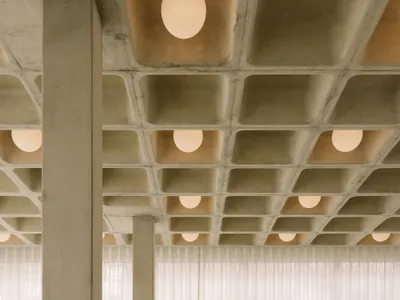
RHO Converts a Berlin Spree-Side Industrial Courtyard into Enkime's 1,000 m² Agency Headquarters
A social media agency's new home in Charlottenburg trades glossy branding for concrete waffle ceilings, glazed tile, and sheer curtains.

Explore Architecture Competitions
Discover active competitions in this discipline

Challenge to reimagine the Iron Throne

Photograph architecture without architects

Illustrate the lost glory of Angkor Wat - Render Challenge

Design challenge to reuse E-waste
Comments (0)
Please login or sign up to add comments
No comments yet. Be the first to comment!