
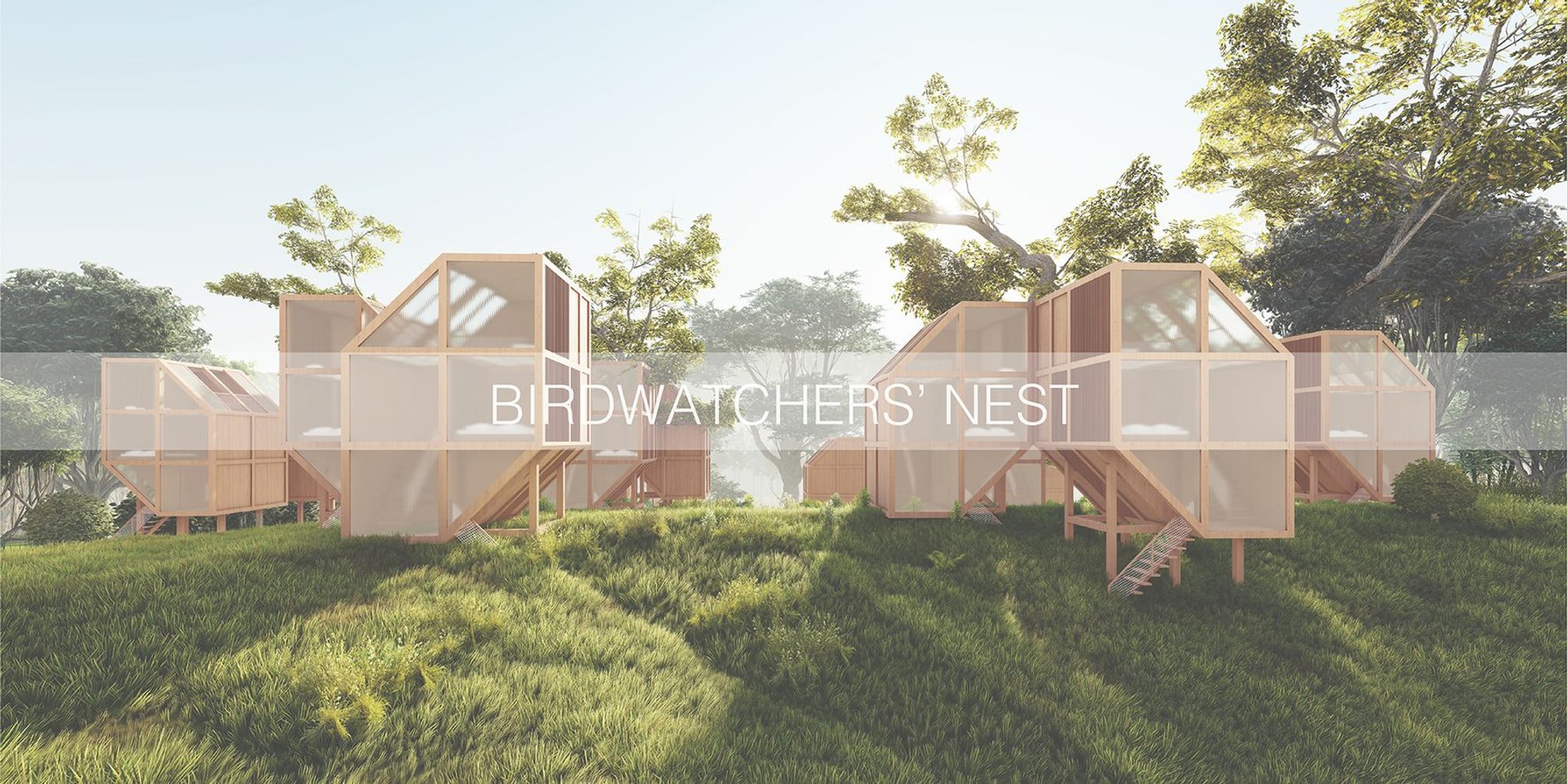
Birdwatchers' Nest: A Harmonious Blend of Nature and Architecture
Exploring the sustainable architecture and innovative design of the Birdwatchers' Nest in Manú National Park.

The Birdwatchers' Nest, a complex of 20 innovative hotel cabins, is a unique architectural project nestled in Manú National Park, Peru, where the Rio Manú and Rio Madre de Dios rivers converge. Designed with avian enthusiasts in mind, this project not only caters to the needs of birdwatchers but also prioritizes the welfare of the park's flora and fauna, which is home to over 1,000 bird species. This article delves into the intricacies of the Birdwatchers' Nest, exploring its design, materials, functionality, and the philosophy behind its creation.
The Birdwatchers' Nest project by Ida Owczarek, Natalia Zachmann, Alicja Kaczmarek, Winner entry of Perched competition stands out as a prime example of sustainable architecture. It embodies a balance between providing comfort and maintaining an environmentally friendly footprint. The design prioritizes user comfort, environmental friendliness, and ease of transport and installation, making it a model for future eco-friendly lodging solutions.
Design and Functionality
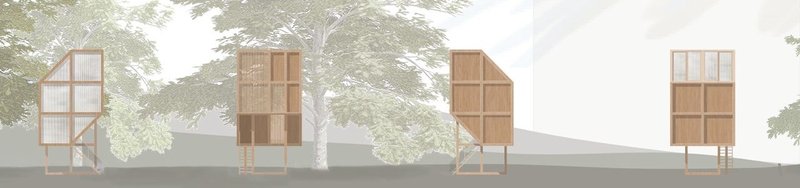
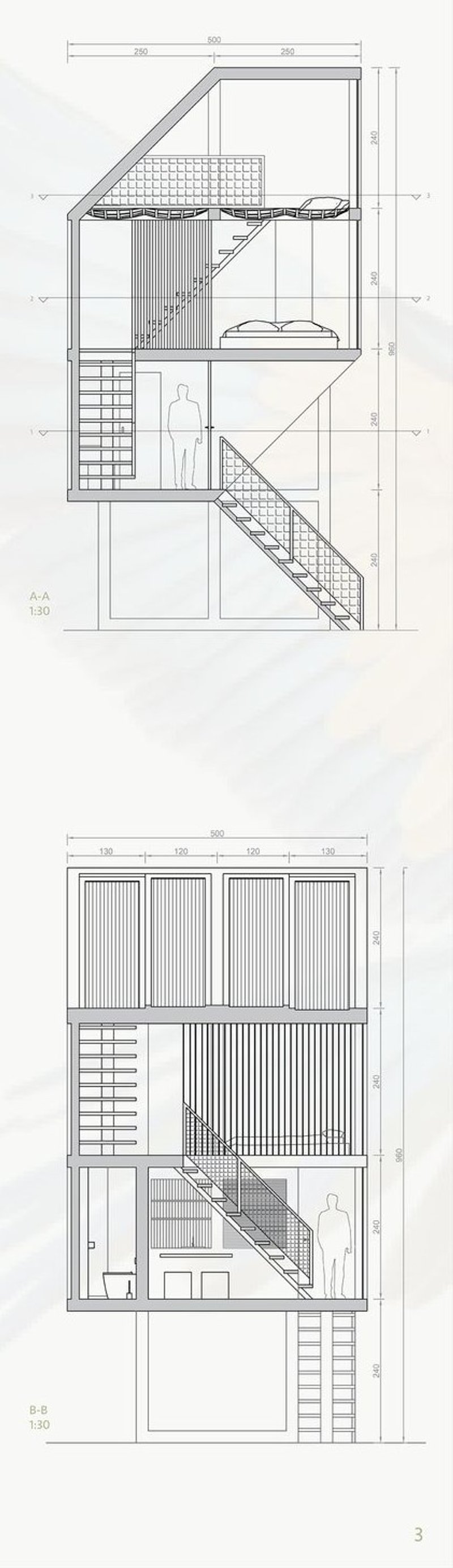
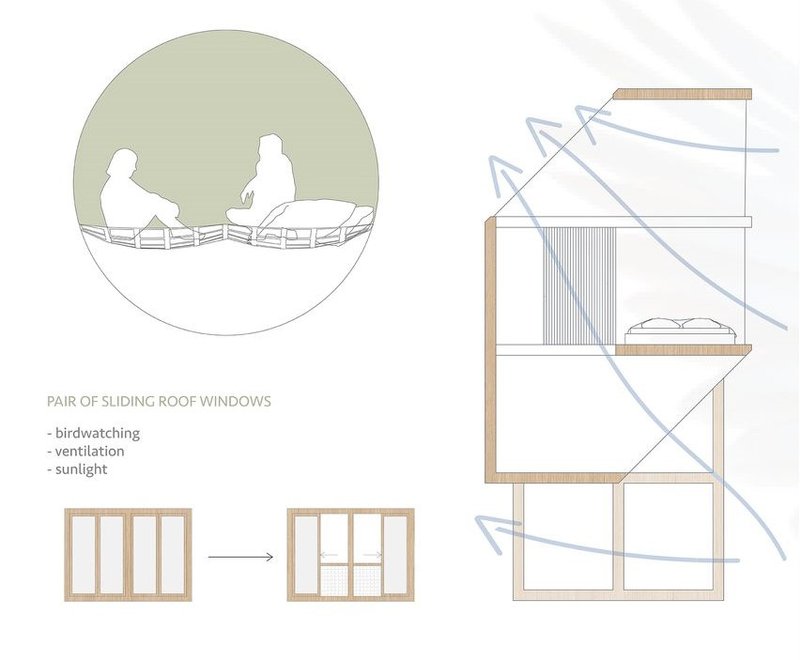
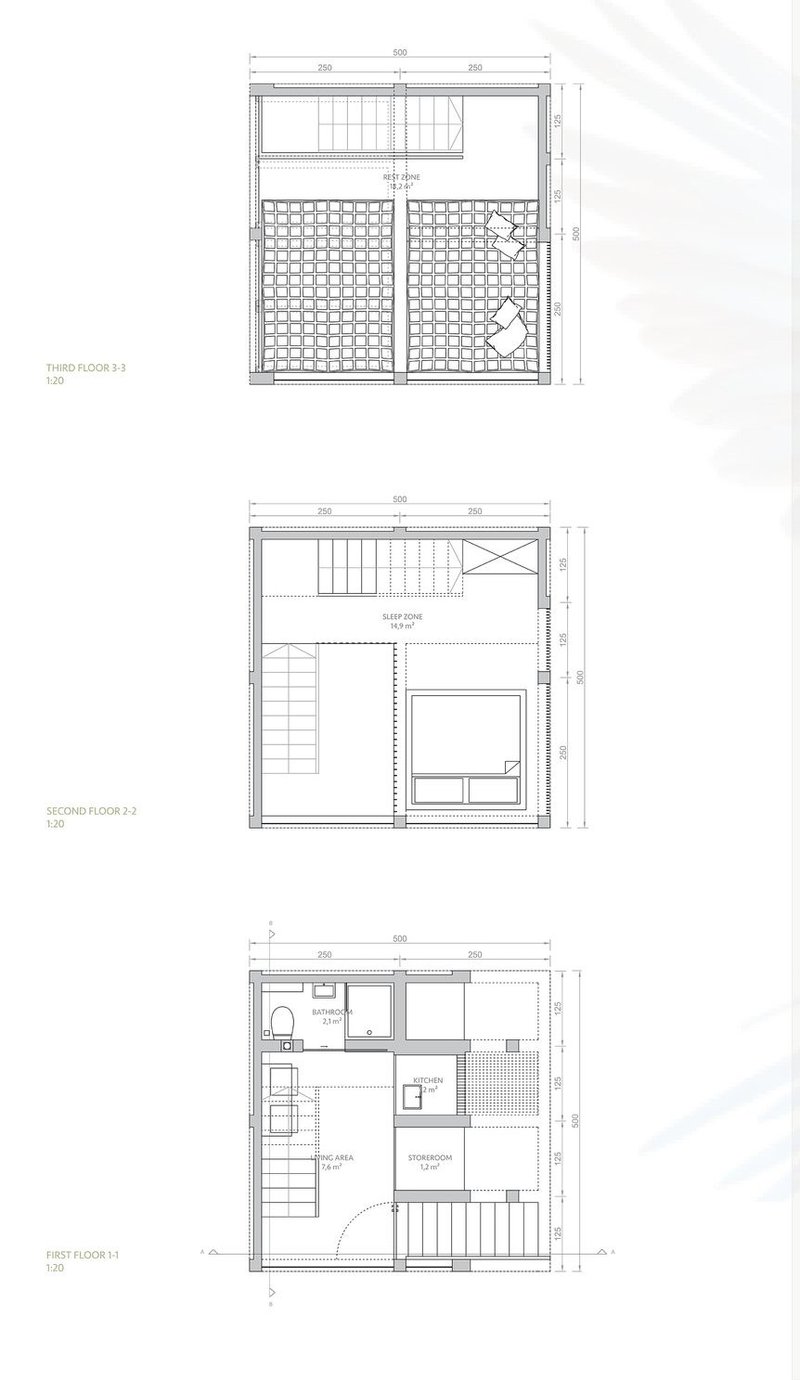
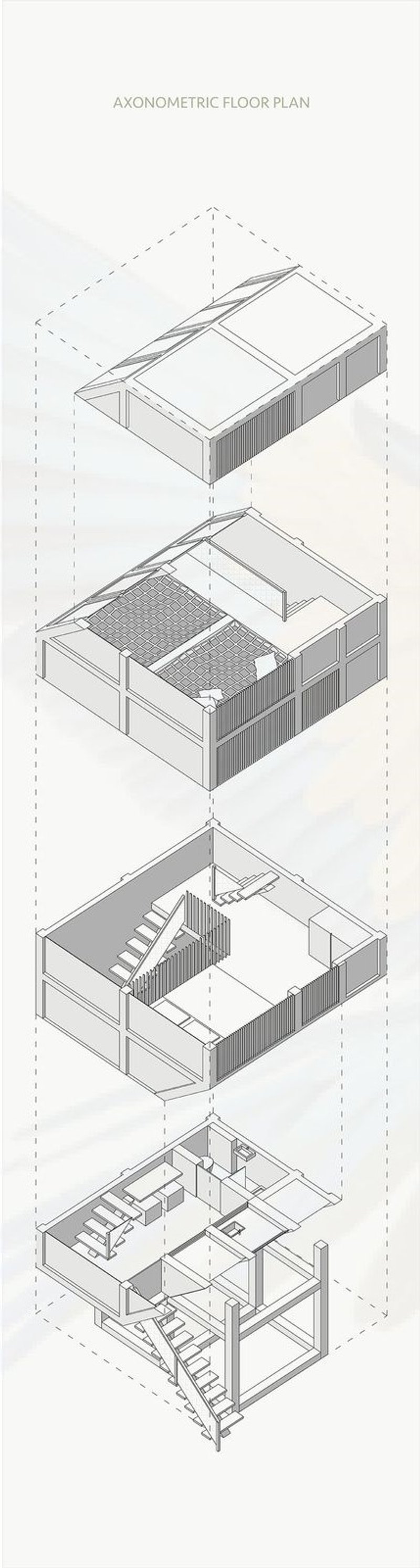
Each cabin in the Birdwatchers' Nest comprises three functional levels, each meticulously designed to serve different purposes while maximizing space and comfort. The ground floor houses the living area, which includes a bathroom, a kitchen ventilated by a system of wooden blinds, and ample storage space. This level ensures all basic amenities are within easy reach while maintaining an open, airy feel. The second level is dedicated to the sleeping area, accessed via a set of stairs. This space is designed for tranquility and relaxation, with the floor replaced by a net, offering a unique resting experience. The topmost level is a dedicated birdwatching and relaxation zone. A pair of large sliding roof windows open up to provide unobstructed views of the surrounding landscape, making birdwatching a comfortable and immersive experience. These windows also facilitate ventilation and allow natural sunlight to flood the space.
Innovative Features
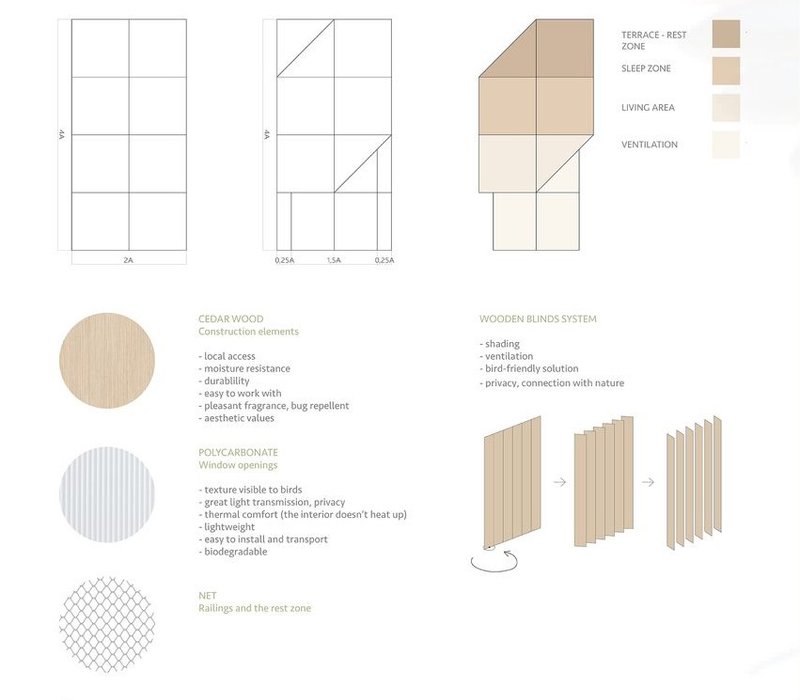
The Birdwatchers' Nest incorporates several innovative features that enhance its functionality and sustainability. The combination of the resting net and wooden blinds system ensures optimal airflow throughout the cabin. This natural ventilation system reduces the need for artificial cooling, aligning with sustainable design principles. The stairs are designed to seamlessly connect the different functional areas without interfering with the overall layout. They follow the shape of the form and lead sequentially through all the floors, ensuring easy access and movement. The kitchen and storeroom are cleverly hidden behind the blinds, achieving a minimalist look. This design choice not only saves space but also maintains the aesthetic integrity of the cabins.
Materials and Sustainability
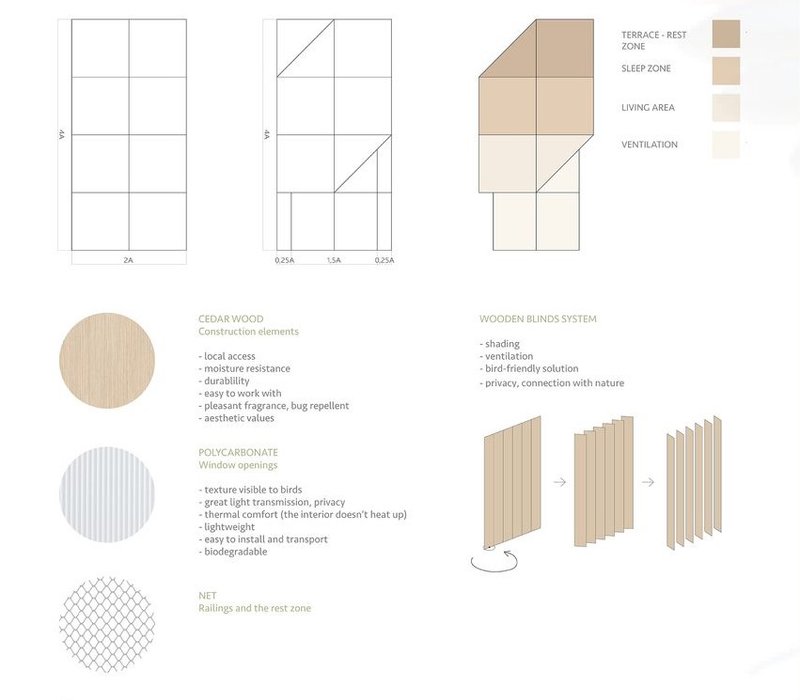
The Birdwatchers' Nest is constructed using materials chosen for their sustainability and suitability to the local climate. The primary construction material is cedar wood, known for its moisture resistance, durability, and pleasant fragrance, which acts as a natural insect repellent. Locally sourced cedar reduces transportation costs and environmental impact. Instead of traditional glass, cellular polycarbonate is used for window openings. This material is lightweight, resistant to damage during transport, and its structure is visible to birds, preventing collisions. The netting used in the rest zones improves ventilation and light transmission while maintaining an open, unobstructed view.
Form and Modularity
The main module of the cabins is a 2.2m cube, defined by an exposed wooden structure filled with wooden or polycarbonate elements. This modular design allows for easy assembly, disassembly, and transport, ensuring minimal environmental disturbance. The cabins are elevated on a beam and post construction, which aids in wood ventilation and vegetation growth, further enhancing the project's sustainability.
Site Plan and Arrangement
The arrangement of the cabins is designed to offer various configurations based on the needs of the inhabitants. The basic module is a 5m square, allowing for flexible placement and different orientations to provide diverse views. The terraces are positioned to overlook different sides, ensuring privacy and unique perspectives of the surrounding nature.
Interior Design
The interior of the Birdwatchers' Nest is simple and functional, with a focus on minimalism and connection with nature. Functional spaces like the bathroom and kitchen are hidden behind doors and blinds, drawing attention to the central feature—the stairs leading to the resting net. This design choice ensures that the interior remains uncluttered and emphasizes the natural surroundings.
The Birdwatchers' Nest is a testament to the potential of sustainable architecture to create spaces that harmoniously blend with their natural environment. By prioritizing user comfort, environmental sustainability, and functional design, this project sets a benchmark for future architectural endeavors. The use of locally sourced materials, innovative design features, and modular construction methods makes the Birdwatchers' Nest a model of eco-friendly lodging, perfect for avian enthusiasts and nature lovers alike.




Popular Articles
Popular articles from the community

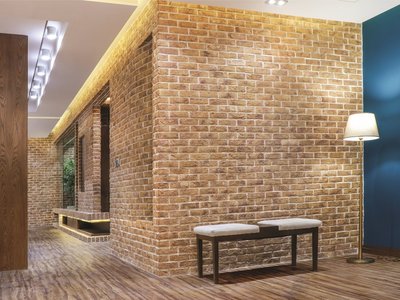
A Contemporary Take on Iranian Residential Architecture
A modern interior design in Mashhad that reinterprets brick, light, and spatial flow to create a warm, contemporary residential architecture.

Solar Steam: A Climate-Responsive Architecture That Redefines the Monument
A climate-responsive memorial architecture that transforms heat, decay, and time into a living system reflecting humanity’s ecological impact.
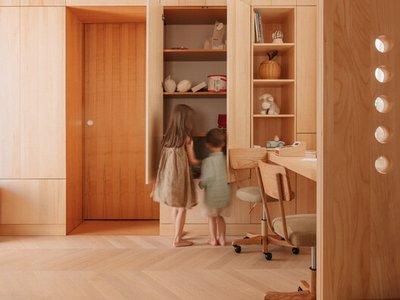
Treehouse Apartment: A Warm Timber Interior Blending Craft, Play, and Contemporary Living
Warm timber apartment with integrated treehouse, combining natural materials, craftsmanship, and playful design to create a flexible, family-oriented living environment.
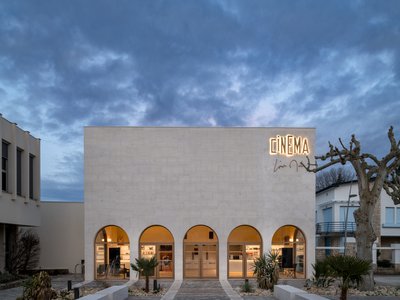
Louis Malle Cinema: A Limestone Cultural Landmark Revitalizing Community Life in Prayssac
Limestone cinema extension with public forecourt, blending heritage and modern design to create flexible cultural spaces and strengthen community interaction.


Similar Reads
You might also enjoy these articles


The Ken Roberts Memorial Delineation Competition (Krob)
As the most senior architectural drawing competition currently in operation anywhere in the world, it draws hundreds of entries each year, awarding the very best submissions in a series of medium-based categories.
A Contemporary Take on Iranian Residential Architecture
A modern interior design in Mashhad that reinterprets brick, light, and spatial flow to create a warm, contemporary residential architecture.
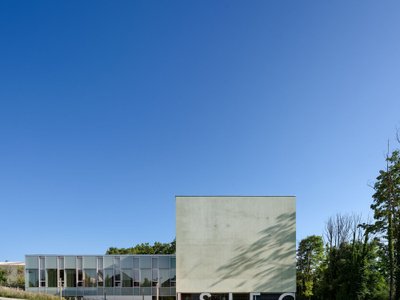
Franche-Comté Advanced School of Engineering by Dominique Coulon & associés, Besançon
A flexible engineering school immersed in woodland, combining concrete minimalism, adaptable spaces, and natural light to support evolving educational environments.


Documentation Work on Buddhist Wooden Temple
Architectural syncretism and cultural hybridity: A comparative study of the Buddhist temples in Chattogram Hill tracks


Explore Architecture Competitions
Discover active competitions in this discipline




The International Standard for Design Portfolios


The Global Benchmark for Architecture Dissertation Awards


The Global Benchmark for Graduation Excellence


Challenge to reimagine the Iron Throne
Comments (0)
Please login or sign up to add comments
No comments yet. Be the first to comment!