
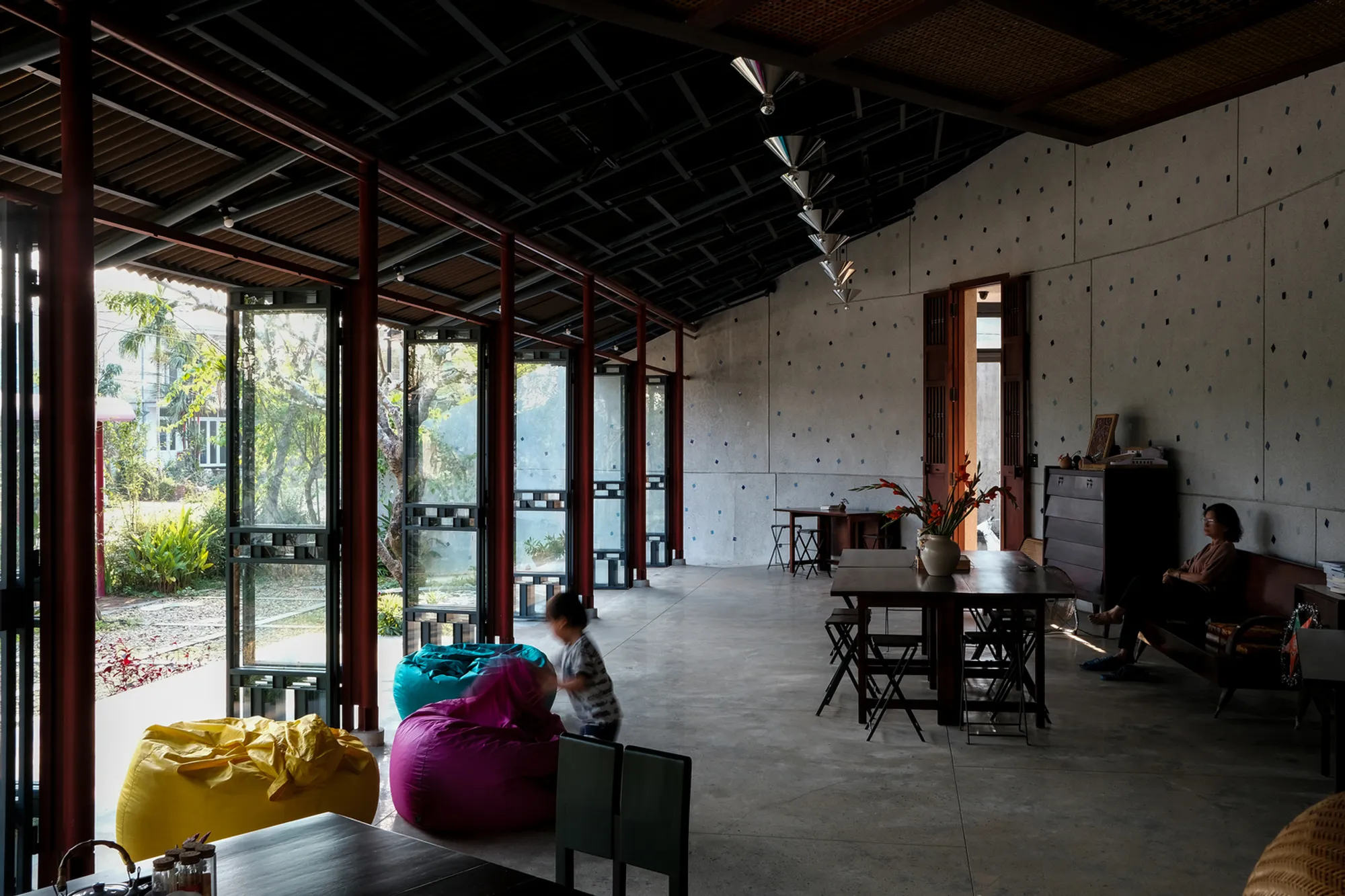
Cultural Hospitality Architecture: Blending Tradition and Modernity at De Hué Space, Vietnam
Exploring De Hué Space, a unique blend of traditional Vietnamese culture and modern design in the realm of cultural hospitality architecture.


The innovative blend of local tradition with modern hospitality needs is a growing trend in the architectural world. De Hué Space by Studio Voi in Thành Phố Huế, Vietnam, stands as a striking example of cultural hospitality architecture, marrying the quaint charm of Hue's garden houses with contemporary design to offer a unique accommodation experience.
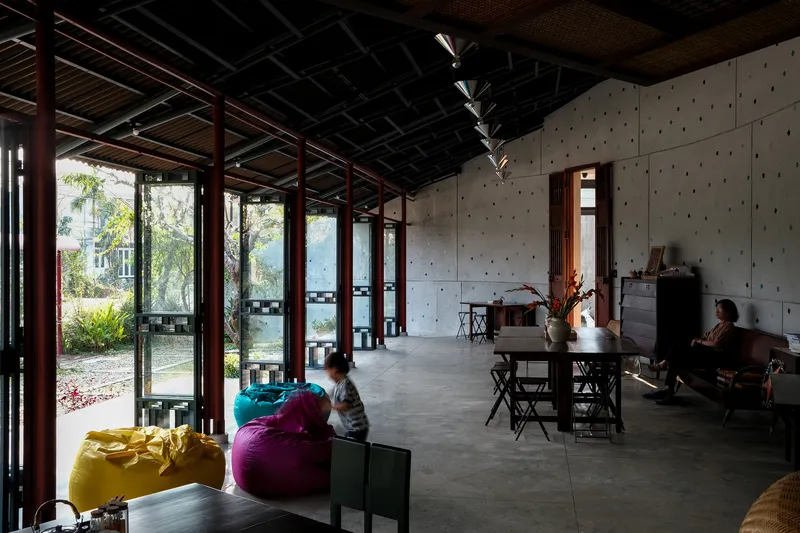
The Vision Behind De Hué Space
At the heart of De Hué Space's creation was the desire to construct a space that serves both as accommodation and a beacon for local tourism. This initiative aimed to encapsulate the life and essence of Hue, making it a landmark project in cultural hospitality architecture.
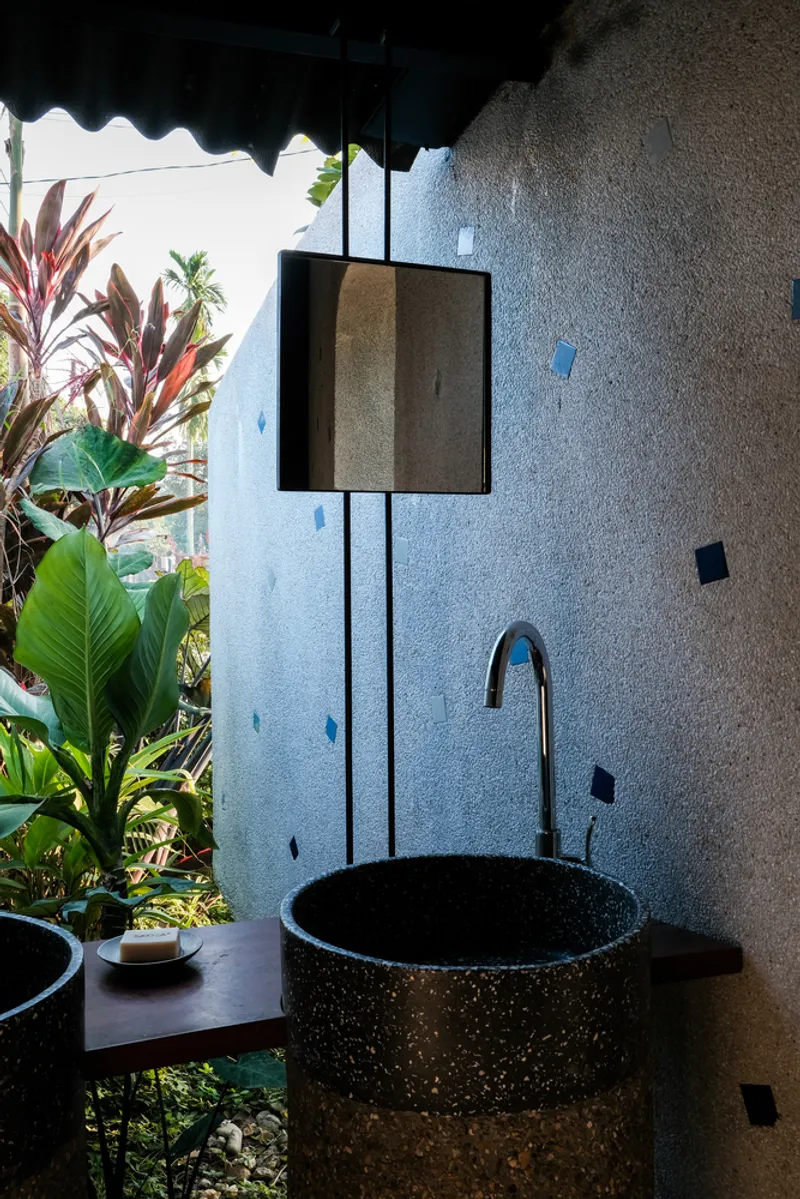
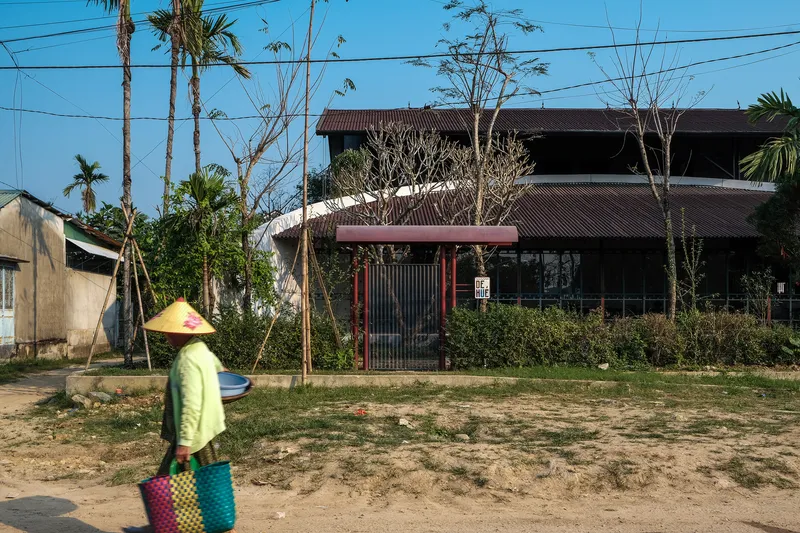
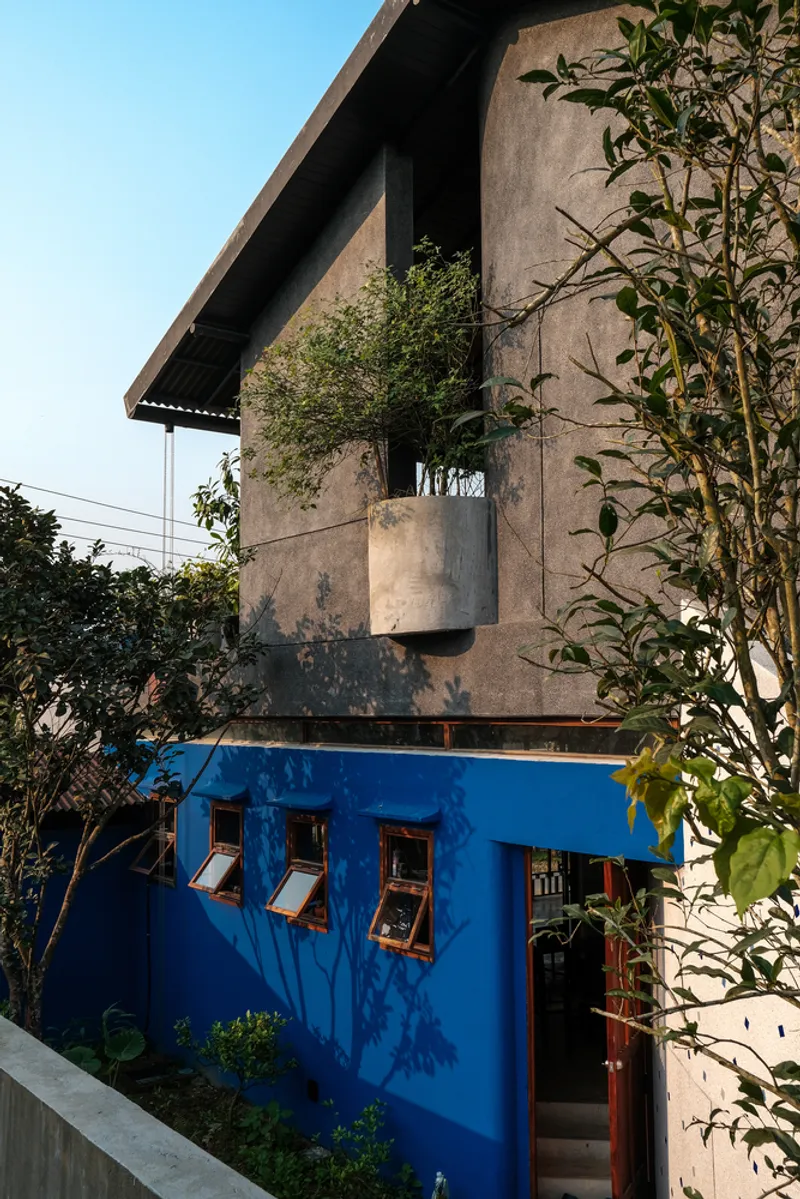
Embracing Local Heritage and Environment
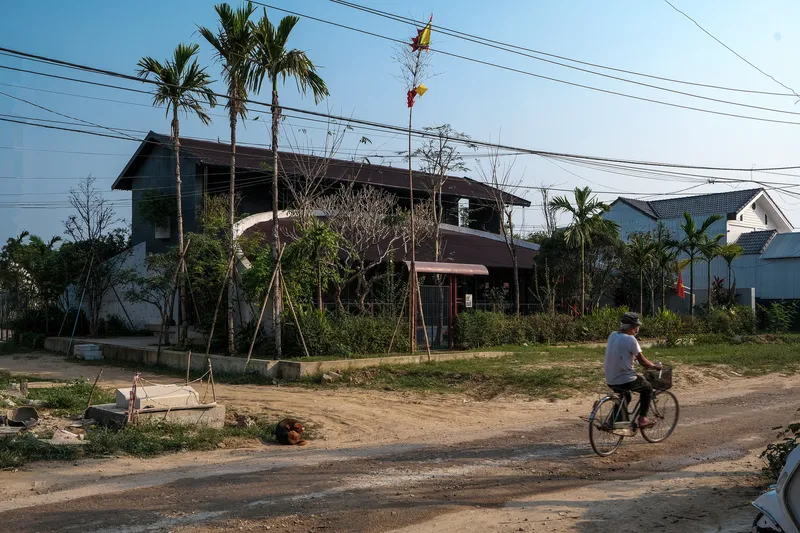
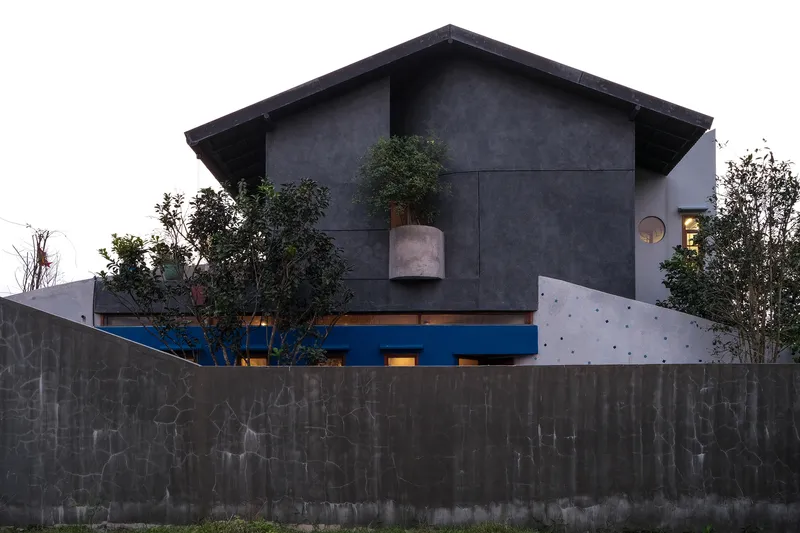
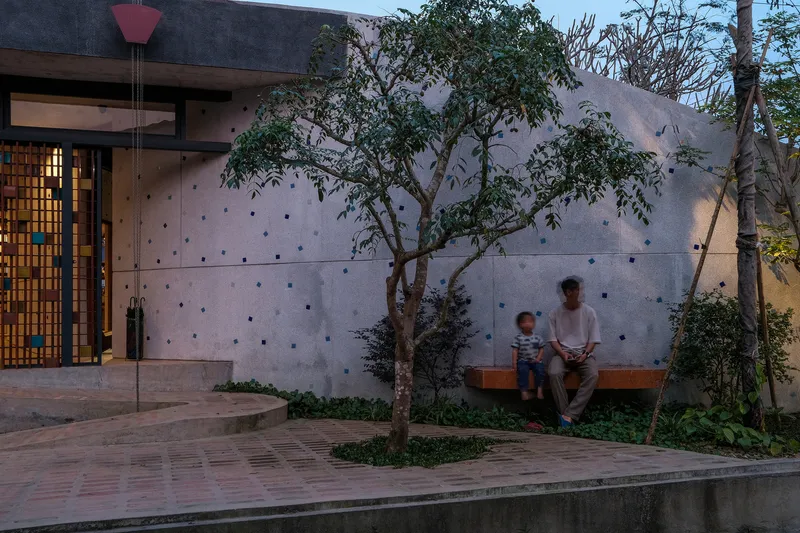
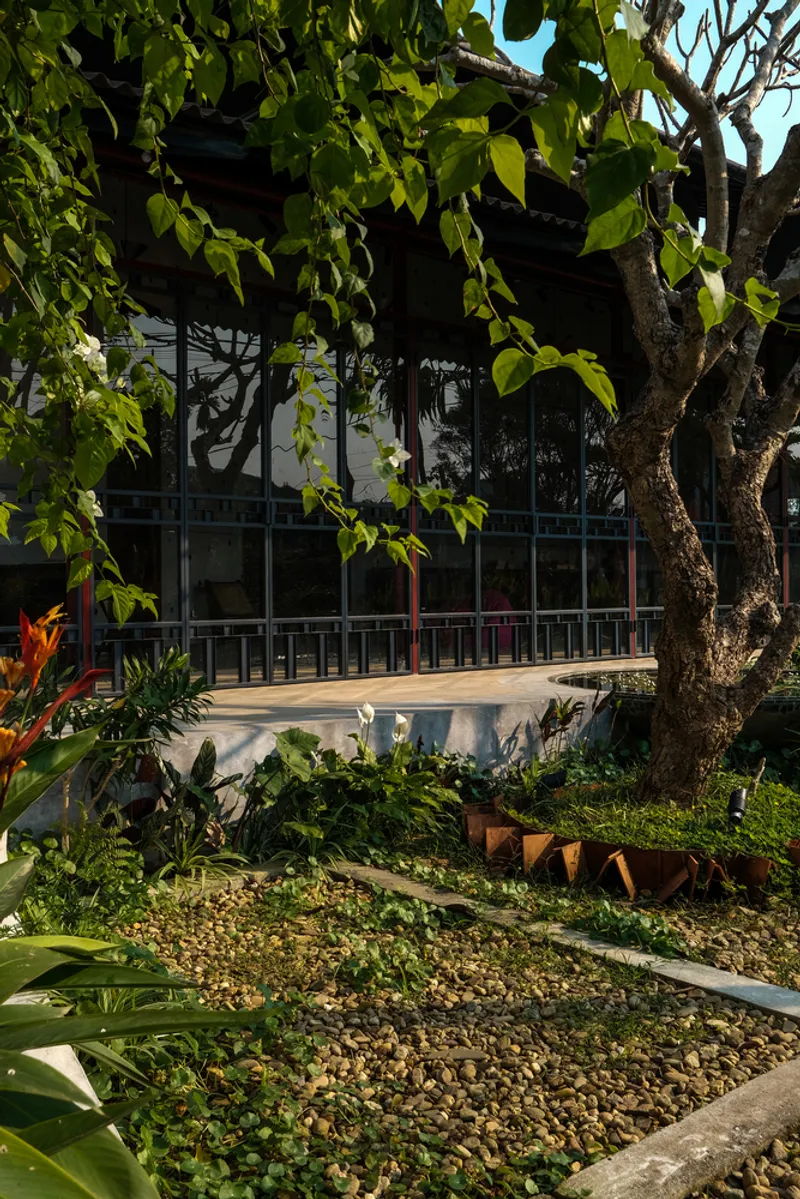
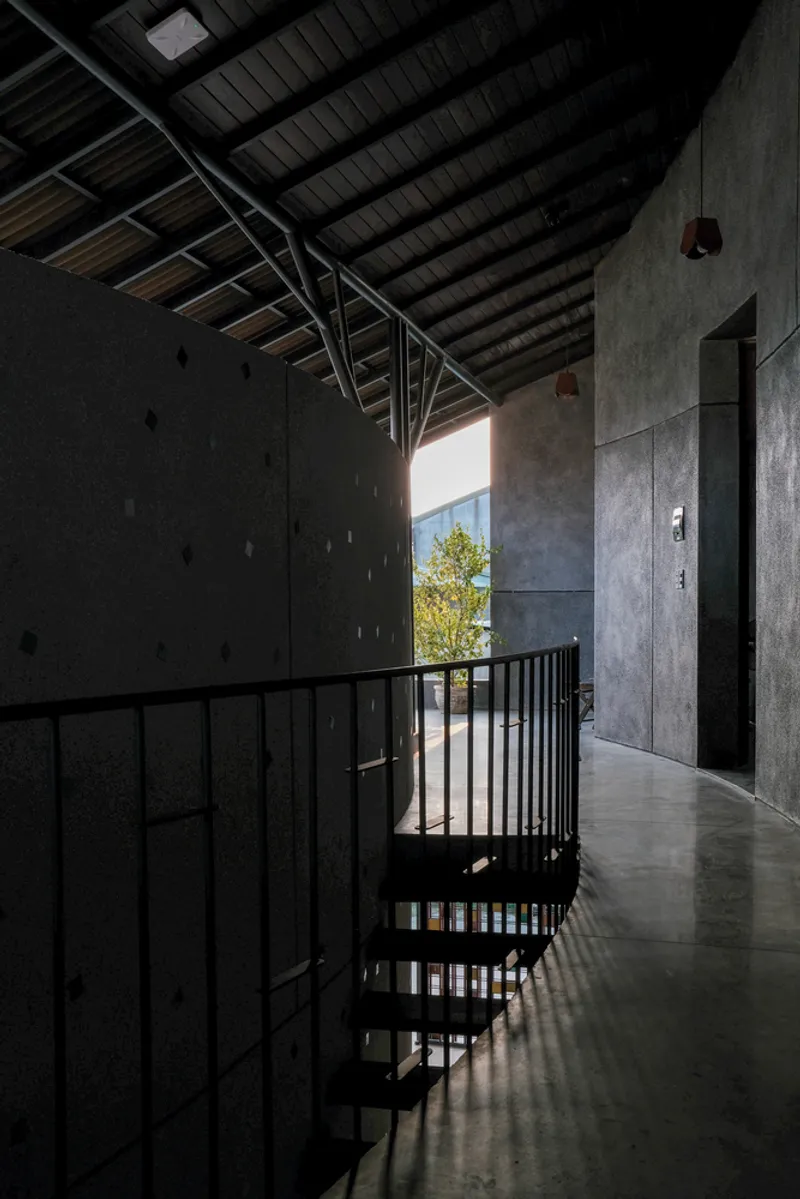
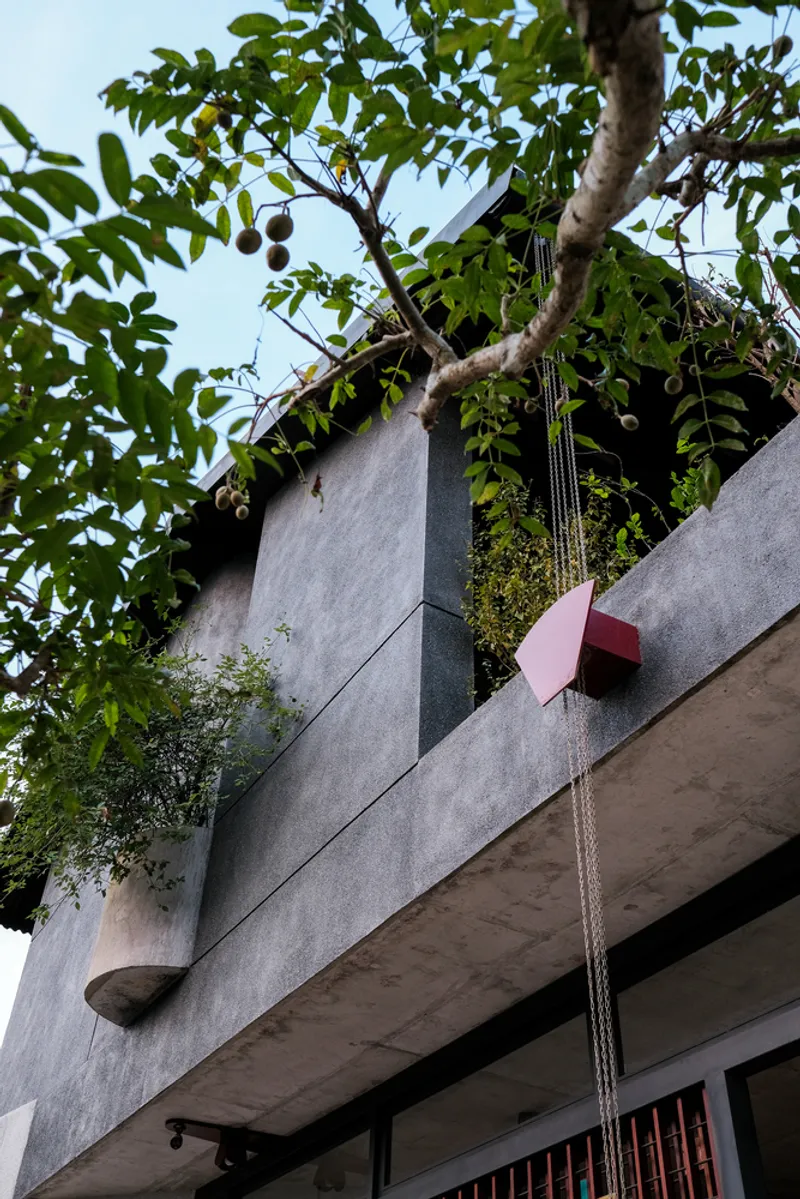
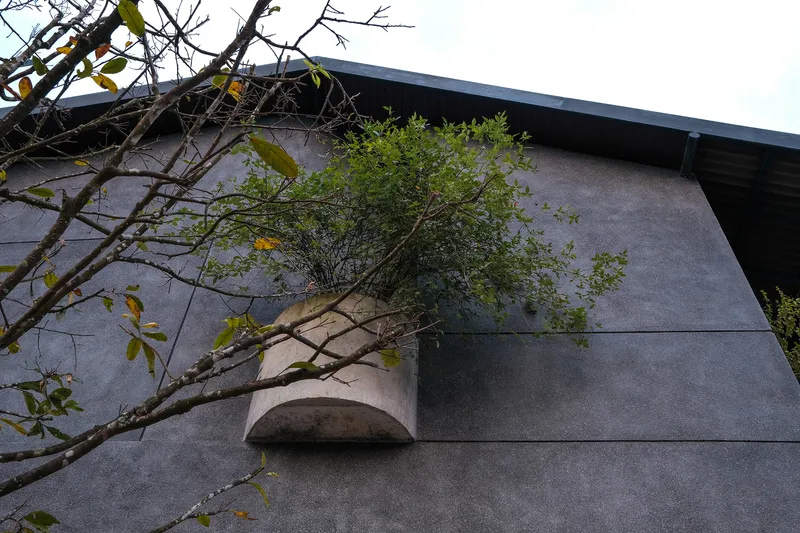
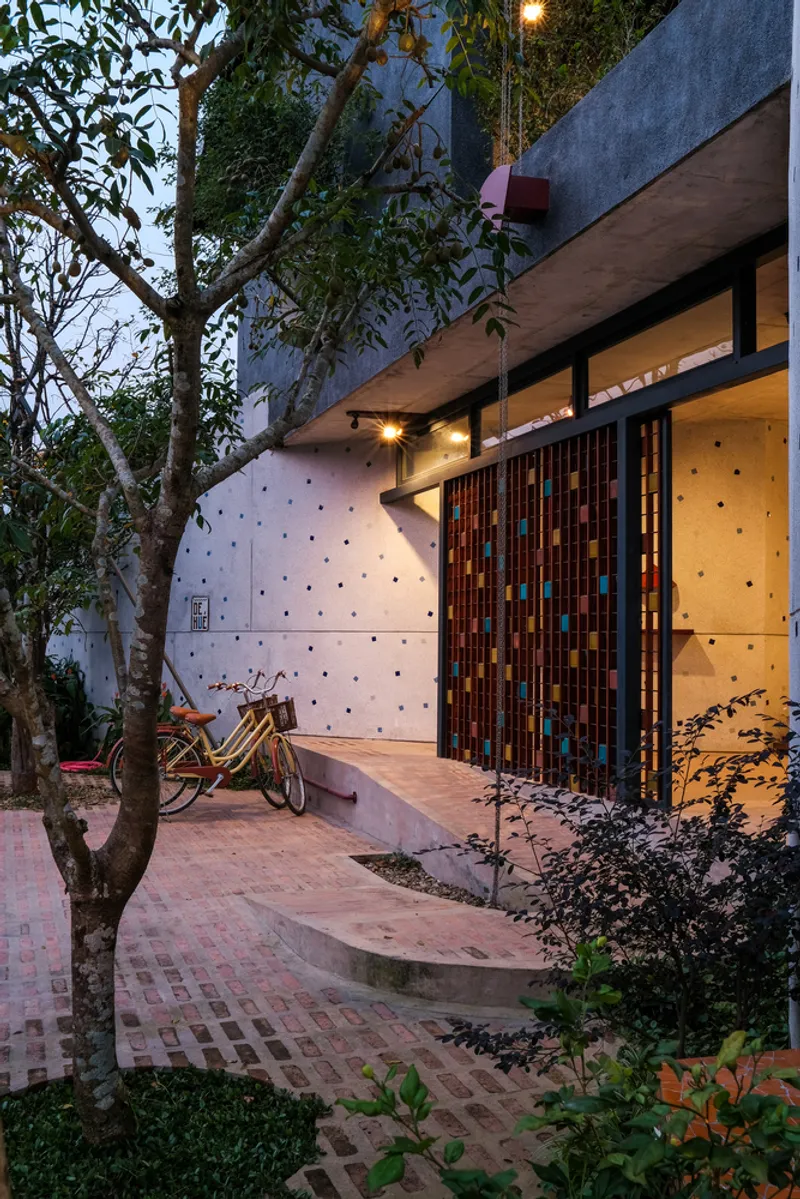
De Hué Space is located in the Thuy Bieu area, known for its traditional Hue garden houses and surrounded by lush Thanh Tra grapefruit gardens. The project leverages its roadside location to showcase the intrinsic beauty and lifestyle of the region, preserving the local facade with a living hedge and a verdant front yard, thus offering a modern interpretation of the classic garden house structure.
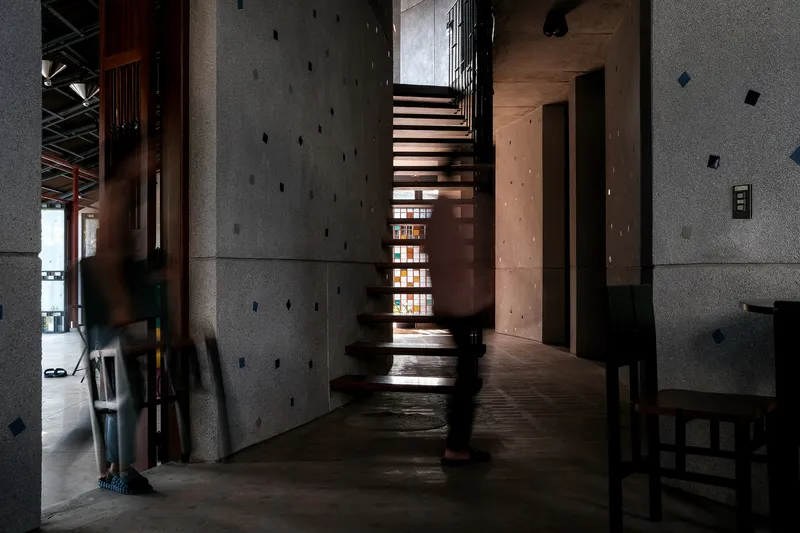
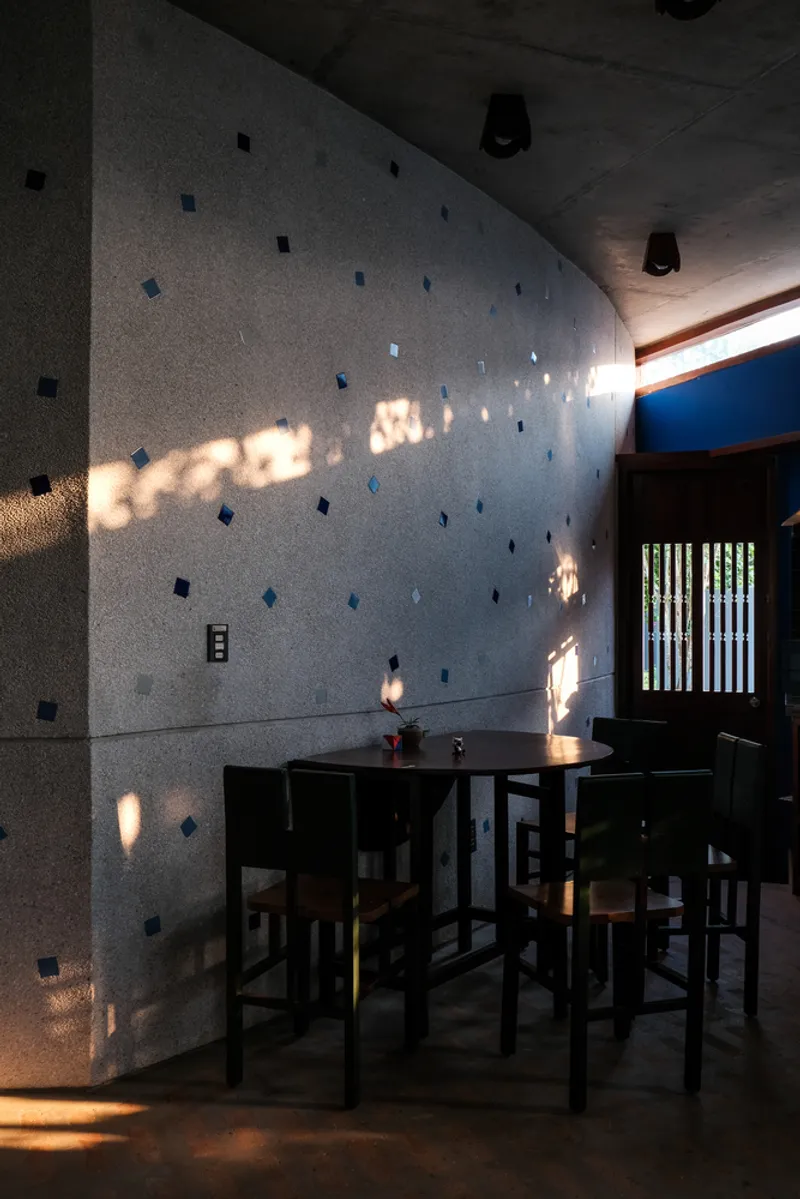
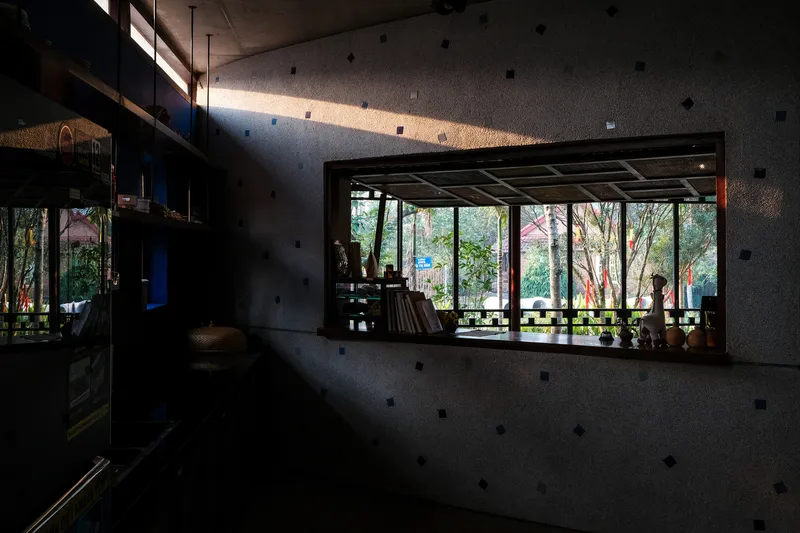
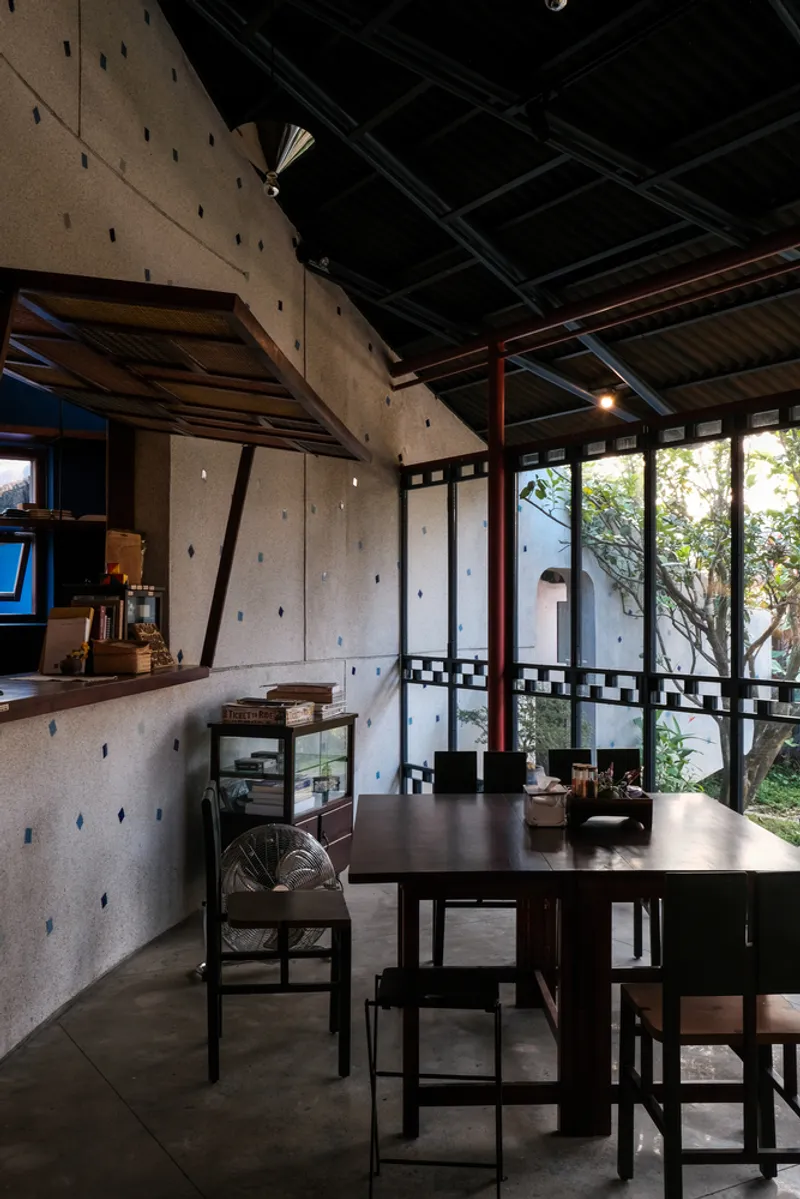
Architectural Layout and Design Features
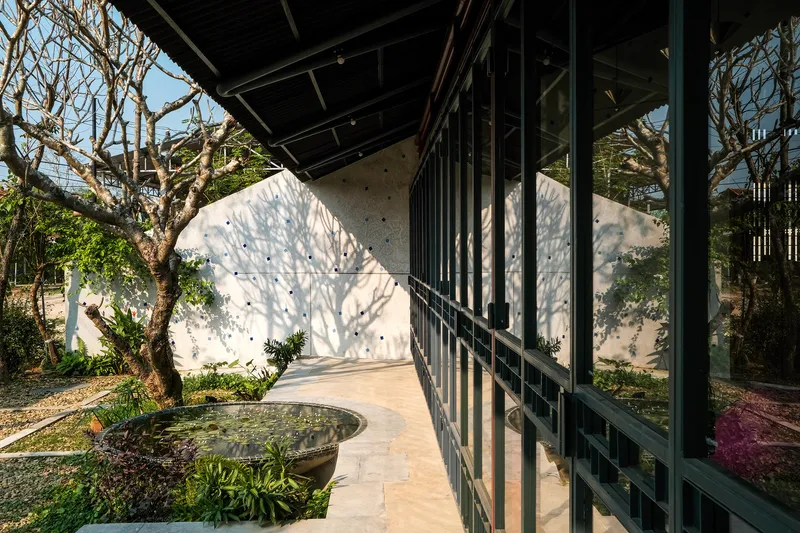
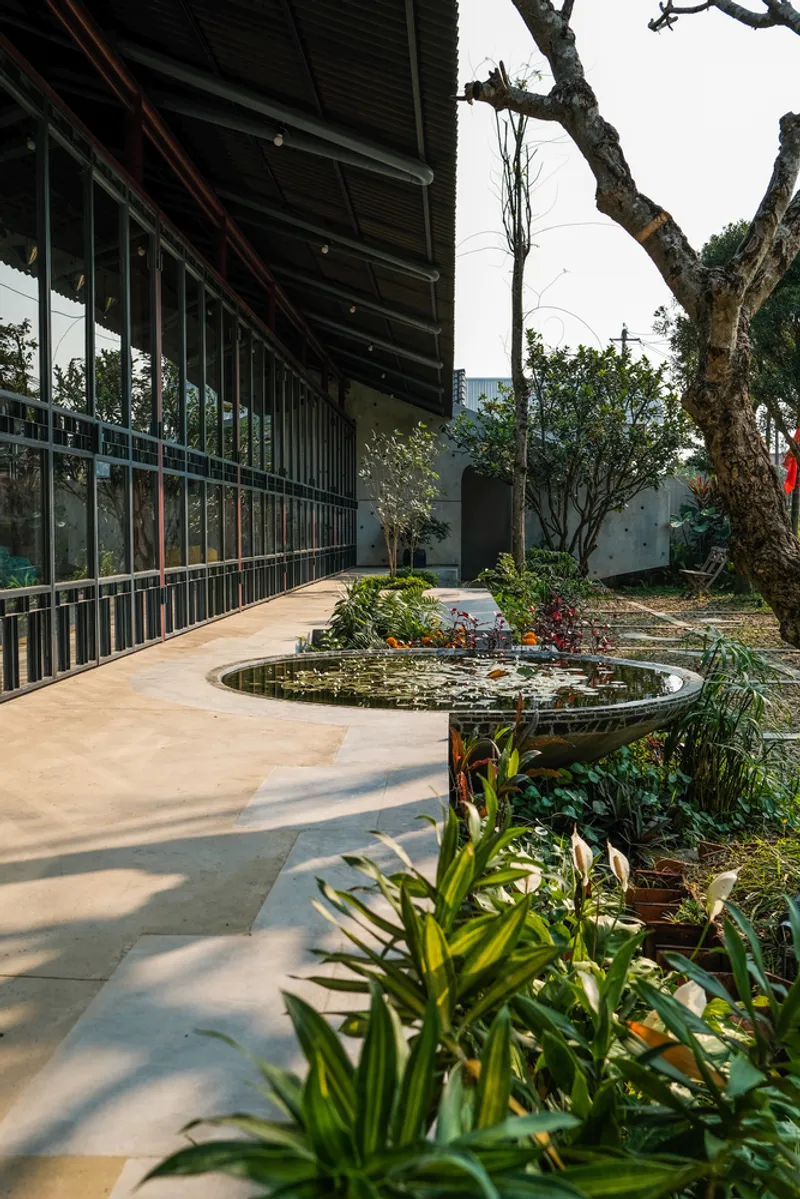
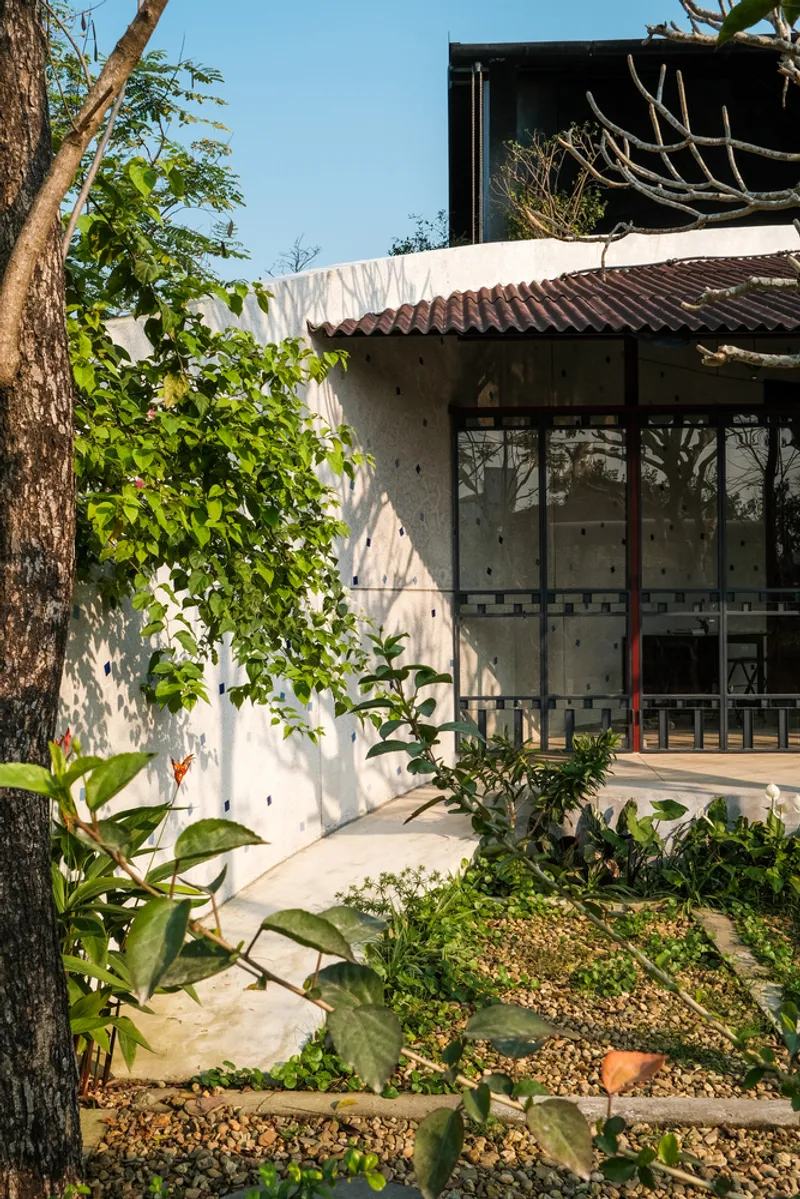
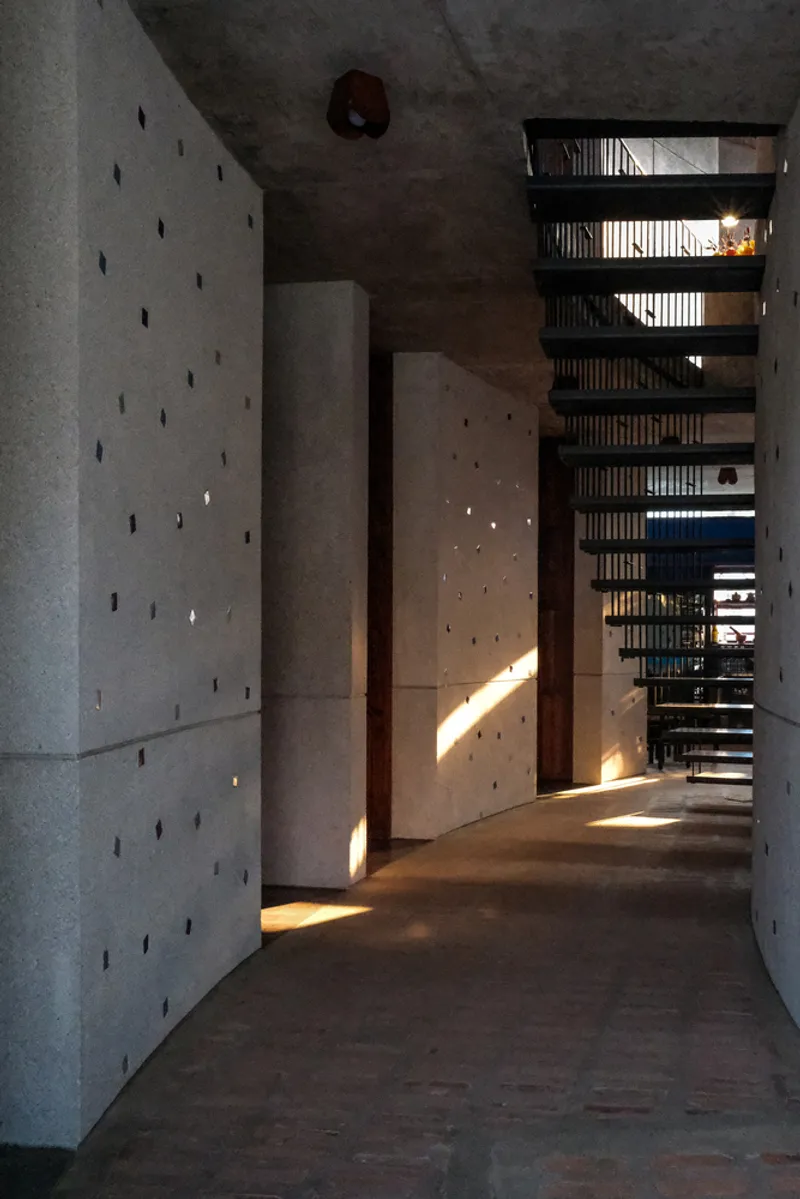
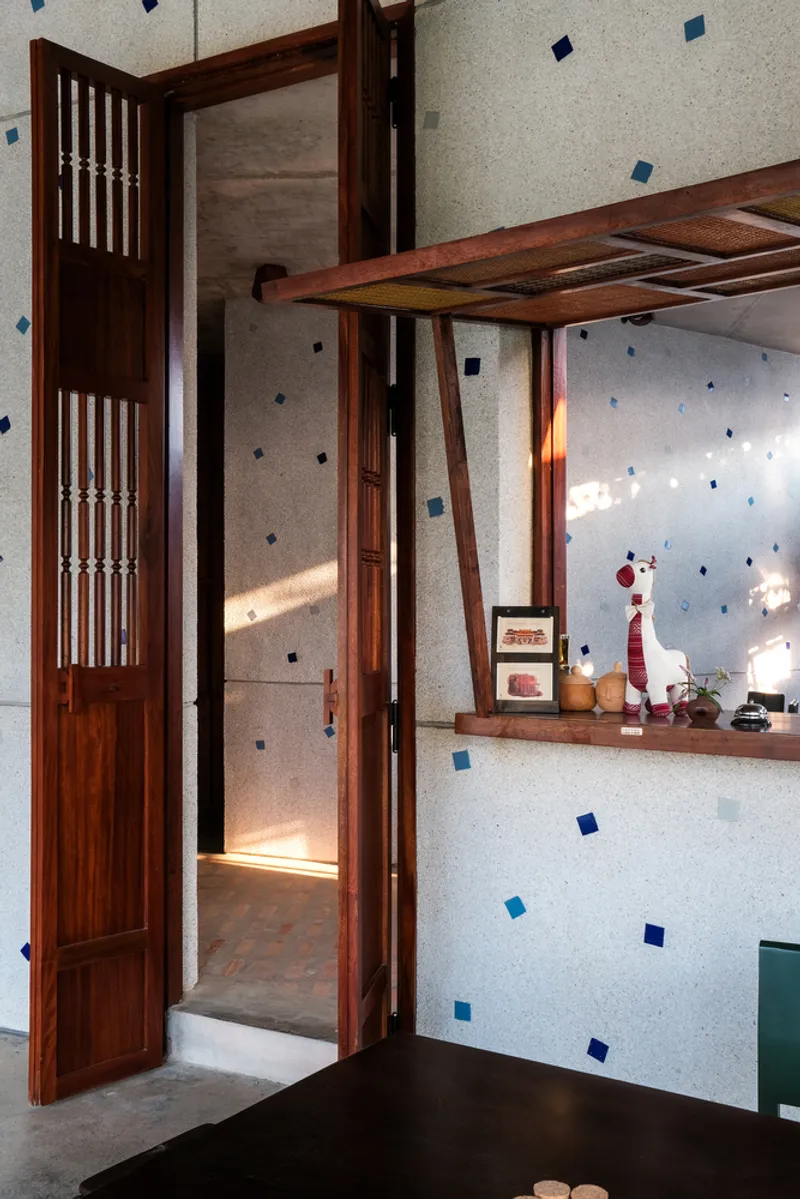
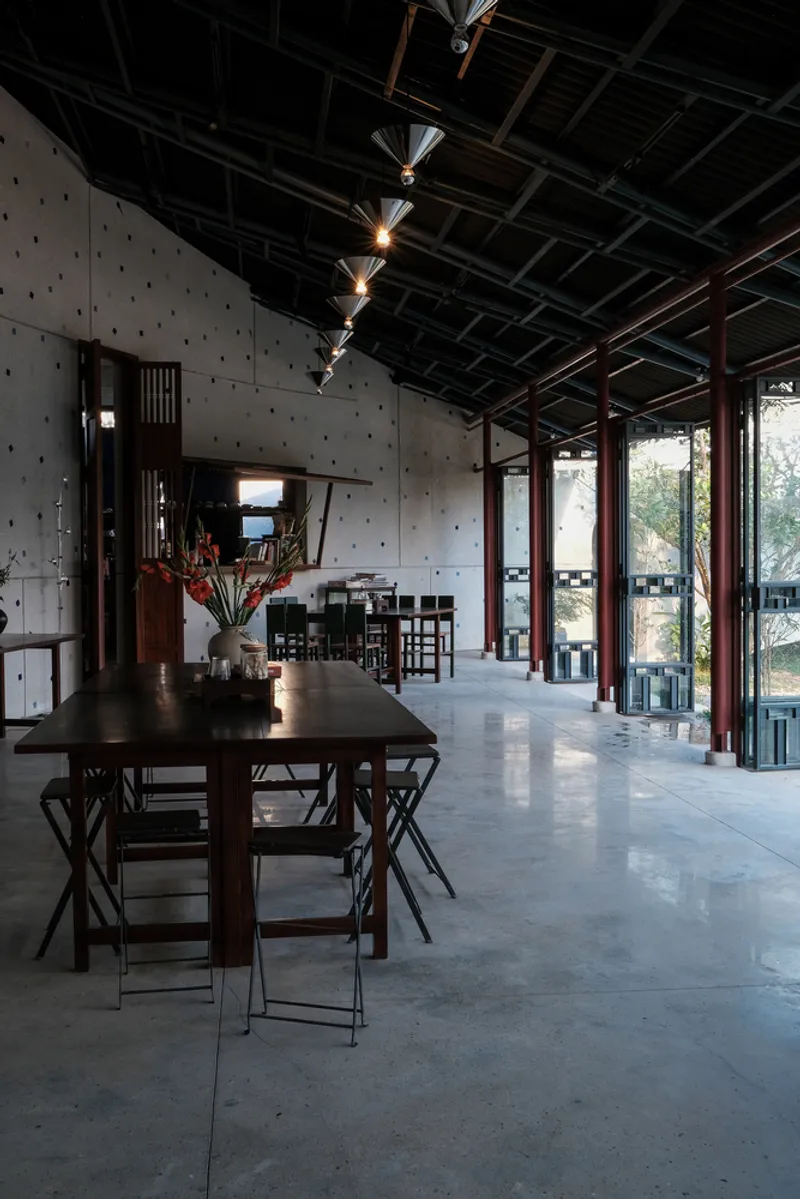
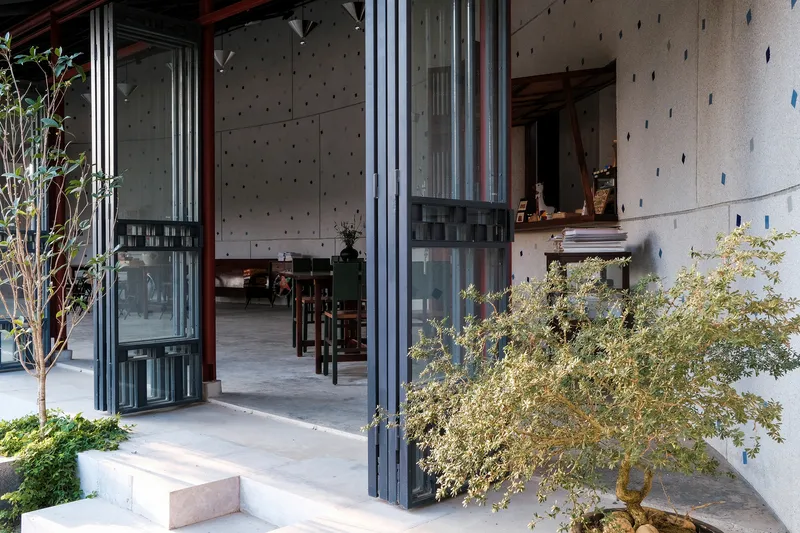
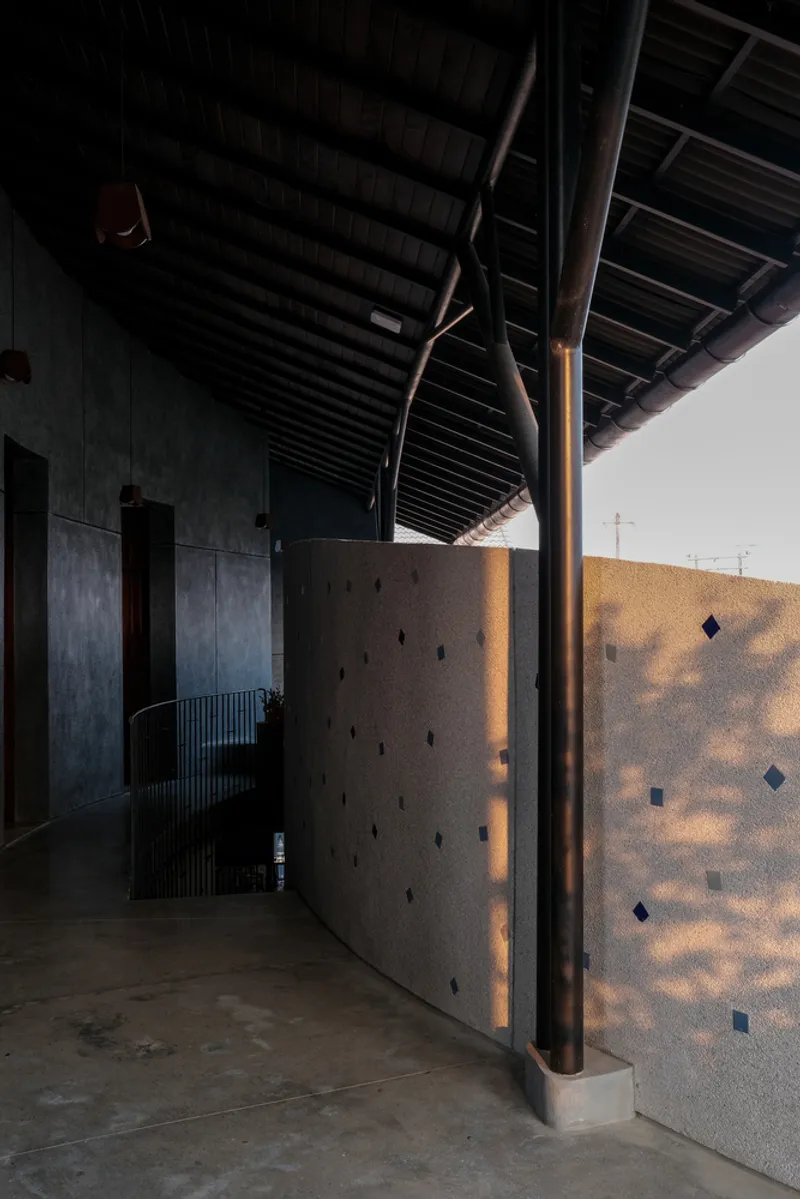
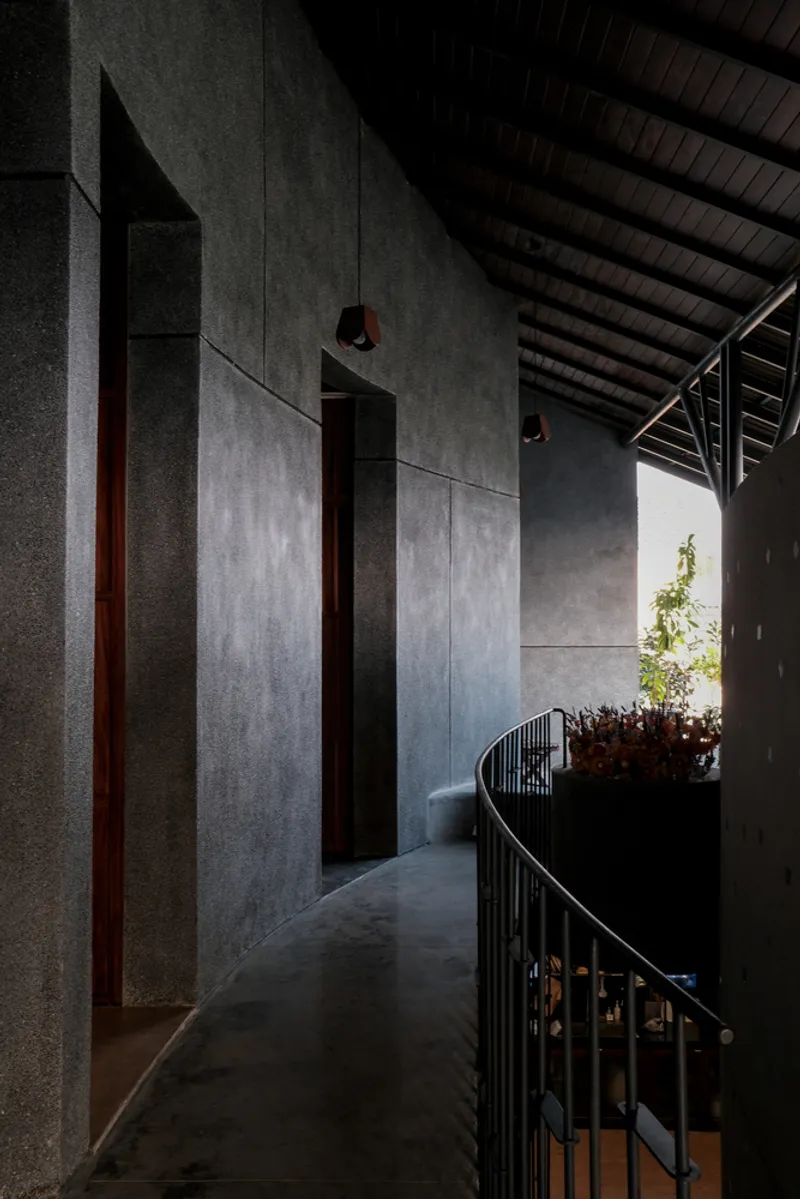
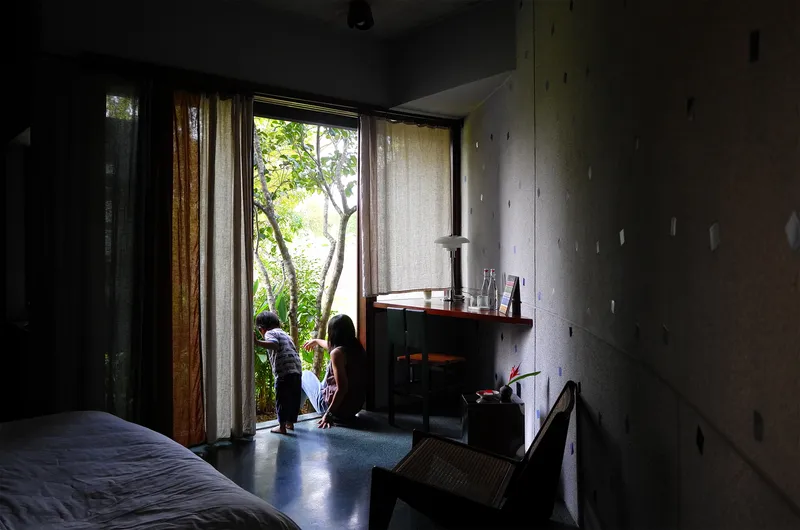
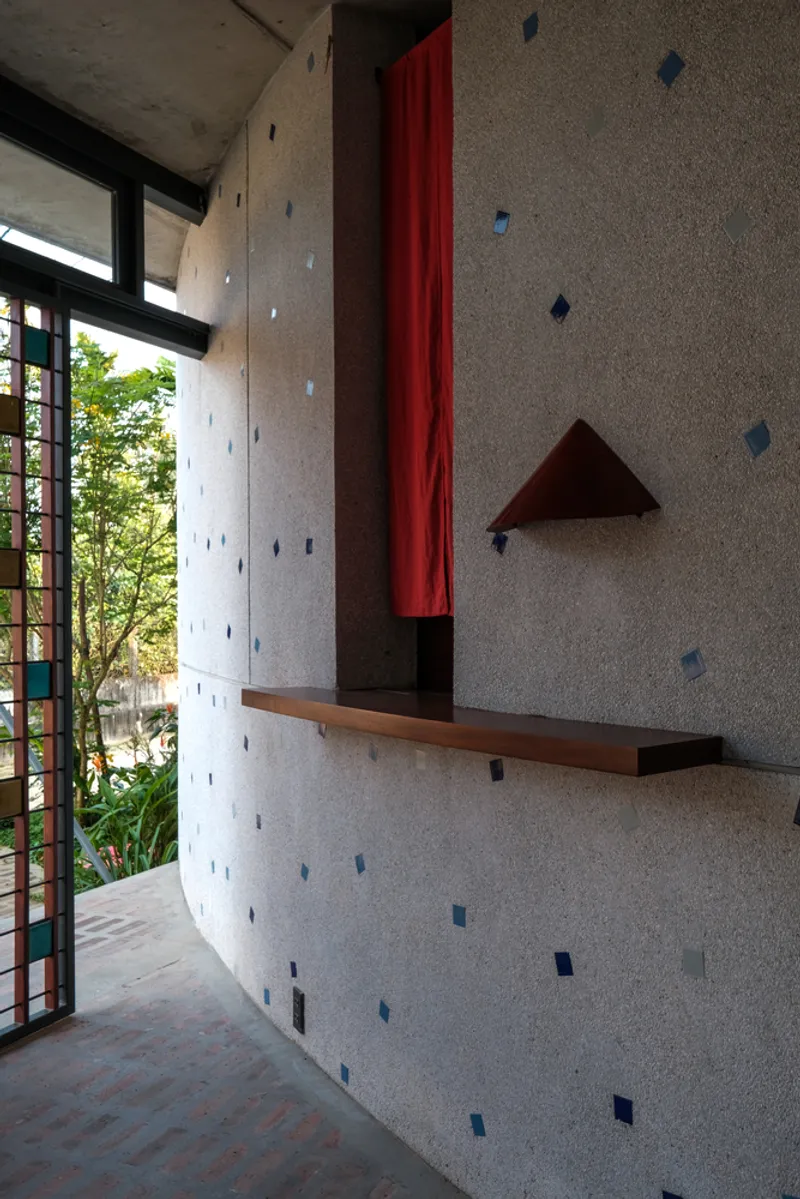
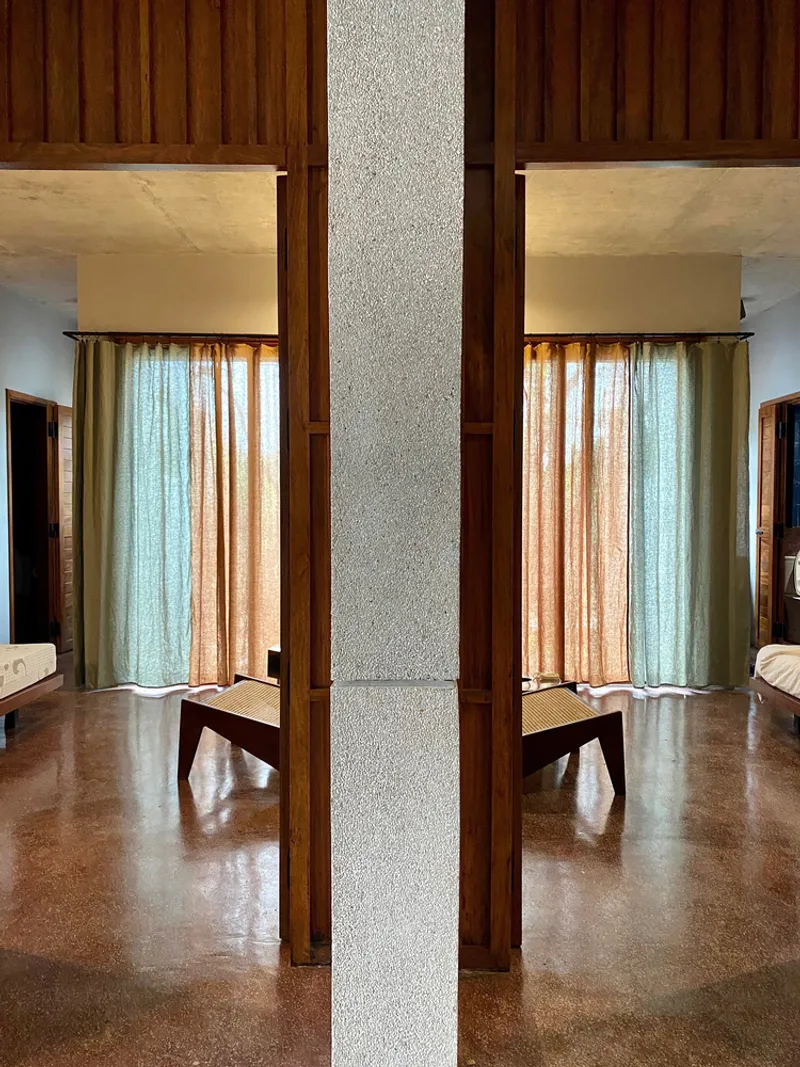
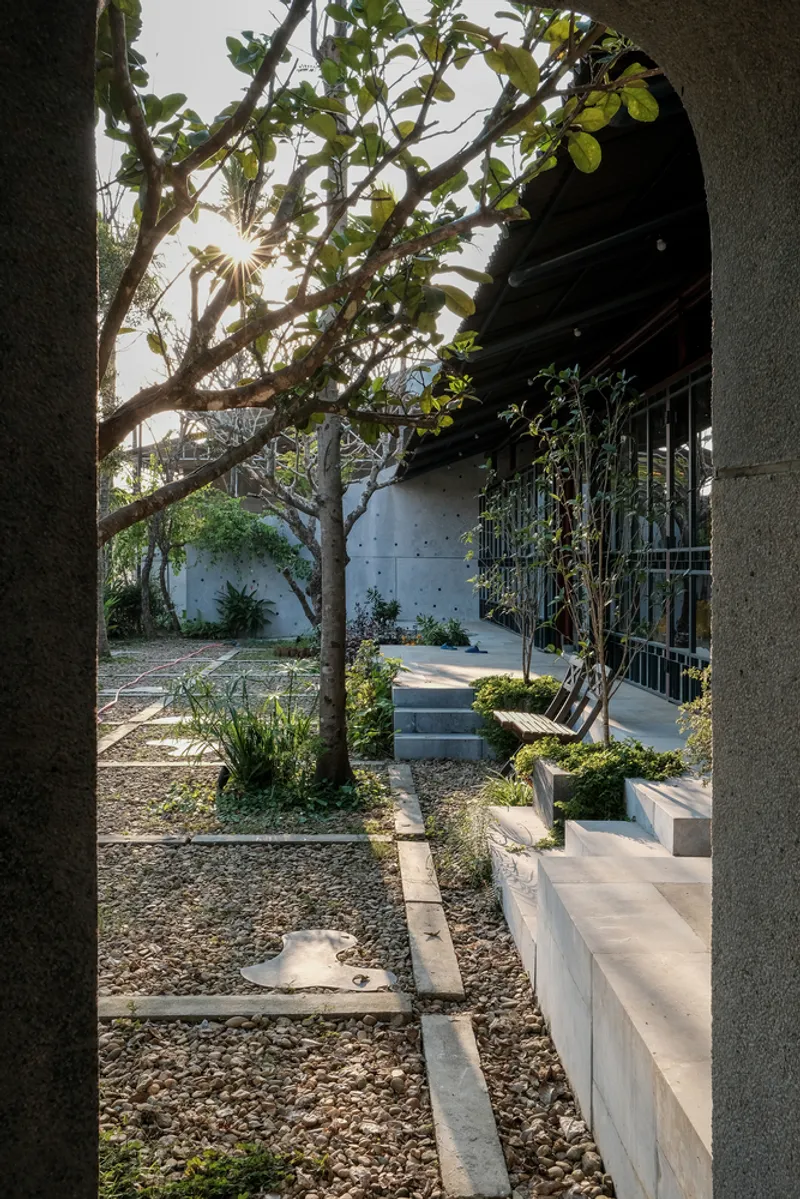
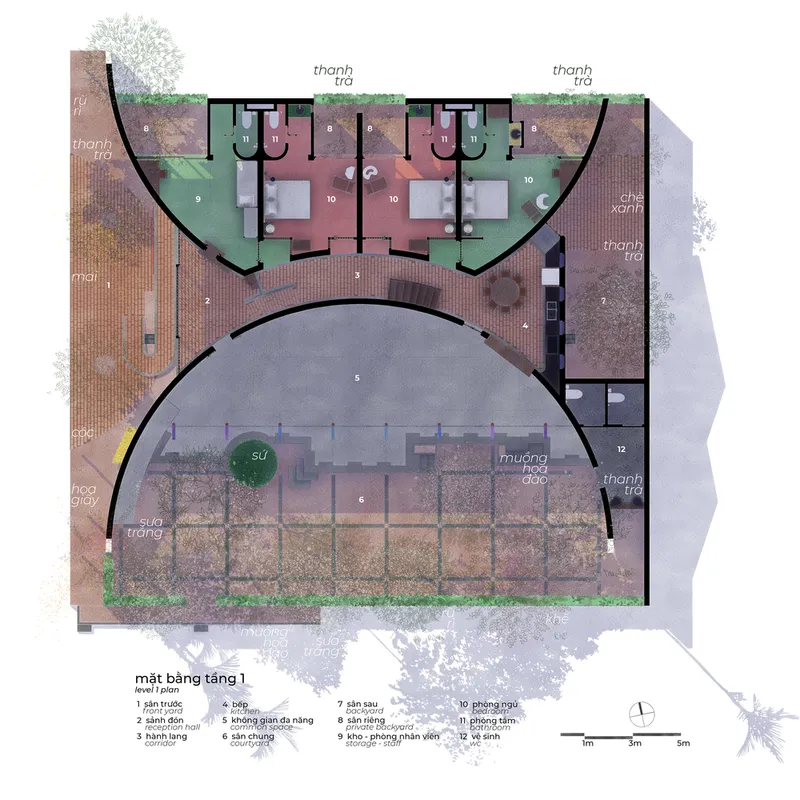
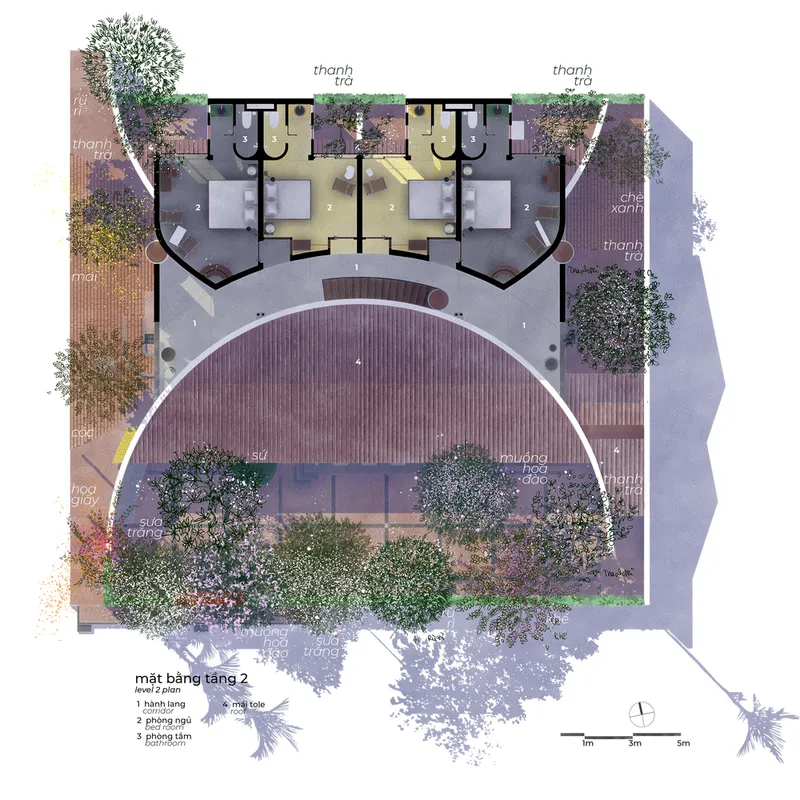
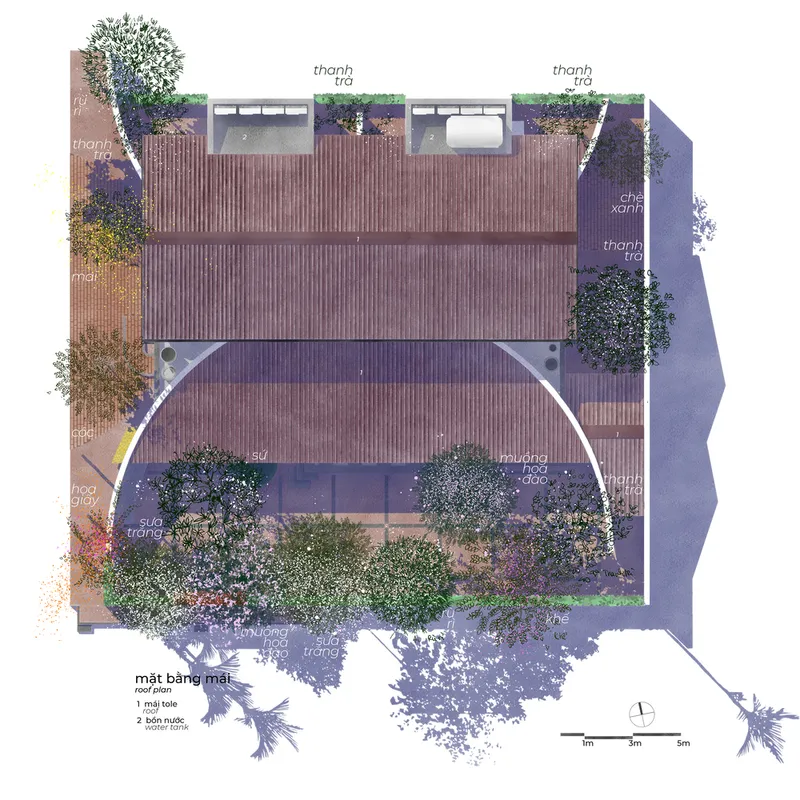
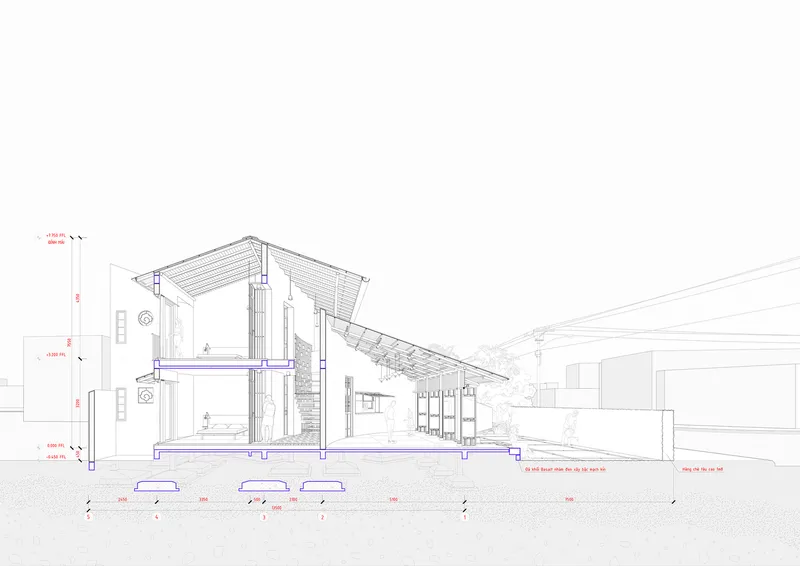
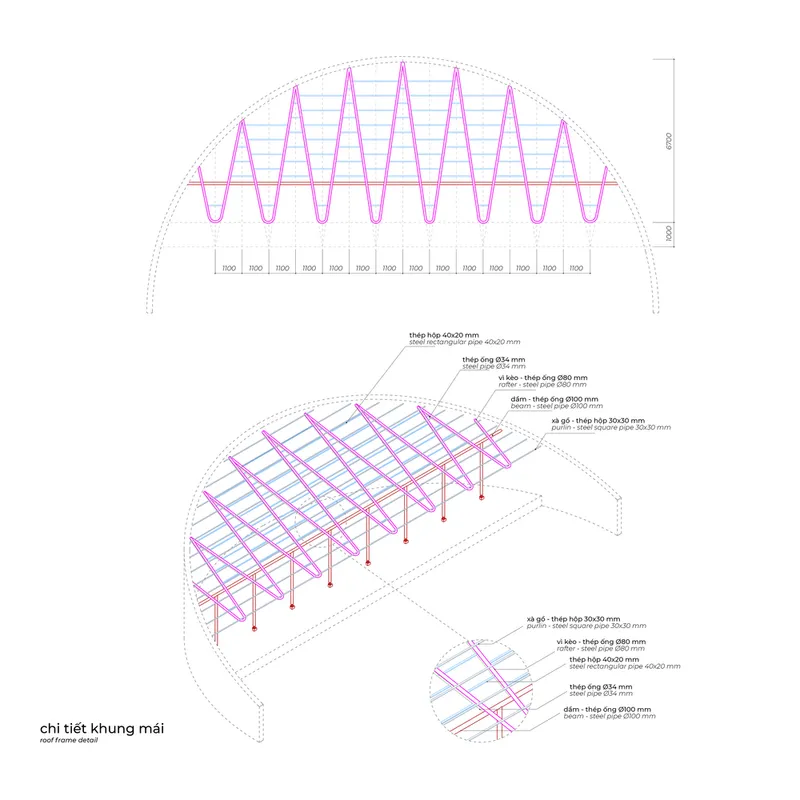
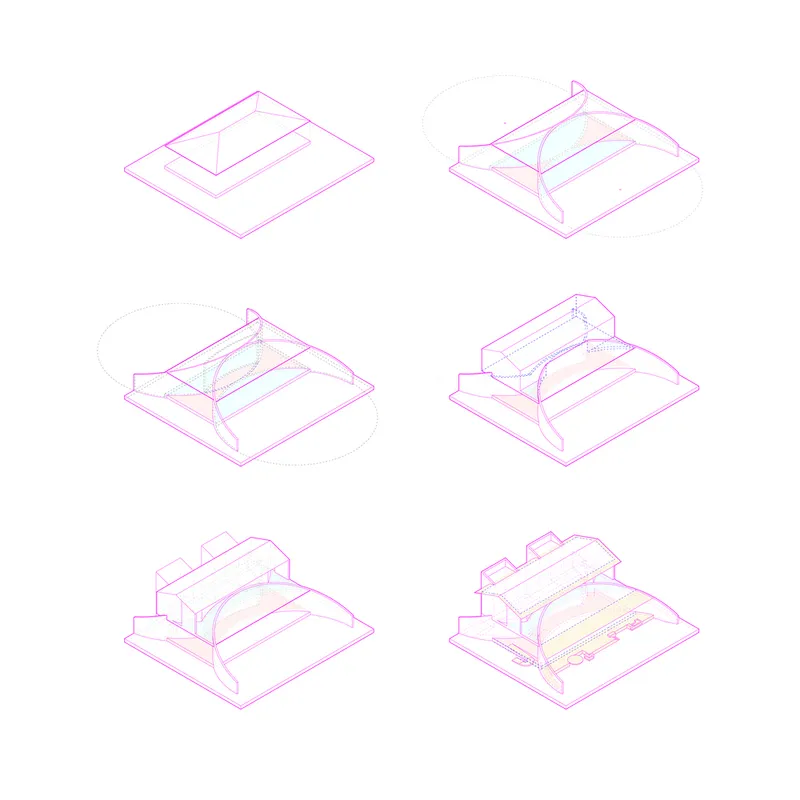
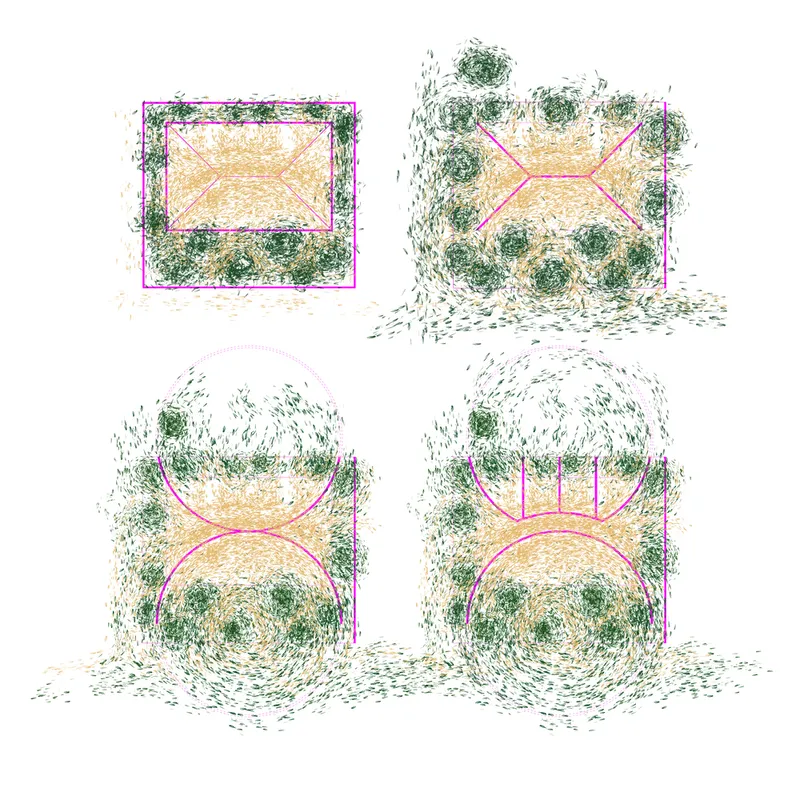
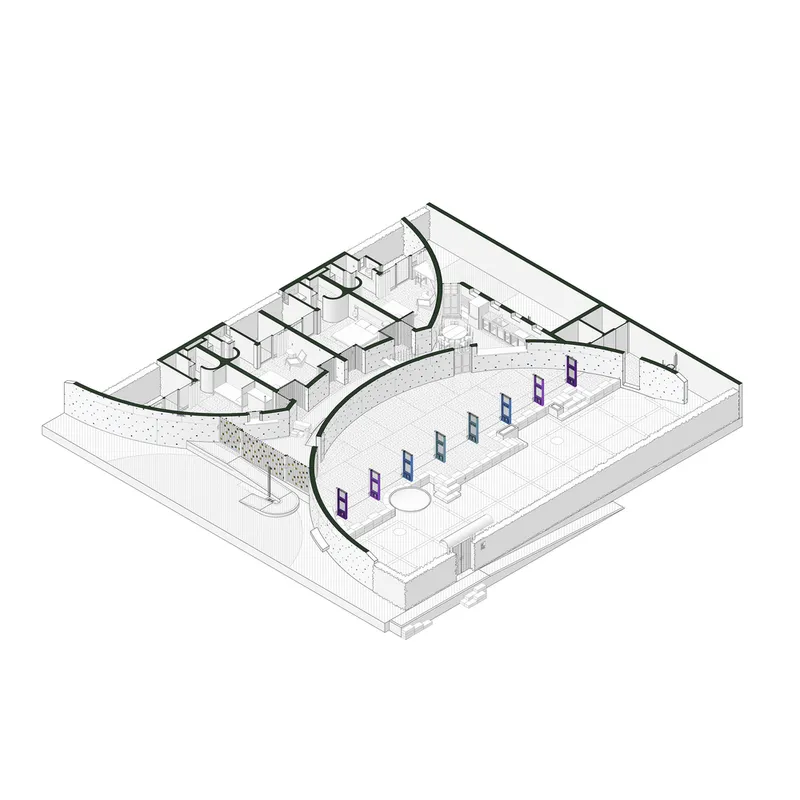
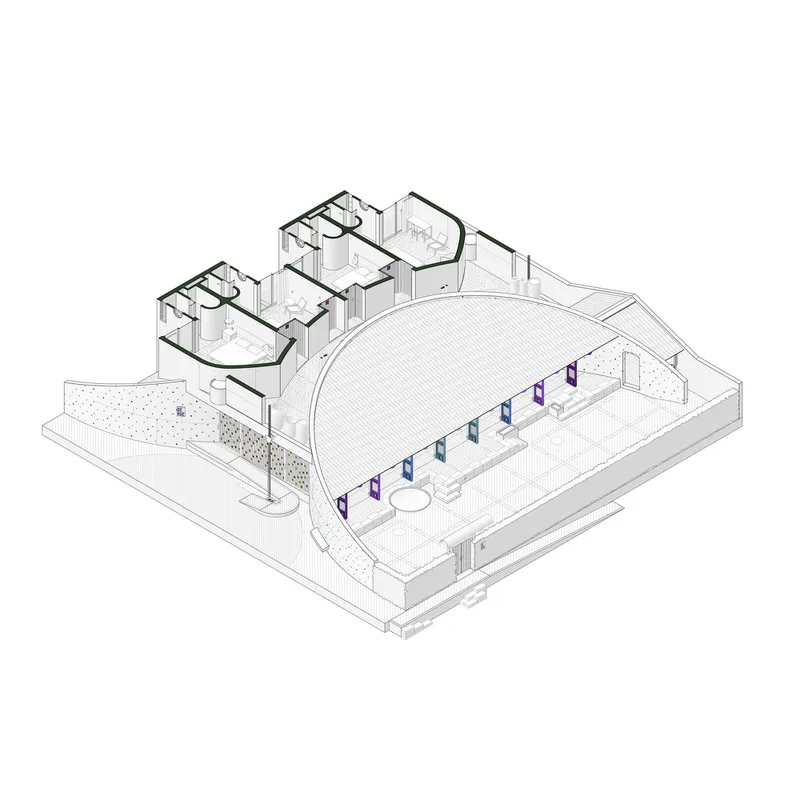
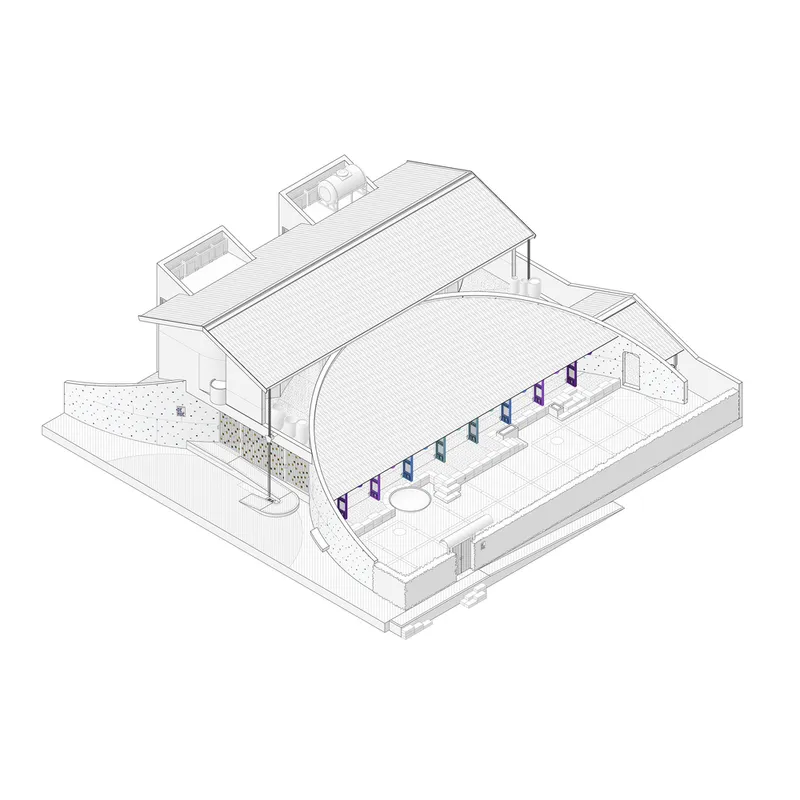
The architectural design of De Hué Space reflects a deep respect for space and nature. The structure comprises two interconnected semicircles, creating a series of courtyards and open spaces that encourage outdoor activities and community engagement. This layout facilitates a seamless blend of indoor and outdoor environments, a hallmark of cultural hospitality architecture.
Key Elements of De Hué Space
Integration with Nature
De Hué Space emphasizes openness and integration with its natural surroundings. The design includes four courtyards, maximizing green space and promoting a tranquil environment. This approach allows guests to experience the beauty of Hue's landscape directly from their accommodations.
Cultural Touchpoints and Local Craftsmanship
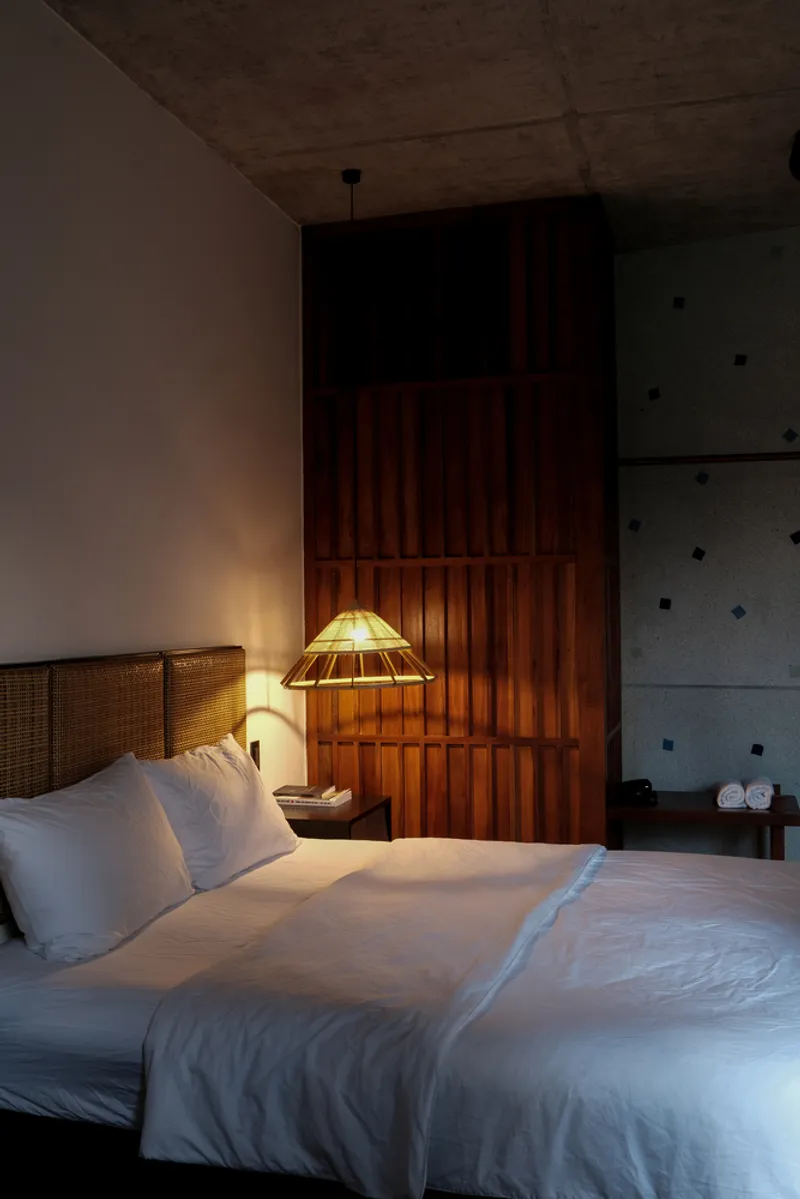
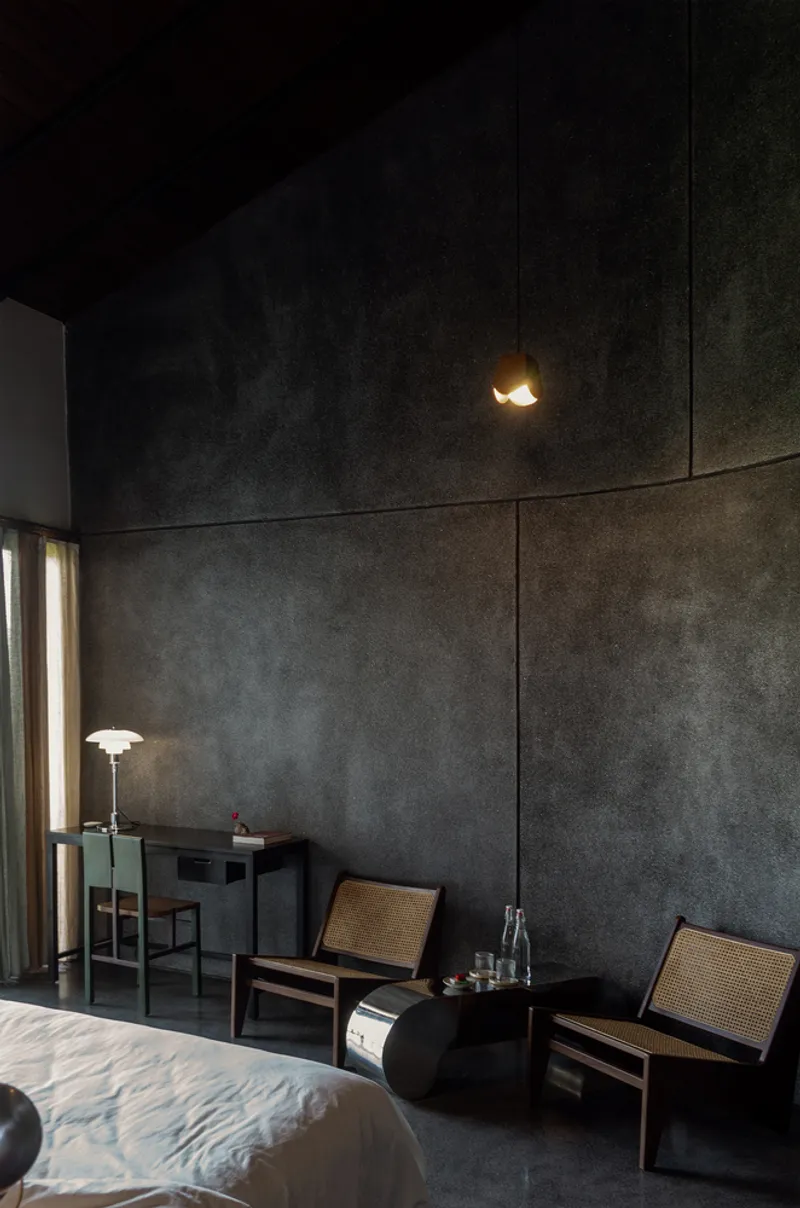
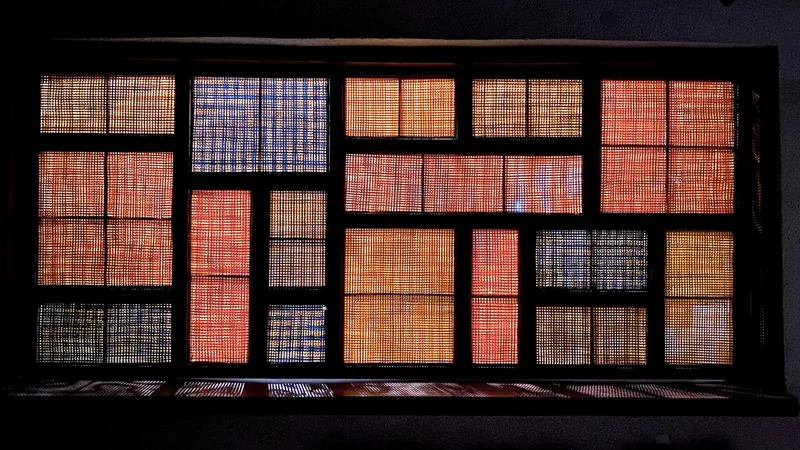
In keeping with the principles of cultural hospitality architecture, De Hué Space incorporates elements of local art and craftsmanship into its design. From room nameplates crafted from Hue-painted enamel to furniture and decorations inspired by local traditions, each detail offers guests an immersive cultural experience.
Sustainable Practices and Community Involvement
Sustainability and community involvement are central to the project's ethos. By employing materials and crafts from the local area, De Hué Space not only supports the local economy but also ensures the conservation of traditional techniques and materials.
The Future of Cultural Hospitality Architecture
De Hué Space by Studio Voi represents a forward-thinking approach to cultural hospitality architecture. By thoughtfully integrating local culture, sustainable practices, and modern design, this project sets a new benchmark for hospitality spaces worldwide. It stands as a testament to the power of architecture in bridging the gap between tradition and modernity, offering a blueprint for future projects in the field.



Popular Articles
Popular articles from the community


The Earth Pod: 3D Printed Homes for Resilient Refugee Communities
The Earth Pod reimagines refugee housing through 3D printed homes made from clay, combining resilience, self-sufficiency, and rapid shelter.

Riyadh For All: Intergenerational Urban Design for Active Aging in Rabat
Riyadh For All reimagines urban design in Rabat with intergenerational co-living, adaptive courtyards, and Moroccan cultural exchange today.

Hill & Cross Opera: Sculptural Opera House Architecture Shaped by Tallinn’s Landscape and Identity
Hill & Cross Opera reimagines opera house architecture in Tallinn through its sculptural hill, civic plaza, glass wave and a luminous cross.

Co-life: Sustainable Architecture for Age-Friendly Community Living
Co-life reimagines sustainable architecture for seniors through courtyards, rammed earth, shared gardens, and spaces designed for belonging.


Similar Reads
You might also enjoy these articles

Bamboo Housing Challenge 2026: Design Affordable, Sustainable Homes Using Bamboo
An international design competition by Bamboo U and IBUKU inviting architects and designers to reimagine affordable housing using bamboo — with the winning design built full-scale in Bali.

Computational Design & Education: Beegraphy Design Awards Introduces 7th Category (Featuring Jiyun's Innovative Approach)
Dive into Beegraphy’s 7th Design Awards category, where computational design meets education to create immersive, interactive learning tools, inspired by Jiyun’s work.

From Parametric Lighting to Urban Furniture: Join the 2nd Workshop in Beegraphy’s Computational Design Series
Dive into Cutting-Edge Design Techniques and Practical Applications with Industry Experts

Last Call: Unleash Your Architectural Genius in SHAK's Kindergarten Design Competition
Urgent call for architects to join SHAK's kindergarten design competition before the looming deadline


Explore Architecture Competitions
Discover active competitions in this discipline



Challenge to reimagine the Iron Throne


Photograph architecture without architects


Illustrate the lost glory of Angkor Wat - Render Challenge


Design challenge to reuse E-waste
Comments (0)
Please login or sign up to add comments
No comments yet. Be the first to comment!