
EARTH MADE
rammed

The art of building with earth is an ancient one that has stood through the test of time. Archaeological evidence can date entire cities constructed of the earth back over 10,000 years - the City of Bam, Persia, Babylon, Yemen, and the great wall of china are the few examples.
Modern fashion of the 20th century created a break in the millennia-old developments – with earth being exploited and polluted with processed materials. Although earthen construction has been widely used for centuries, it has been subjected to criticism due to a series of misconceptions. It has been associated with the limited technique, last resort when no other building material is available and particularly vulnerable to seismic events. On the contrary, history has proved that earthen architecture has been adopted by choice.
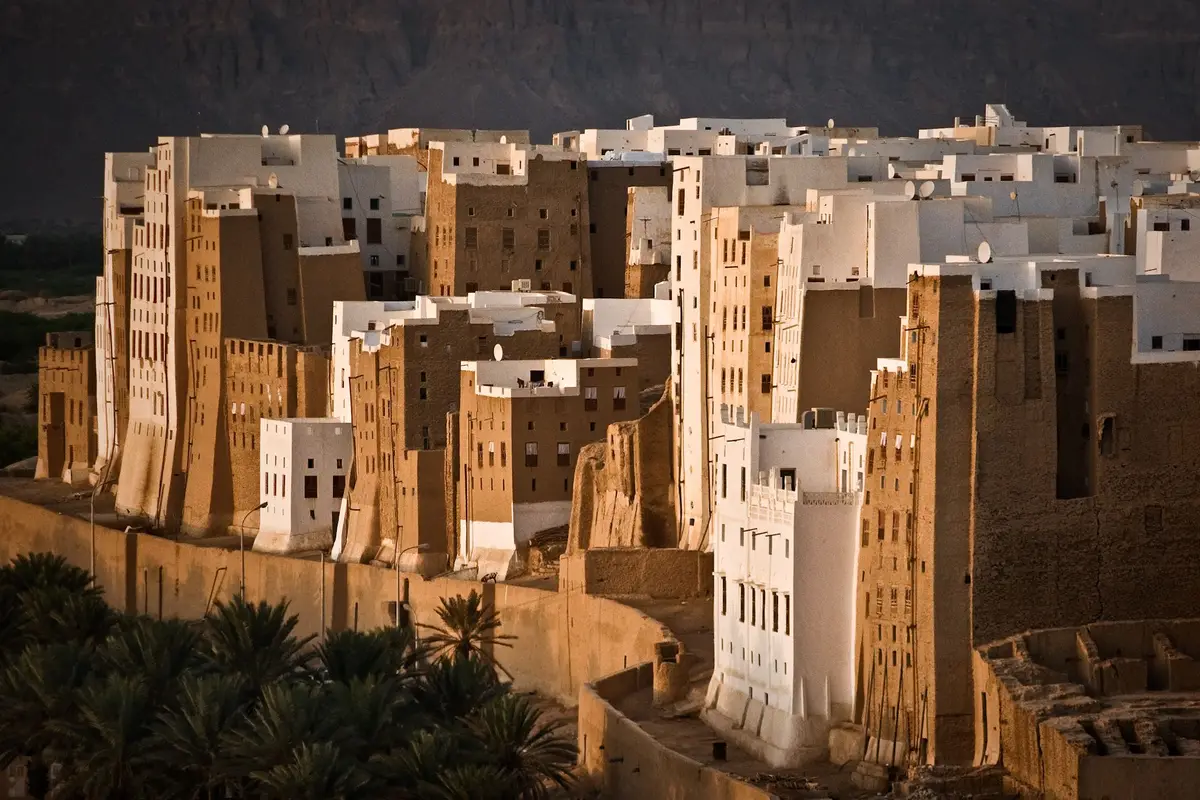
Another major roadblock for practicing earth architecture is the misbelief that houses made of earth can attain a maximum height of 1-2 stories. The lack of possible vertical planning leads to overexploitation of land as a resource. However, Shibam, a city in Yemen debunks the above belief by building mud towers (100ft) built in the 16th century.
If humankind could attain this with limited technology and knowledge, why can’t we build it better today?
Despite the fact that mud has proven to be beneficial in various aspects, why is it that it’s not used more often? Is it the problem of the mud itself or is this merely a problem of the modern mind?

Popular Articles
Popular articles from the community


Play: Fragments of Their World
Familiar architecture becomes modular playground design, creating safe spaces where displaced children can learn, connect, imagine and play.

Little Red Riding Hood: Architectural Design as a Journey Through Fear, Light, and Storytelling
Little Red Riding Hood reimagines the fairy tale through architectural design shaped by fear, light, scale, memory, uncertainty, and choice.

ALGAL REALM: A Bio-Integrated Lunar Habitat Design for Life Beyond Earth
ALGAL REALM reimagines lunar habitat design with algae-powered life support, 3D-printed regolith, and vertical living for a lunar future.

Co-Life: Senior Housing Design That Reconnects Older Adults With the City
Co-Life reimagines senior housing design through healing gardens, shared streets, workshops, and a sustainable community across generations.

Similar Reads
You might also enjoy these articles

Day and Night Park: A Time-Based Urban Newsstand in Beijing
A temporary urban newsstand in Beijing blending travel, light, and reading through poetic colors, compact form, and community-focused design.

Modernist Patio Renovation in El Masnou, Barcelona by Oliver Segura Arquitectura + Cebrià Arquitectura
Modernist patio renovation blending tradition and innovation with a movable pool, leveled floors, and Catalan materials in El Masnou.

Alto Residencial Coop: Cooperative Housing Development in Santiago de Compostela by Carbajo Barrios Arquitectos
A linear cooperative housing complex blending white volumes and perforated metal façades, enhancing community living, natural light, privacy, and urban integration.

Vil Genis School by BPA ARCHITECTURE – Massy, France
Vil Genis School in Massy, France, features sustainable design, south-facing classrooms, community integration, accessible spaces, and modern educational architecture.

Comments (0)
Please login or sign up to add comments
No comments yet. Be the first to comment!