

Embracing the Future of Education: Innovative School Design at Chonggu Experimental School
Explore Chonggu Experimental School, a beacon of innovative school design, blending flexible learning environments with sustainable architectural practices in China.


Chonggu Experimental School, masterfully crafted by BAU Brearley Architects + Urbanists, represents a cutting-edge development in innovative school design. Located in Qing Pu Qu, China, this educational facility is redefining how architectural spaces can foster learning and adapt to future educational needs.

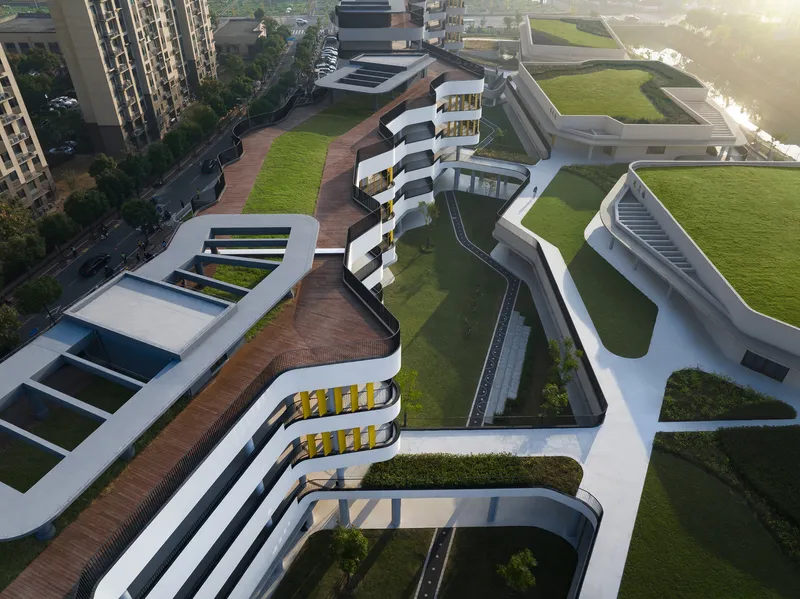
Architectural Vision and Educational Philosophy
Transforming Pedagogical Spaces
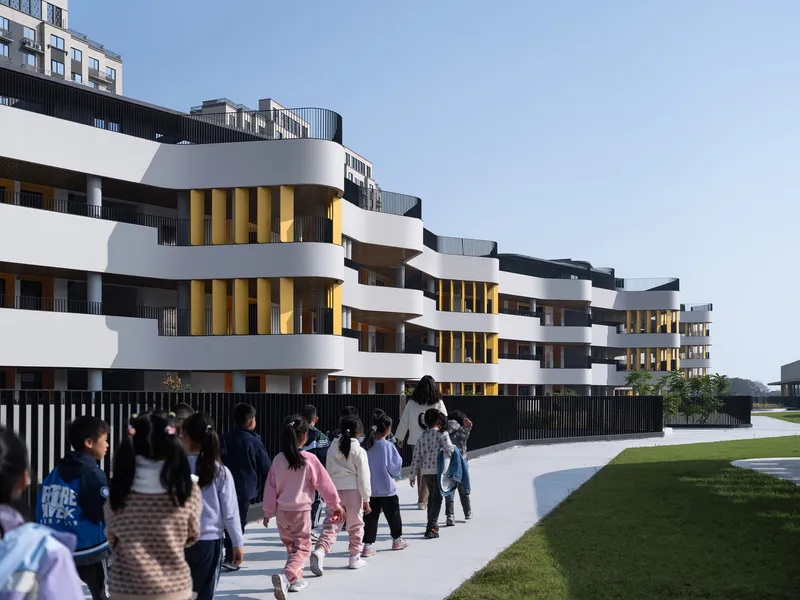
Chonggu Experimental School challenges traditional educational models by advocating for student-centered, inquiry-based learning environments. The architectural design supports this shift by creating spaces that encourage interactive, flexible teaching methods. This is embodied in the building's adaptable structures, where walls between classrooms can be modified to facilitate team-teaching and multi-disciplinary learning.


Designing for Interaction and Engagement
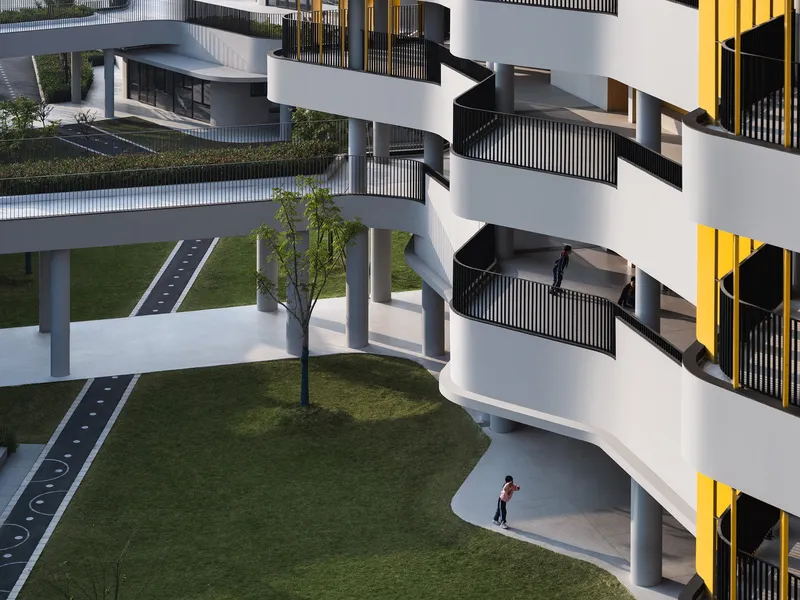
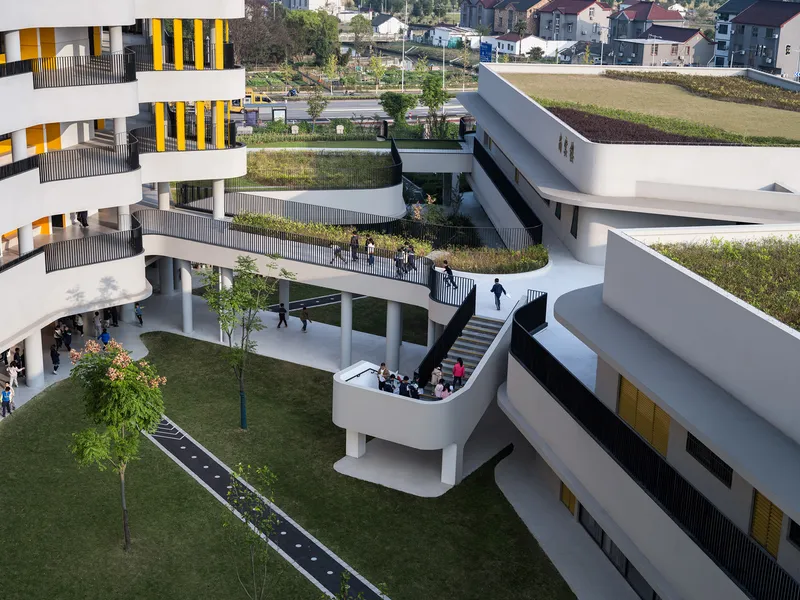
The school’s layout promotes a seamless flow between indoor and outdoor spaces, enhancing both learning and social interaction. Key architectural features include expansive corridors that double as communal learning areas, and specialized classrooms designed to support STEAM (Science, Technology, Engineering, Arts, and Mathematics) education, emphasizing collaborative and project-based learning.
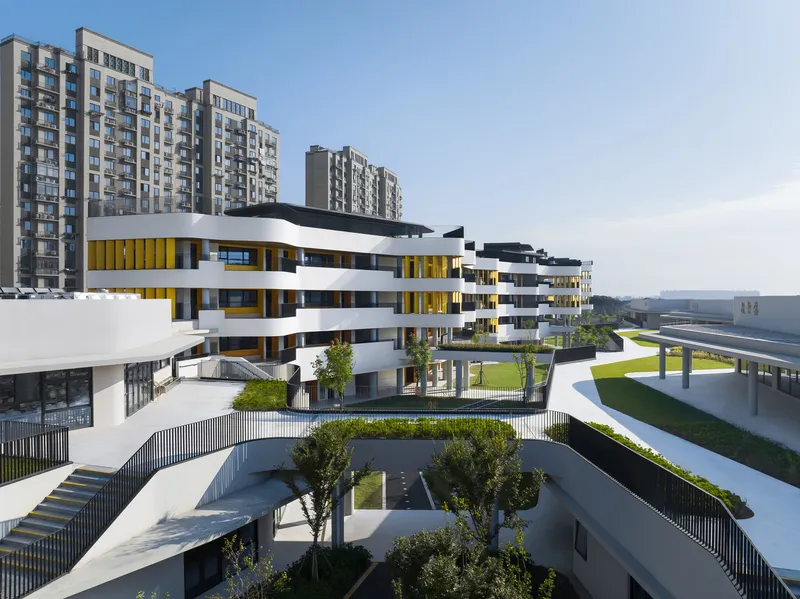

Sustainable Features and Environmental Integration
Eco-friendly Building Practices
Chonggu Experimental School is committed to sustainability, incorporating passive solar control to minimize energy consumption and enhance student comfort. The use of prefabricated components in construction not only speeds up the building process but also reduces waste and environmental impact. The integration of green roofs and vegetated areas throughout the campus supports biodiversity and helps mitigate the urban heat island effect.


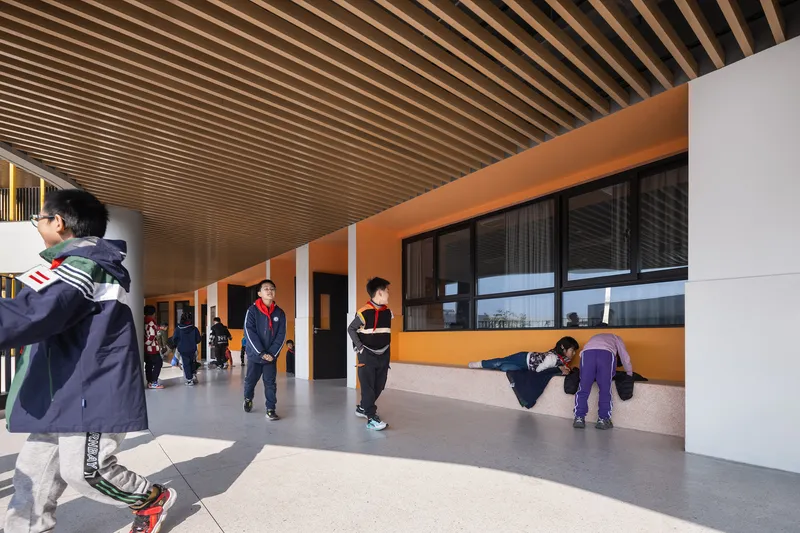
Adapting to Climate and Community
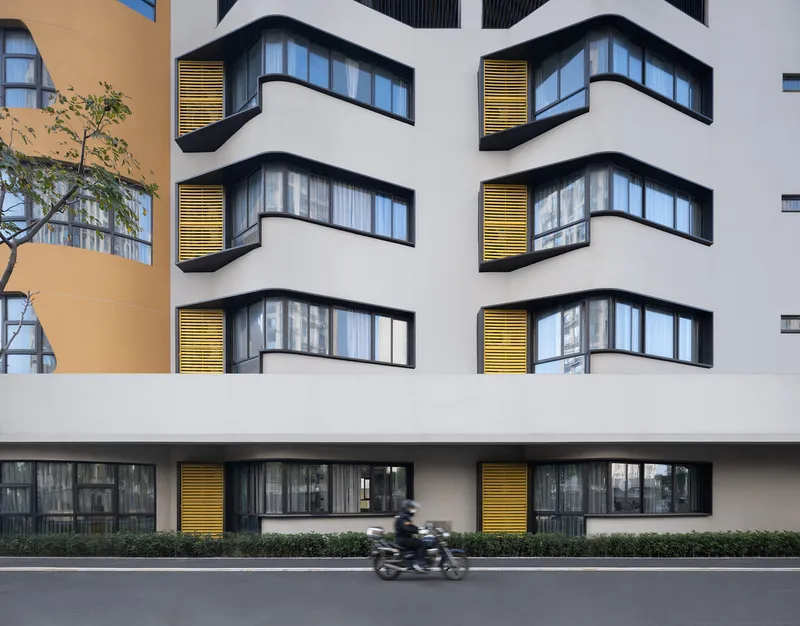
The design considers the local climate, implementing architectural strategies to cope with Qingpu’s hot summers. Features like eaves and fins reduce solar heat gain, while the extensive use of vegetation provides natural cooling. These elements ensure that the school remains an inviting and comfortable place for education throughout the year.
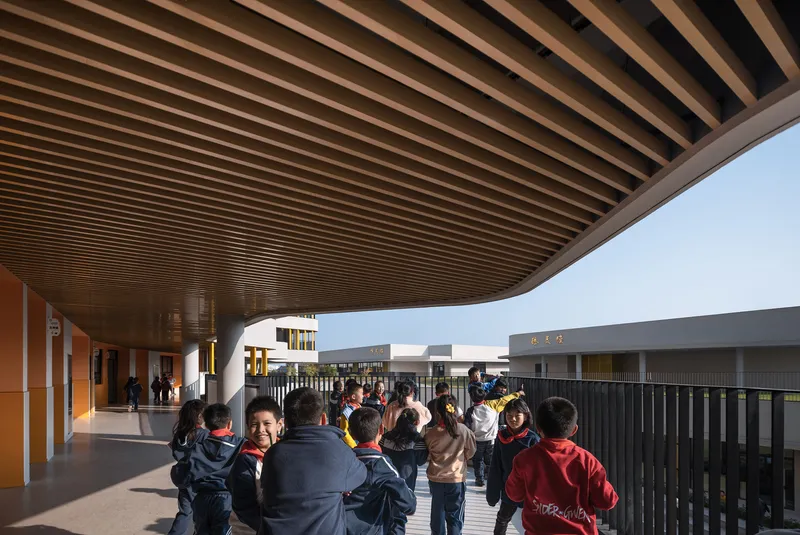
Community Impact and Future Outlook
A Catalyst for Educational Reform
By rethinking the traditional school architecture, Chonggu Experimental School sets a precedent for future educational facilities worldwide. It demonstrates how architectural innovation can align with pedagogical advancements to create environments that are both conducive to learning and responsive to the evolving needs of society.

Flexible Spaces for Future Needs
As educational methods continue to evolve, the school’s flexible design ensures it can adapt to changing pedagogical needs. The possibility of reconfiguring spaces and expanding teaching methods makes Chonggu Experimental School a model for future-proof educational architecture.
A New Era in School Design
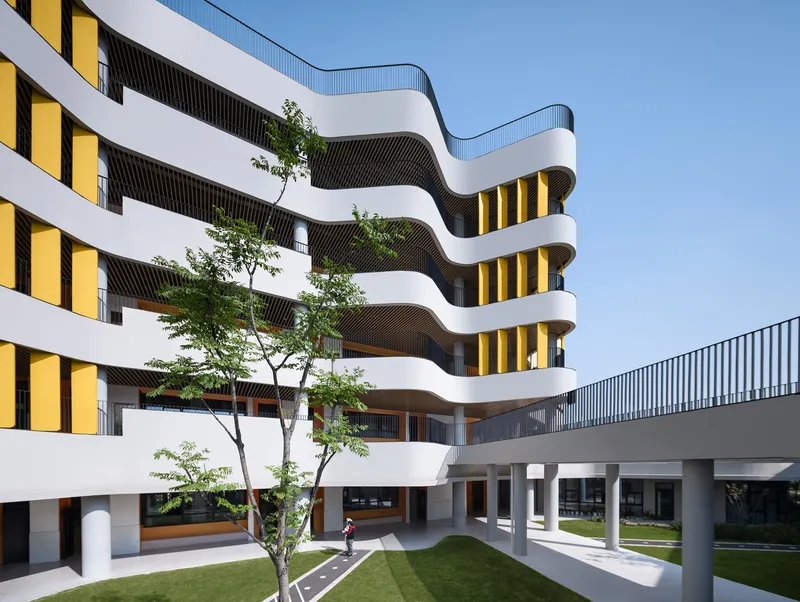
Chonggu Experimental School by BAU Brearley Architects + Urbanists marks a significant advancement in innovative school design. It showcases how thoughtful architecture can transform educational environments, making them more adaptable, sustainable, and conducive to modern teaching methodologies. As education continues to evolve, facilities like Chonggu Experimental School will lead the way in supporting dynamic and effective learning experiences.


All photographs are work of INNSimages


Popular Articles
Popular articles from the community


Opera by the Sea Estonia: Three Shells Dissolving Architecture into Tallinn's Coastline
A winning opera house proposal replaces monumental form with interconnected shells that blur the boundary between building, park and Baltic Sea.
Temporary Home for Dogs: A Reversed Zoo Rethinks Animal Shelter Architecture
In Bucharest, a sinuous corridor and freed landscape flip the logic of containment, designing a shelter that works to make itself unnecessary.

Tsunami Convergenics: Turning Catastrophic Ocean Forces into Underwater Housing Infrastructure
A speculative underwater settlement off the coast of Onagawa, Japan, treats tsunamis and typhoons as energy sources rather than threats.

The Amber Palace Opera: A Geological Fiction Surfaces on Tallinn's Baltic Waterfront
Pierre Brillard reimagines a Baltic legend as a public landscape, opera house, and waterfront promenade rooted in Tallinn's coastal identity.

Similar Reads
You might also enjoy these articles


Hodi-Mandai Geram
Project Function: Preservation and revitalization of the Intangible heritage and socio-spatial identity of the Hodi by Housing, Cultural Memory Center, Sacred Grove, landscape, local tourism economy


Olio Towers: A Mid-Rise for Performers That Fuses Housing, Rehearsal, and Stage
Located blocks from Houston's Theater District, this modular tower stacks living units around a central performance atrium.

Oasis: Modular Green Housing Carved into Dhaka's Urban Fabric
A shortlisted Plugin Housing entry reclaims unauthorized settlements in Dhaka with stepped concrete volumes, green roofs, and ventilation-driven design.

Black Hole: A Floating Megastructure for the Post-Physical Era
Emiliano Mazzarotto envisions a spherical, self-scaling arena where e-sports, digital hotels, and holographic stadiums replace traditional public space.

Explore Educational Building Competitions
Discover active competitions in this discipline

Challenge to design public laboratory

Challenge to reimagine the Iron Throne

Photograph architecture without architects

Illustrate the lost glory of Angkor Wat - Render Challenge
Comments (0)
Please login or sign up to add comments
No comments yet. Be the first to comment!