
Extensible and Reconfigurable Architecture: A Blueprint for Future-Proof Building Design
This article explores extensible and reconfigurable architecture, highlighting innovative design and construction at Hokkaido University of Science.

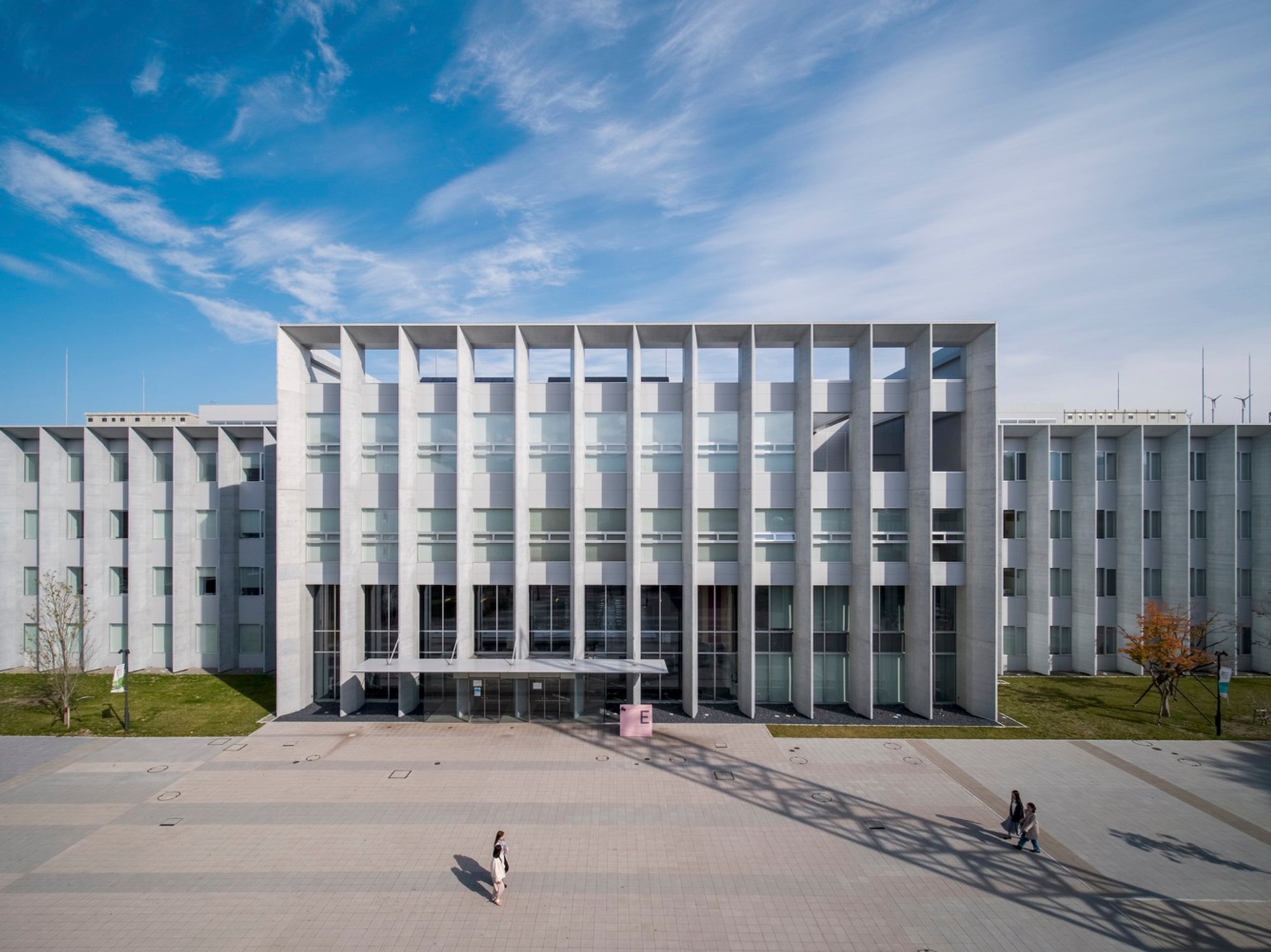
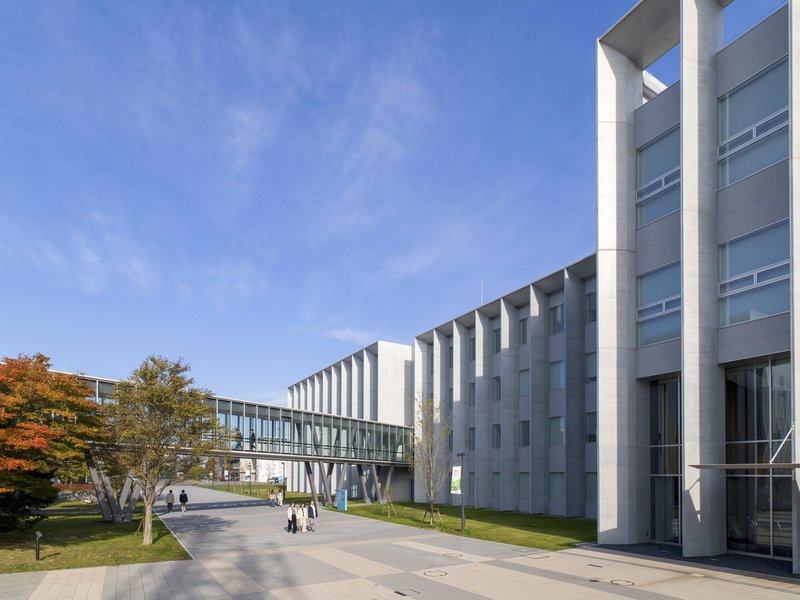
The Hokkaido University of Science’s Buildings D, E, and F, designed by TAISEI DESIGN Planners Architects & Engineers, are a masterclass in extensible and reconfigurable architecture. Located in Sapporo, Japan, and completed in 2021, these structures are a benchmark for institutions seeking adaptable and efficient solutions for educational facilities. By leveraging modular design and future-oriented construction methods, they showcase how architecture can adapt to evolving needs while addressing environmental challenges.
What Is Extensible and Reconfigurable Architecture?
Extensible and reconfigurable architecture is a design philosophy that emphasizes adaptability, scalability, and efficiency. Buildings designed with this approach can evolve over time, accommodating new functions or expansions without significant overhauls. This approach is critical for educational and research facilities where requirements frequently change due to technological advancements and academic needs.
Design Philosophy Behind Hokkaido University of Science Buildings D, E, and F
1. Rolling Design Concept for Phased Construction
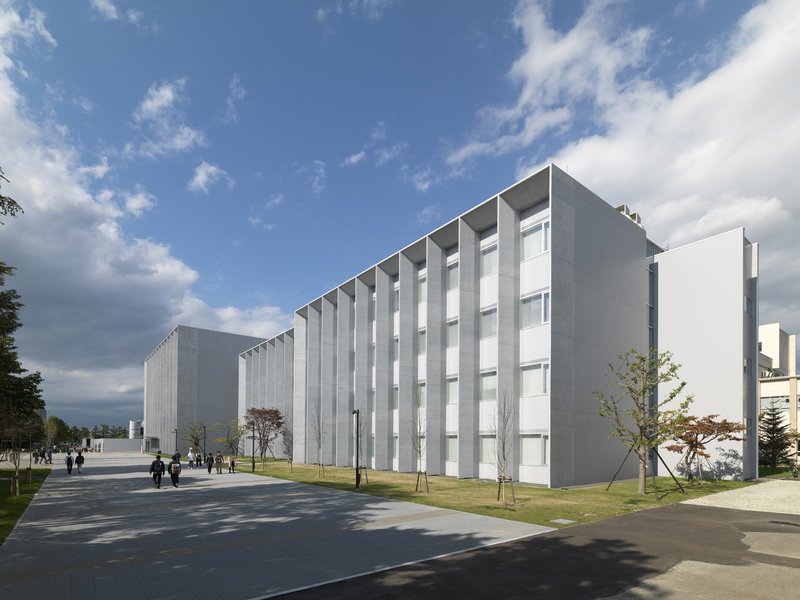
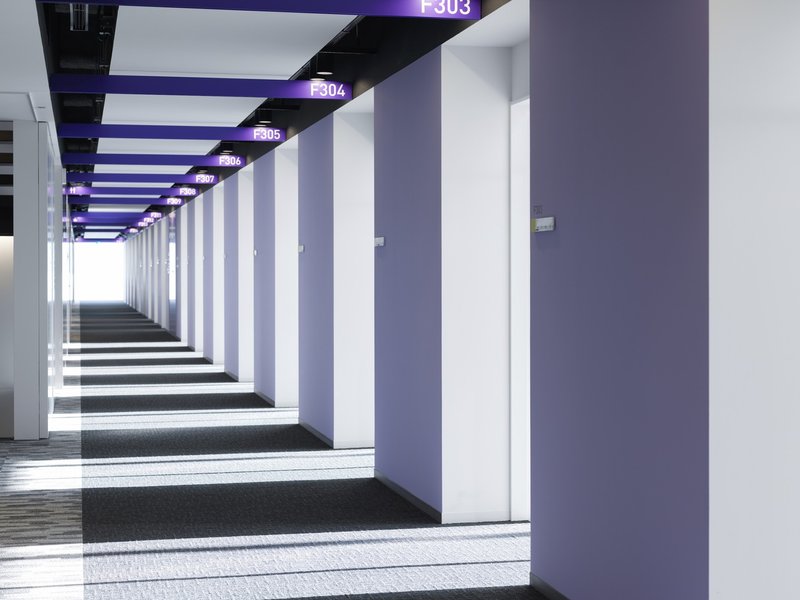
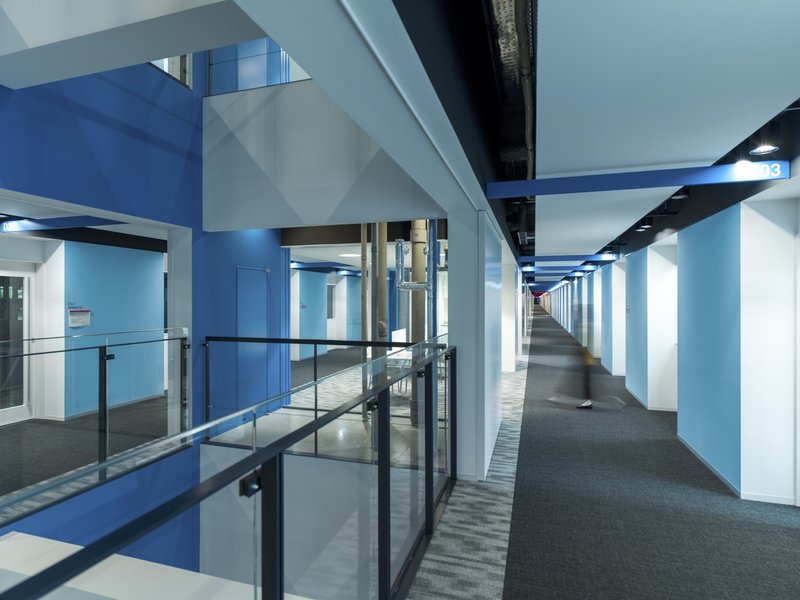
The rolling design concept adopted for these buildings allows for phased construction and future extensions. The layout includes a chain of common-use zone plates, which integrate essential amenities, circulation paths, and infrastructure. This system simplifies future longitudinal extensions, ensuring seamless growth.
Phased Development:
- Building E: Constructed first at the center.
- Building F: Built next to the east.
- Building D: Completed last on the west side.
This step-by-step approach provides flexibility in planning and construction without disrupting ongoing operations.
2. Modular Design for Adaptability
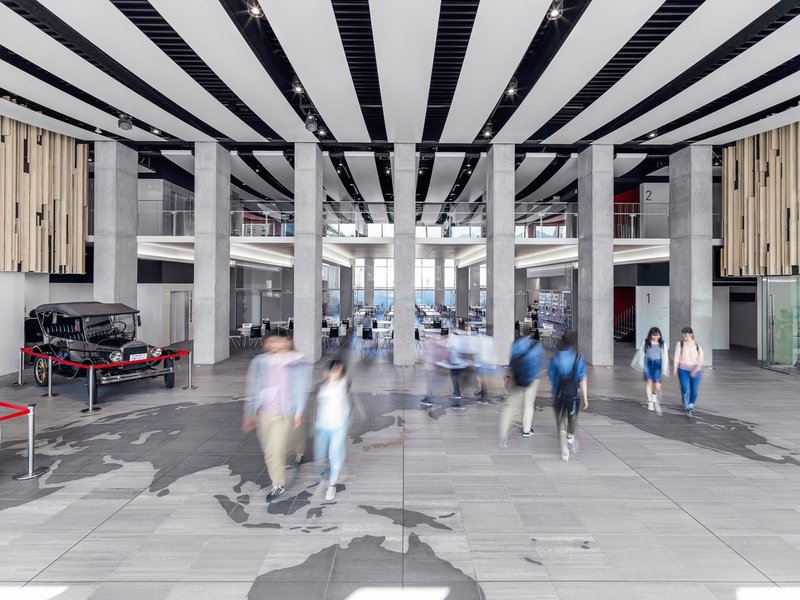
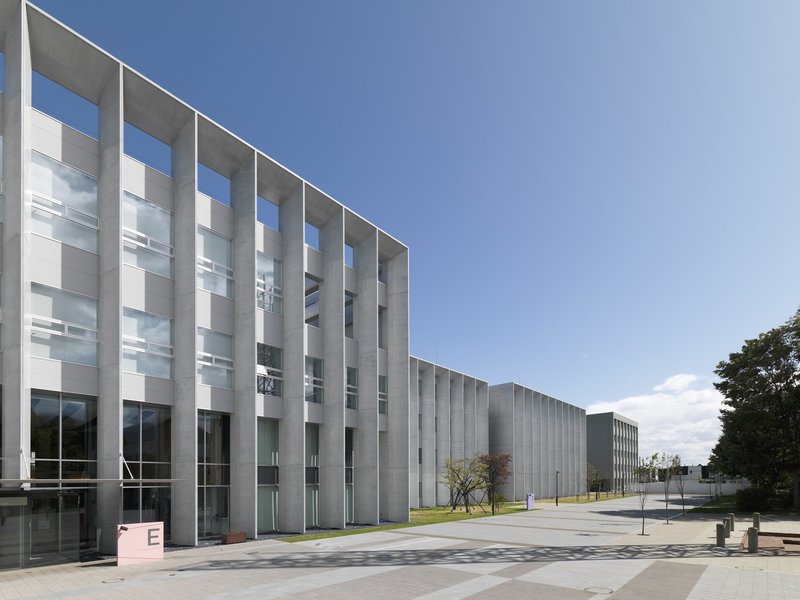
A core feature of these buildings is the use of a 3-meter modular system, which enables:
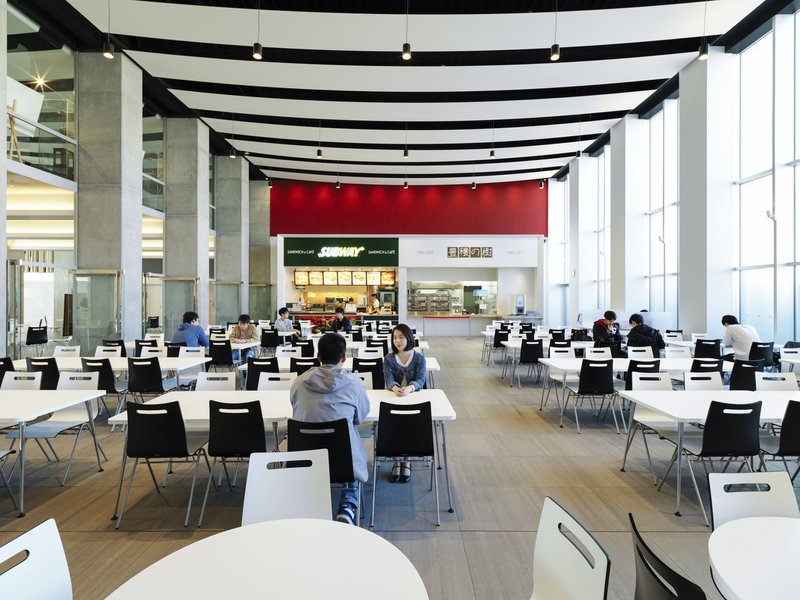
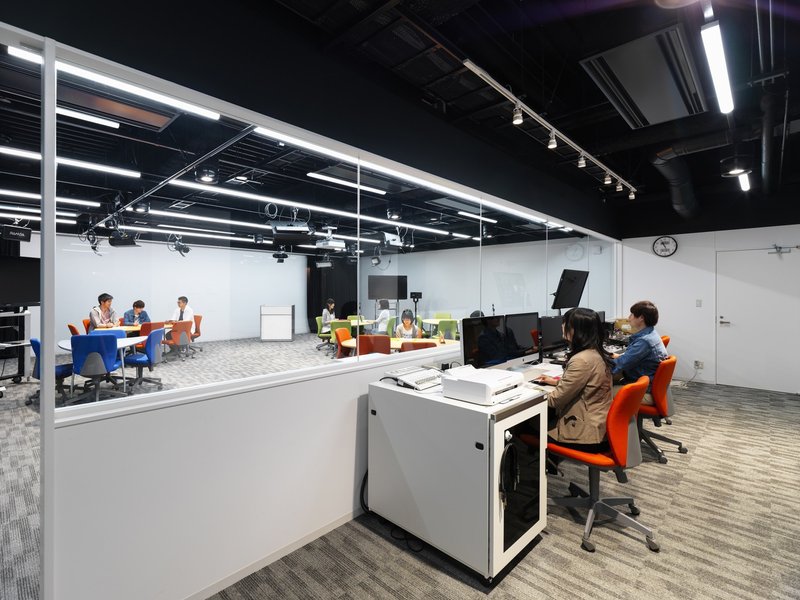
- Versatile internal reconfiguration.
- Integration of lighting, air conditioning, and structural elements within the modular framework.
- An iterative system visible in the exterior facade, symbolizing the building's functional adaptability.
This modular design ensures that spaces can be easily modified to meet evolving educational and research demands.
Construction Innovations for Snowy Regions
Addressing Sapporo’s Climate Challenges
Sapporo experiences long snowbound periods, which pose significant challenges to construction projects. To overcome these challenges:
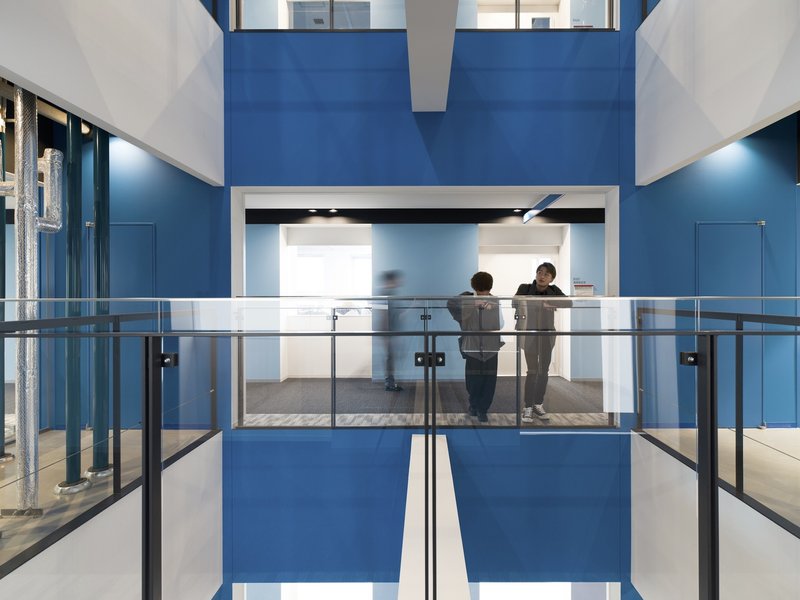
- Prefabrication and Standardization: Prefabricated components were used, assembled on-site with repetitive and efficient procedures.
- Scaffold-Free Construction: Eliminating scaffolding reduced labor needs and enhanced safety.
- Year-Round Efficiency: Standardized methods ensured construction could proceed even in adverse weather conditions.
These strategies not only minimized costs but also maintained high construction quality.
Functional Aesthetics: The Beauty of Purpose
Unlike traditional designs that often emphasize external aesthetics, the Hokkaido University of Science buildings focus on meeting functional and operational needs. The design philosophy highlights:
- Practical Beauty: The inherent order and logic of the building’s function become its defining aesthetic.
- Future-Ready Design: By prioritizing scalability and reconfigurability, these buildings reflect a forward-thinking approach to architecture.
Key Takeaways for Extensible and Reconfigurable Architecture
- Adaptability Is Key: Buildings must be designed to evolve with changing requirements, particularly in research and education sectors.
- Efficient Construction Techniques: Modular and prefabricated systems reduce time, cost, and environmental impact.
- Function Over Form: Emphasizing utility can create a unique architectural identity rooted in purpose.
A Model for Future Architecture
The Hokkaido University of Science Buildings D, E, and F demonstrate how extensible and reconfigurable architecture can address modern challenges in educational design. By adopting modular systems, phased construction, and efficient techniques tailored for a snowy climate, they set a new standard for adaptability and resilience.
For institutions worldwide, these buildings serve as a reminder that flexibility and function are not just practical necessities but also opportunities to craft sustainable and timeless designs.
All Photographs are work of Creative Eyes




Popular Articles
Popular articles from the community

3dor Concepts Wraps a Kerala Home in Mirrored Concrete Arcs Around a Courtyard Tree
In the Western Ghats foothills of Thamarassery, a 270 m² single-story house uses two curved volumes to frame nature as its center.
YOAP Architects Round a Corner in Yeongcheon with a Cylindrical Community Hub
A 197-square-meter brick and ribbed-clad tower turns a forgotten alley corner in South Korea into a public garden with a low threshold.
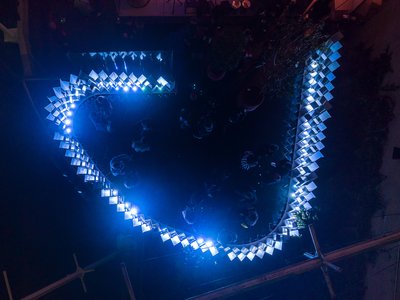
Rojkind Arquitectos and Think Parametric Build a Glueless Pavilion from 67 Interlocking Panels
A serpentine fiber-cement installation in Chapultepec Park celebrates a decade of architectural media in Mexico City.
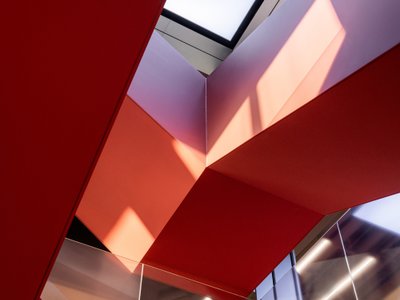
Ippolito Fleitz Group Identity Architects Turn Eight Floors in Shanghai into a Vertical Creative City
Publicis Groupe's new headquarters in Xintiandi reimagines the office as a courtyard-driven urban landscape stacked across eight floors.


Similar Reads
You might also enjoy these articles

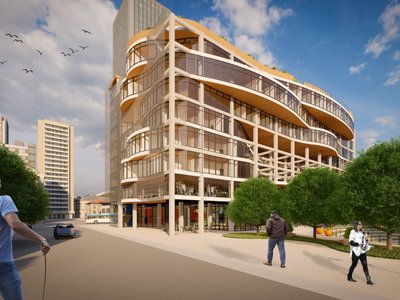
Olio Towers: A Mid-Rise for Performers That Fuses Housing, Rehearsal, and Stage
Located blocks from Houston's Theater District, this modular tower stacks living units around a central performance atrium.
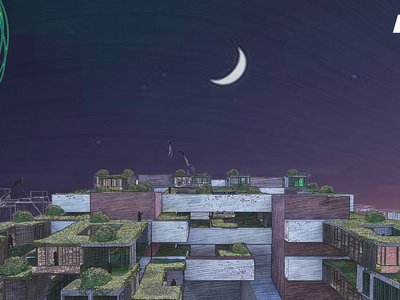
Oasis: Modular Green Housing Carved into Dhaka's Urban Fabric
A shortlisted Plugin Housing entry reclaims unauthorized settlements in Dhaka with stepped concrete volumes, green roofs, and ventilation-driven design.

Black Hole: A Floating Megastructure for the Post-Physical Era
Emiliano Mazzarotto envisions a spherical, self-scaling arena where e-sports, digital hotels, and holographic stadiums replace traditional public space.
Compact & Sustainable Living in Piraeus: A Four-Level Family Home Built Around Light and Air
A narrow townhouse in one of Greece's densest port cities uses a central atrium and passive strategies to house three generations under one roof.


Explore Architecture Competitions
Discover active competitions in this discipline




The International Standard for Design Portfolios


The Global Benchmark for Architecture Dissertation Awards


The Global Benchmark for Graduation Excellence


Challenge to design public laboratory
Comments (0)
Please login or sign up to add comments
No comments yet. Be the first to comment!