
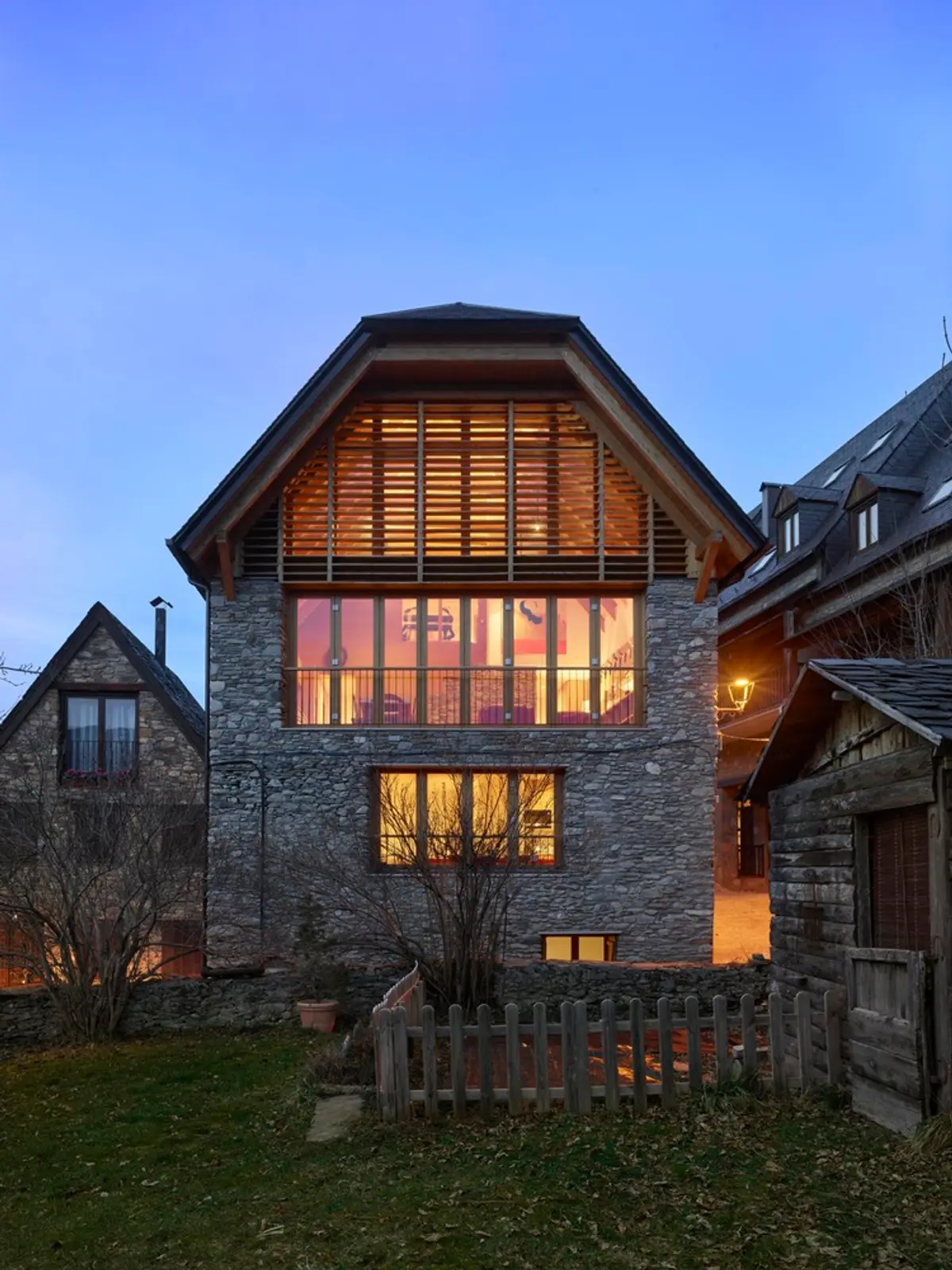
Heritage Architectural Renovation: A Case Study of Casa Roy by Taillandier Architectes Associés
This article discusses the renovation of Casa Roy, blending modern living with historical preservation in Bagergue, Spain, by Taillandier Architectes Associés.


Heritage architectural renovation combines preserving the past while integrating modern design and functionality. Casa Roy in Bagergue, Spain, serves as an exemplary model of how architects can respect and revive historical buildings in contemporary settings.
The Historical Context of Casa Roy
Preserving Cultural Heritage
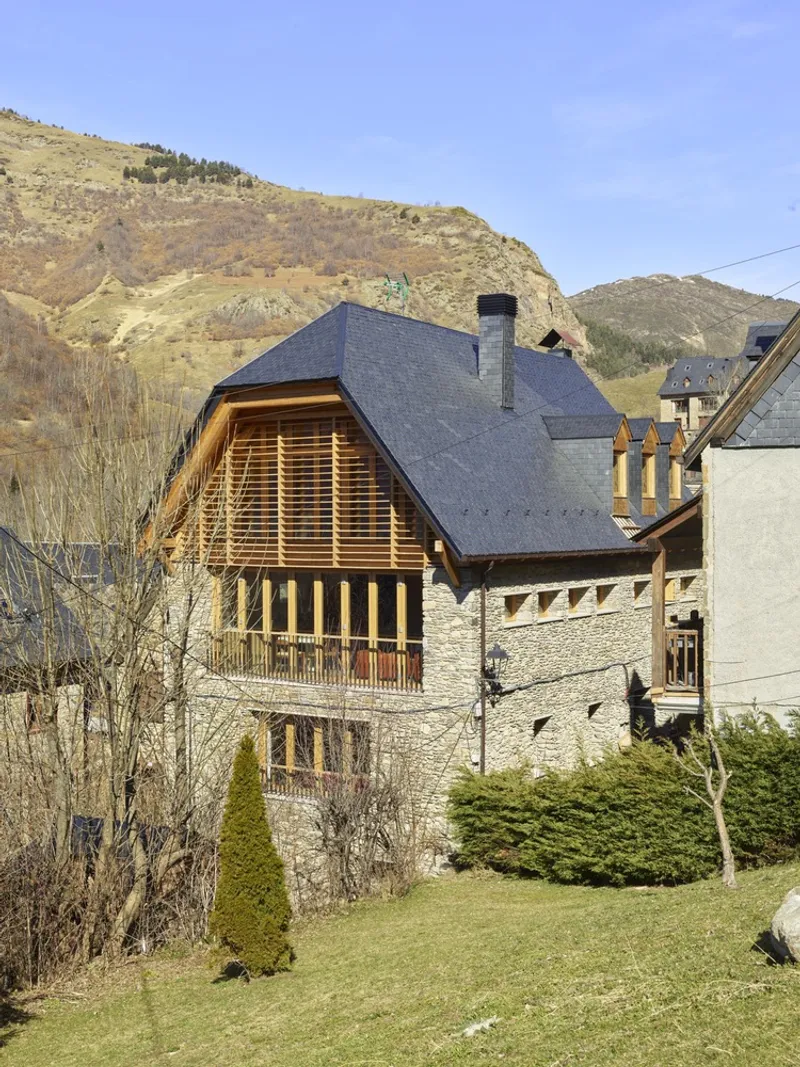
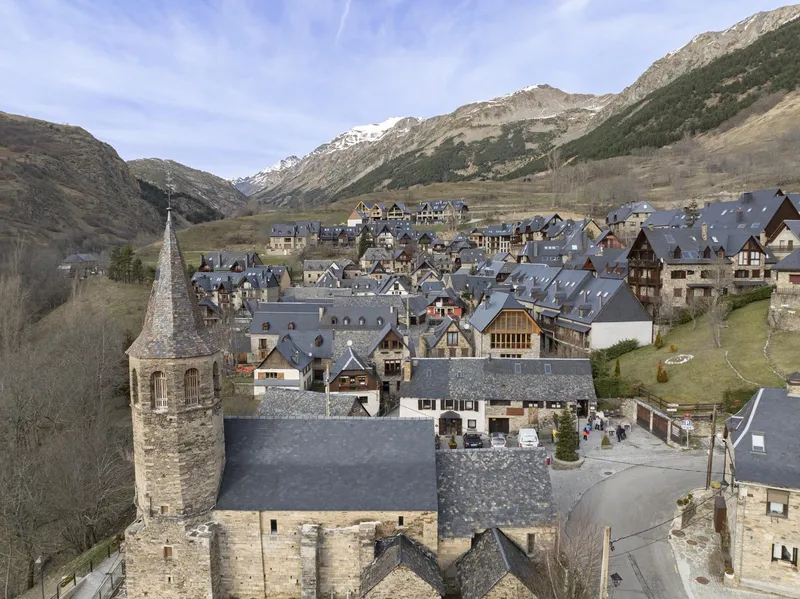
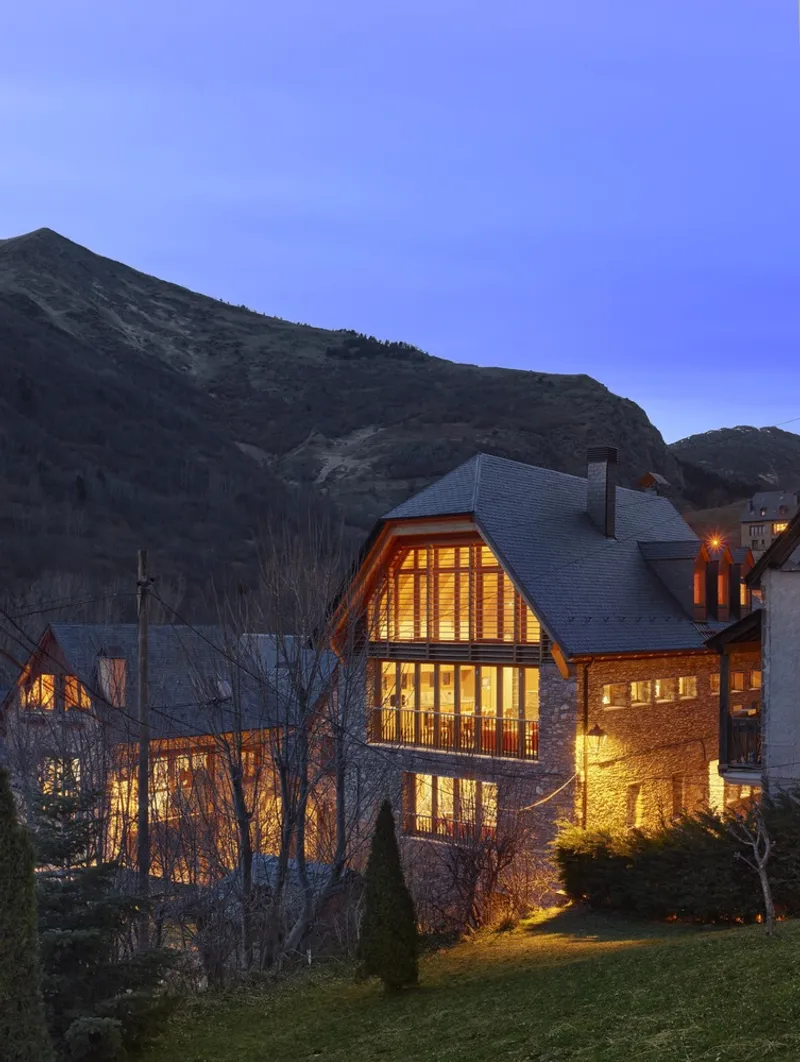
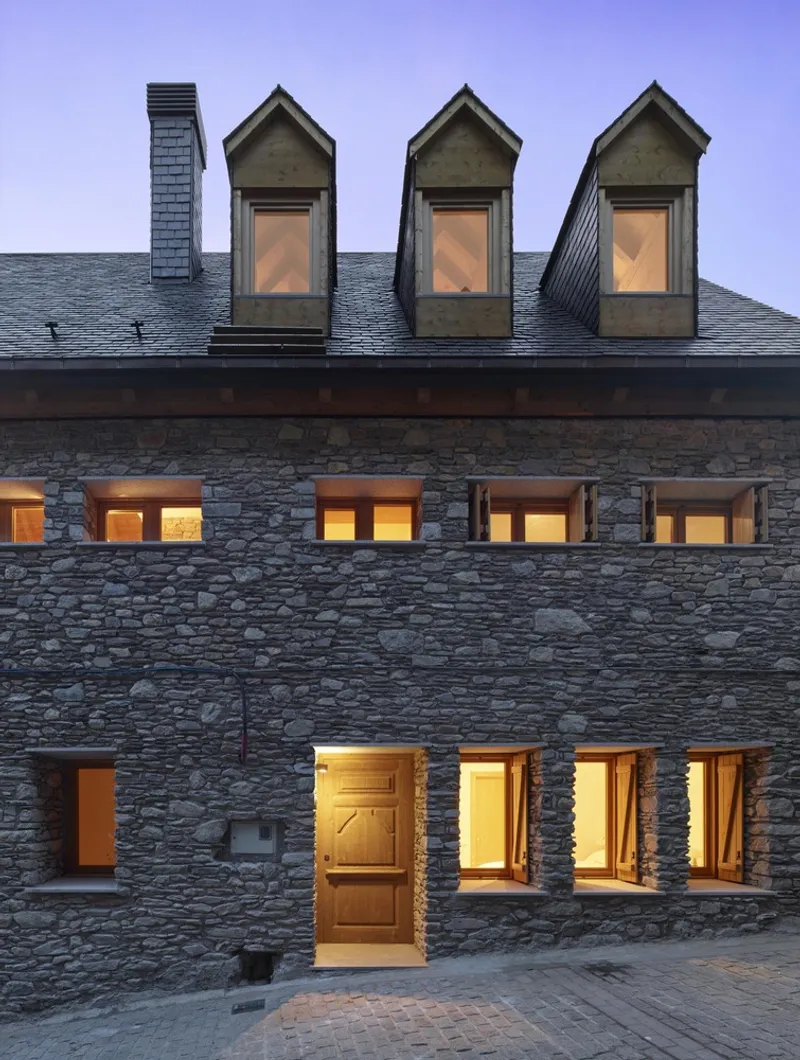
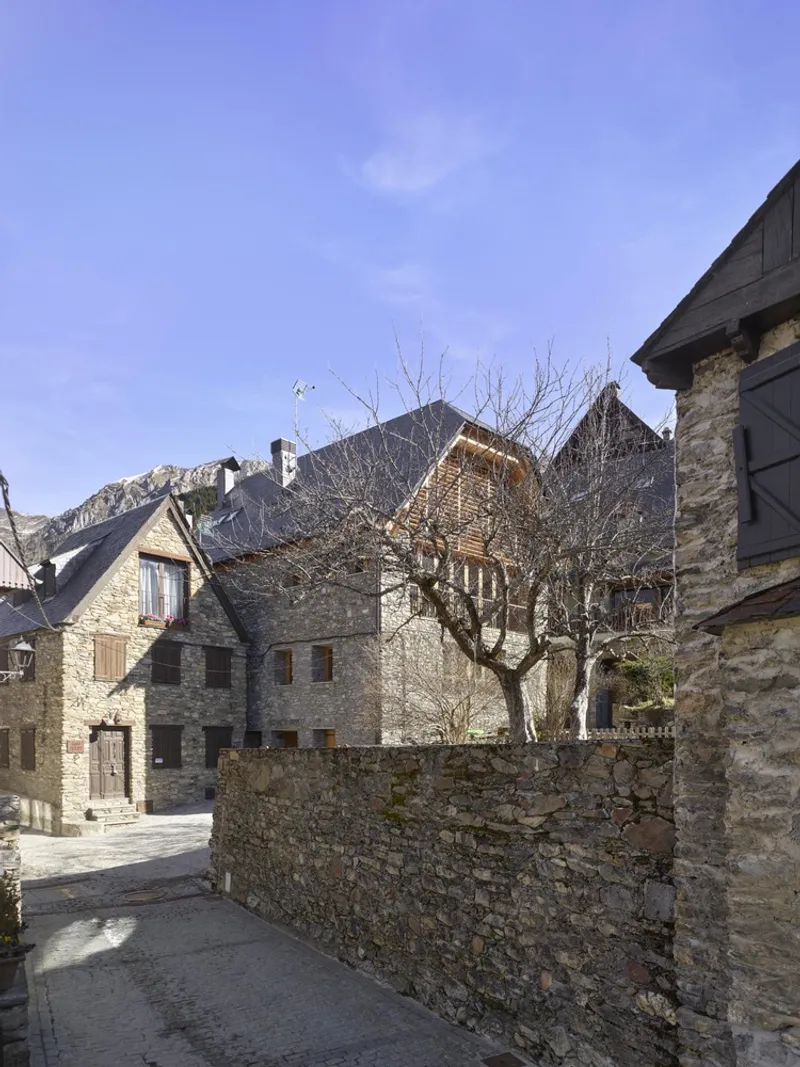
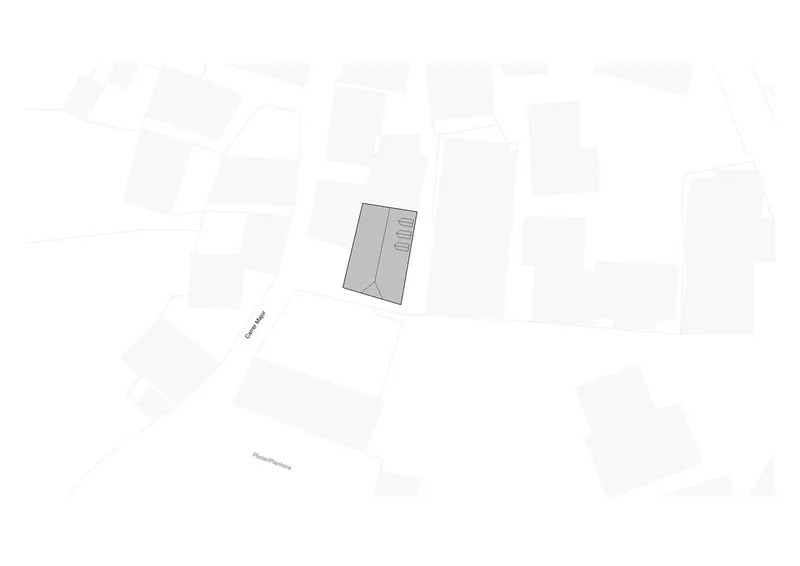
Casa Roy, situated in the historic village of Bagergue, near a Romanesque church listed by UNESCO, required thoughtful consideration in its renovation. The project was extensively reviewed by several commissions to ensure that the renovation would respect the architectural heritage and the urban landscape of the village.
Integrating Modern Living
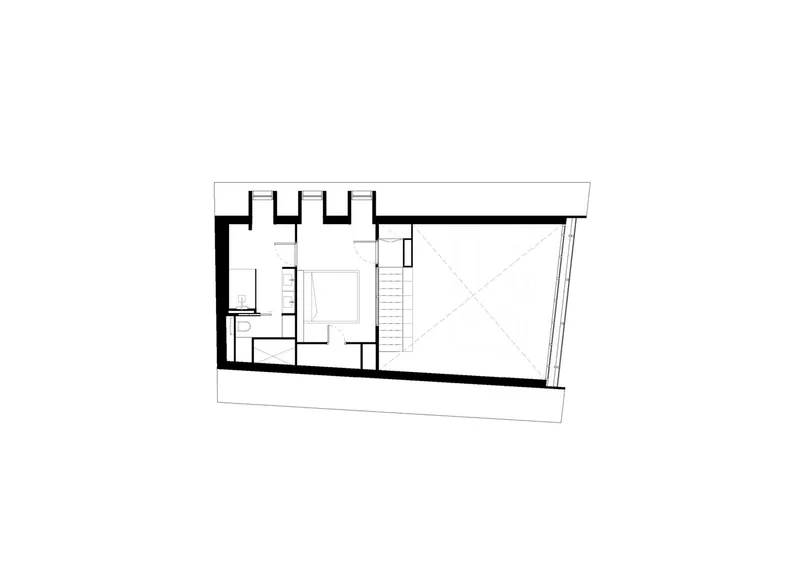
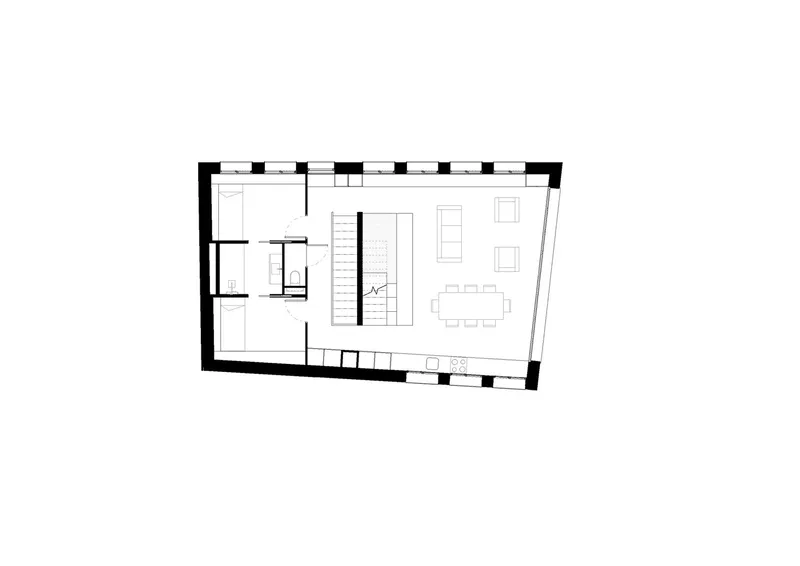
Despite its historical setting, Casa Roy needed to accommodate contemporary living requirements. The renovation introduced two separate living units within the existing structure, cleverly adapting to modern family needs while respecting the traditional Val d'Aran house style.
Architectural Strategies in Renovating Casa Roy
Reversing the Layout for Natural Light
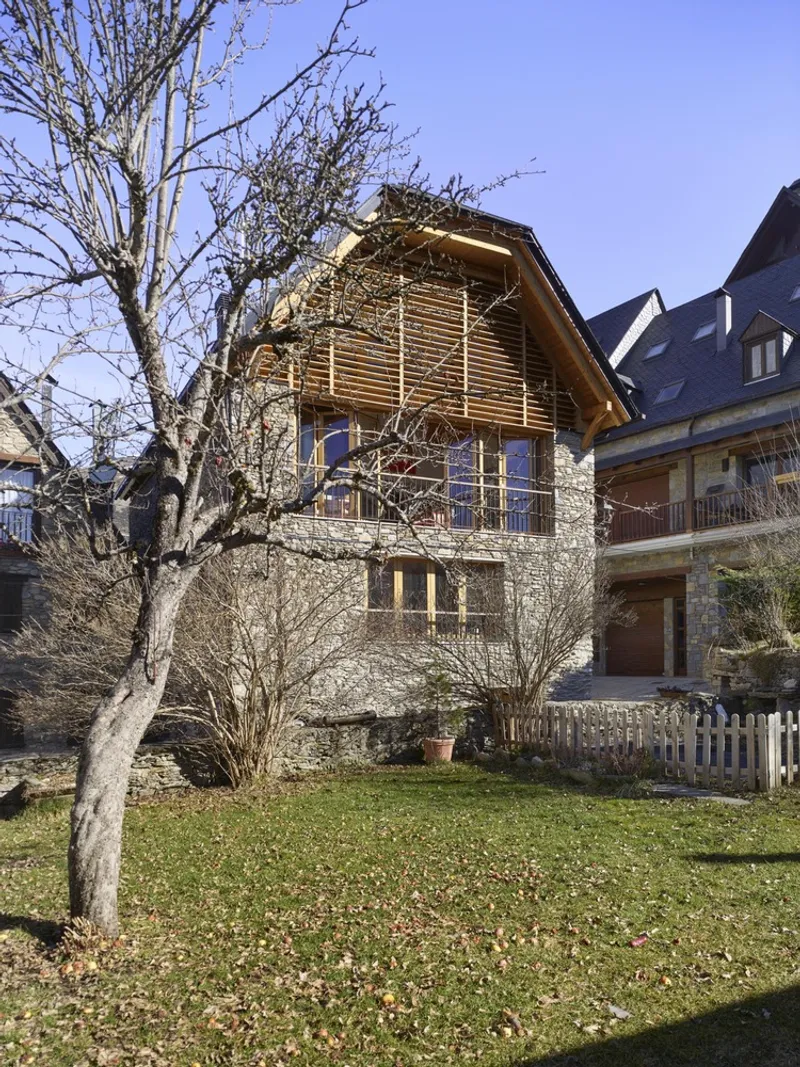
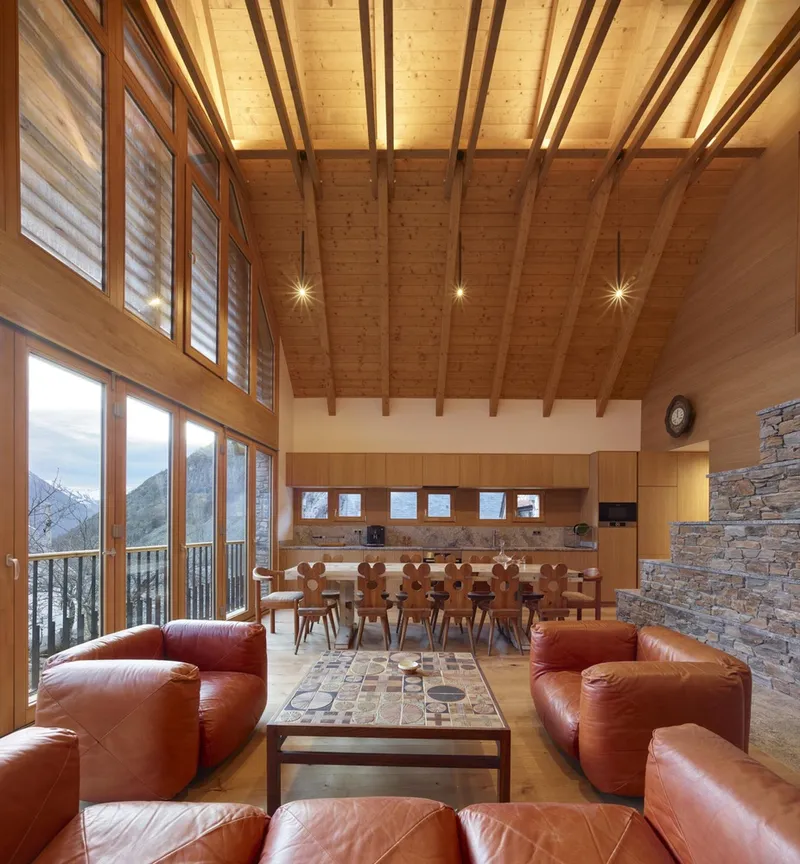
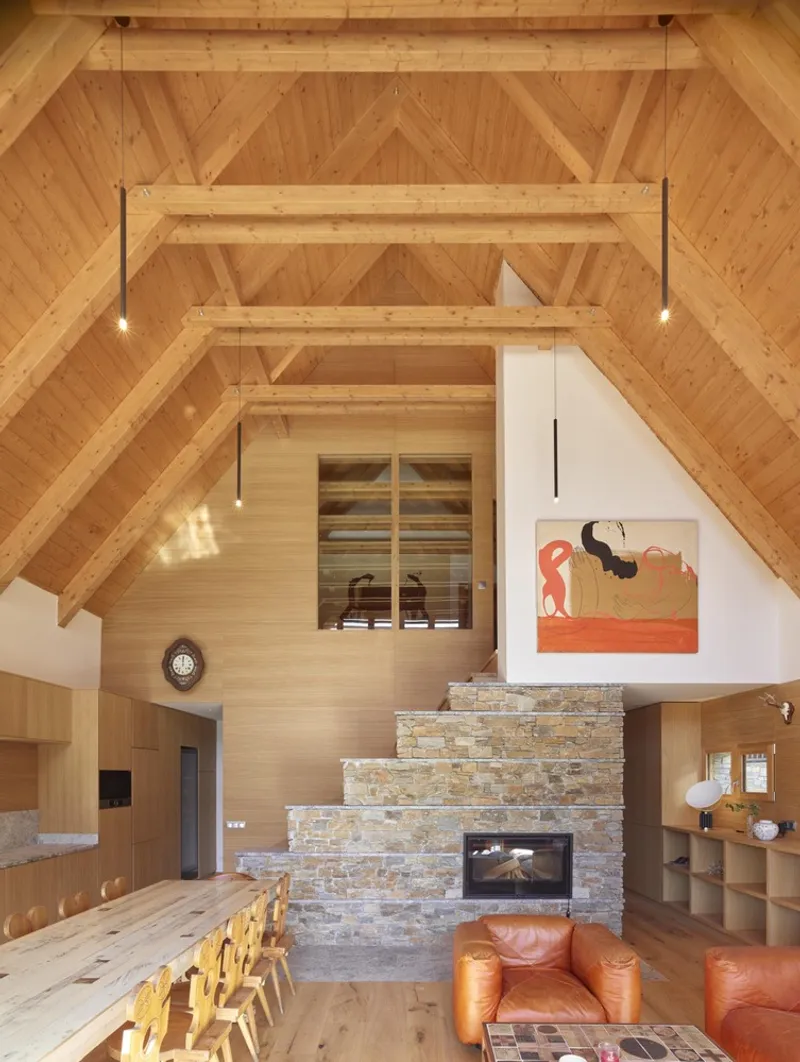
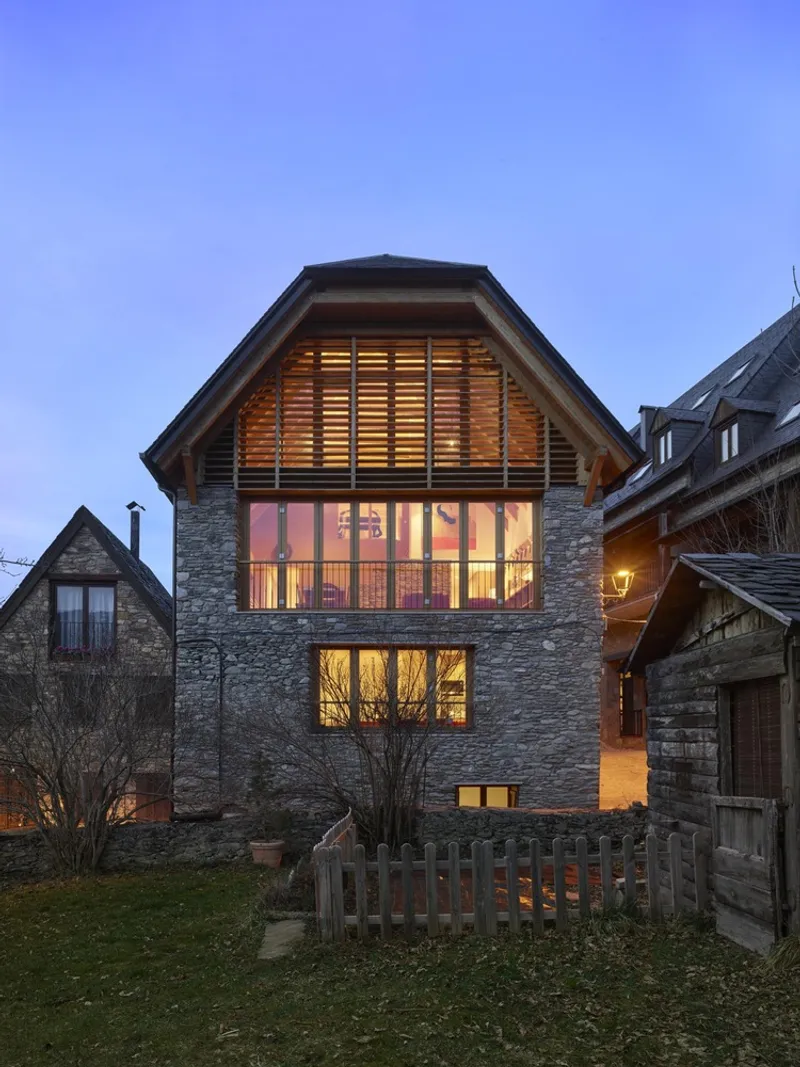
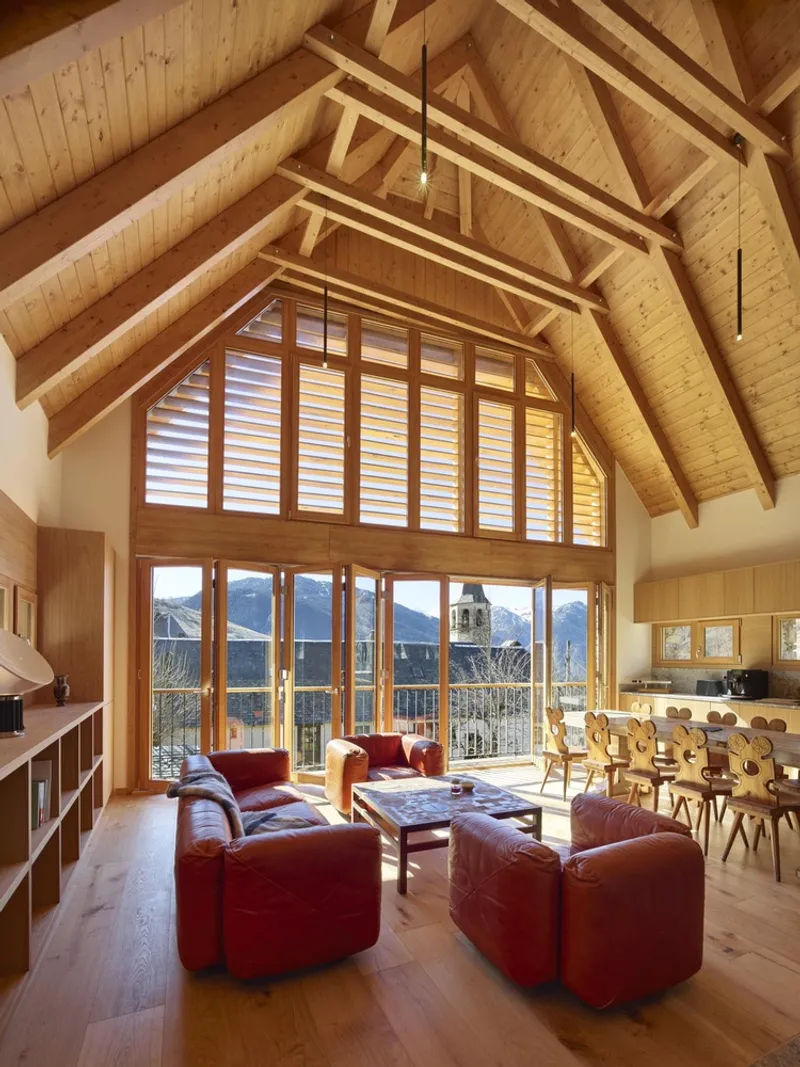
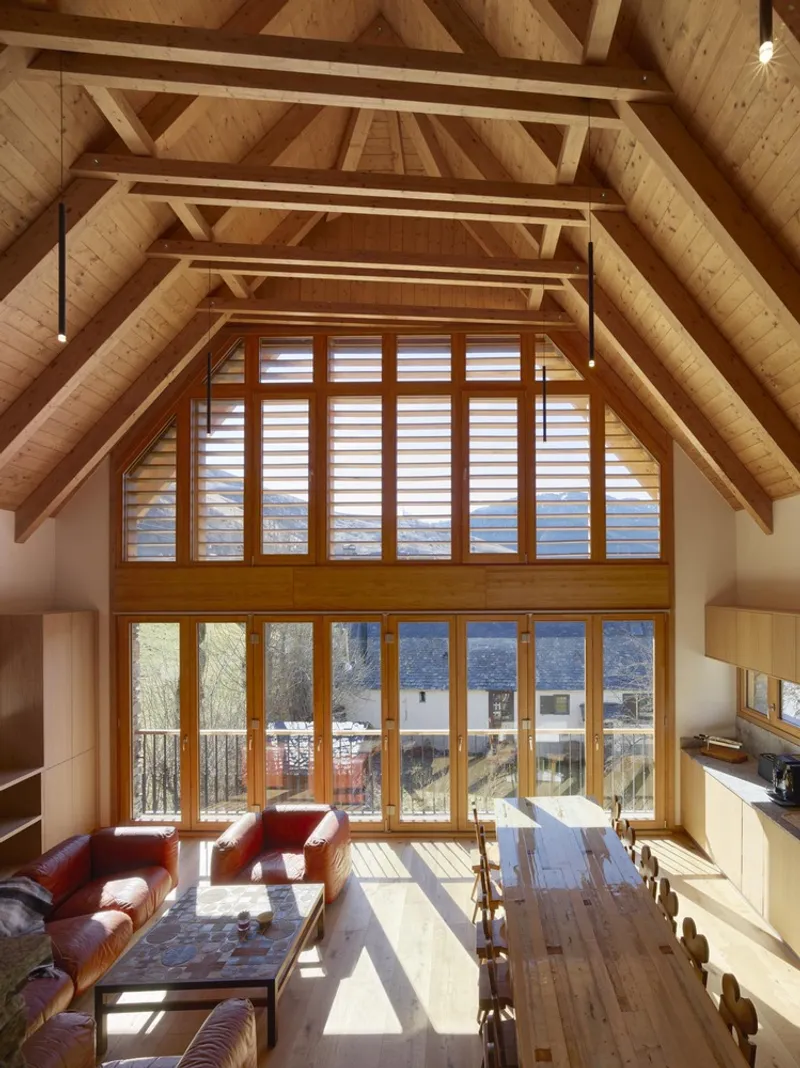
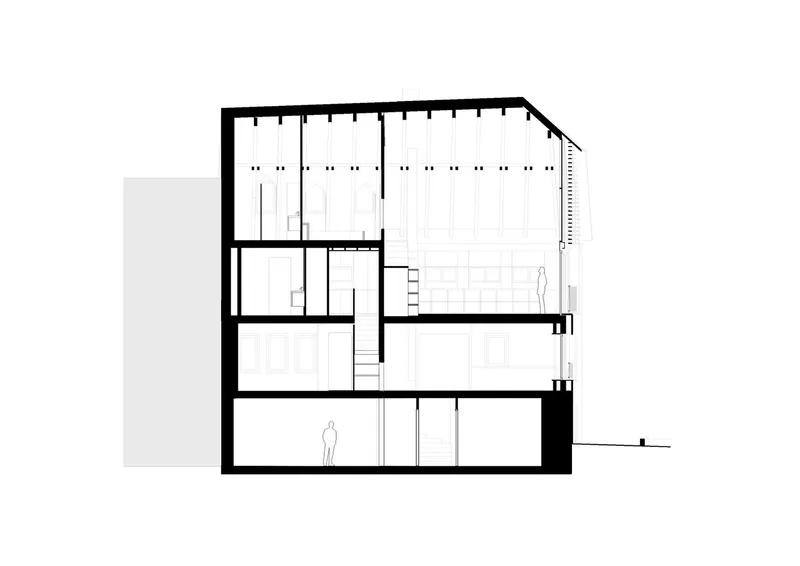
The architects at Taillandier Architectes Associés ingeniously reversed the day and night areas of the original layout. By moving the living room and kitchen upstairs, the design maximizes natural light and offers enhanced views over the neighboring garden, demonstrating a key principle in heritage architectural renovation: adapting use without compromising character.
Material Continuity and Local Sourcing
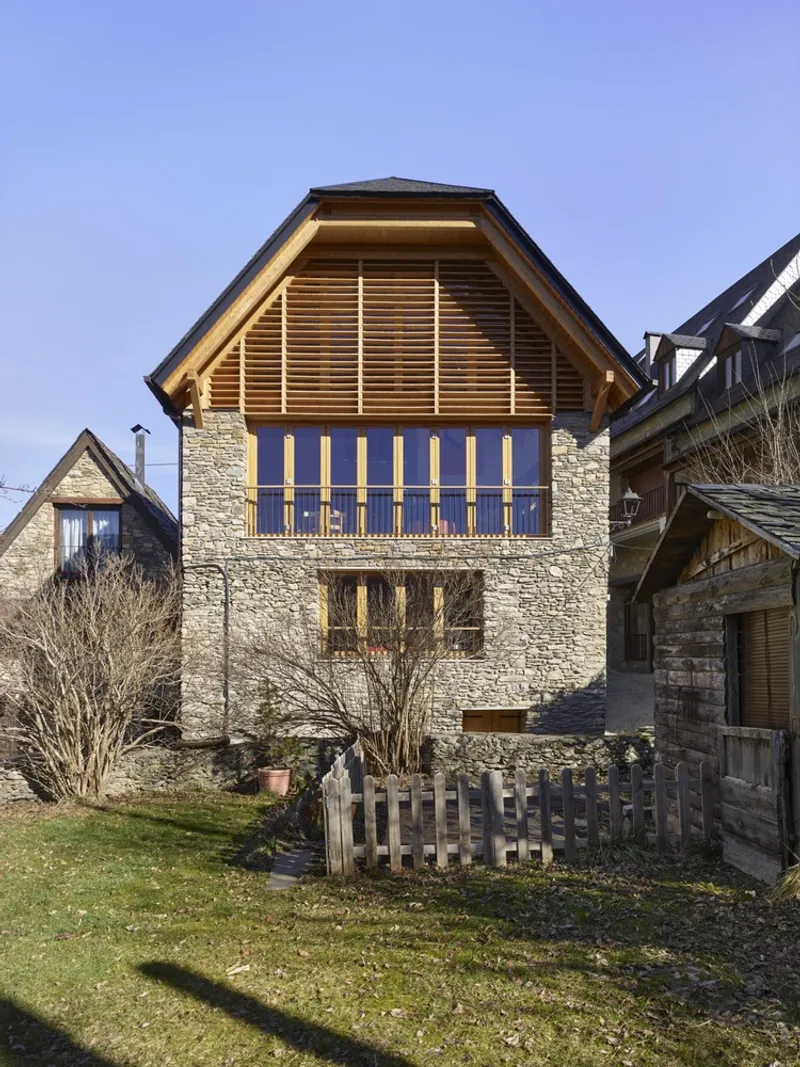
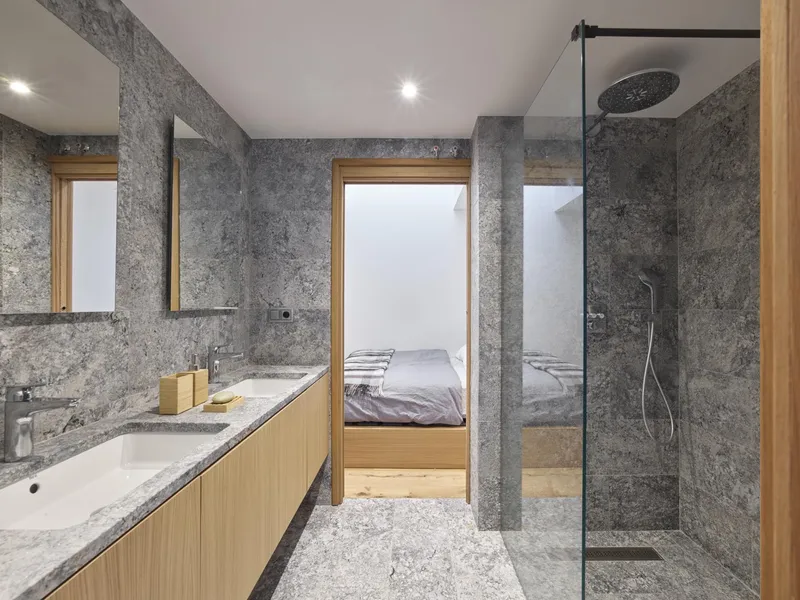
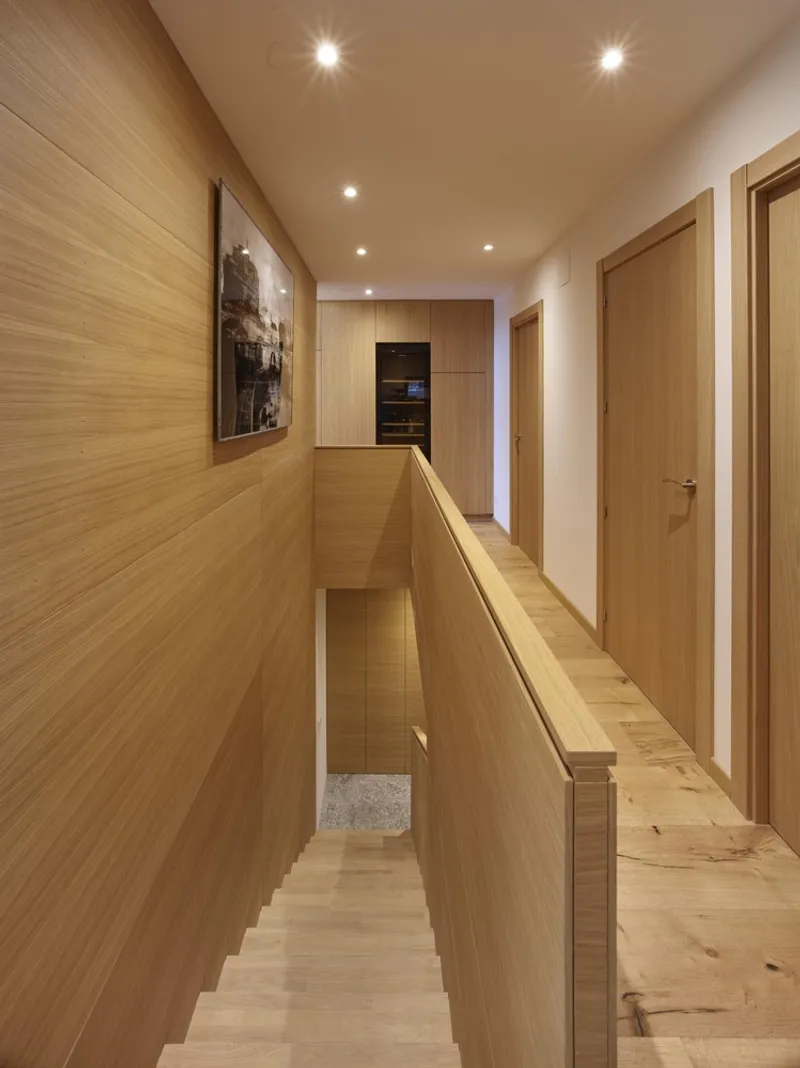
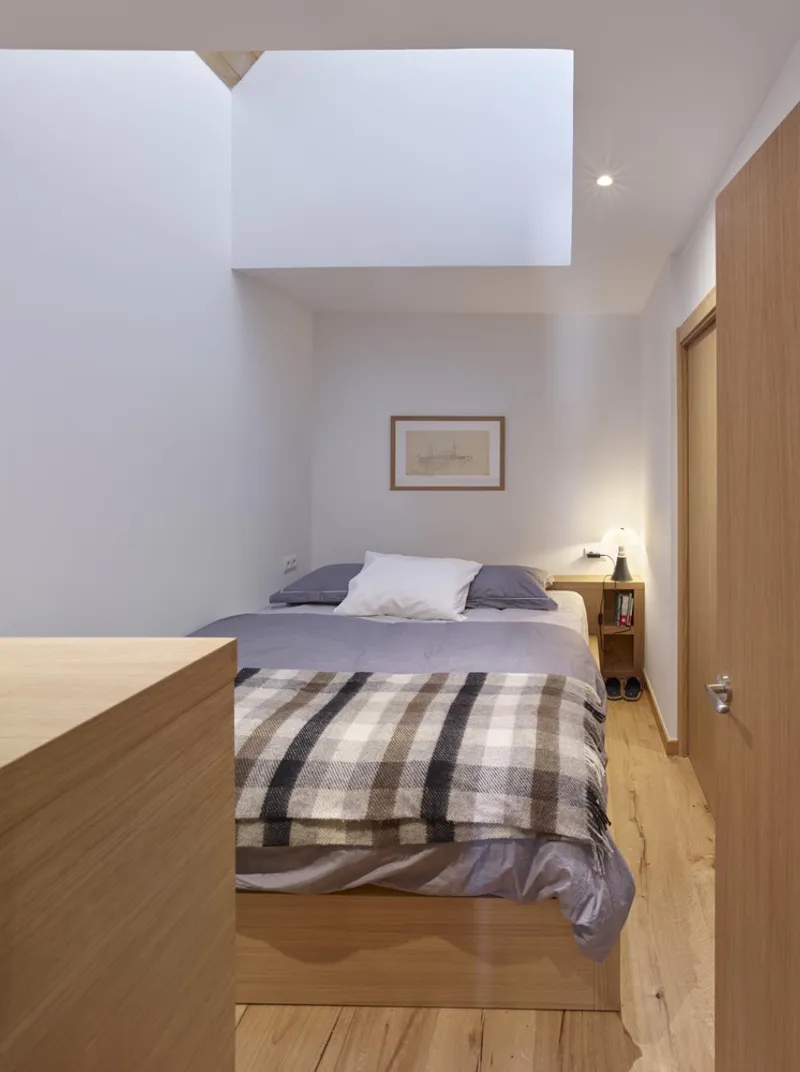
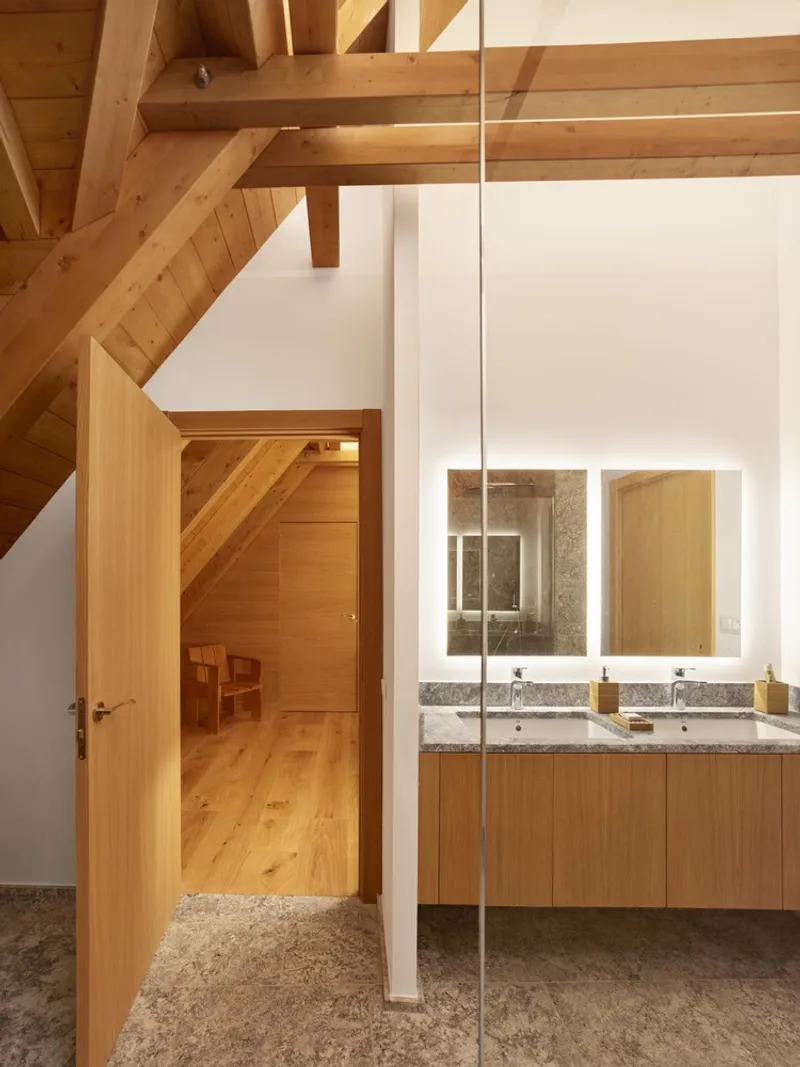
The renovation project made extensive use of local materials to blend the new with the old seamlessly. Local timber, light oak furniture, and blue stone from Val d'Aran quarries were used to maintain the aesthetic continuity and environmental sustainability of the project.

Challenges and Innovations in the Renovation Process
Adapting to Regulatory Constraints
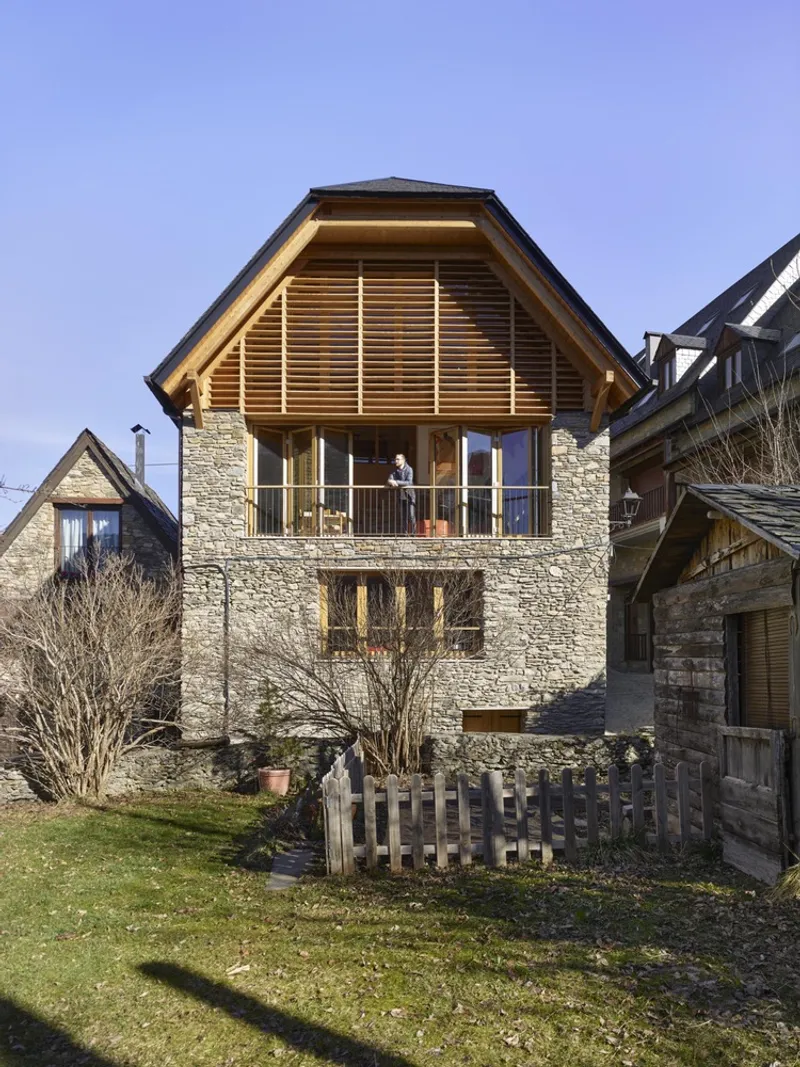
The architects faced strict architectural regulations that prohibited certain modifications, such as adding balconies or terraces. Their solution was a fully retractable bi-fold window system that transforms the living room space into an open terrace, showcasing innovative problem-solving in heritage renovations.
Structural and Environmental Considerations
The introduction of a Bubble-Deck system in the concrete work significantly reduced the building’s weight and carbon footprint. This modern engineering solution respects the site’s topography and the building's historical value while enhancing its functional and environmental performance.
The Future of Heritage Architectural Renovation
Casa Roy represents a profound respect for heritage through architectural renovation. By carefully integrating modern elements with historical accuracy, the project sets a benchmark for future renovations in culturally rich settings.
This case study not only highlights the challenges faced in such projects but also celebrates the innovative solutions that respect and enhance the historical essence of buildings like Casa Roy.

All photographs are work of Roland Halbe


Popular Articles
Popular articles from the community


The Ocean Hive: Sustainable Architecture for a Self-Sufficient Civilization at Sea
The Ocean Hive imagines sustainable architecture at sea, where modular habitats, algae, wave power and ocean waste sustain a growing colony.

ALGAL REALM: A Bio-Integrated Lunar Habitat Design for Life Beyond Earth
ALGAL REALM reimagines lunar habitat design with algae-powered life support, 3D-printed regolith, and vertical living for a lunar future.

Co-life: Sustainable Architecture for Age-Friendly Community Living
Co-life reimagines sustainable architecture for seniors through courtyards, rammed earth, shared gardens, and spaces designed for belonging.

Hill & Cross Opera: Sculptural Opera House Architecture Shaped by Tallinn’s Landscape and Identity
Hill & Cross Opera reimagines opera house architecture in Tallinn through its sculptural hill, civic plaza, glass wave and a luminous cross.

Similar Reads
You might also enjoy these articles


Hodi-Mandai Geram
Project Function: Preservation and revitalization of the Intangible heritage and socio-spatial identity of the Hodi by Housing, Cultural Memory Center, Sacred Grove, landscape, local tourism economy


Olio Towers: A Mid-Rise for Performers That Fuses Housing, Rehearsal, and Stage
Located blocks from Houston's Theater District, this modular tower stacks living units around a central performance atrium.

Oasis: Modular Green Housing Carved into Dhaka's Urban Fabric
A shortlisted Plugin Housing entry reclaims unauthorized settlements in Dhaka with stepped concrete volumes, green roofs, and ventilation-driven design.

Black Hole: A Floating Megastructure for the Post-Physical Era
Emiliano Mazzarotto envisions a spherical, self-scaling arena where e-sports, digital hotels, and holographic stadiums replace traditional public space.

Explore Architectural Heritage Competitions
Discover active competitions in this discipline

Challenge to reimagine the Iron Throne

Photograph architecture without architects

Illustrate the lost glory of Angkor Wat - Render Challenge

Design challenge to reuse E-waste
Comments (0)
Please login or sign up to add comments
No comments yet. Be the first to comment!