

Modern Architecture Museum Design: A Closer Look at Serralves Museum Álvaro Siza Wing
Explore the Serralves Museum Álvaro Siza Wing, a masterpiece of modern architecture that integrates seamlessly with its natural surroundings in Porto.


The Serralves Museum Álvaro Siza Wing in Porto, Portugal, exemplifies cutting-edge museum architecture. This article explores the architectural nuances of this new wing designed by the esteemed Álvaro Siza Vieira, highlighting how it integrates into the existing landscape and adheres to modern design principles.
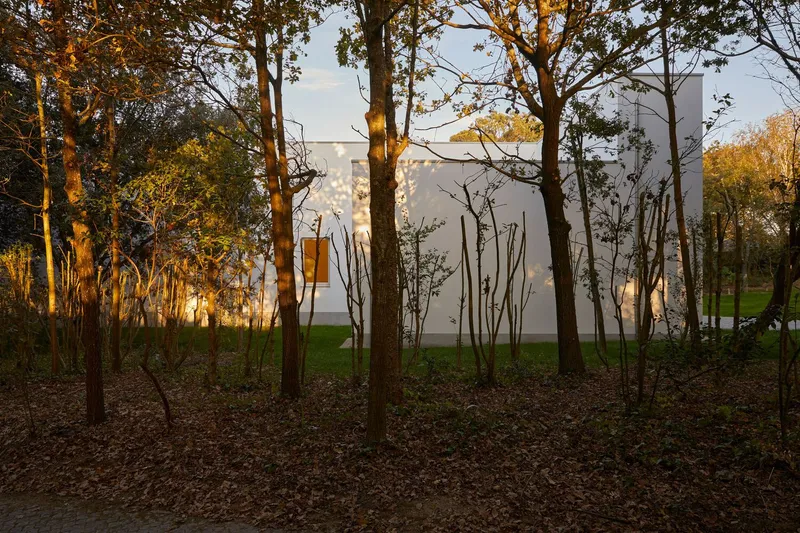


Overview of Serralves Museum's New Wing by Álvaro Siza Vieira
The Serralves Museum, a beacon of contemporary art, has expanded with a new wing crafted by Álvaro Siza Vieira, a name synonymous with innovation in modern architecture. The Álvaro Siza Wing spans an impressive area of 4204 m² and was completed in 2023. This new addition is strategically placed to the west of a garden clearing, connected via an elevated gallery that ensures the museum complements the surrounding parkland without overshadowing it.


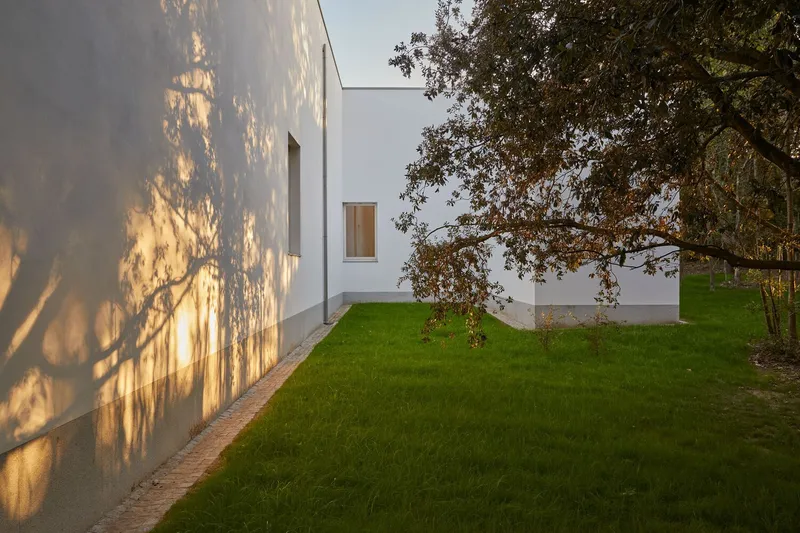
Design Philosophy and Architectural Approach
Integration with Nature
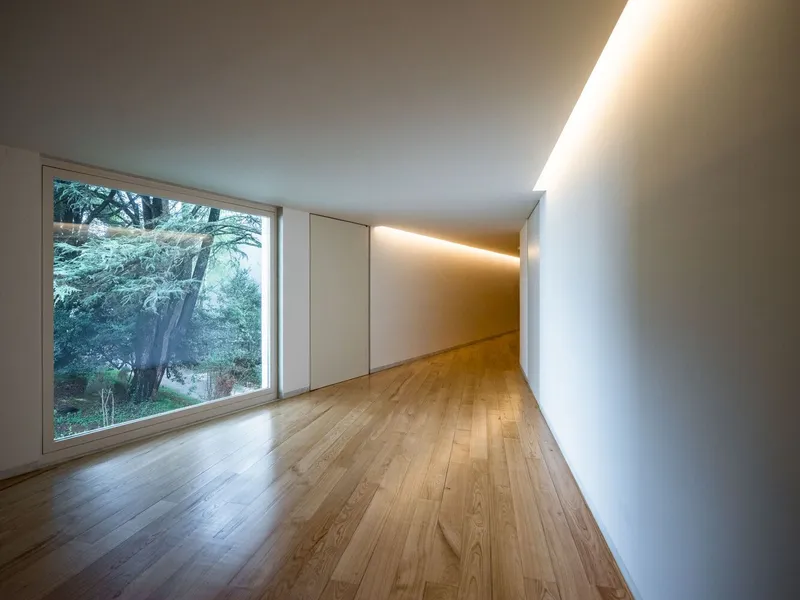
Siza’s design for the new wing demonstrates a profound respect for the existing landscape. The building is positioned to minimize its footprint and preserve the mature trees around it. An elevated gallery links the new wing to the rest of the museum, maintaining a visual and spatial connection with the natural surroundings.
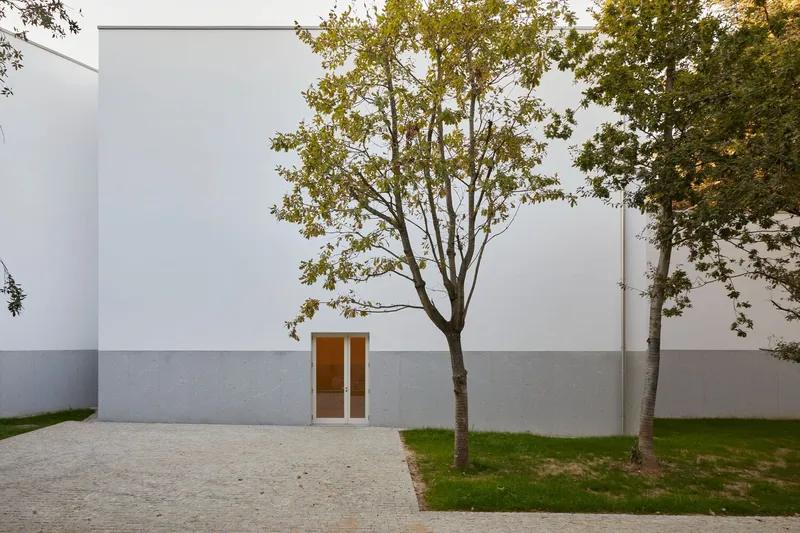
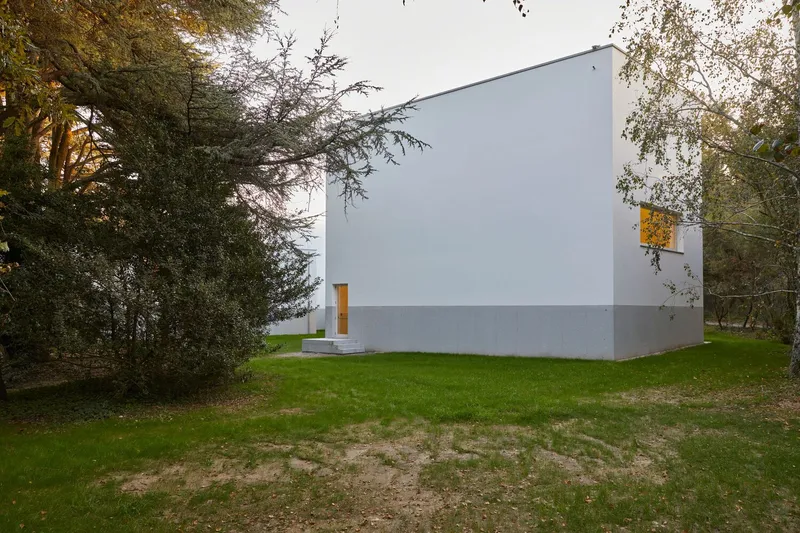
Functional Layout
The museum wing is distributed over three floors, each designed with specific functions in mind:
- Basement Floor: Houses service areas such as archives and technical spaces.
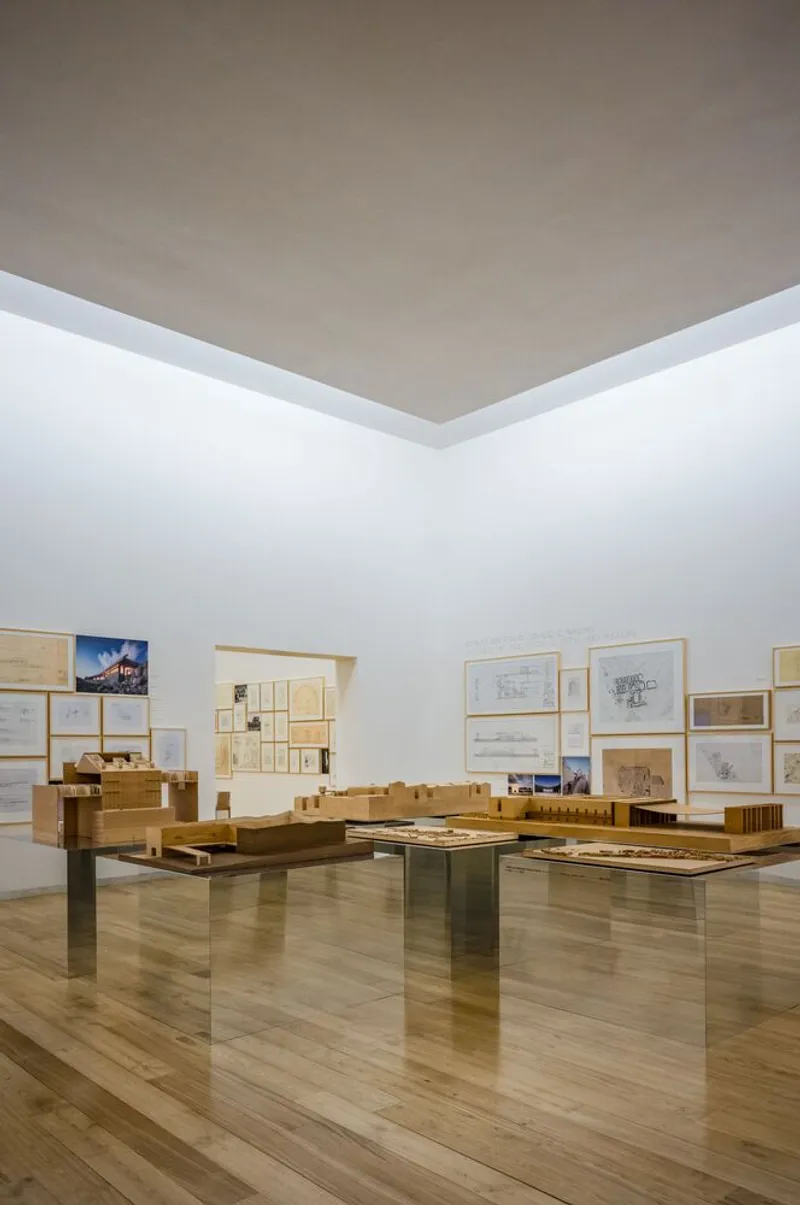
- Ground Floor: Features main atriums, public toilets, and two main exhibition rooms.
- First Floor: Contains the primary exhibition spaces, totaling 18 rooms, designed for versatility in displaying various art forms.

Architectural Features and Materials
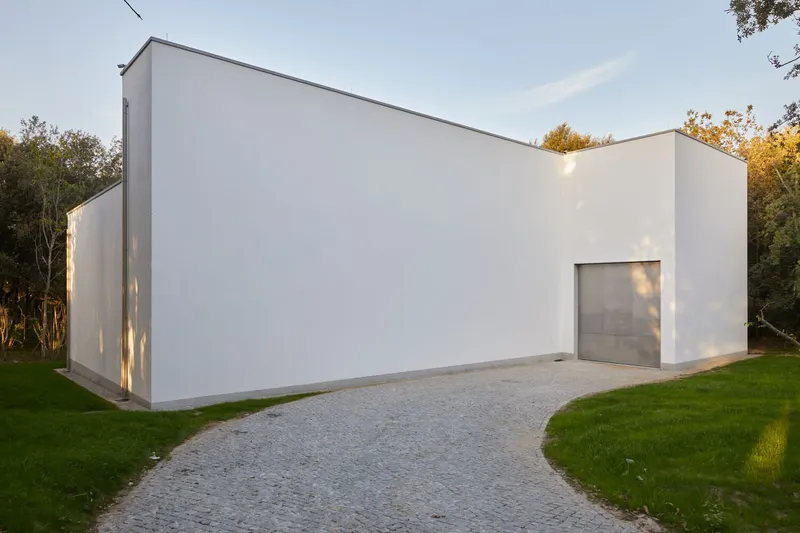
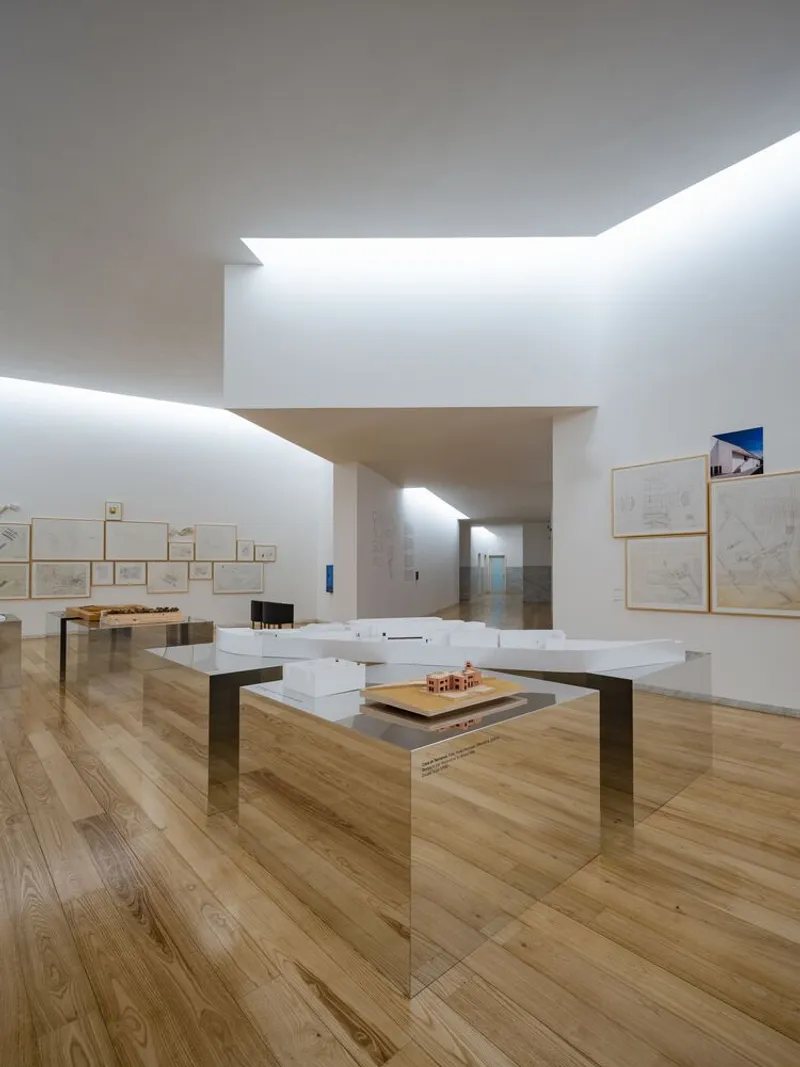
The Serralves Museum's Álvaro Siza Wing employs materials that resonate with modern architectural aesthetics yet are functional for museum settings. Externally, the walls are constructed from reinforced concrete with a smooth plaster finish. Internally, spaces are lined with plasterboard, which complements the external minimalism. The floors are a mix of wood and marble, the latter primarily used in areas exposed to water, providing both durability and elegance.

Natural and Artificial Lighting
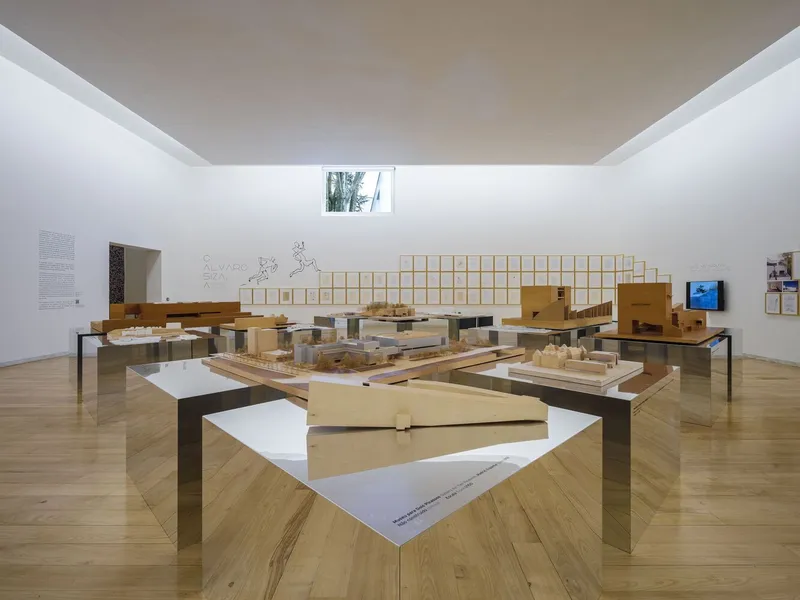
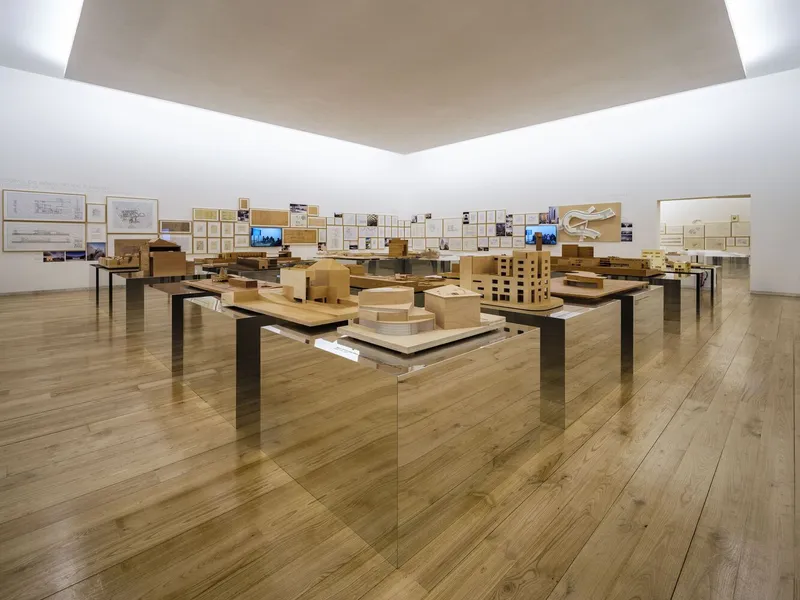
A critical aspect of modern architecture museum design is lighting. Siza’s design incorporates large windows that not only allow natural light to penetrate the exhibition spaces but also offer visitors views of the surrounding park, thus enhancing the integration of indoor and outdoor spaces. Artificial lighting is designed to adapt to the needs of the exhibitions, ensuring optimal visibility and conservation of artworks.

Compliance with Environmental Standards
The design of the Álvaro Siza Wing adheres to strict environmental standards. The building maintains a low profile in terms of impermeable surfaces, with the total construction covering less than 5% of the park area, thus respecting municipal regulations that designate the park as a green public area.
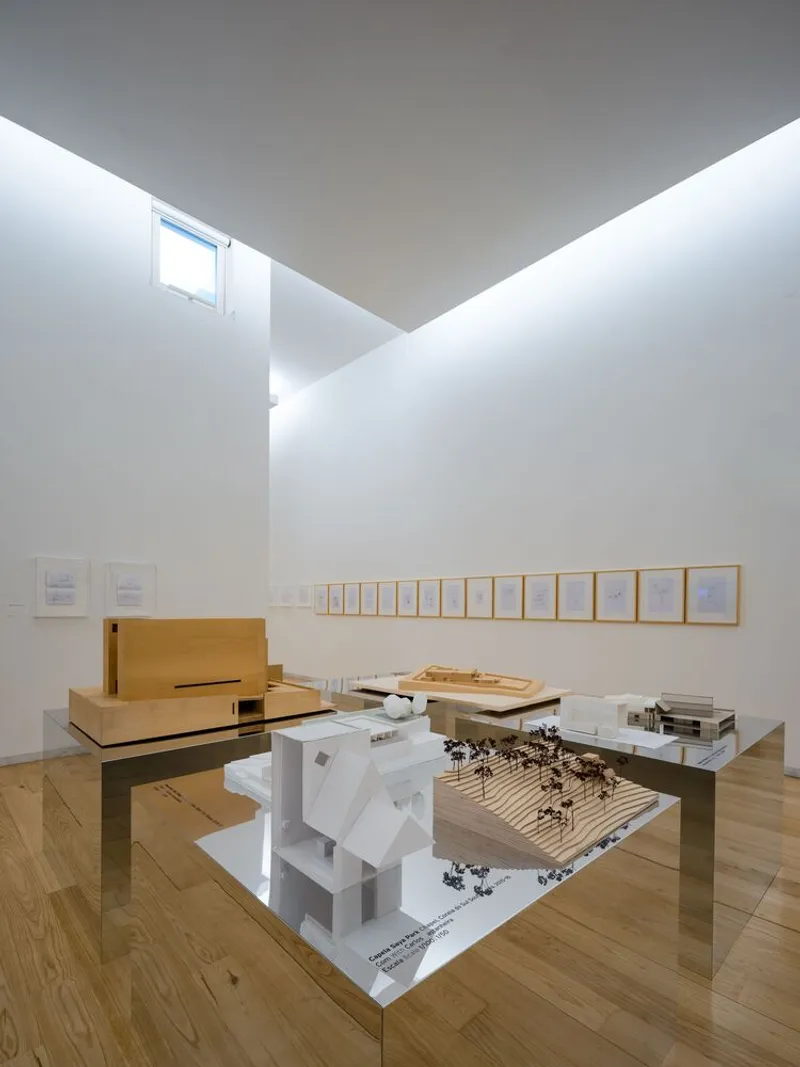
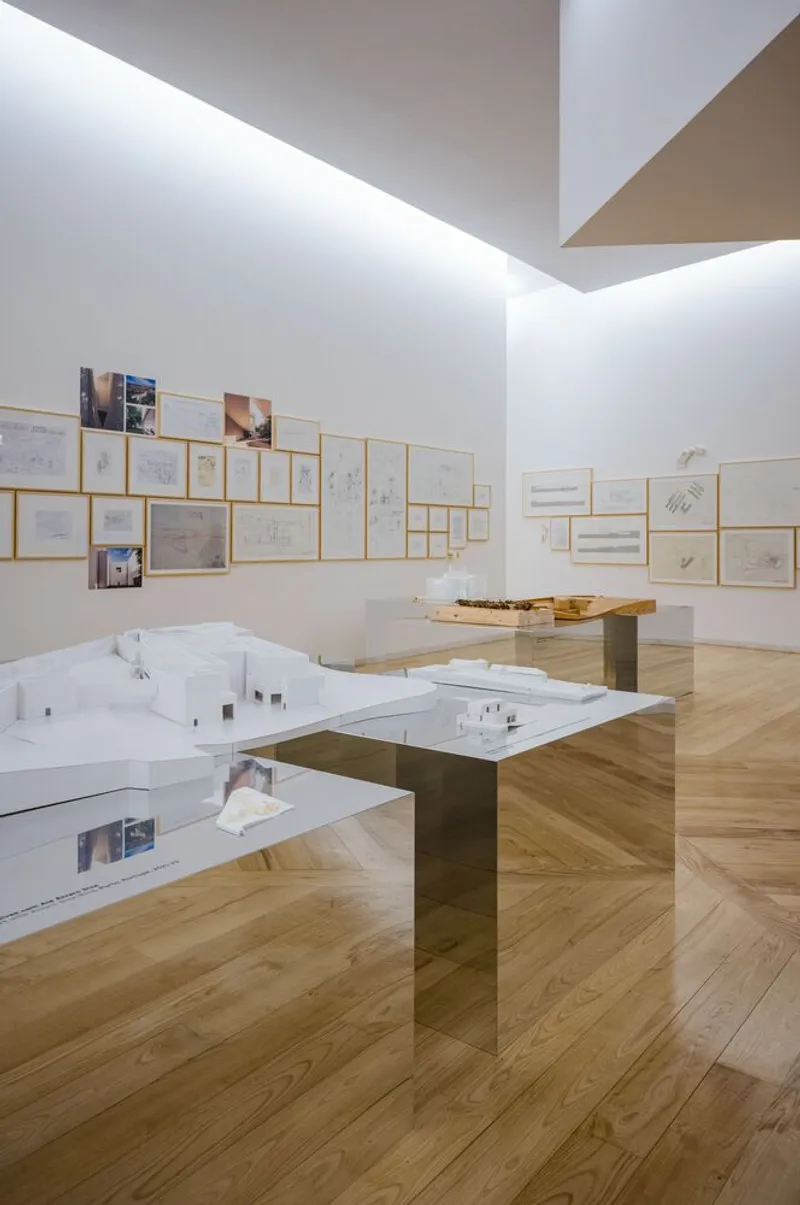
The Serralves Museum Álvaro Siza Wing by Álvaro Siza Vieira is a testament to modern architecture museum design that balances aesthetic appeal with functional and environmental considerations. This project not only enhances the cultural landscape of Porto but also sets a benchmark for future museum projects worldwide.
This wing offers insights into how contemporary architecture can coexist harmoniously with nature while providing dynamic spaces for art and public engagement.
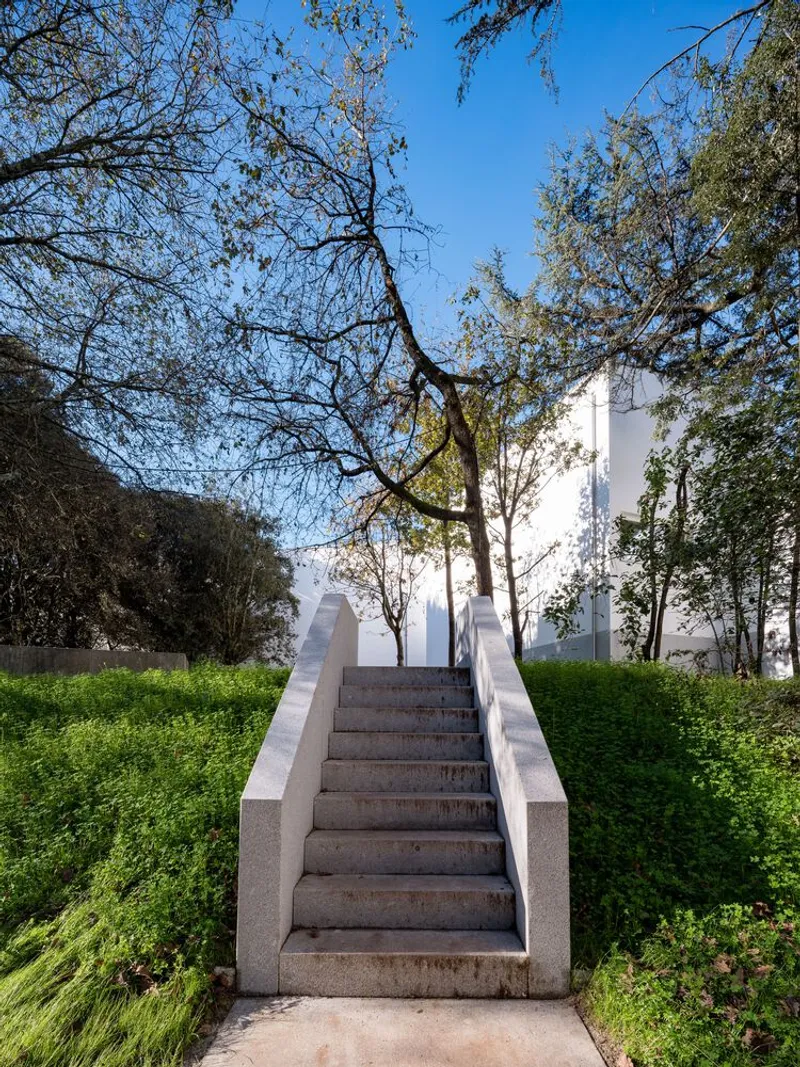
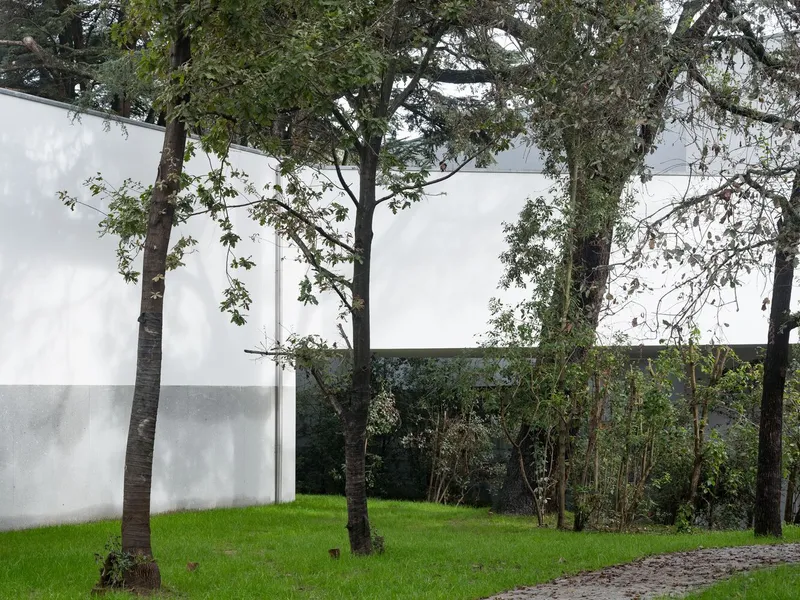

All photographs are work of Filipe Braga, Pedro Cardigo




Popular Articles
Popular articles from the community


The Ocean Hive: Sustainable Architecture for a Self-Sufficient Civilization at Sea
The Ocean Hive imagines sustainable architecture at sea, where modular habitats, algae, wave power and ocean waste sustain a growing colony.

Co-life: Sustainable Architecture for Age-Friendly Community Living
Co-life reimagines sustainable architecture for seniors through courtyards, rammed earth, shared gardens, and spaces designed for belonging.

The Earth Pod: 3D Printed Homes for Resilient Refugee Communities
The Earth Pod reimagines refugee housing through 3D printed homes made from clay, combining resilience, self-sufficiency, and rapid shelter.

AL-JANNAH: Sustainable Architecture and Permaculture for Afghan Widows
AL-JANNAH uses sustainable architecture and permaculture to create resilient oasis of housing, learning, work and renewal for Afghan widows.


Similar Reads
You might also enjoy these articles

Maya Harvest: A Cacao Resort Village Rooted in Mayan Tradition and Local Craft
Situated within a Tabasco cacao plantation, this shortlisted resort proposal merges vernacular materials with hands-on cultural immersion.
Harmonia: A River-Shaped Community That Grows Over Decades in Boa Vista
Curved pathways and modular grid structures along the Branco River create a phased settlement designed to evolve from 2030 to 2050.

The Architecture of Bathing: A Mughal Hammam Reimagined Across the Yamuna
Charlotte May's honorable mention entry for The Black Taj reinterprets Agra's bathing rituals through red sandstone, water, and framed views of the Taj Mah

Om-1: A Wall-Hung System That Moves Your Workspace Off the Desk
Modular plywood boards, magnetic pegs, and utility elements migrate clutter from the horizontal surface to the vertical plane.

Explore Cultural Architecture Competitions
Discover active competitions in this discipline



Challenge to reimagine the Iron Throne


Photograph architecture without architects


Illustrate the lost glory of Angkor Wat - Render Challenge


Bring back Drive In's
Comments (0)
Please login or sign up to add comments
No comments yet. Be the first to comment!