
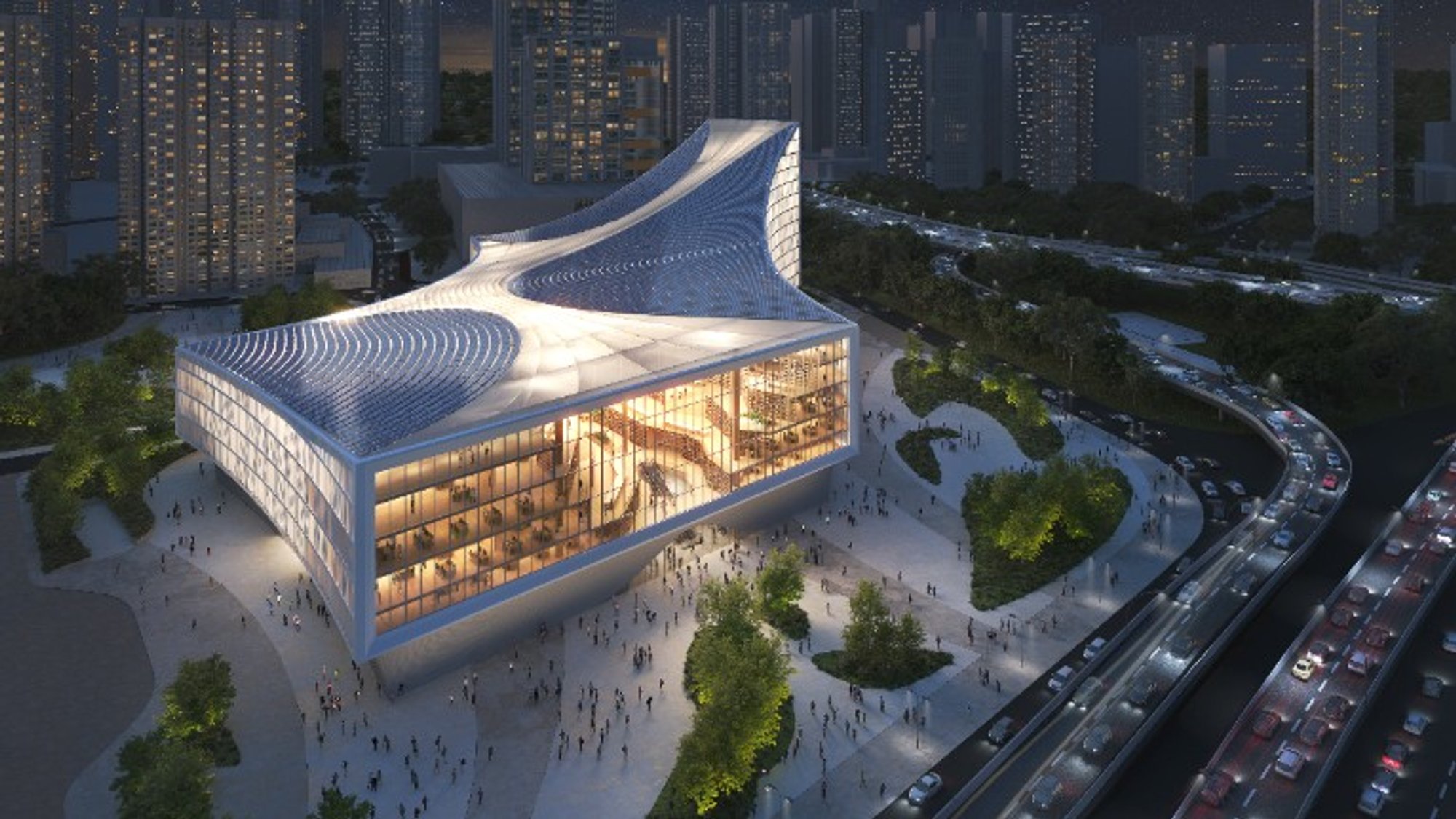
MVRDV's 'Canyon of Books' Design Selected as Winner for Wuhan Library
Design features a unique stacked layout resembling a 'canyon of books' for the Wuhan Library in China

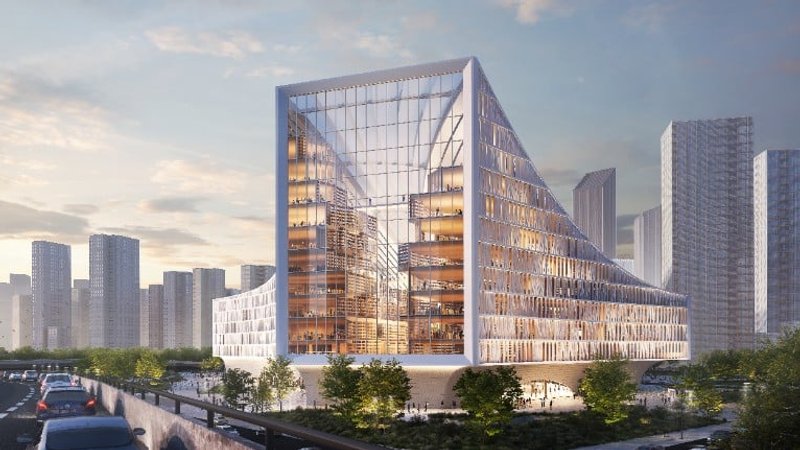
Dutch architecture firm MVRDV has been selected as the winner of a competition to design a new central library for Wuhan, China. The 140,000-square-meter project will be one of the largest libraries in China, featuring a blend of traditional and modern functions with various spaces for study, relaxation, reading, and studio work. The building will have three large openings that will provide glimpses into the activity within, sparking curiosity and intrigue. The building's distinctive three-faced flowing shape is designed to celebrate Wuhan's nickname as the "city of 100 lakes" and will become a new recognizable landmark for the city.
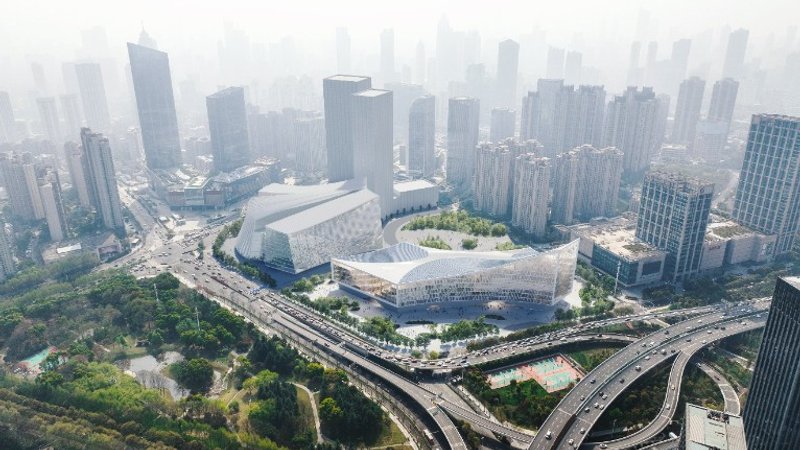
The new Wuhan Library, located in a highly visible spot next to the Baofeng overpass in the city's Central Business District, will be a hub for literature, information services, and scientific and technological innovation and research. This new addition to the city will improve Wuhan's public information service system and cater to the needs of reading, learning, communication, and innovation, all while boosting the city's urban economy.
The building design is inspired by the geography of Wuhan, paying homage to the rivers' sculptural force through their form, interior character, spatial qualities, and materials. The library's three striking picture windows face the city from different vantage points, reflecting the heights of the surrounding buildings. The tallest window faces the CBD skyline, a low and wide window offers panoramic views of the park opposite, and a long, curved window embraces the adjacent plaza, giving passers-by a glimpse of the lively atmosphere inside.
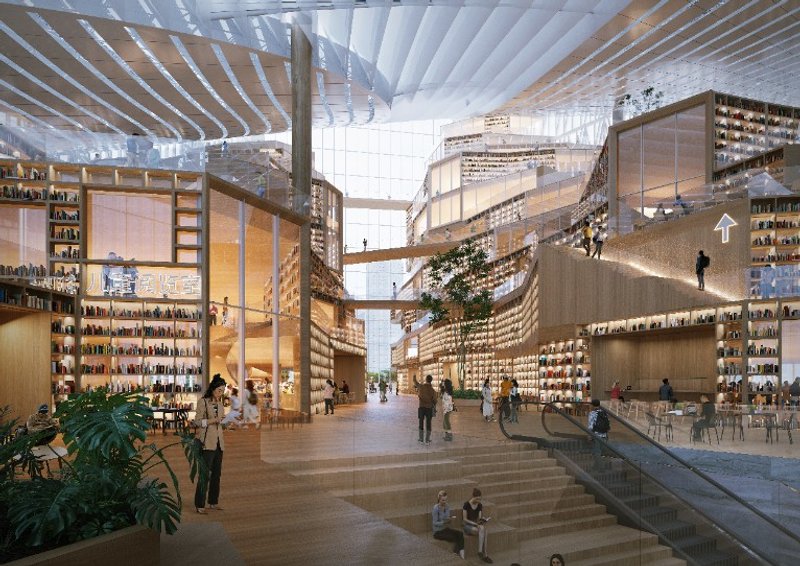
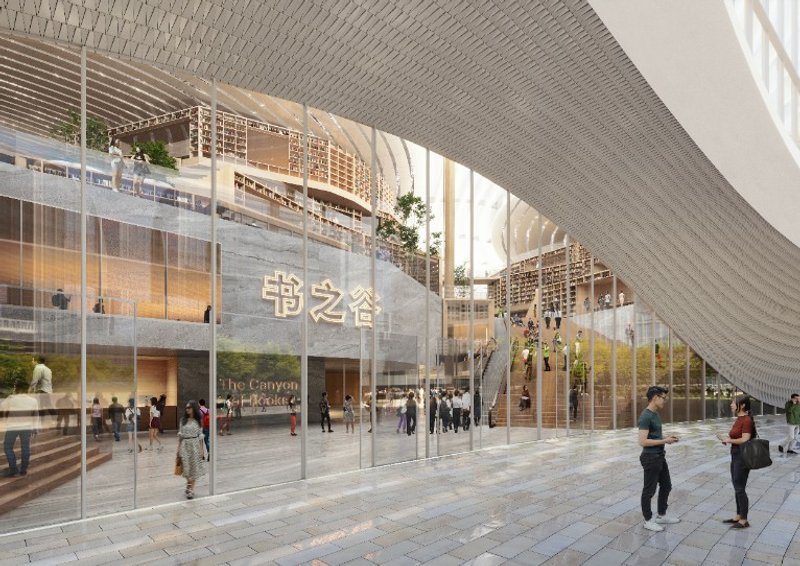
The design of the library's interior emphasizes Wuhan's location at the junction of multiple rivers, surrounded by the urban landscape. The terraced levels of books resemble the sculptural lines of a canyon, with a spacious ground floor area open to the public for use throughout the day. The terraces are divided into pavilion-like spaces that house various programs and activities within the library. The canyon shape creates different areas for different activities, such as quiet reading spots, collaborative workspaces, and bookshelves that are integrated into the overall design. The "reading canyon" is a central feature of the library, symbolizing the convergence of knowledge within the building.
Going inside, certain landscape elements come together,” says Jacob van Rijs, founding partner of MVRDV. “There is a series of plateaus that can be used for studying. The biggest one will be for the more popular areas. The higher up you go, the quieter the study and reading spaces will be, serving the needs of visitors. The topography of Wuhan was an important source of inspiration: we have this idea of a horizontal view towards the lakes and on the other hand, we have this more vertical view towards the city with the high rises. This is nature versus the city, and the building is somehow focusing on this. I think this makes it an exciting place to gather.”
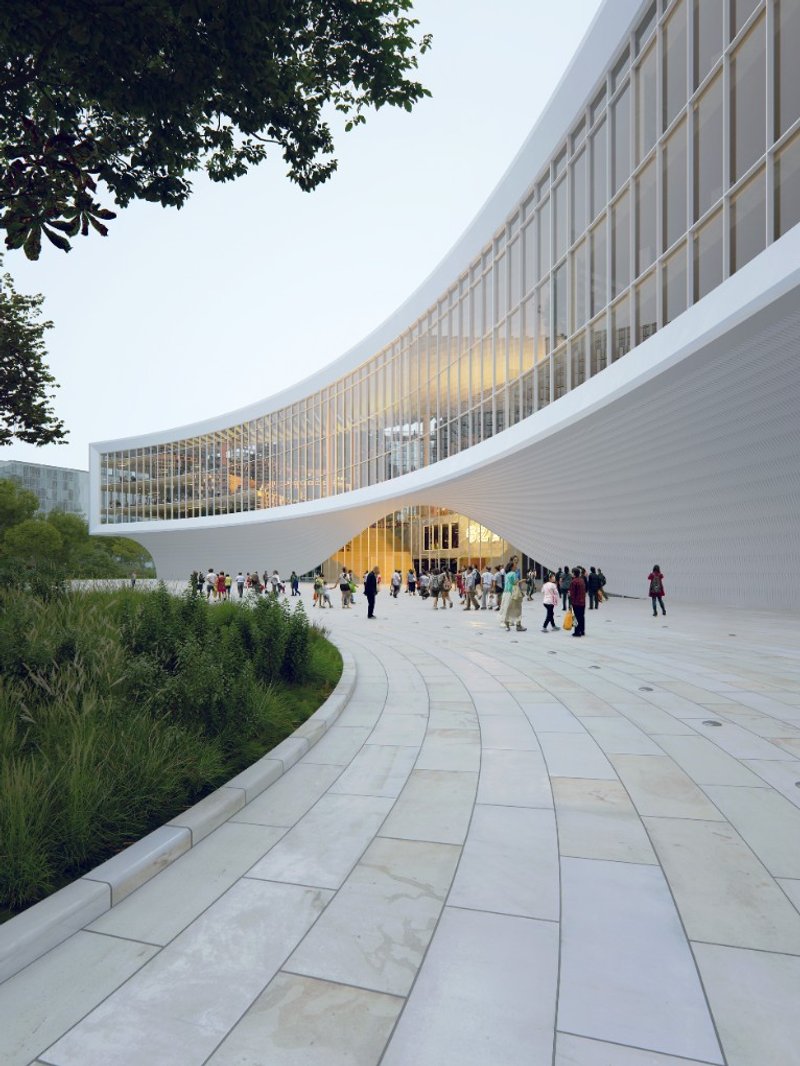
The grand interior canyon of the urban area attracts visitors to come inside. In the park surrounding the area, the plants will be chosen to suit the climate of Wuhan for long-term sustainability. Tall trees will provide relief from intense sunlight in certain areas, while the main public areas will be shaded by the northwest corner of the building. The use of native vegetation requires minimal upkeep and maintains a consistent vibrancy throughout the year. Additionally, it filters water during rainy seasons and helps to reduce the heat island effect during the hot summer months.
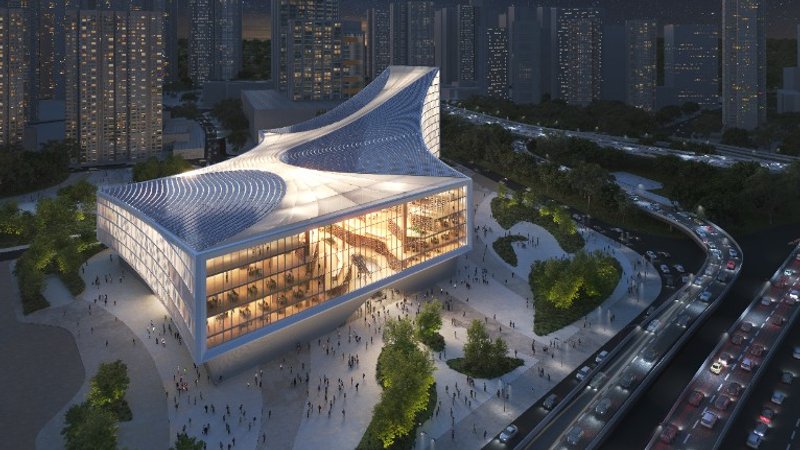
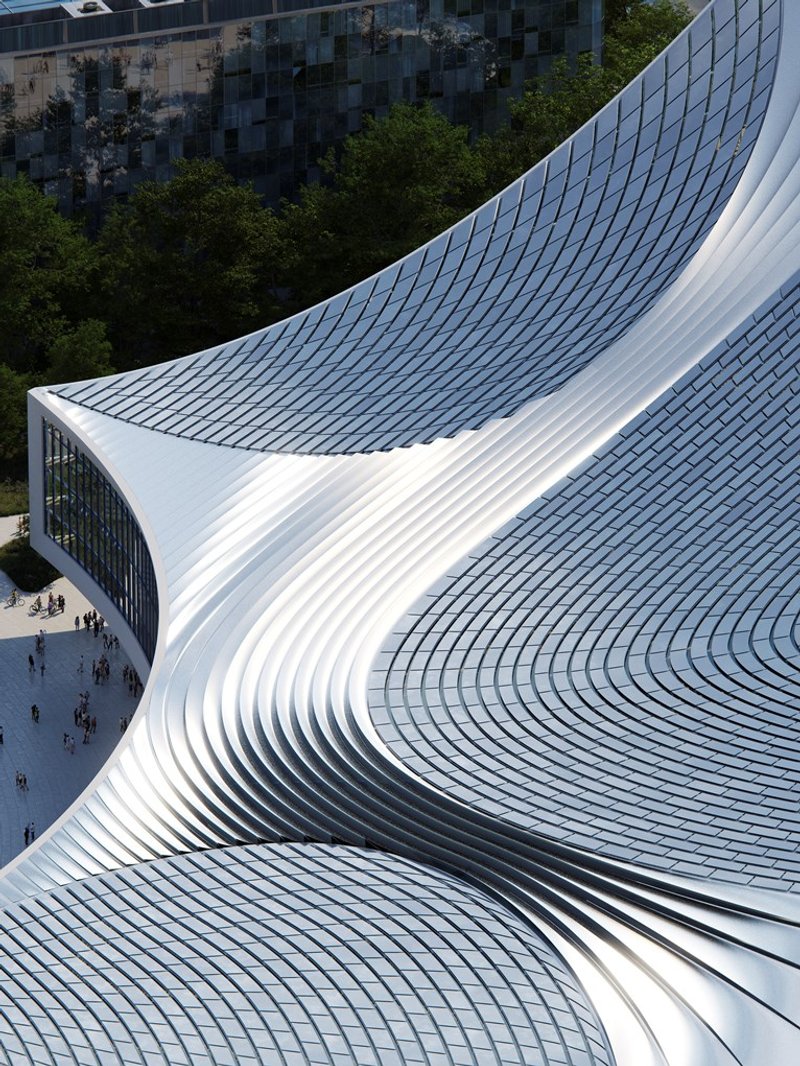
To decrease energy usage in Wuhan's hot climate, various strategies have been implemented in the building design. The exterior of the building features a bookshelf-like arrangement of louvres, which not only provide shade to the interior but also communicate the building's purpose. These louvres are more concentrated in areas that require the most sun protection. Additionally, the building's base is recessed to create large overhangs that also offer shade. The incorporation of openable elements for natural ventilation, combined with smart technology and an energy-efficient lighting system, further decreases the building's energy requirements. Lastly, the library's unique roof shapes incorporate solar panels, providing the building with a source of renewable energy.
MVRDV, a renowned architecture firm, has previously designed a library in China. In 2017, they presented the Tianjin Binhai Library as part of a larger master plan to develop a cultural district for the city. The 33,700m2 cultural centre boasts a stunning spherical auditorium and floor-to-ceiling cascading bookcases. Like the Wuhan Library, this library serves as more than just an educational centre. It functions as a social space and a connector from the park to the city's cultural district.
Press release and visuals courtesy of MVRDV
References (1)



Popular Articles
Popular articles from the community

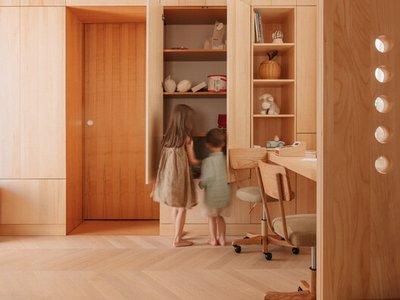
Treehouse Apartment: A Warm Timber Interior Blending Craft, Play, and Contemporary Living
Warm timber apartment with integrated treehouse, combining natural materials, craftsmanship, and playful design to create a flexible, family-oriented living environment.
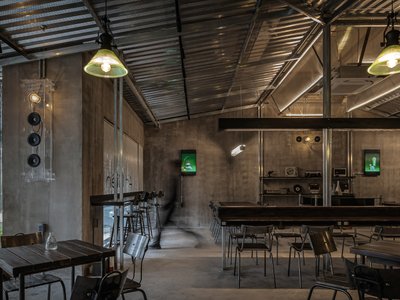
An Miên Lumière Cafe by xưởng xép, Ho Chi Minh City, Vietnam
An industrial-inspired café where layered steel and warm light create a dynamic, immersive environment shaped by reflection, depth, and perception.
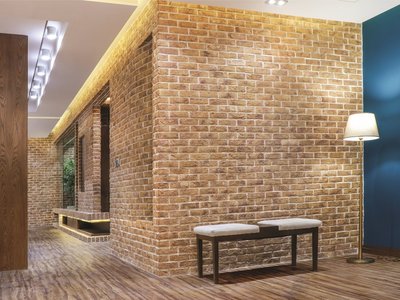
A Contemporary Take on Iranian Residential Architecture
A modern interior design in Mashhad that reinterprets brick, light, and spatial flow to create a warm, contemporary residential architecture.


The Ken Roberts Memorial Delineation Competition (Krob)
As the most senior architectural drawing competition currently in operation anywhere in the world, it draws hundreds of entries each year, awarding the very best submissions in a series of medium-based categories.
Similar Reads
You might also enjoy these articles
Zhuxi Wonderland: Reimagining Traditional Chinese Gardens by Doarchi Architects
Zhuxi Wonderland by Doarchi Architects reinterprets traditional Yangzhou gardens, integrating courtyards, pavilions, and tea houses in modern cultural design.
Doble Soga House: A Contemporary Brick Residence Rooted in Landscape in Quito, Ecuador
Brick house in Quito integrating nature, flexible living spaces, exposed materials, and rooftop terrace, creating warm contemporary architecture for modern family life.
Al Gharra Mosque in Medina Redefining Contemporary Islamic Architecture
Minimalist Medina mosque using concrete, light, and landscape to reinterpret Islamic worship spaces through symbolic spiritual transitions and contemporary architecture.
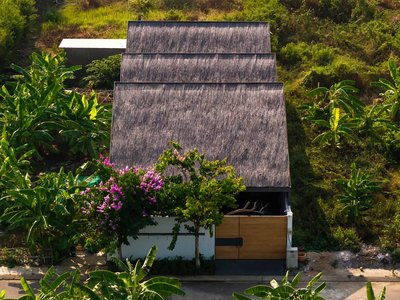
Viczonecode Villa by DDconcept – Tropical Family Living in Ho Chi Minh City
Tropical family villa in Ho Chi Minh City featuring courtyards, skylights, natural ventilation, elevated flooring, and seamless indoor–outdoor living surrounded by greenery.


Explore Architecture Competitions
Discover active competitions in this discipline




The International Standard for Design Portfolios


The Global Benchmark for Architecture Dissertation Awards


The Global Benchmark for Graduation Excellence


Challenge to design public laboratory
Comments (0)
Please login or sign up to add comments
No comments yet. Be the first to comment!