

OMA's Creative Fusion: Unveiling Christian Dior's Designer of Dreams Exhibition
Can OMA's Christian Dior Exhibition Redefine the Dreamy World of Fashion?


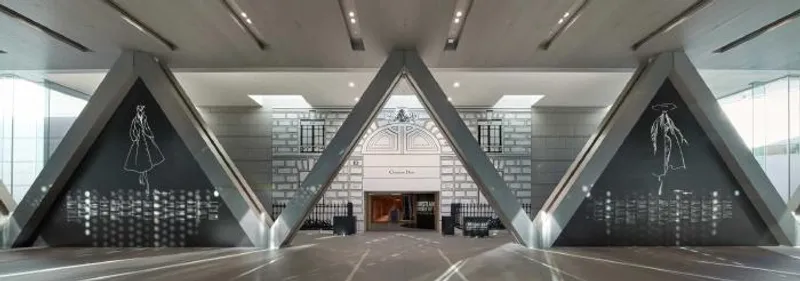
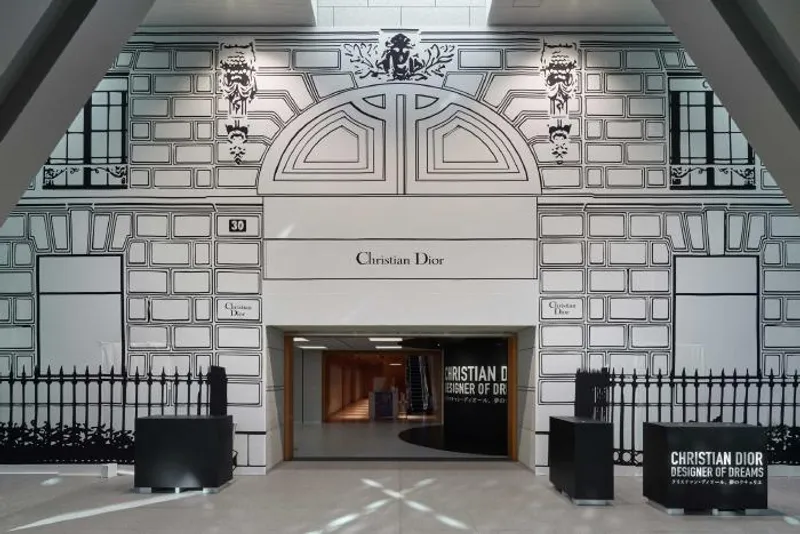
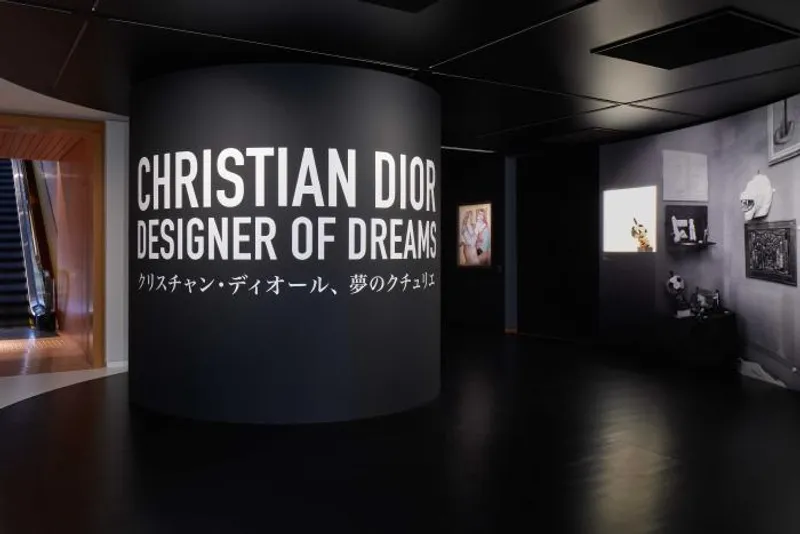
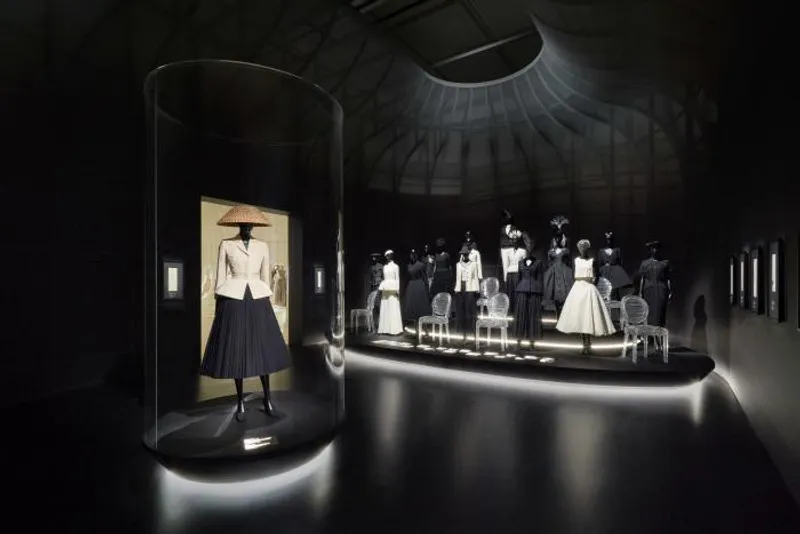
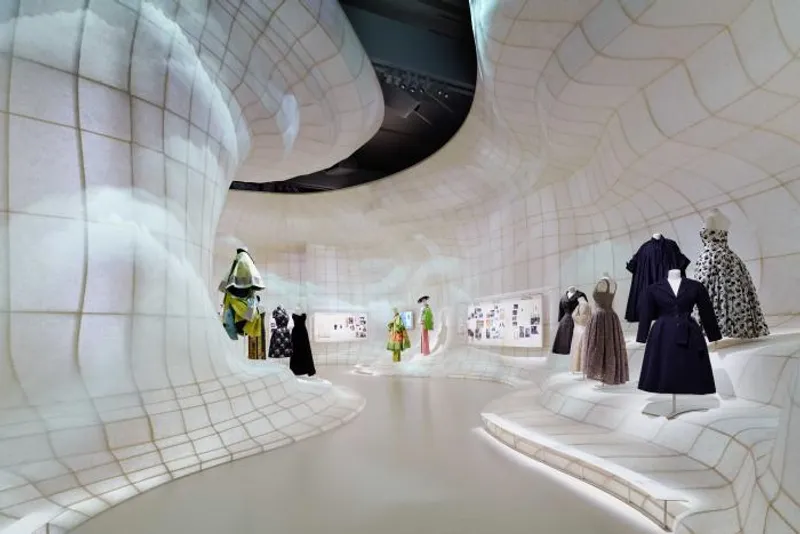
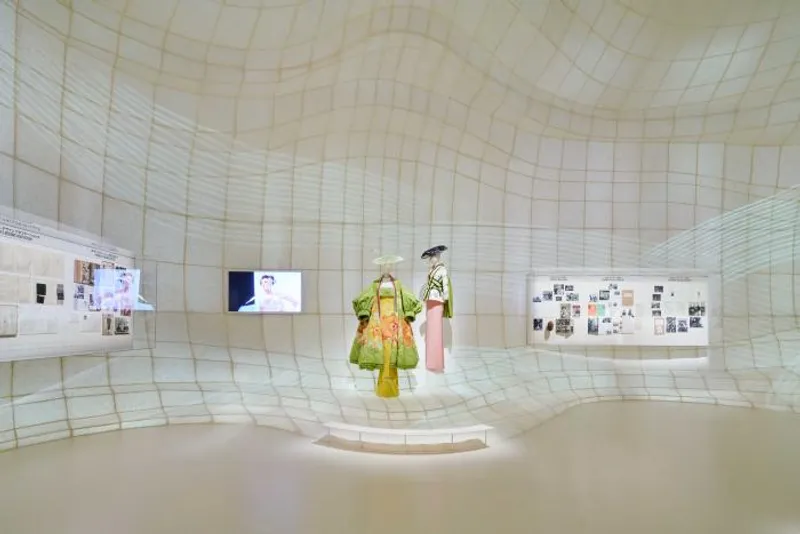
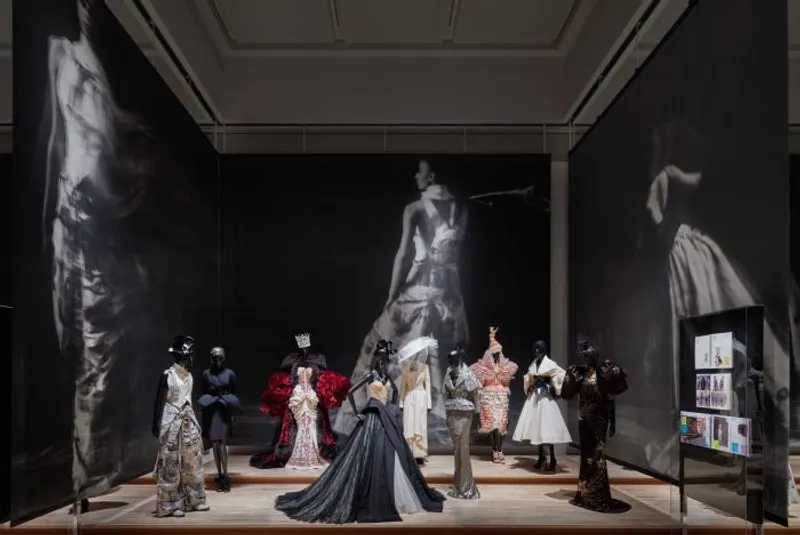
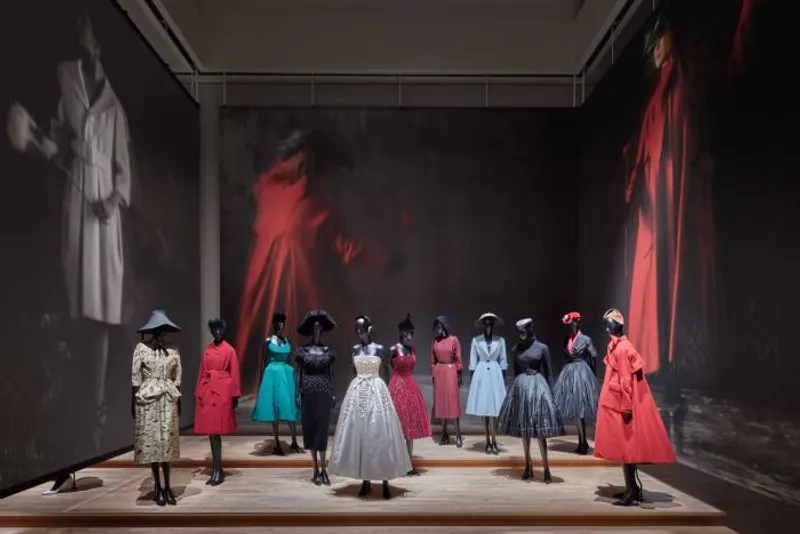
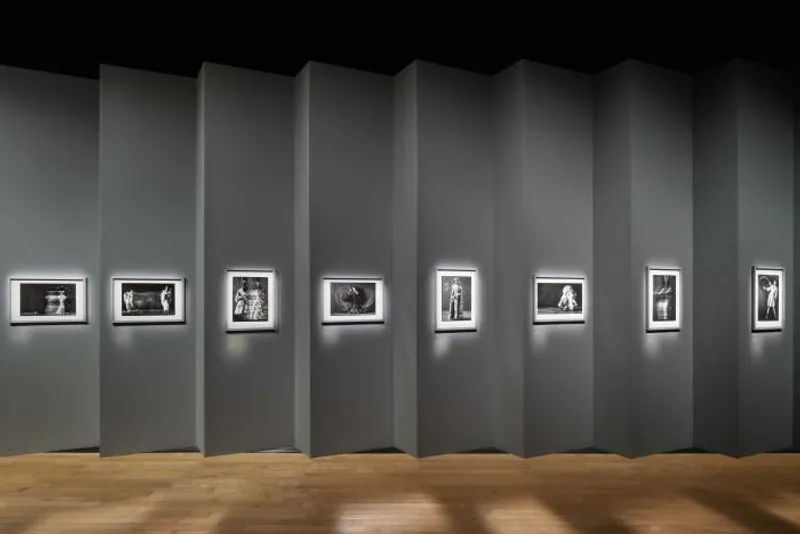
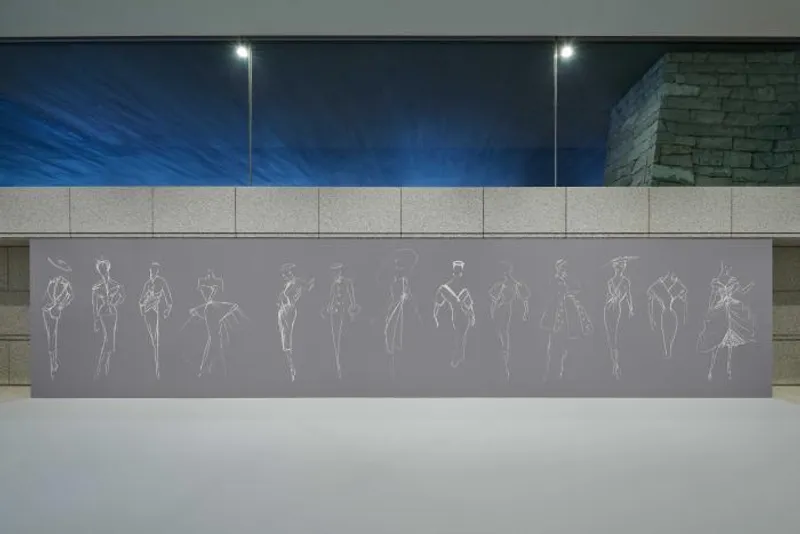
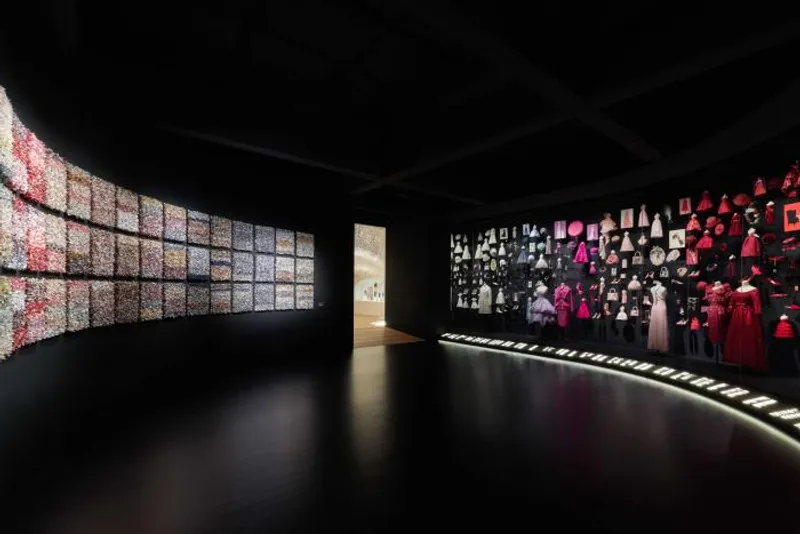
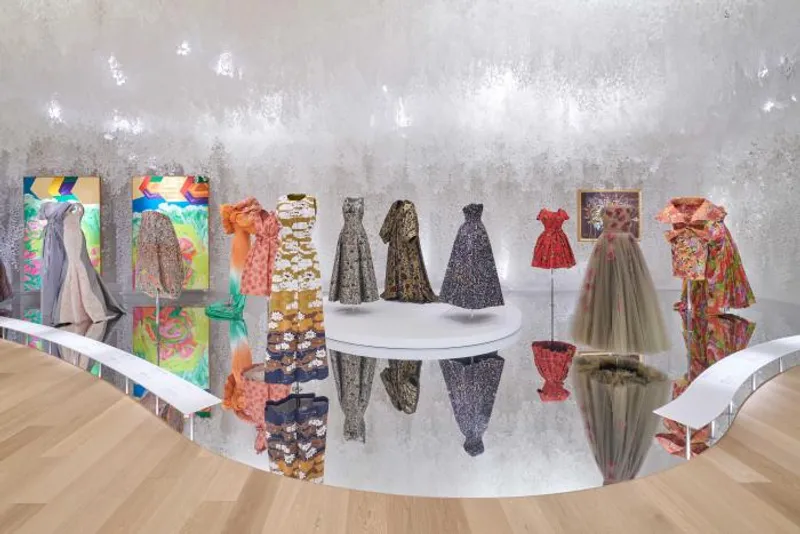
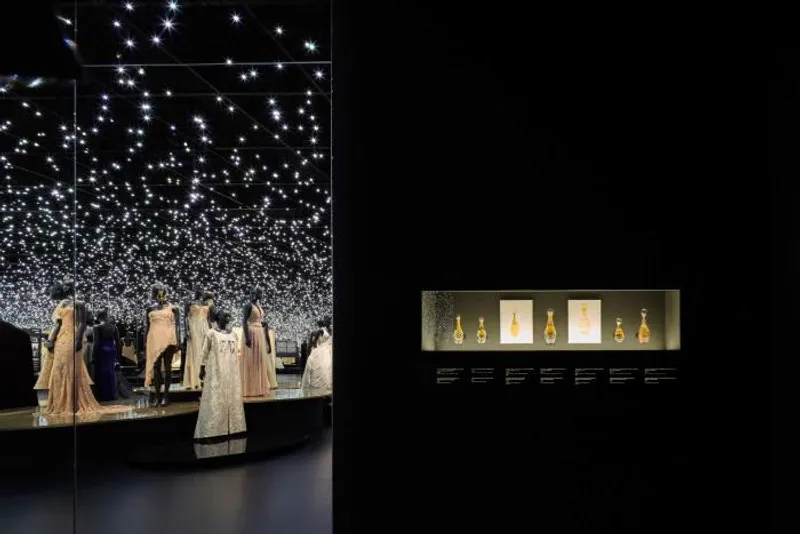
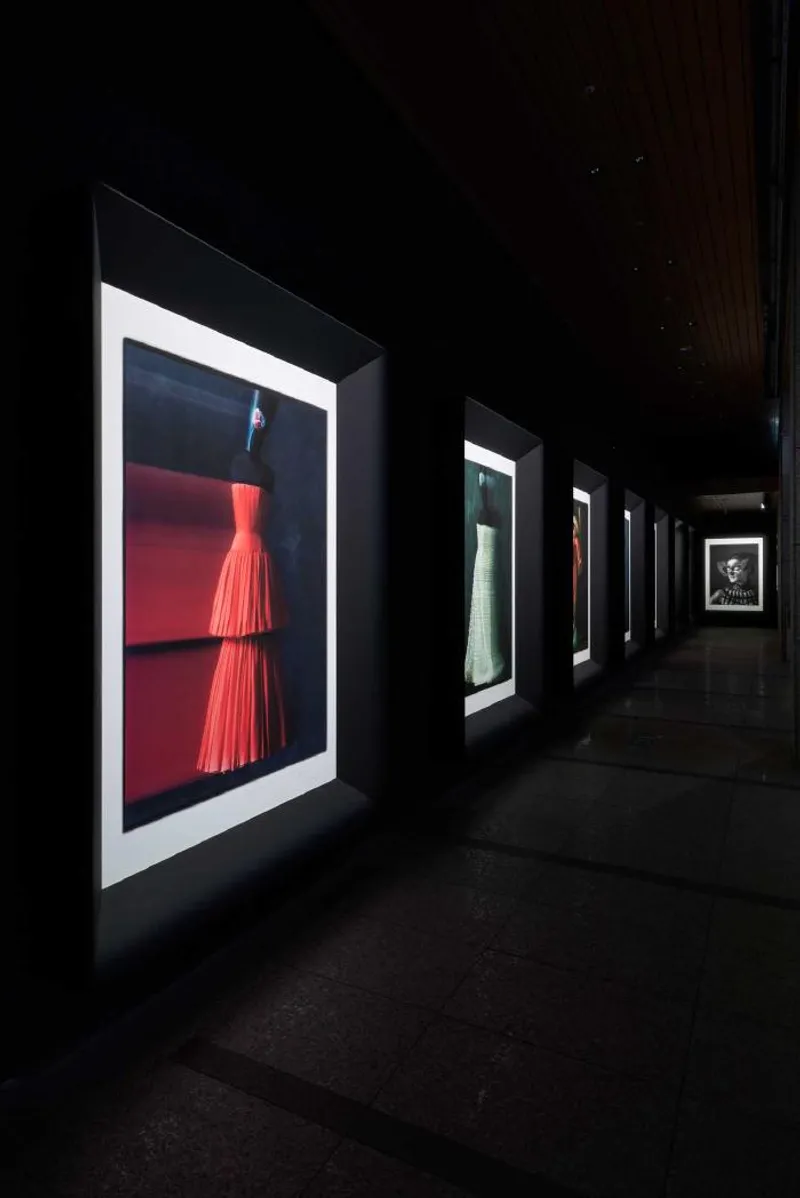
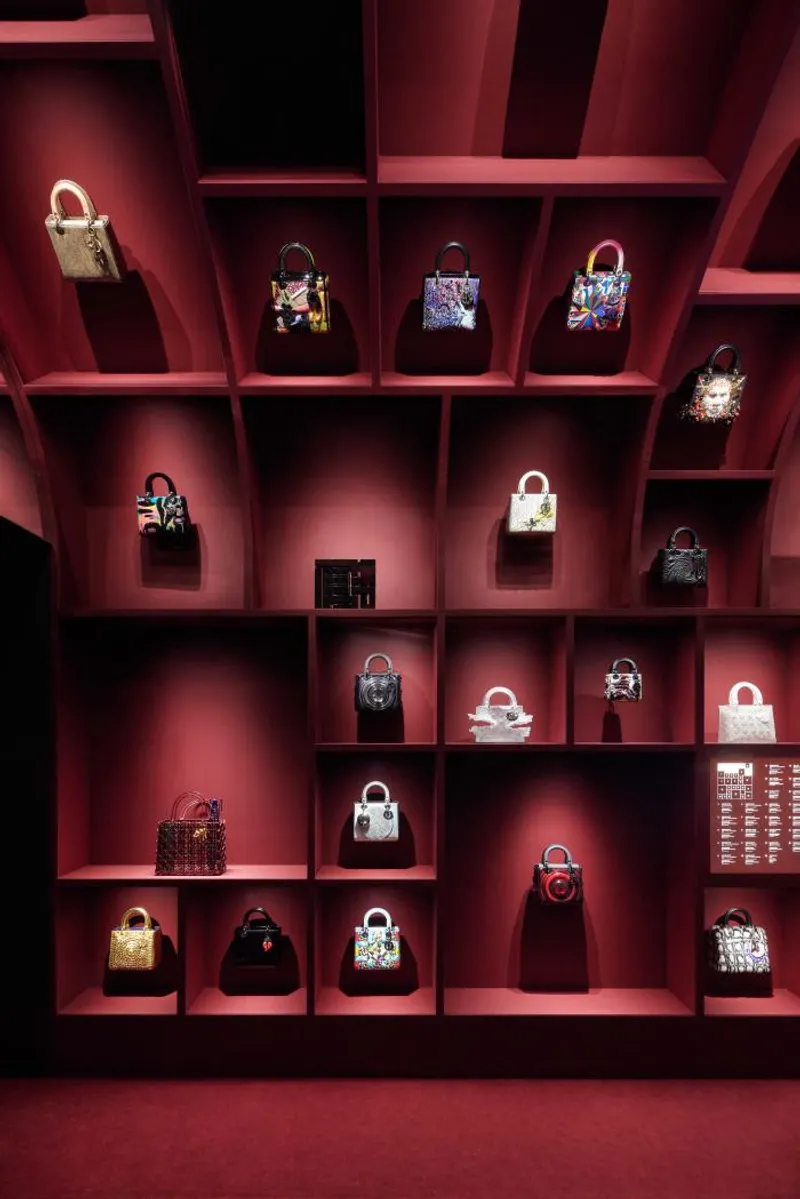
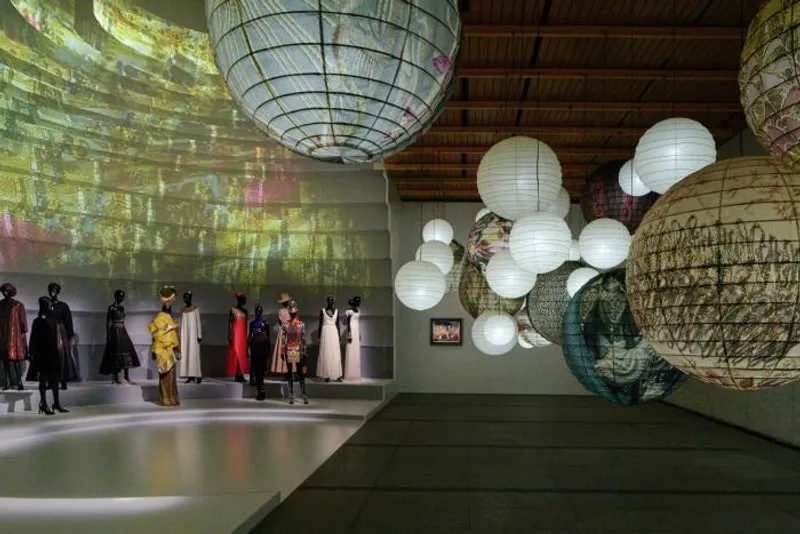
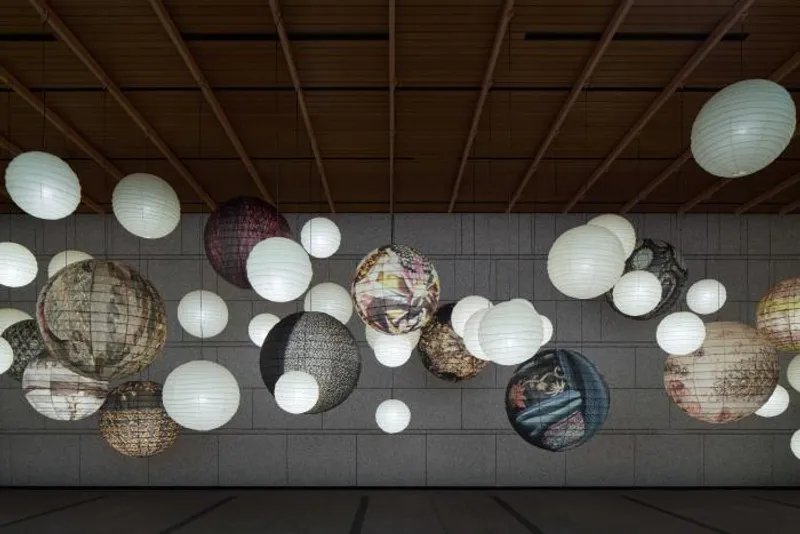
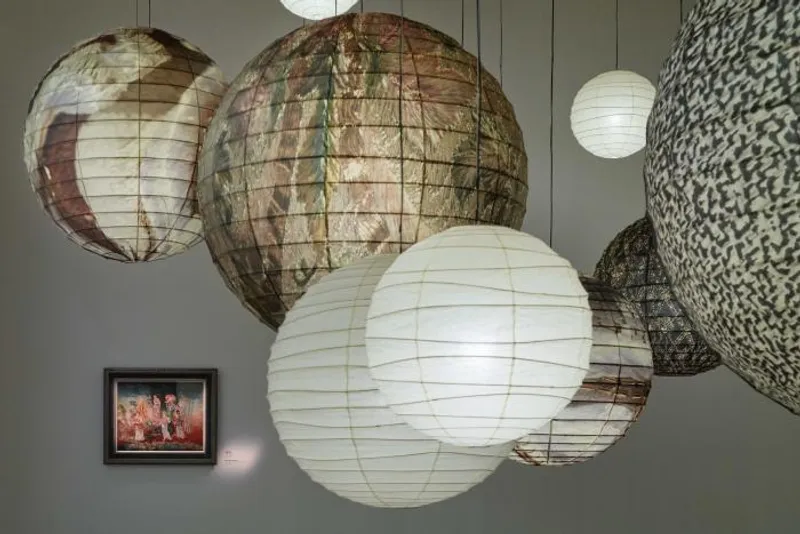
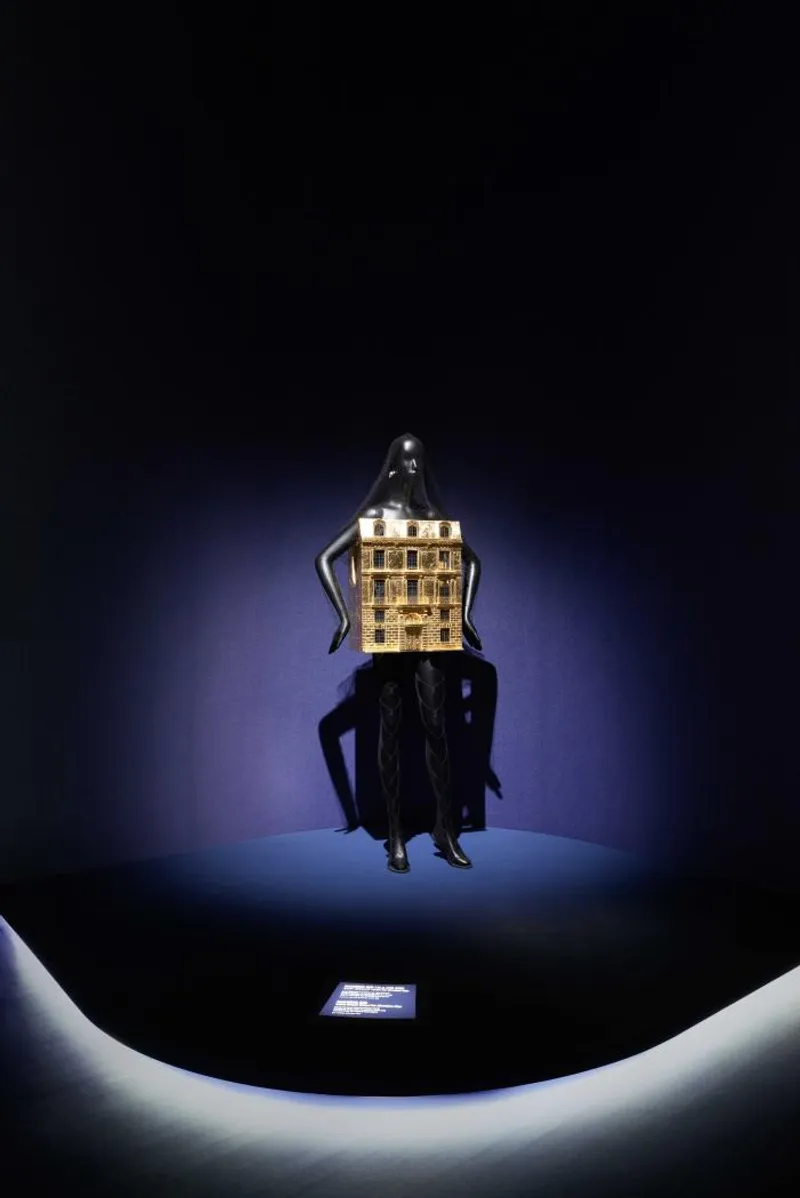
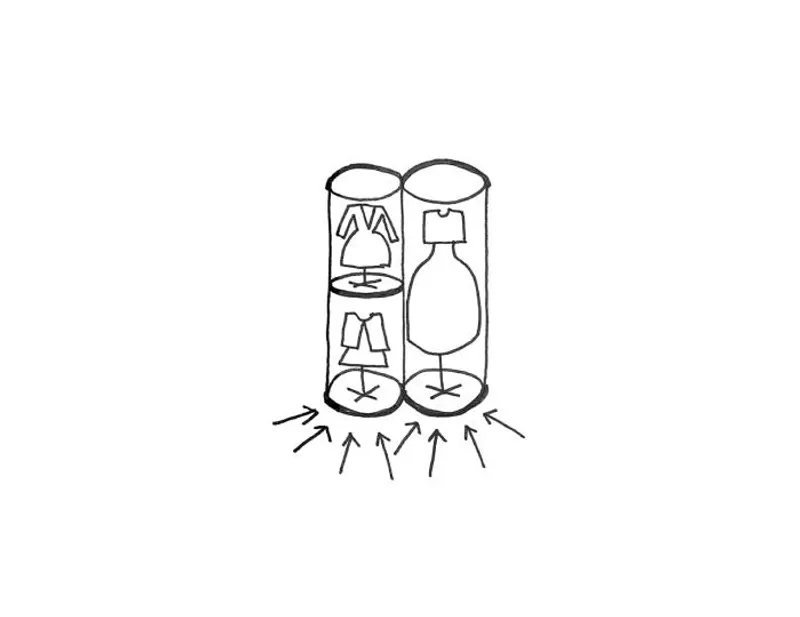
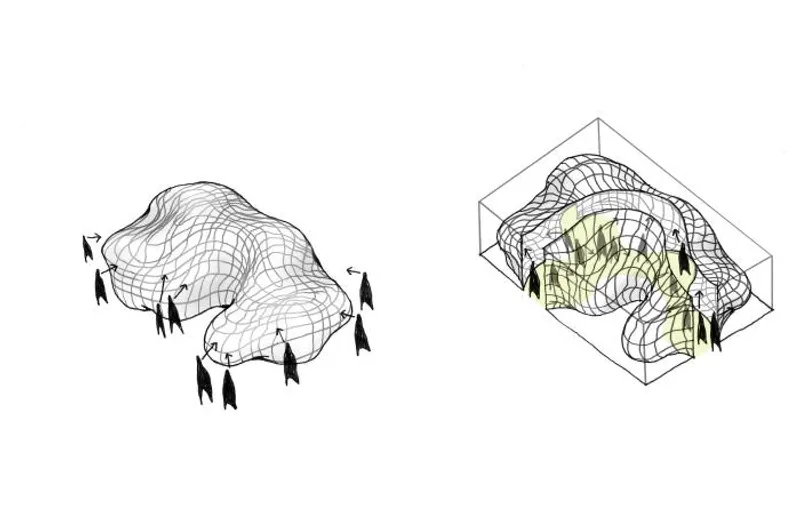
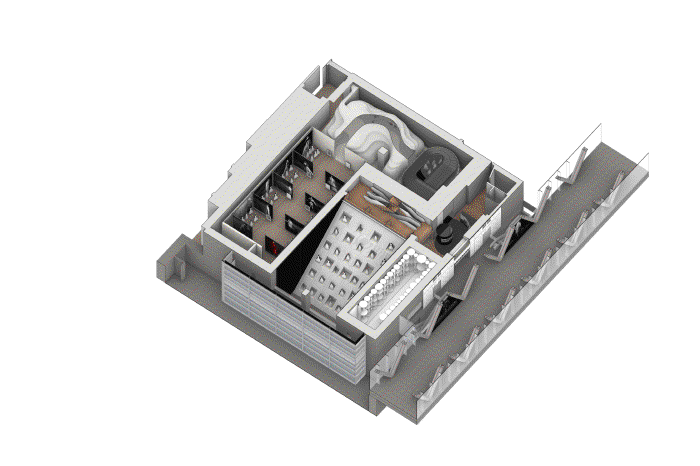
The House of Dior is a fashion legacy that continues to evolve with the contributions of individual creative directors. The scenography for Dior: From Paris to the World at the Denver Art Museum and Dallas Art Museum created a unified backdrop for garments and artworks that showcased over 70 years of The House of Dior. In Japan, the exhibition design for Christian Dior: Designer of Dreams reflects the country's technological innovation and traditional culture. The scenography reimagines the white-cube gallery to provide an immersive experience with rooms transitioning between light and dark, intimate and grand, organic and orthogonal. Across two floors of the MOT, 22 curatorial themes are deployed into separate, specific, immersive environments. The set designs utilize different techniques, materials, or motifs referential to elements shared between Japanese tradition and culture and Dior history and contemporary collections. Visual and spatial qualities of known elements and construction techniques like Shoji screens and Nebuta1 floats are manipulated, exaggerated, and shaped into contemporary forms. These constructed landscapes create distinct and immersive environments and a new set of surfaces to expand storytelling capacity.
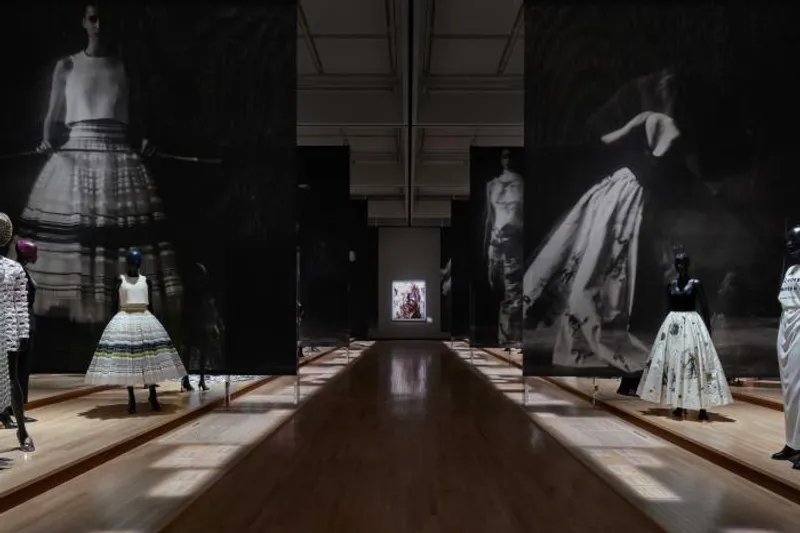
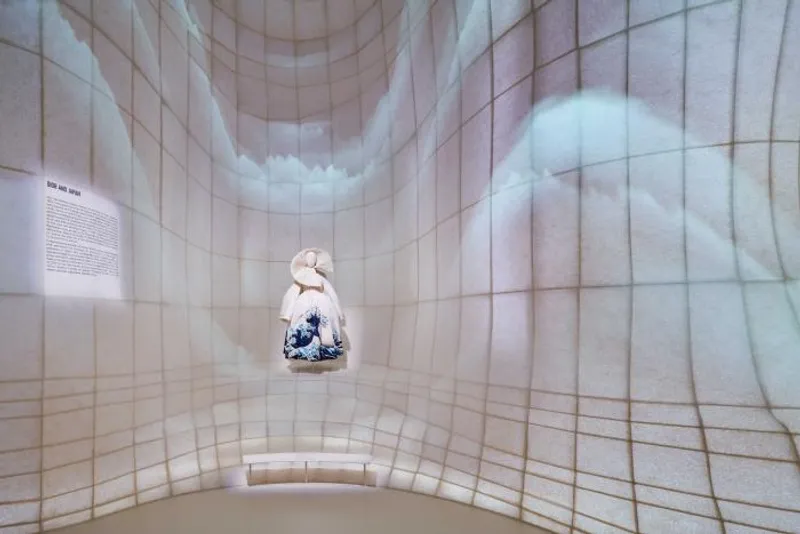
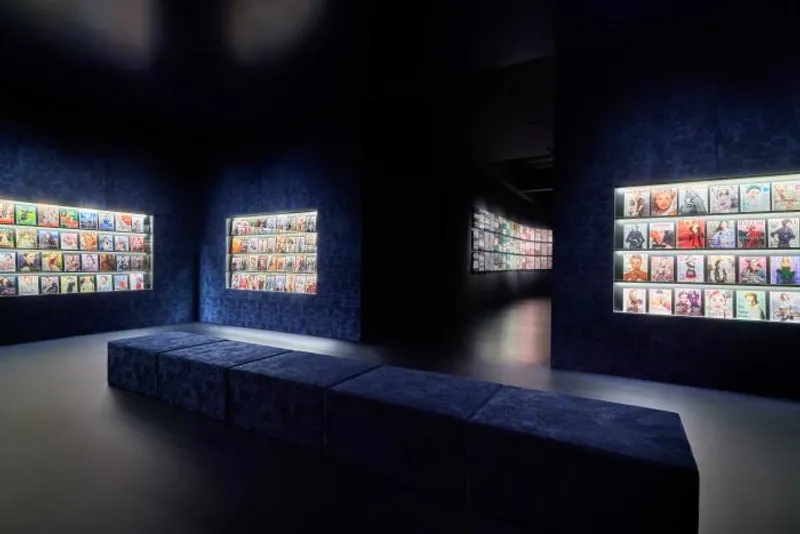
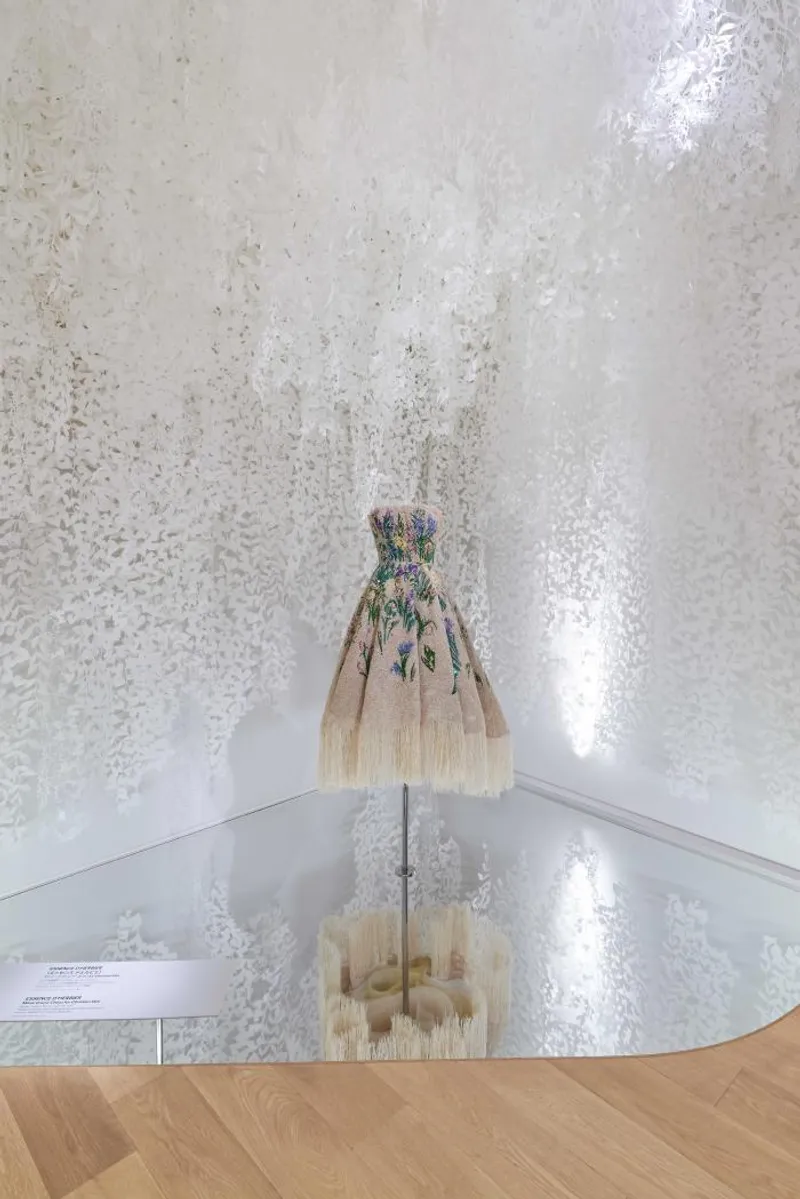
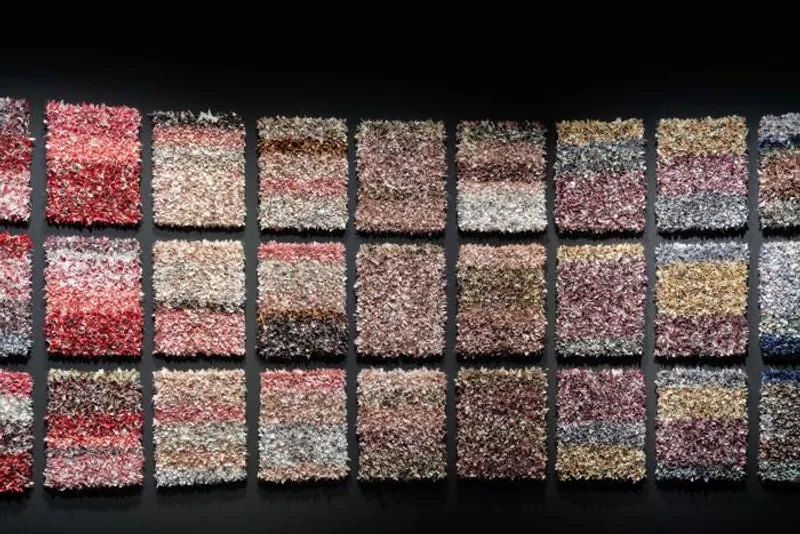
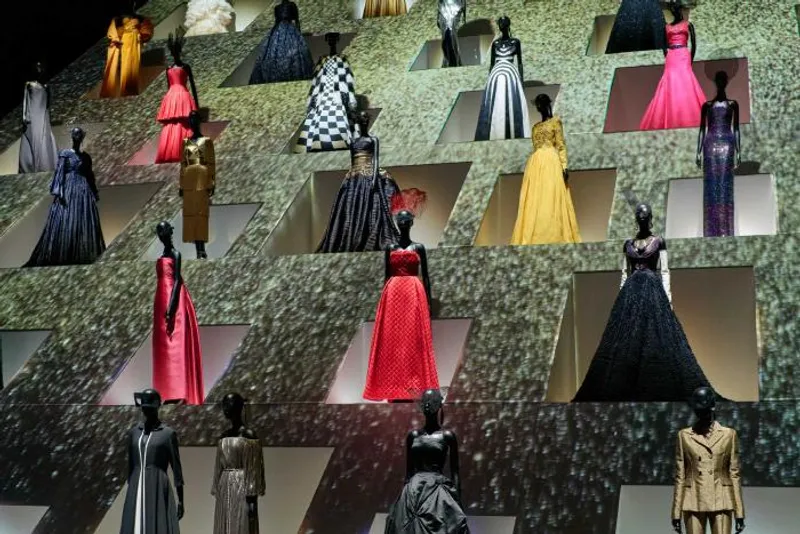
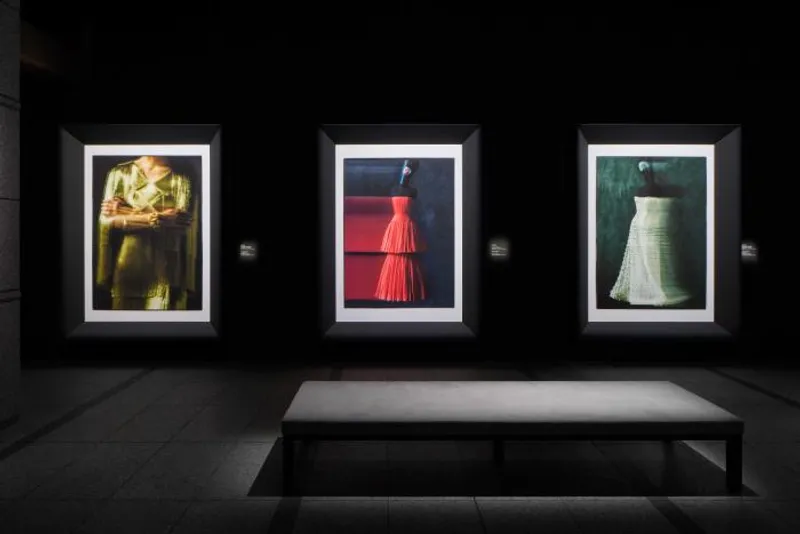
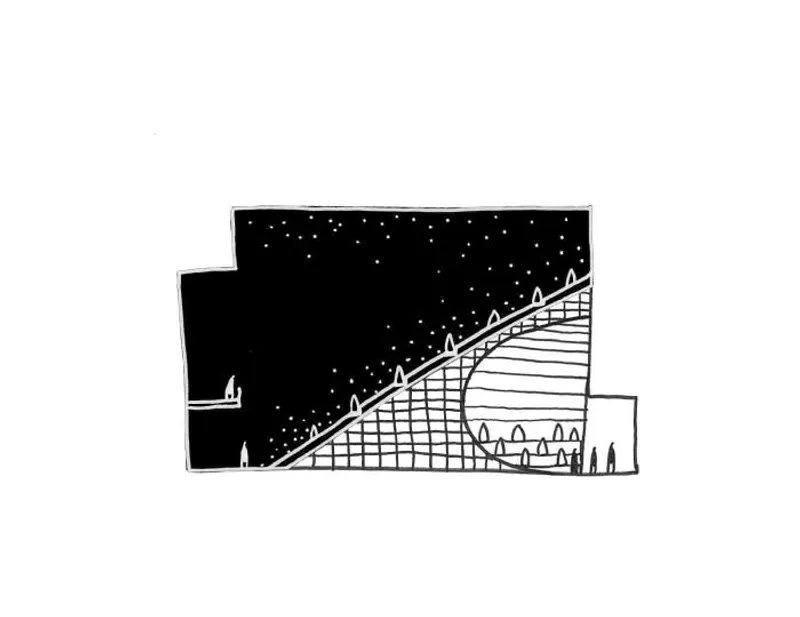
In the key theme of the exhibition, "Dior and Japan", a winding path with pockets for display, similar to the Japanese Tea Garden, is expanded both vertically and horizontally. The wooden structure is wrapped in backlit Tenjiku fabric and Awagami washi paper, creating a layered, luminous backdrop for the garments and artefacts. The three-dimensional landscape is projected onto various patterns and motifs to further enliven the space. "The Dior Legacy" is a unified framework of a series of spaces dedicated to the House of Dior's seven creative directors. Enlarged fabric panels are used as enfilade dividers, inspired by fusuma and Sudare hanging panels commonly used in Japanese interiors to organize multiple environments in a single space. The screens used to separate the space are printed with larger-than-life photographs by Yuriko Takagi, providing a visual understanding of the continuity from one creative director to another. The museum atrium's "floor" is lifted and sloped to bisect the lofted space diagonally, creating a double-sided display.
The top of the exhibition space for "The Dior Ball" is a single, grand slope, where mannequins in gowns ascend as spectators view their "procession" from below or above a bridge. An angled mirror at the top of the slope reflects the garments and scenography in an unexpected way, creating an infinite geometry. Underneath, a more intimate environment is created for "Dior around the World," featuring a domed room comprised of layers of concentric fabric surfaces with animated projections. Together with nine other rooms, the exhibition takes visitors on a journey through the history of the House of Dior, revealing the multifaceted relationship between the House and Japan against contemporary juxtapositions.
Credits: SOMA New York - Partner: Shohei Shigematsu, Associate: Christy Cheng, Project Architect: Jesse Catalano, Team: Tim Ho, Jintong Duan, Janet Lu, Hangsoo Jeong, Byron Cai, Eugene Kim Christian Dior Couture - Gérald Chevalier, Hélene Starkman, Daphné Catroux, Alice Gariepy, Alice Lefevre, Anne-Charlotte Mercier, Stéphanie Pélian, Charlotte Rezé, Isabelle Rousset, Curator: Florence Müller

















Popular Articles
Popular articles from the community


Singing Woman: Contemporary Architecture Inspired by Estonia’s Voice and the Sea
Singing Woman turns Estonia’s song culture into flowing opera house architecture, blending public life, landscape, sea, and national memory.

Cloaked Colonization: A Mobile Underwater Habitat That Moves Like a Fish
Micah Abaya's shortlisted EHC Pacific entry reimagines ocean settlement as a dispersed network of self-sustaining architectural organisms.

The Amber Palace Opera: A Geological Fiction Surfaces on Tallinn's Baltic Waterfront
Pierre Brillard reimagines a Baltic legend as a public landscape, opera house, and waterfront promenade rooted in Tallinn's coastal identity.

Faces of the Soviet Avant-Garde: Turning Moscow's Street Names into an Open-Air Museum
A network of sculptural installations across a Moscow residential district transforms forgotten architect names into spatial encounters with cultural memor

Similar Reads
You might also enjoy these articles
116 Rokeby Building, Collingwood
Sustainable Collingwood office building featuring double-skin façade, natural ventilation, rooftop amenities, and carbon-neutral design focused on wellbeing and longevity.
Contemporary Apartment Renovation in Spain: RV House by BIAN Opens Up to the Sea
A minimalist 1930s apartment in Santander is transformed into a flexible, sea-facing home through contemporary Spanish renovation.
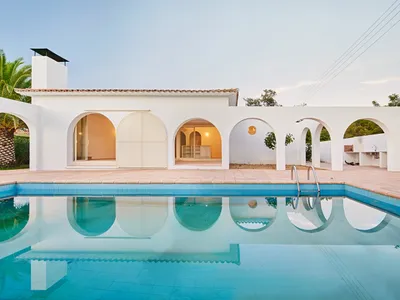
3 Marías House: A Contemporary Mediterranean Courtyard Retreat by Bajet Giramé + Burckhardt
Mediterranean courtyard home blending traditional architecture with modern design, terracotta flooring, flexible interiors, sustainable climate strategies, and garden integration.
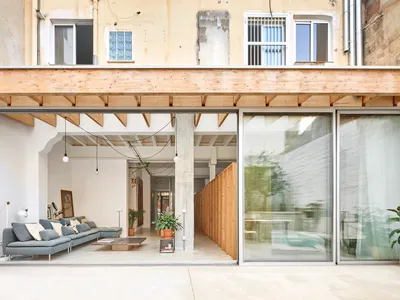
NZ10 Apartment by auba studio: Adaptive Reuse in Palma de Mallorca
Adaptive reuse apartment transforms bakery into light-filled home with patios, privacy layers, and wood interiors enhancing urban living experience.

Explore Exhibition Design Competitions
Discover active competitions in this discipline

Challenge to reimagine the Iron Throne

Photograph architecture without architects

Illustrate the lost glory of Angkor Wat - Render Challenge

Design challenge to reuse E-waste
Comments (0)
Please login or sign up to add comments
No comments yet. Be the first to comment!