
Optimized Article: Innovative Urban Residential Architecture
The article explores the innovative architectural design of TOPAZ Shinokachimachi, emphasizing urban integration, sustainability, and aesthetic functionality in Tokyo.


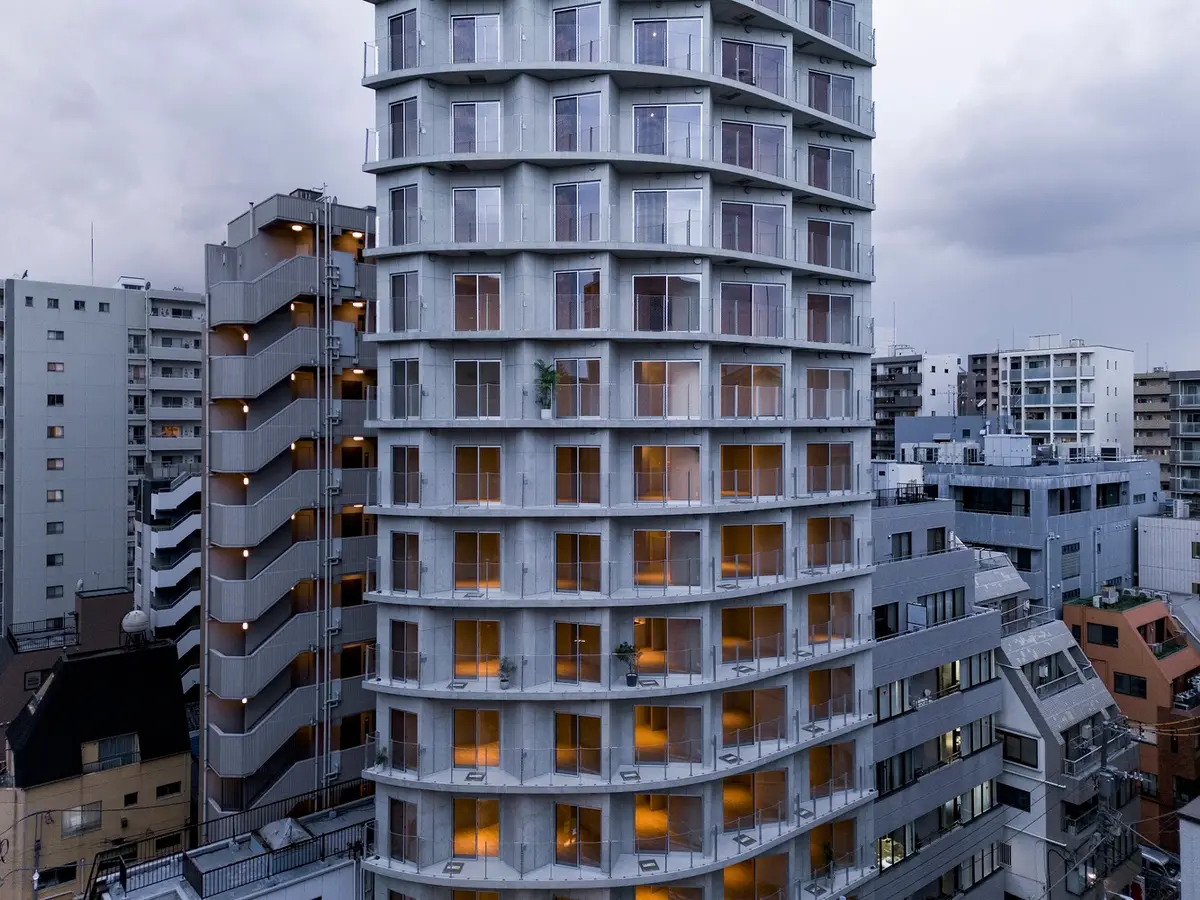
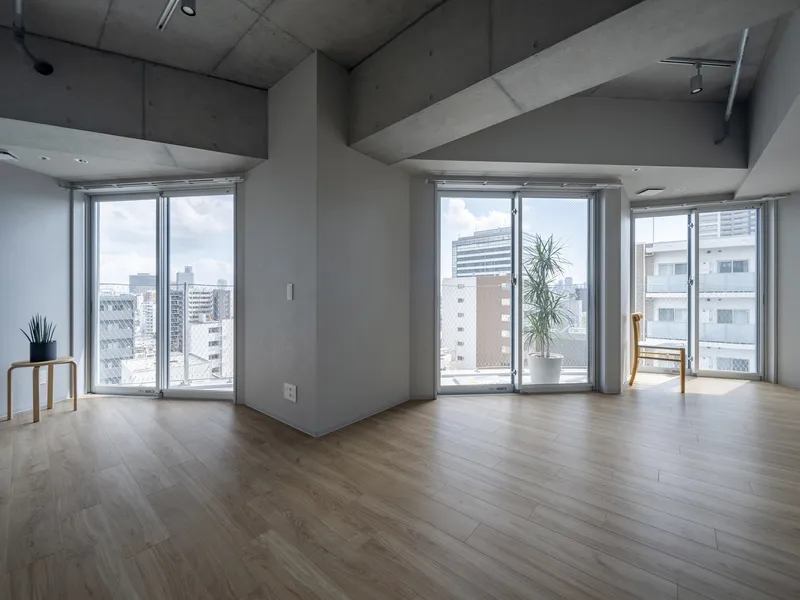
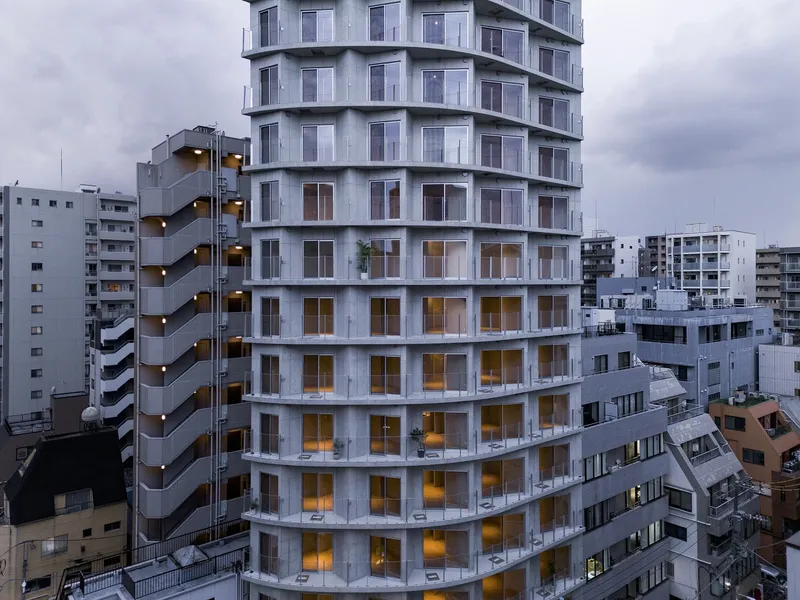
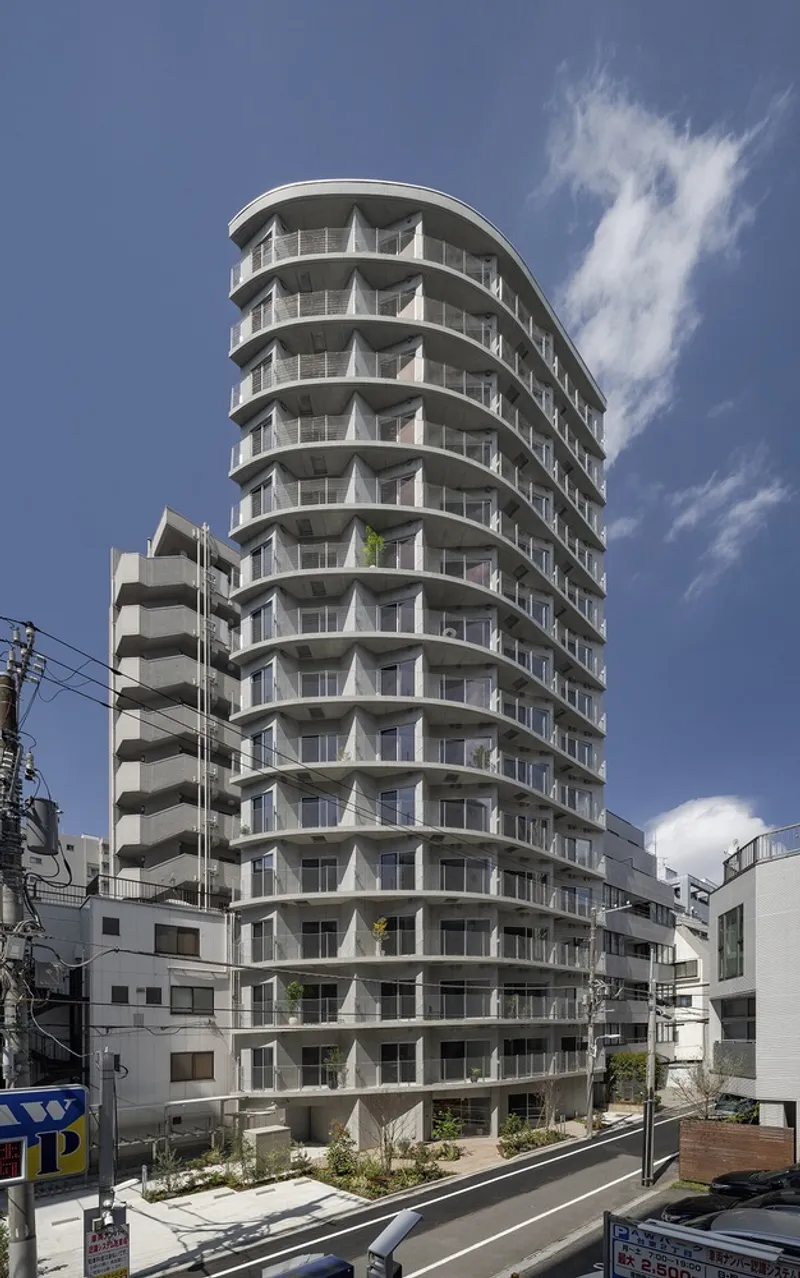
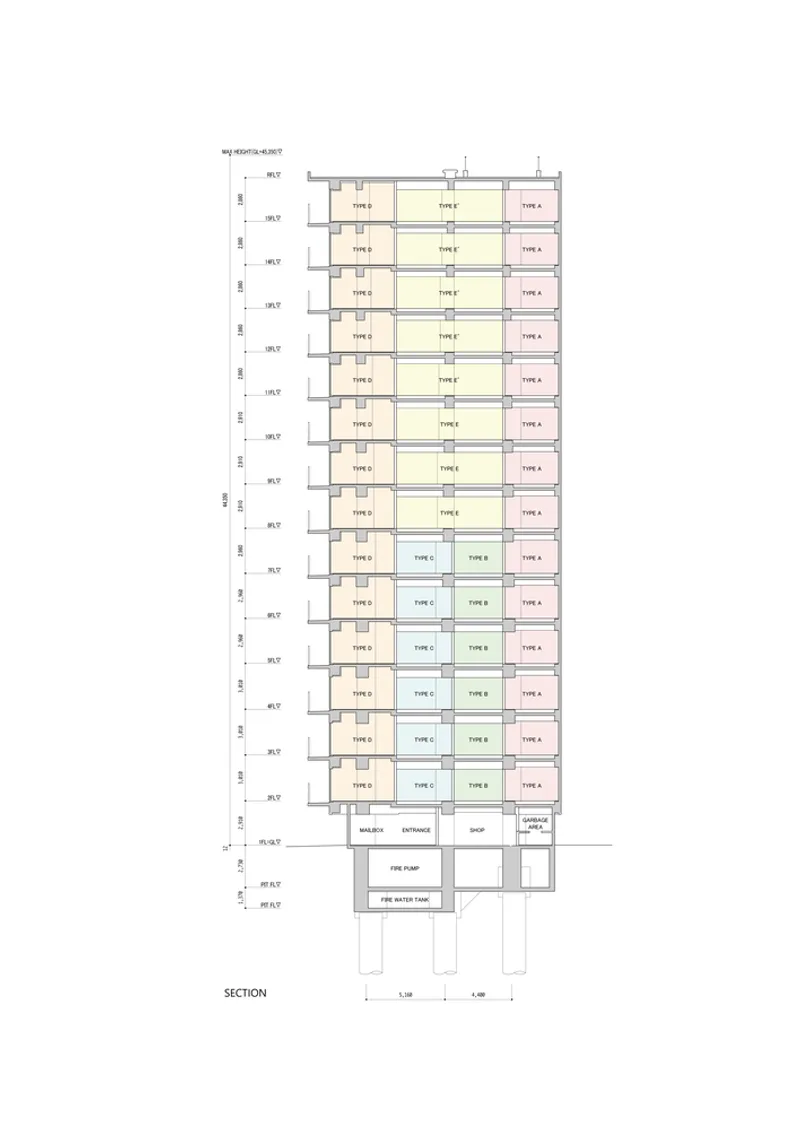
In the heart of Tokyo's bustling Shin Okachimachi area, the TOPAZ Shinokachimachi Residential Building stands as a beacon of innovative urban residential architecture. Designed by Yuko Nagayama & Associates, this 15-story studio apartment complex pushes the boundaries of traditional urban planning and architectural design to create a living space that is both functional and aesthetically appealing.
Design Philosophy and Architectural Innovation
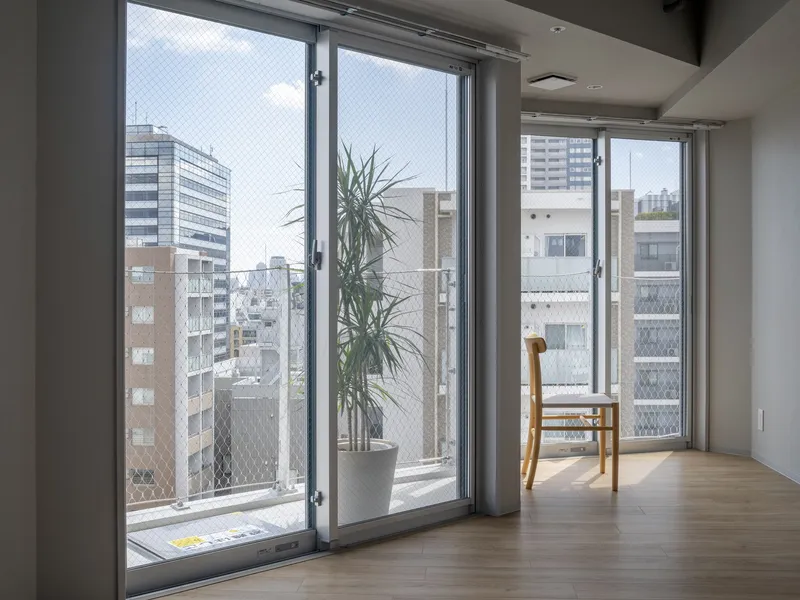
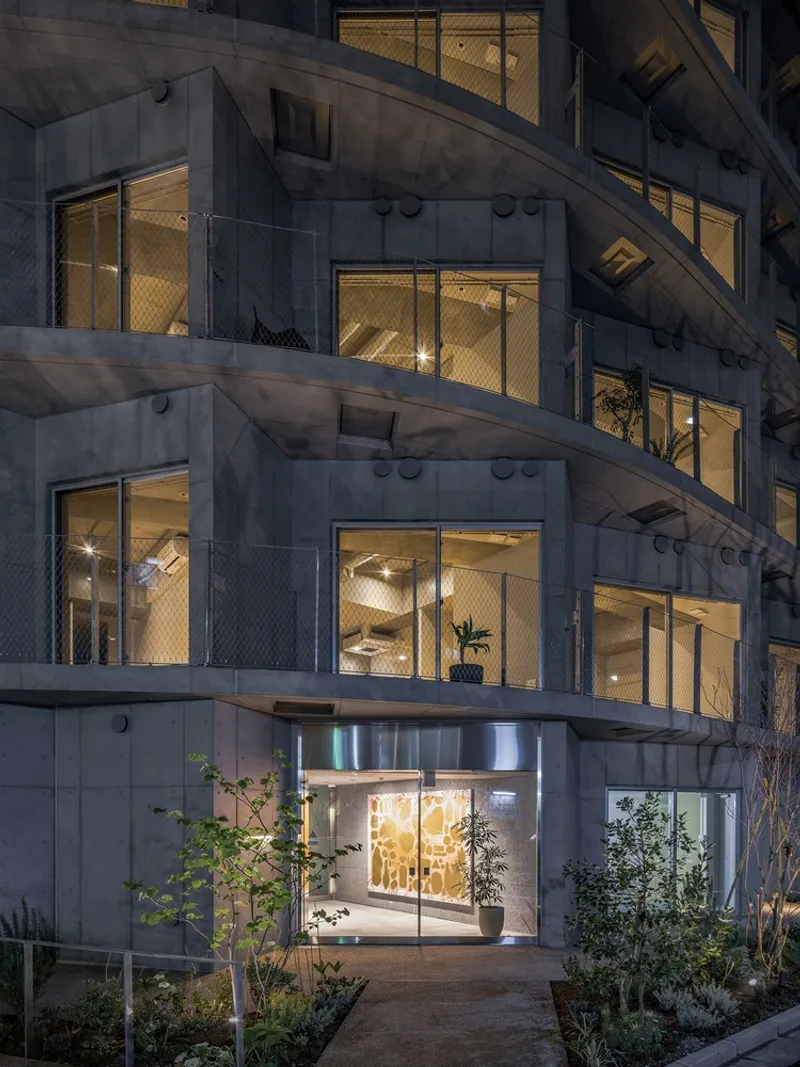
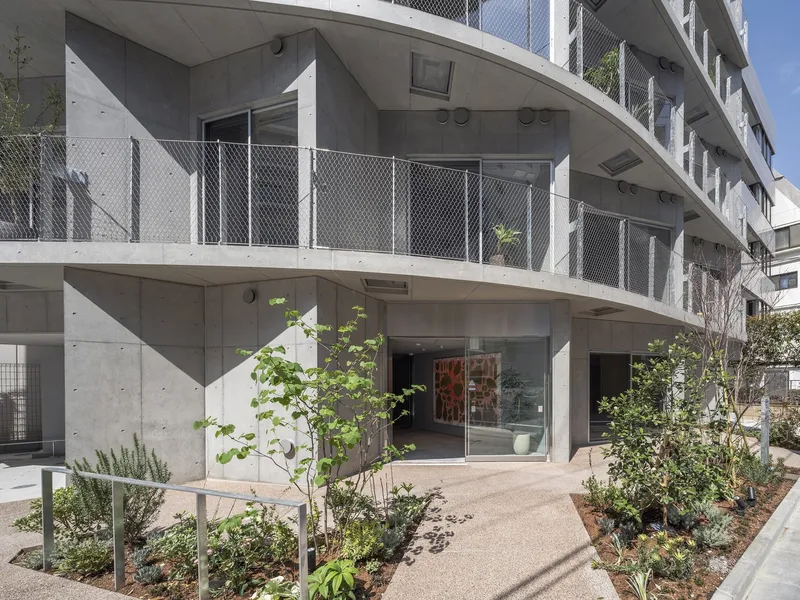
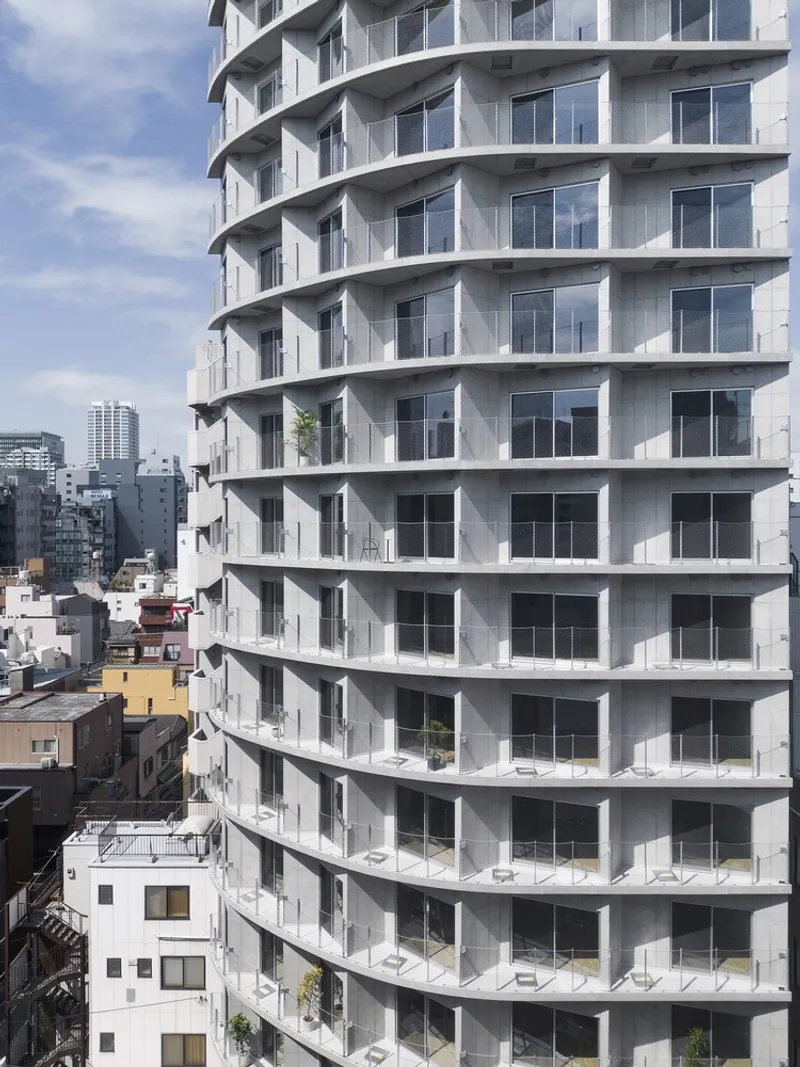
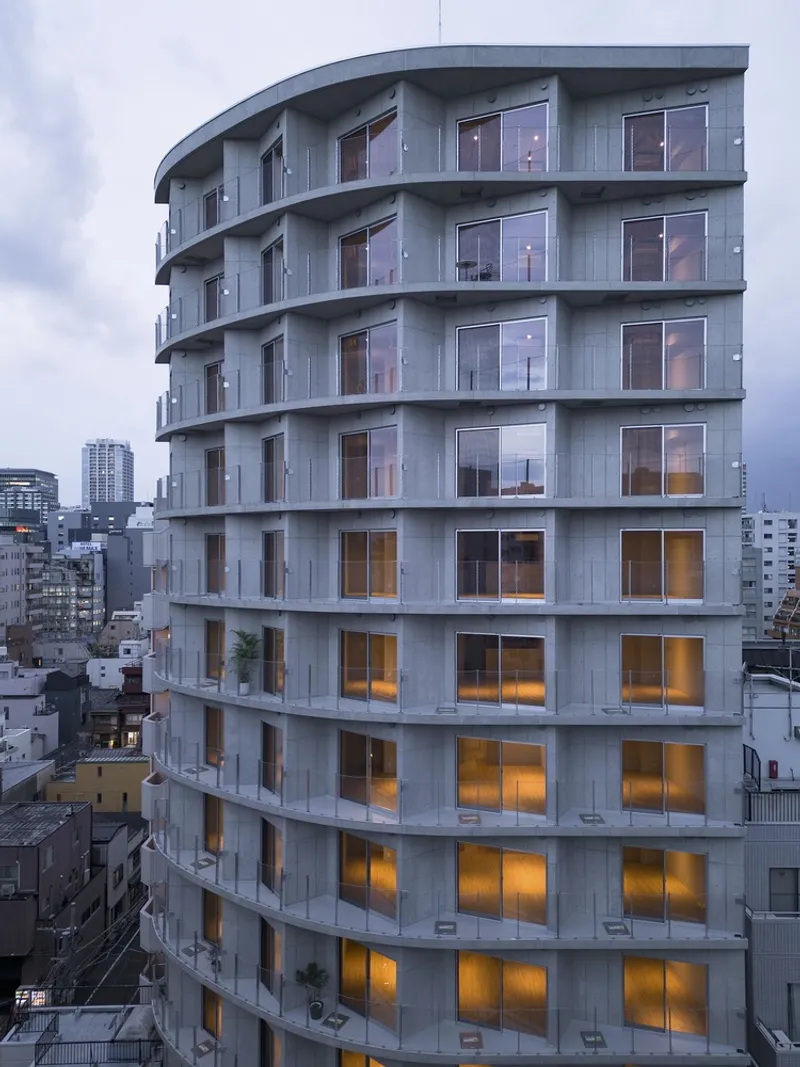
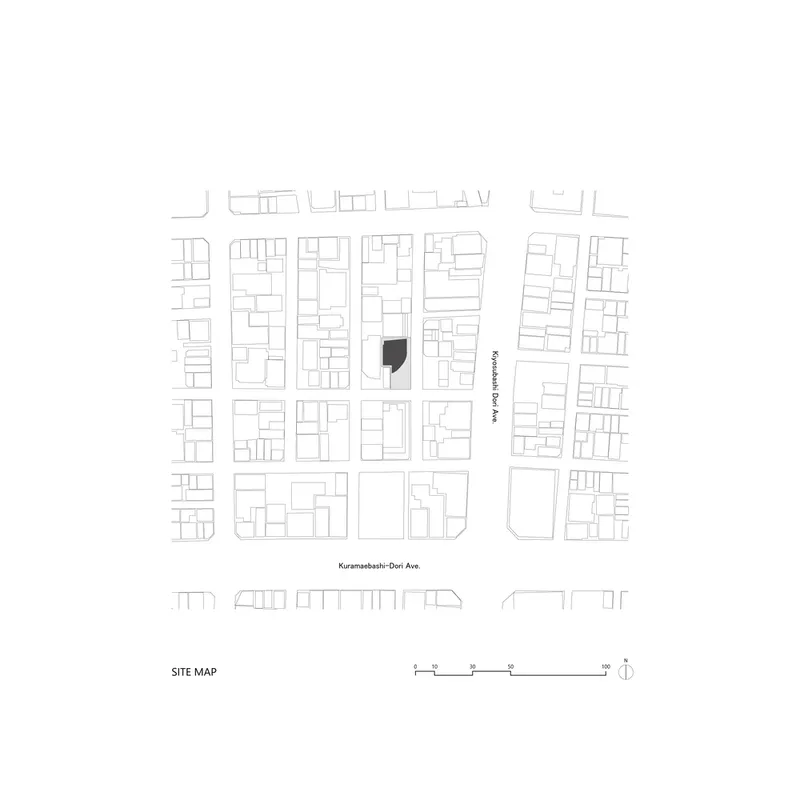
The design of TOPAZ Shinokachimachi is guided by the need to maximize the limited urban space while enhancing the quality of life for its residents. The building's unique fan-shaped structure is not just a stylistic choice but a strategic response to the dense and irregular urban fabric that characterizes Shin Okachimachi. This shape creates open communal spaces that serve as a respite from the surrounding sea of buildings, providing residents with areas to relax and interact.
Functional Aesthetics and Spatial Efficiency
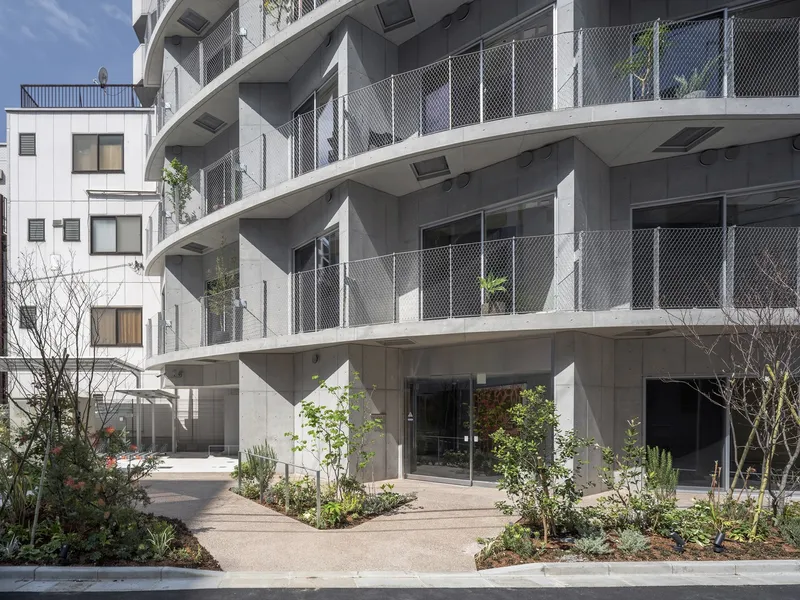
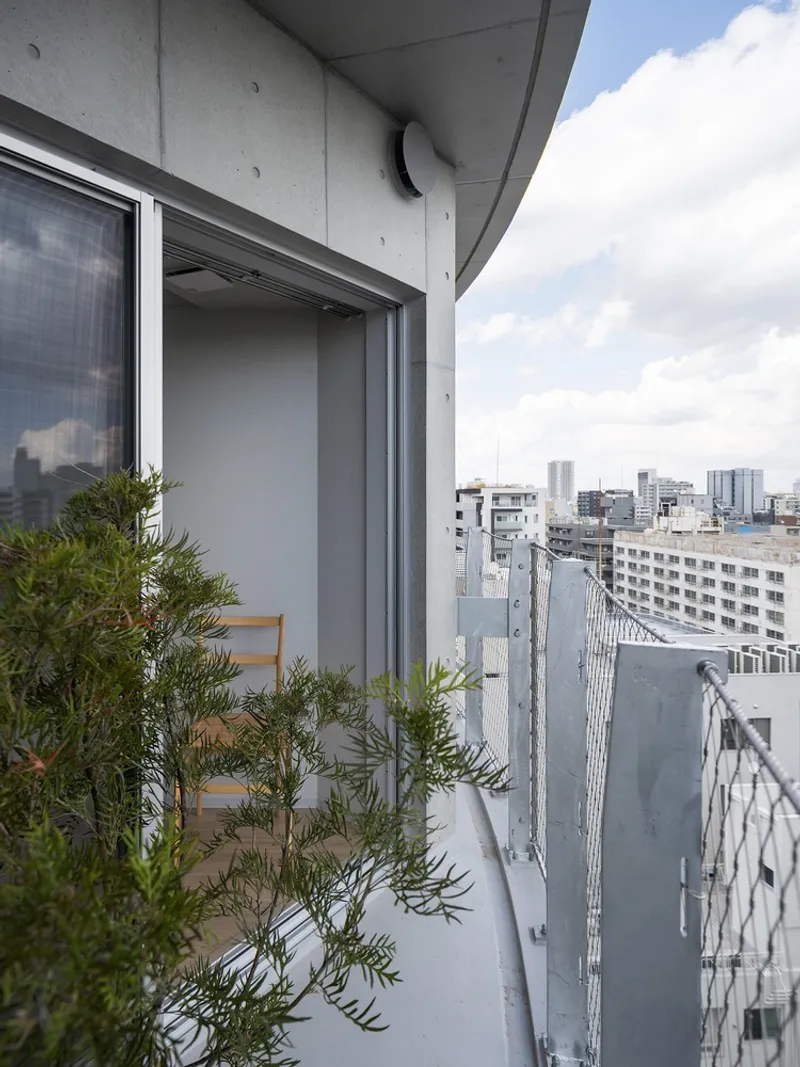
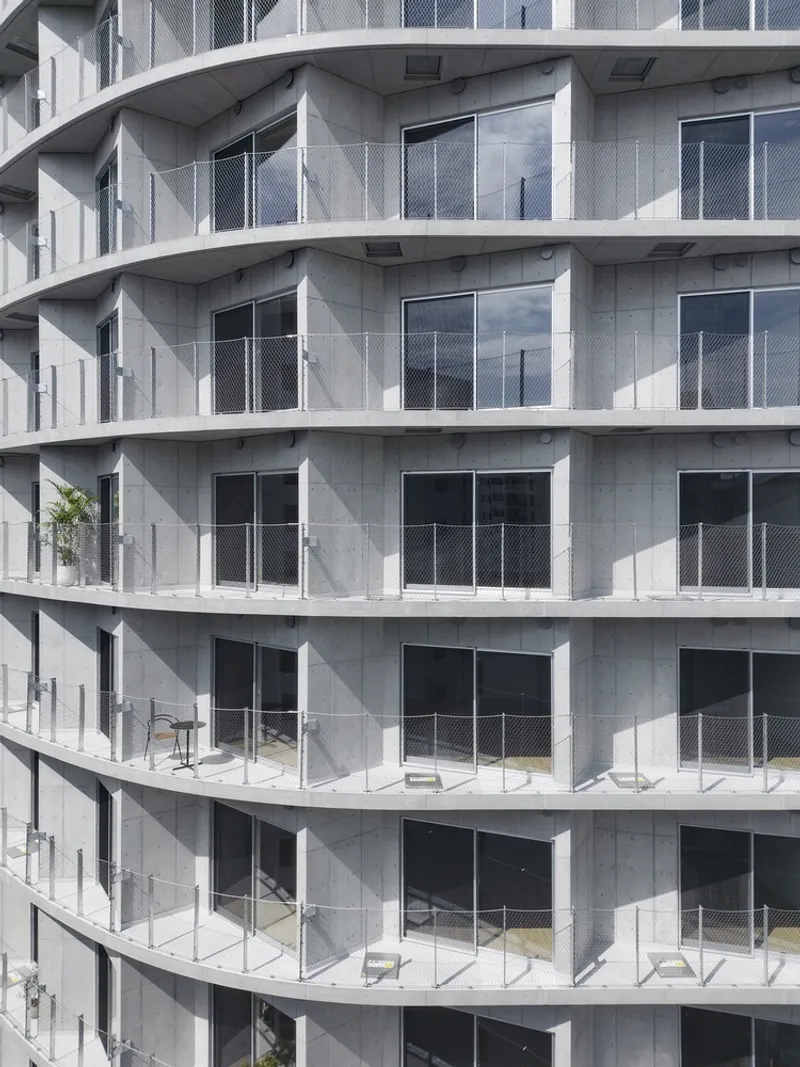
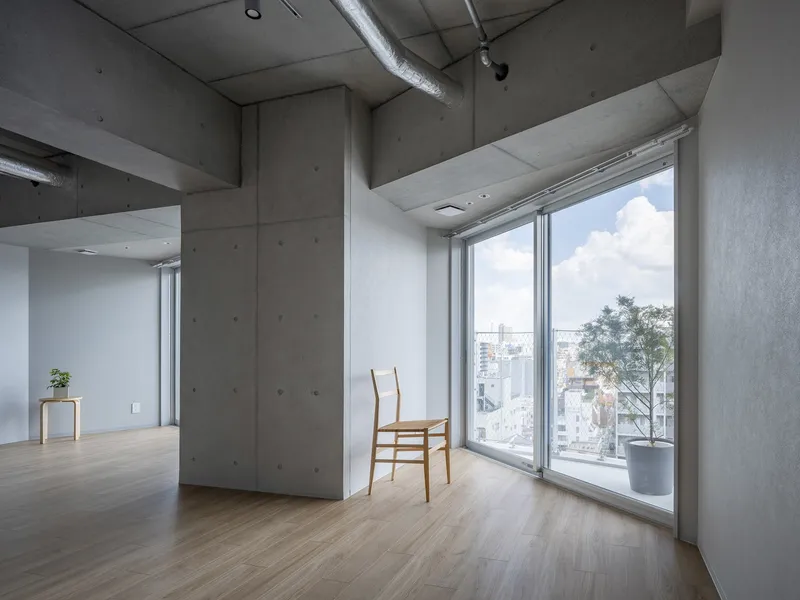
Each unit in the TOPAZ building features a balcony that not only serves as a private outdoor space but also enhances the building's overall aesthetic. The balconies are designed to cantilever out from the main structure, supported by a rigid frame system that allows for significant flexibility in their use. The zigzag configuration of the exterior walls not only ensures privacy for each apartment but also facilitates effective emergency evacuation routes.
Sustainable Features and Urban Integration
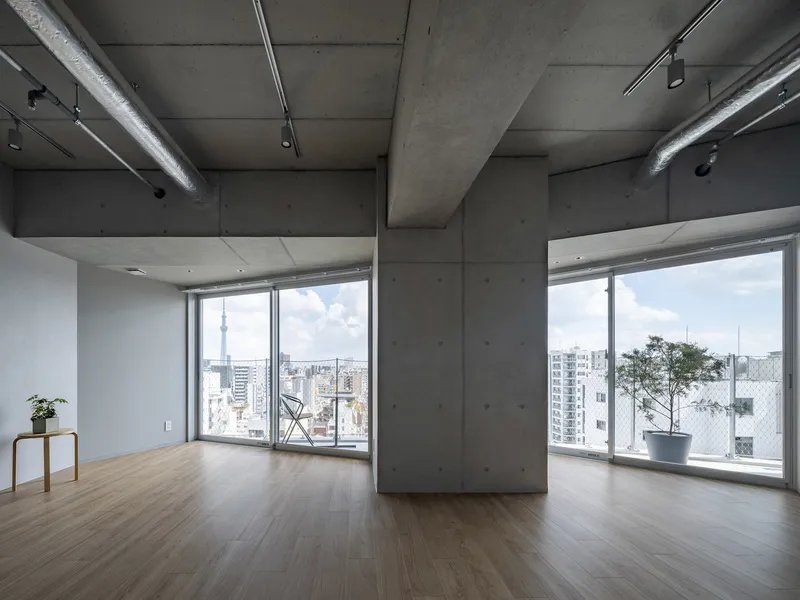
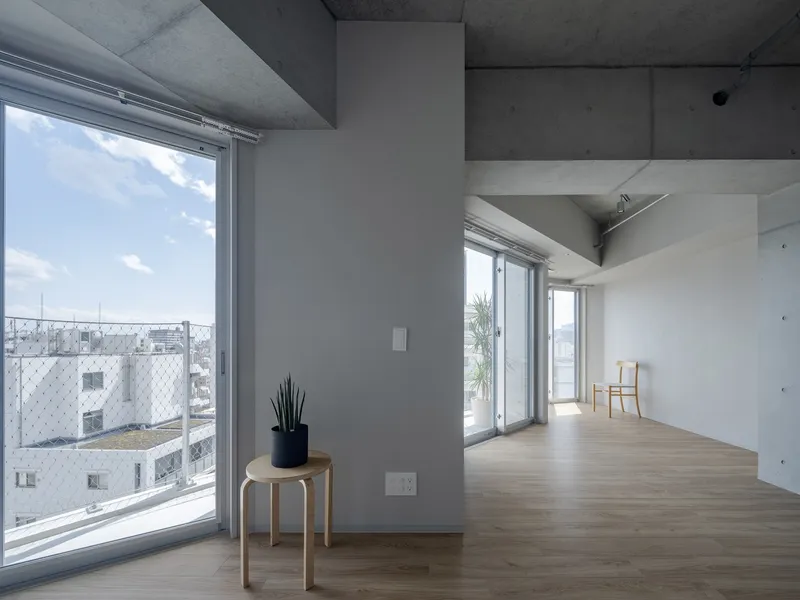
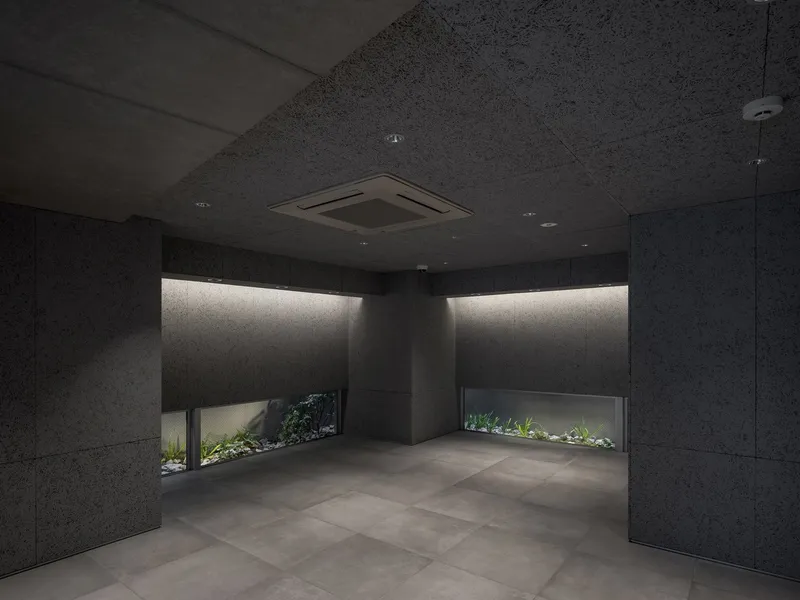
Sustainability is at the core of the TOPAZ Shinokachimachi's design philosophy. The building's orientation and the strategic placement of balconies maximize natural lighting and ventilation, reducing the reliance on artificial climate control systems. The integration of green spaces and reflective materials helps mitigate the urban heat island effect commonly experienced in densely built areas.
The Future of Urban Living
The TOPAZ Shinokachimachi Residential Building by Yuko Nagayama & Associates is a prime example of how innovative architecture can transform urban living. It not only addresses the practical aspects of space and privacy but also contributes to the aesthetic and environmental quality of the urban landscape. As cities continue to grow, projects like TOPAZ Shinokachimachi are paving the way for a more sustainable and enjoyable urban future.
All photographs are work of Satoshi Takae


Popular Articles
Popular articles from the community


Hill & Cross Opera: Sculptural Opera House Architecture Shaped by Tallinn’s Landscape and Identity
Hill & Cross Opera reimagines opera house architecture in Tallinn through its sculptural hill, civic plaza, glass wave and a luminous cross.

Little Red Riding Hood: Architectural Design as a Journey Through Fear, Light, and Storytelling
Little Red Riding Hood reimagines the fairy tale through architectural design shaped by fear, light, scale, memory, uncertainty, and choice.

The Ocean Hive: Sustainable Architecture for a Self-Sufficient Civilization at Sea
The Ocean Hive imagines sustainable architecture at sea, where modular habitats, algae, wave power and ocean waste sustain a growing colony.

Lunar Spiral: Space Architecture Shaped by the Mathematics of the Universe
Lunar Spiral reimagines space architecture through Fibonacci geometry, lunar regolith, levitating habitats, and self-sustaining Moon living.

Similar Reads
You might also enjoy these articles


Hodi-Mandai Geram
Project Function: Preservation and revitalization of the Intangible heritage and socio-spatial identity of the Hodi by Housing, Cultural Memory Center, Sacred Grove, landscape, local tourism economy


Olio Towers: A Mid-Rise for Performers That Fuses Housing, Rehearsal, and Stage
Located blocks from Houston's Theater District, this modular tower stacks living units around a central performance atrium.

Oasis: Modular Green Housing Carved into Dhaka's Urban Fabric
A shortlisted Plugin Housing entry reclaims unauthorized settlements in Dhaka with stepped concrete volumes, green roofs, and ventilation-driven design.

Black Hole: A Floating Megastructure for the Post-Physical Era
Emiliano Mazzarotto envisions a spherical, self-scaling arena where e-sports, digital hotels, and holographic stadiums replace traditional public space.

Explore Residential Building Competitions
Discover active competitions in this discipline

Challenge to design mud housing for contemporary communities

Challenge to reimagine the Iron Throne

Photograph architecture without architects

Illustrate the lost glory of Angkor Wat - Render Challenge
Comments (0)
Please login or sign up to add comments
No comments yet. Be the first to comment!