

Reimagining River Port: A Visionary Transformation of Bangladesh's Barishal River Terminal
Creating a Public Realm with Integrated Port Facilities for Cultural, Economic, and Environmental Impact


The Barishal River Terminal, a historic port located on the Kirtankhola River in Bangladesh, has been a vital link in the country’s inland waterway transportation system for over 150 years. This 9.1-acre port is more than just a transit point; it is a symbol of regional connectivity, cultural heritage, and economic activity. However, despite its historical significance and strategic location, the Barishal River Terminal faces modern challenges, including limited capacity, outdated facilities, and poor infrastructure.
In response, architect Mahedi Azam has proposed an innovative reimagining of the river port as a dynamic public realm that integrates modern port facilities with cultural and recreational spaces. Reimagining River Port, this visionary project recently earned a "Best in Region" award in the UnIATA '24 competition for its unique approach to urban design, sustainability, and cultural preservation.

The Historical and Economic Context of Barishal River Terminal
The Barishal River Terminal has long served as a critical hub for the movement of passengers and goods across Bangladesh, connecting the capital, Dhaka, with the southern parts of the country. For much of its history, it was the primary distribution point for local produce, fish, and other goods. This changed with the construction of the Padma Bridge in 2022, which reduced dependency on the port. However, inland waterways remain an essential transportation mode in Bangladesh, particularly in regions susceptible to flooding. River transportation is not only cost-effective but also offers a sustainable alternative to roads and railways, which are more vulnerable to environmental risks.
The project envisions that, despite the reduced reliance due to new bridges, the Barishal River Terminal will continue to be essential for trade, transit, and local tourism. The integration of river-based transportation with new public and recreational amenities can help relieve traffic congestion on roadways, reduce environmental impacts, and create safer, more sustainable transit options.
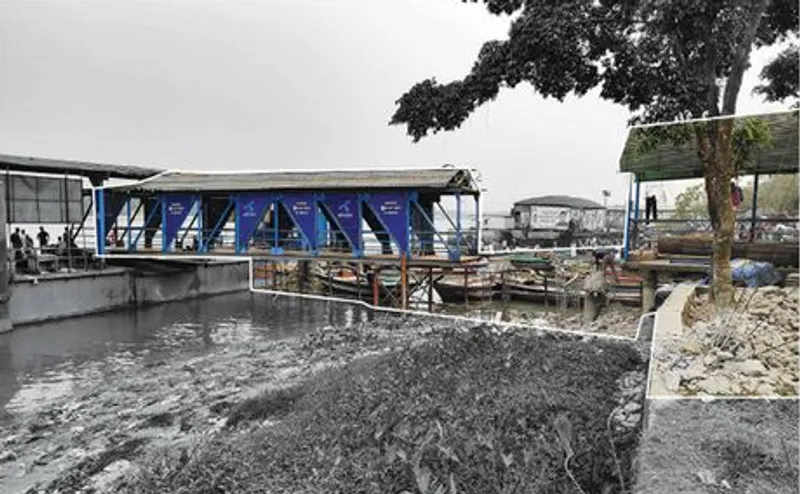
Vision and Goals: Creating a Public Realm
The central concept behind the project is to transform the Barishal River Terminal into a "public realm"—a space that is accessible, inclusive, and reflective of the city’s cultural identity. This means not only updating the port’s facilities to meet modern standards but also creating a place of character that integrates with the surrounding urban fabric and waterfront. The project aims to establish the port as a landmark and cultural gateway to the city, showcasing the unique literary heritage of Barishal through thoughtfully designed "poetic spaces."
The design concept of “Harmonious Integration with Seamless Accessibility” reflects the desire to link the port with both the city and the natural beauty of the riverfront. By embedding elements inspired by Barishal’s literary history and natural environment, the design fosters a sense of place and storytelling. This approach is intended to give visitors a deep, emotional connection to Barishal’s cultural and historical legacy as they enter or exit the city, making the port more than just a point of transit.
Design Approach: Integrating Literature and Landscape
The transformation of the Barishal River Terminal is inspired by the poetic works of Jibanananda Das, a renowned poet from Barishal whose work captures the beauty and spirit of the region. The design incorporates “poetic spaces,” each evoking different aspects of the local landscape and literary heritage. These spaces, including "Hijal-Danga" (a rooftop garden), "Brishti-Bagan" (a rain courtyard), and "Dhan-Shiri" (a floating riverfront deck), are intended to offer unique, sensory experiences that capture the essence of Barishal.
These poetic spaces include:
- Hijal-Danga: A rooftop garden space for relaxation and views, inspired by the region’s native hijal trees.
- Brishti-Bagan: A courtyard designed to celebrate the monsoon rains, providing a shaded, open area for people to gather.
- Dhan-Shiri: A floating deck along the riverfront, allowing visitors to connect directly with the water.
- Uthan: A food court and children’s play area, creating a family-friendly gathering spot.
- Aloklata Prangon: The main entry plaza, welcoming visitors with a sense of openness and vibrancy.
- Gunjoron: An open-air gallery along the riverfront, ideal for cultural performances and exhibitions.
- Jamrul-Tola: A reading space under a tree canopy, perfect for quiet reflection.
- Alo-Chaya Gallery: A library and archive to celebrate local literary and historical works.
These elements create pause points along the riverfront promenade, where visitors can experience the layered cultural heritage of Barishal. Additionally, the preserved historic paddle steamer serves as a floating exhibit, providing both a tourist attraction and a symbol of Bangladesh’s riverine history.
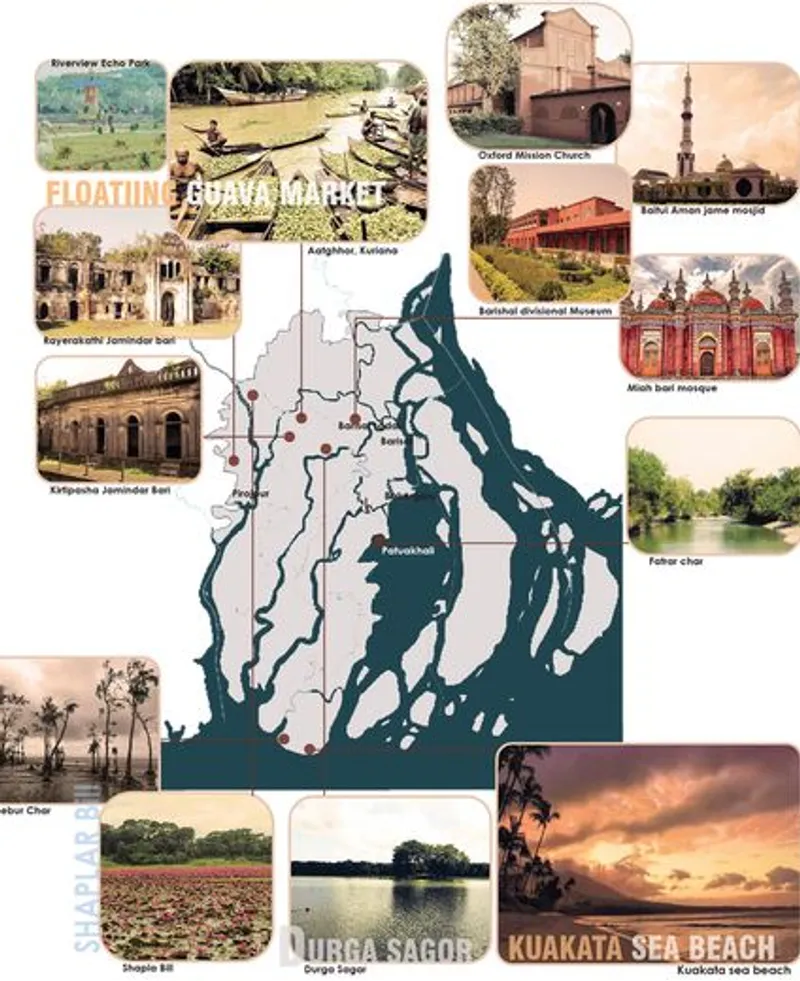
Environmental and Social Sustainability
The design of the Barishal River Terminal emphasizes environmental responsibility by promoting walkability, green spaces, and the preservation of natural landscapes. The project includes pedestrian pathways, cycle lanes, and floating decks to facilitate non-motorized transportation, reducing the port’s carbon footprint. Sustainable design features, such as green roofs and tree-like structural columns, contribute to a cooler, more comfortable environment while blending seamlessly with the natural surroundings.
By creating multiple income-generating activities within the port area, such as cafes, retail shops, and cultural event spaces, the project also promotes local economic growth. The emphasis on public amenities like restrooms, seating, and shaded areas enhances visitor comfort, while dedicated areas for loading and unloading cargo improve the port’s functionality.
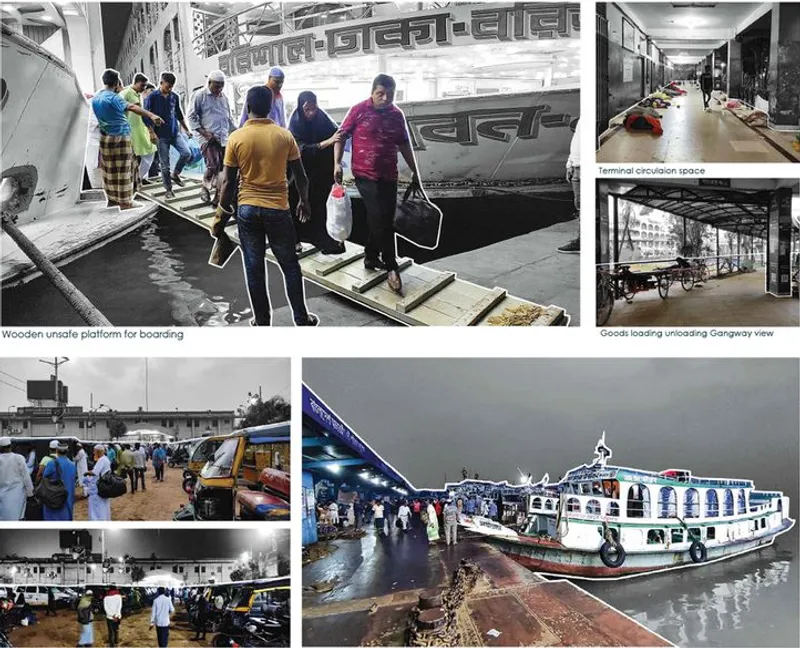
Traffic Flow and Accessibility
To ensure seamless connectivity and avoid congestion, the project utilizes simulation models to design a careful traffic flow for both vehicles and pedestrians. Designated areas for vehicular parking, loading and unloading of cargo, and pedestrian crossings enhance the efficiency and safety of the terminal. Ramps, stairs, and walkways make the entire port accessible for people with different mobility needs, aligning with Sustainable Development Goal (SDG) 11.7, which emphasizes inclusive and accessible public spaces.
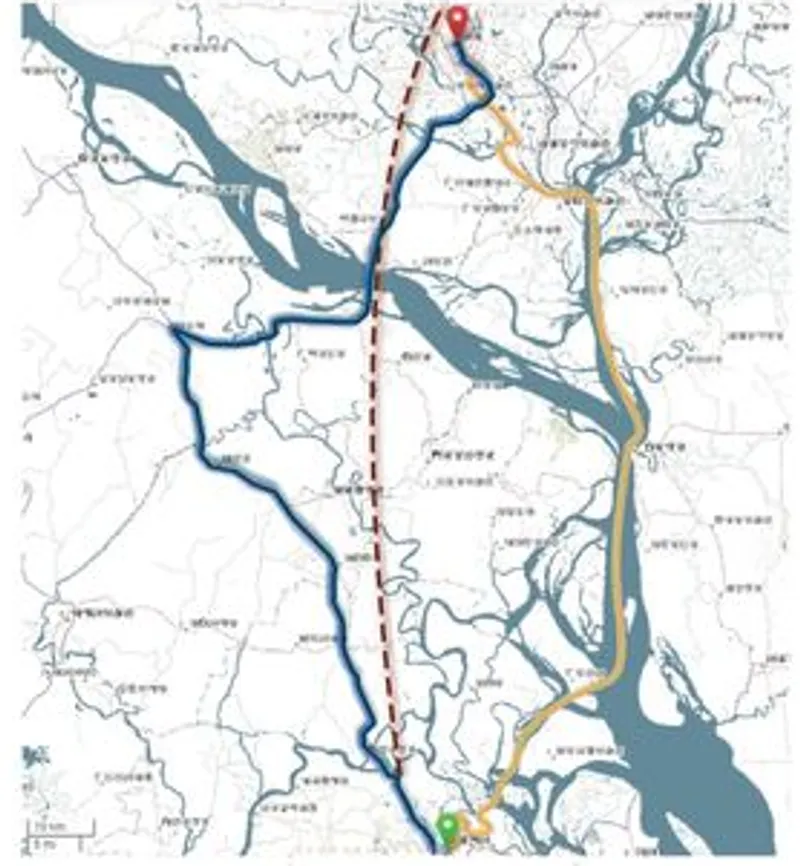
Master Plan and Zoning
The master plan divides the port into specific functional zones for passenger terminals, cargo handling, administration, and support facilities. Public and recreational spaces, including parks, plazas, and a promenade, invite visitors to engage with the port in various ways beyond transit. The design uses landscaping and natural elements to create distinct zones, each with its own character, while maintaining an overall sense of unity. Key components include:
- Passenger Terminal: Spacious waiting areas, ticket counters, and shops to facilitate smooth passenger flow.
- Cargo Handling Zone: Efficient loading and unloading areas, with designated storage spaces for improved operations.
- Public Spaces: Open spaces, including viewing towers and seating areas, that invite visitors to relax and enjoy the river views.
- Commercial and Recreational Facilities: Cafes, restaurants, and event spaces to generate revenue and increase visitor engagement.

Enhancing Cultural Heritage and Tourism
The project aims to not only modernize the port but also celebrate the cultural and historical identity of Barishal. The floating paddle steamer exhibit serves as a reminder of Bangladesh’s historic reliance on river transport and offers a unique attraction for tourists. The project’s focus on cultural heritage aligns with SDG 11.4, which emphasizes the protection and preservation of cultural and natural heritage.
By creating a public realm that integrates the terminal with the surrounding community and natural landscape, the project redefines the purpose of a port. It is no longer just a functional space for transportation but a vibrant center for social, cultural, and economic activity. This transformation reinforces the port's role in the community, making it a sustainable asset that enhances quality of life while preserving local heritage.

A New Era for Barishal’s River Port
Mahedi Azam’s "Reimagining River Port" proposal is a bold step forward in sustainable urban development, combining the practicality of a modern port with the beauty and cultural richness of Barishal. By integrating public spaces, enhancing accessibility, and incorporating poetic spaces inspired by local literature, the design transforms the Barishal River Terminal into a landmark that resonates with both locals and visitors. This approach not only modernizes the infrastructure but also strengthens the socio-cultural fabric of the city, positioning the river port as a model for sustainable development and urban placemaking in Bangladesh.
In envisioning a river port as a public realm, this project provides a template for other cities looking to enhance their transportation infrastructure while celebrating their unique cultural identity. The Barishal River Terminal can thus continue to serve as a vital gateway for Bangladesh, connecting communities, fostering economic growth, and preserving cultural heritage for future generations.


Popular Articles
Popular articles from the community


graciastudio Turns a Viewless Tijuana Lot Inward Around a Courtyard of Concrete, Timber and Trees
In Tijuana, Jorge Gracia's GA2 House stacks a timber-clad private floor over exposed concrete and replaces a missing view with a planted interior patio.

FCC Arquitectura Expands a Portuguese Granite House with a Board-Marked Concrete Wing
In Portugal, JV House pairs a cleaned-up whitewashed and granite dwelling with a timber-shuttered concrete extension, courtyards and a garden pool.


Singing Woman: An Opera House That Performs Before the Curtain Rises
Ovidiu Cristian Pavel's conceptual opera house translates Estonia's choral identity into a sculpted waterfront landmark facing the Baltic Sea.

LT2A and OPEN Architectes Thread a Brick and Glass High School Through a Wooded Belgian Campus
In Braine-l'Alleud, a 3,000 m² wing for Collège Cardinal Mercier pairs pale brick with a glazed colonnade, deferring to a small chapel and a dense wood.

Similar Reads
You might also enjoy these articles

Vereda Arquitetos Renovates a 40-Square-Meter Apartment Inside Niemeyer's Copan Building
A compact unit in São Paulo's most iconic residential tower gets a material overhaul that pairs exposed concrete with bold blue Formica.

Shakur's House: Exposed Brick as an Interior Organiser in a 168 m² Mashhad Residence
Brick moves indoors in this Mashhad residence, where masonry walls, glass partitions and teal planes sequence a compact home without closing it off.

Day and Night Park: A Time-Based Urban Newsstand in Beijing
A temporary urban newsstand in Beijing blending travel, light, and reading through poetic colors, compact form, and community-focused design.

Modernist Patio Renovation in El Masnou, Barcelona by Oliver Segura Arquitectura + Cebrià Arquitectura
Modernist patio renovation blending tradition and innovation with a movable pool, leveled floors, and Catalan materials in El Masnou.

Explore River Transport Competitions
Discover active competitions in this discipline

Challenge to reimagine the Iron Throne

Photograph architecture without architects

Illustrate the lost glory of Angkor Wat - Render Challenge

Design challenge to reuse E-waste
Comments (0)
Please login or sign up to add comments
No comments yet. Be the first to comment!