
STUDENT HOUSING FROM CONTAINERS
The main focus for us was the most efficient use of free spaces. We came to the solution of this problem due to the special location of the containers relative to each other. Various options for the use of additional space were also considered.

Introduction
Cargo containers that are 20 or 40 feet long are used to transport most of the world's goods. Cargo carriers buy them for about $2000-3000 and use them for an average of 18 years. After that, they must be disposed of. But there is another way out. For example, the use of containers in construction.
Idea
The main goal in creating the idea of this project was the most efficient use of space.
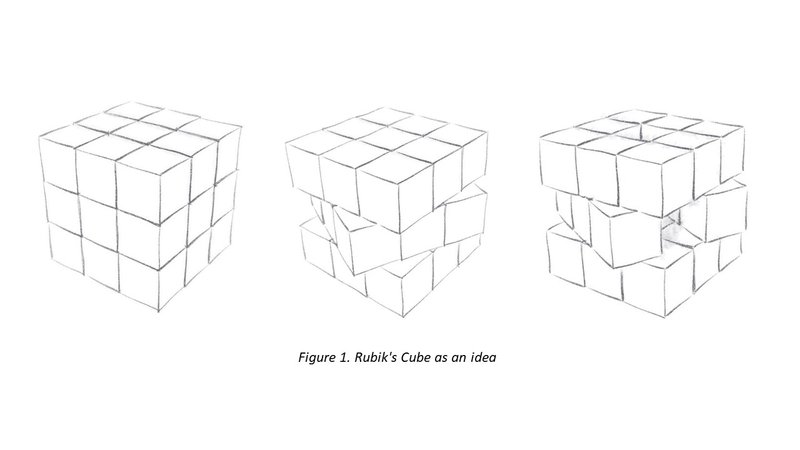
This idea came to us when considering the rubrics cube. As its faces rotated, its configuration changed. This prompted us to use the container areas as efficiently as possible (Figure 1).
In the normal use of a 40-foot container, its area is 28 square meters. If you place the containers as shown in Figure 2, you can increase the used area by 10 square meters.
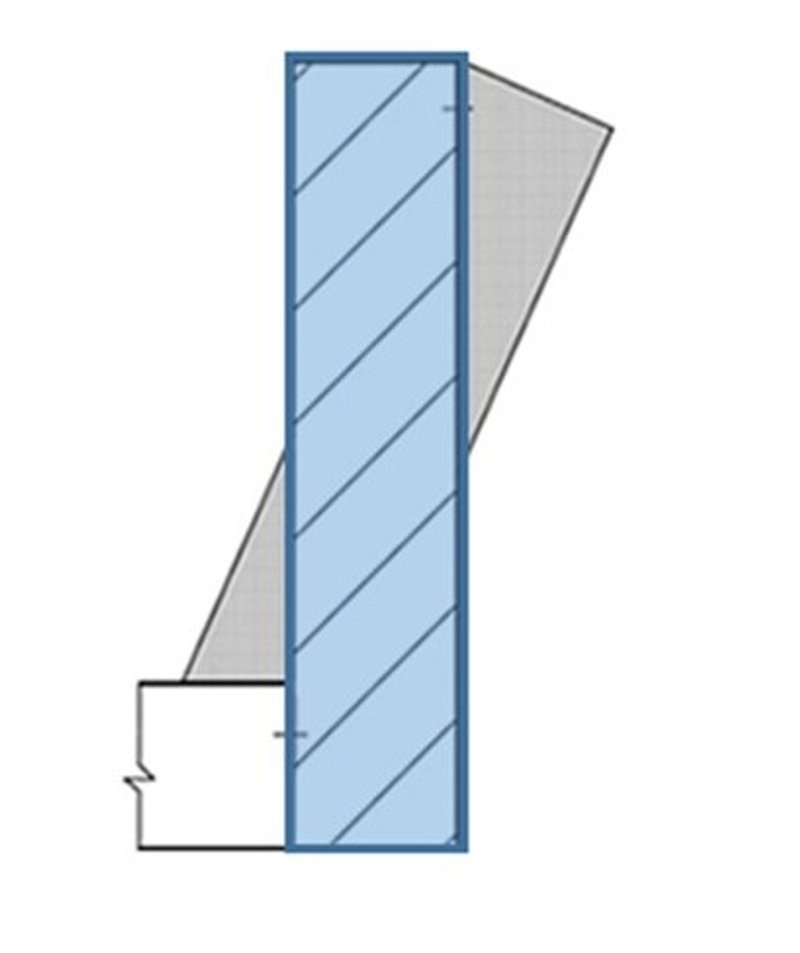
Figure 2 Arrangement of containers
In addition, there is a variation in the use of this free space:
Option 1: all additional areas are used as balconies. The area of the living space will be 28 sq. m., the area of the internal balcony is 3 sq. m., the area of the external balcony is 7 sq. m. (Fig. 3).
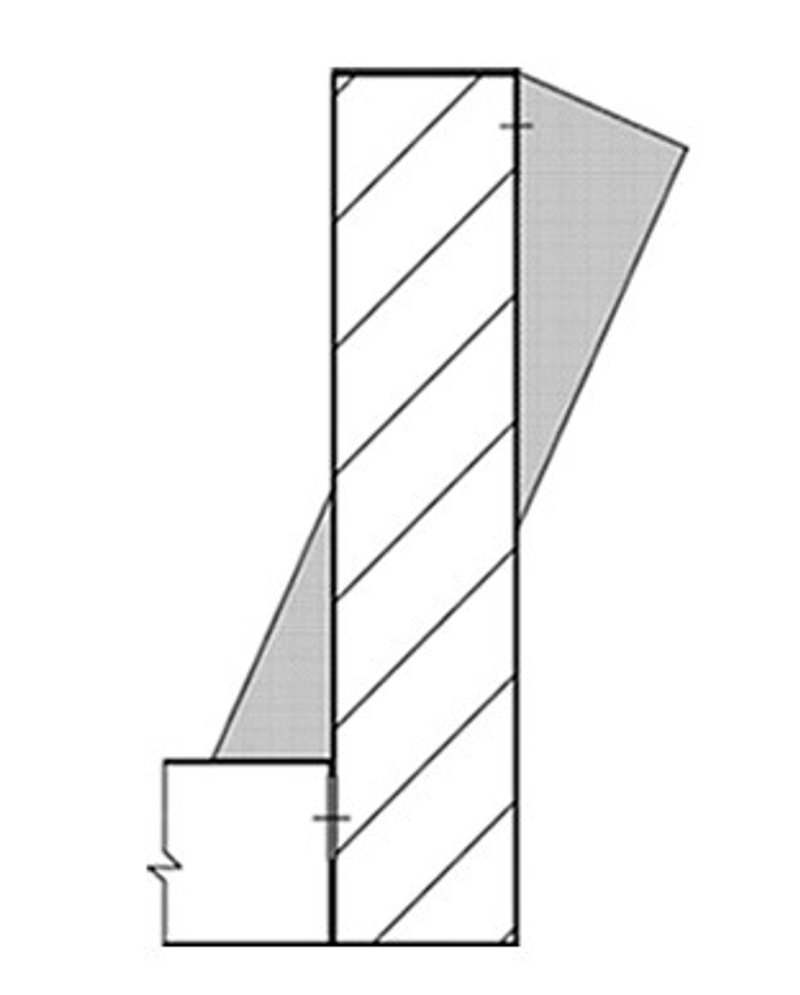
Figure 3 Space use case
Option 2: when you change the contour of the container, the area of the outdoor balcony is also added to the living area. As a result, the area of the living space will be 35 sq. m., the area of the internal balcony is 3 sq. m., there is no external balcony (Figure 4).
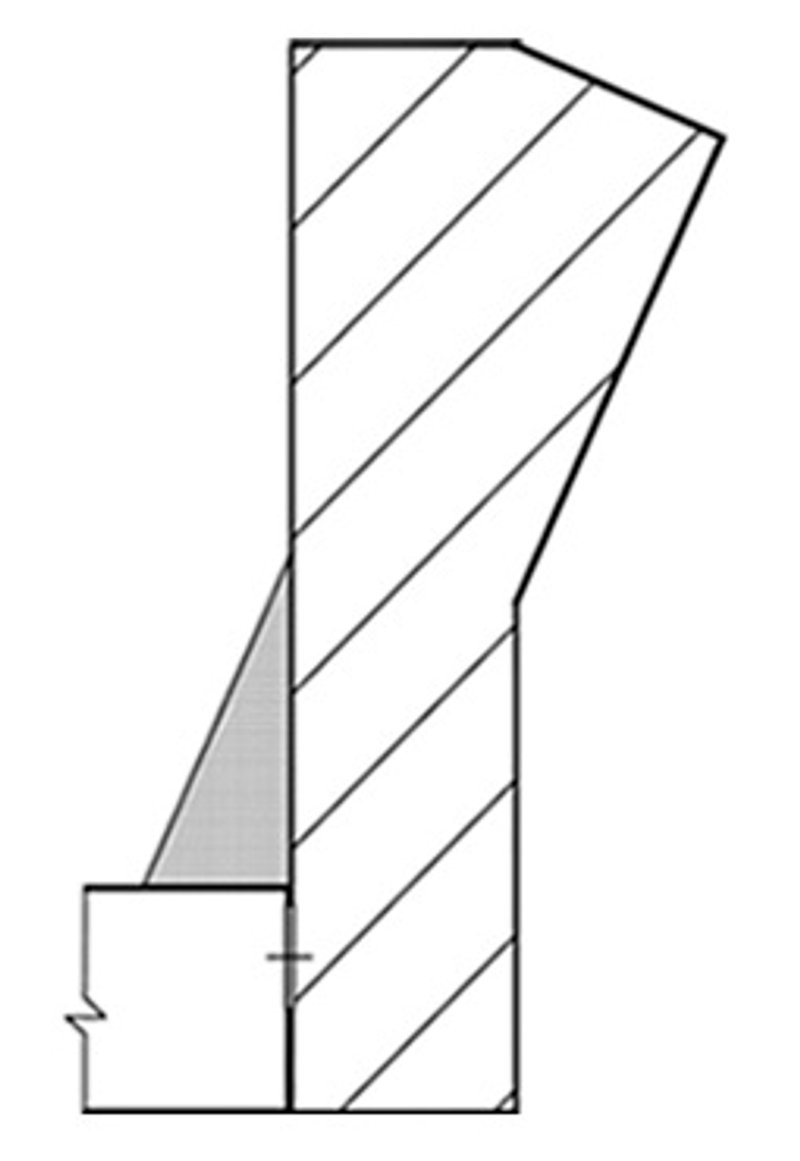
Figure 4 Space use case
Option 3: with this option, we attach an internal balcony to the living area. As a result, the area of residential premises will be 31 sq. m., the area of the external balcony is 7 sq. m., there is no internal balcony (Fig. 5).
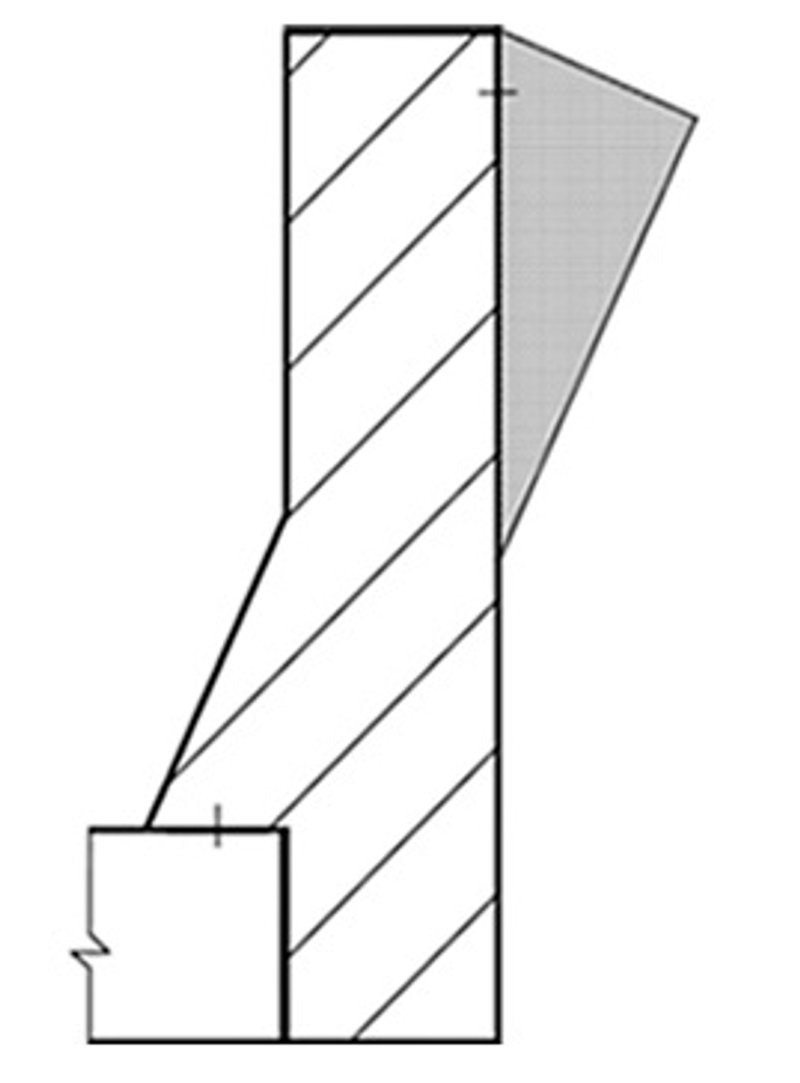
Figure 5 Space use case
Option 4: both balconies are attached to the container and used as one living space. The area of the living space will be 28 sq. m., the area of the internal balcony is 3 sq. m., the area of the external balcony is 7 sq. m. (Fig. 6).
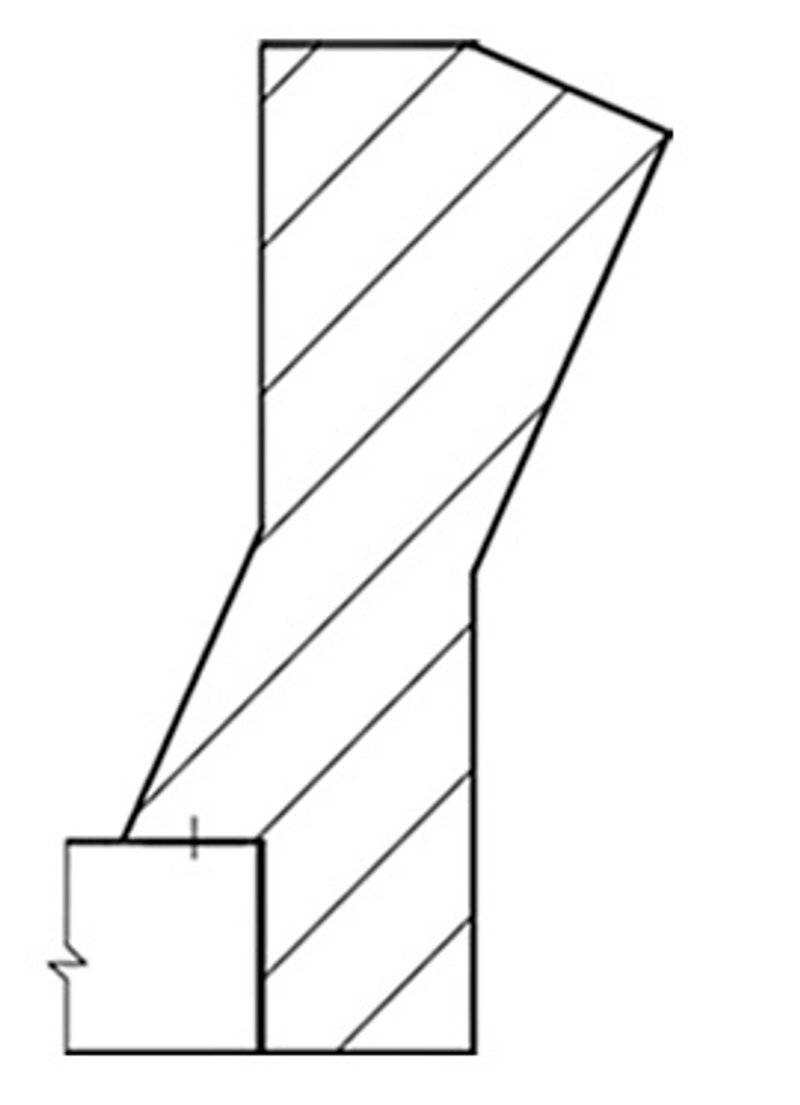
Figure 6 Space use case
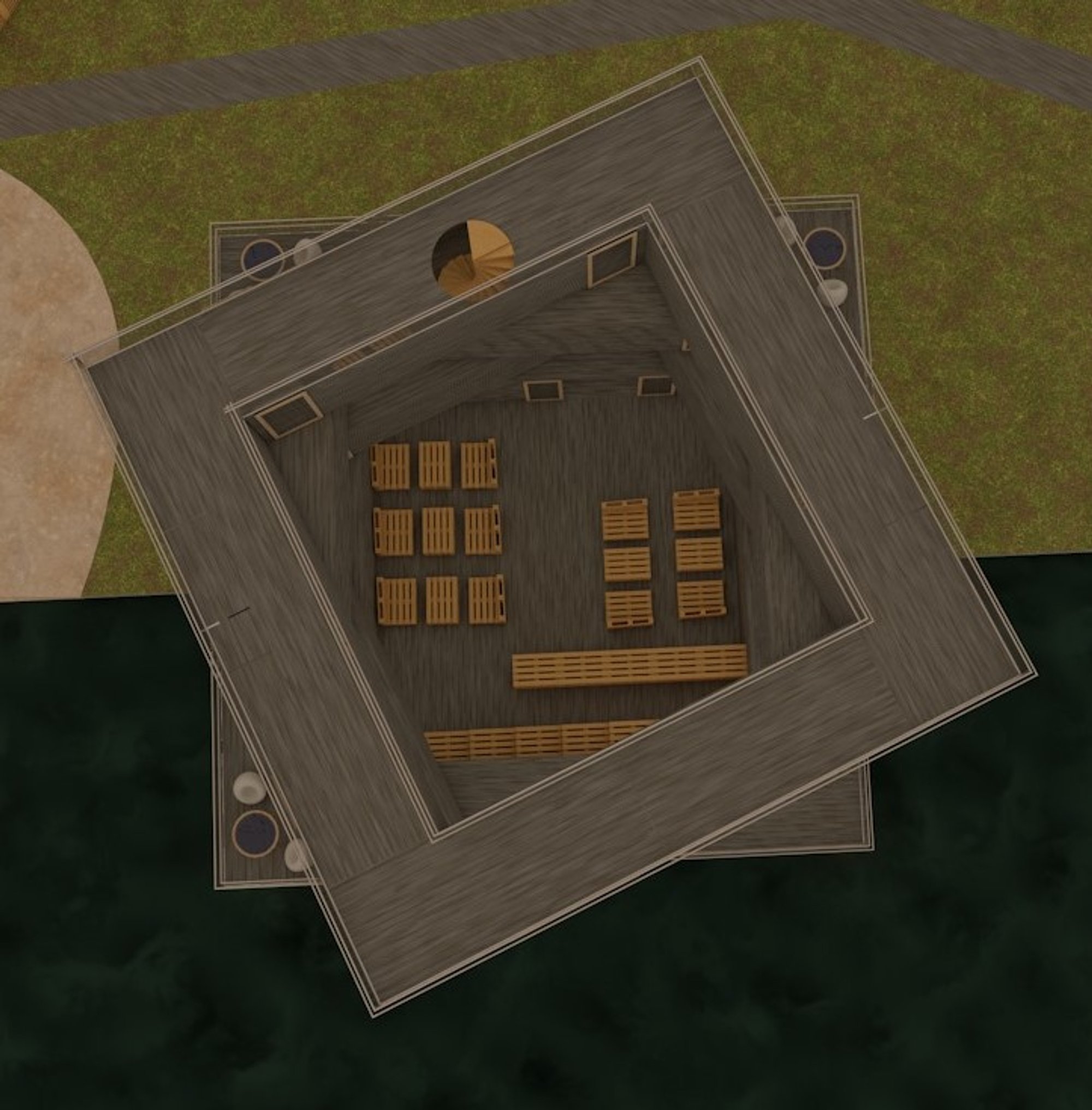
Another advantage of our idea is a separate internal space of 92 sq. m. In it, students will be able to gather, hold events and just relax. On the roof of the first floor there is a stage that can be reached from the courtyard (Figure 7).
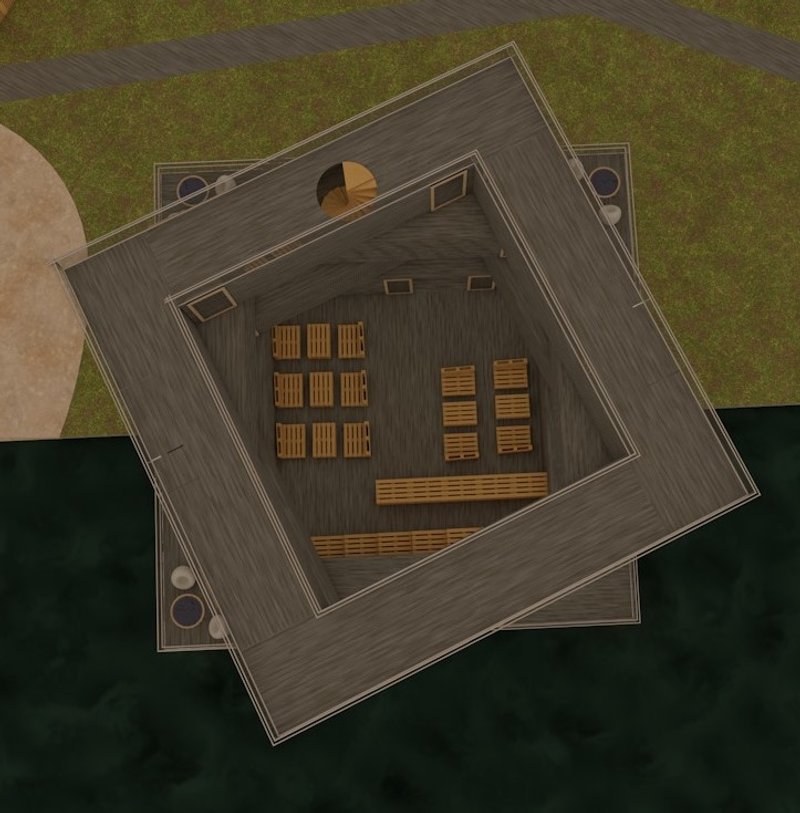
Figure 7 Courtyard
Containers are installed on metal poles and piles. This frame holds the 4th floor.
The built-up area of one residential block together with the courtyard is 218 sq. m (Figure 8).
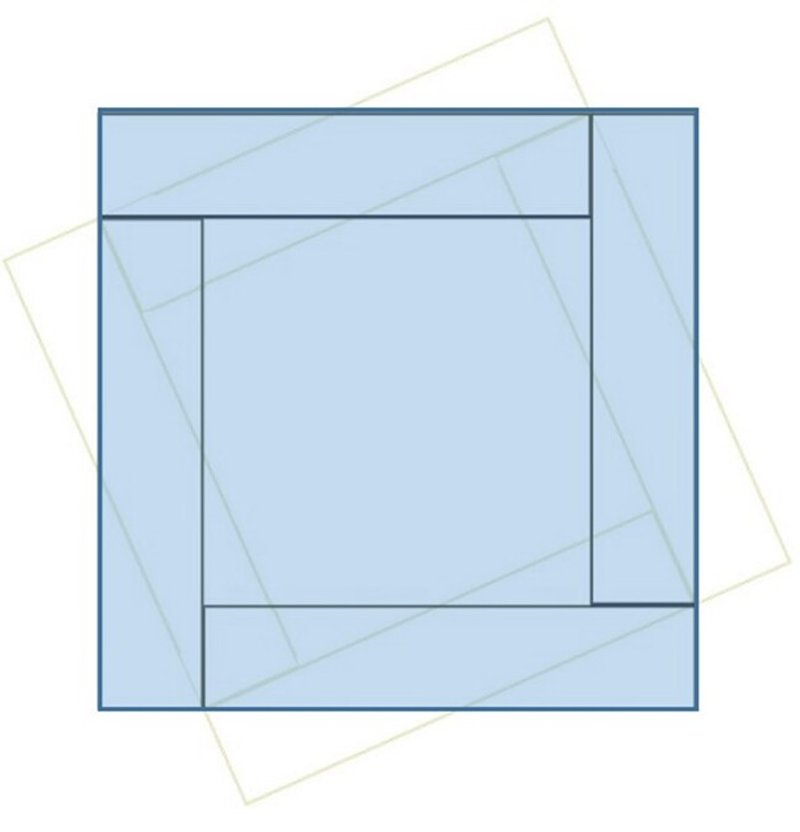
Figure 8 Construction spot
Description of floors
The projector building consists of 4 floors. It contains living rooms, a dining room, a kitchen, halls, a courtyard, balconies and a stage. Consider each floor separately.
On the ground floor there are common areas (kitchen, dining room). The kitchen occupies one 40-foot container. It contains all the necessary kitchen furniture for cooking. The dining room occupies one 40-foot and one 20-foot containers. It can accommodate 14 people. On the floor there is a hall with a staircase. There is also a courtyard for residents to relax in (Figure 9).
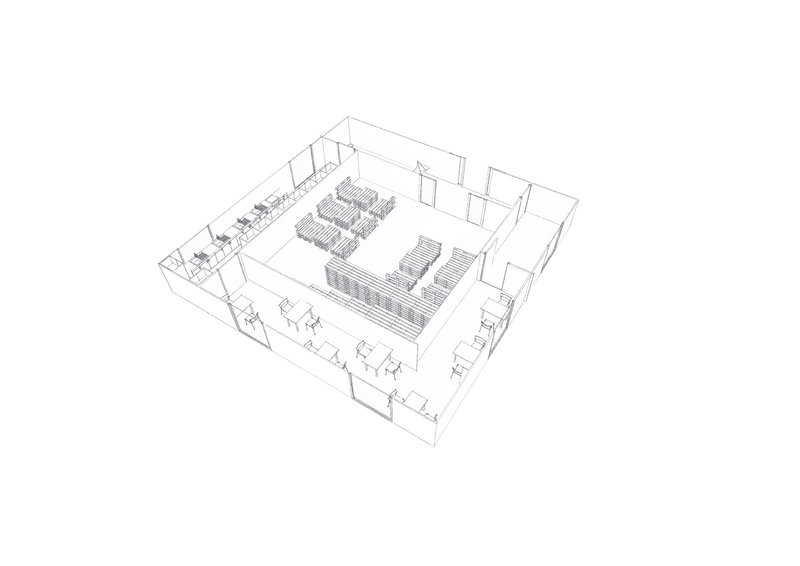
Figure 9 Ground floor
The second floor includes two living rooms for 4 students and a hall with stairs. The living rooms are equipped with a separate bathroom. Each room has an internal and external balcony. On this floor there is a stage, but access to it is provided from the courtyard (Figure 10).
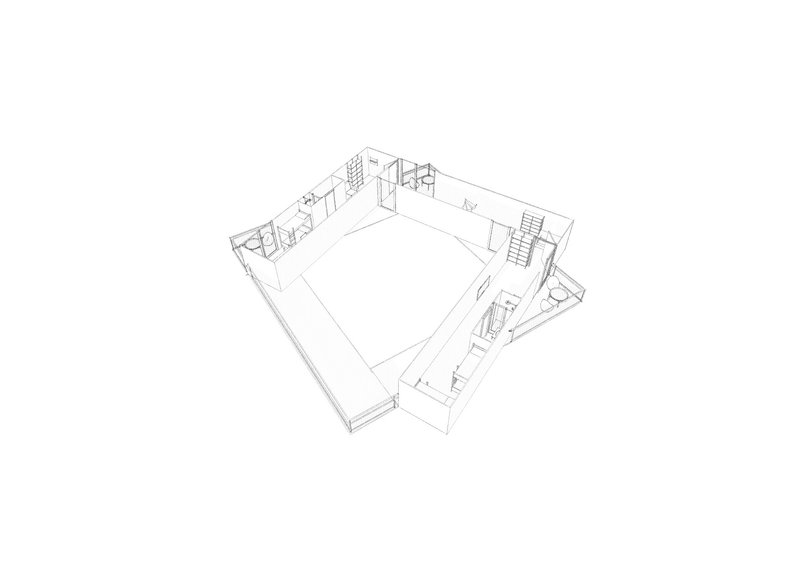
Figure 10 Second floor
The third floor corresponds to the second floor, but there is no stage on it (Figure 11).
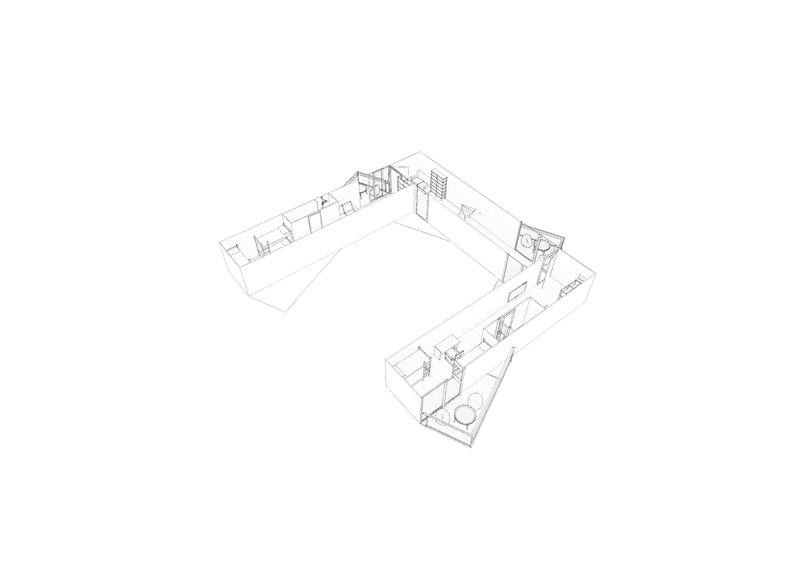
Figure 11 Third floor
On the fourth floor there are 2 rooms for 2 people of superior comfort. The living rooms are equipped with a separate bathroom. Each room has access to the hotel office. The hall connects 2 rooms and has access to a staircase. Each room, except for the offices, has an external and internal balcony (Figure 12).
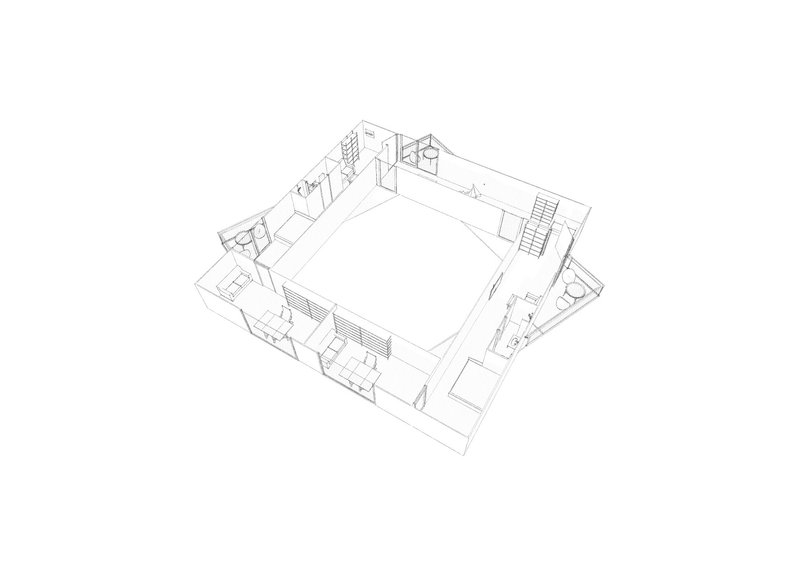
Figure 12 Fourth floor
The projector building includes thirteen 40-foot containers and two 20-foot containers (located on the 1st floor).
The building is designed to accommodate 20 people (students and teachers).
Conclusion
Our project will solve the following issues:
Quality of life: our idea is to create comfortable living conditions for students. Each living room is equipped with a bathroom, a kitchen and a dining room. In addition, each building has a separate courtyard.
Space: due to the location of the containers, the area of the rooms is increased by about 30%, which makes it more efficient to use the space. In addition, options for using such spaces were invented.
The usefulness of the container: the arrangement of containers allows you to use each meter as productively as possible. In addition, the proposed method forms a courtyard space, a stage and balconies. The project involves the use of a roof.
Reproducibility: several such buildings can form a full-fledged student cluster. Options for this use are given on the plate number 3.



Popular Articles
Popular articles from the community

The Faith: Modular Architecture for Play, Learning, and Hope in Kutupalong Refugee Camp
A modular playground architecture project in Bangladesh where play, learning, safety, and hope rebuild childhood inside a refugee camp anew.
IKC de Geluksvogel: Sustainable School Architecture Designed for Free Movement and Digital Learning
IKC de Geluksvogel turns sustainable school architecture into a flexible Maastricht campus for digital learning, nature, and free movement.
Milan Crossover: Sustainable Architecture for a New Fashion Culture in Milan
Milan Crossover transforms fashion culture through sustainable architecture, linking material libraries, remake studios, and public runways.

PLATAFORMArq Folds a Concrete Roof Over the Portuguese Mountains in House #474
A 220-square-meter residence in Teixoso, Portugal, wraps board-formed concrete into an angular canopy that frames the Serra da Estrela foothills.


Similar Reads
You might also enjoy these articles

The Rhythm of Seasons
A Farmers' Market Connecting Nature and the City

More Than a Building-Designing a Living System
More Than a Building-Designing a Living System
Base Beyond
DESERT COMPOUND ARID: TOURISM OF ABSENCE AND ABUNDANCE


Explore Construction Technology Competitions
Discover active competitions in this discipline




Comments (0)
Please login or sign up to add comments
No comments yet. Be the first to comment!