
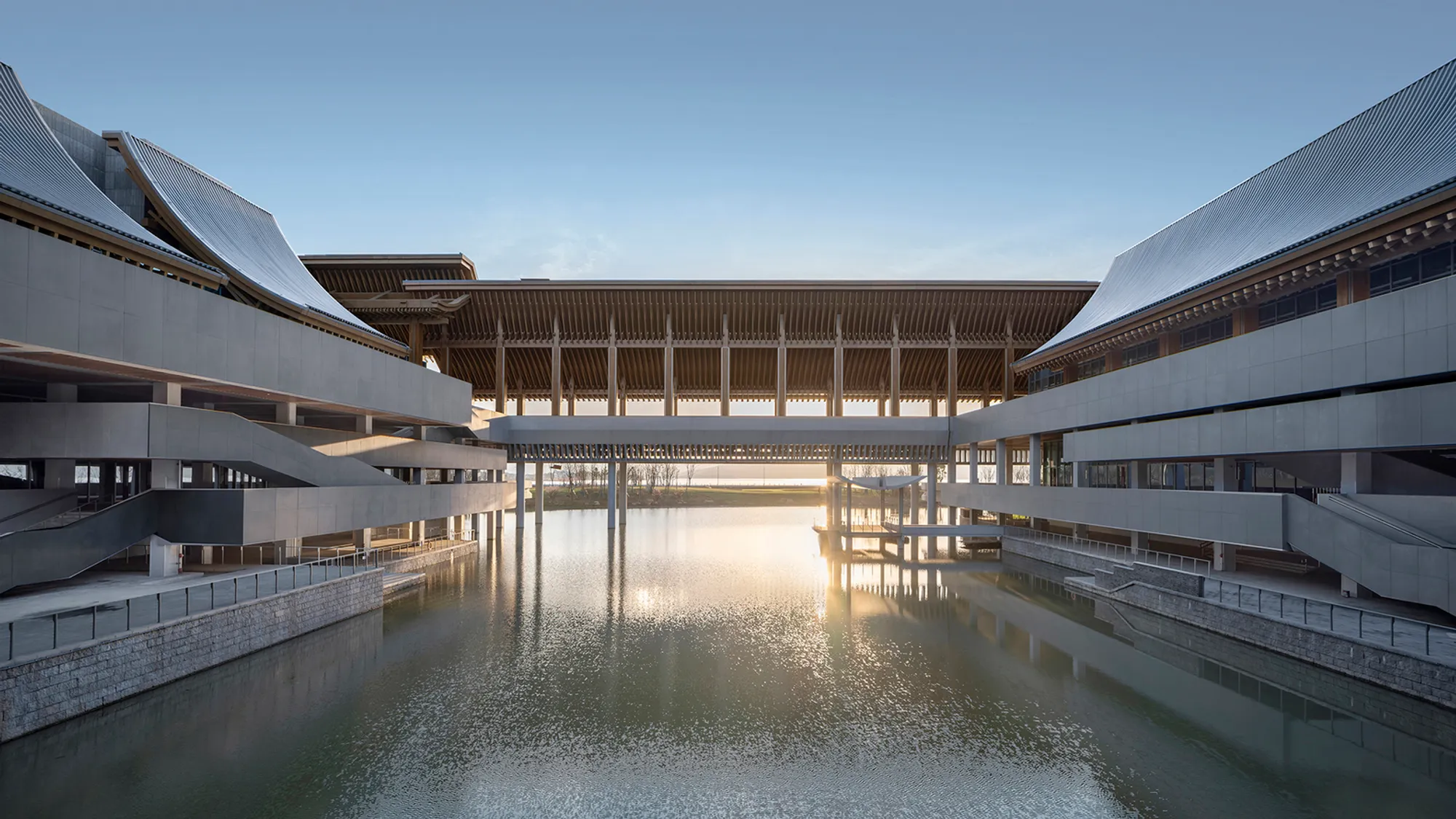
Sustainable Conference Center Design: A Case Study of Ningbo International Conference Center
This article explores the sustainable architectural design of Ningbo International Conference Center, focusing on its eco-friendly features and innovative layout.


As the world pivots towards sustainable development, architecture has followed suit, particularly in the design of large public spaces like conference centers. A standout example of this trend is the Ningbo International Conference Center designed by Tanghua Architects. This facility not only exemplifies cutting-edge design but also integrates crucial aspects of environmental sustainability.
Overview of Ningbo International Conference Center
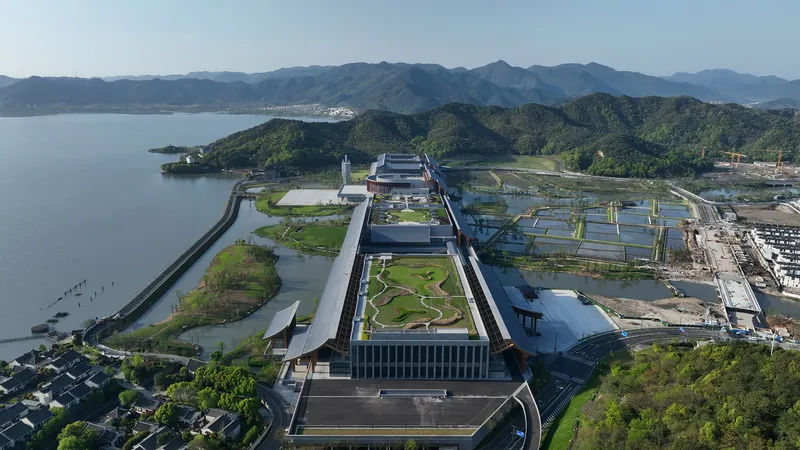
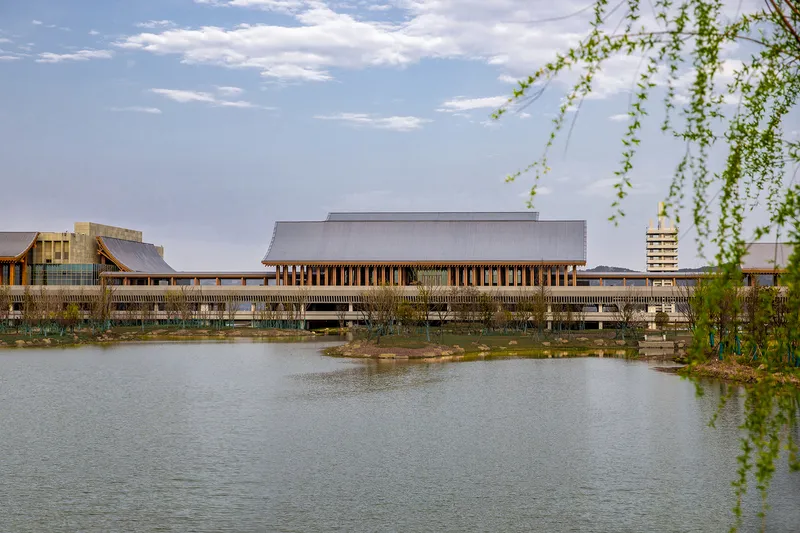
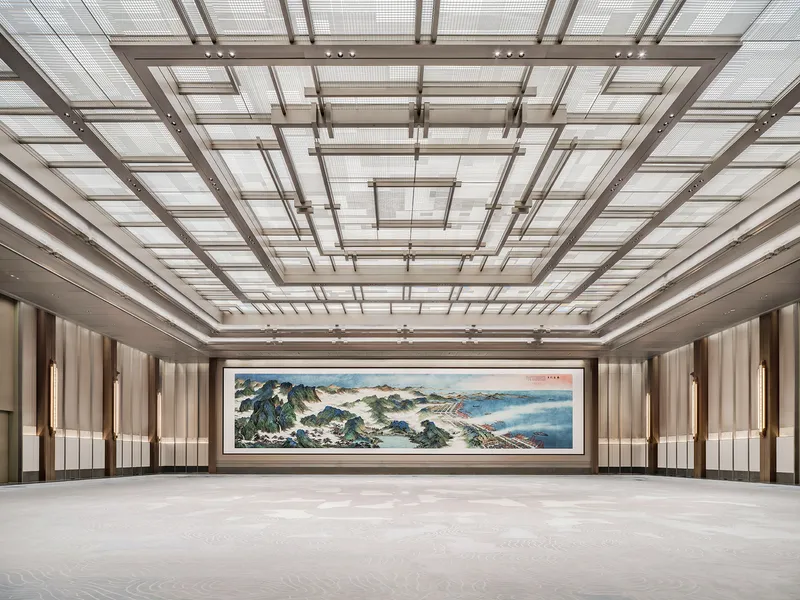
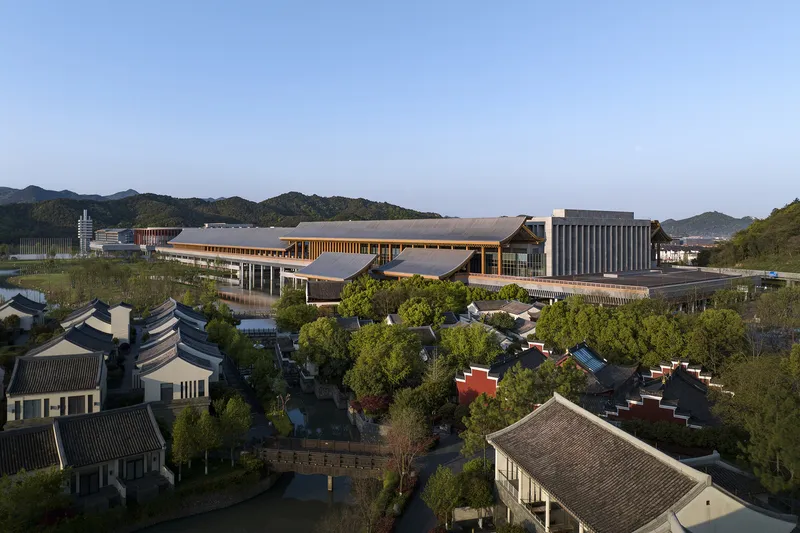
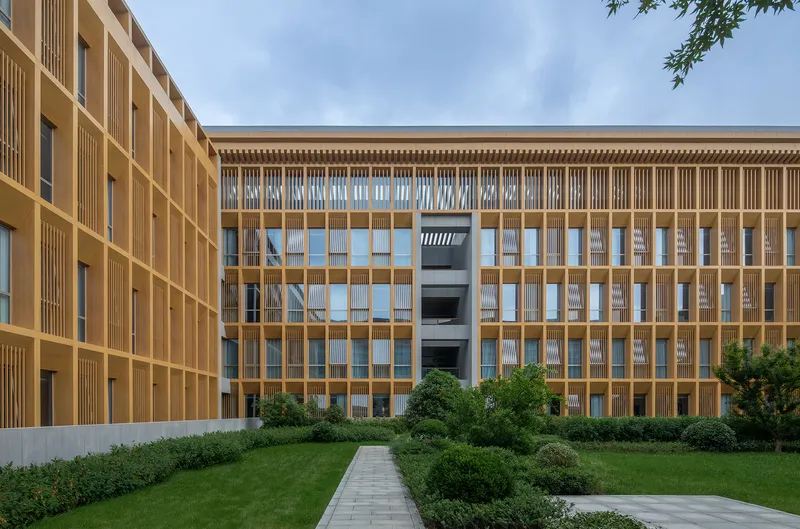
Located in the picturesque Dongqian Lake Scenic Area on the outskirts of Ningbo City, China, the Ningbo International Conference Center is a marvel of modern architecture and sustainability. Designed by the renowned Tanghua Architect & Associates, the center covers an expansive area of 398,413 square meters and was completed in 2022.
Design Philosophy and Sustainability Features
The Architectural Concept
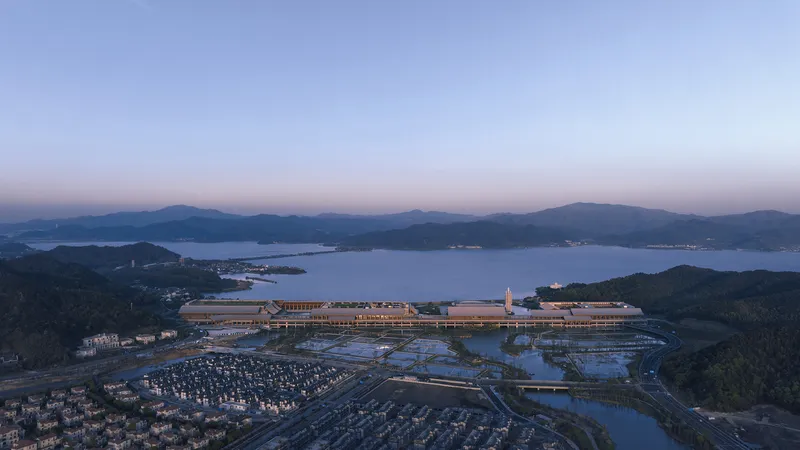
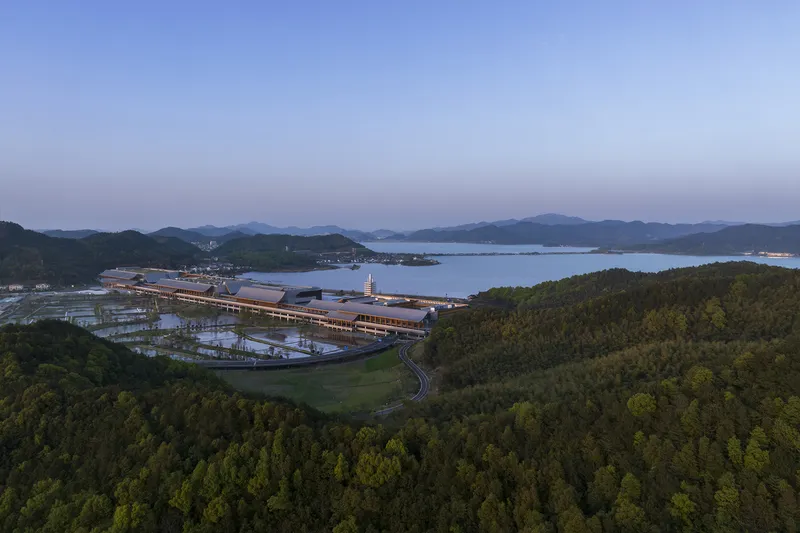
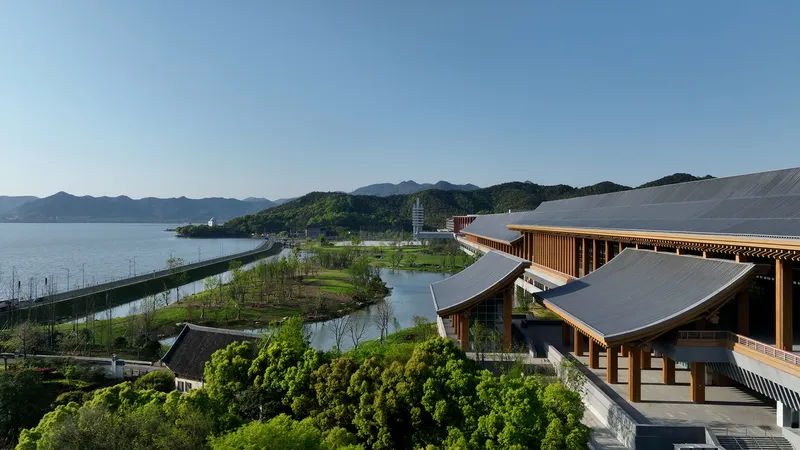
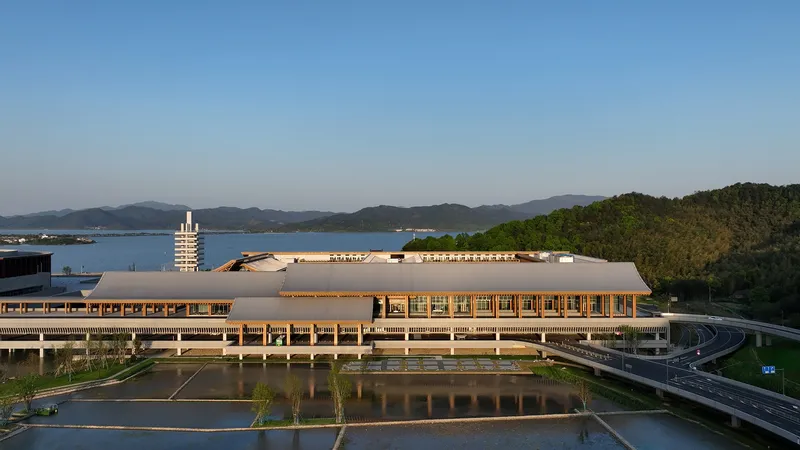
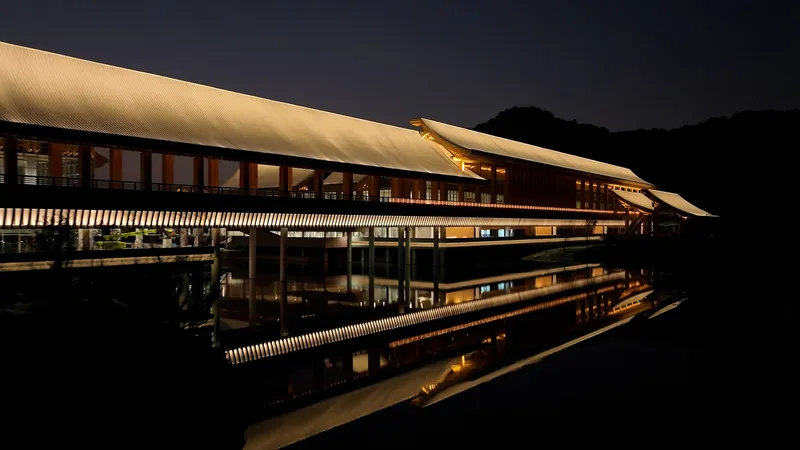
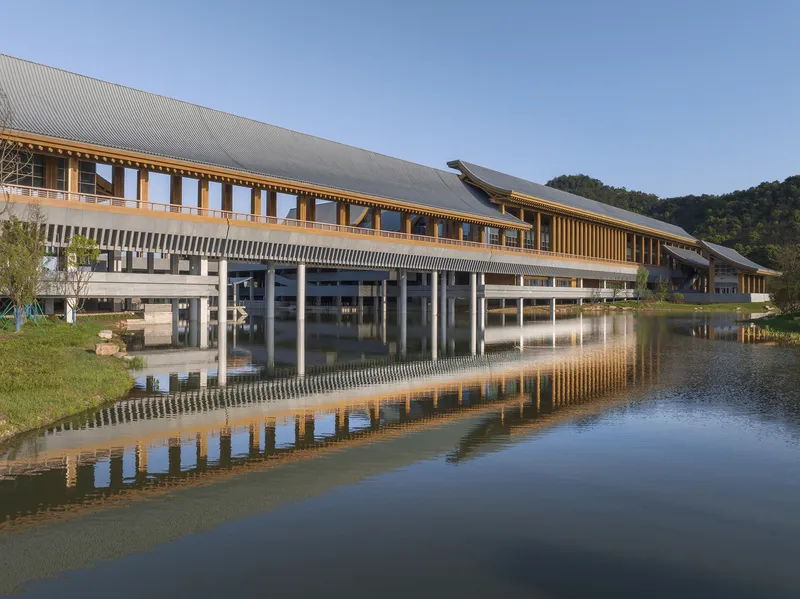
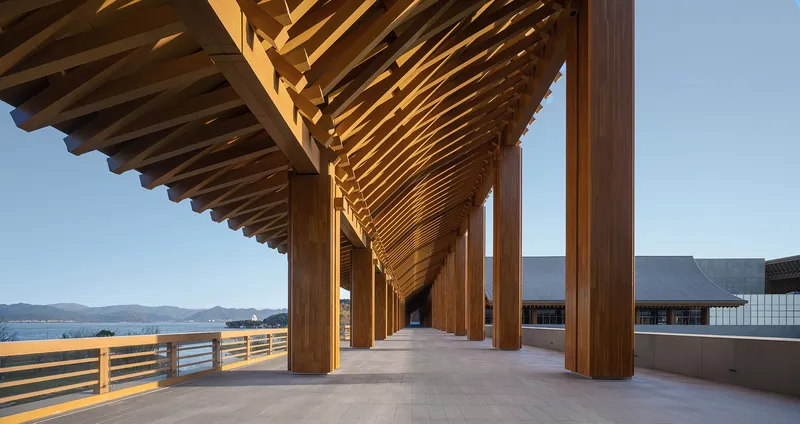
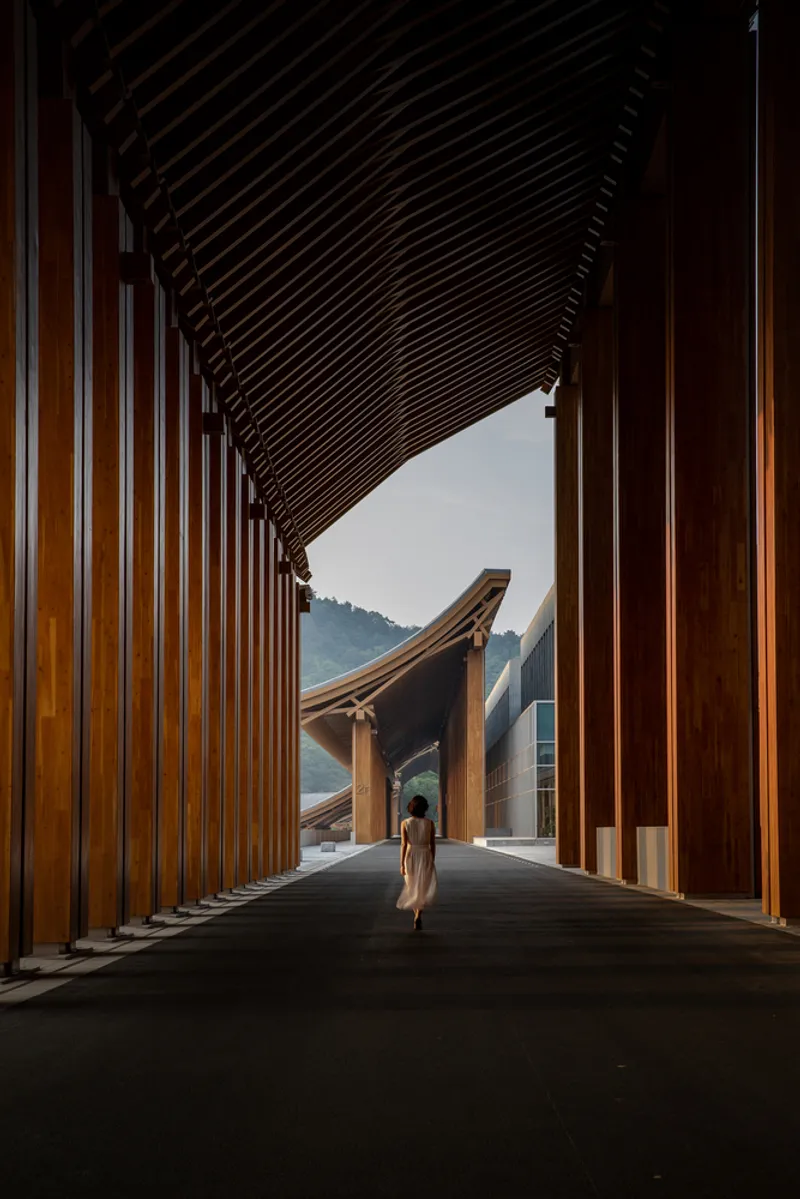
The design of the Ningbo International Conference Center is inspired by the natural landscape surrounding it—mountains, rivers, and vast wetlands. The center mimics a covered bridge, connecting the urban area with the tranquility of nature, embodying the concept of a "bridge" in both a literal and metaphorical sense.
Environmental Conservation Strategies
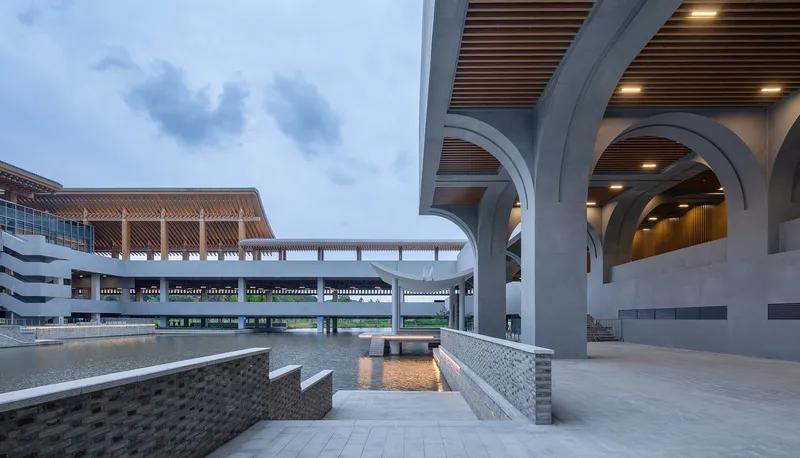
One of the core components of the conference center's design is its minimal impact on the existing natural environment. The building is elevated above the ground, preserving the natural topography, water systems, and local ecosystems. This stilted design reduces soil disruption and maintains natural water drainage patterns.
Energy Efficiency and Renewable Energy Use
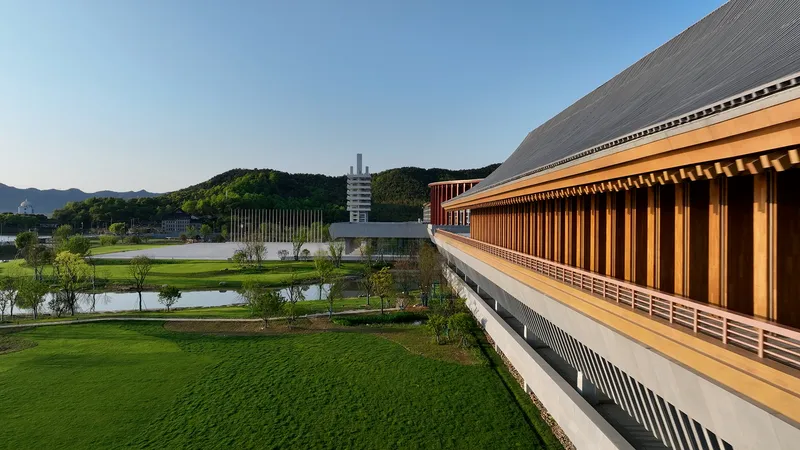
The conference center sets a high standard for energy efficiency. It incorporates green roofs, which reduce rainwater runoff and lower heating and cooling demands. The site also uses permeable materials to enhance water infiltration and features on-site renewable energy sources, including photovoltaic panels for solar energy harvesting and a geothermal heat exchange system.
Multi-functional Design and Cultural Integration
Layout and Functional Zoning
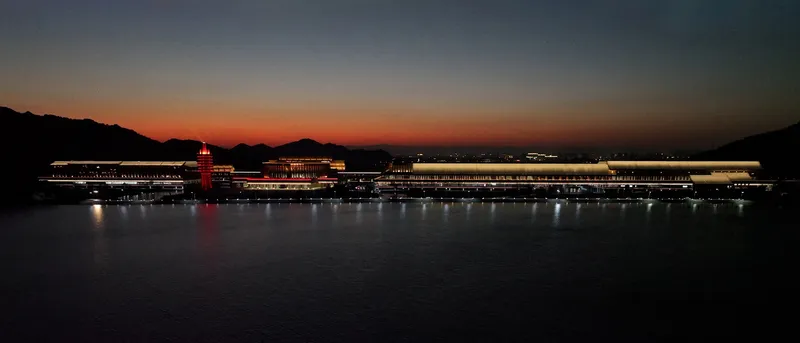
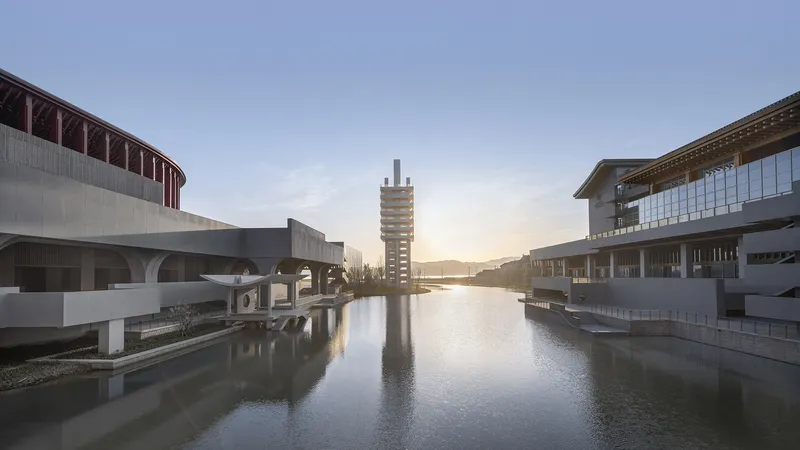
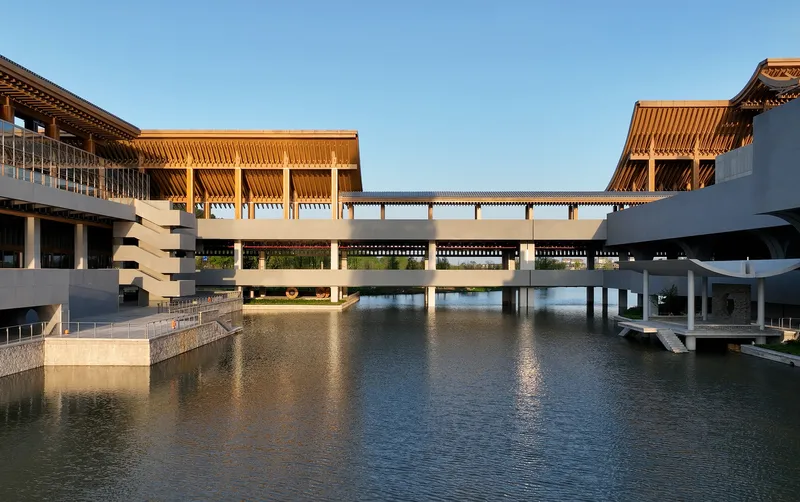
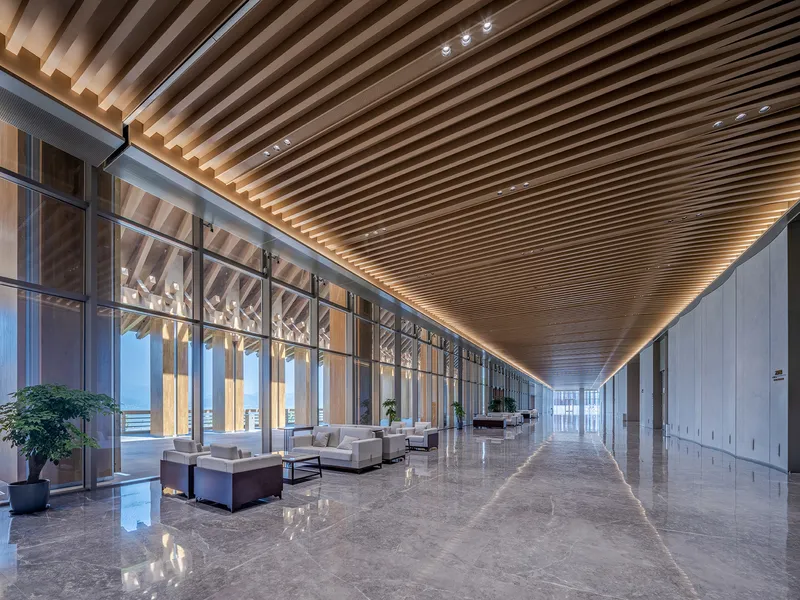
The center is cleverly divided into distinct zones with varying degrees of public access and privacy. The northernmost section houses a large multipurpose hall, followed by main event venues, a banquet hall, and an exclusive summit area. The southern end accommodates a luxury hotel, ensuring that each space serves its function efficiently while preserving aesthetic and operational harmony.
Public Access and Community Engagement
When not in use for conferences, the facility's covered bridge and adjacent commercial streets are open to the public. This accessibility ensures that the center serves not just as a venue for formal events but as a communal space, fostering public interaction and community engagement.
The Role of Sustainable Design in Modern Architecture
The Ningbo International Conference Center is more than just a building; it is a testament to the role of sustainable design in contemporary architecture. By respecting the natural environment and incorporating energy-efficient technologies, the center stands as a model for future developments in the architectural world. It is a prime example of how modern design can harmoniously coexist with nature, serving both functional and ecological purposes.
This project not only supports Ningbo’s cultural and commercial activities but also contributes to the broader discourse on sustainable architecture, making it a beacon for similar future developments globally.
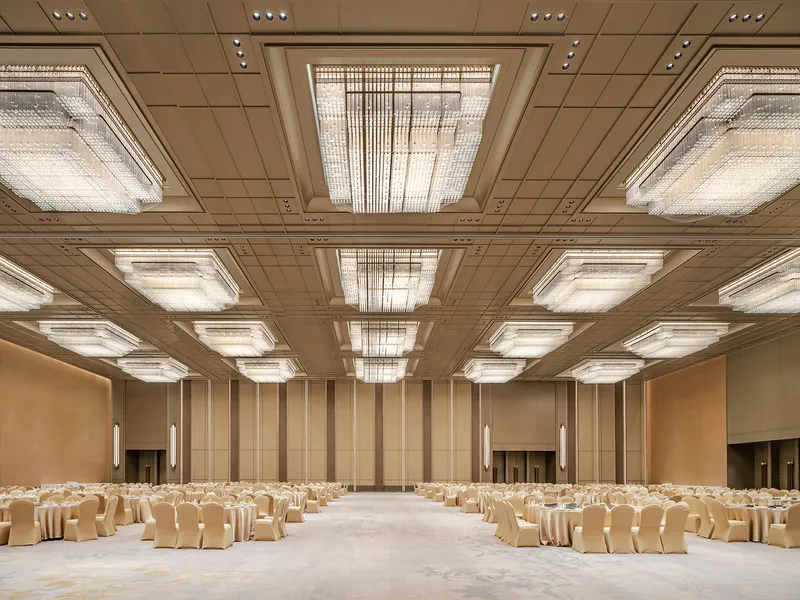
All photographs are work of Tanghua Architects, Beijing Institute of Architectural Design (BIAD), Beijing BIAD Decoration Engineering, MMCM




Popular Articles
Popular articles from the community

EW PARK: Sustainable Architecture Reimagines the Future of Urban Parking
EW PARK reimagines city parking as a modular wooden tower combining automation, solar energy, electric mobility, and adaptable urban design.

Hill & Cross Opera: Sculptural Opera House Architecture Shaped by Tallinn’s Landscape and Identity
Hill & Cross Opera reimagines opera house architecture in Tallinn through its sculptural hill, civic plaza, glass wave and a luminous cross.

The Musturak Paradise: Senior Living Architecture for a Connected Future in Temara, Morocco
The Musturak Paradise reimagines senior living architecture in Temara via private homes, social spaces, culture, community, and shared care.

The Ocean Hive: Sustainable Architecture for a Self-Sufficient Civilization at Sea
The Ocean Hive imagines sustainable architecture at sea, where modular habitats, algae, wave power and ocean waste sustain a growing colony.

Similar Reads
You might also enjoy these articles


Hodi-Mandai Geram
Project Function: Preservation and revitalization of the Intangible heritage and socio-spatial identity of the Hodi by Housing, Cultural Memory Center, Sacred Grove, landscape, local tourism economy


Olio Towers: A Mid-Rise for Performers That Fuses Housing, Rehearsal, and Stage
Located blocks from Houston's Theater District, this modular tower stacks living units around a central performance atrium.

Oasis: Modular Green Housing Carved into Dhaka's Urban Fabric
A shortlisted Plugin Housing entry reclaims unauthorized settlements in Dhaka with stepped concrete volumes, green roofs, and ventilation-driven design.

Black Hole: A Floating Megastructure for the Post-Physical Era
Emiliano Mazzarotto envisions a spherical, self-scaling arena where e-sports, digital hotels, and holographic stadiums replace traditional public space.

Explore Commercial Buildings Competitions
Discover active competitions in this discipline



Challenge to reimagine the Iron Throne


Photograph architecture without architects


Illustrate the lost glory of Angkor Wat - Render Challenge


Design challenge to reuse E-waste
Comments (0)
Please login or sign up to add comments
No comments yet. Be the first to comment!