
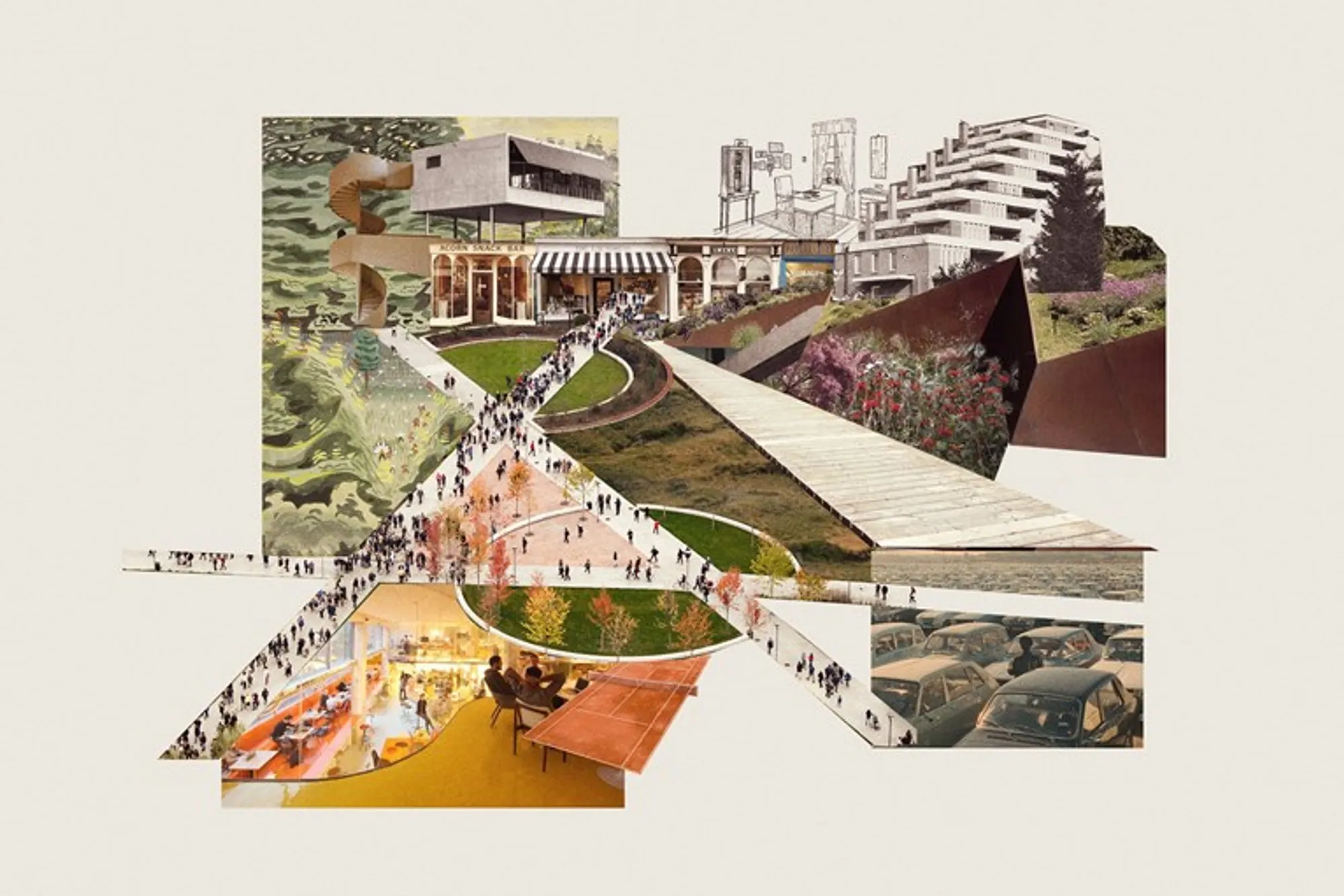
Tatiana Bilbao Estudio and Uribe Schwarzkopf reveal an innovative Botániqo project
A sustainable and innovative housing complex in Mexico City

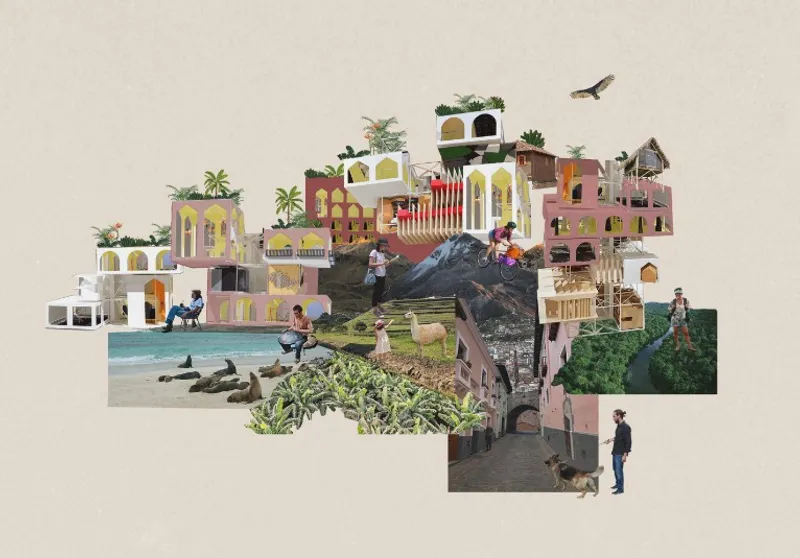
Uribe Schwarzkopf, a leading architecture and building firm from Ecuador, has partnered with the award-winning Mexico City-based Tatiana Bilbao Estudio to create Botániqo, a comprehensive new residence in the growing Cumbayá neighbourhood of the greater Quito Metropolitan District. Spanning over three acres of land, the project includes the transfer of an additional acre of terrain to the city for the creation of a new transportation hub that will service over 60,000 people daily.
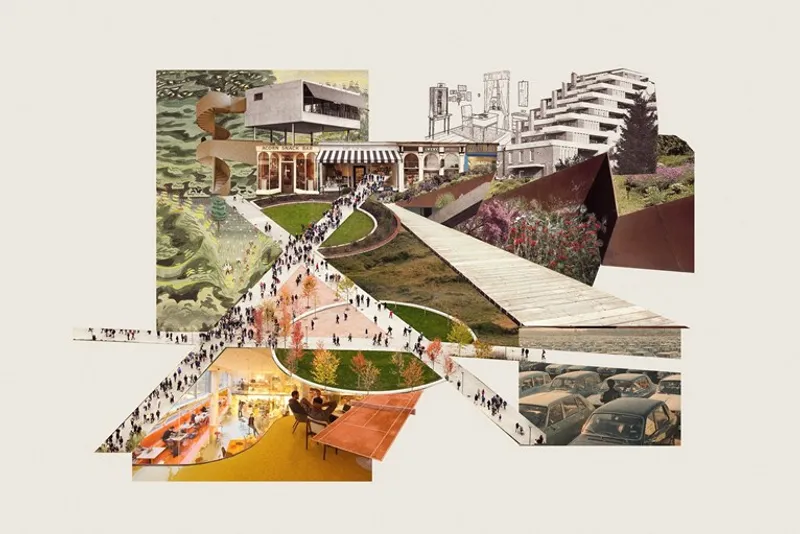
The project represents an accessible entry point for residents who want to live in the neighbourhood and features several public-facing elements including the creation of green space around the residential units. The project’s design focuses on creating a human and community-centred approach, with layouts that encourage connection through numerous shared spaces.
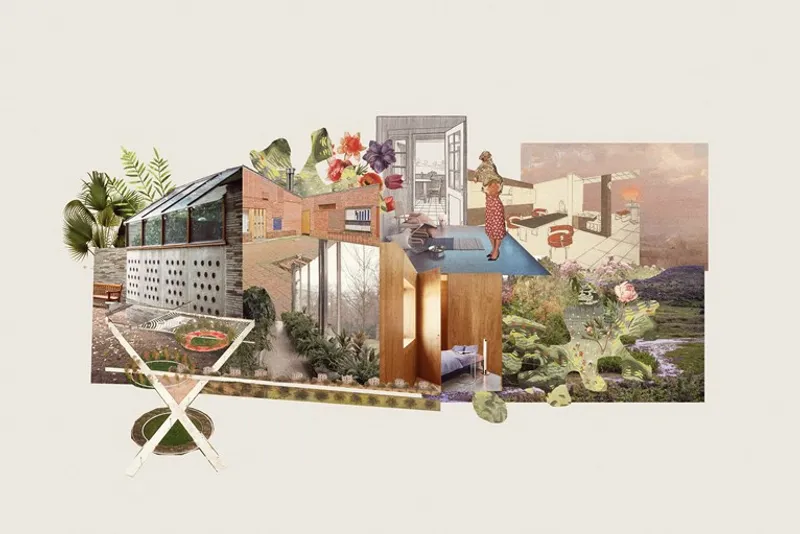
Botániqo comprises nine towers, each featuring communal, flora-filled terraces around the midpoints of the buildings. At ground level, the project’s footprint takes up just 35% of allowable space, creating extensive communal green space and recreational areas which connect the buildings and unite the property. The layouts of Botániqo’s residences are designed to generate a series of shapes that make each area unique to its resident, with a series of linked modules interspersed with open and closed spaces.
Central to Bilbao’s design is a focus on greenery and green areas, with the project featuring more than 5000m2 of green space. The project’s master plan organically creates harmony between the building and its surrounding environment. Each tree in the terrain will be preserved and transplanted through a careful adaptation process, and then relocated within the project, maintaining the endemic vegetation of the area.
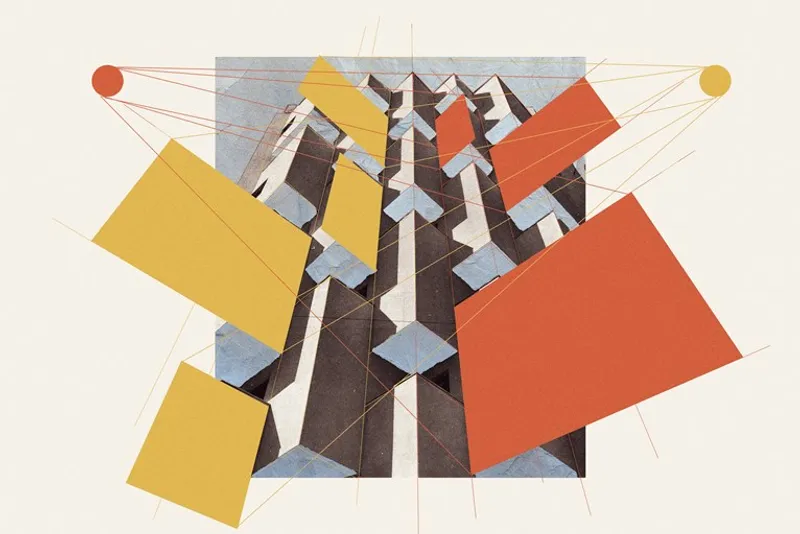
Botániqo seamlessly blends into its environment, benefitting both the residents and the public. More than 50% of the materials used in the project will be of local origin, reducing the carbon footprint of the building’s construction. The exteriors of Botániqo create a living facade, featuring native plants from the region intertwining with the exterior of the building, and vegetation is thoughtfully incorporated across all nine towers, allowing them to reflect the lush landscape of Quito.
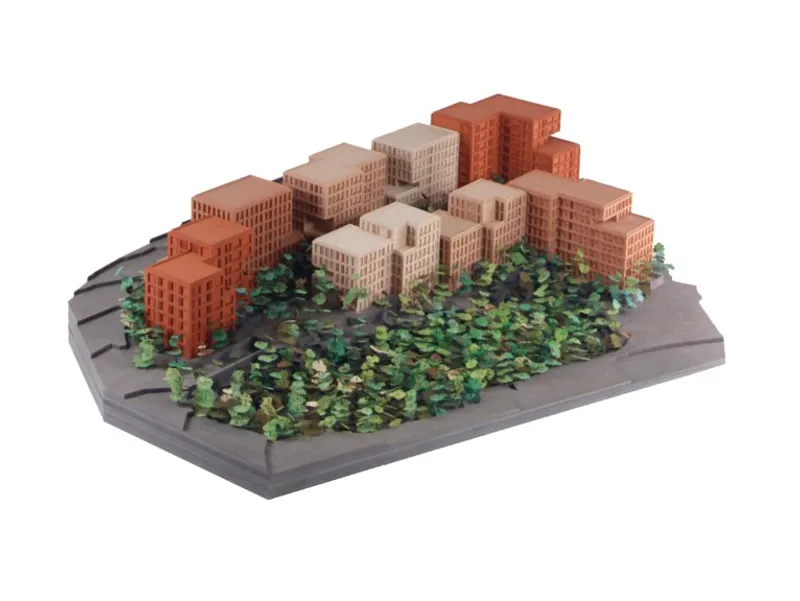
Botániqo will also provide a range of amenities for residents including a pool, paddle tennis, kids area, gym, spa, pet park, gaming area, meeting rooms, event spaces, and a multifunctional room. Its central location in the Cumbayá neighbourhood situates it squarely in one of Ecuador’s most highly developed and growing areas, with a host of services including food, drink, leisure, shopping centres, supermarkets, hospitals, schools, and universities.
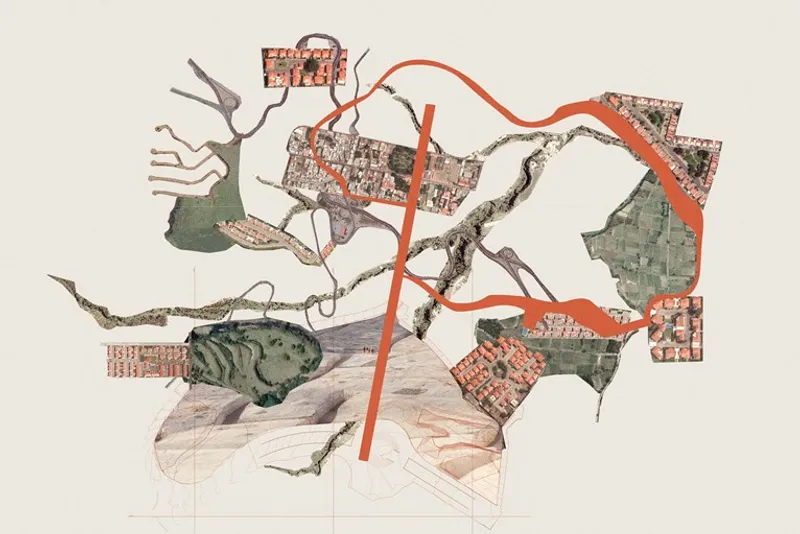
The project will breathe new life into an adjacent, existing scenic pedestrian path that will connect Botániqo to the new public transport station that will service over 60,000 people daily, through a public-private partnership between the municipality and Uribe Schwarzkopf. The station’s design will incorporate abundant vegetation, featuring plenty of public meeting spaces, and allow for quick and safe pedestrian access to Cumbaya’s main square through escalators and key safety measures. The station will be a critical addition to Cumbaya, which has to date lacked the transportation infrastructure necessary for the population using public transport.
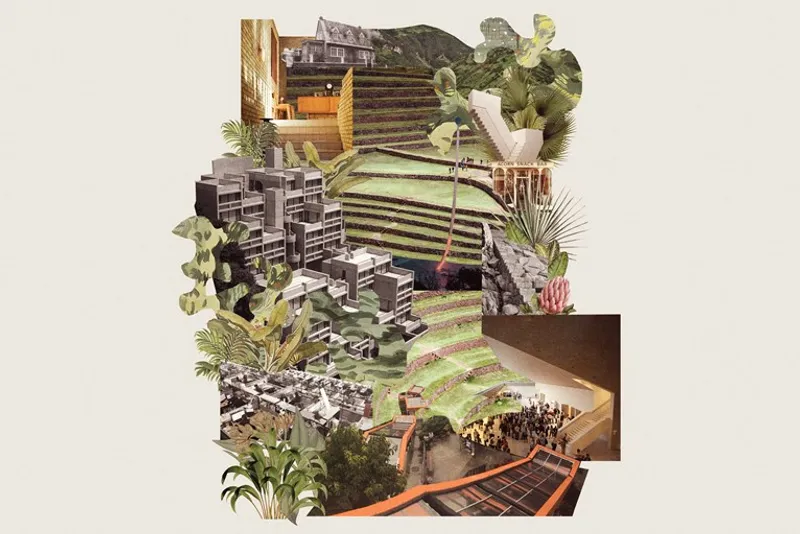
“The collaboration with Tatiana Bilbao Estudio has been an extraordinary experience for us,” says Joseph Schwarzkopf of Uribe Schwarzkopf. “Her design of the public and private spaces, together with a visionary weaving together of a masterplan that will enhance residents' and neighbours’ lives alike, has helped us completely advance our approach to healthy and sustainable urbanism.
We pride ourselves on developing projects unique to Ecuador by incorporating principles that foster a strong sense of community and well-being. This project encapsulates these principles.



Popular Articles
Popular articles from the community


The Earth Pod: 3D Printed Homes for Resilient Refugee Communities
The Earth Pod reimagines refugee housing through 3D printed homes made from clay, combining resilience, self-sufficiency, and rapid shelter.

Riyadh For All: Intergenerational Urban Design for Active Aging in Rabat
Riyadh For All reimagines urban design in Rabat with intergenerational co-living, adaptive courtyards, and Moroccan cultural exchange today.

Hill & Cross Opera: Sculptural Opera House Architecture Shaped by Tallinn’s Landscape and Identity
Hill & Cross Opera reimagines opera house architecture in Tallinn through its sculptural hill, civic plaza, glass wave and a luminous cross.

Co-life: Sustainable Architecture for Age-Friendly Community Living
Co-life reimagines sustainable architecture for seniors through courtyards, rammed earth, shared gardens, and spaces designed for belonging.

Similar Reads
You might also enjoy these articles
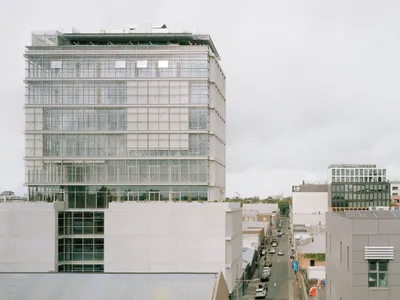
116 Rokeby Building, Collingwood
Sustainable Collingwood office building featuring double-skin façade, natural ventilation, rooftop amenities, and carbon-neutral design focused on wellbeing and longevity.
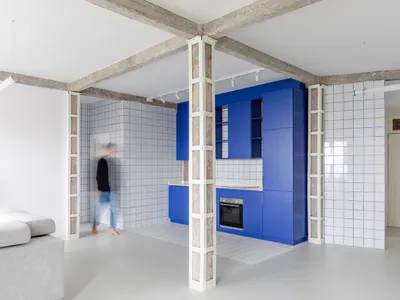
Contemporary Apartment Renovation in Spain: RV House by BIAN Opens Up to the Sea
A minimalist 1930s apartment in Santander is transformed into a flexible, sea-facing home through contemporary Spanish renovation.
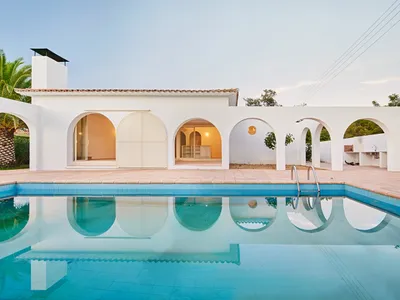
3 Marías House: A Contemporary Mediterranean Courtyard Retreat by Bajet Giramé + Burckhardt
Mediterranean courtyard home blending traditional architecture with modern design, terracotta flooring, flexible interiors, sustainable climate strategies, and garden integration.
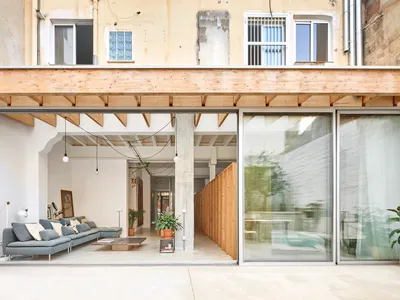
NZ10 Apartment by auba studio: Adaptive Reuse in Palma de Mallorca
Adaptive reuse apartment transforms bakery into light-filled home with patios, privacy layers, and wood interiors enhancing urban living experience.


Explore Mexican Design Competitions
Discover active competitions in this discipline




Challenge to reimagine the Iron Throne


Photograph architecture without architects


Illustrate the lost glory of Angkor Wat - Render Challenge


Bring back Drive In's
Comments (0)
Please login or sign up to add comments
No comments yet. Be the first to comment!