
The Courtyards of Light: An Innovative Approach to Underground Architecture
Innovative underground architecture design with natural light integration in Selim Akyol's Courtyards of Light project.


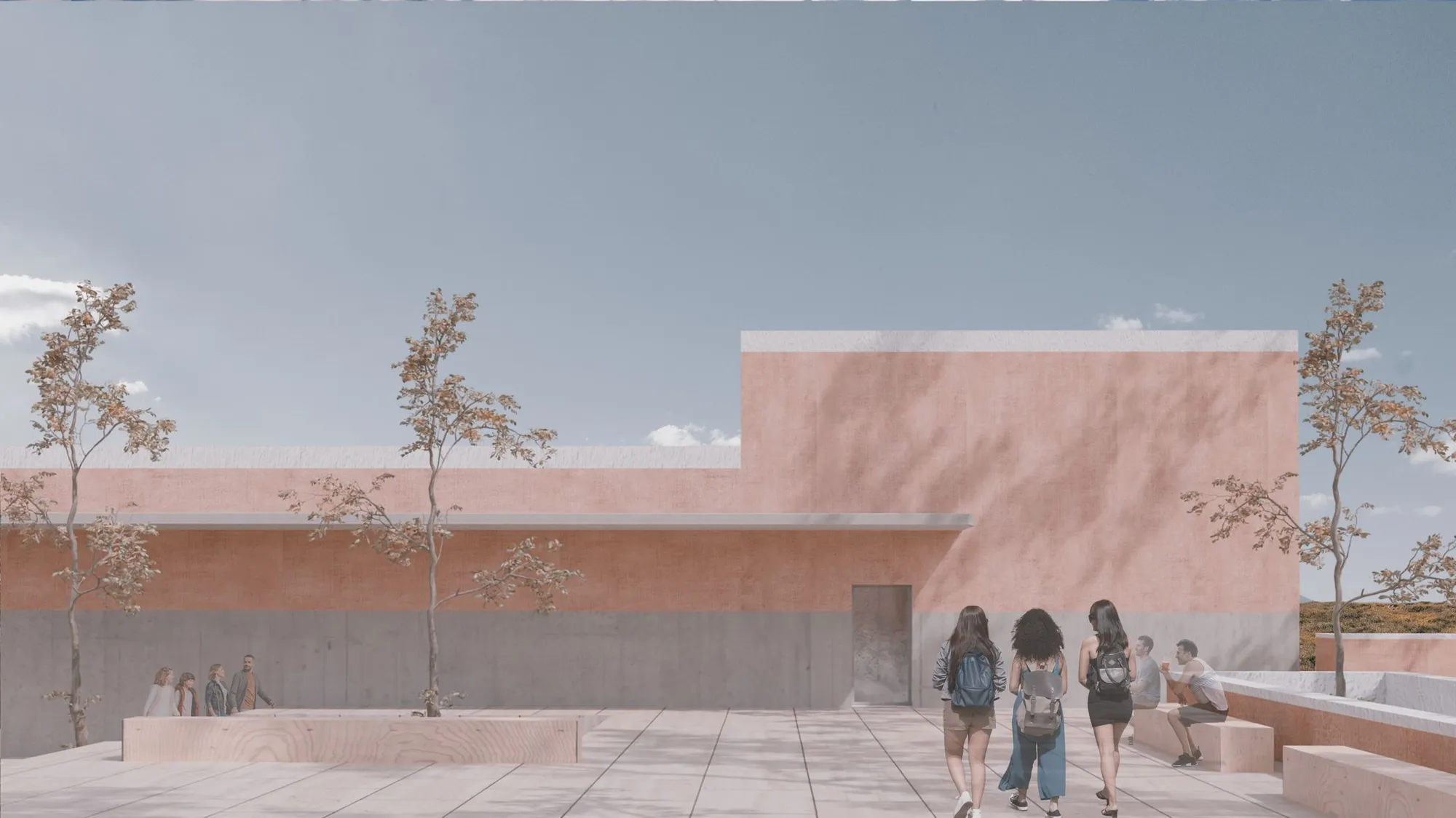
Underground architecture design is an emerging field that pushes the boundaries of traditional building concepts. The Courtyards of Light Shortlisted entry of Enwrap competition, is a testament to the potential of this innovative approach, where the interplay of natural light and underground spaces creates an extraordinary architectural experience. This project not only addresses aesthetic and functional aspects but also offers a sustainable solution by integrating with the natural landscape.
Design Concept
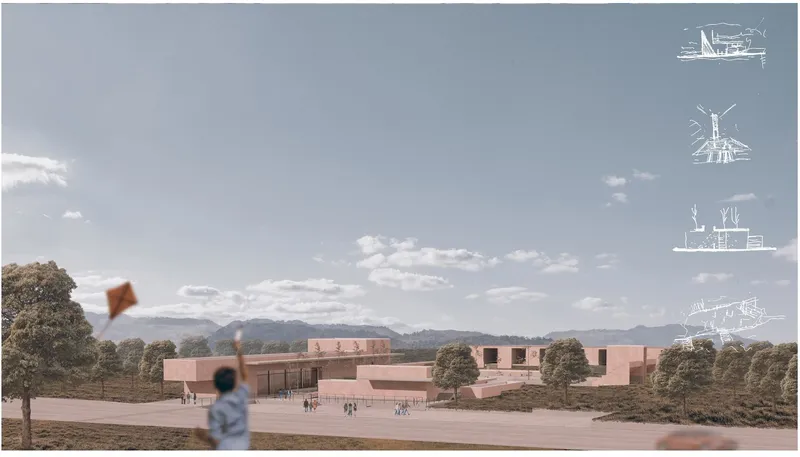
The idea of constructing a building underground presents a fascinating challenge from a design perspective. The Courtyards of Light leverages this concept to its fullest, using one of the most vital elements in architecture: light. The design ensures that the underground environment is not a dark, confined space but one that interacts dynamically with natural light, creating a unique atmosphere.
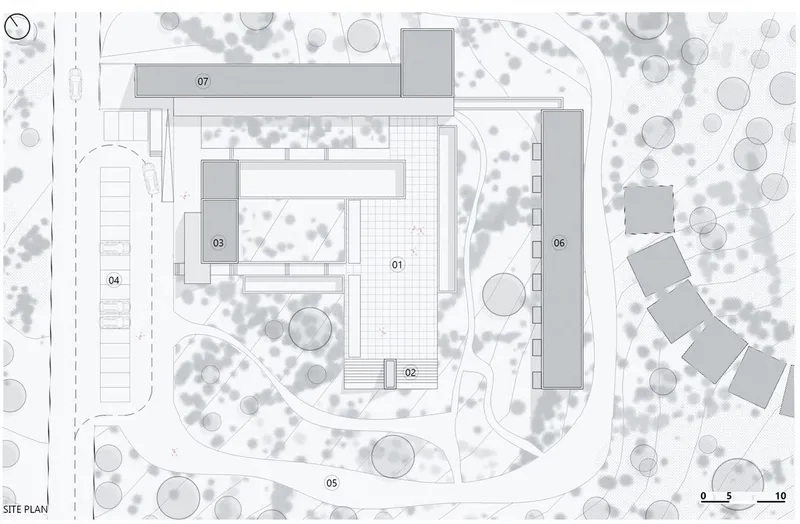
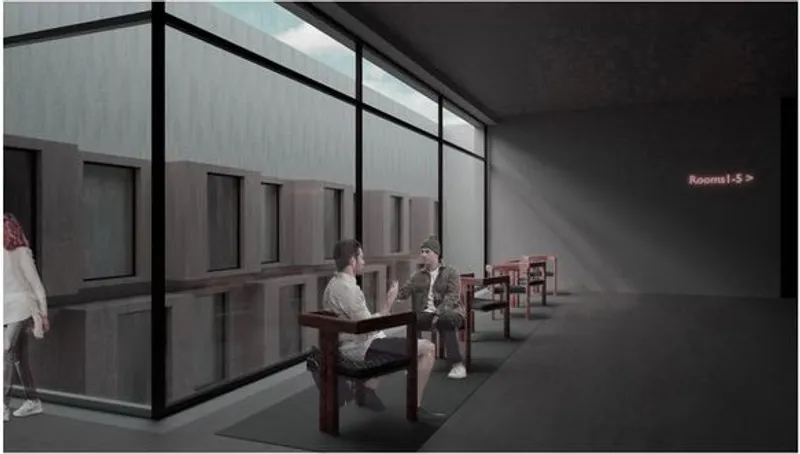
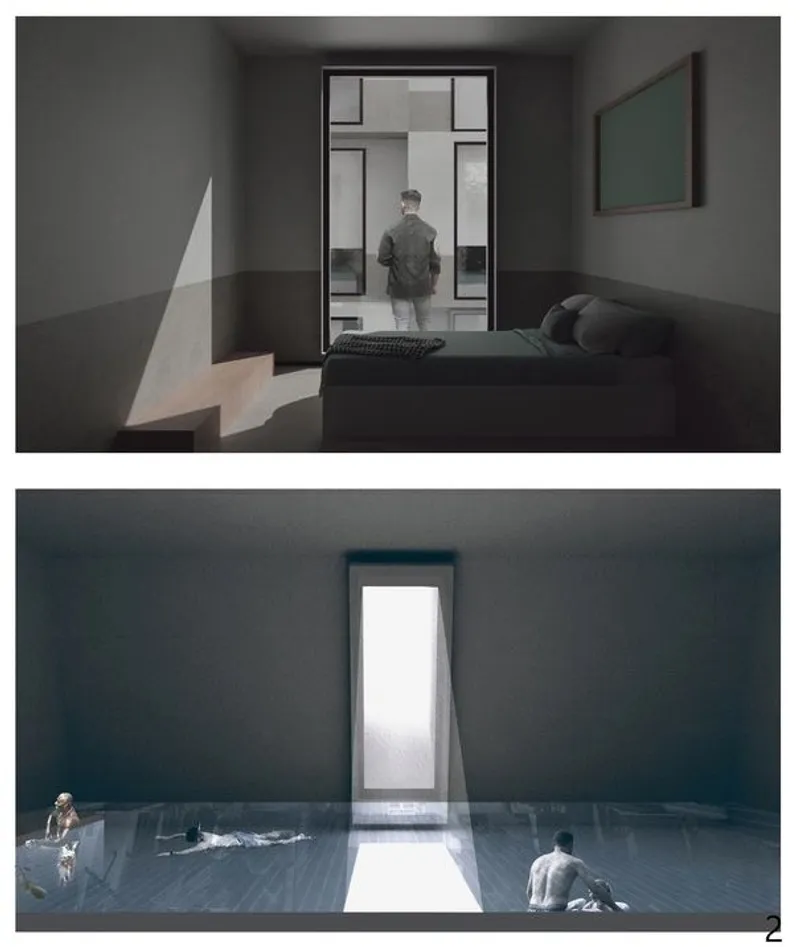
The building's layout features multiple courtyards that allow natural light to penetrate deep into the underground spaces. These courtyards serve as light wells, breaking the monotony of enclosed spaces and providing visual and spatial relief. The standard rooms are strategically positioned around these courtyards, ensuring ample natural light and ventilation. For the suite rooms, a separate block is situated on the higher part of the land, offering panoramic views and a sense of openness.
Structural Layout
Ground Level
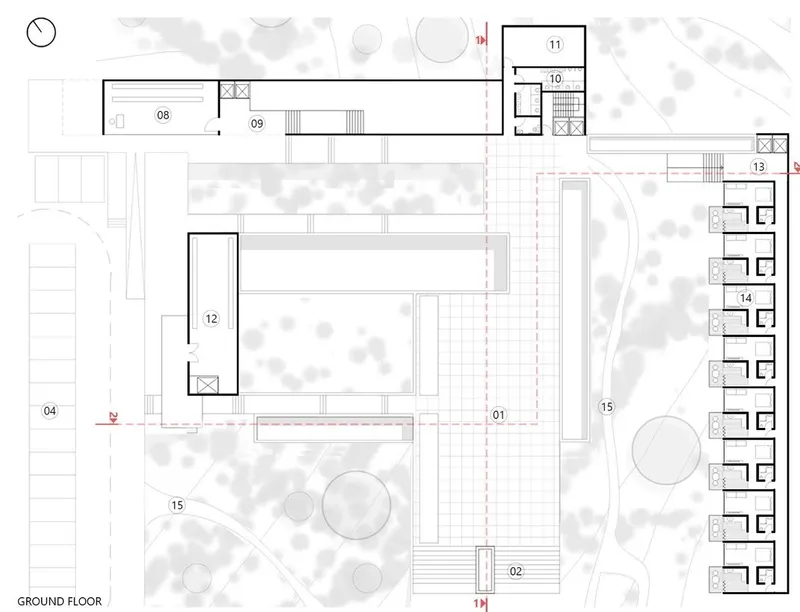
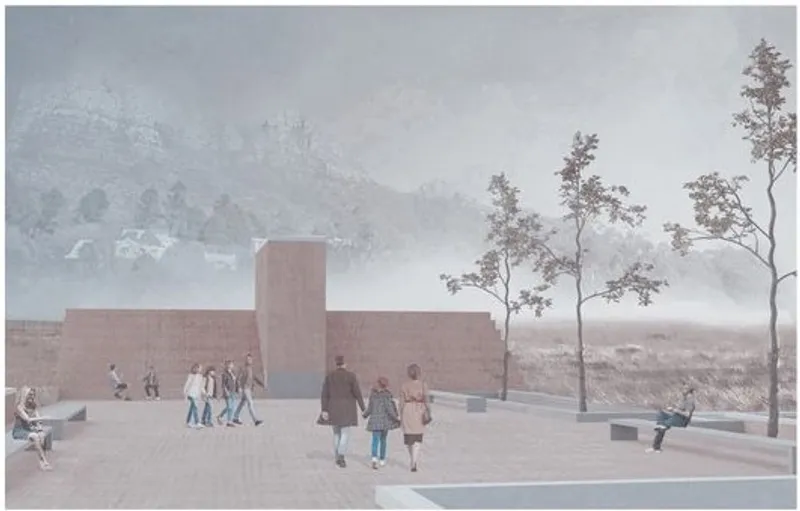
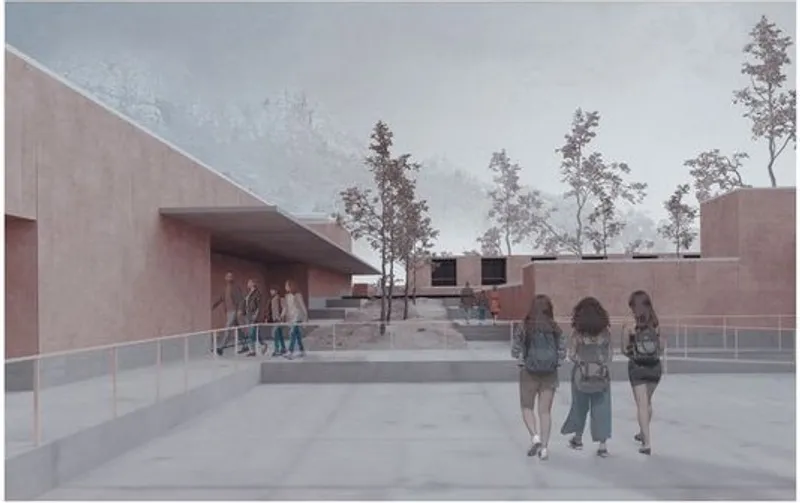
The entrance level of the Courtyards of Light includes several public amenities designed to enhance the user experience. A terrace and plaza create welcoming outdoor spaces, while bicycle and walking paths promote healthy, eco-friendly transportation. A parking lot is conveniently located at the entrance level, with transportation provided from the car park to the plaza through the courtyard spaces.
The ground floor also features a window with a stunning high mountain view, opening towards the restaurant and spa pool, further integrating the indoor and outdoor environments.
First Basement Level
On the first basement floor, the design incorporates essential facilities such as rooms, reception, administrative units, and a restaurant. This level serves as the main hub for guests, providing easy access to the suite rooms through well-planned circulation paths.
Second Basement Level
The second basement floor is dedicated to fitness and meeting areas. It houses a gym, various meeting points, and additional standard rooms. This layout ensures that guests have access to comprehensive amenities, promoting both physical health and social interaction.
Third Basement Level
The third basement floor features the spa pool and additional rooms. This level is designed for relaxation and wellness, offering a serene environment that benefits from the controlled lighting provided by the light courtyards.
Material and Finish
The exterior of the Courtyards of Light is clad in red limestone, giving the building a robust and earthy appearance that blends seamlessly with the surrounding landscape. The interior walls are covered with white plaster, which enhances the natural light by reflecting it throughout the space, creating a bright and airy ambiance. Black aluminum joinery adds a modern touch, providing a striking contrast to the warm tones of the limestone and the soft white plaster.
Sustainability and Innovation
One of the key advantages of underground architecture design is its potential for sustainability. The Courtyards of Light takes full advantage of the natural insulation properties of the earth, resulting in significant energy savings for heating and cooling. The strategic placement of light courtyards ensures that natural light is maximized, reducing the reliance on artificial lighting.
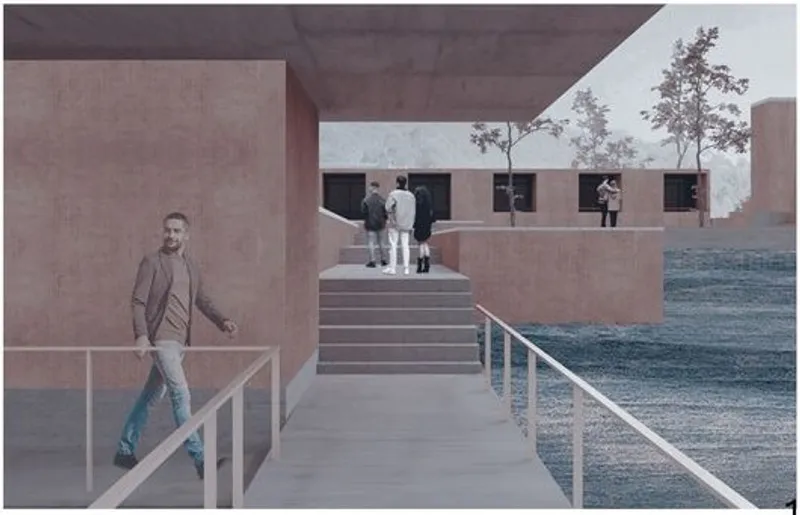
Moreover, the integration of green spaces and the use of eco-friendly materials further enhance the project's sustainability credentials. The design also promotes sustainable transportation options, with bicycle paths and walking routes encouraging a healthier and more environmentally friendly lifestyle.
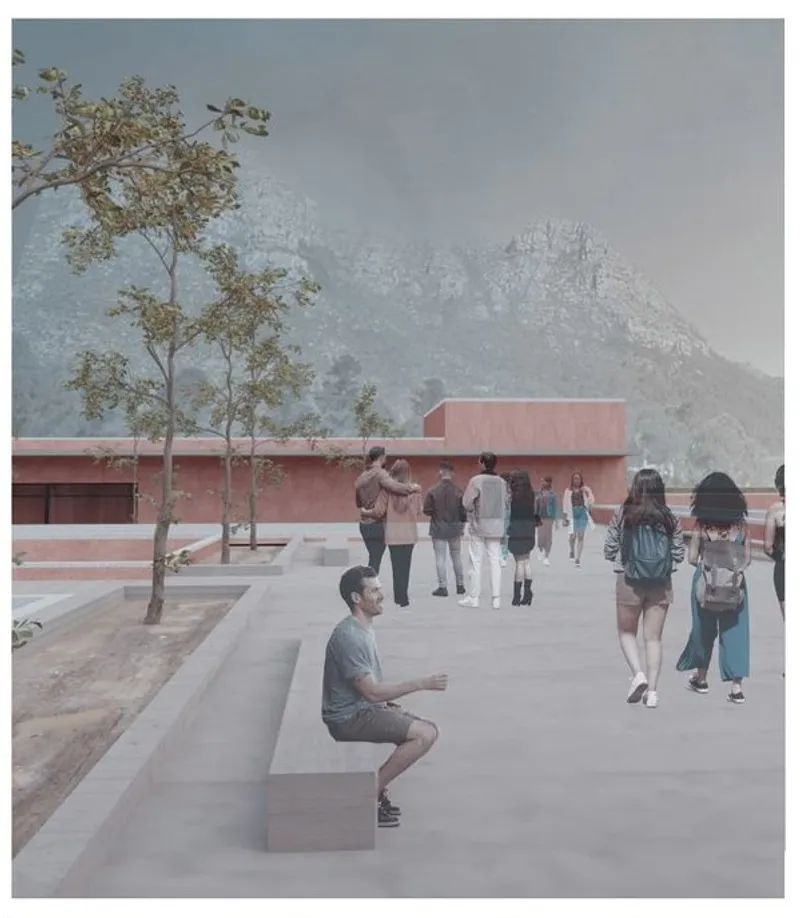
The Courtyards of Light by Selim Akyol is a pioneering example of underground architecture design. It demonstrates how innovative design principles can transform subterranean spaces into vibrant, light-filled environments. By harnessing the power of natural light and integrating seamlessly with the natural landscape, this project sets a new standard for sustainable and aesthetically pleasing architecture. As the field of underground architecture continues to evolve, the Courtyards of Light will undoubtedly serve as an inspiring model for future developments.
The Benefits of Underground Architecture Design
Underground architecture design offers numerous benefits beyond aesthetic appeal. These benefits include enhanced energy efficiency, better thermal insulation, and reduced environmental impact. By utilizing the earth's natural insulation properties, buildings can maintain more stable indoor temperatures, leading to lower energy consumption for heating and cooling. Additionally, the reduced surface footprint of underground buildings helps preserve natural landscapes and minimizes urban sprawl.
Challenges and Solutions in Underground Architecture
While underground architecture design presents exciting opportunities, it also comes with unique challenges. These include ensuring adequate natural light, managing moisture and water ingress, and addressing ventilation needs. The Courtyards of Light addresses these challenges through innovative solutions such as strategically placed light courtyards, advanced waterproofing techniques, and state-of-the-art ventilation systems. These solutions ensure a comfortable and healthy living environment while maintaining the aesthetic integrity of the design.
Future Trends in Underground Architecture
As urbanization continues to increase, the demand for sustainable and efficient building solutions is driving the growth of underground architecture design. Future trends in this field are likely to include more widespread use of advanced materials and technologies, greater integration with renewable energy sources, and the development of multi-use underground complexes. The Courtyards of Light serves as a precursor to these trends, showcasing the potential of underground spaces to offer innovative and sustainable living solutions.




Popular Articles
Popular articles from the community


The Earth Pod: 3D Printed Homes for Resilient Refugee Communities
The Earth Pod reimagines refugee housing through 3D printed homes made from clay, combining resilience, self-sufficiency, and rapid shelter.

Riyadh For All: Intergenerational Urban Design for Active Aging in Rabat
Riyadh For All reimagines urban design in Rabat with intergenerational co-living, adaptive courtyards, and Moroccan cultural exchange today.

Lunar Spiral: Space Architecture Shaped by the Mathematics of the Universe
Lunar Spiral reimagines space architecture through Fibonacci geometry, lunar regolith, levitating habitats, and self-sustaining Moon living.

Co-life: Sustainable Architecture for Age-Friendly Community Living
Co-life reimagines sustainable architecture for seniors through courtyards, rammed earth, shared gardens, and spaces designed for belonging.


Similar Reads
You might also enjoy these articles

Day and Night Park: A Time-Based Urban Newsstand in Beijing
A temporary urban newsstand in Beijing blending travel, light, and reading through poetic colors, compact form, and community-focused design.

Modernist Patio Renovation in El Masnou, Barcelona by Oliver Segura Arquitectura + Cebrià Arquitectura
Modernist patio renovation blending tradition and innovation with a movable pool, leveled floors, and Catalan materials in El Masnou.

Alto Residencial Coop: Cooperative Housing Development in Santiago de Compostela by Carbajo Barrios Arquitectos
A linear cooperative housing complex blending white volumes and perforated metal façades, enhancing community living, natural light, privacy, and urban integration.
Vil Genis School by BPA ARCHITECTURE – Massy, France
Vil Genis School in Massy, France, features sustainable design, south-facing classrooms, community integration, accessible spaces, and modern educational architecture.


Explore Sunken Courtyard Competitions
Discover active competitions in this discipline


Challenge to visualize a collision of the future and past


Challenge to visualize future spaces of waste


Challenge to visualize slums of 2080


Challenge to illustrate the change you wish in architecture
Comments (0)
Please login or sign up to add comments
No comments yet. Be the first to comment!