

Top 10 Must-Participate Architecture Competitions in 2025
Embarking on a Journey of Architectural Excellence: Premier Competitions of 2025


In the ever-evolving realm of architecture, competitions are where innovation meets opportunity. As 2025 unfolds, a fresh lineup of architecture contests beckons architects, students, and design enthusiasts to showcase their vision and creativity. These platforms are more than just challenges; they are launchpads for future trends, addressing societal, environmental, and technological advancements in the field.
Whether you're a budding designer looking to leave a mark or a seasoned architect seeking new horizons, the competitions of 2025 promise opportunities to explore uncharted creative territories. Let’s dive into the Top 10 Architecture Competitions of 2025, handpicked for their relevance, impact, and potential to shape the future of design.
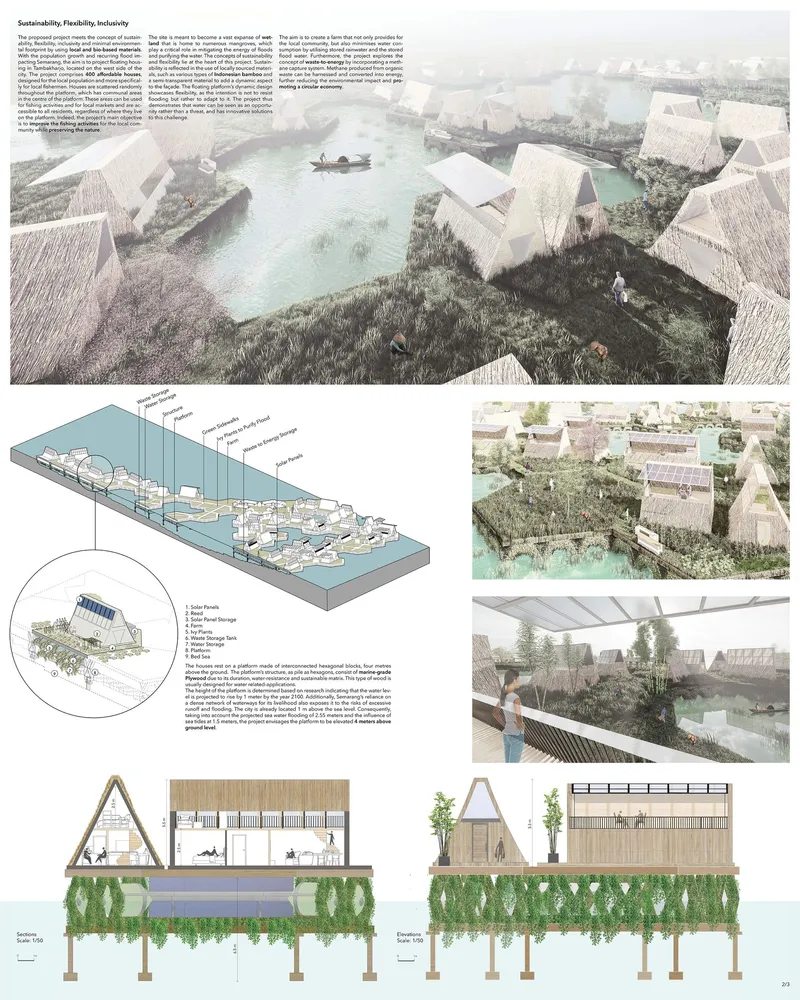
For students and aspiring architects, these competitions serve as invaluable stepping stones, providing exposure to real-world challenges and opportunities to connect with industry leaders and renowned firms. For experienced architects, they offer a platform to reaffirm their expertise and shape the future direction of architectural practice.
Architecture competitions continue to act as powerful catalysts for personal and professional growth. They challenge participants to think critically, adapt to diverse demands, and evolve their design philosophies. The process of conceptualizing, designing, and presenting ideas is as enriching as the recognition itself, offering participants a profound sense of achievement and a deeper connection to their craft.
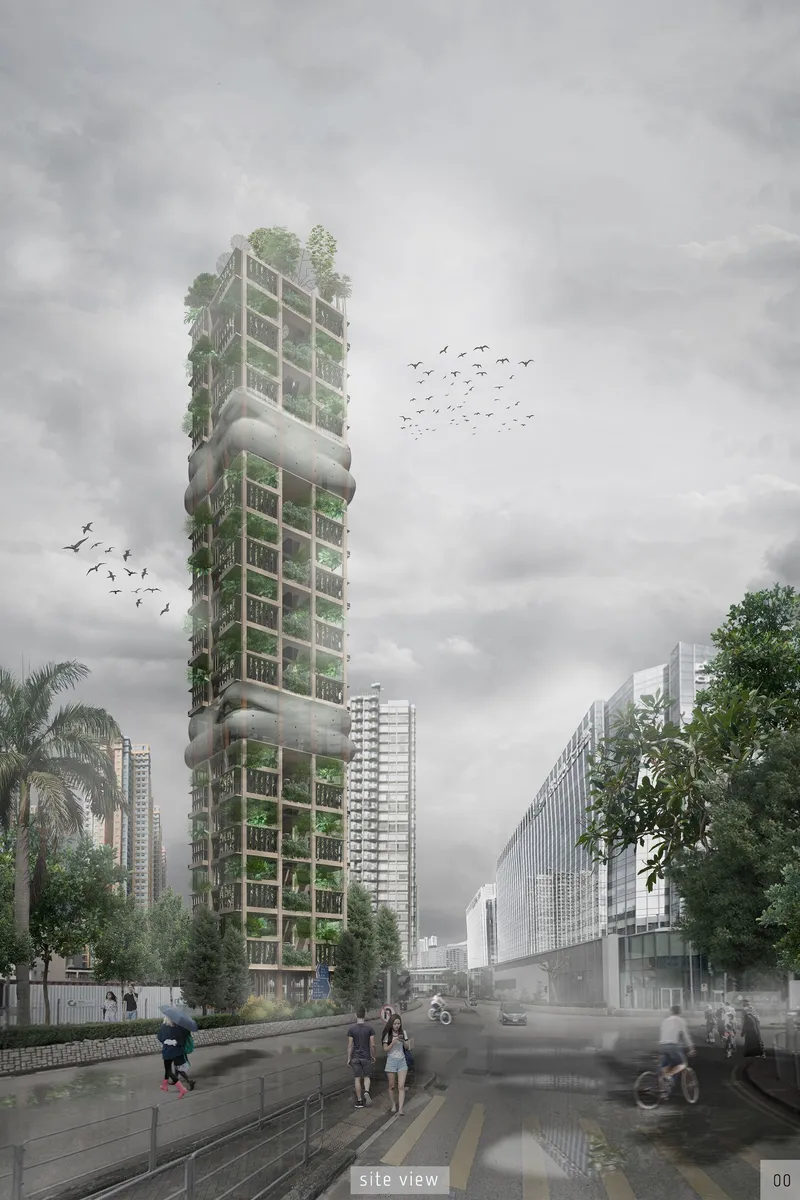
The architectural landscape is alive with a diverse range of competitions, each offering a unique blend of challenge and opportunity. Whether you are a student eager to make your mark, a professional looking to test your limits, or an enthusiast with a passion for design and innovation, these competitions open the door to untapped creative potential.
This article highlights the 'Top 10 Architecture Competitions to Participate In 2025,' carefully selected for their relevance, impact, and the unique opportunities they present. Get ready to be inspired, challenged, and excited as we explore these platforms where artistry meets ambition, turning visionary ideas into tangible realities.
1. The Chef’s Palette: Redefining the Food Experience
Overview:
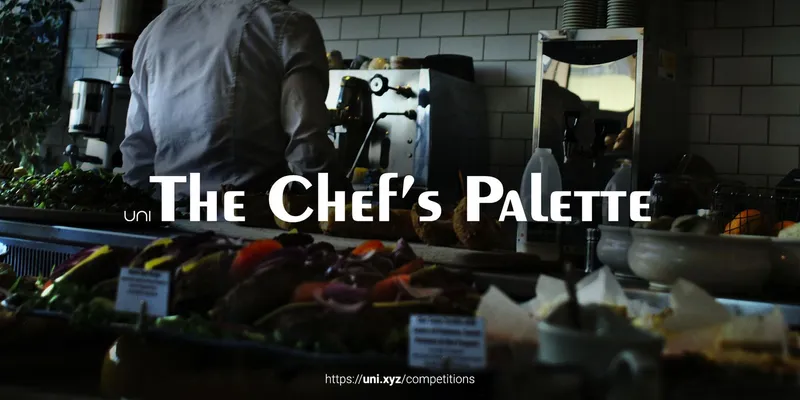
The "Chef’s Palette" competition invites innovative designs to create a hub for celebrating local cuisine and hidden culinary talents. It aims to provide small home-grown eateries and passionate chefs a platform to thrive, while offering visitors a diverse and dynamic food experience. Located in Edgemere, Queens, New York, the site’s oceanfront location enhances the potential for this gastronomic destination.
Key Themes:
- Empowering Local Talent: Design a model that supports small eateries and home-grown chefs, helping them expand and showcase their culinary expertise.
- Dynamic Food Experience: Create an engaging environment offering varied ambiances for diners, emphasizing gastronomy as an immersive experience.
- Flexibility and Robustness: Propose a design that is adaptable for rotating eateries, food festivals, and live events, while ensuring ease of maintenance.
Objective:
To propose an architectural intervention that accommodates 50 diverse eateries, each offering a unique culinary experience. The design should foster an environment where chefs and food enthusiasts can connect, celebrate, and innovate within the food industry.
Scope:
- Capacity: The design must accommodate 50 eateries, each serving up to 50 guests with independent seating or 30 guests at shared seating.
- Versatility: Spaces for food festivals and cultural events must be integrated to enhance visitor engagement.
- Design Focus: The intervention should blend permanent structures with adaptable spaces, enabling periodic changes in eateries while maintaining visual and functional harmony.
2. Farm to CITY: Farmers’ Market Design Competition
Overview:
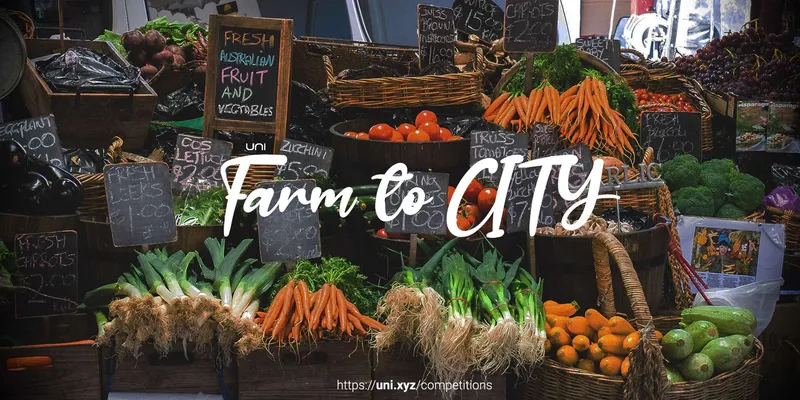
The "Farm to CITY" competition challenges architects and designers to create an innovative farmers’ market that bridges the gap between local producers and urban consumers while promoting small-scale urban farming practices.
Key Aspects:
- Objective: Design a permanent farmers’ market that supports local produce distribution, educates urban dwellers on urban farming practices, and serves as a valuable public space.
- Participants: Open to architects, designers, and enthusiasts globally.
Design Considerations:
- Modular: Incorporate adaptable spaces that can grow with stakeholder needs.
- Public-Friendly: Create an inviting and multifunctional space for community interaction.
- Cost-Effective: Prioritize sustainable and economical solutions.
- Educational: Include facilities for workshops and hands-on learning about urban farming practices.
3. RIDE: Future of Transportation Design Challenge
Overview:
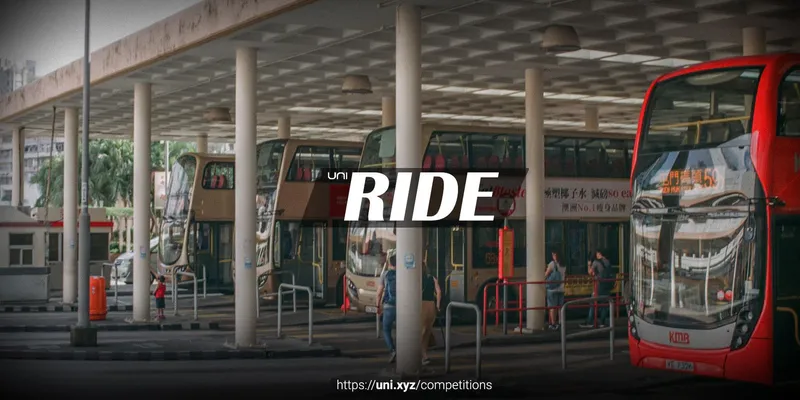
The "RIDE" competition invites participants to reimagine the future of transportation in Dallas, Texas, a city historically known as a transportation hub. The challenge focuses on creating sustainable, efficient, and innovative transportation solutions that address contemporary urban mobility issues.
Key Aspects:
- Location: Dallas, Texas, a major metropolitan area with a rich history in transportation infrastructure.
- Objective: Design a transformative transportation system that enhances connectivity, reduces environmental impact, and integrates seamlessly with the city's existing infrastructure.
- Participants: Open to professionals, students, and enthusiasts in the fields of architecture, urban planning, and transportation design.
Design Considerations:
- Sustainability: Emphasize eco-friendly technologies and practices.
- Innovation: Utilize cutting-edge materials and design techniques.
- Connectivity: Improve access and reduce congestion within urban areas.
- User Experience: Ensure designs are user-centric, promoting safety and comfort.
Goal:
To develop a visionary transportation network that addresses the needs of Dallas's growing population, enhances economic growth, and sets a precedent for future urban mobility solutions.
4. Strata: Refugee Rehabilitation through Innovative Construction
Overview:
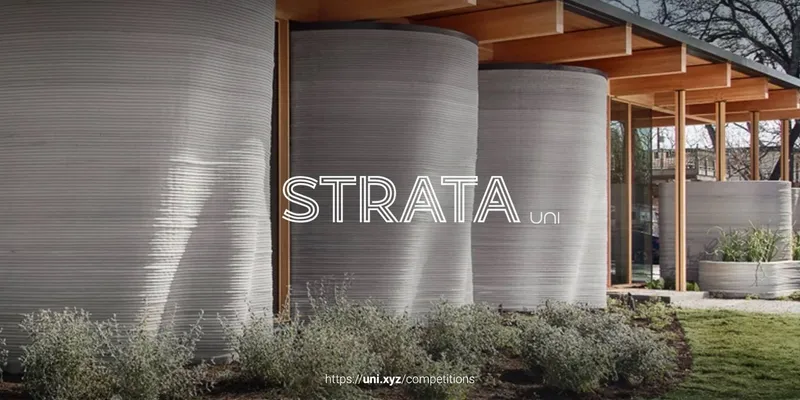
The "Strata" competition explores the potential of 3D printing technology to address the growing refugee crisis by designing modular, dignified housing units. Participants will conceptualize a sustainable and scalable neighborhood, emphasizing swift, economical construction to restore normalcy for displaced families.
Key Aspects:
- Objective: Design a modular 3D-printed housing unit and a cohesive neighborhood layout for refugee rehabilitation.
- Participants: Open to architects, designers, and innovators worldwide.
- Participants: Open to architects, urban planners, and design enthusiasts.
Focus Areas:
- Economic Efficiency: Utilize cost-effective materials and construction methods.
- Replicability: Create scalable and modular designs for global applicability.
- Speed of Construction: Harness 3D printing for rapid housing solutions.
- Dignity of Living: Design spaces that promote safety, comfort, and a sense of community.
Goal:
To employ advanced construction technologies in creating humane, resilient housing solutions that address the immediate and long-term needs of displaced populations while establishing a replicable model for global crises.
5. Xocolatl: A Design Competition Celebrating Mayan Chocolate History
Overview:
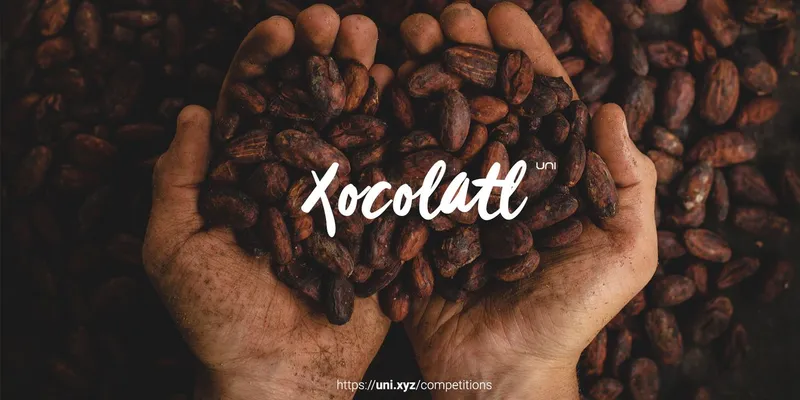
The "Xocolatl" invites participants to design an experiential resort that intertwines the rich history of Mayan chocolate with the present and future of cocoa cultivation. The challenge is to create a space where visitors can connect with the cultural significance of cocoa, learn about its production, and understand the importance of its conservation.
Key Focus:
- Hospitality: Develop immersive spaces to attract and engage tourists.
- Experiential Learning: Allow visitors to explore and participate in cocoa-related processes.
- Cultural Connection: Infuse the design with inspiration from the Mayan reverence for cocoa.
- Education: Incorporate elements that raise awareness about the environmental and cultural challenges surrounding cocoa production.
6. "No Roads": Envisioning a Future Cityscape Without Traditional Roads
Overview:
The "No Roads" challenge invites participants to reimagine urban landscapes worldwide, envisioning a future where roads are not primarily for vehicles, but serve broader community and pedestrian purposes.

Key Concepts:
- Rethinking Urban Spaces: Visualize cityscapes where roads are no longer dominated by vehicles, focusing on alternative uses.
- Pedestrian-Focused Design: Create spaces that prioritize pedestrian access and community activities.
- Mixed-Use Streetscapes: Design one or more streetscapes with mixed residential and commercial use, emphasizing pedestrian activities and human interaction.
Outcome:
Participants are expected to produce visualizations (illustrations, images, 3D renderings, or animations) that clearly communicate a city where pedestrian pathways replace traditional roads, fostering vibrant public life.
7. Future Energy Metropolis Challenge
Overview:
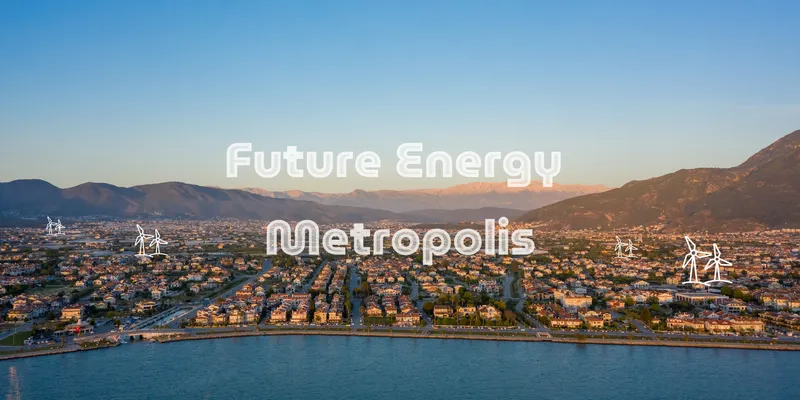
Design the city of tomorrow, powered entirely by renewable energy, where 100,000 residents live in harmony with technology and nature.
Objective:
Craft a scalable, eco-efficient urban blueprint for a self-sufficient metropolis, integrating smart technology and renewable infrastructure.
Design Scope:
- Employ solar, wind, geothermal, and hydro-power.
- Build energy-efficient housing and sustainable public spaces.
- Develop a clean, renewable transportation system.
- Create closed-loop systems for water, waste, and food.
Location: Any global 5 sq km area adaptable for high-density living and renewable energy use.
Deliverables:
- Urban layout for mixed-use zones.
- Renewable energy and smart grid blueprints.
- Resource management systems for sustainability.
- Green transportation and infrastructure plans.
- Economic model with green industry focus.
- Visualizations of a connected, resilient cityscape.
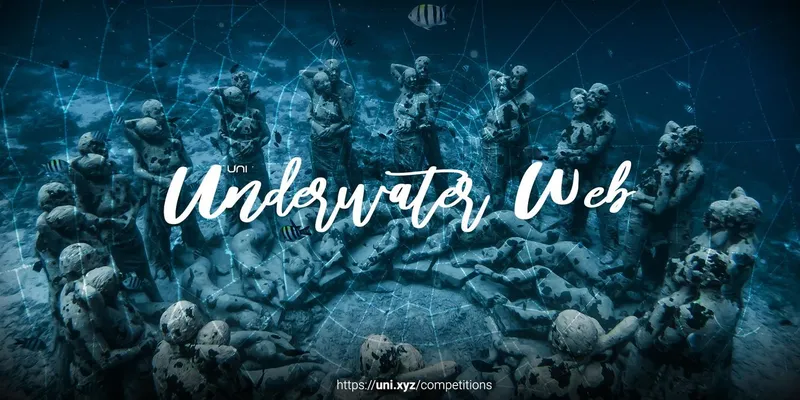
8. Underwater Web: Architecture Competition - Biomimicry in Underwater Tourism
Overview:
The "Underwater Web" competition invites participants to create an innovative underwater viewing gallery inspired by the ingenious design of the diving bell spider. This challenge aims to merge biomimicry with sustainable architecture, offering divers an immersive and eco-conscious way to explore marine ecosystems.
Key Aspects:
- Form: Design inspired by the diving bell spider's unique underwater structures.
- Sustainability: Employ eco-friendly materials and methods to minimize environmental impact.
- Scalability: Develop replicable designs that can be adapted to multiple marine locations worldwide.
- Functionality: Demonstrate how the design works as a submerged gallery, ensuring it protects and preserves the surrounding ecosystem.
Design Considerations:
- Eco-Friendliness: Minimize environmental impact on marine ecosystems.
- Integration: Harmonize the gallery’s design with underwater surroundings.
- Innovation: Adapt biomimetic principles to enhance underwater experiences.
- Safety: Ensure the gallery is safe for both divers and marine life.
Goal:
To design an underwater gallery that harmonizes with marine life, offering divers a safe and sustainable space to observe underwater ecosystems without disturbing their natural balance.
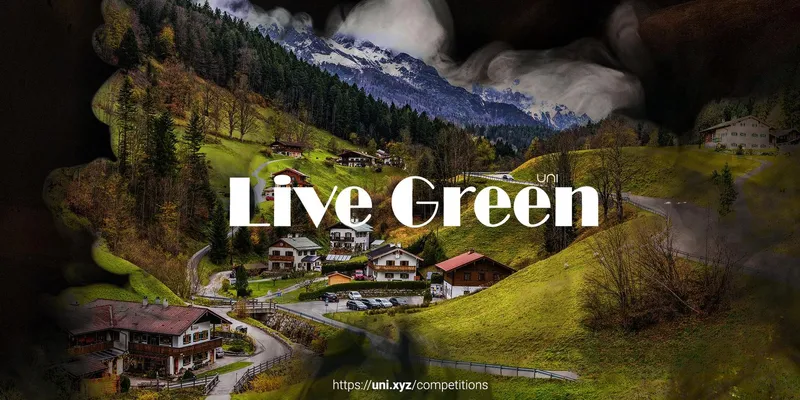
9. "Live Green" Eco-Village Challenge in Roraima, Brazil
Overview:
Design a sustainable eco-village in Roraima, Brazil, that harmonizes with nature, supports 50 families, and promotes eco-friendly living practices.
Key Features:
- Sustainable design with minimal environmental impact.
- Residential units and communal spaces for social and recreational activities.
- Integration of the village with the local ecosystem and community.
Site Context:
- Located in Boa Vista, Roraima, along the Branco River.
- Site Area: 9715 sq.m, with specific development constraints.
10. "Caritas" Challenge: Designing a Memorial and Learning Center in São Paulo, Brazil
Overview:
Design a dual-purpose structure in São Paulo that serves as a memorial symbolizing Brazil's fight for peace and a center for community education and skill development.

Key Features:
- Visually impactful monument with an educational function.
- Accessible and inclusive design for diverse community members.
- Environmentally and culturally sensitive approach.
Location:
- Situated in São Paulo's Bixiga neighborhood.
- Site Area: 4972.69 sq.m.
Unleashing Creativity in the World of Architecture Competitions 2025
The diverse array of architecture competitions in 2025, from the biomimicry-inspired "Underwater Web" to the cultural exploration of Mayan heritage in "Xocolatl," continues to offer unparalleled opportunities for architects, designers, and enthusiasts. These competitions serve as platforms for innovation, collaboration, and showcasing creative excellence. They highlight the critical role architecture plays in shaping communities, environments, and cultural narratives while fostering personal growth and professional recognition.
For example, the visionary designs emerging from the "Future Patrol" competition redefined what a police station can be, balancing functionality, security, and community integration. Similarly, the "Underwater Web" invited participants to learn from nature, creating sustainable underwater galleries that harmonize with marine ecosystems. These groundbreaking designs not only win accolades but also set benchmarks for innovative thinking in the field.
Imagine your ideas shaping the future of architecture, where sustainability meets creativity, and form merges seamlessly with purpose. Competitions in 2025 challenge participants to push boundaries, from designing experiential retreats in cocoa plantations to conceptualizing urban interventions under flyovers. The stage is set—what will your next architectural masterpiece inspire?
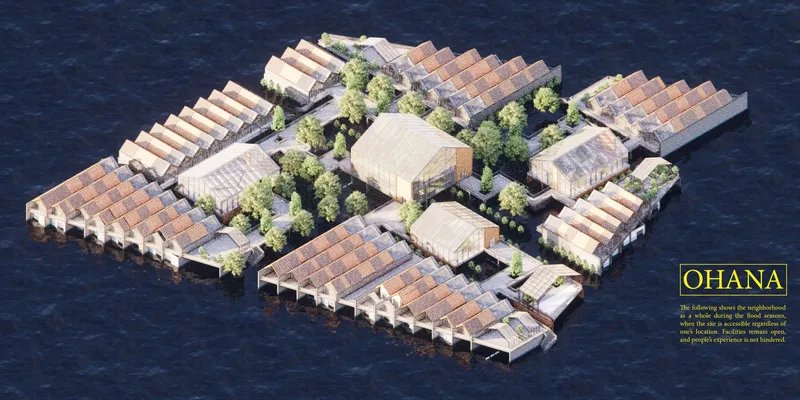
The ever-changing landscape of architecture competitions showcases a remarkable blend of diversity and creativity, reflecting the industry's continuous evolution. These events are more than mere contests—they serve as incubators for groundbreaking trends and sustainable innovations. From reimagining urban spaces in the "No Roads" challenge to capturing architectural essence through photography in "Picturing: Non-Architect," each competition offers a unique journey of creativity and discovery.
We invite you to delve into these opportunities, engage in meaningful discussions, and share your distinct perspective. How will your designs shape the future of architecture? What stories will your creations tell the world? Share your experiences, aspirations, or thoughts on these competitions in the comments below. Your journey toward transforming the architectural landscape begins now.
References (12)


Popular Articles
Popular articles from the community


The Amber Palace Opera: A Geological Fiction Surfaces on Tallinn's Baltic Waterfront
Pierre Brillard reimagines a Baltic legend as a public landscape, opera house, and waterfront promenade rooted in Tallinn's coastal identity.

Opera on the Sea: Driftwood Logic Shapes a Timber Opera House on Estonia's Coast
Trevor Orgill's opera house translates the entangled drift of floating timber into a civic building where wood, water, and music converge.

Temporary Home for Dogs: A Reversed Zoo Rethinks Animal Shelter Architecture
In Bucharest, a sinuous corridor and freed landscape flip the logic of containment, designing a shelter that works to make itself unnecessary.

Opera by the Sea Estonia: Three Shells Dissolving Architecture into Tallinn's Coastline
A winning opera house proposal replaces monumental form with interconnected shells that blur the boundary between building, park and Baltic Sea.

Similar Reads
You might also enjoy these articles
The Amber Palace Opera: A Geological Fiction Surfaces on Tallinn's Baltic Waterfront
Pierre Brillard reimagines a Baltic legend as a public landscape, opera house, and waterfront promenade rooted in Tallinn's coastal identity.
Dynamic Modules Shelter: A Telescopic Ring for Mountain Pilgrimage
A circular modular framework of steel, bamboo, and fabric grows vertically with demand, wrapping communal ground in adaptable shelter.

Singing Woman: Contemporary Architecture Inspired by Estonia’s Voice and the Sea
Singing Woman turns Estonia’s song culture into flowing opera house architecture, blending public life, landscape, sea, and national memory.
HYPERBLOCK: Flexible Urban Design for Barcelona’s Future City
HYPERBLOCK reimagines Barcelona as flexible urban design, layering density, daylight, public space and adaptable housing above Cerdà’s grid.

Explore World Capital of Architecture Competitions
Discover active competitions in this discipline

Challenge to reimagine the Iron Throne

Photograph architecture without architects

Illustrate the lost glory of Angkor Wat - Render Challenge

Design challenge to reuse E-waste
Comments (0)
Please login or sign up to add comments
No comments yet. Be the first to comment!