
Transforming Urban Mobility: The Pinnacle of Transport Architecture Design at Lourosa-Fiães
The article explores the innovative design of the Lourosa-Fiães Transport Interface by Atelier d'Arquitectura Lopes da Costa, blending functionality with aesthetics.


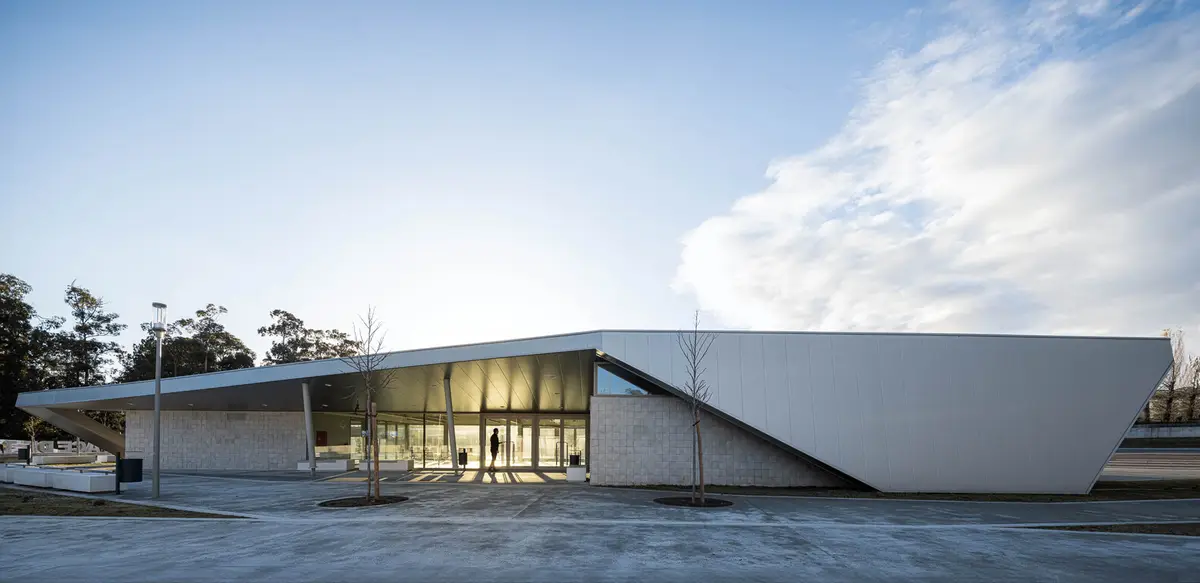
In the quest to redefine urban mobility and enhance the commuter experience, the Lourosa-Fiães Transport Interface emerges as a beacon of innovative transport architecture design. Conceived by the visionary minds at Atelier d'Arquitectura Lopes da Costa, this project is a testament to the harmonious integration of functionality and aesthetic appeal in transportation facilities. Located in Fiães, Portugal, this interface serves as a crucial nexus for commuters, blending seamlessly with the urban fabric and the natural landscape.
Architectural Vision and Design Strategy
Unveiling the Masterpiece: A Closer Look at Lourosa-Fiães Interface
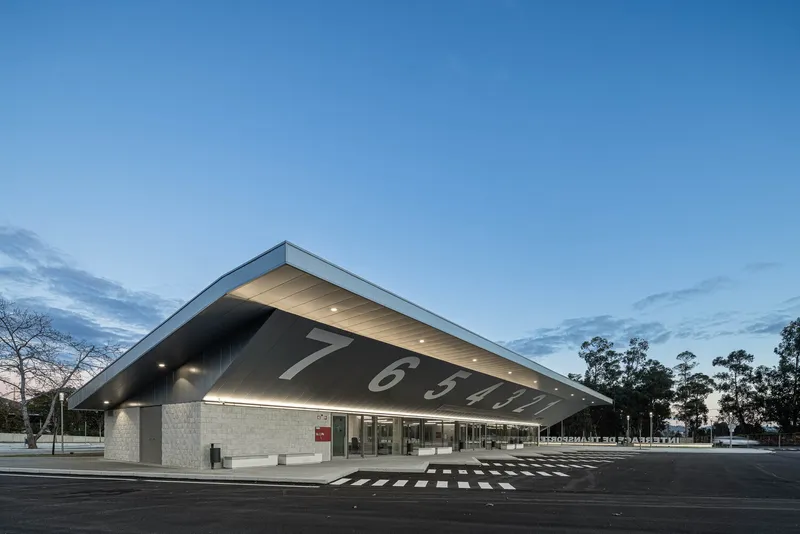
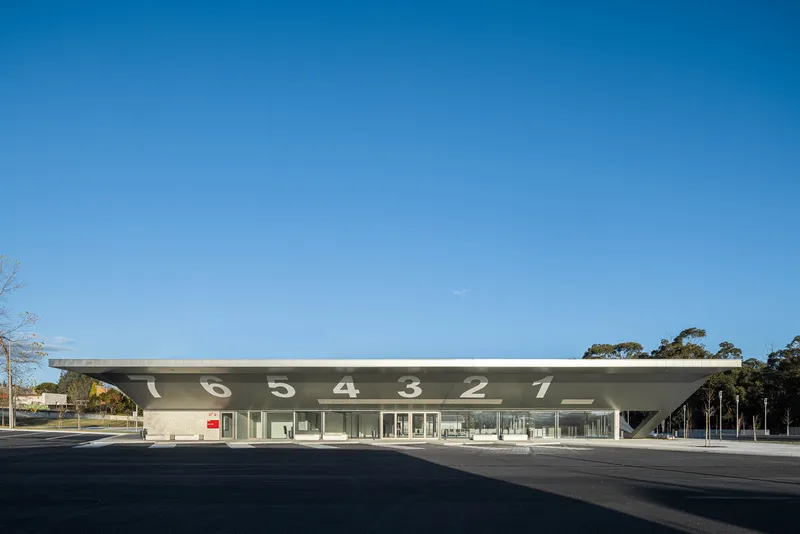
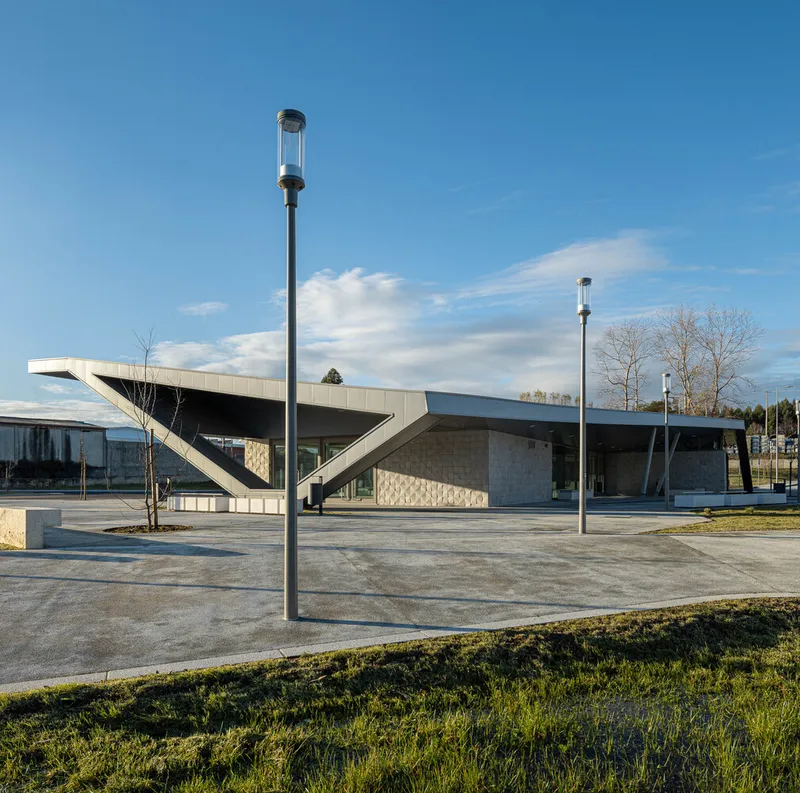
Nestled on an 11,500m² plot straddling the parishes of Lourosa and Fiães, the transport interface is more than just a transit station; it's a landmark of urban renewal. The meticulously planned site includes a sprawling parking area and a state-of-the-art support building that spans approximately 500m². The strategic placement of the building perpendicular to the access road optimizes the use of space and minimizes potential traffic conflicts, ensuring a smooth flow for both vehicles and pedestrians.
A Symphony of Metal and Mosaics
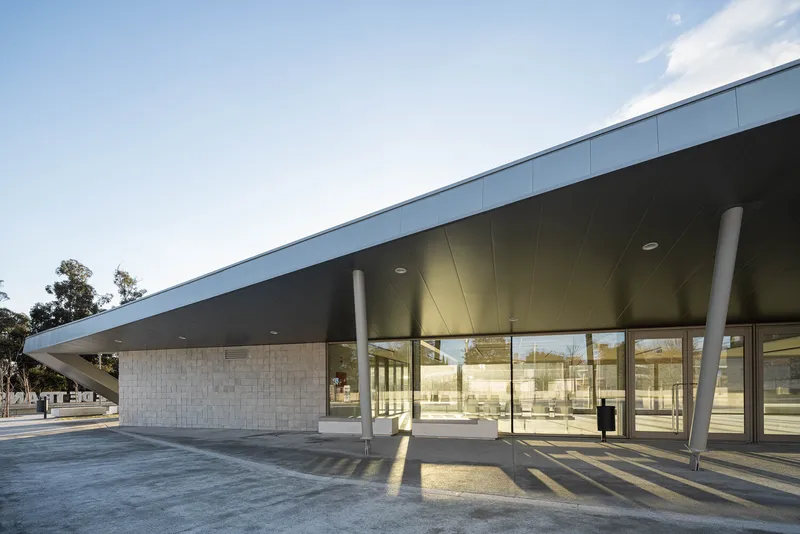
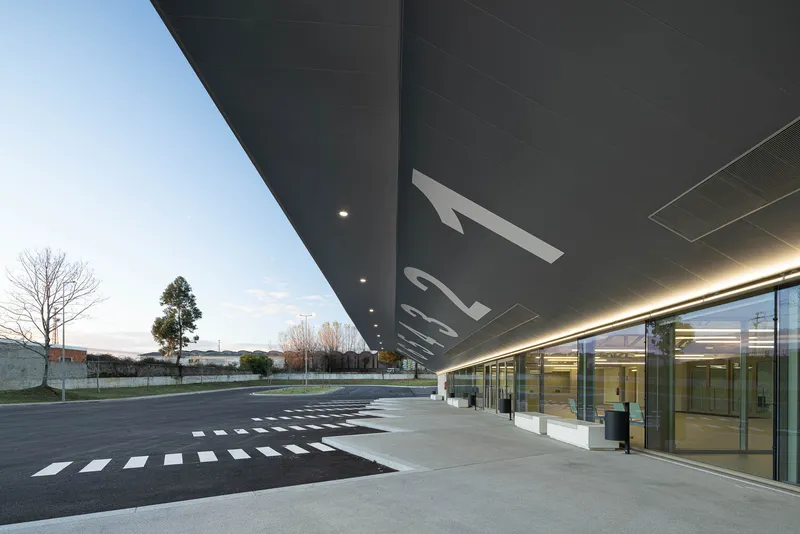
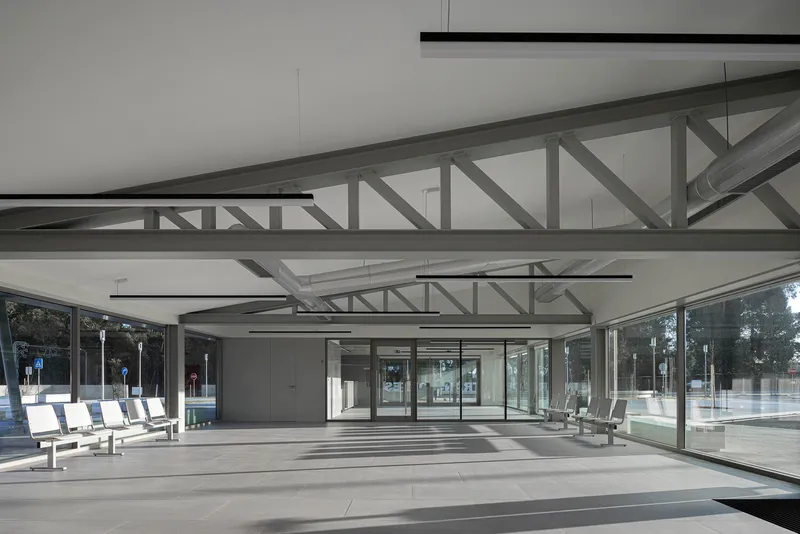
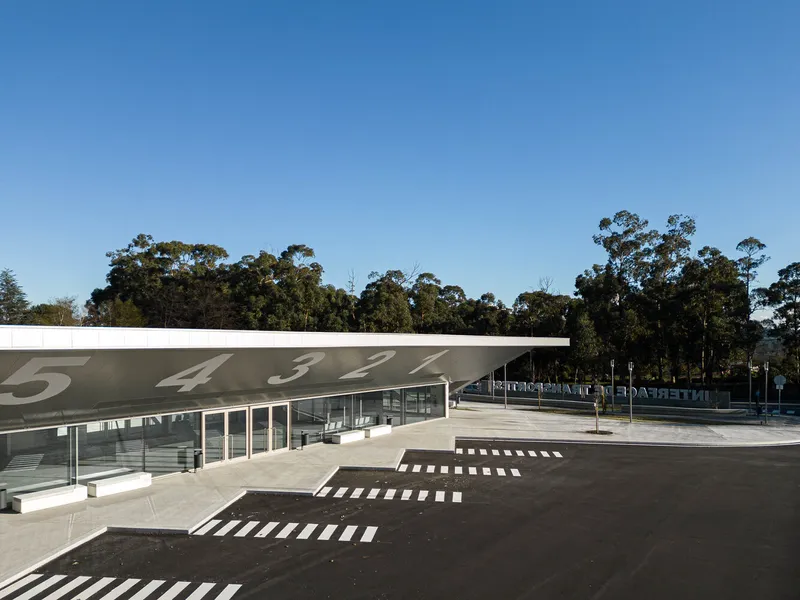
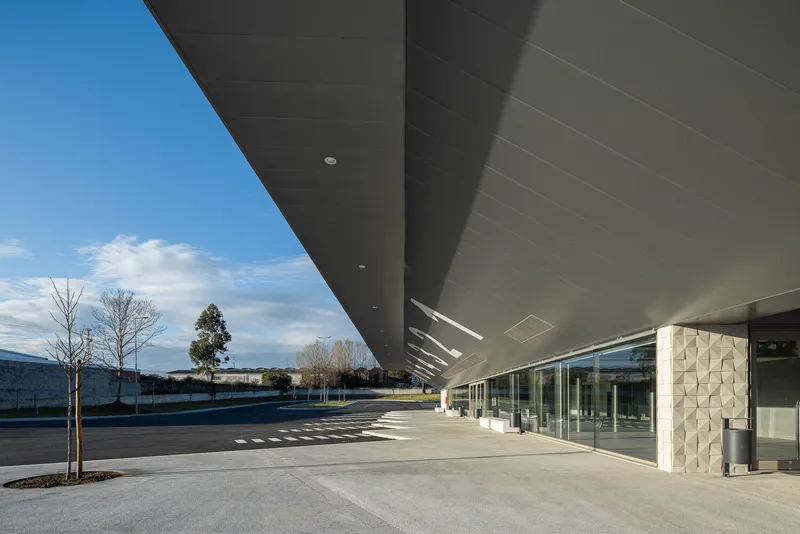
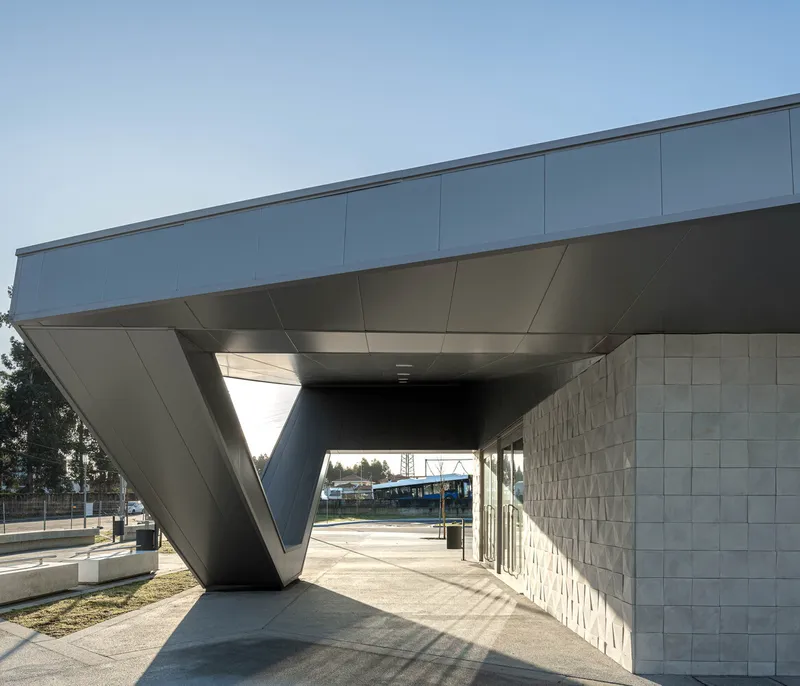
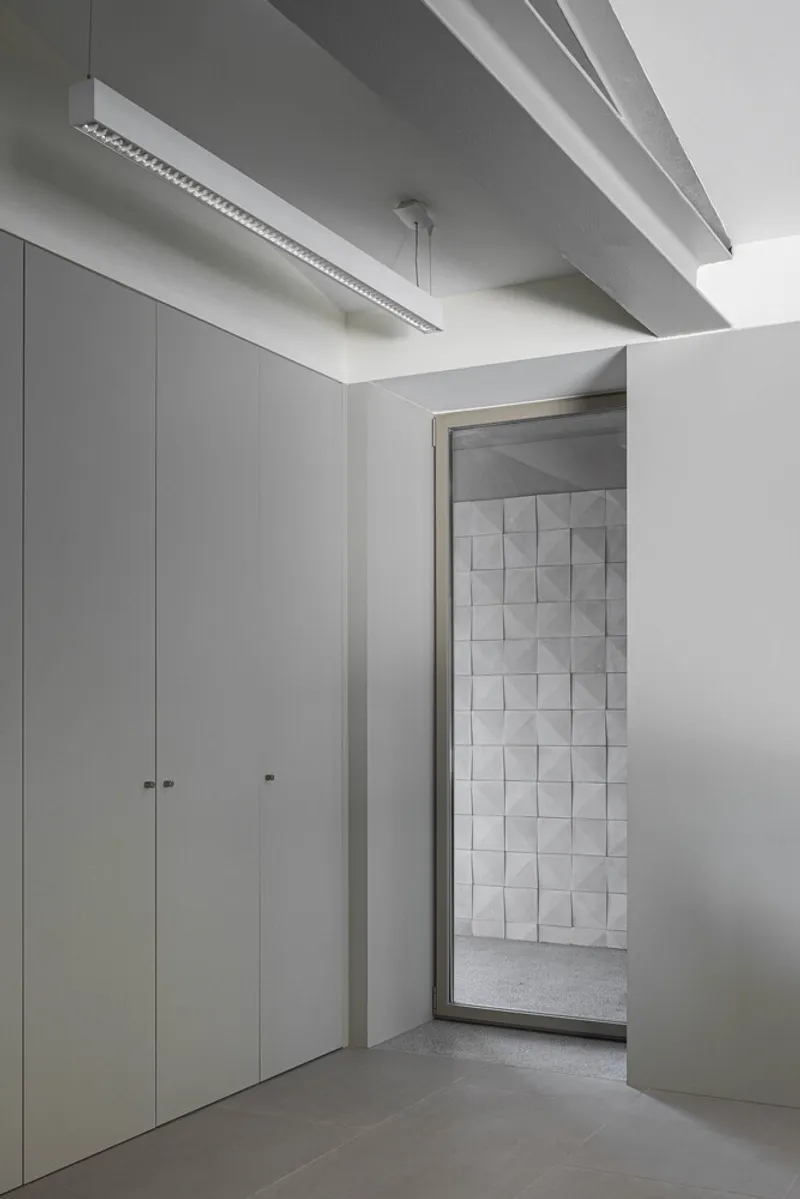
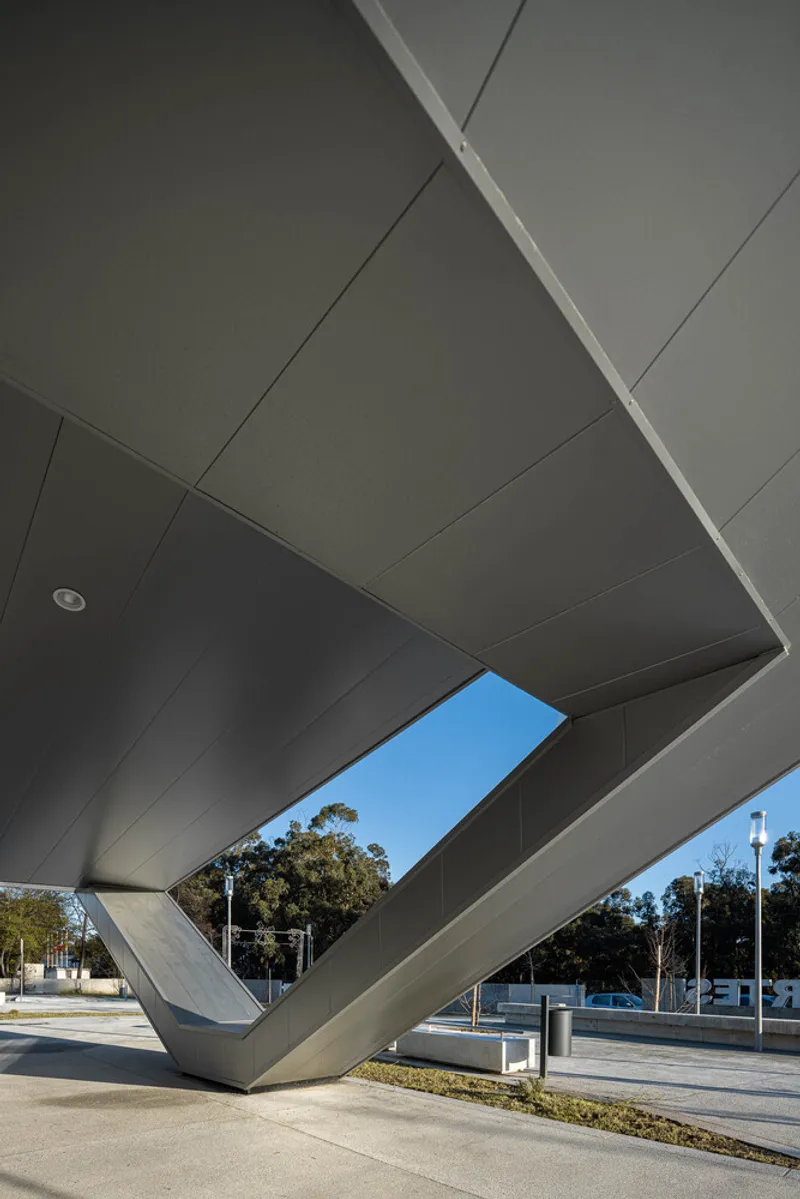
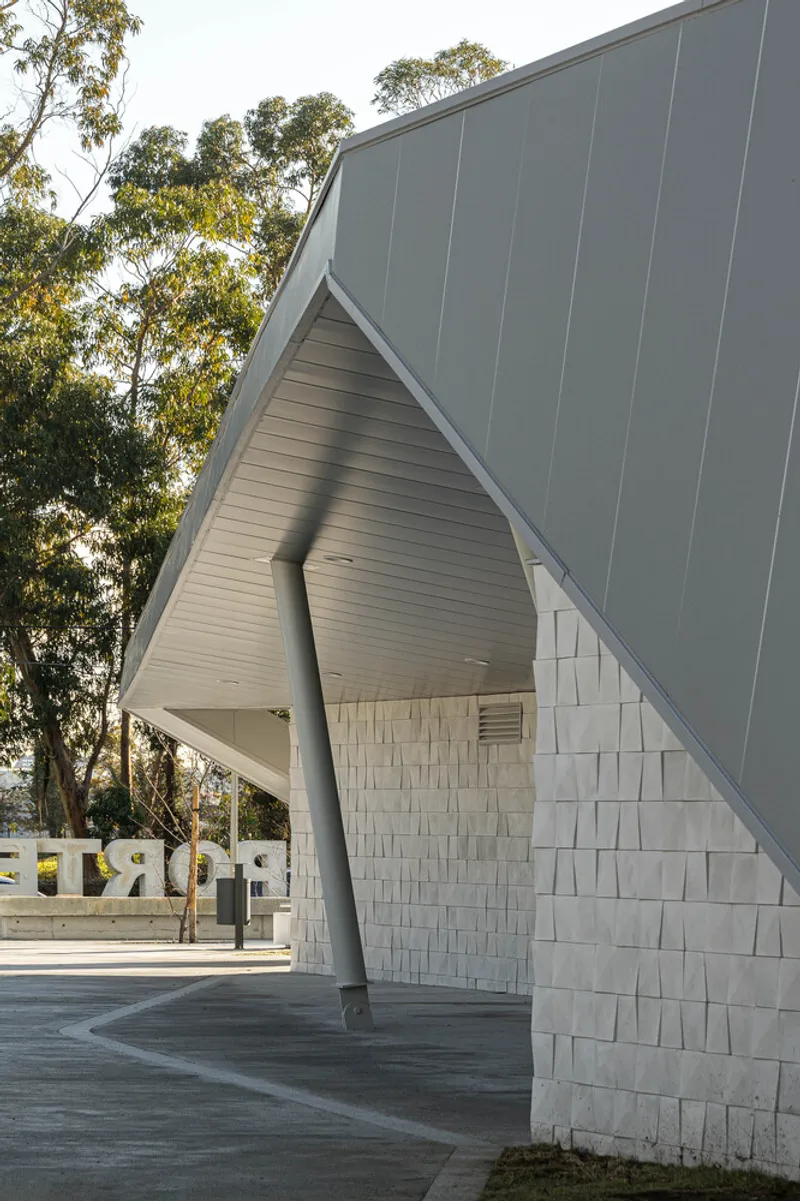
The architectural language of the Lourosa-Fiães Transport Interface is a dialogue between the robust metal structure of the main building and the intricate cement mosaics that adorn its façades. This dynamic volumetry, accentuated by the metal sheet roof, transitions gracefully from the pedestrian scale to the grandeur of the bus bays. The result is a captivating visual narrative that reflects the interface’s role as a gateway to urban mobility.
Enhancing Commuter Experience Through Design
A Haven for Commuters and the Community
At the forefront of the building, the cafeteria, with its inviting terrace, becomes more than just a place for a quick stop; it transforms into a community hub. Positioned to attract not only commuters but also the general public and nearby industries, this space fosters social interactions and enriches the fabric of the local community.
Transparent and Accessible: A User-Centric Approach
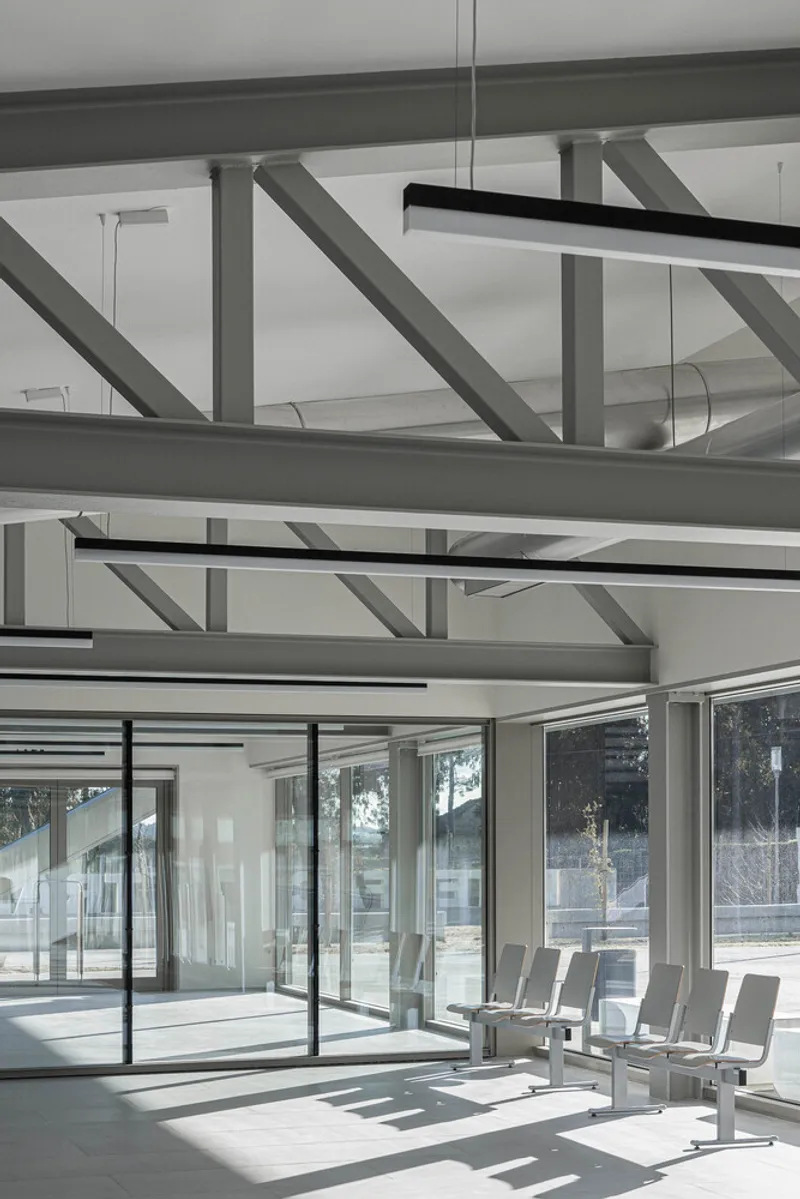
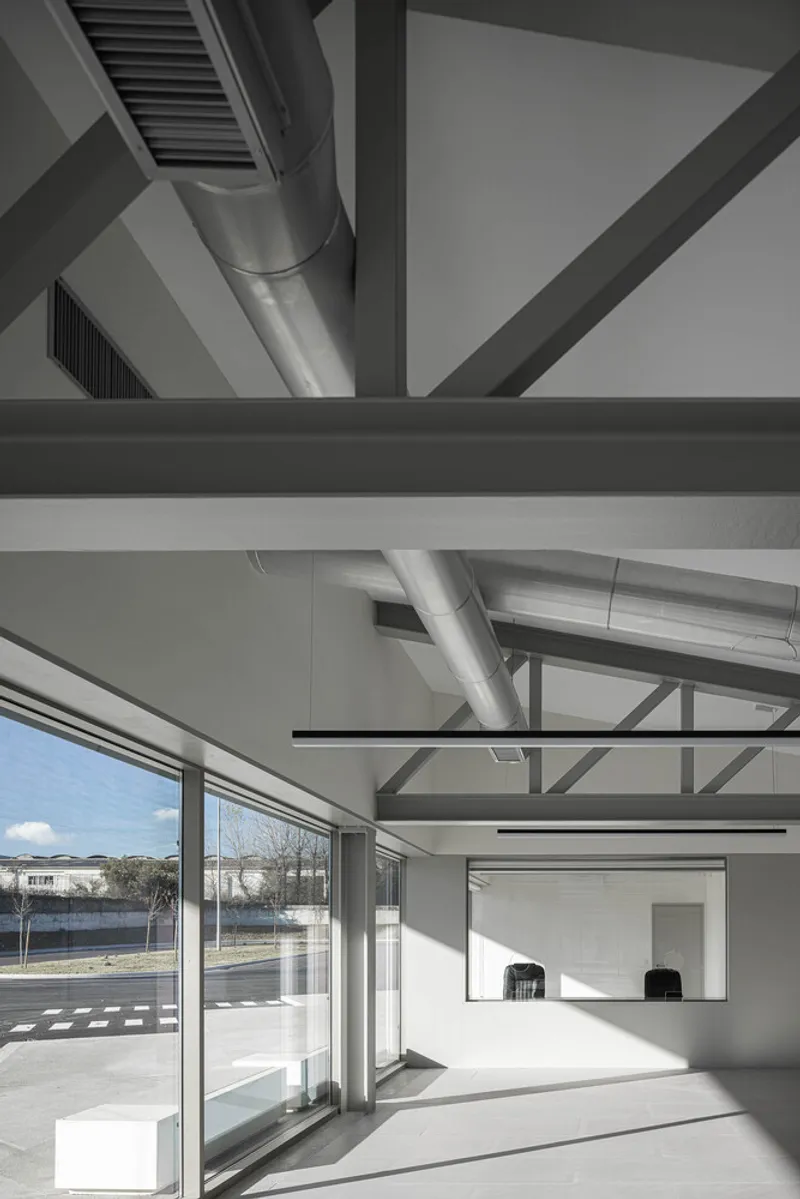
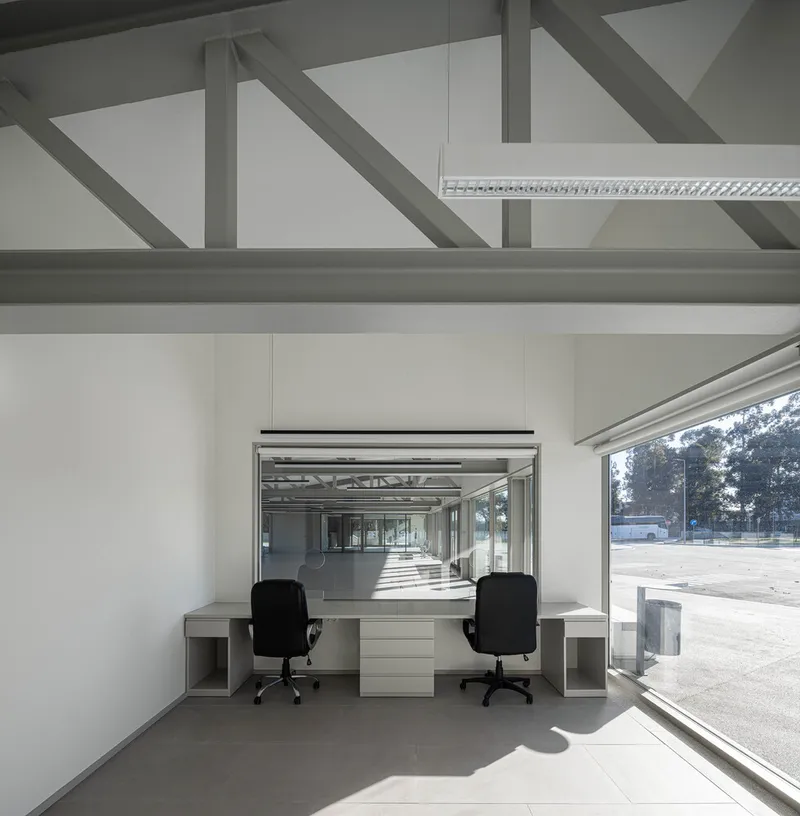
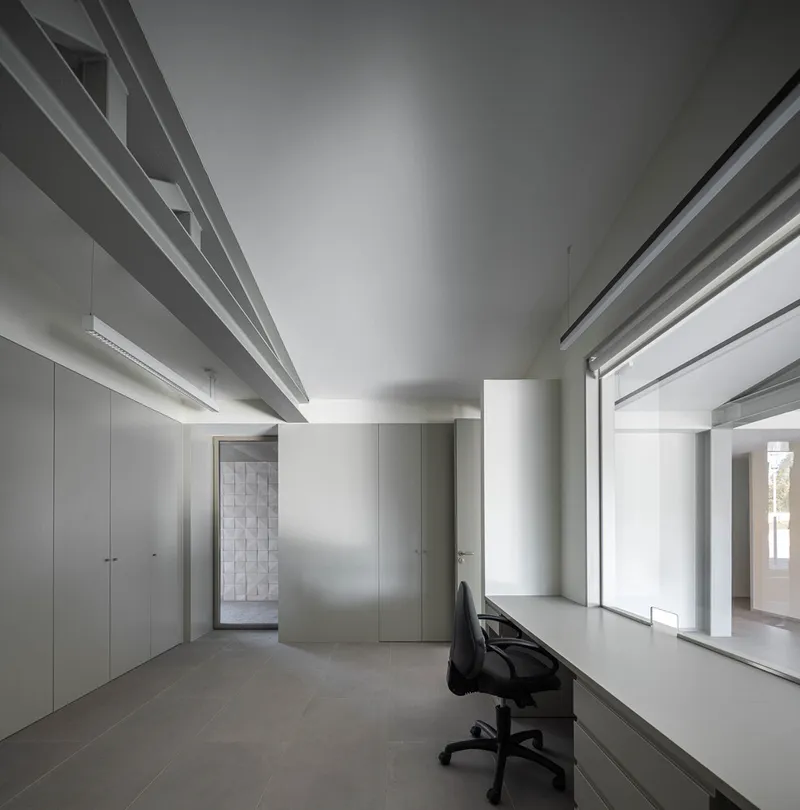
Accessibility and visibility stand at the core of the design philosophy. The Lourosa-Fiães Interface ensures that commuters can easily navigate the space, with transparent façades allowing unobstructed views of the bus docks. This transparency not only facilitates orientation but also connects the interior with the exterior, creating a sense of openness and inclusivity.
Sustainability and Integration with the Landscape
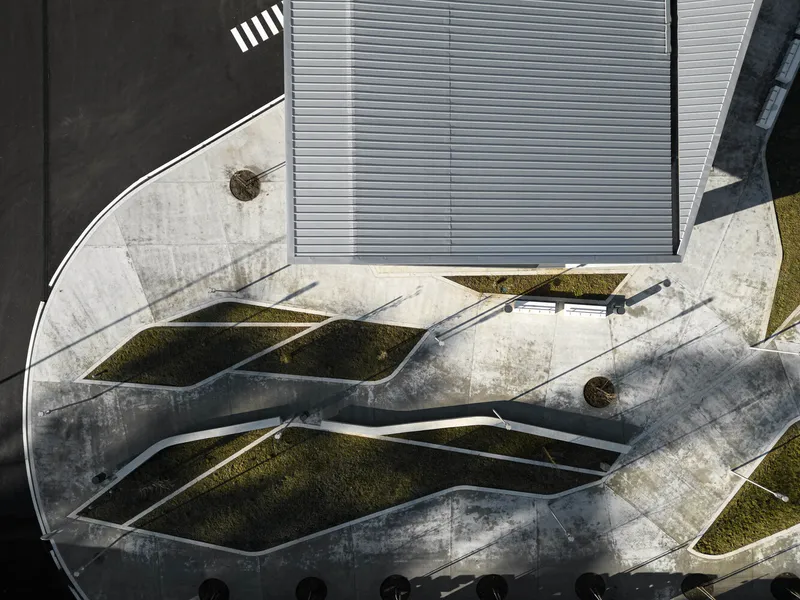
Surrounding the building, pedestrianized areas adorned with carefully designed gardens mirror the architectural form, emphasizing the project’s commitment to environmental integration. Bicycle parking zones advocate for sustainable modes of transport, aligning with contemporary urban mobility trends.
Redefining the Future of Transport Architecture Design
The Lourosa-Fiães Transport Interface, through its innovative design and thoughtful integration with the urban and natural landscape, sets a new standard for transport architecture design. Atelier d'Arquitectura Lopes da Costa's masterpiece not only serves the practical needs of commuters but also enhances the quality of urban life, making it a paradigm of architectural excellence in the realm of transportation.
All photographs are work of Ivo Tavares Studio


Popular Articles
Popular articles from the community


Lunar Spiral: Space Architecture Shaped by the Mathematics of the Universe
Lunar Spiral reimagines space architecture through Fibonacci geometry, lunar regolith, levitating habitats, and self-sustaining Moon living.

Co-Life: Senior Housing Design That Reconnects Older Adults With the City
Co-Life reimagines senior housing design through healing gardens, shared streets, workshops, and a sustainable community across generations.

ALGAL REALM: A Bio-Integrated Lunar Habitat Design for Life Beyond Earth
ALGAL REALM reimagines lunar habitat design with algae-powered life support, 3D-printed regolith, and vertical living for a lunar future.

Conexión: Biophilic Design Reimagines High-Rise Living in Hong Kong
Conexión reimagines high-rise living in Hong Kong through biophilic design, green facades, shared spaces, daylight, water and nature within.

Similar Reads
You might also enjoy these articles

Maya Harvest: A Cacao Resort Village Rooted in Mayan Tradition and Local Craft
Situated within a Tabasco cacao plantation, this shortlisted resort proposal merges vernacular materials with hands-on cultural immersion.
Harmonia: A River-Shaped Community That Grows Over Decades in Boa Vista
Curved pathways and modular grid structures along the Branco River create a phased settlement designed to evolve from 2030 to 2050.
The Architecture of Bathing: A Mughal Hammam Reimagined Across the Yamuna
Charlotte May's honorable mention entry for The Black Taj reinterprets Agra's bathing rituals through red sandstone, water, and framed views of the Taj Mah
Om-1: A Wall-Hung System That Moves Your Workspace Off the Desk
Modular plywood boards, magnetic pegs, and utility elements migrate clutter from the horizontal surface to the vertical plane.

Explore Transportation Competitions
Discover active competitions in this discipline

Challenge to reimagine the Iron Throne

Photograph architecture without architects

Illustrate the lost glory of Angkor Wat - Render Challenge

Design challenge to reuse E-waste
Comments (0)
Please login or sign up to add comments
No comments yet. Be the first to comment!