
Urban Re-densification Strategies in Architecture: A Case Study of "A House Next to the House"
Exploring "A House Next to the House," a case study in urban re-densification strategies through innovative architectural design in Argentina.


Urban re-densification is becoming an essential strategy in architecture and urban planning to address the growing demands for housing in city outskirts. With the housing crisis deepening in many urban areas, architects and urban planners are tasked with finding innovative ways to utilize available spaces efficiently. "A House Next to the House," designed by Flesia-Bertoya and Rare Studio Experimental, serves as an exemplary case study in applying urban re-densification strategies.


The Concept of Urban Re-densification
Urban re-densification refers to the process of increasing the density of an urban area by adding more housing units or converting existing spaces to accommodate more inhabitants. This strategy is crucial for maximizing limited urban space, reducing sprawl, and promoting sustainable living conditions. It often involves innovative architectural designs and planning to integrate new structures into existing urban fabrics without compromising the quality of life.

"A House Next to the House": An Innovative Approach
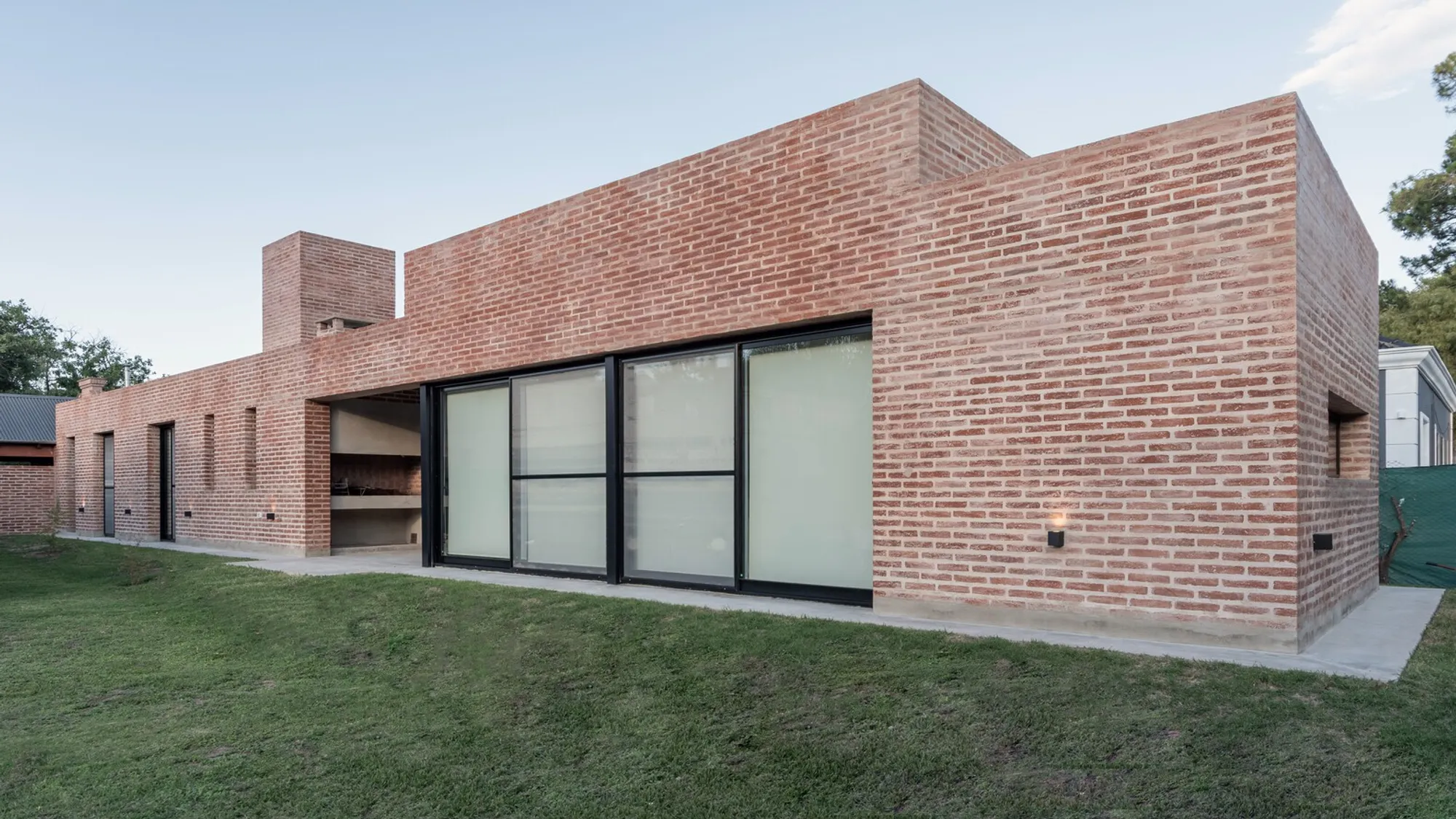
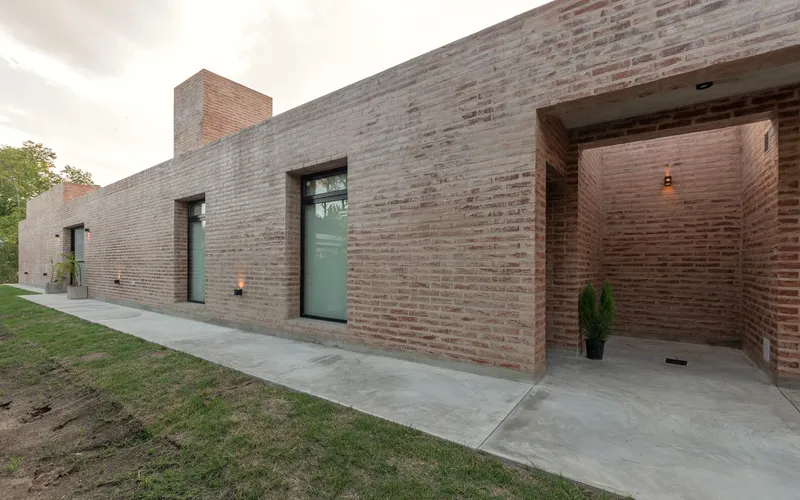
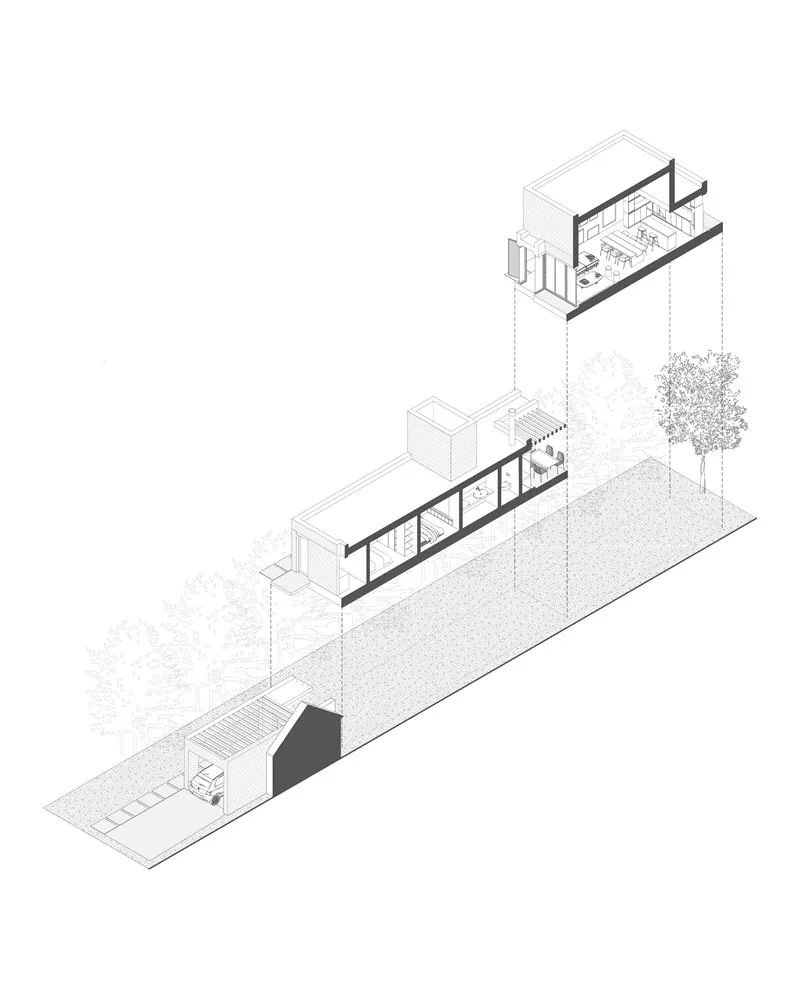
"A House Next to the House" is a pioneering project located in Ciudad de Córdoba, Argentina, that embodies the principles of urban re-densification. The project, completed in 2022 by architects Agustín Willnecker, Ivan Ferrero, Mateo Unamuno, and Maria Sol Bertoya, extends a new residential structure alongside an existing house, utilizing the same lot to create independent living spaces.

Design and Layout
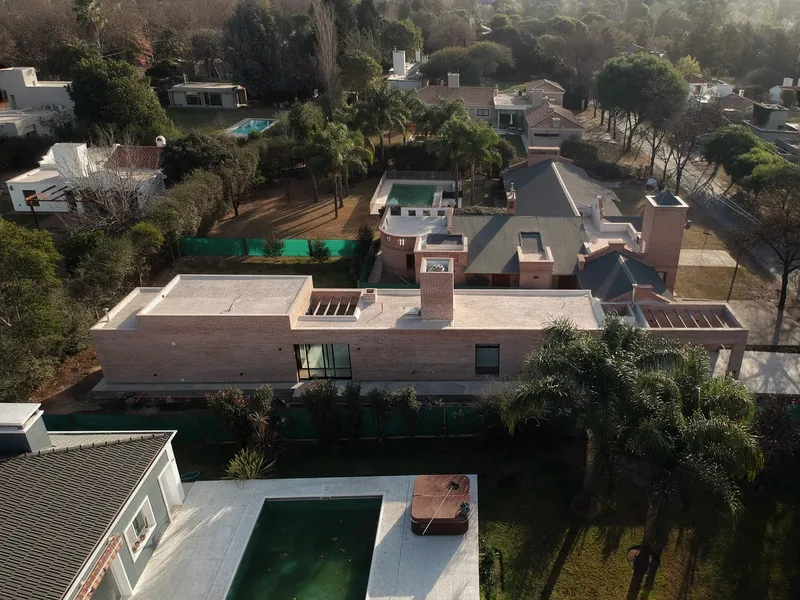
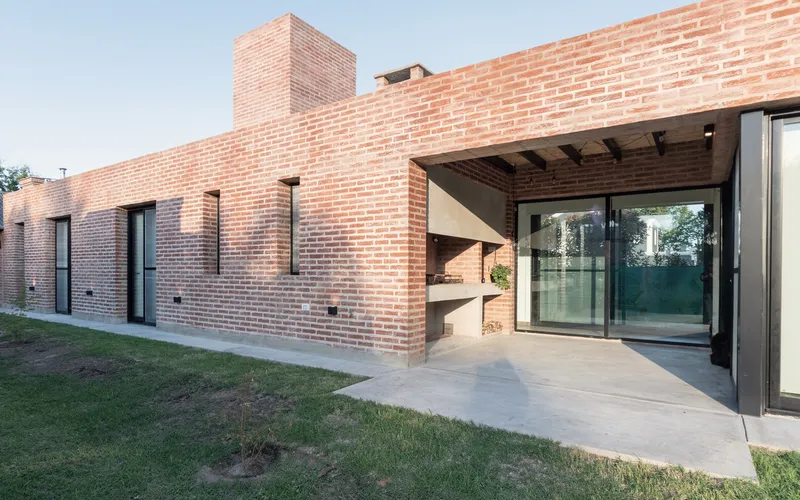
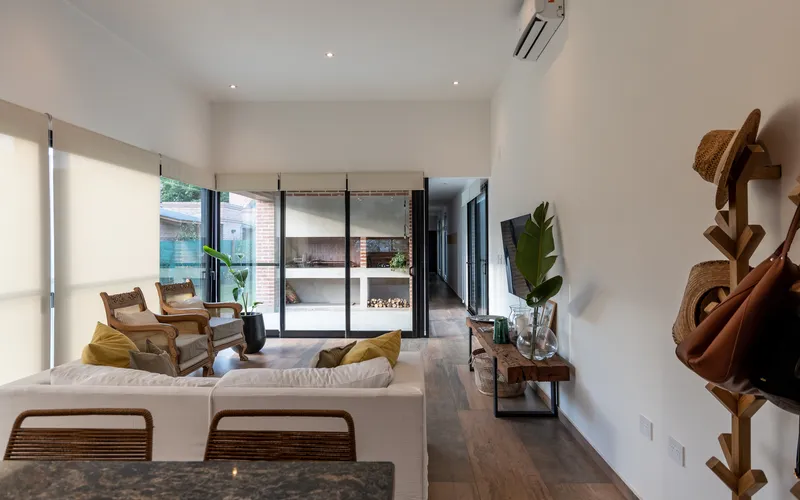
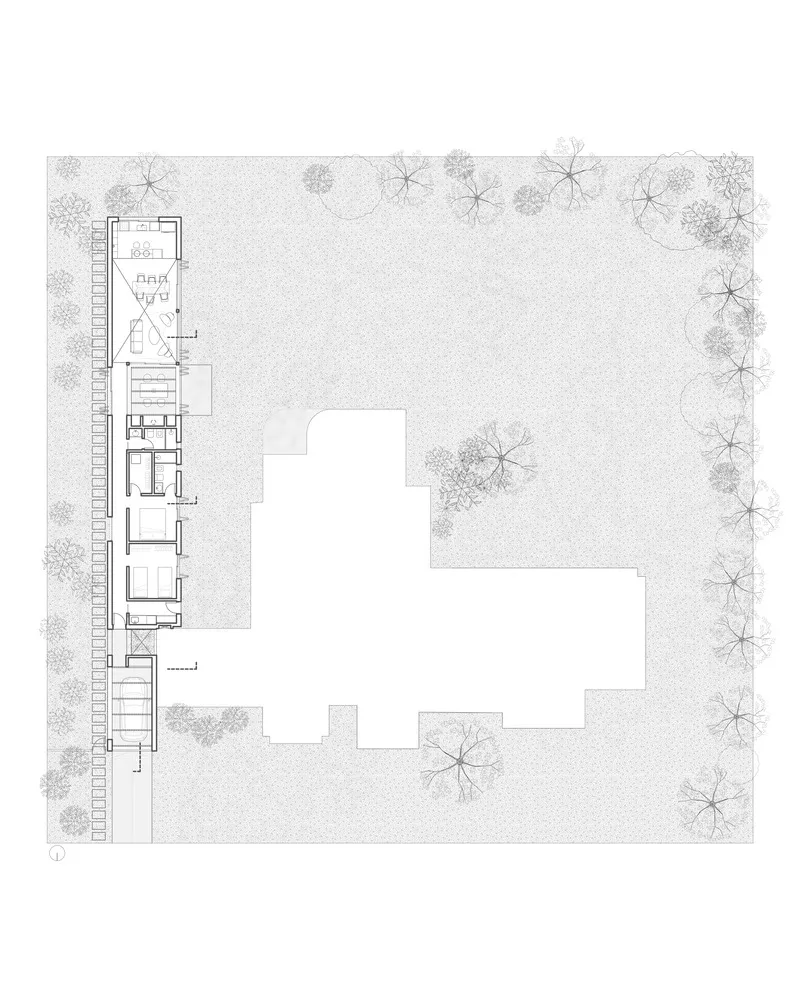
The design features a linear structure that extends along the lot, comprising various functional areas, including a garage, entrance courtyard, laundry room, bedrooms, bathroom, gallery, living room, dining room, and kitchen. This bar-shaped formation allows for autonomy between the two houses while ensuring efficient use of the available land.

Material and Aesthetic Dialogue
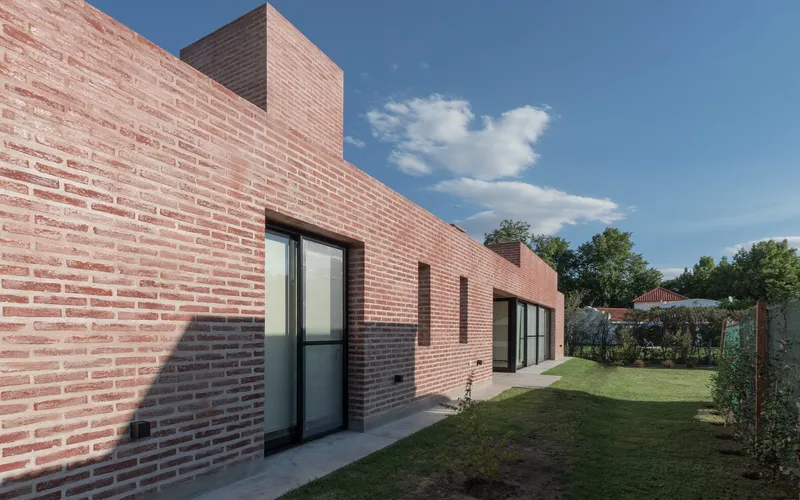
One of the project's key features is its material dialogue with the existing structure. While the new construction distinctively uses brick throughout, it maintains a conversational relationship with its neighbor. This approach not only respects the aesthetic of the surroundings but also reinforces the cohesive blend of new and old architectural elements.


Re-densifying the Periphery: A Solution for Urban Sprawl
The project addresses the urgent need for new housing solutions in the peripheral neighborhoods of cities, where low-density plots are common. By proposing a strategy to occupy vacant spaces, "A House Next to the House" presents a viable model for re-densifying the urban periphery, offering a new perspective on living arrangements and community design.
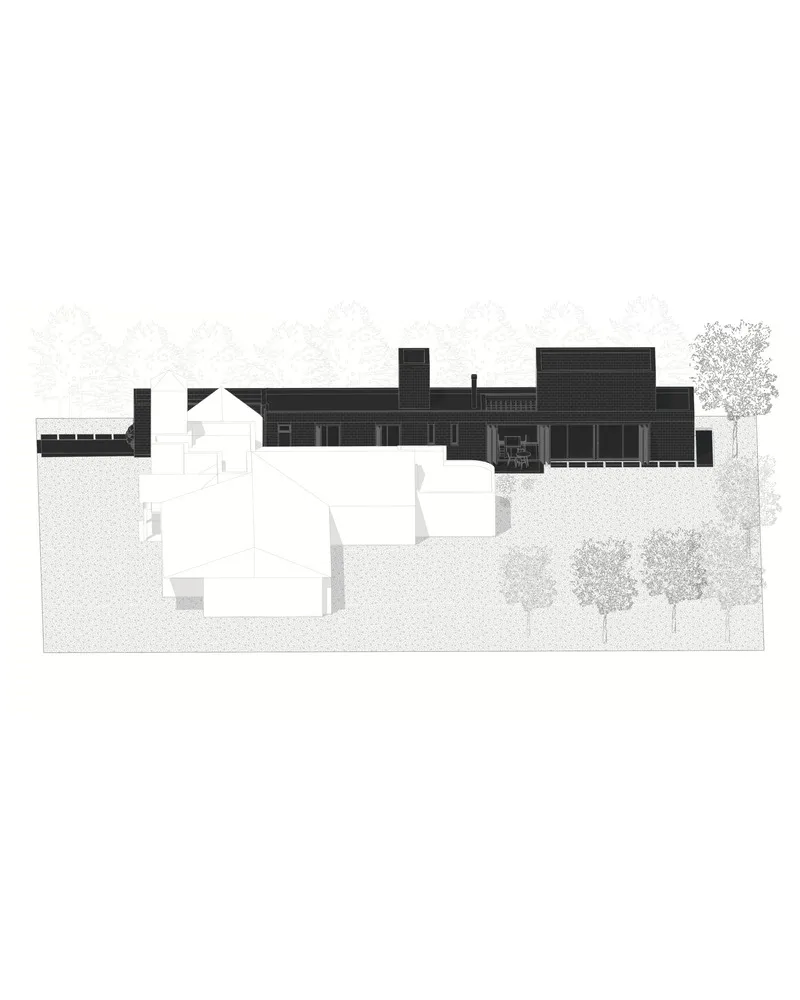


"A House Next to the House" by Flesia-Bertoya and Rare Studio Experimental exemplifies how urban re-densification strategies in architecture can offer sustainable and innovative solutions to the housing crisis. This project not only maximizes the use of available urban space but also fosters a dialogue between existing and new structures, setting a precedent for future developments in urban planning and architecture.


All photographs are work of Bruno Collura



Popular Articles
Popular articles from the community


The Ocean Hive: Sustainable Architecture for a Self-Sufficient Civilization at Sea
The Ocean Hive imagines sustainable architecture at sea, where modular habitats, algae, wave power and ocean waste sustain a growing colony.
AL-JANNAH: Sustainable Architecture and Permaculture for Afghan Widows
AL-JANNAH uses sustainable architecture and permaculture to create resilient oasis of housing, learning, work and renewal for Afghan widows.

Co-Life: Senior Housing Design That Reconnects Older Adults With the City
Co-Life reimagines senior housing design through healing gardens, shared streets, workshops, and a sustainable community across generations.

Riyadh For All: Intergenerational Urban Design for Active Aging in Rabat
Riyadh For All reimagines urban design in Rabat with intergenerational co-living, adaptive courtyards, and Moroccan cultural exchange today.


Similar Reads
You might also enjoy these articles

FAMM Arquitectura Organizes Ten Villas Around Courtyards and Jungle in Nosara, Costa Rica
El Molino pairs two elongated volumes with deep overhangs and timber louvers to build a compact coastal community five minutes from the beach.
Oscar Niemeyer's Ibirapuera Park Pavilions Define São Paulo's Cultural Identity in Concrete and Curve
A constellation of modernist volumes set within São Paulo's most important urban park, conceived for the city's 400th anniversary in 1954.
How Henri Picq's 1889 Paris Pavilion Traveled 11,000 Kilometers to Become Santiago's Artequín Museum
A prefabricated iron and glass pavilion built for the Paris Universal Exposition found a second life as a children's art museum in Chile.
Sanjay Puri Architects Wraps a Jaipur Office Tower in Capsule-Shaped Green Buffers
A nine-level climate-responsive workplace near Jaipur Airport uses stacked planter terraces and aluminium screens to fight 40°C heat.

Explore Neo-Urbanism Competitions
Discover active competitions in this discipline



Challenge to reimagine the Iron Throne


Photograph architecture without architects


Illustrate the lost glory of Angkor Wat - Render Challenge


Design challenge to reuse E-waste
Comments (0)
Please login or sign up to add comments
No comments yet. Be the first to comment!