

Urban Sequoia NOW - A Breakthrough in Carbon-Absorbing Building Design
SOM Unveils Innovative Solution at COP27 Climate Summit


At the COP27 Climate Change Conference in Sharm El-Sheikh, Egypt, Skidmore Owings & Merrill (SOM) unveiled its latest creation, Urban Sequoia NOW. This innovative design is ready to be constructed today and is capable of sequestering carbon throughout its entire lifespan.
SOM's global interdisciplinary team developed the design, which was presented by Partner Chris Cooper at the Buildings Pavilion Auditorium. The presentation highlighted the pressing need for a rethinking of the design and construction of the built environment. Although cities only cover three per cent of the planet's surface, they generate a staggering 75 per cent of all carbon emissions globally. With the United Nations projecting that cities will require an additional 230 million square meters of building stock by 2060 to accommodate growing populations, SOM's Urban Sequoia NOW offers a sustainable solution.
“We recognize the need to alter the trajectory of climate change by going beyond net zero,” said Cooper. “We need to take carbon out of the atmosphere through the built environment, and we have developed a design to do just that.”
In an effort to achieve its objective, SOM has adopted a new perspective in building design, viewing structures as dynamic entities capable of significantly lowering their carbon footprint. These buildings have the ability to generate energy during operation, absorb carbon from the atmosphere, and have a lifespan that exceeds the typical 60 years. By implementing these innovative strategies, SOM is leading the way in creating buildings that surpass the standard of net zero carbon.
We asked ourselves how low we can go in emitting carbon in construction, how high we can go in carbon sequestration, and how long we can go in extending the typical building’s lifespan,” said SOM Partner Kent Jackson. “Our latest concept for Urban Sequoia answers these questions.”
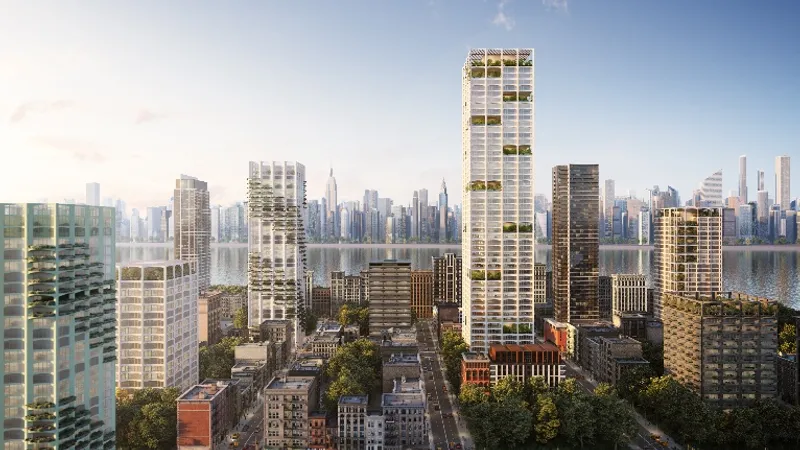
The design transforms SOM's 2021 high-rise prototype from a mere idea into a feasible reality. The construction of this building would result in a 70 per cent reduction in the upfront embodied carbon compared to a standard high-rise. Within the first five years of its existence, the tower would attain complete neutrality in terms of its whole life's carbon, reaching net zero. Over an extended period of 100 years, an Urban Sequoia building would absorb more than three times the amount of carbon produced during its construction and operations.
“To accomplish these goals is to radically rethink the way we design buildings,” said SOM Principal Yasemin Kologlu. “Urban Sequoia is a concept that encompasses every aspect of the design and construction process, reconsidering the way we select materials, design mechanical systems and structures, and integrate innovative technologies—a reimagination that converts them into carbon absorbers.”
SOM has devised a new, reductive approach to building construction that aims to combine all stages into a single, streamlined process. This method will significantly reduce carbon emissions compared to the traditional additive construction approach where each stage, from building the structure to fitting out the interior, releases carbon into the atmosphere.
In SOM's approach, the building systems such as MEP and air ducts that are usually hidden in ceilings are consolidated or eliminated. The floor slabs are optimized to incorporate these systems and by removing the ceilings, the ceiling heights are raised and material usage is decreased. Underfloor ventilation openings, sky gardens, and large air capture zones will allow air to flow into the building and be captured by direct air capture technology in the building's core and roof. The captured carbon will then be stored and used in various industrial applications, creating a new carbon-removal economy.

Urban Sequoia NOW can be applied to any building type, at any scale, and in any location. Carbon-sequestering materials such as timber and concrete, along with energy-generating solar glass, will reduce embodied and operational carbon emissions. The goal is to regenerate the environment in densely populated areas, where carbon emissions are highest, with a timeless design that can adapt to changing needs over the course of a century. By bringing this concept to life, a network of Urban Sequoia buildings will absorb carbon for 100 years or more.
“Urban Sequoia is a systems approach, a philosophy,” said SOM Sustainability Director Mina Hasman. “It is a way of thinking about cities as ecologies, as living and breathing systems that can be reconfigured to achieve dramatic reductions in whole life carbon, reframing the built environment as a solution for the climate crisis.”
Press release courtesy of SOM
Images © SOM | Miysis

Popular Articles
Popular articles from the community

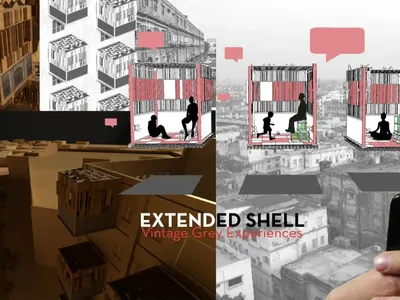
Extended Shell: Retrofitting Kolkata's Balconies as Living Urban Thresholds
A modular retrofit system recovers the social and environmental intelligence of Kolkata's historic verandas for contemporary Park Street residents.

Faces of the Soviet Avant-Garde: Turning Moscow's Street Names into an Open-Air Museum
A network of sculptural installations across a Moscow residential district transforms forgotten architect names into spatial encounters with cultural memor

Temporary Home for Dogs: A Reversed Zoo Rethinks Animal Shelter Architecture
In Bucharest, a sinuous corridor and freed landscape flip the logic of containment, designing a shelter that works to make itself unnecessary.

Cloaked Colonization: A Mobile Underwater Habitat That Moves Like a Fish
Micah Abaya's shortlisted EHC Pacific entry reimagines ocean settlement as a dispersed network of self-sustaining architectural organisms.

Similar Reads
You might also enjoy these articles
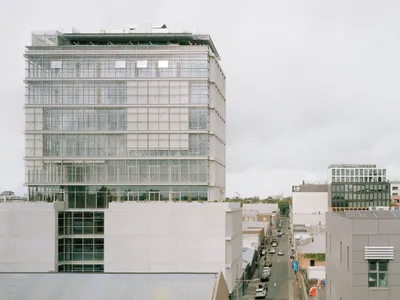
116 Rokeby Building, Collingwood
Sustainable Collingwood office building featuring double-skin façade, natural ventilation, rooftop amenities, and carbon-neutral design focused on wellbeing and longevity.
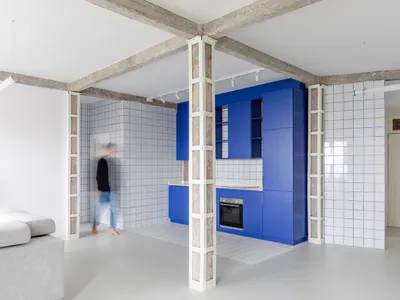
Contemporary Apartment Renovation in Spain: RV House by BIAN Opens Up to the Sea
A minimalist 1930s apartment in Santander is transformed into a flexible, sea-facing home through contemporary Spanish renovation.
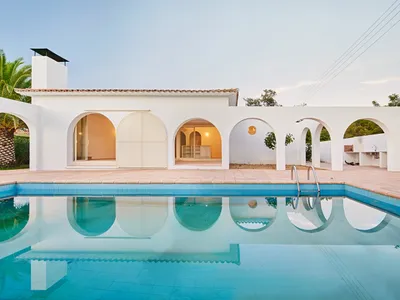
3 Marías House: A Contemporary Mediterranean Courtyard Retreat by Bajet Giramé + Burckhardt
Mediterranean courtyard home blending traditional architecture with modern design, terracotta flooring, flexible interiors, sustainable climate strategies, and garden integration.
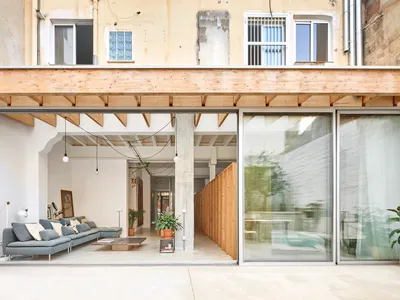
NZ10 Apartment by auba studio: Adaptive Reuse in Palma de Mallorca
Adaptive reuse apartment transforms bakery into light-filled home with patios, privacy layers, and wood interiors enhancing urban living experience.

Explore Green Building Competitions
Discover active competitions in this discipline


Challenge to reimagine the Iron Throne

Photograph architecture without architects

Illustrate the lost glory of Angkor Wat - Render Challenge

Design challenge to reuse E-waste
Comments (0)
Please login or sign up to add comments
No comments yet. Be the first to comment!